


What Beans Does Vietnamese Coffee Use? A Roaster’s Guide to Origin and Species
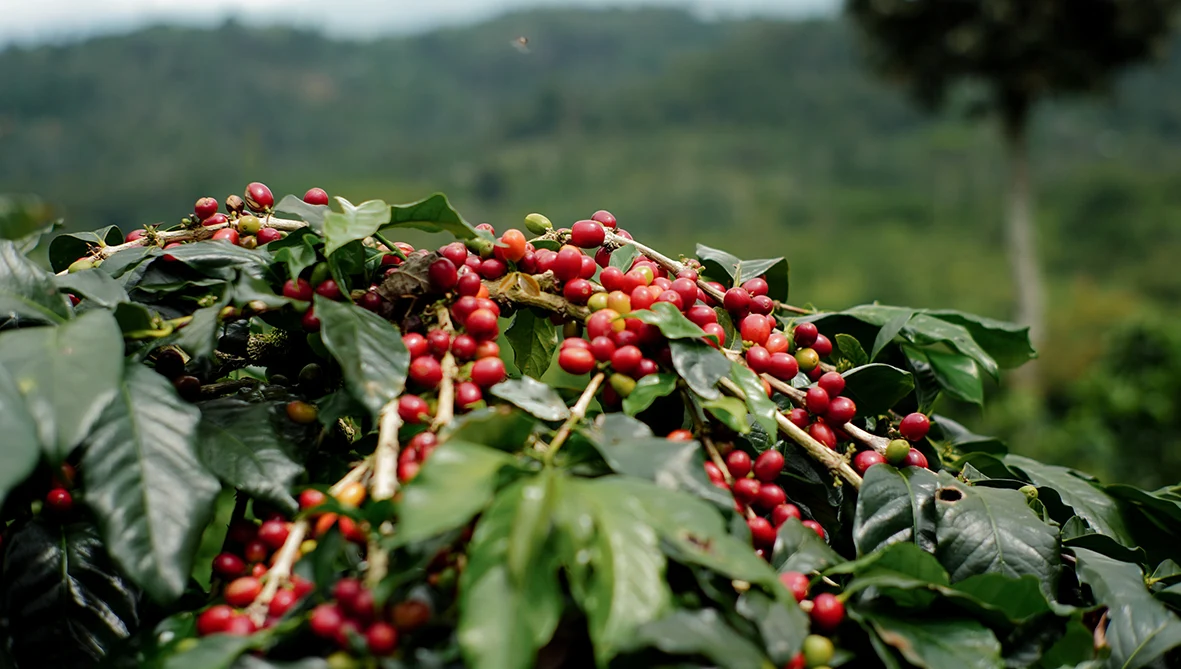
When coffee roasters and brand founders ask us what beans Vietnamese coffee uses, they are often surprised to learn that the answer is far more nuanced than a single varietal. Vietnam’s coffee identity has long been shaped by Robusta, yet the country’s evolving high-altitude terroir, particularly in regions like Măng Đen, is quietly rewriting expectations for what Vietnamese-origin coffee can taste like. As a vertically integrated Farm-to-Cup manufacturer sourcing directly from 1,300 meters above sea level, we believe roasters deserve a clear, scientific breakdown of bean species, processing science, and terroir before making sourcing decisions.
This article unpacks the botanical, agricultural, and technical realities behind Vietnamese coffee beans, and explains how modern processing innovations, from nitrogen flushing to freeze-drying, are transforming how those beans reach global markets. If you have ever wondered what beans does Vietnamese coffee use in commercial versus specialty applications, the distinctions below will clarify why species alone cannot answer the question.
What Beans Does Vietnamese Coffee Use? The Robusta Foundation
Vietnam is globally recognized as the world’s leading producer of Coffea canephora, commonly known as Robusta. This species accounts for the overwhelming majority of the nation’s coffee output, prized for its higher caffeine content, bold body, and resistance to pests and disease. Robusta thrives at lower elevations, typically below 800 meters, and has historically defined Vietnam’s reputation as a volume-driven coffee origin.
For decades, this Robusta dominance shaped the perception that Vietnamese coffee was primarily suited for instant coffee production and commercial blends rather than specialty-grade applications. However, we believe this narrative is incomplete when considering the full diversity of Vietnam’s growing regions. Anyone researching what beans does Vietnamese coffee use for export-grade products will quickly discover that Robusta itself spans a wide quality spectrum, from unwashed commodity lots to fine-robusta grades that rival Arabica in cupping scores.
Arabica in Vietnam: The High-Altitude Exception
While Robusta remains dominant, Coffea arabica cultivation is expanding in Vietnam’s highland micro-regions, where cooler temperatures and higher elevations create conditions more favorable to Arabica’s delicate flavor development. Arabica represents a smaller percentage of national output, but it is precisely in these elevated pockets, such as Măng Đen, that Vietnam’s specialty coffee potential is emerging.
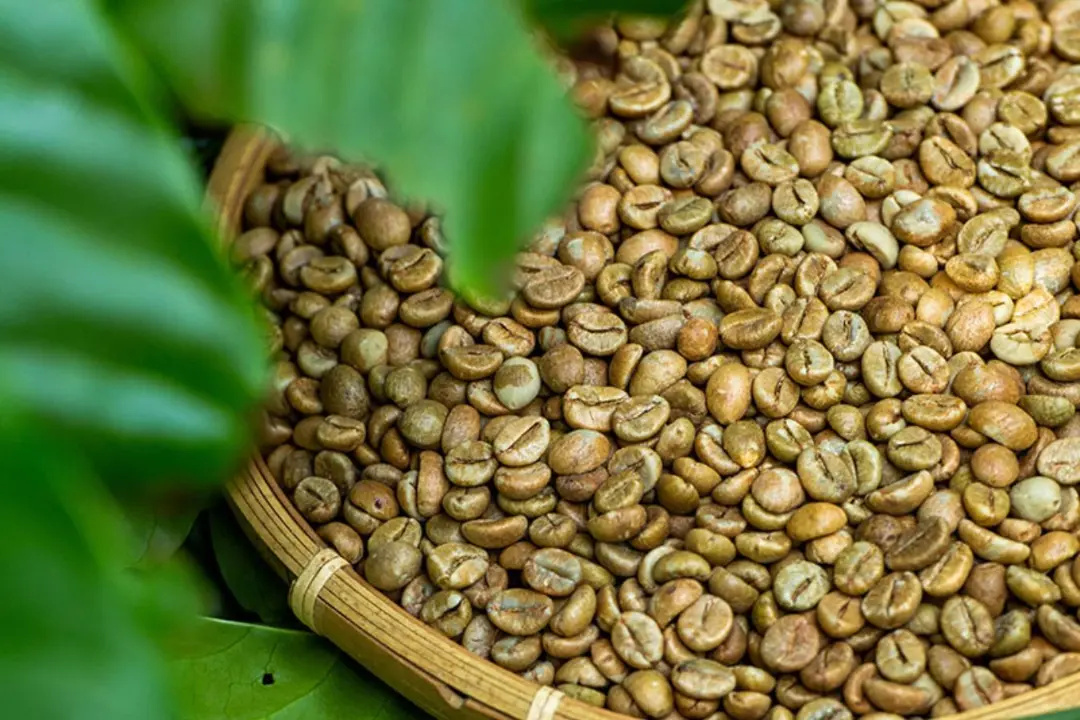
Arabica in Vietnam: The High-Altitude Exception
Arabica grown at altitude typically exhibits slower cherry maturation, which allows for greater sugar and acid development within the bean. This translates into brighter acidity, more complex aromatics, and a cleaner cup profile compared to lowland-grown coffee, regardless of species. For buyers still asking what beans does Vietnamese coffee use when targeting the specialty tier, the answer increasingly points toward these highland Arabica lots rather than the traditional Robusta blends that dominated export statistics for decades.
Beyond Arabica and Robusta: Culi, Moka, and Catimor
A complete answer to what beans Vietnamese coffee uses should also acknowledge the country’s lesser-known varietals, which continue to play a role in both domestic culture and niche export markets. Culi, a naturally occurring round-bean mutation found within both Arabica and Robusta plants, is prized in Vietnam for its concentrated flavor and dense body, often reserved for traditional phin-brewed coffee. Moka, a rare and low-yielding Arabica varietal originally introduced from French colonial plantations, produces a delicate, floral cup but is grown in extremely limited quantities due to its vulnerability to disease and low productivity.
Catimor, a hybrid Arabica cultivar bred for disease resistance, has also gained traction in Vietnam’s highland regions, offering growers a more resilient option than pure Arabica varieties while still delivering acceptable specialty-grade cupping characteristics. Understanding this varietal diversity matters because it demonstrates that Vietnamese coffee is not a monolithic category. Bean selection is a deliberate agricultural and commercial decision shaped by elevation, climate, disease pressure, and the intended market segment. It is also the clearest illustration of why any answer to what beans does Vietnamese coffee use must account for regional variation rather than a single national profile.
Terroir of Măng Đen: Why 1,300 Meters Matters
Our sourcing network is centered in the primeval high-altitude forests of Măng Đen, a region sitting at 1,300 meters above sea level. This elevation is significant because it places the growing environment within the range typically associated with specialty-grade coffee production worldwide.
The volcanic soil composition of this region, combined with consistent rainfall and diurnal temperature variation, contributes to distinct flavor precursors within the cherry. We have observed that beans cultivated in this terroir often present nuanced fruit-forward and floral characteristics that distinguish them from conventional lowland Vietnamese Robusta.
This is why we operate an agile six-region sourcing network anchored in Măng Đen, allowing us to maintain consistency while capturing the terroir-driven complexity that specialty buyers increasingly demand. When international buyers ask us what beans does Vietnamese coffee use to achieve this elevated cup quality, we point directly to this network and the elevation-driven agronomy behind it, rather than to any single varietal claim.
From Bean to Bag: Processing Methods That Shape Flavor
Regardless of species, the post-harvest processing method exerts a profound influence on final cup quality. Washed, natural, and honey processing methods each ferment and dry the cherry differently, altering acidity, sweetness, and mouthfeel. A washed Robusta and a natural-processed Arabica from the same region can present entirely different sensory profiles, which is why processing decisions are just as important as the underlying species when evaluating what beans Vietnamese coffee uses for a specific product category.
Our vertically integrated model allows us to control this process from the moment cherries are harvested, ensuring that fermentation times, drying conditions, and moisture targets are scientifically monitored rather than left to inconsistent smallholder practices. This level of control is essential for any brand seeking a reliable, replicable flavor profile at scale.
Nitrogen Flushing and Ultrasonic Sealing: Preserving Bean Integrity
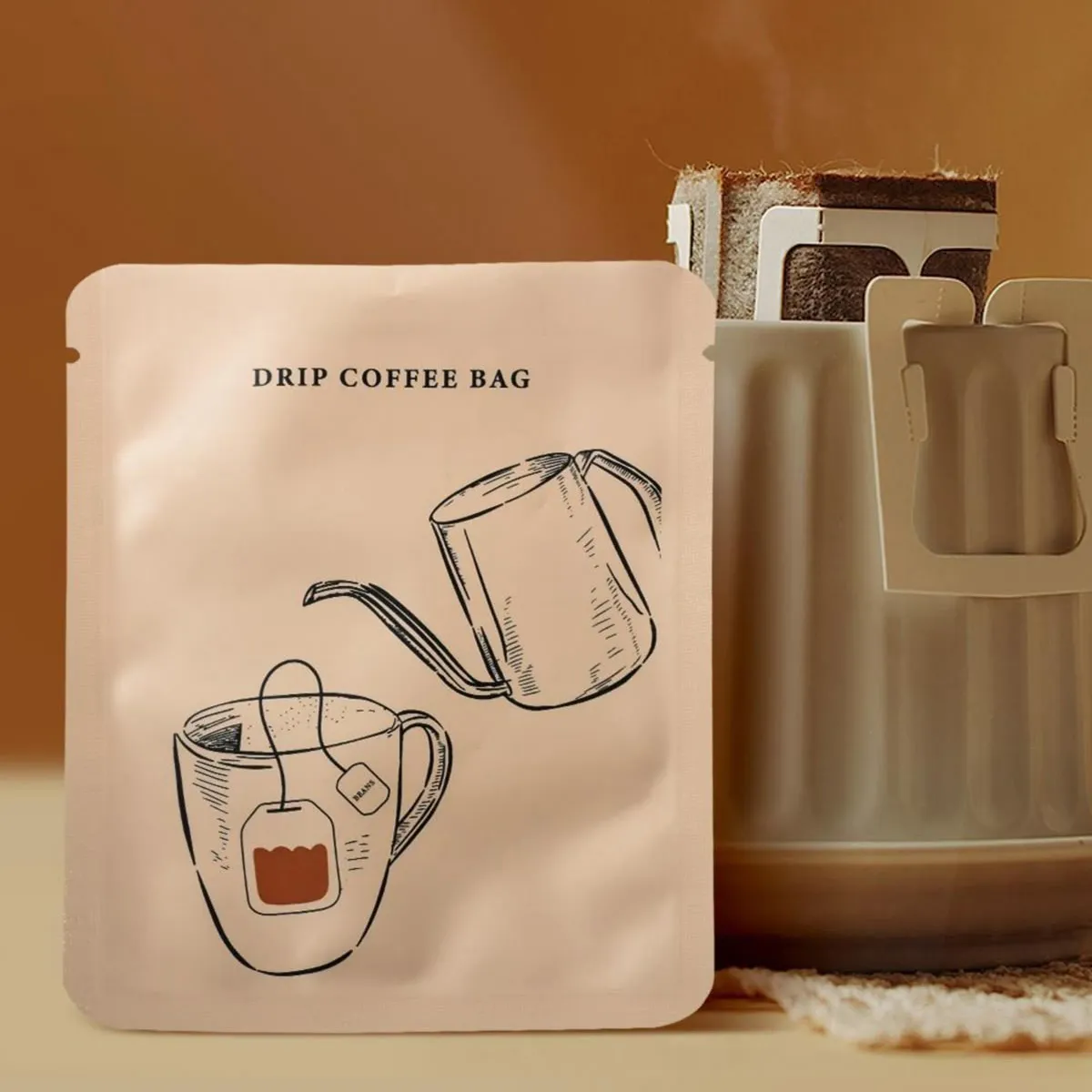
Once beans are roasted, ground, or portioned into drip bags, oxidation becomes the primary threat to aroma and freshness. We address this through nitrogen flushing, a packaging technique that displaces oxygen with inert nitrogen gas to achieve residual oxygen levels below one percent.
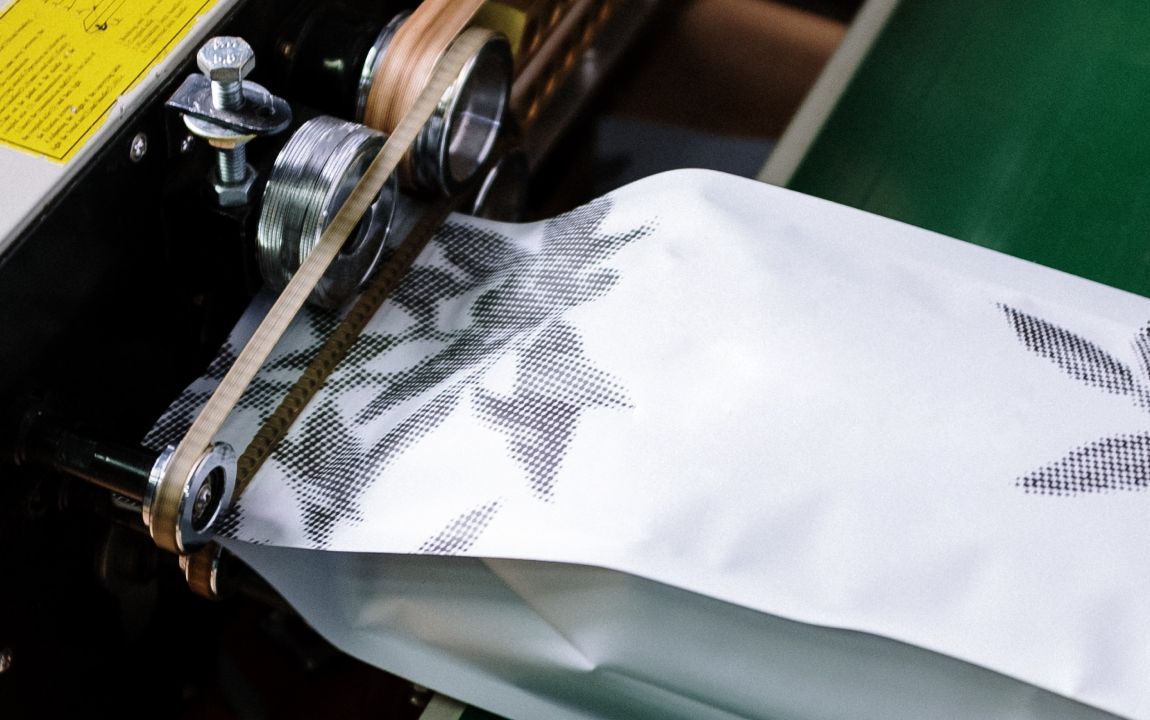
Nitrogen Flushing and Ultrasonic Sealing
This near-total oxygen removal significantly slows staling reactions, preserving volatile aromatic compounds that would otherwise degrade within weeks of roasting. Combined with glue-free ultrasonic sealing, which fuses drip bag materials using high-frequency vibration rather than adhesives, this approach eliminates chemical contamination risk while creating a stronger, more reliable seal than traditional heat-sealing methods.
For any brand acting as a drip coffee supplier, these two technologies together represent the difference between a product that tastes fresh at the point of sale and one that has already lost much of its aromatic complexity in transit. Even the finest beans lose their value if packaging science fails to protect them through the export journey.
Freeze-Drying vs Spray-Drying: Instant Coffee Crystal Science
Instant coffee production has advanced considerably beyond its early commodity reputation, and the method of dehydration plays a decisive role in final quality. Spray-drying involves atomizing liquid coffee extract into fine droplets that are rapidly dried using hot air, a fast and cost-effective process that unfortunately drives off many delicate aromatic compounds due to heat exposure.
Freeze-drying, by contrast, involves flash-freezing concentrated coffee extract and then sublimating the ice directly into vapor under vacuum conditions, bypassing the liquid phase entirely. This low-temperature process preserves significantly more of the coffee’s original aromatic and flavor compounds, resulting in a crystal product that more closely replicates the taste of freshly brewed coffee upon rehydration.
We produce premium freeze-dried instant coffee specifically because we recognize that brand founders entering the specialty instant coffee wholesale category need a product that competes on taste, not just convenience. Any serious instant coffee supplier should be able to explain this distinction clearly to prospective buyers, along with which bean species and grade were used as the extraction base, since the underlying answer to what beans does Vietnamese coffee use directly shapes the final crystal’s flavor ceiling.
CQI Scoring and Green Bean Quality Control
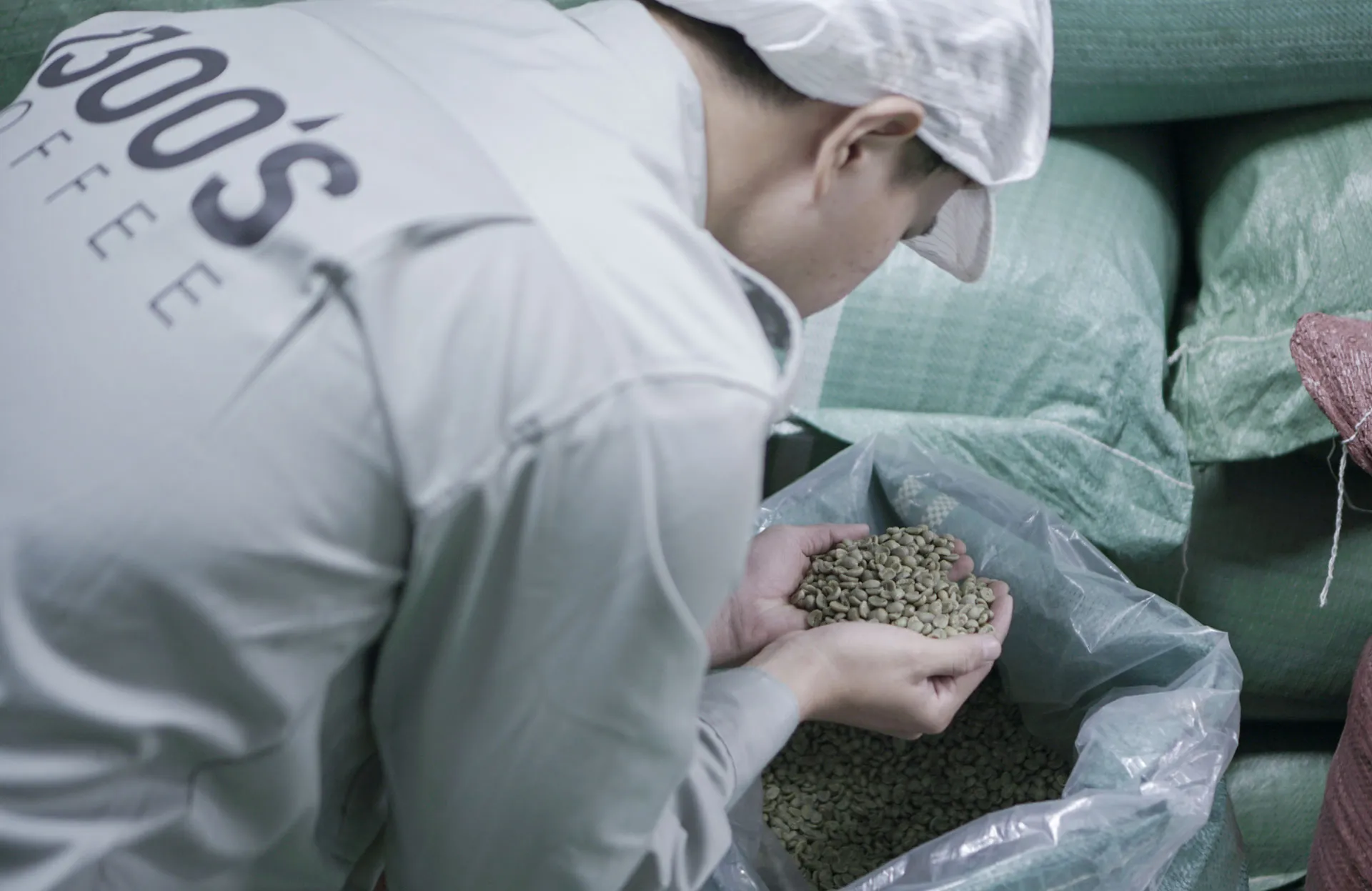
Quality control in specialty coffee begins long before roasting. The Coffee Quality Institute’s cupping and scoring protocol provides an internationally recognized benchmark for evaluating green bean quality across categories including aroma, acidity, body, and defect count.
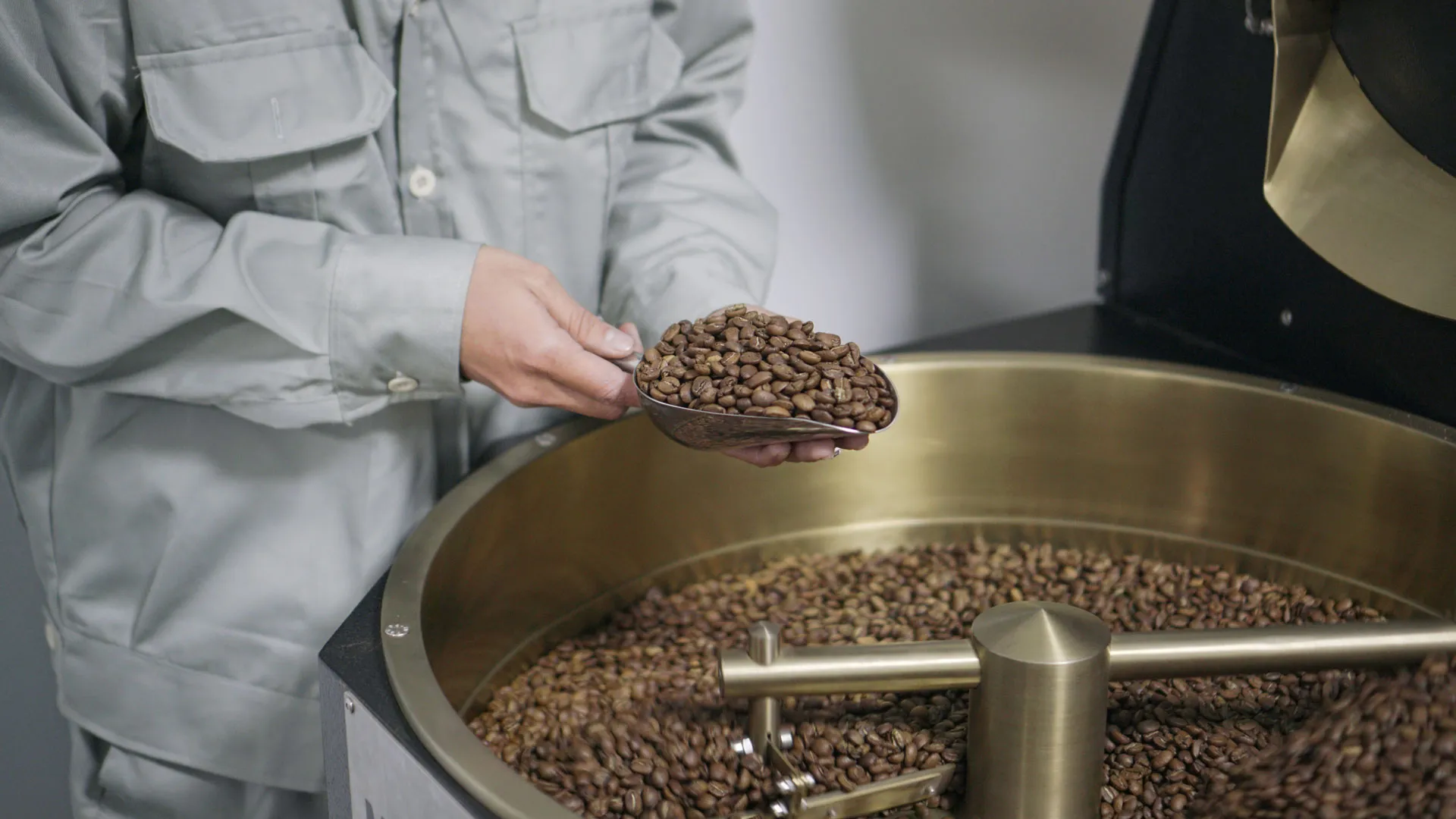
We subject our green coffee to one hundred percent CQI scoring through Stone Village Lab, ensuring that every lot entering our production pipeline meets a verifiable, standardized quality threshold. This scientific rigor extends into our roasting operations, where roast curves are digitally logged to guarantee consistency and repeatability across production runs, a critical requirement for coffee roasters wholesale partners who need dependable results batch after batch.
Why the Bean Question Still Matters for Buyers
Procurement managers and importers frequently open sourcing conversations by asking what beans does Vietnamese coffee use, expecting a simple one-word answer. In practice, the correct response depends on the finished product category. Instant coffee manufacturers often prioritize Robusta for its extraction efficiency and cost structure, while specialty roasted bean programs increasingly lean toward highland Arabica or fine-grade Robusta for cup complexity. Drip bag products may blend species to balance body and aromatics within a single-serve format. Recognizing this variability allows buyers to ask more precise sourcing questions rather than relying on generalized assumptions about Vietnamese origin coffee, and it reframes what beans does Vietnamese coffee use as a question best answered per product line rather than for the country as a whole.
Choosing a Specialty Coffee Supplier for Private Label Success
For brand founders evaluating private label coffee suppliers, bean species and processing science are only part of the equation. Export compliance, traceability, and manufacturing scale all determine whether a partner can reliably support long-term growth.
Our 10,000-ton capacity factory operates under ISO 22000, HACCP, FDA, and EUDR certification, reflecting the full compliance infrastructure required for international specialty coffee wholesale and bulk instant coffee wholesale distribution. This is supported by a 40,000-square-meter bio-fertilizer plant and smart farm integration, which allows us to maintain agricultural quality upstream while scaling production downstream.
Whether a client requires ultrasonic-sealed drip bags, freeze-dried crystals, or profile-logged roasted whole beans, we believe the most successful partnerships are built on transparency about origin, process, and science, not simply price per kilogram.
Conclusion
Understanding what beans Vietnamese coffee uses requires looking beyond the country’s Robusta-dominant reputation to appreciate the emerging high-altitude Arabica potential found in regions like Măng Đen, alongside niche varietals like Culi, Moka, and Catimor. Bean species, however, is only the starting point. Terroir, post-harvest processing, packaging science, and quality verification collectively determine whether a coffee product reaches its full potential in the global market. Ultimately, what beans does Vietnamese coffee use is a question with as many answers as there are product categories, growing regions, and processing choices.
We remain committed to advancing this conversation through rigorous science and direct-from-origin expertise, helping roasters and brand founders make informed, confident sourcing decisions. To explore our capabilities as a specialty coffee supplier and discuss private label opportunities tailored to your brand, we invite you to connect with our team.
Read more: White Label Coffee Suppliers for Businesses Sourcing Ready Made Branded Products


1300s BLOG YOU MAY ALSO BE INTERESTED IN
How Specialty Coffee Is Exported from Vietnam
Private Label Coffee Suppliers for Businesses Sourcing Custom Branded Products
Is the Coffee Industry Growing? Market Trends and Growth Drivers