


White Label Coffee Suppliers for Businesses Sourcing Ready Made Branded Products
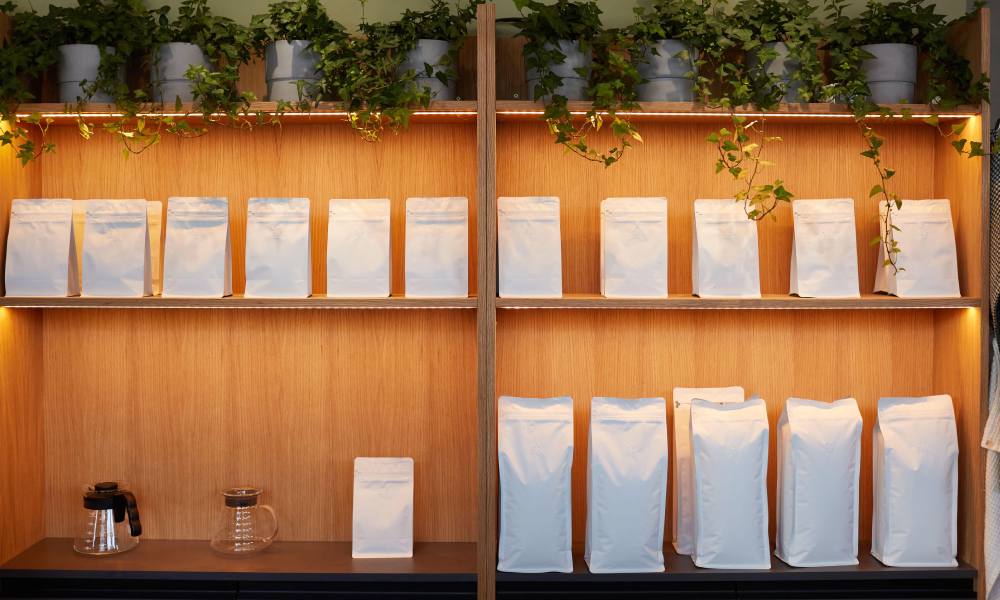
Not every business launching a coffee product needs a custom-developed formulation built specifically around their brand. Many need something faster and simpler: an already-proven product a business can put its own name and packaging on, without the multi-round cupping and formulation development process that custom sourcing typically requires. White label coffee suppliers exist specifically for this need, and understanding how the model actually works, what it offers, and where its real limits sit helps a business decide whether it fits their launch plans better than a fully custom alternative. This guide covers what white label coffee sourcing involves, what to expect across product formats, and how to evaluate a supplier before committing.
White Label vs Private Label Coffee: What’s Actually Different
These terms get used close to interchangeably in casual conversation, but there’s a genuine practical distinction worth understanding before approaching any supplier.
Ready-Made Formulas vs Custom Development
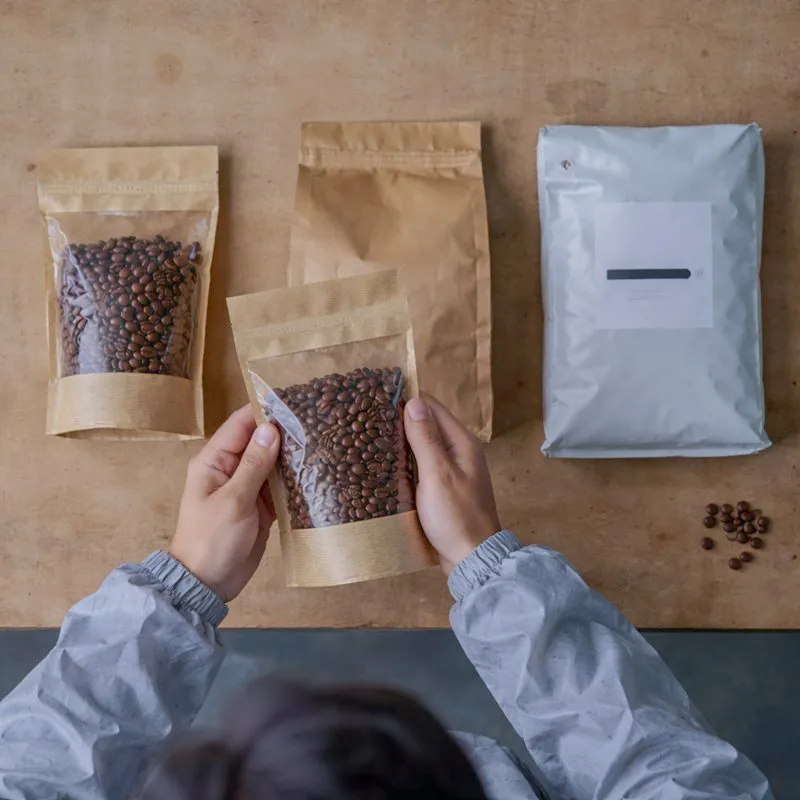
White label coffee means selecting from a supplier’s existing, already-formulated product range, a specific roast, blend, or grind already in production, and applying a business’s own branding and packaging to it. Private label, by contrast, more often implies a supplier developing something specifically for a business through iterative cupping and adjustment. The practical difference shows up immediately in the sourcing process: a white label relationship starts with tasting what’s already available and picking the closest match, while a private label relationship starts with a target flavor brief and works toward it through multiple development rounds.
Ready-Made Formulas vs Custom Development
Speed to Market and Lower Barrier to Entry
Because white label coffee suppliers work from existing formulations, the path from initial conversation to a packaged, sellable product is considerably faster than custom development allows, often a matter of weeks rather than the one to three months a genuine custom formulation project typically requires. This speed advantage comes with a correspondingly lower barrier to entry, since a business isn’t paying for formulation development time or absorbing the risk of multiple cupping rounds before landing on an acceptable flavor profile. For businesses prioritizing a fast launch over a fully differentiated product, this tradeoff is often the more practical starting point.
Exclusivity Considerations
The tradeoff businesses need to understand clearly before committing to white label sourcing is that an existing formulation isn’t automatically exclusive. A supplier’s specific house blend might already be sold under several other brands’ labels, meaning a business’s white label product could taste identical to a competitor’s offering, distinguished only by packaging and marketing rather than the coffee itself. This isn’t necessarily a dealbreaker, many successful coffee brands built their initial launch on white label product before eventually transitioning to custom formulation once the business had traction, but it’s a tradeoff worth entering into deliberately rather than discovering later. Businesses concerned about this risk should ask a prospective supplier directly how many other brands currently sell the same formulation under their own labeling, and in which markets or retail channels those other brands operate, since direct competitors selling an identical product under different packaging in the same market is a meaningfully different risk than a similar formulation sold only in an unrelated geography or sales channel.
What White Label Coffee Suppliers Actually Offer
Understanding the practical mechanics of what a white label relationship provides helps businesses evaluate whether a specific supplier’s offering actually fits their needs.
Existing Formulation Selection
A capable white label coffee supplier should offer a genuine range of existing formulations to choose from, different roast levels, single-origin options, and pre-built blends, rather than a single generic product with no meaningful variation. Businesses should request samples across whatever range is available before committing, since the whole value proposition of white label sourcing depends on finding an existing product that’s already close enough to what the business actually wants to sell, rather than settling for whatever happens to be on offer.
Packaging and Branding Customization
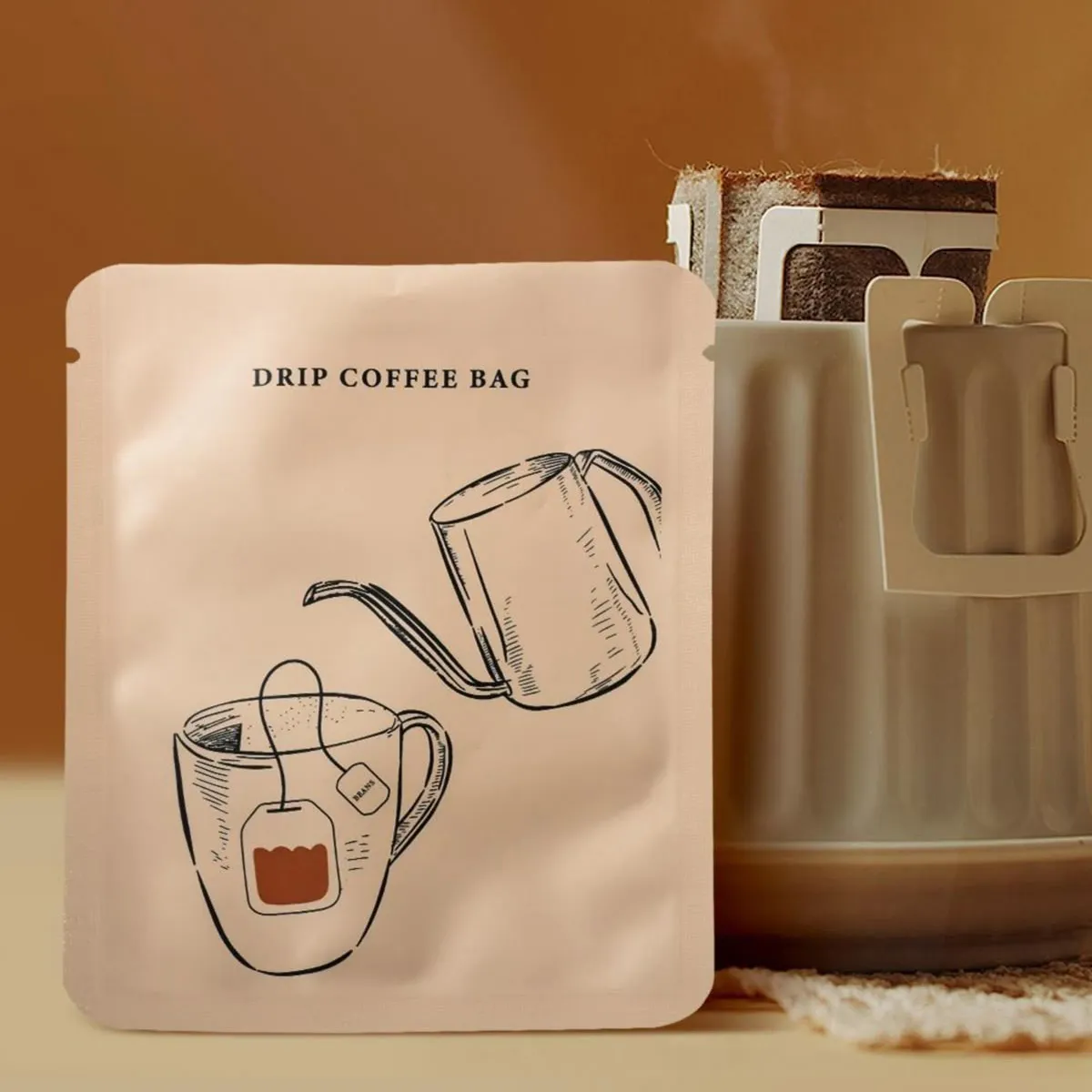
While the coffee formulation itself stays fixed in a white label arrangement, packaging and branding customization is where a business actually builds its own identity into the product. This typically includes custom label design, bag or container selection, and sometimes limited flexibility on packaging format, though businesses should confirm packaging customization options and any associated minimum order requirements specifically, since custom packaging frequently carries its own separate minimum tied to the packaging supplier’s own production line.
Minimum Order Flexibility
Because white label sourcing doesn’t require a supplier to dedicate production capacity to developing something new, minimum order quantities are often, though not universally, lower than what a custom private label project would require. This makes white label sourcing particularly accessible for smaller businesses or first-time coffee brand launches without the capital to commit to a large minimum order before knowing whether the product will actually sell.
White Label Coffee Roasters: What to Look For
Businesses specifically sourcing roasted coffee through a white label arrangement should evaluate a few factors particular to this format.
Roast Level Options Available Off the Shelf
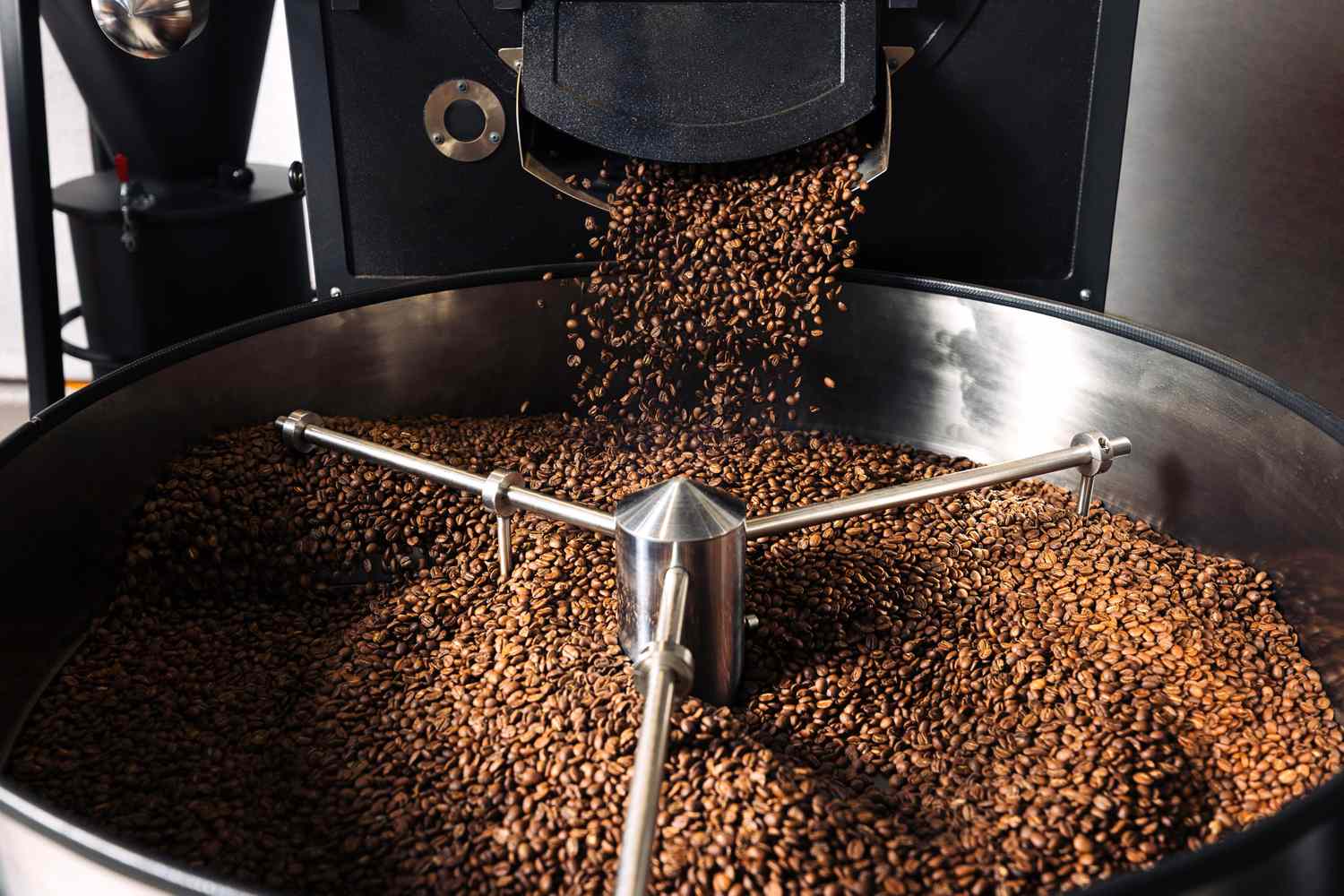
White label coffee roasters should offer meaningful variety across roast levels, light, medium, and dark, rather than a single house roast profile applied to everything in their range. A business targeting a specific customer segment, a specialty-leaning light roast audience versus a bold, dark roast espresso market, needs to confirm the specific roast level available matches their actual target positioning rather than assuming any white label roaster’s offering will work for any brand direction.
Roast Level Options Available Off the Shelf
Consistency Across Reorders
Even though white label sourcing uses an existing formulation rather than a custom-developed one, consistency across reorders still matters enormously, since a business’s customers expect the same product every time they purchase. Ask a prospective supplier directly whether their existing formulations are produced against a documented, repeatable specification, or whether quality might vary somewhat between production runs depending on which specific batch of green coffee happens to be in use at the time.
White Label Across Product Formats
White label sourcing isn’t limited to roasted whole bean coffee, and understanding how it works across other formats helps businesses building a broader product range.
White Label Roasted Coffee Wholesale
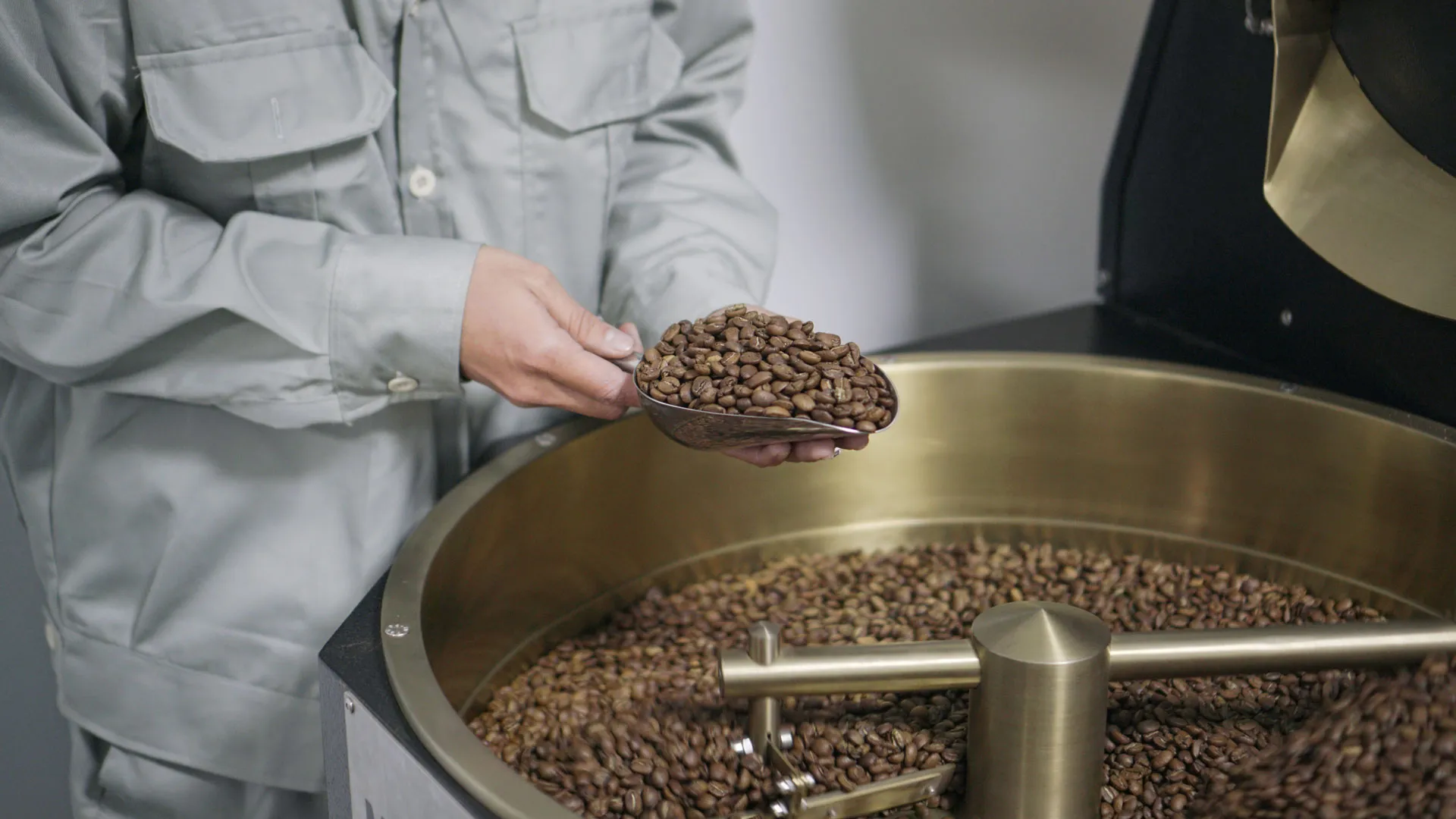
Roasted coffee remains the most common white label entry point, with suppliers offering roasted coffee wholesale volume across their existing formulation range. Businesses should confirm packaging options specifically for this format, since proper degassing valve packaging and freshness protection matter as much for a white label roasted product as they would for any custom-developed one.
White Label Ground Coffee Wholesale
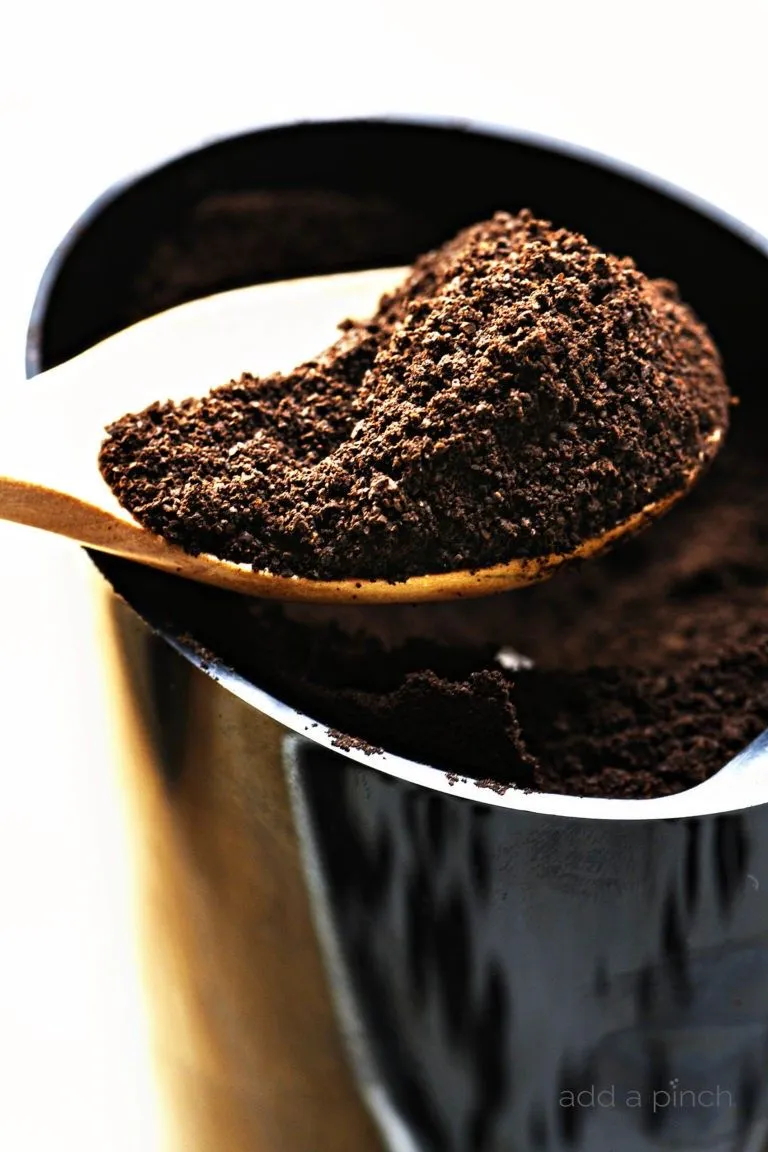
Ground coffee wholesale sourced through a white label arrangement introduces the same grind consistency and freshness considerations relevant to any ground coffee purchase, and businesses should confirm which brewing method a supplier’s existing ground formulations are calibrated for, drip, espresso, or another method, since an existing product built for one brewing style won’t necessarily perform well for another.
White Label Instant Coffee
White label instant coffee follows a similar existing-formulation model, letting businesses select from a supplier’s current spray-dried or freeze-dried product range rather than developing a custom formulation from scratch. This is a particularly common entry point for businesses testing the instant coffee category for the first time, since instant coffee wholesale formulation development, especially for premix 3-in-1 or 2-in-1 products, involves more technical complexity than businesses new to the category often anticipate, making an existing, already-validated formulation a lower-risk starting point.
Who White Label Coffee Suits Best
Not every business launching a coffee product is equally well served by the white label model, and understanding which situations fit best helps set realistic expectations from the outset.
Businesses Testing Market Demand
Businesses uncertain whether a coffee product will actually sell in their market benefit from white label sourcing’s lower upfront investment and faster launch timeline, allowing them to validate real demand before committing further capital to custom formulation development that might ultimately prove unnecessary if the initial concept doesn’t resonate with customers.
Retailers and Cafes Wanting a Quick Branded SKU
Retailers and cafes wanting a house-branded product without the time or budget for full custom development often find white label sourcing a practical middle ground, giving them a branded item on their shelf or menu without the multi-month development timeline a genuinely custom formulation would require.
Businesses Not Ready for Full Custom Development
Some businesses simply aren’t ready, whether due to limited initial budget, uncertainty about their exact flavor target, or a desire to launch quickly and refine later, to commit to the formulation development process a custom private label project involves. White label sourcing lets these businesses enter the market now, with the option to transition toward custom development later once the business has more clarity and resources to invest in that direction.
What to Verify Before Choosing a White Label Partner
Regardless of how appealing a specific white label offering looks initially, a few verification steps protect a business from a mismatched or disappointing relationship.
Sample Approval and Consistency
Request samples matching exactly what would actually ship in a full order, not a specially curated best-case sample, and evaluate them against the business’s actual target positioning rather than simply accepting whatever’s offered as good enough. It’s also worth asking how consistent a specific formulation has been historically, since a white label coffee supplier’s existing product should already have a track record a business can ask about directly.
Certification and Documentation
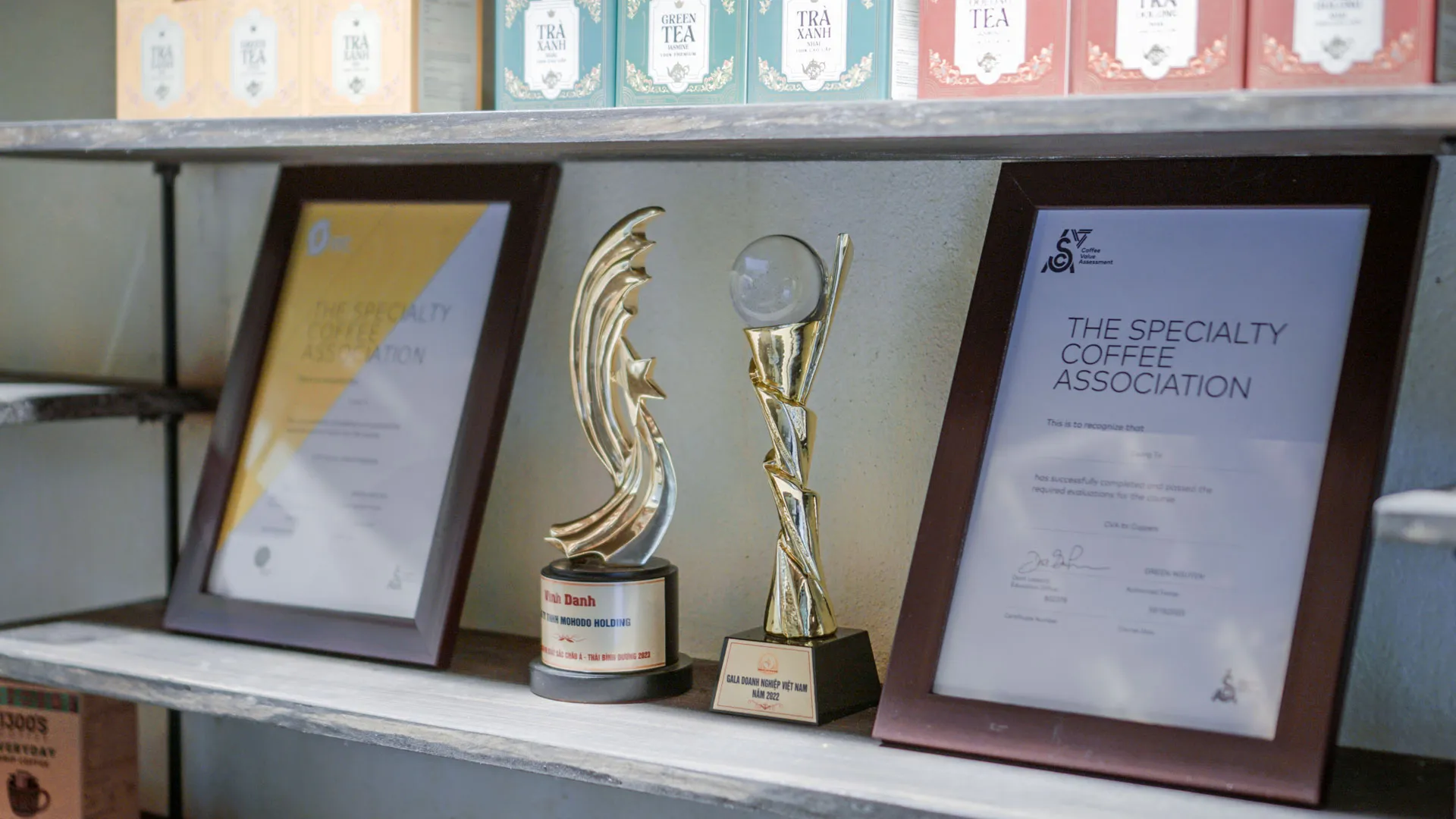
Even though white label sourcing skips the formulation development stage, certification and documentation requirements remain just as relevant. Confirm ISO 22000, HACCP, and any market-specific certifications like FDA registration apply to the specific product line under consideration, and verify this documentation directly with the issuing body rather than accepting a supplier’s claim at face value.
Certification and Documentation
Cost Comparison: White Label vs Custom Development
Understanding the actual cost difference between white label and custom private label sourcing helps businesses make a more informed decision than assuming one path is universally cheaper.
Why White Label Typically Costs Less Upfront
White label sourcing avoids the formulation development fees, whether charged separately or absorbed into per-unit pricing, that custom private label projects typically carry. Because a supplier is producing something already in their regular production rotation rather than dedicating time to multi-round cupping and adjustment specifically for one business, the fixed costs spread across a wider base of white label customers, translating into lower per-unit pricing for any individual buyer, particularly at smaller order volumes.
Where the Savings Narrow at Scale
The cost advantage of white label sourcing narrows somewhat as order volume increases, since custom formulation’s upfront development cost gets amortized across a larger number of units the bigger an order grows. A business placing a very large recurring order might find the per-unit cost difference between white label and custom private label considerably smaller than it would be for a small trial order, which is part of why some businesses that started with white label sourcing eventually transition to a custom formulation once their volume justifies the development investment.
Transitioning From White Label to Private Label Over Time
Many successful coffee brands didn’t start with a fully custom formulation, and understanding this common growth path helps businesses see white label sourcing as a legitimate long-term strategy rather than only a temporary compromise.
Building Market Validation Before Investing in Custom Development
Launching with an existing white label formulation lets a business validate real customer demand, and gather direct feedback on what customers actually like or don’t like about the current product, before committing the additional time and cost a custom development project requires. This sequencing reduces the risk of investing in a custom formulation that turns out not to match what the market actually wants, a risk a business bypasses entirely by starting with an already-proven white label product.
When It Makes Sense to Move to Custom Formulation
Businesses typically consider transitioning from white label to private label once they’ve built enough order volume to justify development costs, and once customer feedback or competitive pressure makes clear that a genuinely differentiated formulation would meaningfully improve the business’s market position. A white label coffee suppliers relationship that also offers custom development capability makes this transition considerably smoother, since the business can move to a custom formulation without switching suppliers entirely, preserving an existing relationship and production familiarity built up during the white label phase.
Trusted White Label Coffee Suppliers to Consider
Several Vietnamese suppliers offer genuine white label capability across multiple coffee formats, worth evaluating against a specific business’s launch timeline and product needs.
Hello 5 Coffee Global
Hello 5 Coffee’s wholesale and export programs include existing formulations across roasted, ground, and instant coffee, with the company’s hands-on support for first-time brand builders making it a relevant option for businesses new to white label sourcing who want guidance navigating packaging and market entry alongside the product itself.
Vinacafé Bien Hoa
As one of Vietnam’s most established instant coffee manufacturers, Vinacafé’s existing soluble and instant coffee product range offers businesses a white label instant coffee option backed by decades of production experience, relevant for businesses specifically targeting this format for their initial launch.
1300’S Coffee
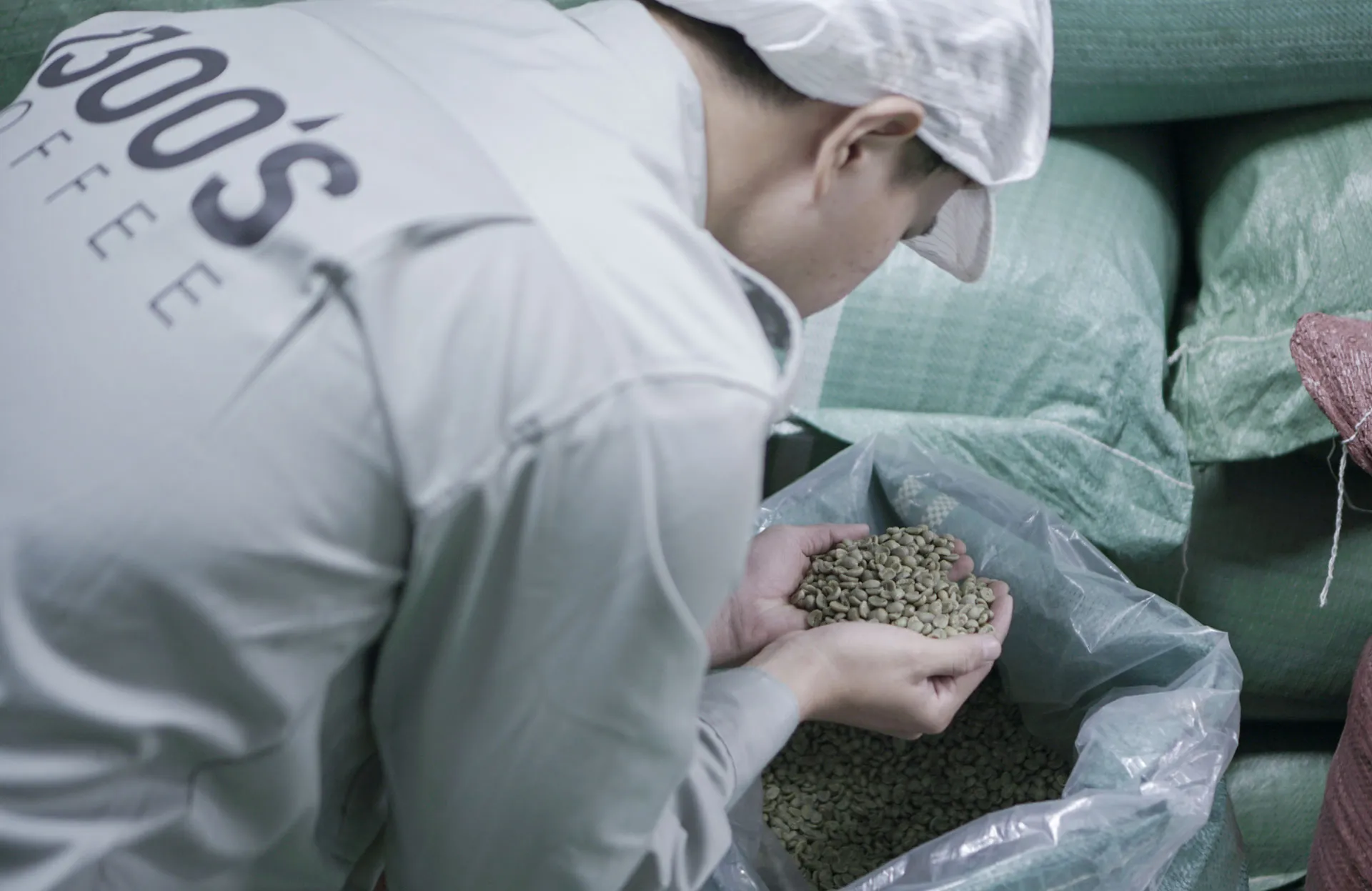
1300’S Coffee, operating as a vertically integrated specialty coffee supplier from the Mang Den highlands of Kon Tum province, offers white label options across roasted, ground, and instant coffee formats drawn from its existing production range, alongside the option to transition toward custom private label development later as a business’s needs evolve. The company holds ISO 22000, HACCP, FDA, and OCOP certifications, with quality control managed through an in-house lab supporting consistency across reorders. For businesses wanting a specialty coffee wholesale option specifically within their white label selection, rather than only standard commercial grade formulations, 1300’S Coffee’s broader specialty positioning extends into its white label offering as well.
Getting Started
Businesses evaluating white label coffee suppliers should request samples across the full range of existing formulations available, confirm packaging customization options and associated minimums, and verify certification and consistency track record before committing to a launch order. Looking for a ready made branded coffee product to launch quickly? Request samples from 1300’S Coffee’s existing formulation range to find the right starting point for your brand.
Read more: Arabica Coffee Beans Supplier Delivering Specialty Grade Quality to Global Roasters


1300s BLOG YOU MAY ALSO BE INTERESTED IN
What Is Specialty Grade Coffee? The Criteria That Actually Define It
How to Roast Coffee Beans: A Complete Guide From Green to Cup
How to Source Coffee Beans A Practical Guide for First Time Buyers