



How to Partner with Bulk Green Coffee Beans Suppliers for Your Roastery
Most roasteries spend years perfecting their roast profiles and almost no time on the relationship that determines whether those profiles keep working. Green coffee is the single largest input to everything a roastery sells, yet it is often bought transactionally, from whichever source offers the best price that month. The roasteries that grow steadily tend to do something different. They build lasting partnerships with a small number of bulk green coffee beans suppliers, share their goals and data openly, and plan volume together instead of reacting to shortages. This guide explains how to build that kind of relationship, from aligning your roast program with a supplier’s strengths to forecasting demand, structuring contracts, communicating well, and expanding your range over time.
Why a Roastery Needs a Partner Rather Than Just a Seller
A seller delivers coffee against an order. A partner takes an interest in how that coffee performs once it reaches your drum. The difference is easy to overlook until something goes wrong.
How Green Coffee Quality Shapes Every Roast You Sell
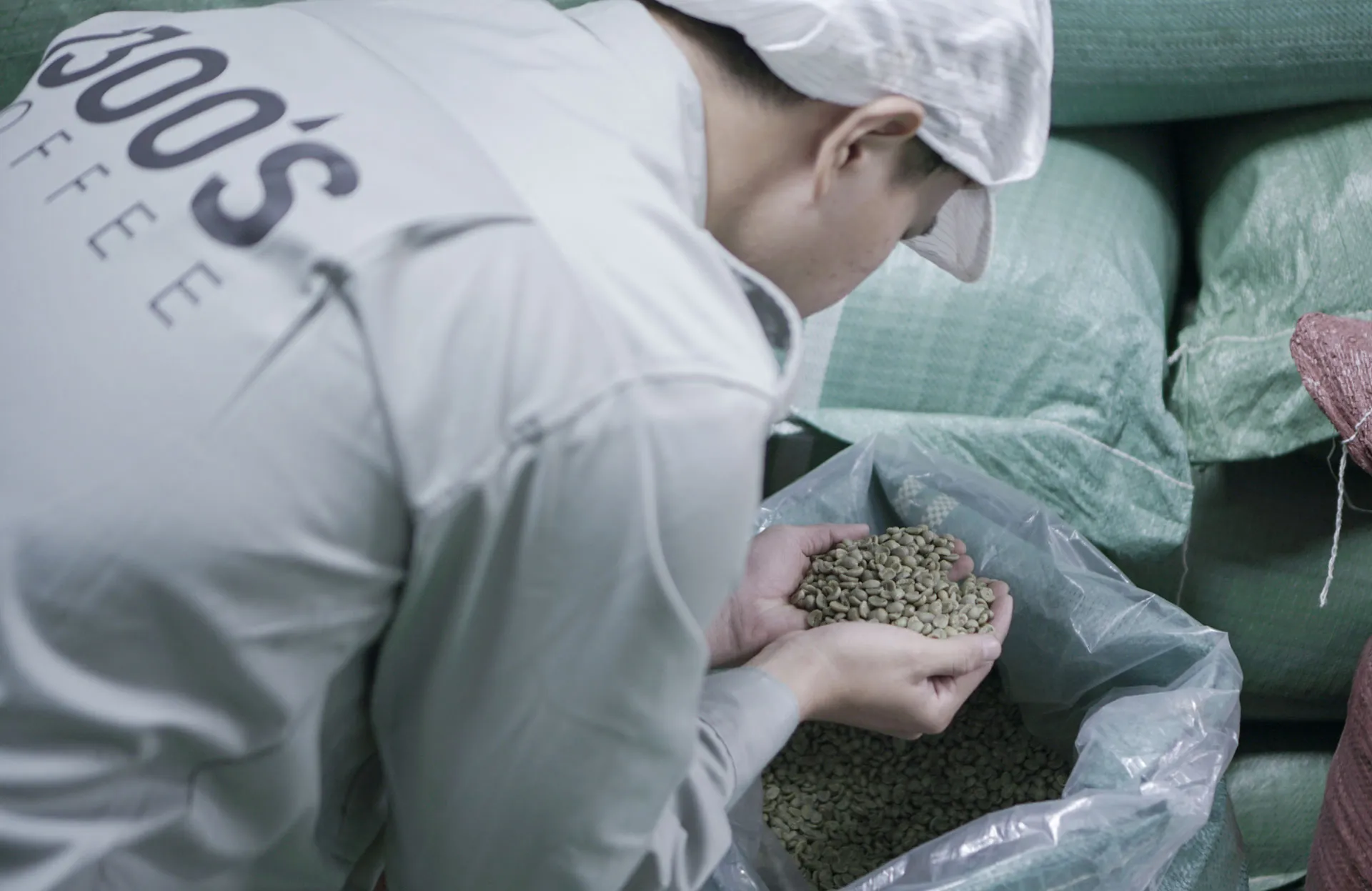
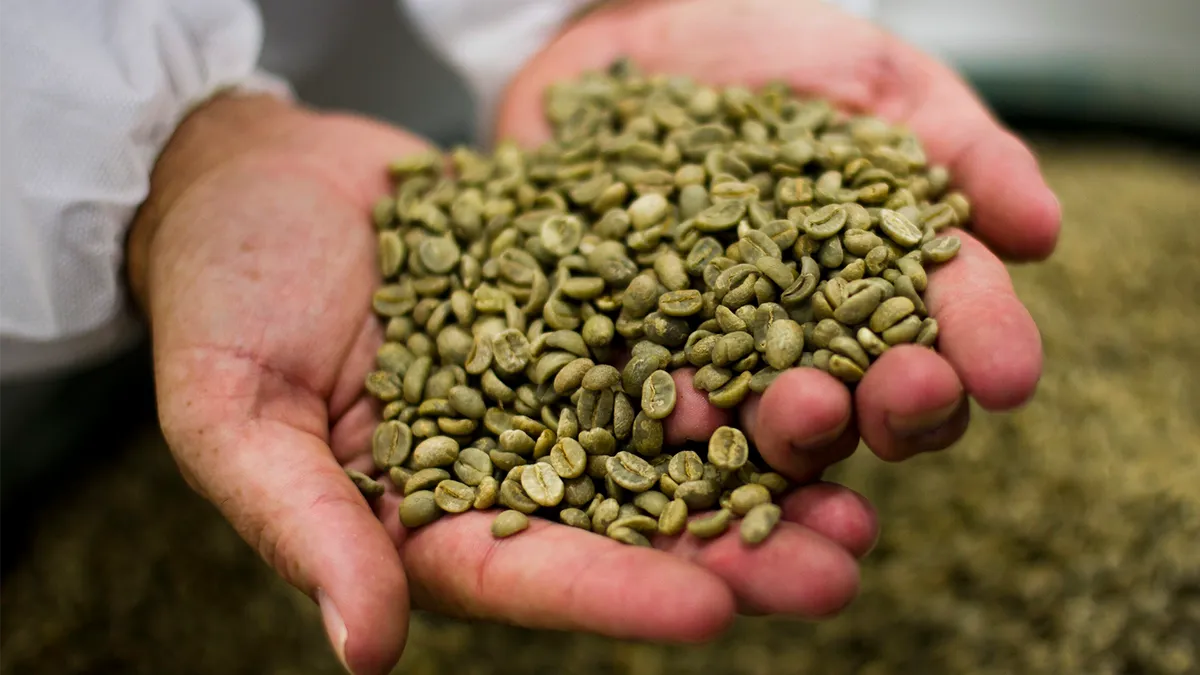
No roasting skill can add quality that was not present in the green bean, which makes the supplier relationship the real ceiling on what your roastery can achieve. A roast profile is built around the density, moisture, and size of a particular lot, so even small changes between harvests can require adjustments to charge temperature, airflow, and development time. A supplier who understands this will tell you when a new crop differs from the last, share the density and moisture figures that explain why, and send samples early enough for you to adapt. A seller who treats every lot as interchangeable leaves you to discover those differences in production, where they show up as inconsistent color, uneven development, and customer complaints that are difficult to trace back to their cause.
How Green Coffee Quality Shapes Every Roast You Sell
The Hidden Cost of Constantly Switching Suppliers
Chasing the lowest price across a rotating cast of green coffee suppliers looks efficient on paper and expensive in practice. Every new source means a fresh round of sampling, profile development, and quality checks, and every first shipment carries the risk of surprises that an established partner would already have resolved. Switching also resets the information advantage. A long term supplier knows your preferences, your volumes, and your tolerances, and uses that knowledge to offer lots that suit you before you ask. That accumulated understanding rarely appears on an invoice, but it saves time, reduces waste, and gives a roastery something its price chasing competitors never build, which is a consistent product that customers recognize and trust.
Aligning Your Roast Program With What Your Supplier Does Best
A partnership works best when your roast program and your supplier’s strengths point in the same direction. That alignment takes deliberate effort from both sides.
Matching Origins and Processing Methods to Your Menu
Start by being honest about what your menu actually needs. A roastery built around bold espresso blends has different requirements from one focused on bright single origin filter coffees, and a supplier strong in one area may be average in the other. Review the origins, varieties, and processing methods a supplier does well, whether washed, honey, or natural, and match them to your offerings rather than forcing a supplier to stretch. A genuine specialty coffee supplier will be candid about where its range is strongest, and that candor is a good sign, since it means the lots they recommend are the ones they can deliver consistently.
Sharing Roast Profiles and Quality Targets Openly
Many roasteries guard their profiles closely and tell suppliers almost nothing about how the coffee is used. That caution costs them. When a supplier knows your target cup, your roast level, and the characteristics you value, it can select lots that fit, flag lots that will not, and suggest alternatives you had not considered. Share the quality targets that matter most to your customers, such as sweetness, body, or acidity, and the defects you cannot tolerate. The more precisely a supplier understands what good looks like to you, the better it can serve you, and the fewer rejected lots either side has to absorb.
Cupping Together to Calibrate Expectations
Two people can taste the same coffee and describe it differently, which is why calibration matters. Cup the same lot alongside your supplier, either in person or by exchanging identical samples, and compare notes on score, flavor, and defects. Over several rounds you will learn how their descriptions translate to your own palate and how their scoring compares with yours. That shared vocabulary makes later conversations far more productive, because a note such as clean and sweet means the same thing to both parties, and disagreements about quality can be resolved by pointing to a common reference rather than arguing from opinion.
Forecasting Demand and Planning Volume Together
Green coffee is an agricultural product with a crop calendar, which means supply cannot be switched on at will. Planning together is the best defense against both shortages and surplus.
Sharing Sales Forecasts So Supply Matches Demand
Give your supplier a realistic forecast of how much coffee you expect to roast over the coming months, including seasonal peaks and any planned launches. This lets the supplier reserve volume for you before it is committed elsewhere, which matters most for lots that sell out each season. A roastery building a specialty coffee wholesale offering for local cafes, for instance, needs confidence that the coffee behind its core products will be available all year, and a forecast is what makes that confidence possible. Revise the forecast as your sales develop, and be honest when the numbers change. Suppliers can work with uncertainty, but they cannot work with surprises.
Managing Green Stock Across the Crop Year
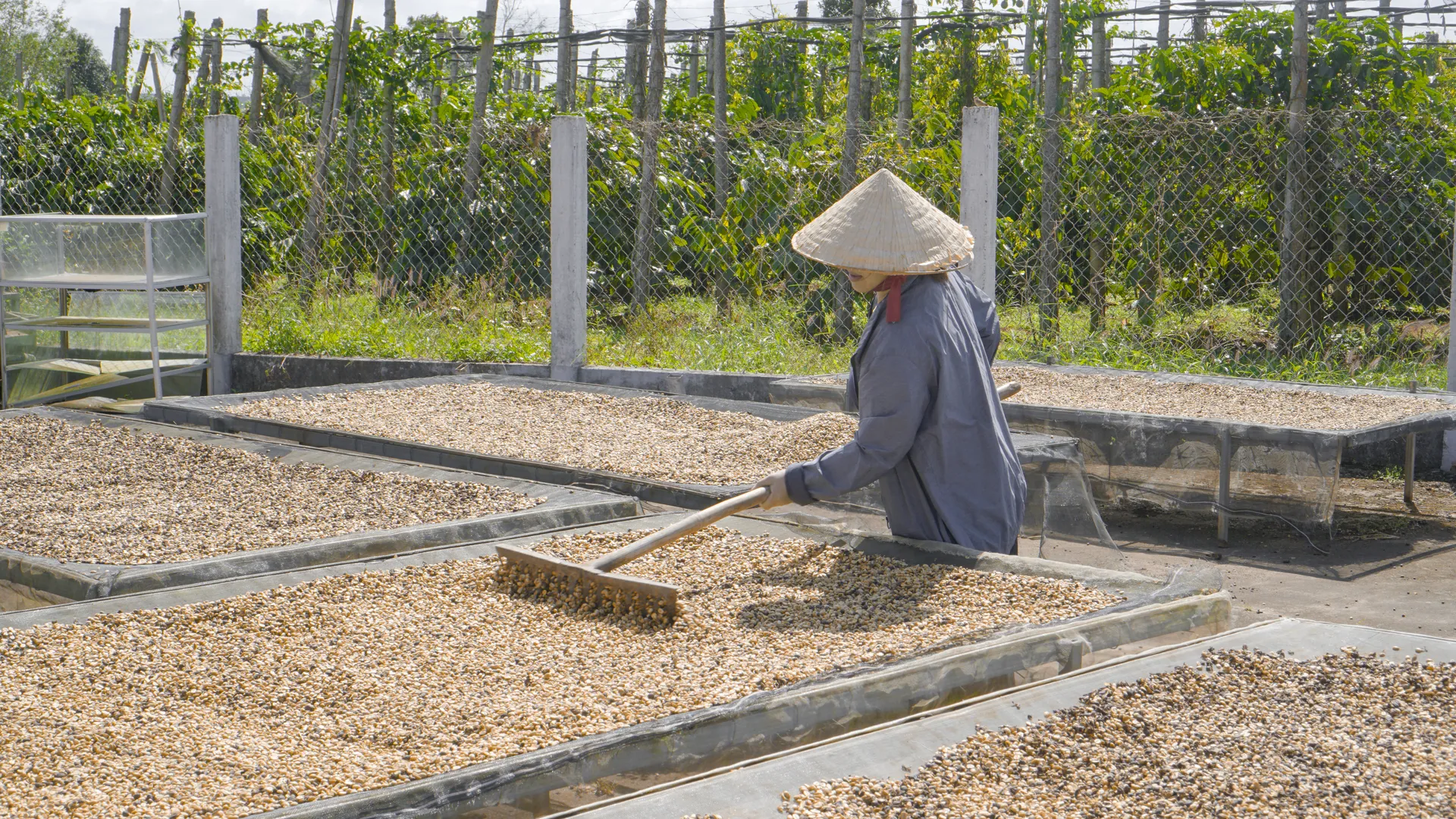
Green coffee keeps better than roasted coffee, but it does not keep forever. Plan your purchases around the crop calendar, buying enough to bridge the period until the next harvest without holding stock so long that it loses vibrancy. Rotate inventory so older lots are used first, store coffee in cool, dry, ventilated conditions, and track how long each lot has been in your warehouse. Ask your supplier about expected harvest timing and arrival windows so that new crop is ready as the old crop runs down. Some suppliers publish output and remaining stock after each harvest, which makes this planning considerably easier because you can see what is actually available before you commit.
Structuring the Commercial Relationship for Long Term Stability
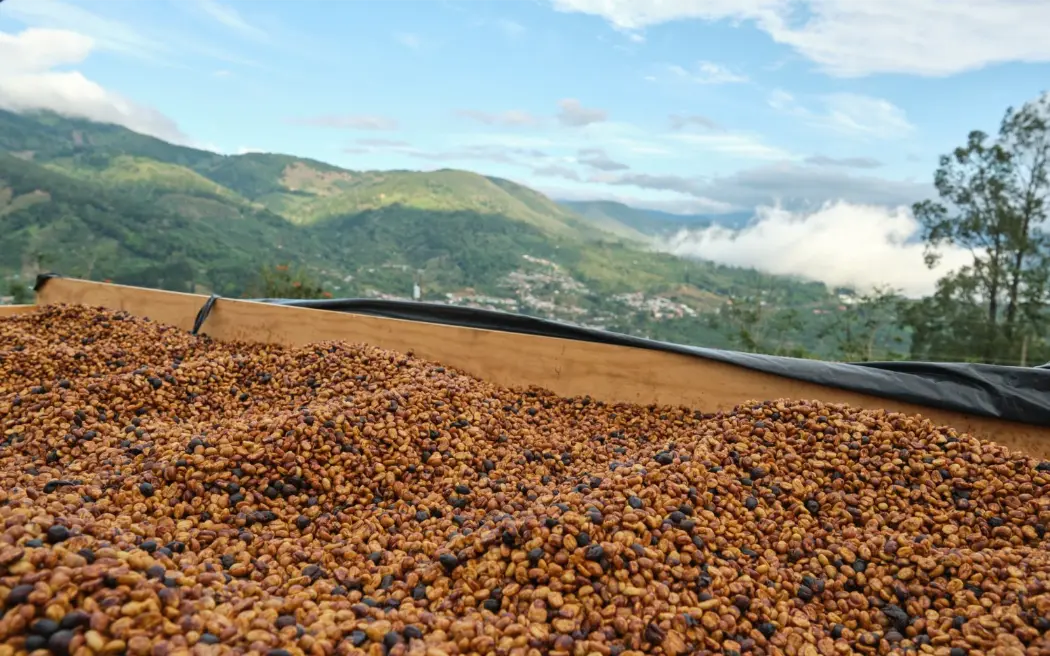
Terms should support the relationship rather than strain it. For the core products that make up the bulk of your sales, a forward contract gives both sides stability, since you secure volume and a clear pricing formula while the supplier gets predictable demand. Seasonal or experimental lots can be bought on the spot market as they appear. Agree in writing on the specification each lot must meet, the tolerance allowed on delivered quantity, the payment schedule, and the shipping basis. If your roastery’s identity depends on one particular farm, ask whether the supplier offers farm specific contracts. 1300’S Coffee, for example, signs a contract with buyers who want to purchase from a single farm, fixing volume and specification in advance, and it shares farm level inventory and output openly so that buyers can see what remains.
Structuring the Commercial Relationship for Long Term Stability
Good terms also include a process for the unexpected. Define how disagreements about quality are handled, which sample serves as the reference, and how long you have to raise a claim after arrival. Reasonable bulk green coffee beans suppliers will welcome this clarity, since it protects them as much as it protects you. Be wary of a supplier who resists putting any of this in writing, because that reluctance usually shows up again when a real problem arises.
Communication Habits That Keep a Partnership Healthy
Most partnerships with bulk green coffee beans suppliers that fail do not fail because of one catastrophic shipment. They fail through a slow decline in communication that leaves small issues unresolved until they become large ones.
Setting a Regular Review Rhythm
Schedule a short review with your supplier at least once a season. Cover how recent shipments performed, what is coming with the next harvest, how your volumes are tracking against the forecast, and anything either side would like to change. Bring data, including cupping scores, roast results, and any quality issues you noticed, and ask for the same in return. Regular reviews turn feedback into a routine rather than an emergency, and they give the supplier a chance to adjust its selections to your needs before problems occur. Roasteries that skip this step often discover dissatisfaction only when a customer has already complained.
Handling Problems Without Damaging the Relationship
Problems will occur even with the best green coffee suppliers, so the way you raise them matters. Document the issue promptly, with lot numbers, photographs, and a retained sample, and refer to the agreed specification rather than a general impression. Describe what you found and what you need, whether replacement, credit, or a price adjustment, and give the supplier a fair chance to investigate. Approaching the situation as a shared problem tends to produce faster and better outcomes than an accusation. A supplier that responds constructively is proving it deserves the long term relationship, and your calm, factual approach makes it easier for them to do so.
Growing Your Product Range Through the Same Partnership
A strong green coffee relationship can support growth well beyond the roastery’s first product line, and planning for that growth early makes it smoother.
Supplying Other Cafes Through Wholesale Roasting
Many roasteries eventually begin supplying other businesses, and a roasted coffee wholesale offering places new demands on consistency and volume. Cafes expect the same flavor every week, which depends on the same quality of green coffee every harvest. Tell your supplier early that you plan to grow in this direction so that volumes and lot selections can be planned accordingly, rather than discovering mid season that the coffee behind your most popular blend has been allocated elsewhere.
Offering Ground and Packaged Products
Retail and foodservice customers often want coffee ready to brew. If you plan to sell ground coffee, whether produced in house or through a ground coffee supplier partner, bean size and density consistency become even more important, since they govern grind uniformity. Share this requirement with your green supplier so that lots are selected with grinding in mind, and confirm that the specification they deliver will support the freshness handling this format demands.
Exploring Soluble and Other Formats
Some roasteries eventually want to offer a soluble product under their own name. Soluble production is a different manufacturing process from roasting, but the green coffee behind an instant coffee wholesale line still comes from the same supply base, and a supplier with experience in this area can advise on suitable lots and point you toward manufacturing options. Raising the idea early lets you evaluate it without committing, and it keeps your sourcing relationships working together rather than in isolation.
Signs the Partnership Is Working and When to Reconsider
A healthy partnership shows itself in ordinary ways. Cupping results stay steady from one shipment to the next. Documents arrive complete and on time. The supplier tells you about crop changes before you ask, offers lots that suit your needs, and resolves problems without drama. Over time you should notice that you spend less effort checking each shipment and more effort developing new products, which is the clearest sign that trust is doing real work.
Warning signs are just as recognizable. Repeated drift away from the agreed specification, slow or vague responses, claims that grow more frequent, and price increases without a clear explanation all suggest that the relationship is weakening. When this happens, raise the pattern directly in a review rather than waiting for the next problem. If the supplier cannot or will not correct it, begin sampling an alternative while you still have stock in hand, so that a change, if one is needed, happens on your schedule rather than in a crisis.
Getting Started
Building a strong relationship with bulk green coffee beans suppliers does not require a dramatic first step. Start with one core product, share your quality targets, cup together, agree on clear terms, and review results regularly. Each shipment that performs as expected strengthens the foundation for the next stage of growth, whether that is more volume, more products, or new formats. Ready to build a long term green coffee partnership for your roastery? Contact 1300’S Coffee to request samples, review current availability, and discuss how a dedicated farm contract could work for you.
Read more: The Ultimate Guide to Finding Reliable Wholesale Green Coffee Suppliers


1300s BLOG YOU MAY ALSO BE INTERESTED IN
Why 1300’S Coffee Is a Trusted Drip Coffee Supplier from Vietnam
7 Critical Questions to Ask Your Green Bean Coffee Suppliers Before Buying in Bulk
Wholesale Ground Coffee Suppliers for Businesses Sourcing Ready to Brew Products