


Top 5 Wholesale Unroasted Coffee Beans Suppliers With Direct Sourcing
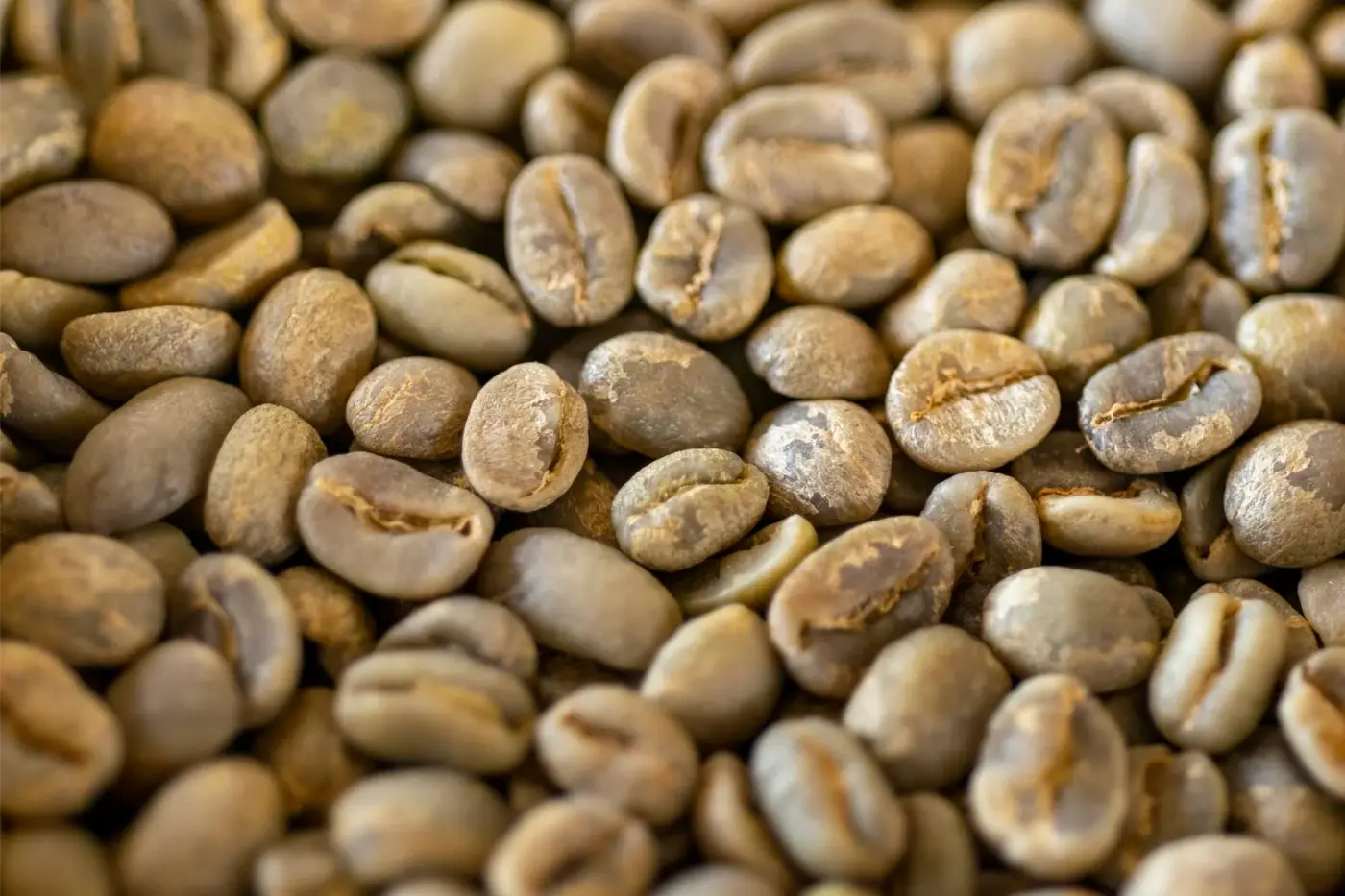
Direct sourcing is the promise that attracts many buyers to Vietnam, yet the phrase appears on so many supplier websites that it has stopped being a useful filter. Some wholesale unroasted coffee beans suppliers genuinely manage farms and publish what they grow. Others buy from local traders and simply describe the result as direct. The gap between those two models shows up in traceability, consistency, and in how a supplier behaves when something goes wrong. This guide explains what direct sourcing should actually mean, offers a practical way to test the claim, and then profiles five suppliers worth considering, including established Vietnamese exporters and a farm managed alternative, so that you can match the right supplier to the way you actually buy.
What Direct Sourcing Should Mean When You Buy Unroasted Coffee
Before comparing suppliers, it helps to be clear about what you are comparing them against.
Looking Past the Direct Label to the Actual Chain
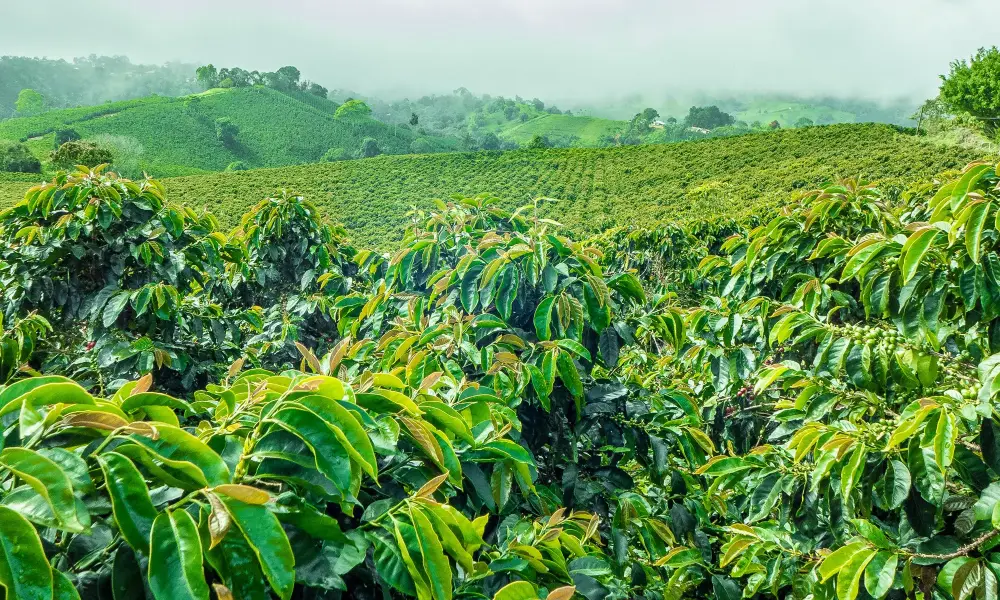
In Vietnam, coffee commonly moves from farms to local collectors, from collectors to processing mills, and from mills to exporters. A supplier can truthfully describe itself as direct while buying from a collector who bought from a farmer, because the exporter is dealing directly with the person in front of it. That is a very different thing from managing or contracting farms. Many green coffee suppliers use the same word for both models, which is why the label alone cannot guide your decision. What matters is how many steps sit between the farm and the lot you are buying, and whether the supplier can name them. Large exporters often combine several channels at once, buying from farmer groups, from collectors, and from the open market, and the share of any given lot that traces back to a specific farm can vary widely. Asking that question plainly separates suppliers who know their chain from those who only describe it.
Looking Past the Direct Label to the Actual Chain
Four Tests for Any Supplier Claiming Direct Sourcing
Four practical tests help cut through the language. The first is farm identity, meaning whether the supplier can name the farm or farm group behind a specific lot. The second is volume transparency, meaning whether it can tell you what was harvested, what has been sold, and what remains. The third is contract flexibility, meaning whether you can secure volume from a particular farm rather than from a general pool. The fourth is processing control, meaning whether the supplier understands, and can explain, what happens at the mill, including drying, sorting, and grading. A supplier that passes all four is operating a genuinely direct model. One that passes two or three may still be a good partner, but you should understand exactly where its visibility ends and plan around that gap.
Top 5 Wholesale Unroasted Coffee Beans Suppliers to Consider
The five suppliers below are presented as a curated shortlist rather than a strict ranking, since the best choice depends on what you buy and how you buy it. Descriptions reflect each company’s public positioning and typical buyer profile, so confirm current capabilities, certifications, and terms directly with each supplier before making any decision. They are chosen to show a range, from large scale exporters to a farm managed supplier, because the best wholesale unroasted coffee beans suppliers for one buyer are rarely the best for another.
Simexco Daklak
Simexco Daklak is based in Dak Lak, the heart of Vietnam’s Robusta production, and has a long history of exporting coffee from the province. That regional depth is its main appeal. A supplier rooted in one growing area tends to know the local farmers, collectors, and conditions well, which supports reliable access to Robusta in volume. Buyers who want Central Highlands Robusta at commercial scale, and who value a supplier with a long record in one place, often begin here. As with any large exporter, ask what share of a lot traces to specific farms and what documentation accompanies it. Buyers seeking tightly storied single farm lots may find that the strengths of a large regional exporter lie elsewhere, in volume and continuity rather than in individual farm identities.
Phuc Sinh
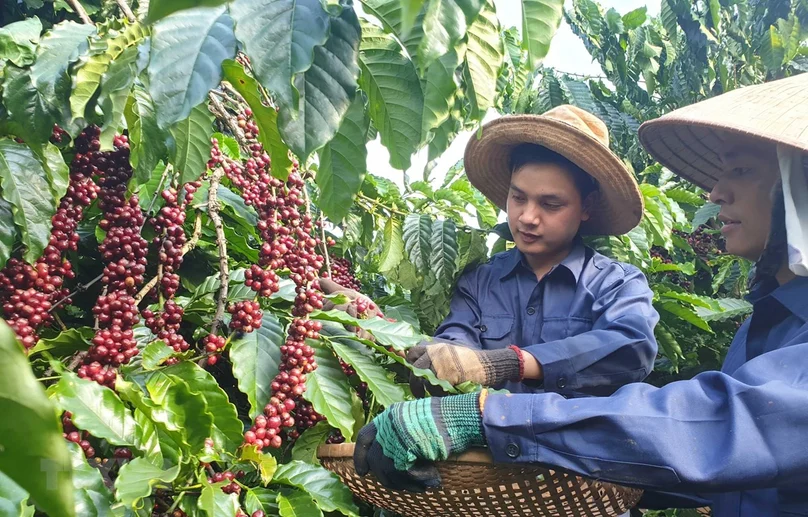
Phuc Sinh has built a presence in Vietnamese coffee exports alongside other agricultural products and publicly positions itself around certified and traceable supply. For buyers whose customers expect sustainability credentials, a supplier with an established certification track record can simplify downstream marketing and compliance conversations. Confirm which certifications currently apply to the specific lots you are buying, since certification coverage often varies by product line and harvest. Phuc Sinh suits buyers who want scale together with documentation, though those looking for the close, lot by lot involvement of a smaller supplier should ask how much direct contact and customization they can expect at their volume.
Phuc Sinh Coffee
NKG Vietnam
NKG Vietnam operates as part of the Neumann Kaffee Gruppe, one of the world’s largest green coffee trading groups, which brings international logistics, quality systems, and market knowledge to its Vietnamese operations. Buyers who value institutional stability and a supplier accustomed to serving international roasters often find this reassuring. The tradeoff is that a global group optimizes for scale and consistency across many markets, so highly customized, small volume requests may receive less attention than they would from a boutique operation. NKG Vietnam is a strong fit for buyers with significant, steady volume who want a supplier used to the documentation and shipping expectations of major export markets.
Intimex Group
Intimex Group is one of Vietnam’s larger commodity exporters, with substantial infrastructure for handling volume and shipping coffee to many markets. Its strength is capacity and logistics, which makes it attractive to buyers who need large, recurring orders at competitive pricing. Buyers building a specialty coffee wholesale program, however, may find that a supplier built primarily for volume offers less of the lot level storytelling and farm specific documentation that specialty positioning relies on. That is not a flaw so much as a difference in purpose. A supplier like Intimex often suits commodity grade programs where reliable supply matters more than origin detail, and buyers should ask directly what farm level information is available for the lots they want.
1300’S Coffee
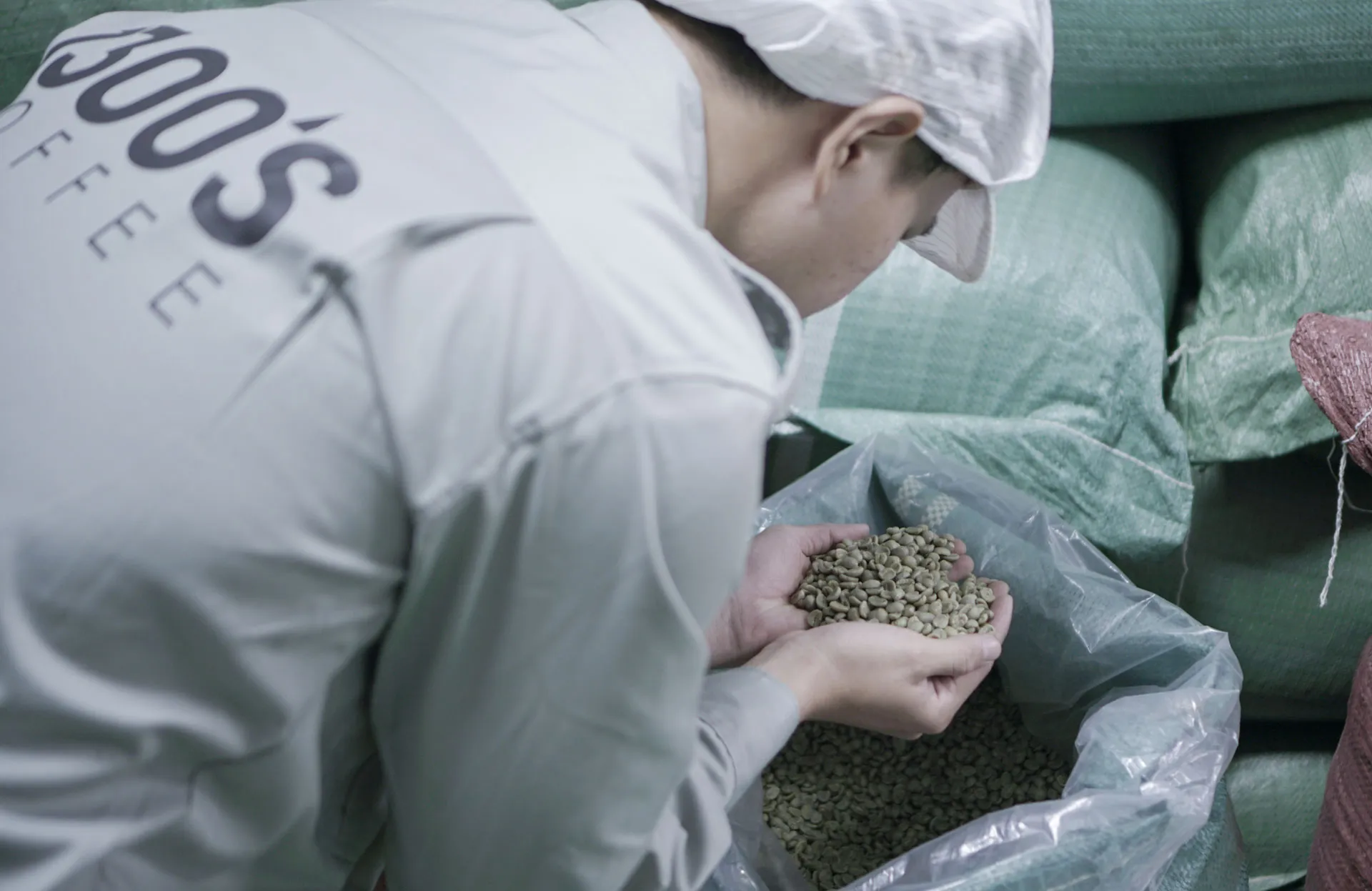
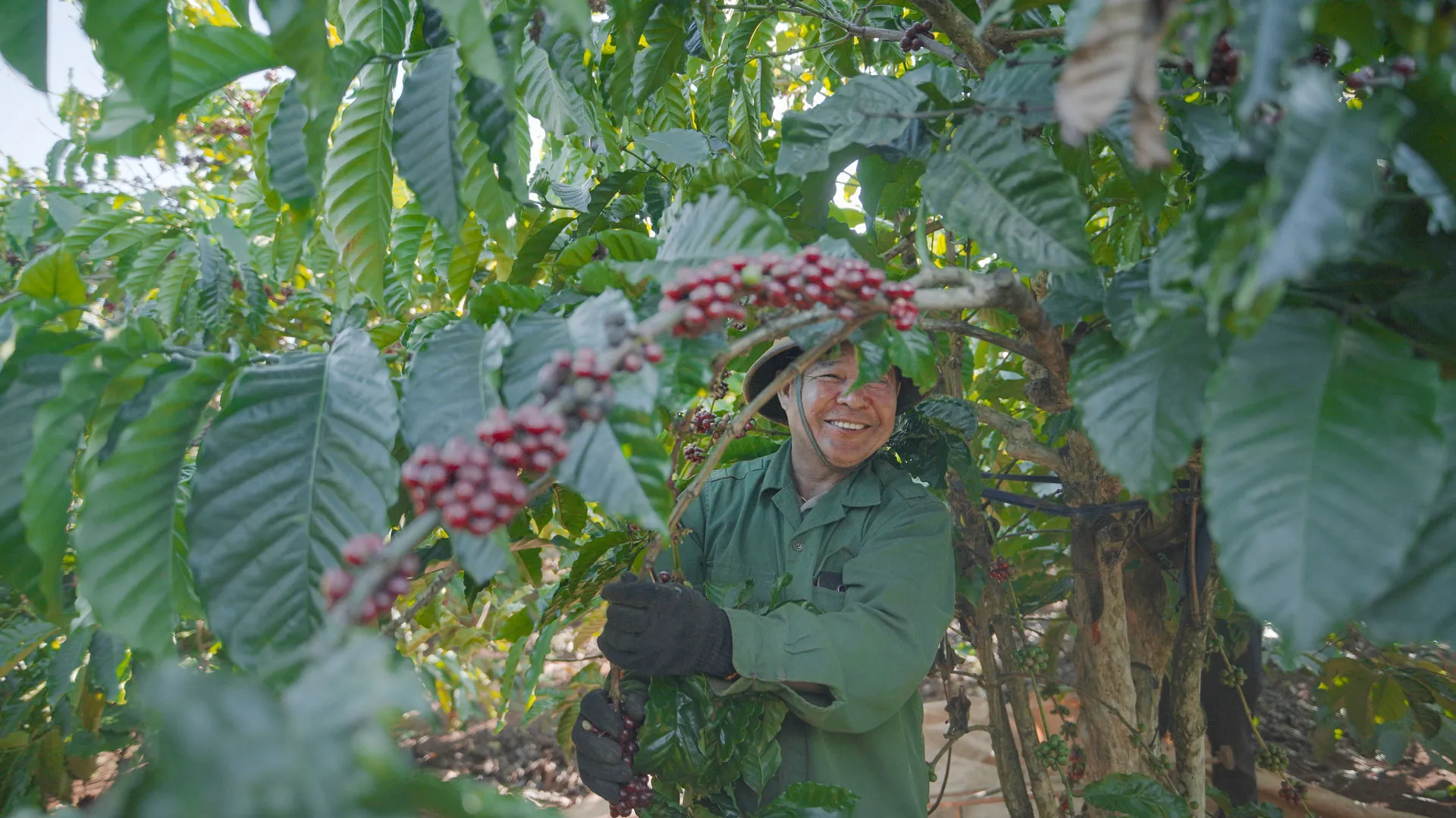
1300’S Coffee takes a different approach from the large exporters, operating as a farm managed supplier based in the Kon Tum highlands. Its coffee is managed and monitored from the soil through to harvest, within a closed loop process that begins with fertilizer and soil care and under a clean coffee control process. After harvest, the coffee moves through a partner processing facility. What distinguishes the model is how openly it operates. Output is announced after each harvest and opened for sale, buyers can place orders ahead of release, and the figures are published on the company’s website. Buyers who want to purchase from one specific farm sign a contract, and farm level details, including quantities, inventory, and output, are shared openly.
1300’S Coffee
This makes 1300’S Coffee a strong match for buyers who want a genuine specialty coffee supplier relationship built on visibility and flexibility rather than maximum volume, including roasters building around a single origin story and brands that need close communication during product development. Buyers who need very large commodity volumes may find a larger exporter better suited to that purpose, which is a fair tradeoff to understand before choosing.
How to Compare Direct Sourcing Claims Across These Suppliers
Placing the five side by side shows how different the underlying models are. The large exporters offer capacity, logistics, and long track records, while the farm managed model offers visibility and flexibility. Neither is superior. They solve different problems, and the right choice depends on which problem is yours.
When comparing wholesale unroasted coffee beans suppliers, ask each of them the same questions in writing. Which farm or farm group produced this lot, and what share of the lot traces to it. What documentation comes with each shipment. Whether volume can be secured from a specific farm under contract. How quality problems are handled after arrival. Specific answers backed by documents are worth far more than confident language, and a supplier that hesitates to answer is telling you something about how it operates.
Many buyers end up using two suppliers, a large one for baseline volume and a farm managed one for differentiated lots, which provides both security of supply and a distinctive product. Whichever route you choose, verify claims with samples and a trial order before committing to volume. Among the many green coffee suppliers in Vietnam, the ones worth keeping are those whose answers, samples, and shipments all tell the same story.
Matching a Supplier to the Product You Plan to Make
The right supplier also depends on what the unroasted coffee will eventually become, since each format asks different things of the raw material.
Roasted Products for Wholesale Customers
A roastery building a roasted coffee wholesale line needs green coffee that roasts consistently from one shipment to the next, because cafes expect the same flavor every week. That makes consistency of specification and reliable supply the key points to test, and it favors suppliers who can commit volume across the season. If your brand story depends on a named farm, the farm managed model offers an advantage, while a program built on price and steady volume may be better served by a larger exporter.
Ground and Convenience Products
Whether you grind in house or work with a ground coffee supplier, bean size and density consistency matter, since they govern grind uniformity and the freshness handling this format demands. Tell your green coffee supplier early that your product will be sold ground, so that lots are selected and graded with that in mind, and confirm that the specification they deliver stays stable from shipment to shipment.
Soluble Products Built on Robusta
Vietnam’s Robusta strength makes it a natural base for soluble coffee, and manufacturers building an instant coffee wholesale line generally care most about stable volume, predictable cost, and consistent extraction behavior. For this format, a supplier’s capacity and willingness to commit volume across the season often matter as much as origin detail, which is why large exporters are frequently the starting point, with farm level suppliers considered for premium or differentiated soluble products.
Getting Started
Choosing among wholesale unroasted coffee beans suppliers is easier once you know which kind of direct sourcing you actually need. Decide how much farm level visibility matters to your product, shortlist two or three suppliers that fit, request samples from the lots you would actually buy, and test the relationship with a trial order before committing to volume. Looking for a supplier that publishes its harvest figures and offers contracts tied to a specific farm? Contact 1300’S Coffee to request samples and the current availability.
Read more: Direct Trade Sourcing From Green Coffee Beans Manufacturers in Vietnam


1300s BLOG YOU MAY ALSO BE INTERESTED IN
Coffee Roasters Wholesale Supplying Consistent Quality to Global Buyers
Instant Coffee Wholesale Price Factors Importers Should Know Before Buying
How to Start a Coffee Import Business A Complete Guide