



What Is Single Source Coffee Definition and Why It Matters
The term single source coffee gets used somewhat loosely across marketing materials, sometimes interchangeably with single origin, sometimes meaning something considerably more specific, and understanding the actual distinction matters for anyone trying to evaluate what they’re genuinely paying for. This confusion isn’t purely academic either, since the price premium attached to genuinely traceable, farm-specific coffee only makes sense if the underlying claim actually holds up, and buyers who can’t distinguish between marketing language and a genuine, verifiable sourcing relationship risk paying that premium without receiving the traceability it’s supposed to represent. This guide covers what is single source coffee precisely, how it differs from related terms that sound similar but mean something meaningfully different, why this specificity actually matters for flavor and traceability, and how buyers can verify a single source claim rather than accepting it purely on faith.
What Is Single Source Coffee The Core Definition
At its most precise, single source coffee refers to coffee traced back to one specific farm, estate, or producer, rather than a blend combining beans from multiple different growers even within the same country or region.
Single Source vs Single Origin
Single origin, a considerably more common term in coffee marketing, typically refers to coffee from a single country or growing region, Colombia or Ethiopia’s Yirgacheffe zone, for example, without necessarily identifying one specific farm within that broader area. Single source coffee narrows this considerably further, identifying the coffee down to one particular farm or producer, meaning two single origin coffees from the same country could actually come from dozens of different farms, while a single source coffee traces back to just one specific place and, often, one specific grower’s practices and decisions. This distinction matters more than it might initially seem, since a bag labeled single origin Colombian coffee could theoretically blend lots from several different farms across the country, still technically accurate to the single origin label while offering none of the farm-specific traceability that genuine single source positioning actually promises.
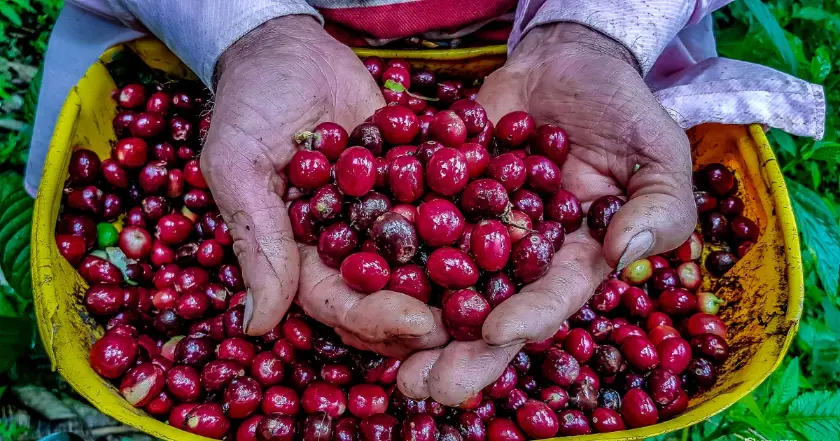
Single Source vs Single Origin
Single Source vs Blended Coffee
Blended coffee deliberately combines beans from multiple origins or multiple farms within an origin, specifically to achieve a particular flavor balance that no single source alone would deliver, evening out characteristics like acidity or body across different components. Single source coffee sits at the opposite end of this spectrum entirely, showcasing exactly what one specific farm’s coffee tastes like without any blending to adjust or balance those characteristics, meaning any inconsistency or variation from harvest to harvest shows through directly rather than being smoothed over by combining it with other components. This isn’t to say blending is somehow inferior, a well-constructed blend represents genuine craft and intentional flavor design, but it serves a fundamentally different purpose than single source coffee’s commitment to showing one place’s character unfiltered, and understanding which purpose actually matters for a given product decision helps buyers choose the right approach rather than assuming one option is universally superior to the other.
Why Single Source Coffee Matters
Understanding what is single source coffee technically only tells part of the story, since the real value of this specificity comes through in several practical ways that matter to different buyers for different reasons.
Traceability and Quality Consistency
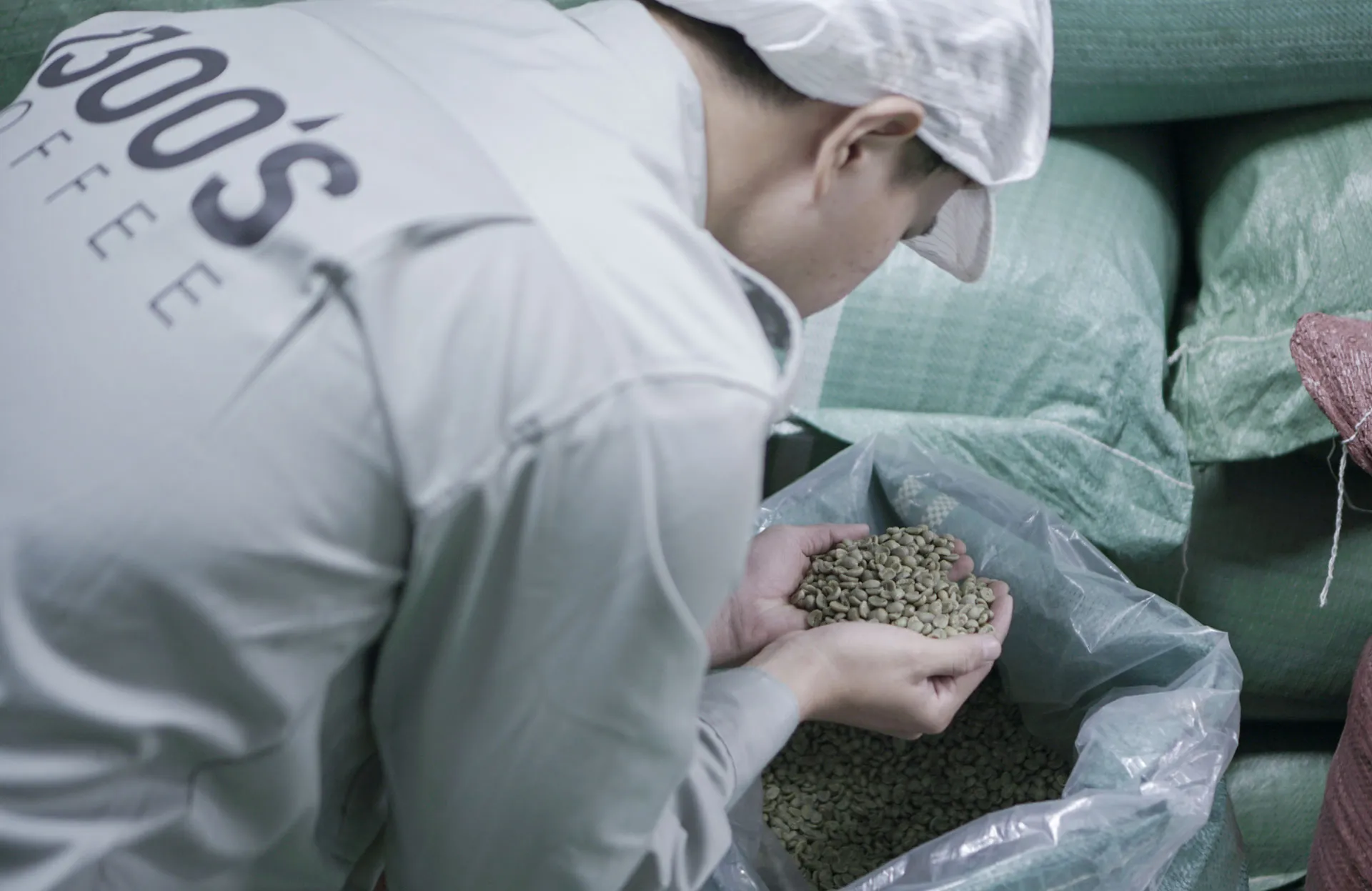
Single source coffee provides a level of traceability that blended or general single origin coffee simply can’t match, since a buyer knows exactly which farm’s practices, harvesting decisions, and processing methods produced the coffee in front of them. This traceability directly supports quality accountability too, if a specific batch underperforms, a buyer working with a genuine specialty coffee supplier can trace the issue back to a specific farm and processing decision, rather than trying to diagnose a problem within an anonymous blend where the actual source of any inconsistency remains genuinely unclear. This accountability also works in the opposite direction, when a single source lot performs exceptionally well, that success is clearly attributable to specific, identifiable practices at that particular farm, information a buyer can use to inform future purchasing decisions in a way that a blend’s success, spread across multiple unidentified contributing farms, simply doesn’t allow.
Direct Farmer Relationships
Sourcing single source coffee frequently, though not universally, involves a more direct relationship between buyer and producer than blended commodity purchasing typically allows, since identifying and maintaining a relationship with one specific farm requires a different kind of ongoing engagement than purchasing anonymous blended lots through intermediaries. This direct relationship often supports better and more consistent farmer compensation too, since a buyer specifically seeking out and maintaining a single source relationship generally has stronger incentive to ensure that specific farm remains a viable, ongoing supplier rather than treating any individual farm as easily interchangeable within a larger, anonymous commodity pool. This dynamic can create genuine mutual investment over time, a buyer committed to a specific single source relationship often works collaboratively with that farm on processing improvements or quality feedback across multiple seasons, a level of ongoing collaboration that simply isn’t practical to maintain across dozens of anonymous farms contributing to a blended commodity lot.
Flavor Character Tied to One Place
Single source coffee showcases the specific combination of soil, altitude, microclimate, and farming practice unique to one location, sometimes called terroir, in a way that blending inevitably smooths over. This makes single source coffee particularly valuable for buyers and roasters specifically interested in exploring how these environmental and human factors shape flavor, since comparing single source coffees from different farms, even within the same broader region, reveals distinctions that a blended product built for consistency would never surface. Two farms sitting just a few kilometers apart within the same broader growing region can produce genuinely different tasting coffee due to subtle variations in elevation, sun exposure, or soil composition, differences that single source positioning specifically preserves and highlights rather than averaging away into a more generalized regional flavor profile.
How Single Source Claims Get Verified in Practice
A legitimate single source claim should come with documentation identifying the specific farm or producer, not just a general regional description that could apply to dozens of different growers. Ask directly for the farm name, and where possible, verify this documentation against export records or direct communication with the exporter or importer handling that specific relationship, since a single source claim without this level of specificity is functionally indistinguishable from a general single origin claim marketed with more evocative language. Businesses building a genuine specialty coffee wholesale program specifically around single source lots should expect this level of documentation as standard practice, not an occasional bonus a supplier provides only when directly pressed for it. Buyers working with any coffee source should treat vague, unverifiable single source language as a warning sign worth investigating further rather than a genuine quality signal on its own.
Common Misconceptions About Single Source Coffee
A couple of persistent misunderstandings about what is single source coffee are worth addressing directly, since they lead buyers toward assumptions the term itself doesn’t actually guarantee, and clearing these up helps set more realistic expectations before purchasing.
Single Source Does Not Mean Higher Quality Automatically
Many buyers assume single source coffee is automatically higher quality than a blend, when in reality single source simply means traceable to one place, not that the coffee necessarily scores higher on any objective quality measure. A poorly managed single farm can produce genuinely mediocre coffee, just as a thoughtfully constructed blend combining several good component lots can produce an excellent final cup, meaning single source status and quality are related considerations but not the same thing, and buyers should evaluate both independently rather than assuming one guarantees the other. A single source coffee from a farm with poor harvesting practices or inconsistent processing can genuinely underperform a well-constructed commercial blend, an outcome that surprises buyers who’ve internalized single source as an automatic quality marker rather than the traceability marker it actually represents.
Single Source Does Not Mean a Single Harvest Forever
Some buyers assume a single source coffee they’ve enjoyed once will remain identical indefinitely, when in reality even coffee from the exact same farm varies somewhat from harvest to harvest based on weather, farming decisions, and processing choices in that specific season. A genuine single source relationship generally means consistent sourcing from the same farm over time, not that every single harvest will taste identical to the one before it, a distinction worth understanding before assuming any variation between batches signals a problem with the sourcing claim itself. Roasters working with a genuine single source relationship often need to adjust their roast profile slightly from one harvest to the next specifically to account for this natural seasonal variation, treating each new harvest as its own distinct lot deserving fresh evaluation rather than assuming a previously successful profile will automatically translate identically to the next season’s coffee from that same farm.
Single Source Across Different Product Formats
Single source positioning applies differently depending on what finished product a business is actually building around that traceable green coffee foundation.
Single Source in Roasted and Ground Coffee
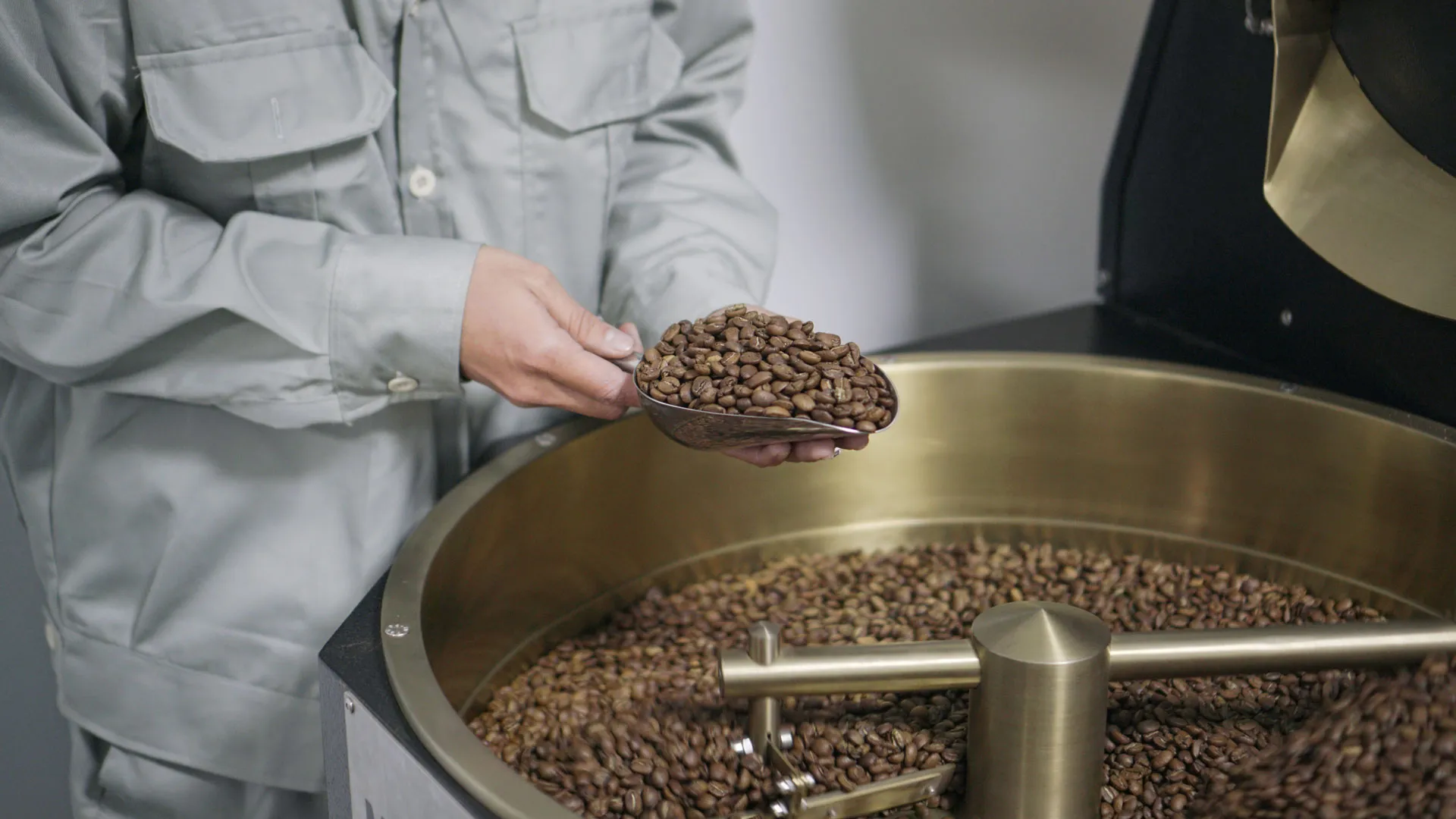
A roasted coffee wholesale product built around single source positioning needs a roast profile specifically developed to showcase that particular farm’s characteristics, rather than a standardized profile applied identically across every product in a catalog regardless of underlying sourcing story.
Single Source in Roasted and Ground Coffee
This same principle extends to a ground coffee wholesale line built around single source positioning, where grind calibration should support rather than mask the specific flavor characteristics that justify highlighting one farm’s coffee individually rather than blending it into a broader, less differentiated product.
Single Source in Convenience Formats
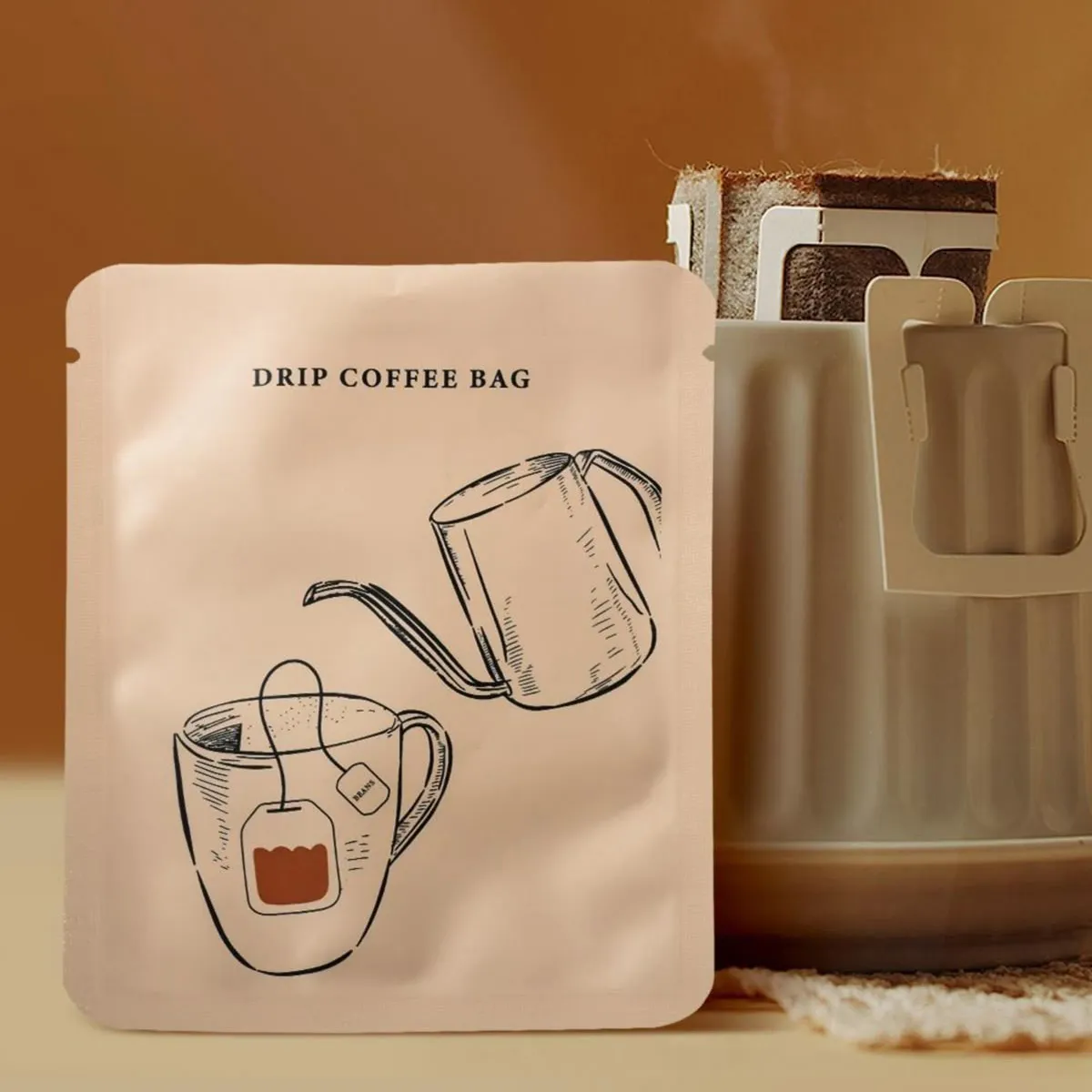
Even convenience-oriented formats can carry genuine single source positioning when a business commits to maintaining that traceability through processing. A drip coffee supplier building a single source product needs to maintain the same farm-level documentation through grinding and packaging that a whole bean product would carry, rather than treating convenience formats as an area where traceability standards can reasonably relax.
Instant coffee wholesale production built around single source green coffee remains considerably less common given the technical demands of preserving a specific farm’s distinct characteristics through spray or freeze drying, though businesses planning an instant coffee bulk buy specifically built around this kind of differentiated positioning should confirm a manufacturer can genuinely support single source traceability through their specific production process rather than assuming any soluble coffee production line can maintain this level of specificity by default.
Evaluating a Single Source Claim Before You Buy
Businesses evaluating any prospective coffee relationship built around single source positioning specifically should apply the verification standards covered throughout this guide consistently across every product line, not just their flagship offering. Request the specific farm name and, ideally, direct confirmation from the importer or exporter handling that relationship, rather than accepting a single source claim based purely on packaging language or a supplier’s general reputation. This verification matters more, not less, the more a business’s marketing and pricing depend on genuine single source positioning, since customers paying a premium for this specific traceability deserve confidence that the claim actually holds up to scrutiny rather than functioning as marketing language disconnected from the coffee’s real sourcing story.
Getting Started
Whether you were simply curious what is single source coffee or the question led you to think more carefully about the sourcing claims behind coffee you’re considering buying, understanding this specific distinction from single origin and blended coffee gives you a genuinely more informed basis for evaluating what you’re actually paying for. Looking to source genuine single source coffee with verifiable farm-level traceability? Request a sample and documentation from 1300’S Coffee to explore origin-specific options from the Kon Tum highlands.
Read more: What Countries Import the Most Coffee Top Importing Markets Worldwide


1300s BLOG YOU MAY ALSO BE INTERESTED IN
Top 10 Speciality Coffee Suppliers with Export Standard Production
How to Roast Coffee Beans: A Complete Guide From Green to Cup
What Is a Coffee Roaster Definition Role and What They Actually Do