


Private Label Coffee Suppliers for Businesses Sourcing Custom Branded Products
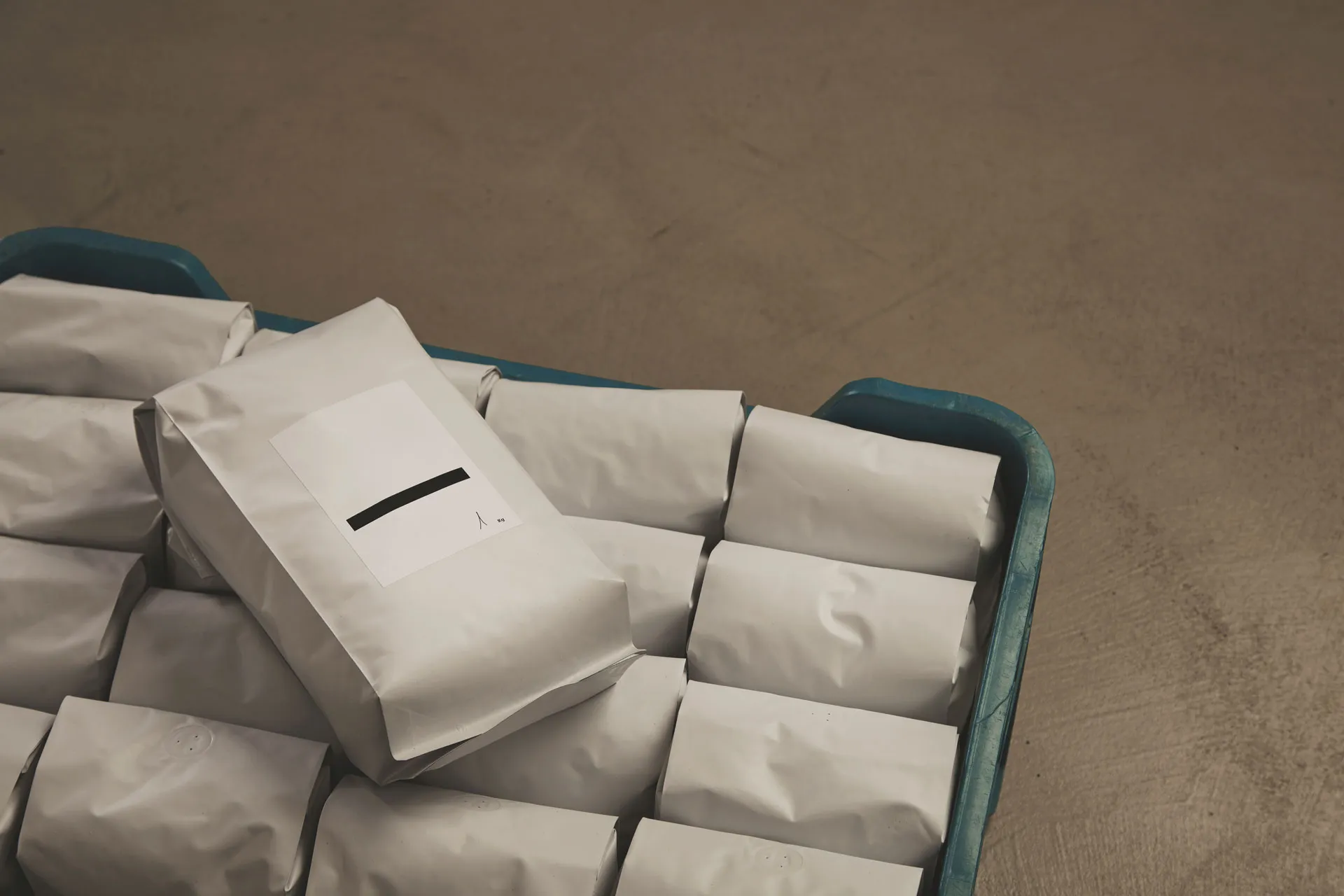
Building a coffee brand without owning a farm, a roasting facility, or a production line has become the standard path for most businesses entering the category, from independent cafes launching a bagged retail line to e-commerce brands building a coffee product from scratch. Private label coffee suppliers make this possible, handling sourcing, processing, and packaging under a business’s own brand identity, but the category covers a wide range of formats, supplier types, and cost structures that businesses need to understand before committing to a specific partner. This guide walks through what private label coffee actually involves across different product formats, how the development process works, what actually drives cost, and how to evaluate a supplier against a specific business brief.
What “Private Label” Actually Means Across Different Coffee Formats
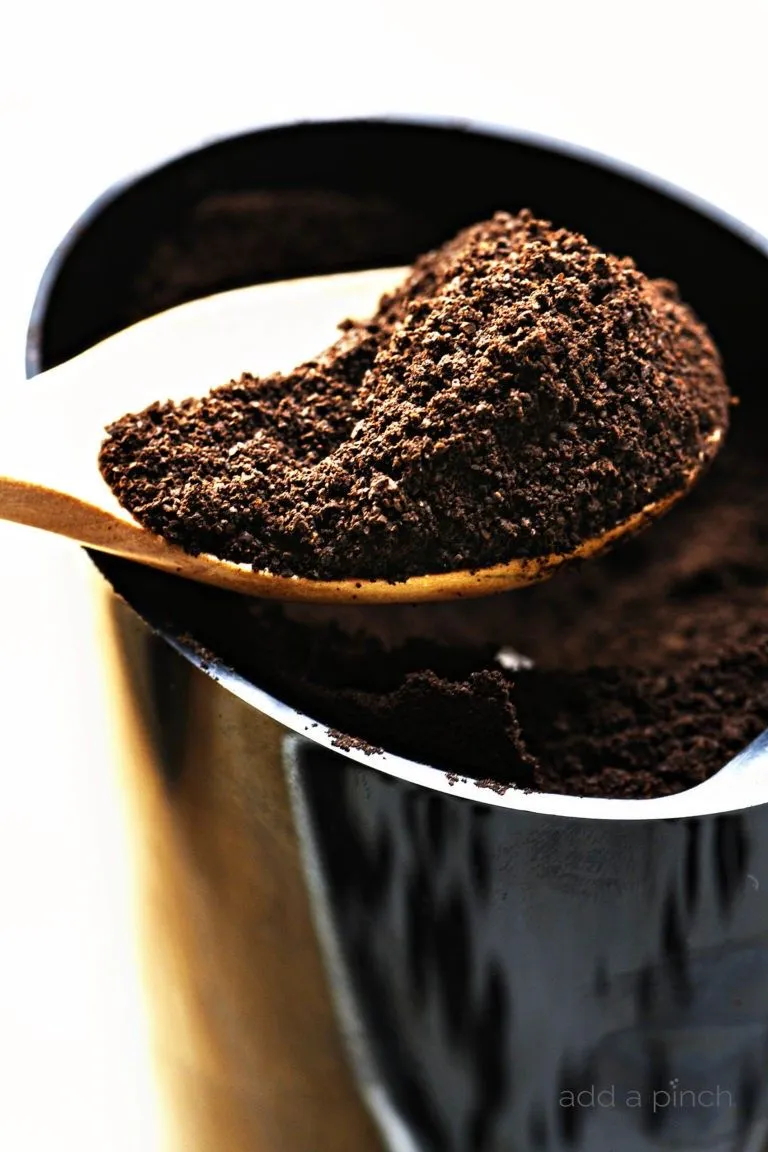
Private label coffee isn’t a single product category, and the sourcing considerations shift meaningfully depending on which format a business is building. Roasted whole bean or ground coffee is the most common starting point, generally involving selecting an existing formulation or developing a custom roast profile, then applying a business’s own packaging and branding to a finished, ready-to-brew product. Wholesale coffee beans private label sourcing, meaning unroasted green coffee purchased under a private label arrangement for a business that roasts in-house or works with a separate roasting partner, is a distinct path suited to businesses that want more control over final roast character or already have roasting capability of their own. Instant coffee private label sourcing introduces its own considerations again, spray-dried or freeze-dried production, solubility and shelf stability requirements, and often premix formulation work if a business is targeting a 3-in-1 or 2-in-1 product rather than pure black instant coffee. A business evaluating private label coffee suppliers needs to be clear about which of these formats its brief actually requires, since a supplier strong in one isn’t automatically equally capable across all three, and requesting the wrong kind of sample or quote early in the process wastes time on both sides.
The Private Label Development Process Step by Step
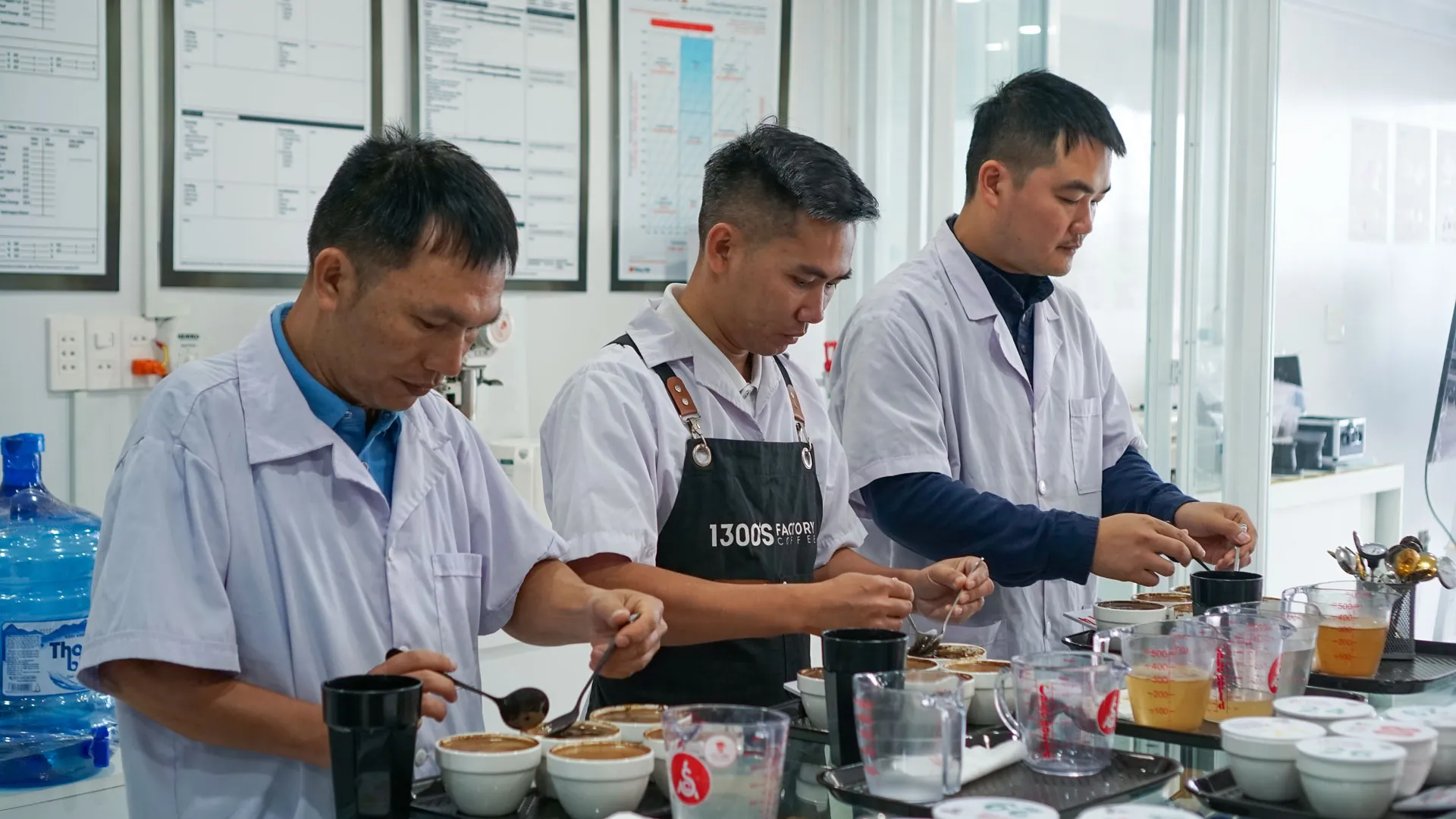
Most private label coffee relationships move through a consistent sequence, regardless of which format is involved, though the specific details vary by product type. It begins with an initial brief, a business communicating target flavor profile, format, volume expectations, packaging preferences, and any required certifications to a prospective supplier. From there, the supplier typically responds with existing samples closest to the brief, or begins formulation development if nothing close already exists in their current product range. This is followed by cupping and sample iteration, often several rounds, as the business provides feedback and the supplier adjusts origin blend, roast profile, or formulation ratio until the flavor matches what’s actually being targeted. Once a formulation is approved, it gets locked into a documented specification, covering origin, grade, roast parameters or processing method, and packaging details, which becomes the reference point every future production run gets measured against. A trial production run typically follows before full volume commitment, confirming the approved sample translates correctly into full-batch manufacturing rather than only working at small sample scale. Only after this trial run proves consistent does a business typically move into a full production and recurring ordering relationship. Skipping steps in this sequence, particularly the trial run, is one of the more common reasons private label relationships run into quality problems after a business has already committed significant volume.
The Private Label Development Process Step by Step
Understanding Private Label Coffee Cost
Private label coffee cost varies more than many businesses expect going into their first sourcing conversation, and understanding what actually drives that variation helps in comparing quotes meaningfully across different private label coffee suppliers rather than assuming the lowest number is automatically the best deal. Origin and grade represent the most fundamental driver, specialty grade Arabica from a specific high-altitude region costs meaningfully more than standard commercial grade Robusta, and even within a single grade tier, factors like processing method and cupping score affect pricing. Order volume and minimum order quantities affect per-unit cost significantly, since smaller trial runs typically carry a premium reflecting fixed costs like formulation development and production line setup spread across a smaller batch, while larger orders benefit from economies of scale. Packaging complexity adds its own cost layer, custom-printed bags, specialty valve packaging, or premium formats like glass jars for freeze-dried instant coffee all cost more than standard packaging, and low-volume custom packaging runs often carry separate minimum order requirements independent of the coffee itself. Certifications requested, organic, Fairtrade, or other third-party certifications, typically add cost both because certified coffee commands a premium in the market and because certified supply chains require additional documentation and auditing that gets reflected in pricing. And formulation complexity plays a role too, a straightforward single-origin offering generally costs less to develop than a multi-origin blend or a premix instant coffee formulation requiring several rounds of cupping to dial in a specific target. Because these factors interact in different combinations for every business’s specific brief, a private label coffee suppliers relationship worth pursuing typically involves detailed questions about formulation, packaging, and volume before any specific pricing gets discussed, rather than a flat rate card that doesn’t account for how meaningfully these variables shift real cost.
Private Label Coffee Suppliers vs Private Label Coffee Manufacturers
The terms get used close to interchangeably across the industry, but there’s a practical distinction worth understanding when evaluating options. Private label coffee suppliers, in the broadest sense, includes any company able to provide coffee under a business’s own branding, which can include manufacturers, but also traders or distributors who source finished product from someone else and simply facilitate the private label relationship without direct control over production. Private label coffee manufacturers specifically control the actual production process, sourcing, roasting or processing, and often packaging, under their own operation. This distinction matters most for businesses wanting genuine formulation control and consistency, since a manufacturer can adjust a recipe, troubleshoot a quality issue at the source, and maintain a locked specification more reliably than an intermediary reselling someone else’s output. A business early in evaluating options should ask directly whether a prospective partner operates its own production facility or coordinates private label fulfillment through a separate manufacturing relationship, since this affects both pricing transparency and how much real influence the business has over its own product’s formulation.
Minimum Order Quantities and Wholesale Volume Planning
Minimum order quantities vary considerably across private label coffee suppliers, and understanding typical patterns helps a business plan realistically rather than being caught off guard mid-negotiation. Wholesale coffee suppliers private label relationships built for recurring, moderate volume generally carry lower minimums than a single large bulk commitment, since the supplier is planning around an ongoing relationship rather than a one-time production run. Private label wholesale coffee minimums also vary by packaging format specifically, bulk bag or unbranded packaging intended for a business to handle final packaging themselves typically carries a lower minimum than fully finished, custom-printed retail packaging, since custom packaging requires its own production line setup with minimums independent of the coffee itself. Businesses planning to scale from an initial smaller order into larger recurring volume should raise this growth trajectory with a prospective supplier early, confirming pricing tiers and whether current minimums will remain workable as volume increases, rather than assuming terms negotiated for an initial trial order will automatically extend cleanly into a larger, ongoing wholesale relationship.
Packaging and Branding Considerations
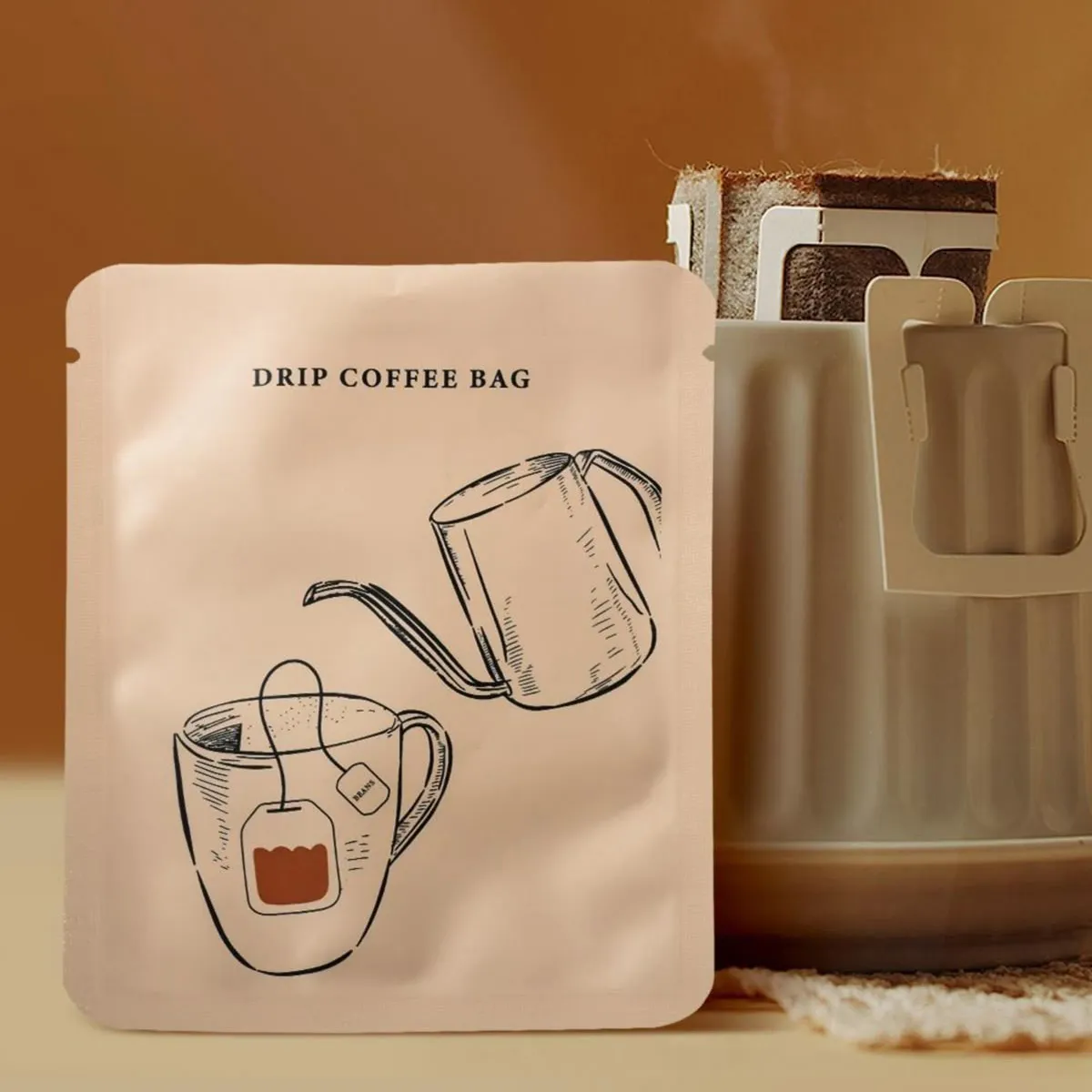
Packaging represents both a cost driver and a genuine differentiation opportunity for a private label coffee business, and it’s worth planning deliberately rather than treating it as an afterthought once formulation is finalized. For roasted coffee, proper one-way degassing valve packaging protects freshness while allowing carbon dioxide to escape after roasting, a functional requirement rather than a purely cosmetic choice. For instant coffee, packaging format needs to match the product type and market, sachets and sticks for premix or single-serve products, jars for freeze-dried premium positioning, bulk bags for businesses handling their own final packaging. Label compliance also matters more than businesses sometimes expect going in, since destination markets have specific requirements around ingredient disclosure, roast date labeling, and nutritional or allergen information that a business needs to confirm applies correctly to their specific packaging and market, ideally with input from a supplier experienced in export documentation for that destination.
Quality Control and Certification Requirements
A private label relationship is only as reliable as the quality control standing behind it, and businesses should confirm this directly rather than assuming a supplier’s marketing claims translate into consistent practice. Look for a supplier running quality checks through an in-house lab at multiple points in the production process, not only immediately before shipment, and confirm certifications appropriate to the destination market, ISO 22000 and HACCP as a near-universal baseline, with FDA registration necessary for shipments into the United States and additional certifications like organic or Fairtrade required depending on the business’s specific positioning and regulatory obligations. For a specialty coffee supplier developing a premium-positioned private label product specifically, lot-specific cupping data and documented processing methods matter as much as the baseline food safety certifications, since a business marketing specialty-grade quality needs to be able to substantiate that claim with real documentation if a retail partner or customer ever asks.
Formulation Development and Sample Approval
The formulation stage deserves more attention than businesses new to private label sourcing sometimes give it, since rushing through sample approval to move faster toward production is one of the more common sources of regret later. A business should expect to go through multiple rounds of cupping and adjustment before locking a formulation, and should resist the temptation to approve a sample that’s close enough rather than pushing for one that actually matches the target profile, since the approved sample becomes the specification every future production run gets measured against. It’s also worth confirming in writing whether an approved formulation is exclusive to the business or potentially shared across a supplier’s other private label clients, since this affects how much genuine competitive differentiation the final product actually provides, a detail businesses sometimes assume without explicitly confirming during the sourcing conversation.
Formulation Development and Sample Approval
Common Mistakes Businesses Make When Sourcing Private Label Coffee
A handful of recurring mistakes show up across first-time private label sourcing projects. Locking a formulation after a single cupping session rather than iterating through enough rounds to get genuinely close to the target profile often leads to a launched product that doesn’t quite match what the business originally envisioned. Underestimating minimum order requirements for custom packaging specifically, even when the coffee minimum itself seemed manageable, catches some businesses off guard during final quoting. Assuming a supplier’s general quality or specialty claims apply uniformly across their entire product range, rather than requesting lot-specific documentation for the exact formulation under consideration, leaves some businesses with product that doesn’t match the quality level they expected based on a supplier’s broader reputation. And skipping a trial production run to save time, moving directly from an approved sample to a full commercial order, occasionally results in a business discovering a consistency problem only after a large batch has already been produced and packaged.
How to Evaluate and Shortlist Private Label Coffee Suppliers
A structured evaluation process helps surface real differences between suppliers that look similar in an initial sales conversation. Start by requesting samples matching your specific format and target profile, not a generic house sample, and evaluate them independently against your own quality bar rather than relying entirely on a supplier’s provided cupping notes. Ask directly about minimum order quantities across every relevant product type and packaging format your brief involves, since assuming a single MOQ applies across an entire product range is a common and costly mistake. Confirm certifications relevant to your specific destination market and verify them against the actual issuing body where possible, rather than accepting a provided document at face value. Clarify formulation exclusivity and get it confirmed in writing rather than assuming it by default. And plan for a trial production run before committing to full volume, regardless of how strong the initial samples were, since consistency across a genuine production run is what a small sample alone can’t fully demonstrate.
Realistic Timeline Expectations for a Private Label Launch
Businesses new to private label sourcing frequently underestimate how long the process realistically takes from initial conversation to a shelf-ready product, and setting accurate expectations upfront avoids unnecessary pressure on both the business and the supplier later. A private label project built around an existing formulation, essentially a private label wholesale coffee arrangement where a business selects from a supplier’s current product range and applies its own branding, can often move from initial conversation to a packaged product within a matter of weeks, since there’s no formulation development cycle to work through. A genuine custom development project, particularly one involving a specialty grade single-origin offering or a more complex premix instant coffee formulation, more realistically takes one to three months before a specification is locked and ready for full production, accounting for multiple rounds of cupping, a trial production run, and custom packaging design and approval. Businesses working toward a specific launch date, a retail placement deadline, a seasonal product launch, or an event, should build in buffer time beyond a supplier’s stated minimum timeline, since formulation iteration occasionally takes an extra round or two beyond what either party initially expects, and packaging production, particularly custom-printed materials, frequently becomes the actual bottleneck rather than the coffee itself. Confirming a realistic timeline directly with a prospective supplier, rather than assuming the fastest quoted estimate will hold under real-world conditions, is one of the simpler steps a business can take to avoid a stressful, compressed final few weeks before a planned launch.
Building a Long-Term Relationship Beyond the Initial Launch
The work involved in launching a private label coffee product doesn’t end once the first batch ships, and businesses that treat their supplier relationship as a single transaction rather than an ongoing partnership often find themselves re-starting much of the evaluation process unnecessarily down the line. Consistent, open communication about upcoming volume changes, whether ramping up for a busy season or scaling back during a slower period, helps a supplier plan production and ingredient sourcing more efficiently, which in practice tends to translate into better pricing and priority during periods of tight supply. Businesses should also revisit their formulation periodically rather than assuming it needs to remain frozen indefinitely, market feedback, changing customer preferences, or new packaging technology can all justify a formulation refresh, and a private label coffee suppliers relationship built on genuine collaboration makes this kind of iteration considerably easier than starting the sourcing process over with an entirely new manufacturer. Finally, businesses growing beyond their original volume projections should revisit pricing and terms with their existing supplier before assuming a switch to a different, larger-scale manufacturer is necessary, since many private label coffee manufacturers, including smaller, vertically integrated operations, are able to scale alongside a growing brand far more than businesses initially assume when first entering the relationship.
Why 1300’S Coffee Supports Businesses Sourcing Private Label Coffee
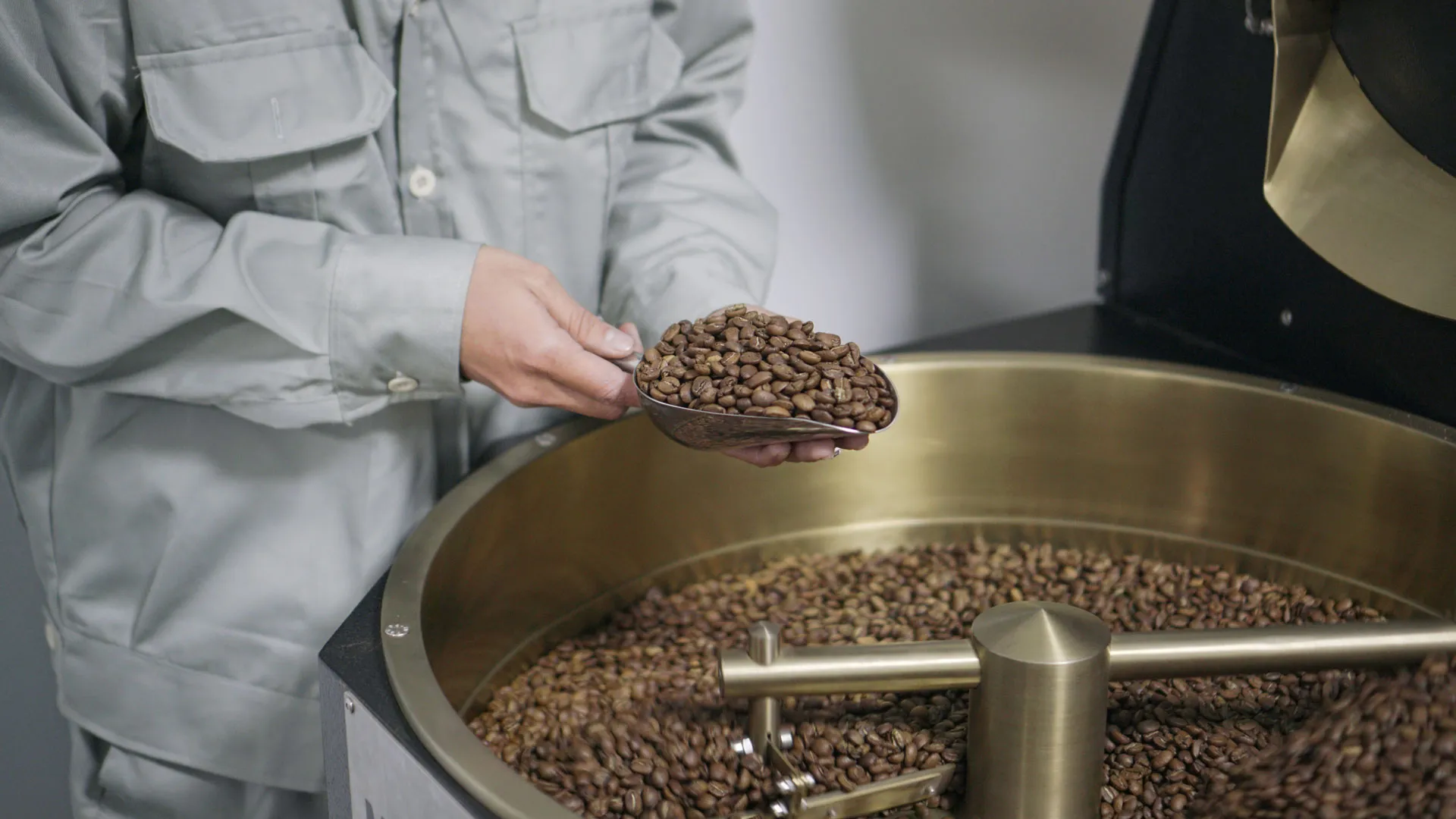
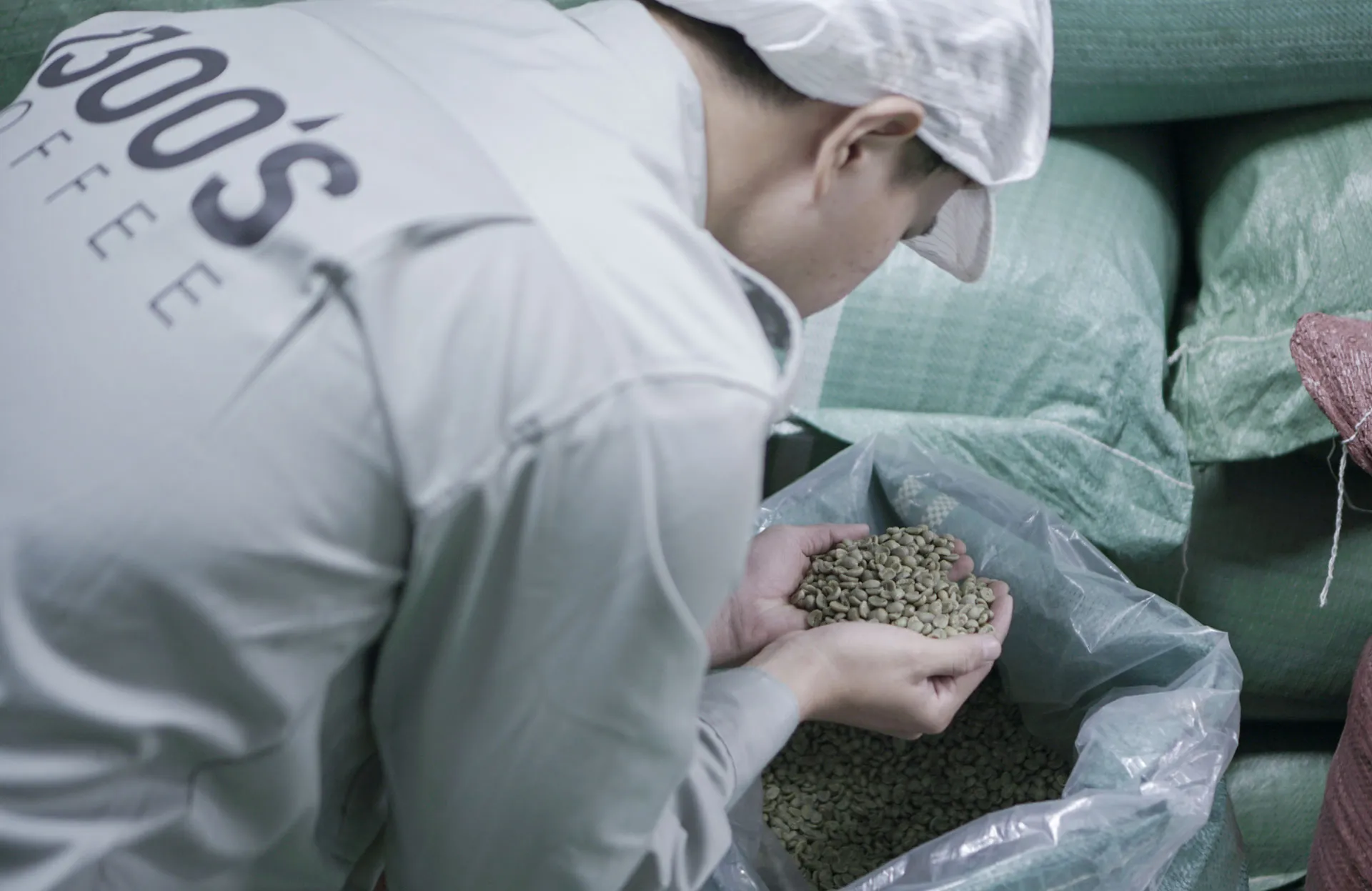
1300’S Coffee operates as a vertically integrated private label coffee supplier based in the Mang Den highlands of Kon Tum province, managing green coffee sourcing through direct farmer partnerships and controlling processing, roasting, and production formulation under one operation rather than through fragmented intermediary sourcing. This structure supports private label development across multiple formats, roasted whole bean and ground coffee, wholesale coffee beans private label supply for businesses roasting independently, and instant coffee private label programs, all coordinated through a single sourcing relationship rather than requiring separate supplier relationships for each product line. Quality control runs through an in-house lab, and the company holds ISO 22000, HACCP, FDA, and OCOP certifications relevant to businesses shipping into regulated international markets. Formulation exclusivity, minimum order quantities by packaging format, and private label coffee cost factors specific to a business’s brief are discussed directly and confirmed in writing during the sourcing conversation, rather than left as assumptions for a business to discover later in the relationship.
Getting Started
Businesses ready to move forward with a private label coffee program should prepare a clear brief covering target format, flavor profile, packaging preferences, volume expectations, and any required certifications, then request samples and a formulation development timeline before comparing final pricing across suppliers. Ready to build a custom branded coffee product for your business? Share your brief with 1300’S Coffee to receive samples and a private label development plan aligned with your specific format, volume, and budget requirements.
Read more: Best Freeze Dried Coffee Manufacturers for Premium Instant Coffee Brands


1300s BLOG YOU MAY ALSO BE INTERESTED IN
Where Is Coffee Grown in Vietnam? A Region by Region Guide
Can You Eat Raw Coffee Beans What Actually Happens If You Do
Top 10 Best Specialty Coffee Roasters with Export Standard in Vietnam