


Direct Trade Sourcing From Green Coffee Beans Manufacturers in Vietnam
Direct trade has become one of the most talked about phrases in coffee sourcing, and one of the least precisely defined. For buyers looking at Vietnam, the idea is especially attractive, since the country is the world’s largest Robusta producer, has a growing specialty segment, and has farms, mills, and exporters that are increasingly willing to deal with buyers directly. Yet the phrase green coffee beans manufacturers, which many buyers type into a search bar, hides a more complicated reality of farms, cooperatives, processing mills, and exporters, each with a different role. This guide explains what direct trade really means in the Vietnamese context, who you are actually dealing with, how to build a direct relationship step by step, and which risks you take on in exchange for the transparency it offers.
What Direct Trade Actually Means in Vietnamese Coffee
Direct trade is a sourcing philosophy more than a technical standard, so it is worth defining before building a strategy around it.
Cutting Out Layers Between the Farm and Your Warehouse
In a conventional supply chain, coffee passes from the farm to local collectors, then to traders and exporters, then to importers, and finally to the roaster, with each step adding margin and each step thinning the information that travels with the coffee. Direct trade shortens that chain so that the buyer deals with the farm or its closest representative, whether that is a farm group, a processing mill, or an exporter that manages its own farm network. The benefits are practical. Information flows in both directions, so a buyer can explain what it needs and the producer can respond. Price discussions rest on the quality of a specific lot rather than on market averages. And a shorter chain leaves fewer places for lots to be mixed, relabeled, or lost.
Cutting Out Layers Between the Farm and Your Warehouse
Why Vietnam Suits a Direct Trade Approach
Vietnam combines scale with variety, which is unusual. Robusta from the Central Highlands provinces of Dak Lak, Gia Lai, and Dak Nong gives the country its volume, while higher altitude zones such as Lam Dong and the Mang Den highlands of Kon Tum, at roughly 1,300 meters, produce Arabica and a growing amount of carefully processed Fine Robusta. Domestic Robusta prices even moved above Arabica prices in 2024, a sign that quality focused production is being rewarded. This range means a buyer can reach several very different coffees through relationships that are all within one country. Among Vietnam’s green coffee suppliers, a growing number are willing to deal directly with international buyers, which makes the country one of the more practical places to try this model.
What Direct Trade Is Not
There is no single certification or legal definition of direct trade, which means any buyer can use the term. Some use it to describe deep, multi year relationships with named farms, while others use it for little more than skipping one intermediary on a single purchase. That is why the label alone proves nothing. Ask what the buyer actually pays, how long the relationship has existed, whether the buyer has visited the farm, and what documentation exists. Direct trade also does not automatically mean higher quality or better outcomes for farmers. It creates the conditions for both, but whether they materialize depends on how seriously each side takes the relationship.
Understanding Who You Are Dealing With in Vietnam
Direct trade in Vietnam rarely means a single counterparty. Understanding the roles involved keeps expectations realistic.
Farms, Cooperatives, and Processing Mills
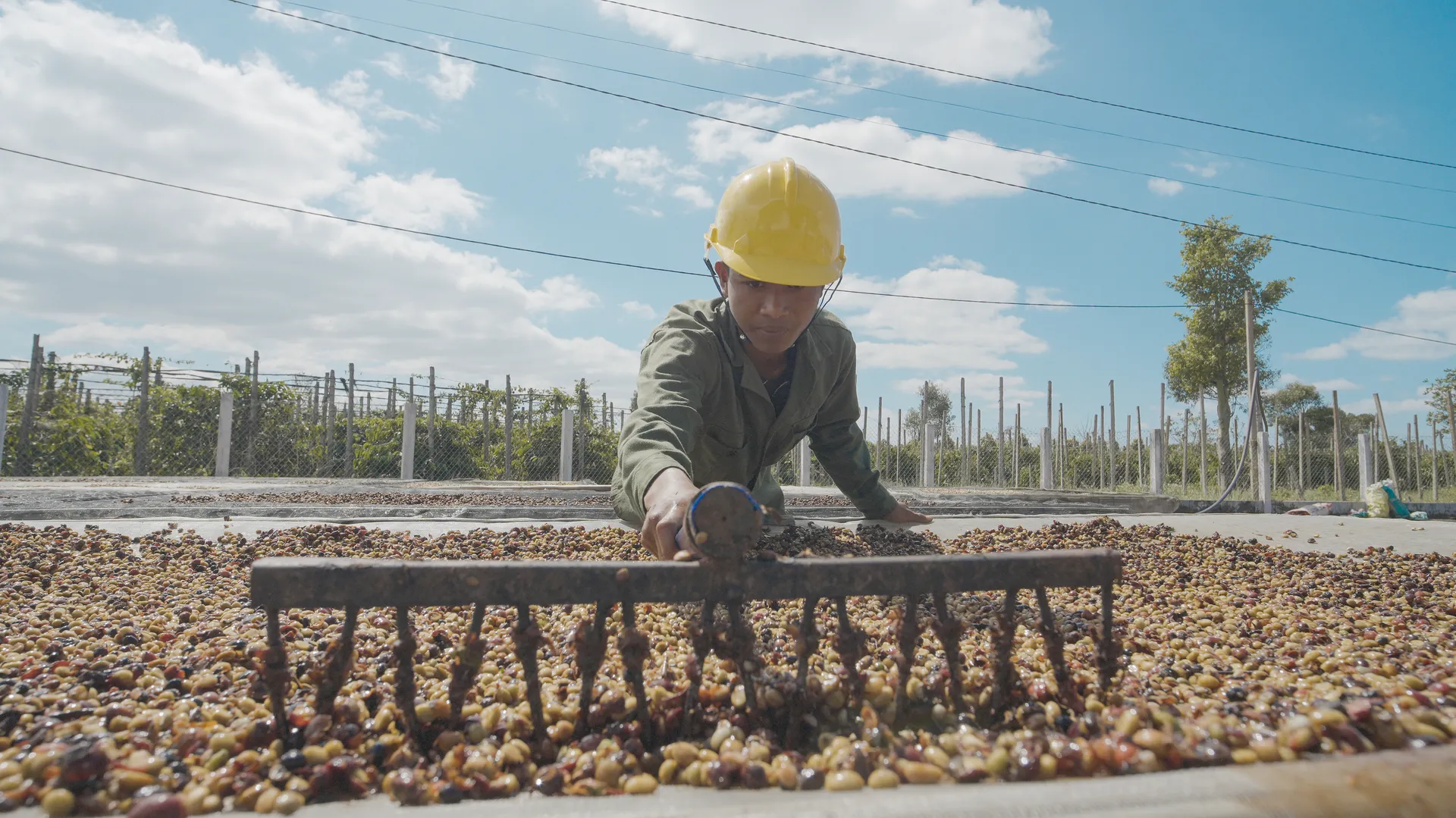
Farms grow and harvest the cherries, and many Vietnamese farms are smallholdings that sell collectively or through local aggregators. Processing mills then dry, hull, sort, and grade the coffee, and Vietnamese green coffee is typically graded against the national standard, TCVN 4193:2014, alongside the international ISO 10470 defect classification. Buyers often search for green coffee beans manufacturers, a phrase that loosely refers to these mills and the companies that run them, since green coffee is processed rather than manufactured in the strict sense. The distinction matters because the company that processes the coffee may not be the one that grew it. When you evaluate green coffee beans manufacturers in Vietnam, ask who owns the farms, who owns the mill, and how lots move between the two, since each handoff is a point where quality and traceability can improve or erode.
Exporters That Operate Their Own Farm Networks
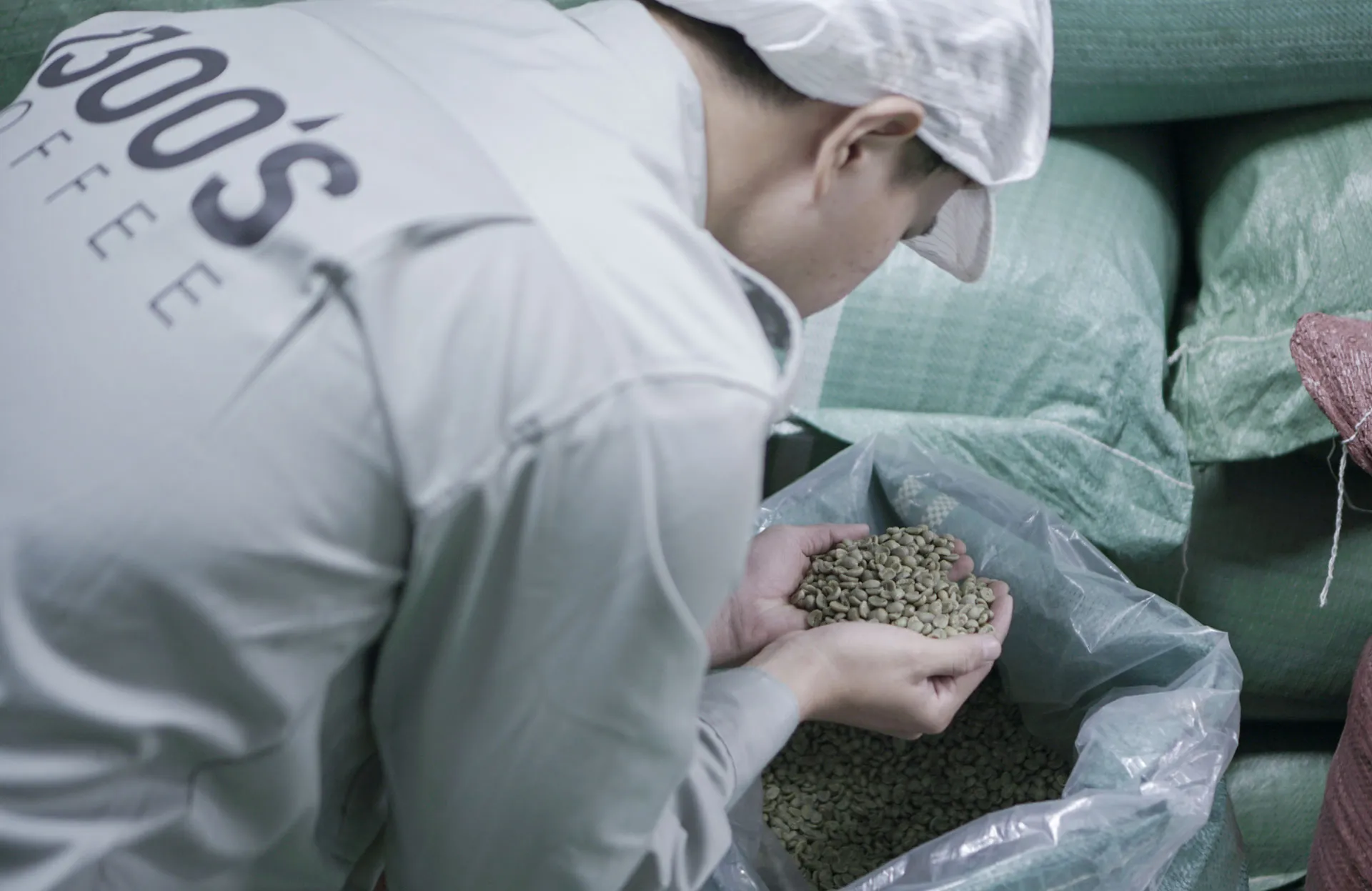
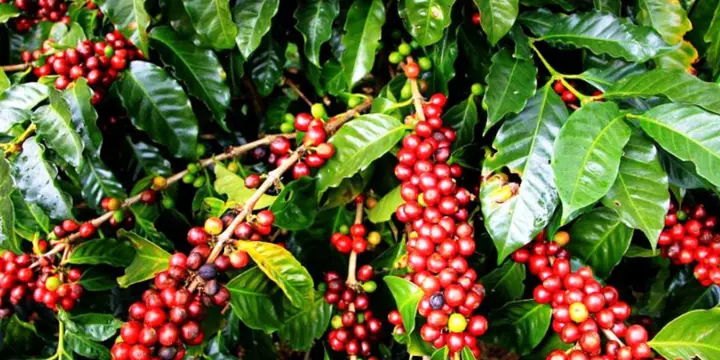
Some exporters go further than buying from the market. They manage a network of farms directly, supporting fertilizer programs, field practices, and harvest timing, and then buy the output. For a buyer, this offers a single contact for direct trade, with farm level information available without having to manage dozens of smallholders individually. 1300’S Coffee works this way. Its coffee is managed from the soil through to harvest in a closed loop process that begins with fertilizer and soil care, under a clean coffee control process, and after harvest the coffee moves through a partner processing facility. A genuine specialty coffee supplier built on this model can tie each lot back to the farm that produced it, which is exactly the kind of traceability a direct trade buyer is looking for.
Why Direct Trade Improves Traceability and Compliance
Traceability has moved from a marketing advantage to a practical necessity. The European Union’s deforestation regulation requires operators to provide geolocation data for the plots where coffee was grown, along with due diligence showing that the coffee did not contribute to deforestation. Vietnam was placed in the low risk category in the European Union’s country benchmarking in 2025, which should simplify matters for coffee from the country, but application dates for the regulation have been adjusted more than once, so buyers should always confirm the current timeline before planning shipments.
Direct trade makes this kind of documentation far easier to obtain. When a buyer works with farms or a farm network directly, plot level information, farm identity, and harvest dates already exist and can be shared, instead of having to be reconstructed from a chain of intermediaries who may not have collected them. Buyers who work with green coffee beans manufacturers that already gather plot data and keep records for each lot find the compliance side of importing much less burdensome. The same records also support the stories that brands increasingly want to tell, since a claim about origin carries far more weight when a specific farm, location, and harvest period stand behind it.
How a Direct Trade Relationship Is Built Step by Step
A direct relationship develops in stages. Skipping the early ones is the most common reason it fails.
Starting With Samples and an Origin Conversation
Begin by requesting samples from the lots that interest you, along with the information that explains them, including the farm, altitude, variety, processing method, harvest dates, and grading data. Share your own quality targets in return, since a producer who knows what you value can recommend lots that suit you. If possible, hold a video call with the people who manage the farms, and consider a visit once the relationship shows promise. Cup the coffee carefully and send feedback in specific terms. A direct relationship is a conversation, and the quality of the early exchanges tends to predict the quality of everything that follows.
Moving From a Trial Lot to a Farm Contract
Once samples meet expectations, begin with a trial lot, then repeat the purchase, and only then consider a longer commitment. Some suppliers make this progression easy by being open about supply. 1300’S Coffee announces its output after each harvest, opens it for sale with advance orders, and publishes the figures on its website. Buyers who want to purchase from one specific farm sign a contract, and farm level details, including quantities, inventory, and output, are shared openly. For a buyer building a specialty coffee wholesale program around a single origin story, this structure provides what informal buying cannot, namely secure volume from a named source and a clear view of what remains available.
Managing the Risks That Come With Buying Direct
Direct trade removes intermediaries, but the work intermediaries did does not disappear. Some of it becomes yours.
Logistics, Quality Control, and Documentation You Now Own
Freight forwarding, customs clearance, pre shipment sampling, and inspection are tasks that an importer would otherwise handle. Buying direct means you either perform them or arrange for someone to do so. The risk is manageable with preparation. Choose suppliers who handle export documentation themselves, agree clear shipping terms, build a relationship with a freight forwarder and customs broker, and retain a sample from every lot so that arrival quality can be compared against what was approved. For first shipments, consider independent inspection. Even the best green coffee suppliers cannot control events after the coffee leaves their warehouse, so these safeguards protect you in ways the supplier cannot.
Seasonality, Volume Limits, and Single Source Dependence
A single farm produces one harvest a year, and its volume is limited. Weather can reduce it, as Vietnam’s own difficult harvest in 2024 showed for the country as a whole. Depending on one source therefore concentrates risk. Reduce it by contracting with more than one farm or region, by keeping a secondary supplier for backup, and by sharing forecasts early so that your supplier can reserve volume. Open stock information helps considerably, since seeing what is actually available lets you plan roasting and purchasing around real numbers rather than assumptions.
Using Direct Trade Coffee Across Different Product Formats
Direct trade coffee can feed every format a business sells, though what you ask of the farm changes with each one.
Roasted Products for Wholesale Customers
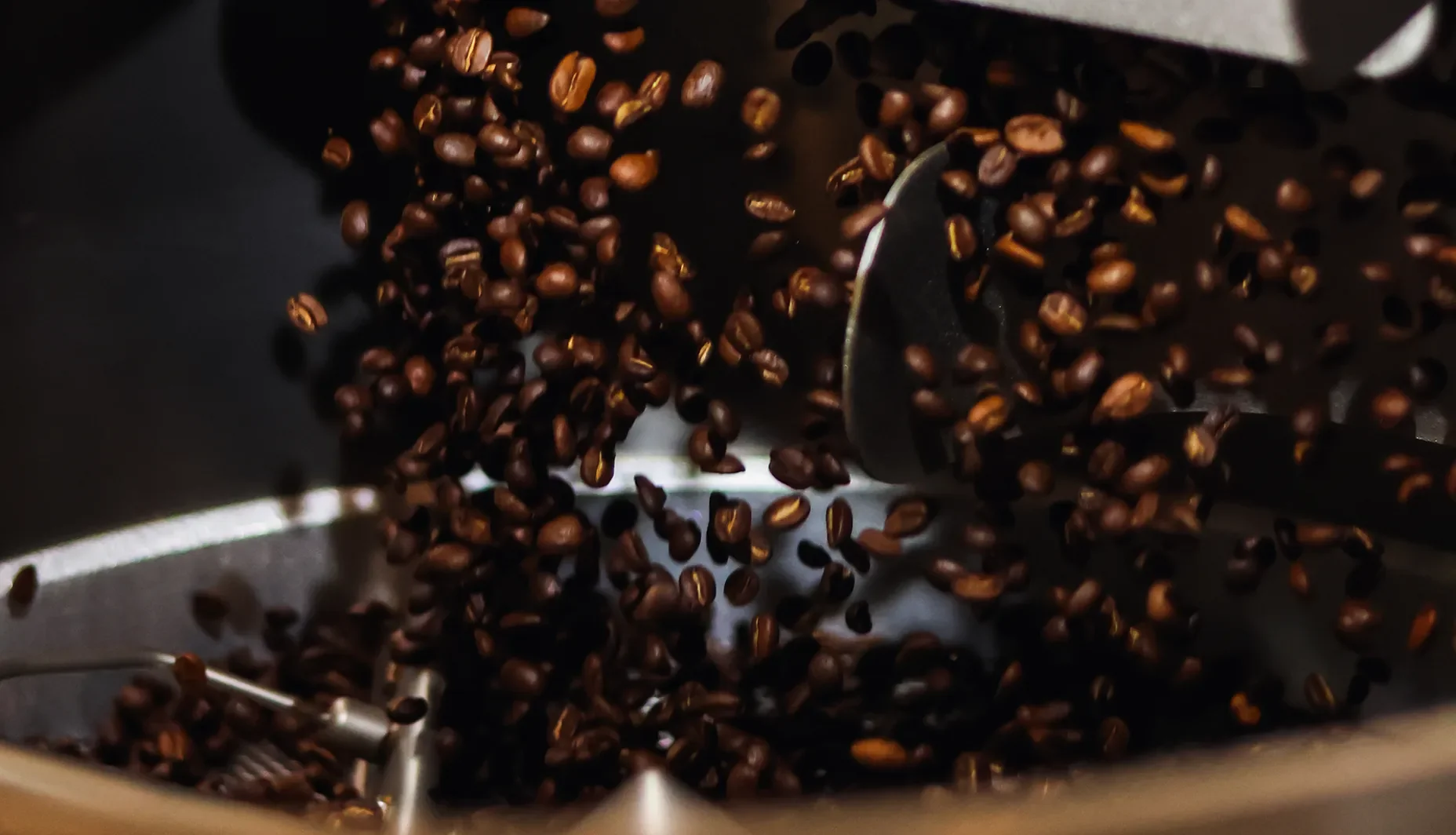
Roasteries that supply cafes through a roasted coffee wholesale line gain two things from direct trade. The first is a story, since customers respond to a named farm in a way they never do to a country label. The second is stability, because a contract with a known farm secures the coffee behind your core products. Share your roast targets with the producer so that lots are chosen with your customers in mind.
Roasted Products for Wholesale Customers
Ground and Convenience Products
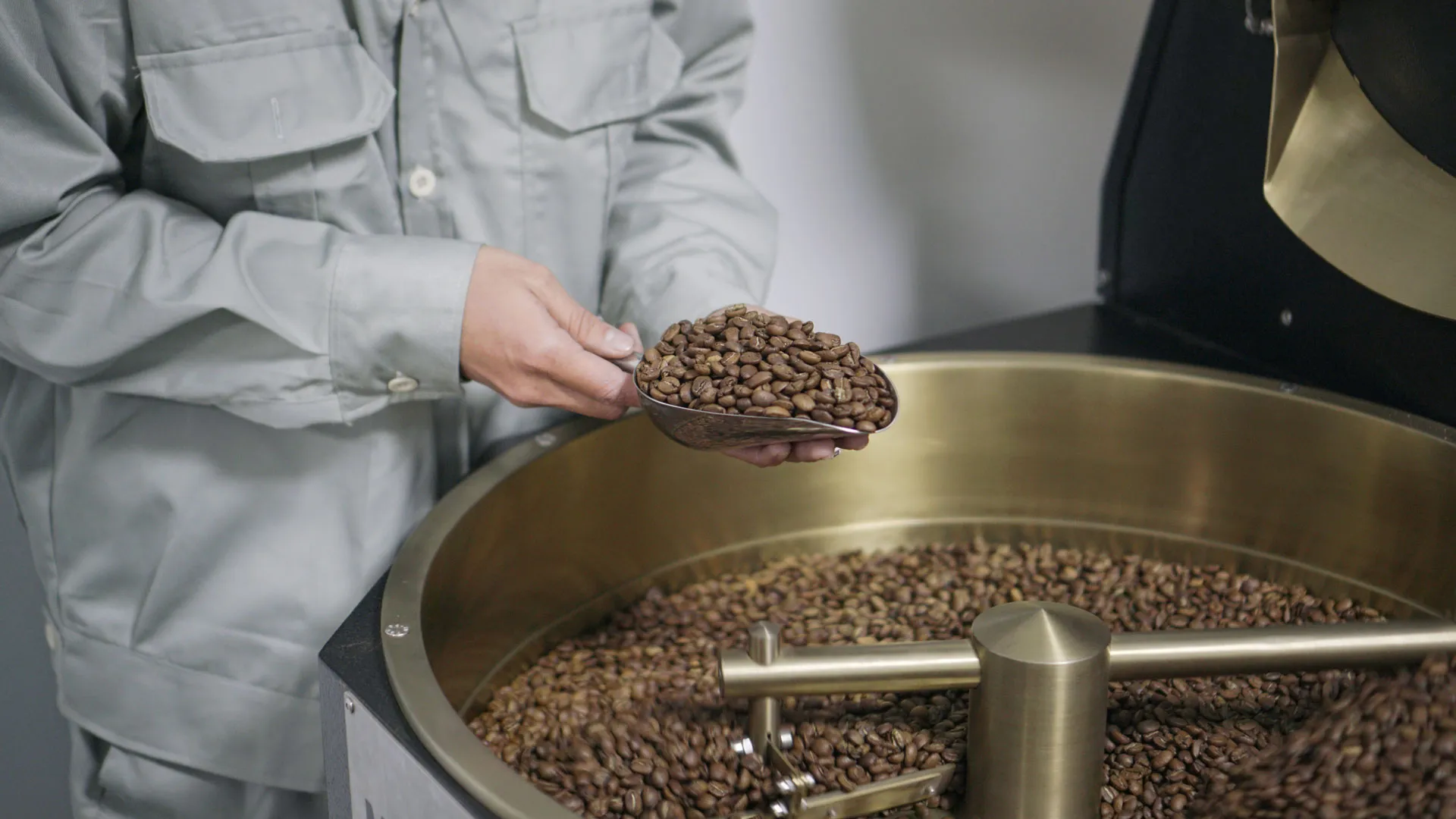
Whether you grind in house or work with a ground coffee supplier, bean size and density consistency matter for grind uniformity. Tell the farm network that your product will be sold ground so that lots can be selected and graded accordingly, and confirm that the specification they deliver will support the freshness handling this format needs.
Soluble Products Built on Robusta
Vietnam’s Robusta strength makes it a natural base for soluble coffee, and a direct relationship with a farm network can secure the volume an instant coffee wholesale line depends on. Because soluble production rewards stable supply and consistent extraction behavior, the visibility that direct trade provides into volume and harvest timing is especially valuable, and it lets a manufacturer plan production around real availability.
Getting Started
Direct trade works best when it is approached as a relationship rather than a transaction. Begin with samples and an honest conversation about what you need, move through a trial lot, and formalize the arrangement only when both sides have proven they can deliver. Verify every claim, keep your own records, and plan for the logistics you now control. Interested in sourcing directly from Vietnam’s highlands? Contact 1300’S Coffee to request samples, see current availability, and discuss a farm contract.
Read more: How to Partner with Bulk Green Coffee Beans Suppliers for Your Roastery


1300s BLOG YOU MAY ALSO BE INTERESTED IN
What Is a Coffee Roaster Definition Role and What They Actually Do
What Is Coffee Sourcing?A Beginner’s Guide to How Coffee Reaches Buyers
Trusted Coffee Beans Wholesale Suppliers for Bulk Buyers and Importers Worldwide