


Where Does the US Import Coffee From Volume and Top Source Countries
Coffee doesn’t grow commercially at any meaningful scale within the continental United States, which means the answer to where does the US import coffee from is really the story of how the world’s largest coffee-consuming nation sources nearly everything it drinks from producing countries thousands of miles away. This dependence on foreign supply became especially visible in 2025, when a sudden tariff dispute with Brazil, the country’s single largest coffee supplier, sent ripple effects through American roasters and retailers within weeks. This guide breaks down exactly which countries supply American coffee demand, how much each contributes by volume and value, and what recent trade disruptions have revealed about just how concentrated this sourcing pattern actually is.
Where Does the US Import Coffee From A Look at the Big Picture
US coffee imports reached roughly 8.99 billion dollars in value in 2024, with import volume around 25.4 million 60-kilogram bags for the 2024 to 2025 crop year, and USDA forecasts project consumption climbing to approximately 28.4 million bags by the 2025 to 2026 period. Domestic production, concentrated in small operations in Hawaii and Puerto Rico, contributes less than one percent of total US coffee consumption, meaning the country relies almost entirely on imports to meet demand from consumers, roasters, and major companies including Starbucks, Keurig Dr Pepper, and Nestlé, all of whom source raw green coffee from producing countries around the world rather than any domestic supply chain. This near-total dependence on foreign supply makes the United States genuinely unusual among major economies, most large consuming nations have at least some meaningful domestic production buffer, while American coffee demand rests entirely on trade relationships and supply chains that stretch across multiple continents and remain subject to everything from weather events at origin to shifting trade policy in Washington.
Brazil the Largest Single Supplier
No answer to where does the US import coffee from is complete without starting with Brazil, historically the single largest source of American coffee imports by both volume and value.
Brazil Import Value and Volume
Brazil supplied roughly 1.75 billion dollars worth of coffee to the United States in 2024, reflecting both the country’s position as the world’s largest overall coffee producer and its ability to supply both Arabica and Robusta varieties at the scale American roasters need for both premium single-origin products and high-volume commercial blends. This dual capability, quality Arabica for specialty positioning alongside efficient Robusta for commercial blending, makes Brazilian coffee genuinely difficult for American buyers to fully replace with a single alternative origin, and it explains why so many established roasted coffee wholesale supply chains in the US built their entire sourcing strategy around Brazilian volume as a dependable baseline.
Brazil Import Value and Volume
The 2025 Tariff Disruption and Recovery
Brazil’s coffee trade with the US faced genuine disruption during 2025, when a 50 percent tariff imposed mid-year caused shipment volumes to collapse by more than 80 percent year over year during some weeks in late summer, a dramatic illustration of how directly trade policy can reshape established sourcing patterns almost overnight. A partial rebound followed later in the year, though volumes remained well below the prior year’s levels for an extended period, and subsequent policy adjustments toward the end of 2025 and into 2026 moved coffee back toward more favorable tariff treatment, underscoring just how quickly this specific trade relationship can shift and why buyers evaluating current sourcing data should confirm the most recent status rather than relying on any single snapshot in time. American roasters who had built their entire green coffee sourcing strategy around Brazilian supply specifically felt this disruption most acutely, since finding comparable volume and quality from an alternative origin on short notice proved genuinely difficult given how much of the American supply chain, warehousing, logistics relationships, and established quality expectations, had been built specifically around Brazilian coffee over many years of trade.
Colombia and Central America Washed Arabica Suppliers
Beyond Brazil, a cluster of Latin American origins collectively supply the majority of remaining US coffee imports, each bringing distinct characteristics to the broader American sourcing picture.
Colombia Position in US Sourcing
Colombia ranks among the top two or three suppliers to the US market consistently, known specifically for high-quality washed Arabica grown across the country’s mountainous coffee-growing regions. Colombian coffee has built a particularly strong reputation within American specialty coffee culture specifically, and many roasters position Colombian origin coffee prominently precisely because of this established quality association among informed American consumers. American buyers working with any specialty coffee supplier sourcing Colombian lots specifically should still request lot-level documentation rather than relying purely on the country’s broad reputation, since quality genuinely varies between individual farms and processors even within an origin as generally well-regarded as Colombia.
Central American Origins Guatemala Honduras and Mexico
Guatemala, Honduras, and Mexico round out a significant share of remaining US coffee imports, each supplying washed Arabica coffee benefiting from geographic proximity to the US market, which translates into shorter shipping times and, in many cases, more favorable trade terms compared to origins further afield. Combined with Brazil and Colombia, this cluster of Latin American origins supplies roughly 78 to 80 percent of total US coffee imports, illustrating just how heavily concentrated American coffee sourcing actually is within a relatively small number of geographically clustered countries. Each of these Central American origins has developed its own distinct reputation within American specialty circles specifically, Guatemalan coffee often associated with a well-balanced, sometimes chocolatey profile from its volcanic growing regions, and Honduran coffee increasingly recognized for genuine quality improvements as the country’s coffee sector has professionalized considerably over the past decade, moving beyond its earlier reputation as a primarily lower-cost commodity source.
Vietnam and Asian Origins Supplying Robusta to America
Vietnam represents the most significant non-Latin American source in answering where does the US import coffee from, supplying Robusta coffee that serves different applications within the American market than the Arabica-dominant Latin American supply chain. American instant coffee manufacturers and businesses building commercial-grade blends requiring Robusta’s higher caffeine content and lower cost structure rely on Vietnamese supply specifically, a role that Latin American origins, with their predominantly Arabica focus, generally don’t fill at the same scale or price point. Beyond commodity grade Robusta, Vietnam has also developed a genuine specialty segment over the past decade, with Fine Robusta and high-altitude Arabica from regions like Kon Tum and Lam Dong increasingly reaching American specialty buyers specifically interested in differentiated origin stories beyond the well-established Latin American narrative that dominates most existing American specialty coffee positioning. Indonesia contributes a smaller but meaningful share of US imports as well, supplying both Robusta and specialty Arabica from specific growing regions including Sumatra and Sulawesi, adding further geographic diversity to the broader import picture beyond the Vietnam-Latin America split that otherwise dominates American coffee sourcing patterns.
Vietnam and Asian Origins Supplying Robusta to America
Why Latin America Continues to Dominate US Sourcing
Geographic proximity explains much of why Latin American origins collectively dominate American coffee sourcing so heavily. Shorter shipping distances translate directly into faster delivery times and, often, lower freight costs compared to sourcing from more distant origins in Africa or Asia, an advantage that compounds across the massive volume the US market actually requires. Established trade relationships and existing supply chain infrastructure built up over decades of trade with these neighboring producing countries also reinforce this concentration, since American importers, roasters, and logistics providers have deep, long-standing operational familiarity with these specific supply routes that would take considerable time and investment to replicate with a genuinely new origin relationship. Trade agreements and preferential tariff arrangements between the US and several Latin American countries have further cemented this pattern over time, creating a genuine structural advantage for these origins that goes beyond simple geographic convenience alone, one that a newer or more distant origin, however strong its underlying coffee quality, has to work considerably harder to overcome when competing for American buyer attention against an already deeply entrenched Latin American supply relationship.
What This Sourcing Pattern Means for Product Formats
Understanding where does the US import coffee from matters directly for how American businesses think about diversifying their own supply chains across different coffee formats. A business considering a roasted coffee wholesale relationship built around Vietnamese Robusta specifically gains access to a flavor profile and cost structure genuinely different from the Latin American Arabica that dominates most existing American supply chains, a meaningful differentiation opportunity precisely because so much existing US sourcing already concentrates around the same handful of Latin American origins the Brazil tariff disruption exposed as a genuine single point of failure for businesses that hadn’t built any alternative sourcing relationship before that disruption hit.
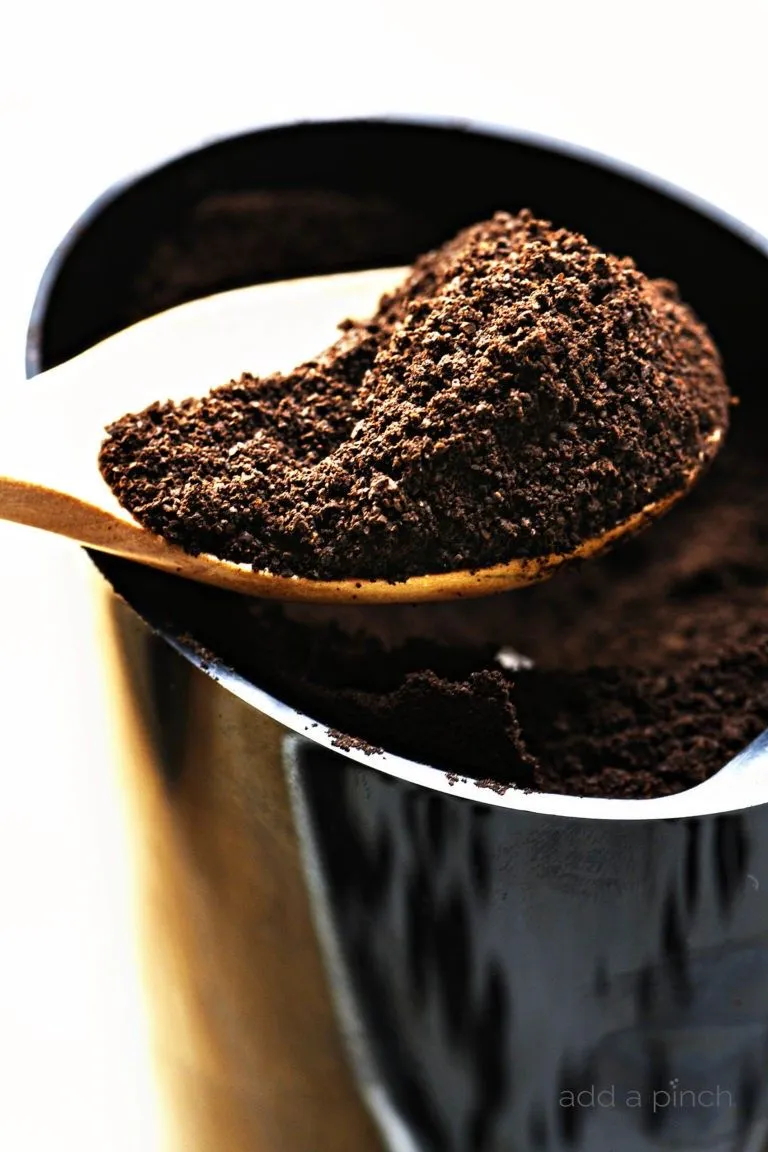
Businesses evaluating a ground coffee wholesale product line focused on bold, full-bodied flavor profiles find that Vietnamese Robusta offers a genuinely distinct alternative to the washed Arabica character common across Colombian and Central American supply, giving American buyers a meaningful point of differentiation from competitors sourcing exclusively within the dominant Latin American cluster. This differentiation matters particularly for retailers and foodservice businesses competing in markets already saturated with Latin American origin coffee, where a genuinely different flavor profile and origin story can help a product stand out on a shelf or menu crowded with otherwise similar competing options.
For businesses building a genuine specialty coffee supplier relationship specifically, Vietnam’s growing Fine Robusta and high-altitude Arabica production, still a smaller share of total US imports than the established Latin American suppliers, represents a genuine diversification opportunity for American buyers looking beyond the same well-known origins that dominate most existing American sourcing relationships.
American businesses building a broader specialty coffee wholesale program specifically benefit from this same diversification logic, since offering customers a genuinely differentiated origin story tied to Vietnam’s improving quality reputation provides a meaningful point of distinction compared to competitors whose entire catalog draws from the same concentrated Latin American supply base. This distinction has become genuinely more credible over the past decade specifically, since Vietnam’s investment in Fine Robusta and high-altitude Arabica production has produced real, verifiable quality improvements rather than a marketing narrative disconnected from actual sourcing practice, giving American specialty buyers a legitimate reason to feature Vietnamese origin coffee prominently rather than treating it as a lower-tier alternative to established Latin American options.
Diversifying Beyond the Dominant Origins
The trade disruption Brazil experienced in 2025 illustrates a genuine strategic risk in how heavily American coffee sourcing concentrates around just a few origin countries, since a single trade policy change or climate event in Brazil specifically can meaningfully affect supply and pricing across the entire American coffee market given how much of total US import volume traces back to that one country. Businesses that had already built even a modest secondary sourcing relationship before 2025 generally weathered the disruption considerably better than those depending entirely on Brazilian supply, a lesson worth internalizing regardless of whether trade policy specifically or a different kind of disruption, a poor harvest, a shipping crisis, ultimately turns out to be the next event that tests concentrated sourcing strategies going forward. Businesses evaluating instant coffee wholesale sourcing specifically should consider this concentration risk directly, since Vietnam’s position as a major Robusta supplier offers genuine geographic diversification away from the Latin American cluster that dominates most existing American instant coffee manufacturing supply chains.
Businesses planning a larger instant coffee bulk buy specifically benefit from this same diversification logic, since building supply relationships across multiple origin countries, rather than depending entirely on Latin American sourcing alone, provides genuine insurance against the kind of disruption Brazil’s 2025 tariff situation demonstrated so clearly.
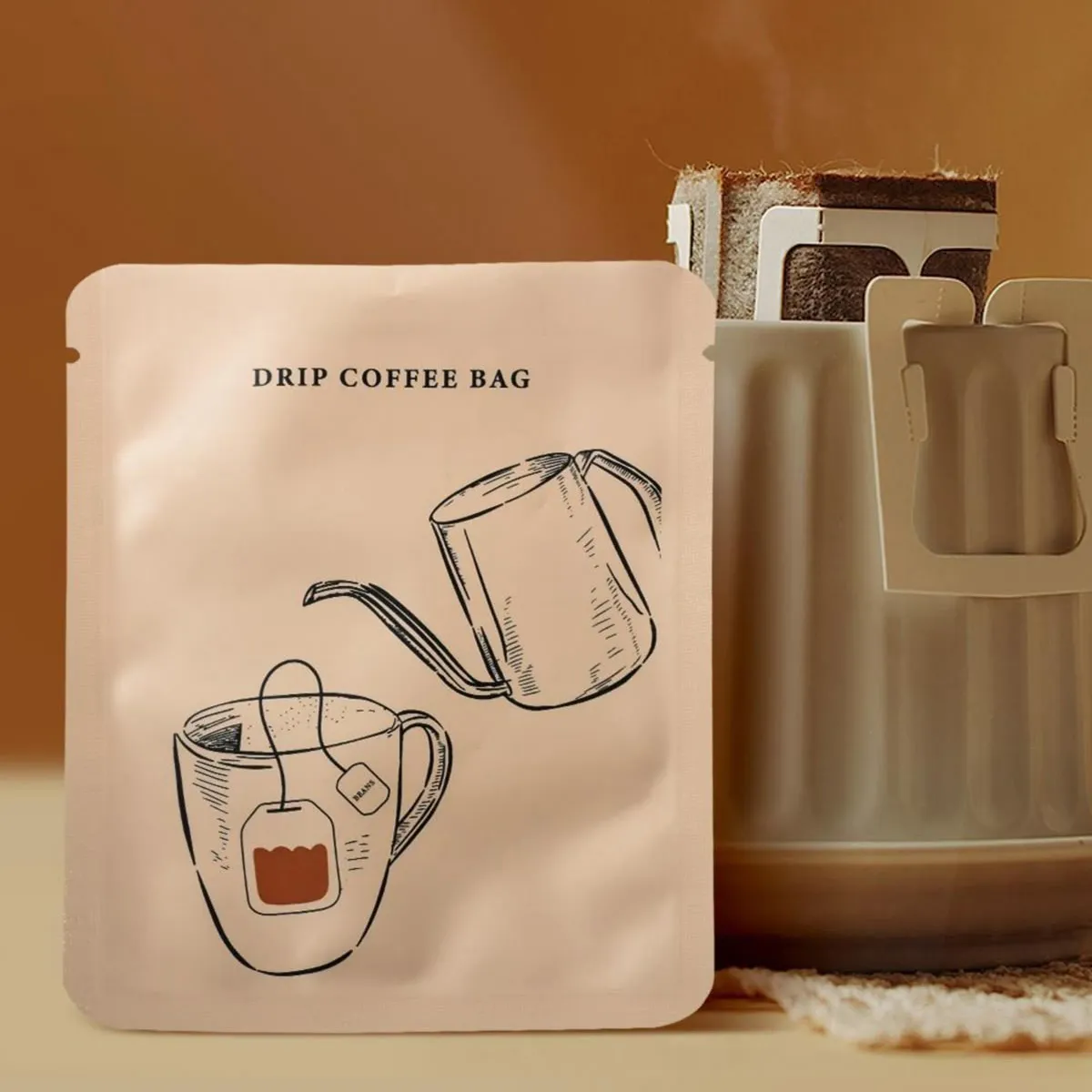
A drip coffee supplier sourcing high-altitude Vietnamese Arabica for a differentiated single-serve product similarly benefits from this diversification, offering American buyers a genuinely distinct flavor profile and origin story compared to the Latin American Arabica that dominates most existing drip bag products currently available in the American market.
Getting Started
Whether you were simply curious where does the US import coffee from or the question led you to think more strategically about diversifying your own sourcing beyond the concentrated Latin American cluster that dominates current American supply chains, understanding this full picture gives you a genuinely informed foundation for evaluating where real opportunity actually exists. Looking to diversify your coffee sourcing beyond the dominant Latin American supply chain? Request a sample and a conversation with 1300’S Coffee to explore Vietnamese origin options for your American business.
Read more: How to Import Coffee to Canada: Requirements and Process


1300s BLOG YOU MAY ALSO BE INTERESTED IN
How to Choose a Trusted Coffee Powder Manufacturer for OEM Projects
Private Label Coffee Cost Factors Businesses Should Evaluate Before Sourcing
How to Say Coffee in Vietnamese: A Founder’s Guide to Origin, Science, and Sourcing