


How to Choose a Trusted Instant Coffee Supplier for Global Importers

Instant coffee sourcing involves a different set of evaluation criteria than green bean or roasted coffee buying. An importer isn’t just assessing flavor and origin, they’re evaluating a manufacturing process, solubility performance, shelf stability, and packaging format compatibility with their target market, on top of the certifications and consistency any bulk food import requires. This guide walks through how instant coffee is actually produced, what separates a reliable instant coffee supplier from one that can’t sustain quality at volume, and what global importers should confirm before committing to a bulk order.
How Instant Coffee Is Actually Made: Spray-Dried vs Freeze-Dried
Understanding production method matters because it directly affects flavor, solubility, and cost, three factors that shape almost every other sourcing decision an importer makes.
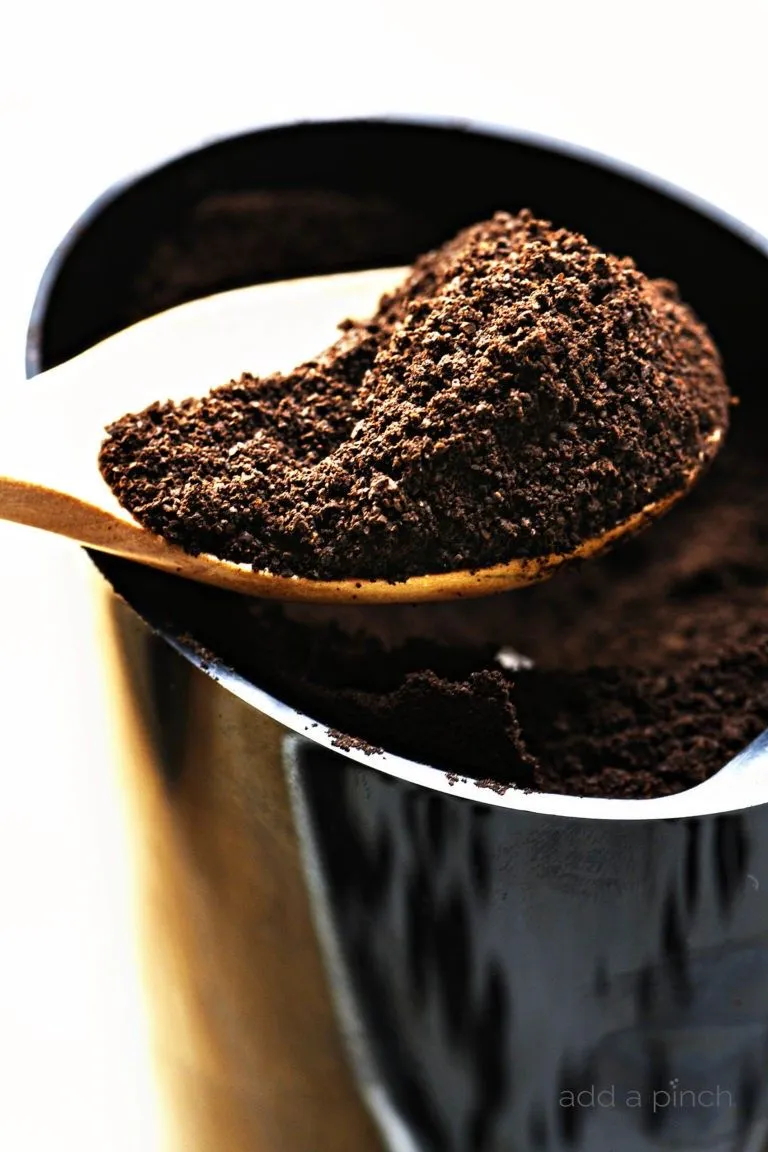
Spray-drying involves brewing concentrated coffee, then spraying it into a chamber of hot air, causing the liquid to evaporate almost instantly and leave behind fine coffee powder or granules. This is the more common and cost-efficient method, used by the large majority of instant coffee powder manufacturers globally, and it suits high-volume, price-sensitive product lines.
Freeze-drying involves brewing coffee, freezing it, then removing the ice through sublimation under vacuum, a slower and more energy-intensive process that better preserves aromatic compounds lost during spray-drying’s high-heat exposure. Freeze dried coffee manufacturers generally produce a product with more visible crystals, better perceived quality, and a higher price point, positioned for premium or mid-tier retail rather than the most cost-driven segments of the market.
Importers should confirm which method a supplier uses for a given product line, since the two aren’t interchangeable from a positioning or pricing standpoint, and a supplier quoting freeze-dried pricing while actually delivering spray-dried product, or the reverse, is a mismatch worth catching before a contract is signed.
Why Robusta Dominates Instant Coffee Production
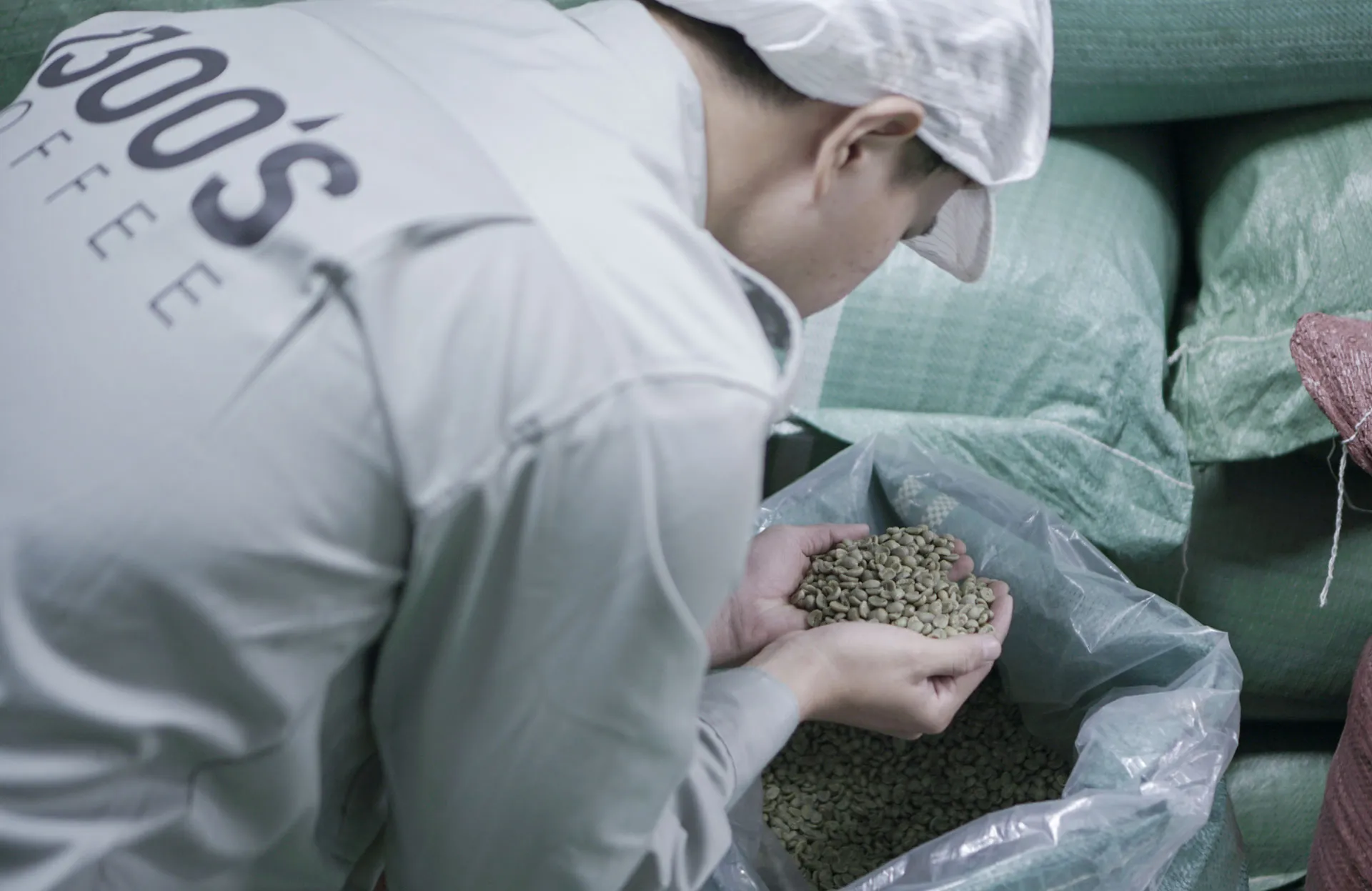
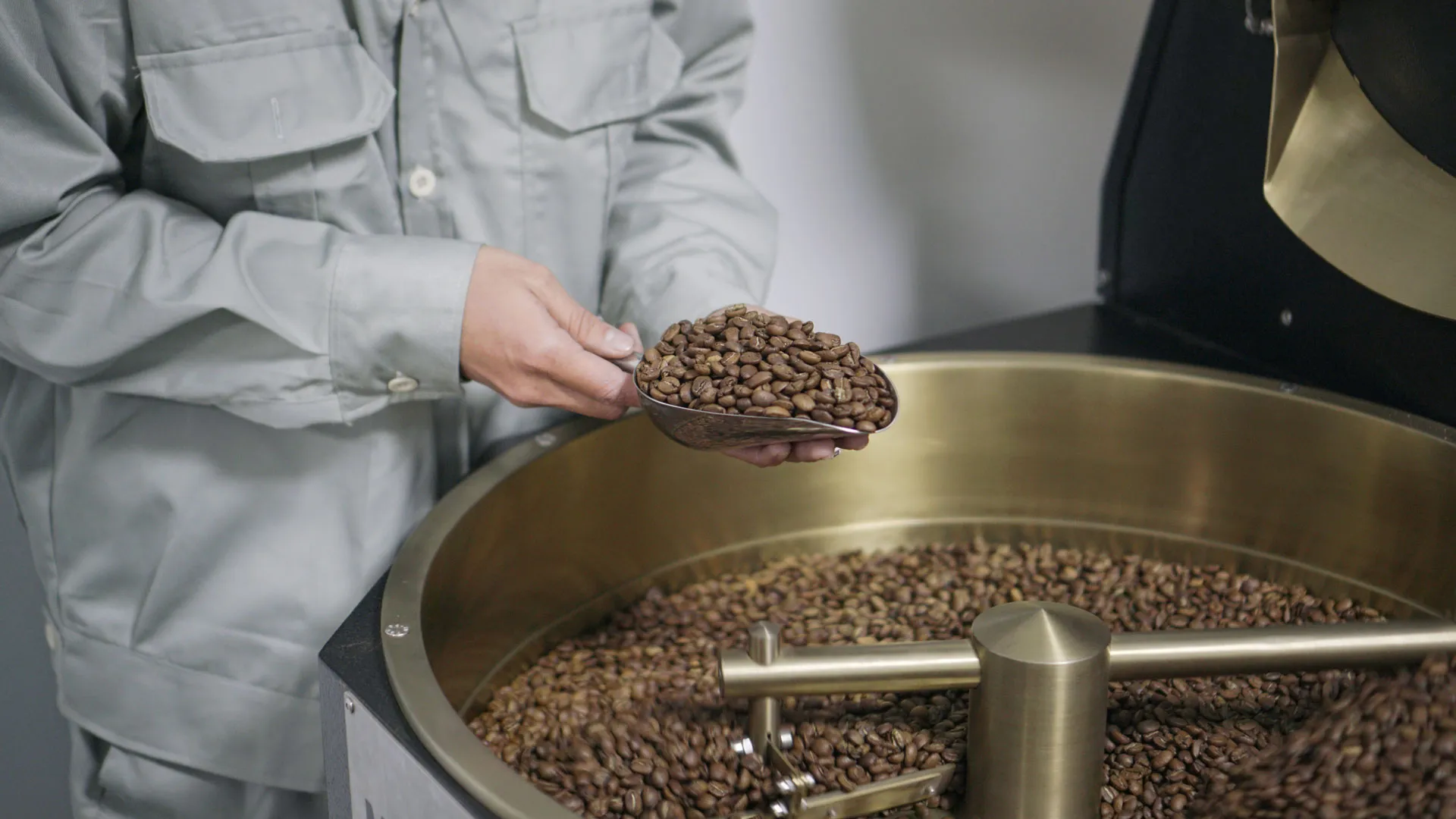
Instant coffee manufacturers overwhelmingly favor Robusta over Arabica as the base varietal, for reasons that matter directly to sourcing decisions. Robusta’s higher caffeine content and stronger, more bitter flavor profile hold up better through the high-heat extraction and drying process instant coffee production requires, where Arabica’s more delicate aromatic notes tend to get lost. Robusta also offers a higher extraction yield, more soluble solids per unit of green coffee, which directly affects production economics at industrial scale. Vietnam’s position as the world’s largest Robusta producer is precisely why it’s become one of the dominant global sourcing origins for instant coffee manufacturing, and importers should expect any serious instant coffee manufacturer sourcing from Vietnam to be working primarily, though not always exclusively, with Robusta.
Why Robusta Dominates Instant Coffee Production
What to Look for When Evaluating an Instant Coffee Supplier
Instant coffee introduces evaluation criteria beyond what applies to green or roasted bean sourcing:
- Solubility performance. Instant coffee should dissolve fully and quickly in both hot and cold water without clumping or leaving residue, a quality that varies meaningfully between manufacturers based on processing equipment and technique.
- Moisture content and shelf stability. Properly processed instant coffee should maintain quality over an extended shelf life, typically 18 to 24 months, without caking or flavor degradation, which depends on both production quality and packaging.
- Consistency in color and granule size. Buyers should expect visual and textural consistency across batches, particularly important for private label brands where customers notice variation between purchases.
- Certifications relevant to the destination market. ISO 22000 and HACCP are close to standard requirements, with FDA registration necessary for US-bound shipments and additional certifications depending on the specific market.
- Production capacity matched to your order pattern. An instant coffee supplier should be able to demonstrate they can sustain your required volume on a recurring basis, not just fulfill a single large order as a one-off.
Understanding Instant Coffee Wholesale Pricing
Instant coffee wholesale price varies more than buyers new to this category often expect, driven by several factors that are worth understanding before comparing quotes across suppliers:
- Production method. Freeze-dried product commands a meaningfully higher price than spray-dried due to the slower, more energy-intensive process, generally a premium in the range of 30 to 50% depending on the market and supplier.
- Green coffee input cost, which fluctuates with Robusta market pricing and has trended upward as Fine Robusta and quality-driven demand has grown across the broader Robusta market.
- Packaging format, since individually wrapped sachets or sticks cost considerably more per unit to produce than bulk jars or tins due to the additional packaging materials and labor involved.
- Order volume, with per-unit pricing improving meaningfully at higher committed volumes, similar to most bulk food manufacturing categories.
- Private label vs generic formulation, since a custom blend or flavor profile developed specifically for a brand typically carries a development cost that a standard existing formulation doesn’t.
Importers should request itemized pricing broken down by these factors rather than a single flat quote, since this makes it far easier to compare offers across multiple suppliers on a like-for-like basis.
Bulk Buying Options: MOQ and Order Structures
Buyers looking to bulk instant coffee for sale opportunities should understand that minimum order quantities vary significantly by packaging format and whether a formulation is custom or existing. Bulk instant coffee suppliers generally offer lower per-unit MOQs for bulk packaging (large bags or drums intended for further repackaging) compared to consumer-ready formats like sachets or jars, where packaging line setup adds its own minimum run requirements independent of the coffee itself.
Importers planning an instant coffee bulk buy for the first time should request MOQ figures specific to their intended packaging format rather than assuming a single minimum applies across a supplier’s entire product range, and should confirm whether smaller trial quantities are available to validate quality before committing to a full bulk order.
Private Label Instant Coffee for Brands
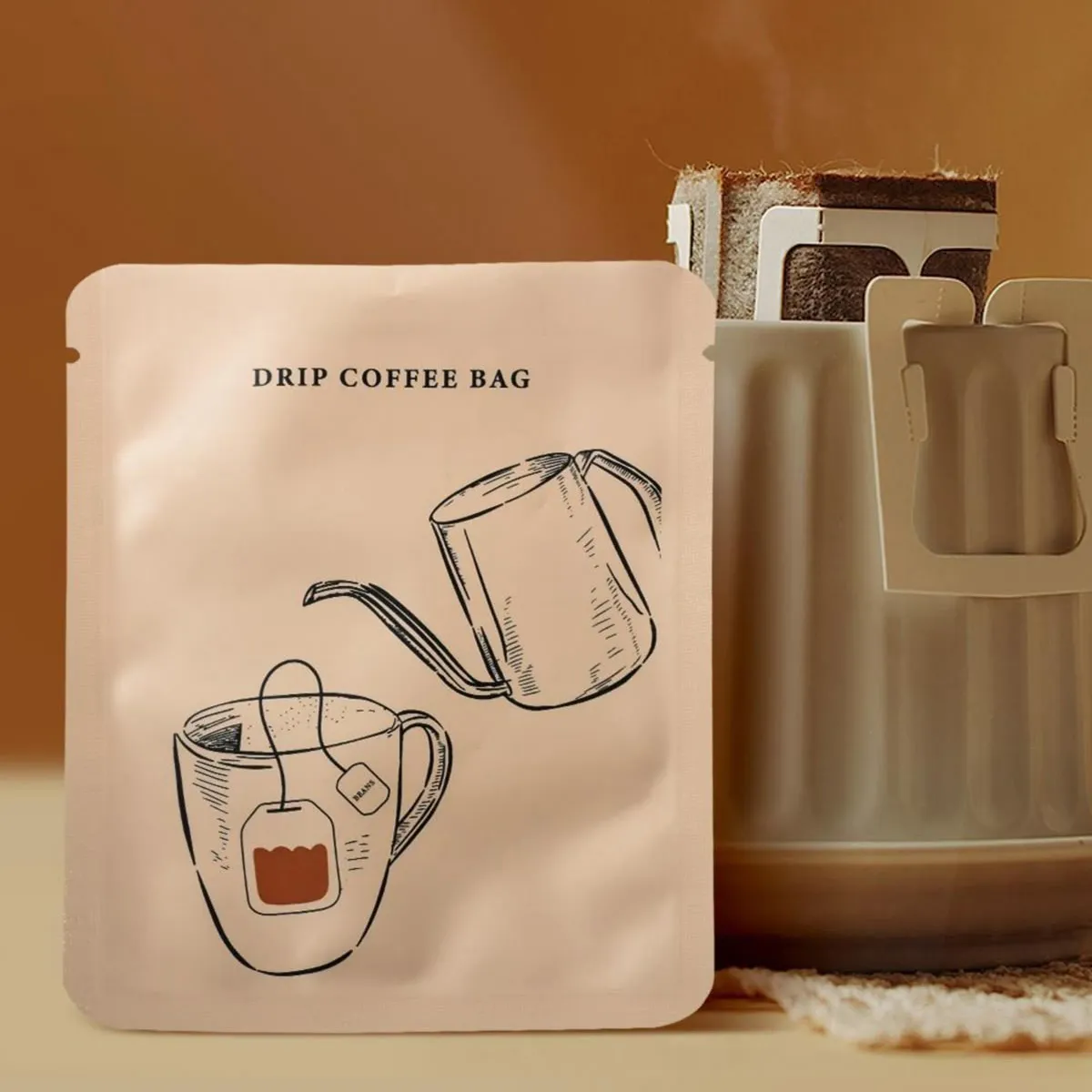
Instant coffee private label programs follow a similar structure to private label roasted coffee, though with a few category-specific considerations. Brands can typically choose from an existing formulation for faster turnaround, or work through a formulation development process for a custom flavor profile, caffeine strength, or blend ratio specific to their brand. Packaging customization for instant coffee spans a wider range of consumer formats than roasted coffee, jars, tins, single-serve sticks, and sachets each with different minimum order requirements and production lead times. Brands should confirm a supplier can support their specific target packaging format at the outset, since not every instant coffee manufacturer has production lines set up for every format, sachet and stick packaging in particular requires specialized equipment that not all suppliers maintain.
Packaging Formats for Global Import Markets
Packaging preference varies meaningfully by destination market, and importers should confirm a supplier’s format capabilities align with what their target market actually expects. Single-serve sachets and sticks remain dominant across much of Asia and parts of the Middle East, glass jars are more common in Western retail markets, and bulk bags or drums suit importers planning to repackage domestically rather than import a finished retail product. Confirming packaging line capability and minimum order requirements per format early in the sourcing conversation avoids discovering a mismatch after formulation and pricing discussions are already underway.
Packaging Formats for Global Import Markets
Red Flags When Evaluating a New Supplier
A few warning signs are worth watching for when comparing wholesale instant coffee suppliers: vague or inconsistent answers about production method (spray-dried versus freeze-dried) for a specific product line, no willingness to provide a sample before a large order commitment, pricing significantly below comparable quotes with no clear explanation, which often signals a quality shortcut in either the base coffee or the drying process, and an inability to provide certification documentation specific to your destination market rather than a general claim of compliance.
Why 1300’S Coffee Is a Reliable Instant Coffee Supplier
1300’S Coffee sources Robusta directly from farming partners in the Kon Tum highlands, managing sourcing, processing, and production under one vertically integrated operation. This structure supports both instant coffee wholesale supply and private label development, with quality control managed through an in-house lab covering solubility, moisture, and consistency checks across production runs. The company holds ISO 22000, HACCP, FDA, and OCOP certifications relevant to global import markets, and supports multiple packaging formats for buyers sourcing bulk instant coffee for repackaging as well as brands developing a finished, retail-ready private label product.
Getting Started
Importers evaluating a new instant coffee supplier should request a sample matching their target formulation, confirm production method and certification documentation directly, and clarify MOQ by packaging format before committing to a full bulk order. Sourcing instant coffee for import or private label? Request a sample and pricing breakdown from 1300’S Coffee to evaluate quality, format options, and volume pricing.


1300s BLOG YOU MAY ALSO BE INTERESTED IN
Robusta Coffee Beans Suppliers Delivering Wholesale Volume to Industrial Buyers
How to Choose a Trusted Specialty Coffee Supplier for Global Importers
Top Bulk Instant Coffee Suppliers with OEM & Export Standard Production