


Why 1300’S Coffee Is a Trusted Drip Coffee Supplier from Vietnam
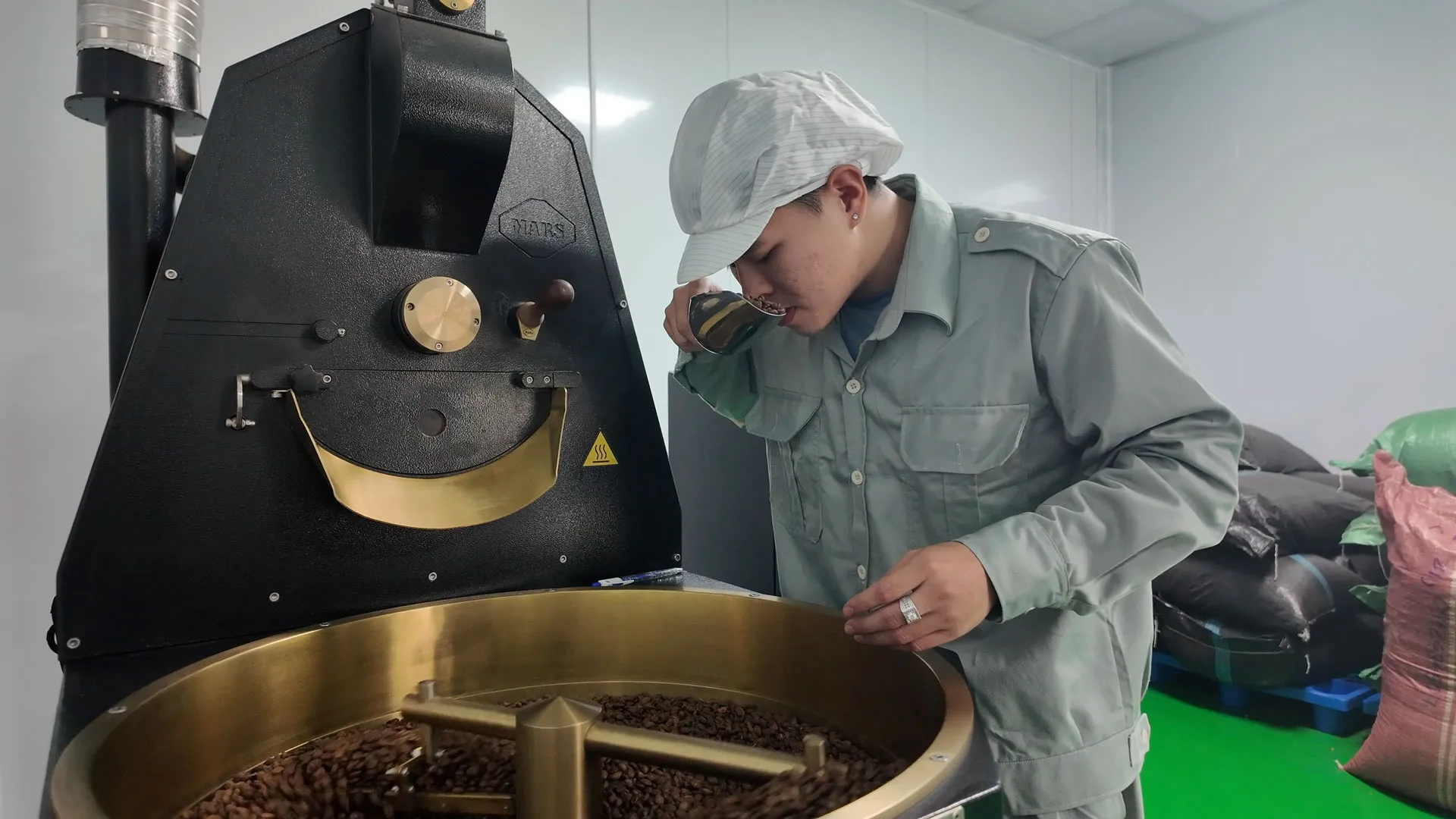
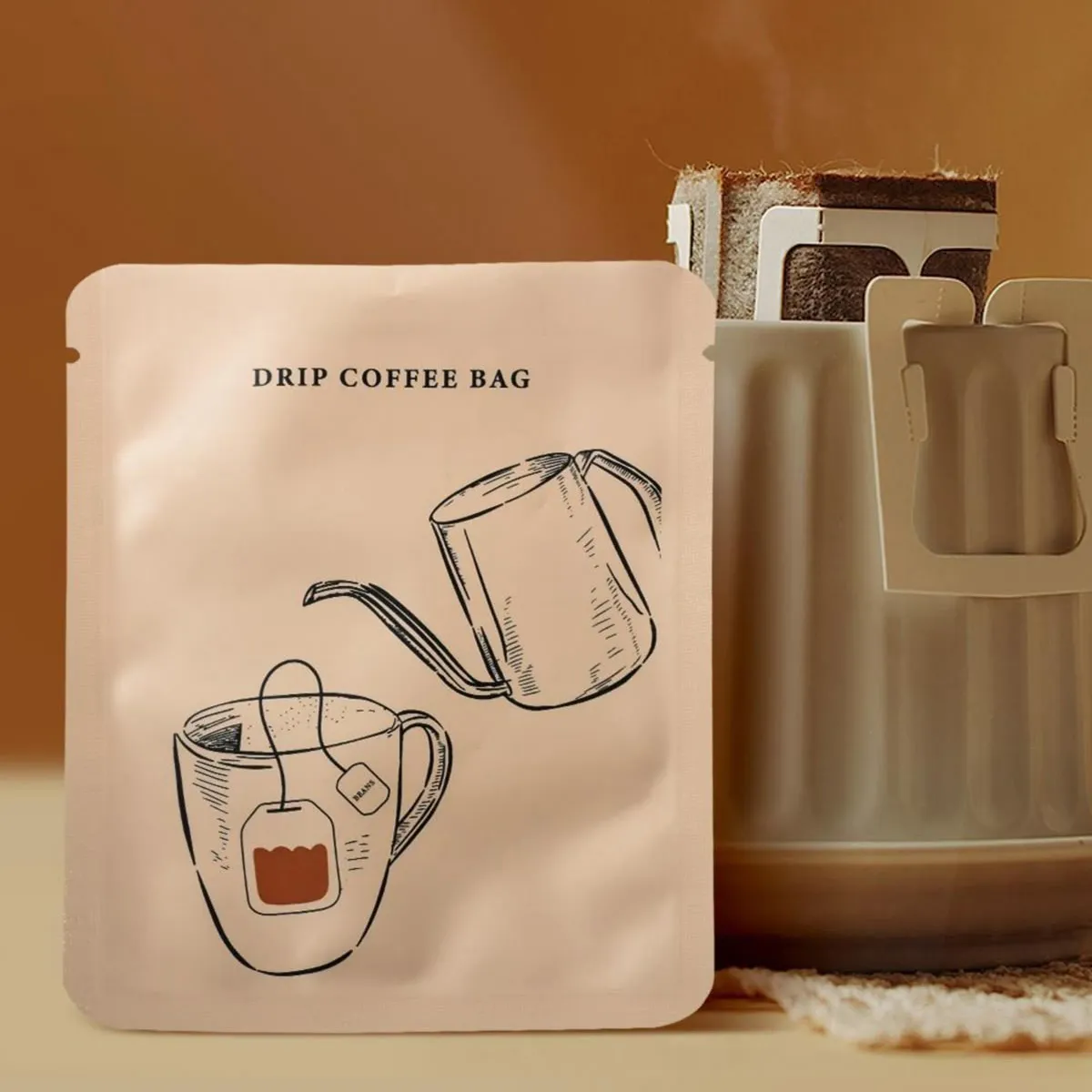
Drip coffee bags occupy a specific niche between instant coffee’s convenience and fresh-ground coffee’s flavor quality, a single-serve filter bag pre-filled with ground coffee that hangs directly over a cup, brewing with hot water poured through it in a few minutes without any equipment beyond a kettle. The format has grown significantly across Asian markets over the past decade and is increasingly finding buyers internationally, which makes evaluating a drip coffee supplier a genuinely different exercise than sourcing instant coffee or standard roasted beans. This piece covers what makes drip coffee bags distinct as a product category, what to look for in a supplier, and why 1300’S Coffee has built a reputation as a reliable drip coffee supplier for buyers sourcing from Vietnam.
What Makes Drip Coffee Bags a Distinct Product Category
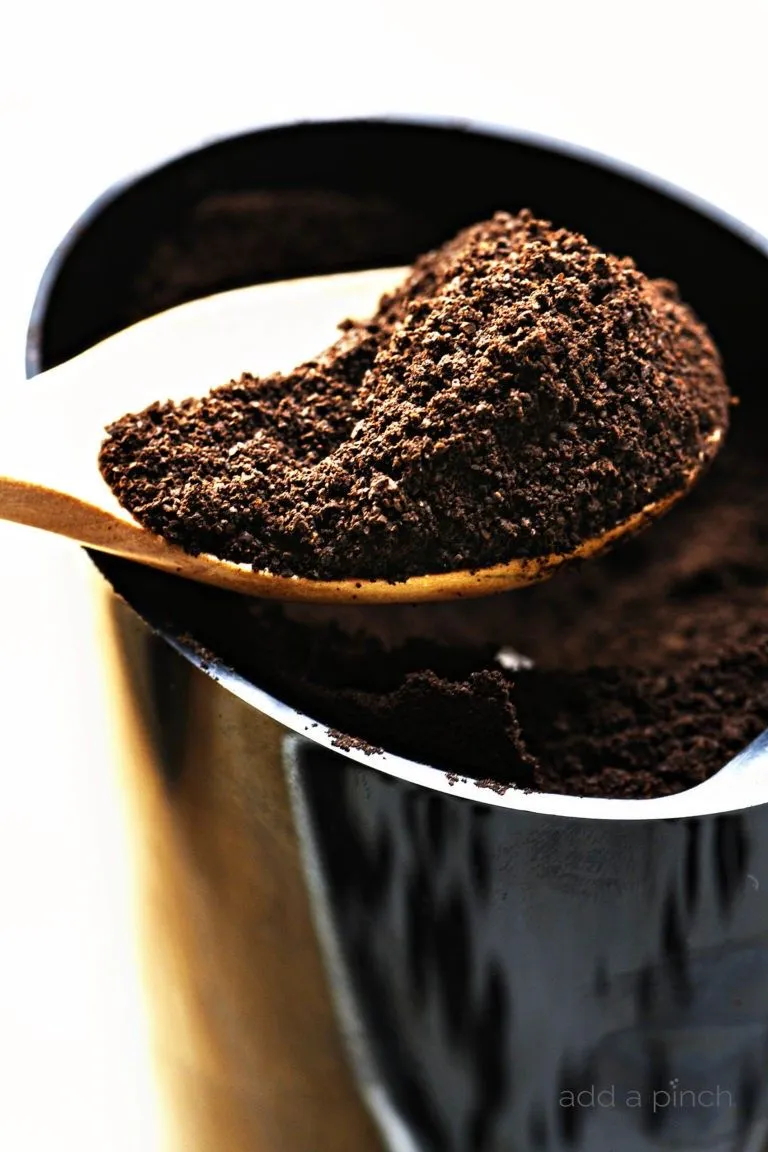
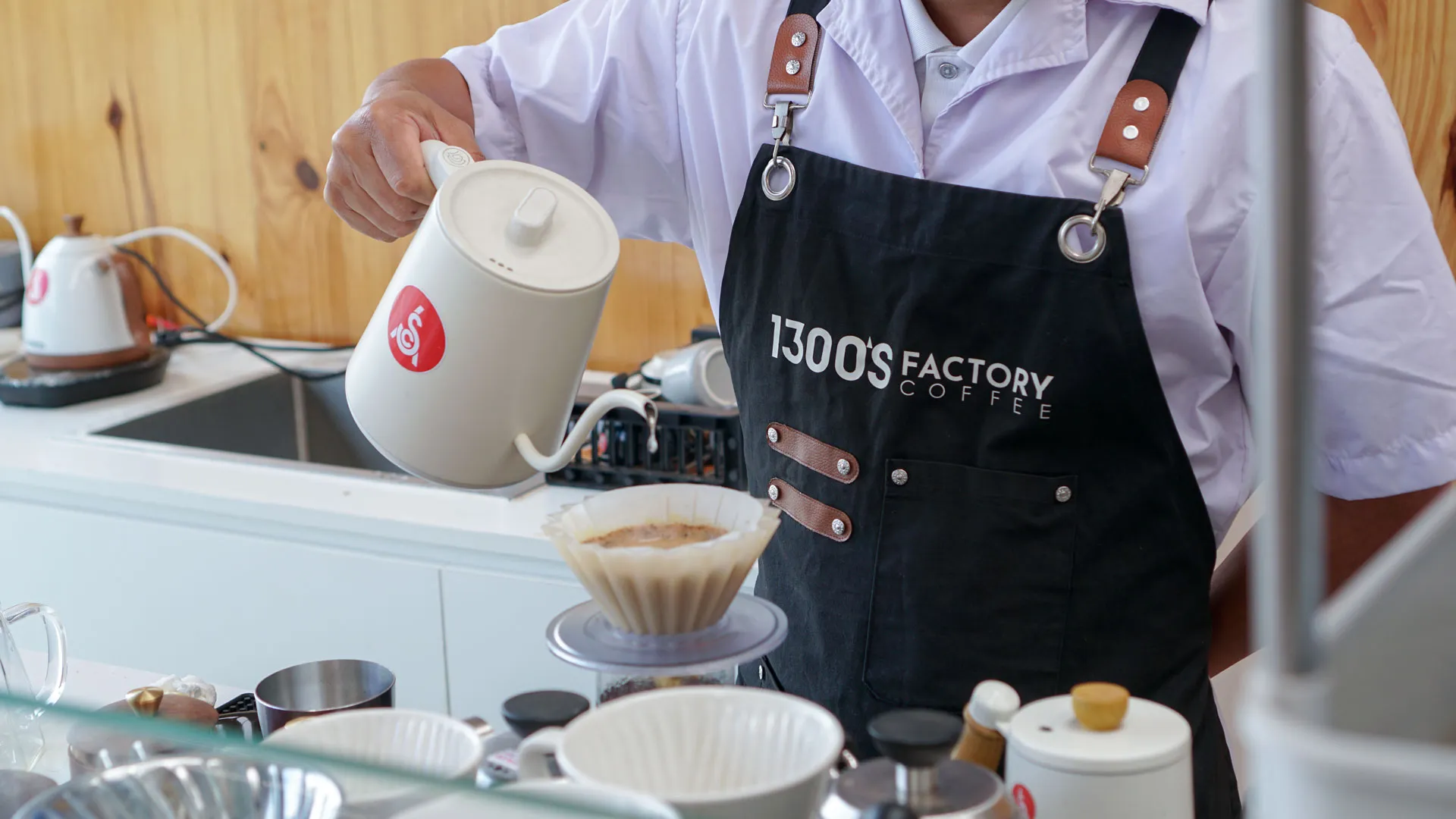
Unlike instant coffee, which is coffee already brewed and dehydrated back into soluble powder, drip coffee bags contain real ground coffee, and the brewing happens fresh when hot water passes through it, closer in flavor character to pour-over or filter coffee than to reconstituted instant product. This distinction matters directly to a supplier’s production requirements. Grind size needs to be calibrated specifically for the drip bag format, generally a medium grind that balances extraction speed against over-extraction risk given the short brew time and lack of any bloom or pour control the way a manual pour-over allows. The filter material itself, typically a fine non-woven paper or fabric mesh, needs to hold the grounds securely while allowing even water flow, since a poorly designed filter either restricts flow too much or lets fine particles through into the finished cup. Packaging matters more for drip bags than for many other coffee formats too, since the ground coffee inside is directly exposed to oxygen and moisture once the individual bag’s outer packaging is opened, making nitrogen-flushed, resealable, or individually wrapped packaging a meaningful quality factor rather than a cosmetic detail.
What Makes Drip Coffee Bags a Distinct Product Category
What to Look for in a Drip Coffee Supplier
Buyers evaluating a new drip coffee supplier should confirm a few specifics before committing to a private label or wholesale order. Grind consistency matters more here than for beans sold whole, since drip bag coffee is ground and packaged well before it reaches the end consumer, meaning any inconsistency in grind size directly affects extraction and flavor without any opportunity for the end user to compensate the way a home barista might adjust a grinder. Freshness and packaging integrity deserve specific attention, since ground coffee stales considerably faster than whole bean, and a supplier without proper nitrogen flushing or barrier packaging risks delivering product that’s noticeably flat by the time it reaches a retail shelf or hospitality venue. Filter material sourcing and food-safety compliance for that material matter too, since the filter is in direct contact with hot water and the finished beverage. And roast profile consistency across production runs remains just as relevant for drip bags as any other format, since a supplier building a private label drip coffee line needs the flavor profile approved during sample development to hold steady through full-scale production.
How 1300’S Coffee Produces Drip Coffee
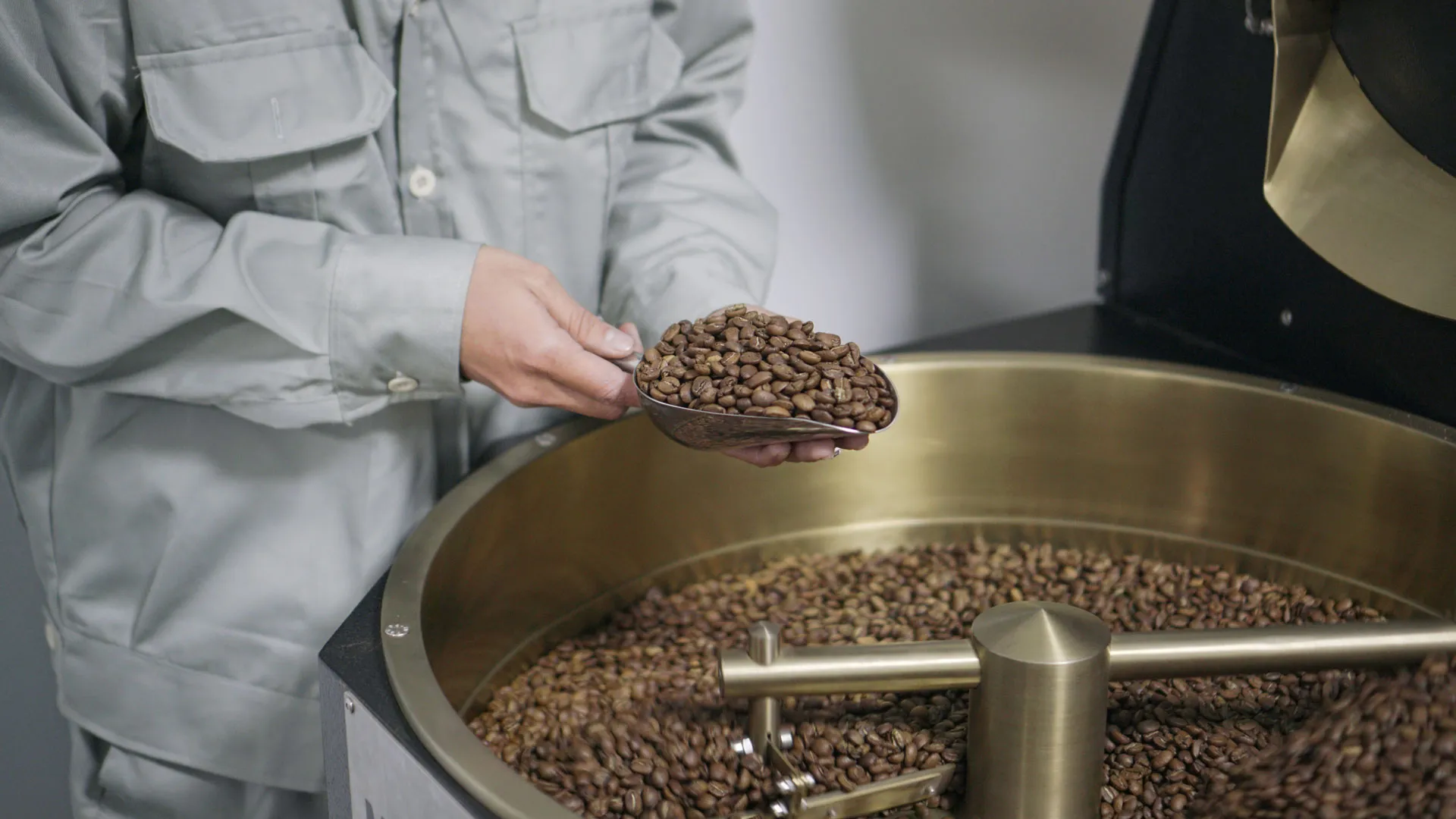
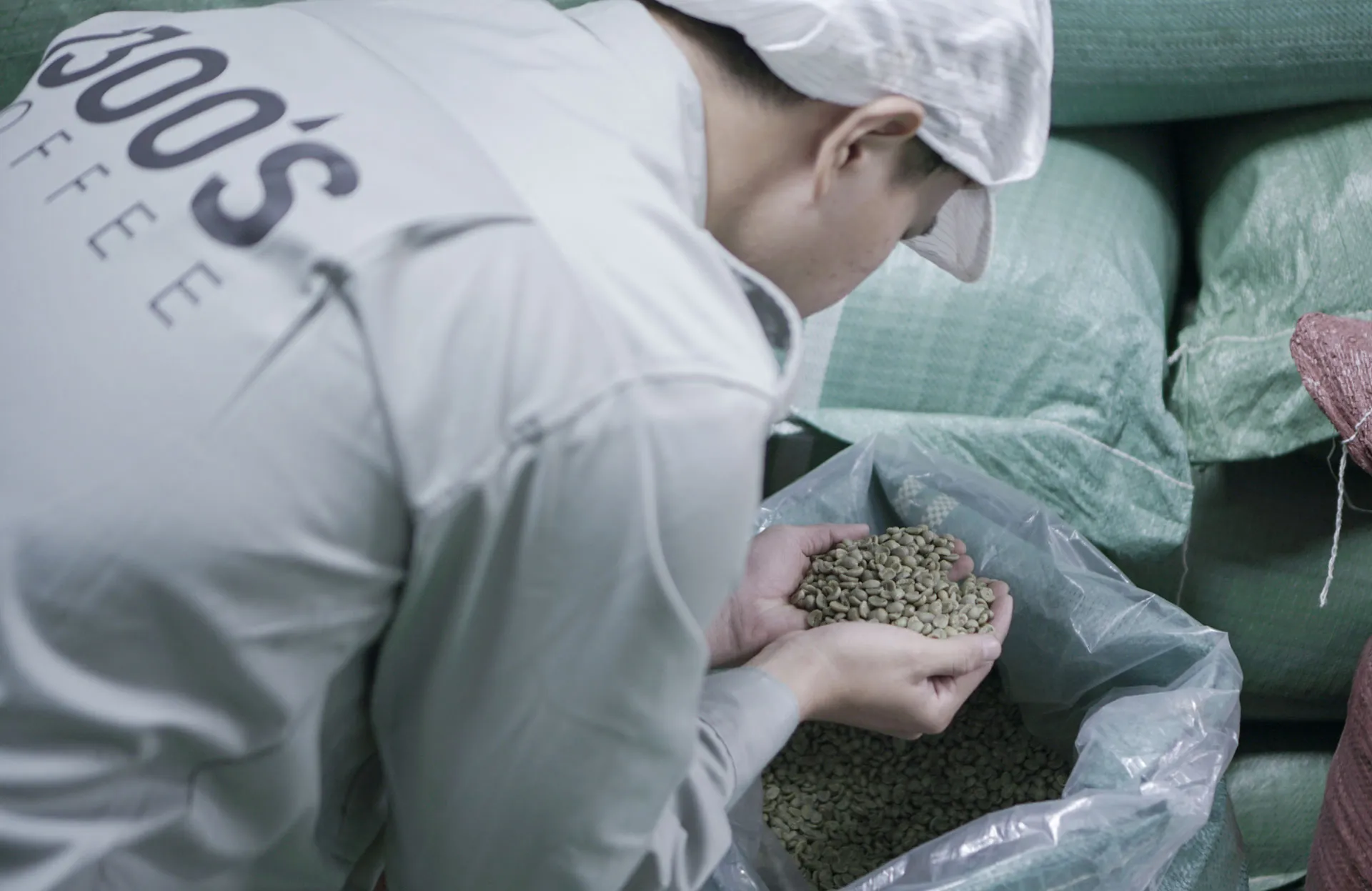
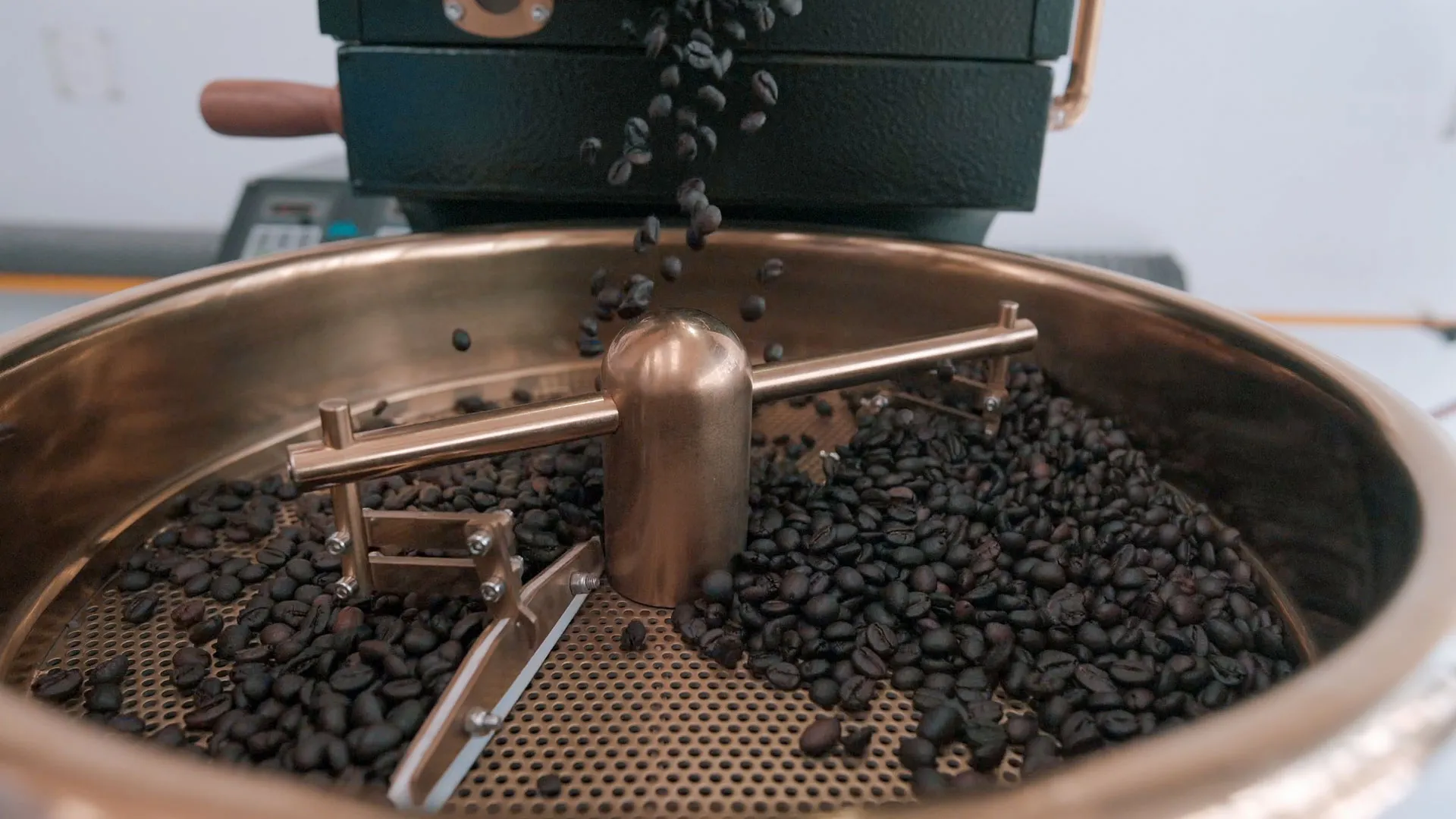
1300’S Coffee manages drip coffee production as part of its broader vertically integrated operation based in the Mang Den highlands of Kon Tum province, sourcing green coffee directly from farming partners and controlling roasting, grinding, and packaging under one structure rather than coordinating across separate suppliers for each stage. This structure matters specifically for drip coffee because grind calibration and freshness depend on tight coordination between roasting and packaging timing, coffee ground too far in advance of packaging loses quality regardless of how good the original roast was. Quality control runs through an in-house lab, and the company holds ISO 22000, HACCP, FDA, and OCOP certifications relevant to buyers importing drip coffee into regulated markets.
How 1300’S Coffee Produces Drip Coffee
Private Label Drip Coffee Alongside Other Product Lines
Many buyers building a coffee brand don’t want to source drip coffee bags from one supplier and instant coffee from another if they can avoid it, since managing formulation, quality standards, and logistics across multiple manufacturer relationships adds real operational complexity. 1300’S Coffee supports this kind of combined sourcing directly, offering drip coffee alongside instant coffee private label development and broader instant coffee wholesale supply, so a brand building a multi-format product line, drip bags for a premium or convenience-focused SKU, instant coffee for a value or on-the-go SKU, can work through a single sourcing relationship rather than splitting formulation, quality control, and logistics conversations across separate manufacturers.
Comparing Drip Coffee to Instant Coffee for Your Product Line
Brands deciding between drip coffee and instant coffee for a specific product line should weigh a few genuine tradeoffs rather than assuming one format is universally better. Drip coffee delivers a flavor profile closer to fresh-brewed filter coffee, appealing to consumers who want convenience without fully sacrificing the taste experience of ground coffee, but it requires slightly more preparation time and equipment, a cup and hot water at minimum, than instant coffee’s near-instant dissolution. Bulk instant coffee remains the more logistically simple option for applications like vending, food service where speed matters most, or price-sensitive retail segments where instant coffee’s typically lower per-unit cost matters more than the flavor difference. Many brands ultimately offer both, using drip coffee to serve a more discerning customer segment or occasion, and instant coffee to cover convenience-first use cases, which is part of why a single supplier capable of both formats simplifies a brand’s overall sourcing strategy considerably.
Why 1300’S Coffee Is a Trusted Drip Coffee Supplier
1300’S Coffee’s positioning as a broader specialty coffee supplier, rather than a manufacturer focused on a single product format, is central to why buyers trust the company specifically for drip coffee sourcing. The same direct farm sourcing, in-house lab quality control, and export certifications that support the company’s green bean and roasted coffee lines apply equally to its drip coffee production, meaning buyers aren’t working with a supplier whose quality standards vary depending on which product line they’re ordering. For international buyers specifically, the company’s Kon Tum farm tour program offers a way to verify sourcing and production directly before committing to a private label drip coffee order, rather than relying entirely on documentation and samples shipped internationally.
Getting Started
Buyers evaluating a drip coffee supplier should request a sample matching their target roast profile and grind specification, confirm packaging and freshness standards directly, and clarify whether they want to source additional formats, like instant coffee, through the same relationship before finalizing a private label brief. Looking for a trusted drip coffee supplier from Vietnam? Request a sample and formulation conversation with 1300’S Coffee to evaluate quality and explore private label options across drip and instant formats.
Read more: Why Global Coffee Brands Source Specialty Coffee from 1300’S Coffee


1300s BLOG YOU MAY ALSO BE INTERESTED IN
Private Label Coffee Cost Factors Businesses Should Evaluate Before Sourcing
Wholesale Ground Coffee Suppliers for Businesses Sourcing Ready to Brew Products
Top 5 Wholesale Instant Coffee Suppliers for Importers & Distributors