



Instant Coffee Wholesale Price Factors Importers Should Know Before Buying
Ask three different instant coffee manufacturer contacts for a quote on what sounds like a comparable product, and it’s entirely realistic to receive three meaningfully different numbers. This isn’t a sign that one supplier is overcharging and another offering a bargain, it’s a reflection of how many variables actually feed into instant coffee wholesale price, more than most first-time importers expect going into their initial sourcing conversation. This guide breaks down what actually drives that price, from production method and raw material cost through to the hidden costs that catch buyers off guard, so importers can evaluate quotes intelligently rather than defaulting to whichever number looks lowest.
Why Instant Coffee Wholesale Price Varies So Much Between Suppliers
Unlike a standardized commodity, instant coffee sold under the same general description can reflect entirely different production methods, formulations, and packaging specifications, each affecting the final price independently. Two importers requesting quotes for “standard instant coffee” might receive numbers that look comparable on the surface but actually represent very different underlying products, one supplier’s spray-dried powder in bulk bags versus another’s freeze-dried product in individually wrapped sachets. Without breaking a quote down into its actual components, a buyer has no reliable way to compare offers meaningfully, which is the core reason experienced importers request itemized pricing rather than accepting a single bundled number from any instant coffee supplier.
Production Method: Spray-Dried vs Freeze-Dried Cost
The single biggest driver of instant coffee wholesale price is production method, and understanding this distinction is essential before comparing any quotes at all.
Spray-Drying Cost Structure
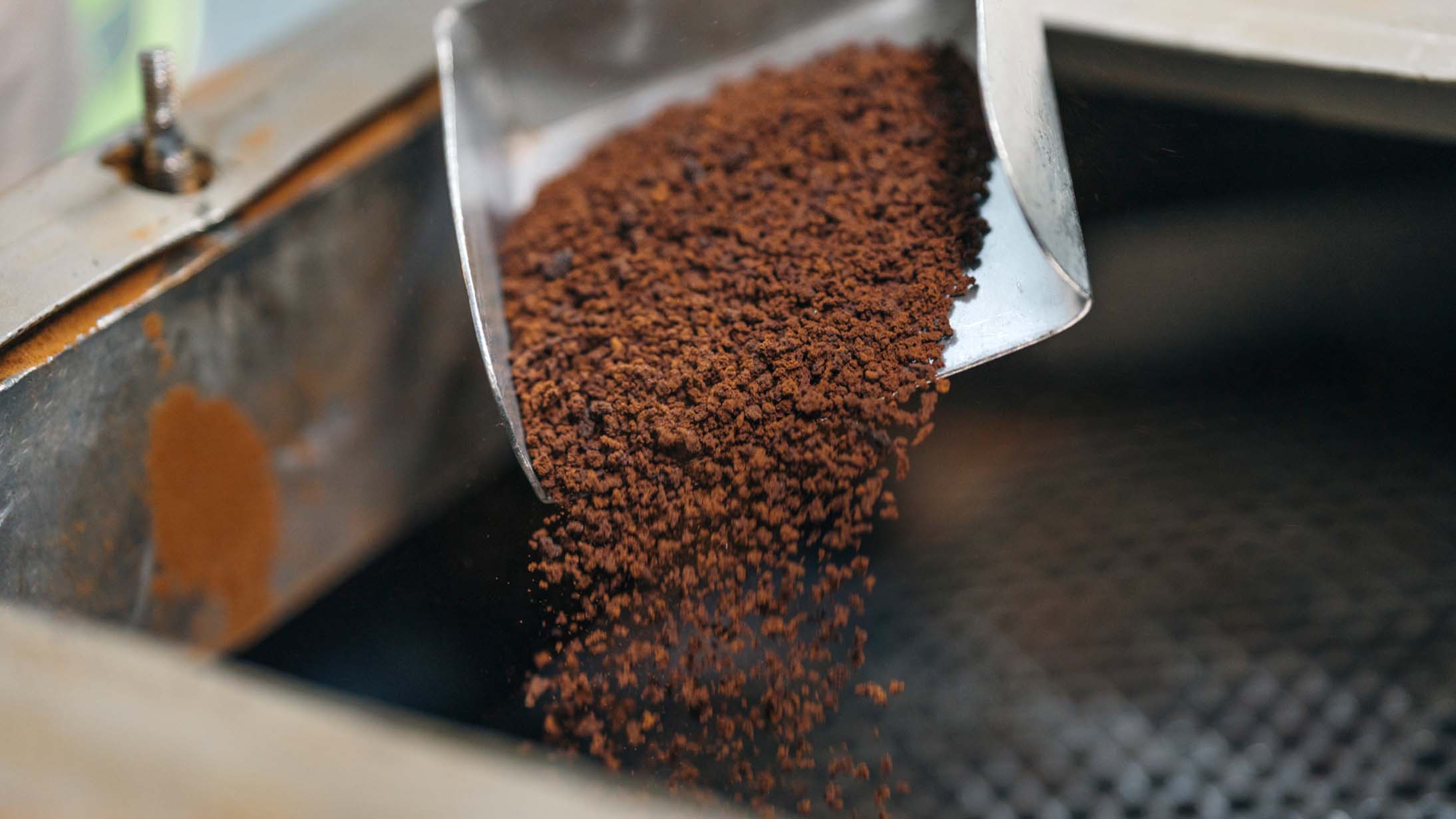
Spray-drying, the process behind the large majority of instant coffee wholesale volume globally, involves atomizing concentrated coffee liquid into hot air for near-instant evaporation. This process is relatively efficient and cost-effective at scale, which is why it remains the default production method for most commercial and value-tier instant coffee. An instant coffee manufacturer running spray-drying at genuine industrial scale can typically offer the most competitive per-unit pricing among production methods, particularly for buyers placing large, recurring orders.
Spray-Drying Cost Structure
Freeze-Drying Cost Premium
Freeze-drying involves brewing, freezing, and removing ice through sublimation under vacuum, a slower, more energy-intensive process that better preserves flavor and aroma. This translates directly into meaningfully higher production cost, typically putting freeze-dried instant coffee wholesale price at a 30 to 50% premium over spray-dried product, depending on the specific market and supplier. Importers building a premium-positioned product should factor this cost structure into their sourcing budget from the outset, since requesting freeze-dried quality at spray-dried pricing is a mismatch no legitimate supplier can resolve without cutting corners somewhere in the process.
Raw Material Cost: Robusta Input Pricing
Beneath production method, the underlying green coffee cost forms the foundation of any instant coffee wholesale price quote.
Why Robusta Dominates Instant Coffee Economics
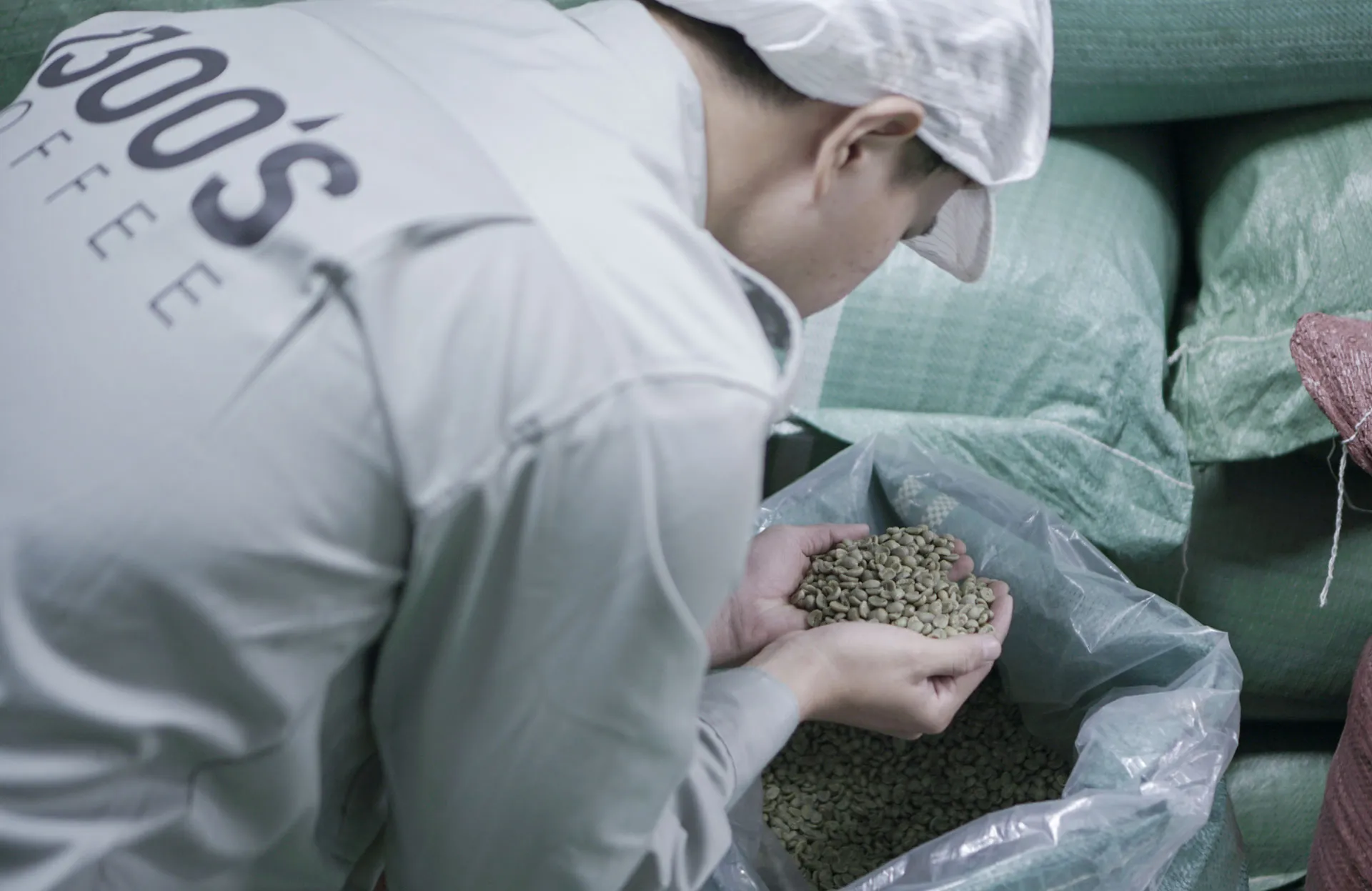
Instant coffee production overwhelmingly favors Robusta over Arabica, since Robusta’s higher caffeine content and extraction yield hold up better through high-heat processing while offering more soluble solids per unit of green coffee, directly affecting production economics. Vietnam’s position as the world’s largest Robusta producer is precisely why the country has become a dominant global sourcing origin for instant coffee wholesale supply, giving buyers access to competitive raw material pricing that origins with smaller Robusta production bases can’t consistently match.
Market Price Fluctuations and Crop Year
Green coffee input costs fluctuate with broader commodity market pricing, and Robusta specifically has trended upward in recent years as quality-driven demand for Fine Robusta has grown alongside continued strong demand from instant coffee and industrial buyers. Importers placing recurring orders should ask a prospective instant coffee supplier how pricing typically gets revisited over a contract period, whether costs are locked for a specific duration or adjusted periodically in response to green coffee market movements, so they can build accurate forward budgets rather than assuming an initial quote holds indefinitely regardless of underlying commodity price shifts.
Formulation Complexity
What’s actually in the finished product, beyond the base coffee itself, adds another layer of cost variation worth understanding.
Straight Black Coffee vs Premix Formulations
Pure black instant coffee, without any added ingredients, generally carries the simplest and most cost-predictable pricing structure. Premix formulations, 3-in-1 or 2-in-1 blends combining coffee with sugar and non-dairy creamer, introduce additional ingredient costs and formulation complexity, since balancing coffee, sugar, and creamer into a stable, evenly mixing powder blend requires more development and quality control than straight coffee powder alone. Importers sourcing premix product should expect this added complexity to show up in both pricing and in how a prospective supplier discusses formulation, since not every instant coffee manufacturer strong in straight black coffee production is equally capable of premix formulation specifically.
Custom OEM Development Costs
Genuine custom formulation development, working through multiple cupping and adjustment rounds to build something specific to a buyer’s brief rather than selecting an existing house product, carries development costs a straightforward instant coffee wholesale purchase using an existing formulation doesn’t. Some suppliers charge this as an explicit, separate development fee, while others absorb it into a higher per-unit price once production begins, and it’s worth asking directly which structure a specific supplier uses, since this affects how quotes compare against a competitor using the opposite approach.
Order Volume and Instant Coffee Bulk Buy Considerations
Volume affects instant coffee wholesale price more dramatically than many first-time buyers anticipate, and understanding the typical patterns helps with realistic budget planning.
MOQ by Packaging Format
Minimum order quantities for an instant coffee bulk buy vary considerably by packaging format specifically. Bulk bags or drums intended for further repackaging by the importer generally carry lower minimums than consumer-ready formats, since sachets and stick packs require dedicated packaging line setup that adds its own minimum run requirement independent of the coffee itself. Importers should request MOQ figures specific to their intended packaging format rather than assuming a single minimum applies across a supplier’s entire product range, a common and costly assumption that surfaces late in the quoting process more often than it should.
Volume Tiers and Per-Unit Pricing
Small trial orders carry a real per-unit premium, reflecting fixed costs, formulation setup, packaging line changeover, spread across a smaller batch than they would be at higher volume. This isn’t a supplier padding margin opportunistically on smaller orders, it reflects genuine fixed costs that don’t scale down proportionally with order size. Importers should request pricing across a few different volume tiers relevant to their actual growth trajectory, not just their initial order size, to understand how instant coffee wholesale price is likely to improve as their relationship with a specific supplier scales over time.
Packaging Costs Specific to Instant Coffee
Packaging represents a distinct and often underestimated cost layer for instant coffee specifically, given the range of formats the category spans.
Sachets and Stick Packs
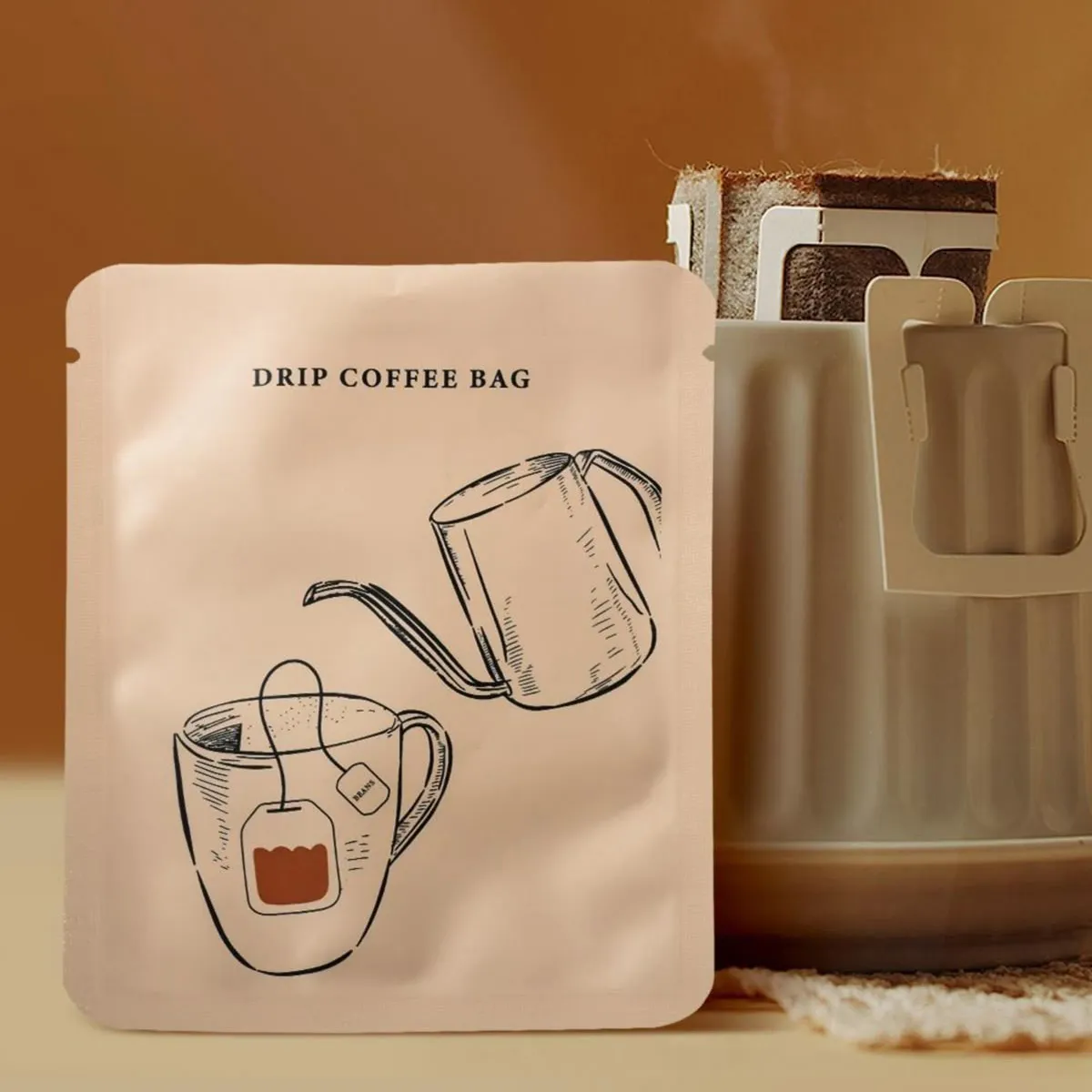
Individually wrapped sachets and stick packs, the dominant format across much of Asia and parts of the Middle East, cost considerably more per unit to produce than bulk packaging, given the additional packaging materials and the specialized equipment required to fill and seal each individual portion. Importers targeting markets where this format dominates should budget accordingly rather than assuming packaging cost is a minor line item relative to the coffee itself.
Jars and Bulk Bags
Glass jars, generally reserved for freeze-dried premium positioning, add their own packaging cost distinct from sachets, both for the material itself and for the more careful handling glass packaging requires during shipping. Bulk bags, by contrast, represent the most cost-efficient packaging option, suited to importers planning to repackage into their own retail or food service format domestically rather than importing a finished consumer-ready product.
Certification and Compliance Costs
Certifications required by a buyer, whether for regulatory compliance or specific retail partner requirements, add a measurable cost layer that importers should factor into their overall instant coffee wholesale price expectations. ISO 22000 and HACCP represent a near-universal baseline that reputable suppliers typically build into standard pricing rather than treating as an optional add-on, while FDA registration for US-bound shipments and additional certifications like organic or Fairtrade, if required for a specific product line, generally carry their own incremental cost tied to certified supply chain documentation and auditing requirements.

Certification and Compliance Costs
Hidden Costs in Instant Coffee Wholesale Price
Beyond the coffee, production, and packaging costs already covered, a few additional factors catch first-time importers off guard when calculating true landed cost.
Freight and Incoterms
Freight cost and applicable import duties can add a meaningful percentage to landed cost depending on destination market and shipping route, and importers comparing quotes across suppliers should confirm whether a quoted price is ex-works, FOB, or already includes freight to destination. Comparing quotes built on inconsistent Incoterms bases produces misleading cost comparisons, one of the more common ways buyers end up comparing numbers that aren’t actually comparable at all.
Quality Failure Risk
A buyer who skips a trial order and discovers a consistency or quality problem only after a full commercial shipment has arrived faces the cost of that failed batch on top of whatever it costs to source a corrected replacement. This risk is real enough that a modest investment in a smaller trial order before committing to full instant coffee bulk buy volume functions as a genuine cost-saving measure over the life of a sourcing relationship, not just a formality to skip through quickly.
Comparing Instant Coffee to Other Formats
Understanding how instant coffee wholesale pricing compares to other coffee formats helps importers building a broader product range allocate budget sensibly across their full sourcing plan.
Instant vs Roasted Coffee Wholesale
Roasted coffee wholesale pricing generally reflects a simpler cost structure than instant coffee, since roasting adds relatively modest cost on top of the underlying green coffee compared to the more involved spray-drying or freeze-drying process instant coffee requires. Importers building a product line spanning both formats should expect meaningfully different per-unit economics between the two, rather than assuming instant coffee pricing scales proportionally from roasted coffee costs.
Instant vs Ground Coffee Wholesale
Ground coffee wholesale sits somewhere between roasted whole bean and instant coffee in terms of processing complexity, requiring grind-specific calibration and more careful packaging given its shorter freshness window, but without the more involved drying process instant coffee production requires. Importers weighing these formats against each other for a specific product line should factor in not just per-unit coffee cost, but each format’s distinct freshness and shelf-life economics over the life of an inventory cycle.
Specialty Coffee Wholesale Pricing Context
Buyers evaluating whether to source through a specialty coffee supplier for a premium instant coffee line should understand that specialty coffee wholesale pricing operates on a different logic than commodity grade instant coffee entirely, driven by cupping score, defect count, and specific processing method rather than primarily by production method and volume. A premium instant coffee formulation built around specialty grade Arabica or Fine Robusta will carry meaningfully higher input costs than a standard commercial grade Robusta base, a cost difference worth understanding clearly before setting retail pricing expectations for a premium-positioned product.
How to Get an Accurate Quote from an Instant Coffee Supplier
Given how many variables feed into instant coffee wholesale price, requesting a single flat number rarely produces something genuinely useful for comparison purposes. Importers should request an itemized breakdown separating raw coffee cost, production method premium if applicable, formulation development fees, packaging cost by format, and any certification-related cost, so that comparing two suppliers’ quotes involves comparing the same components against each other rather than two differently bundled totals built on different underlying assumptions. Confirming Incoterms and what’s actually included in a quoted price, along with requesting pricing across a couple of realistic volume tiers, rounds out the information needed to make a genuinely informed comparison across prospective suppliers.
Why 1300’S Coffee Prices Instant Coffee Transparently
1300’S Coffee, operating as a vertically integrated specialty coffee supplier based in the Mang Den highlands of Kon Tum province, structures instant coffee wholesale pricing around the same itemized transparency this guide recommends importers request from any supplier. Because the company manages Robusta sourcing, processing, and production formulation under one operation, pricing reflects actual cost drivers, production method, formulation complexity, packaging format, and volume, rather than opaque markup layered across multiple intermediaries. The company holds ISO 22000, HACCP, FDA, and OCOP certifications, with quality control managed through an in-house lab, and supports both existing formulation sourcing and custom OEM development with pricing discussed directly and broken down clearly during the sourcing conversation.
How Destination Market Affects Instant Coffee Wholesale Price
Beyond the production and packaging factors already covered, the destination market itself shapes final landed cost in ways worth planning for separately.
Trade Agreements and Tariff Treatment
Importers shipping into markets with preferential trade agreements with Vietnam, such as the EU under the EU-Vietnam Free Trade Agreement, benefit from reduced or eliminated import duties compared to markets without similar arrangements, a meaningful factor in total landed cost that a factory-gate price comparison alone won’t reveal. Importers should ask a prospective instant coffee supplier whether their pricing already accounts for these trade benefits or whether the buyer needs to apply them separately during customs clearance.
Market-Specific Packaging Expectations
Packaging preference varies meaningfully by destination market, sachets and sticks dominating much of Asia and parts of the Middle East, jars more common in Western retail markets, and this affects which packaging cost structure applies to a given import program. Confirming a supplier’s packaging capability and cost specific to the destination market’s actual format expectations, rather than assuming a single standard packaging cost applies universally, avoids a mismatch between quoted pricing and what a buyer’s target market actually requires.
Negotiating Instant Coffee Wholesale Price With Suppliers
Once an importer understands the individual cost components covered above, there’s genuine room to negotiate specific elements rather than simply accepting or rejecting a bundled total.
Committing to Longer Contract Terms
Agreeing to a longer initial contract term, even at modest volume, sometimes unlocks better instant coffee wholesale price terms than a series of smaller one-off orders would, since it gives a supplier more production planning certainty and reduces the setup and changeover costs associated with frequent, unpredictable order patterns.
Simplifying Packaging and SKU Range
Consolidating packaging formats, choosing fewer SKUs or standardizing on a single pack size rather than requesting multiple formats simultaneously, reduces the number of separate packaging minimums an importer has to absorb, which can meaningfully lower blended per-unit cost even without changing the underlying coffee formulation. Importers should also ask directly whether a supplier offers any flexibility on payment terms in exchange for a longer-term volume commitment, since favorable payment terms function as a real cost benefit even when they don’t show up as a lower quoted price per unit.
Getting Started
Importers evaluating instant coffee wholesale price should request an itemized quote breakdown covering production method, raw material, formulation, packaging, and certification costs separately, confirm Incoterms and what’s included in any quoted number, and compare pricing across a couple of realistic volume tiers before committing to a specific supplier. Trying to understand what your instant coffee program will actually cost? Share your formulation, packaging, and volume goals with 1300’S Coffee to receive an itemized quote you can compare confidently against other suppliers.
Read more: Private Label Coffee Cost Factors Businesses Should Evaluate Before Sourcing


1300s BLOG YOU MAY ALSO BE INTERESTED IN
Roasted Coffee Supplier Delivering Consistent Flavor Profiles for Global Buyers
How Specialty Coffee Is Exported from Vietnam
Arabica Coffee Supplier Delivering Consistent Quality Direct from Vietnam Farms