

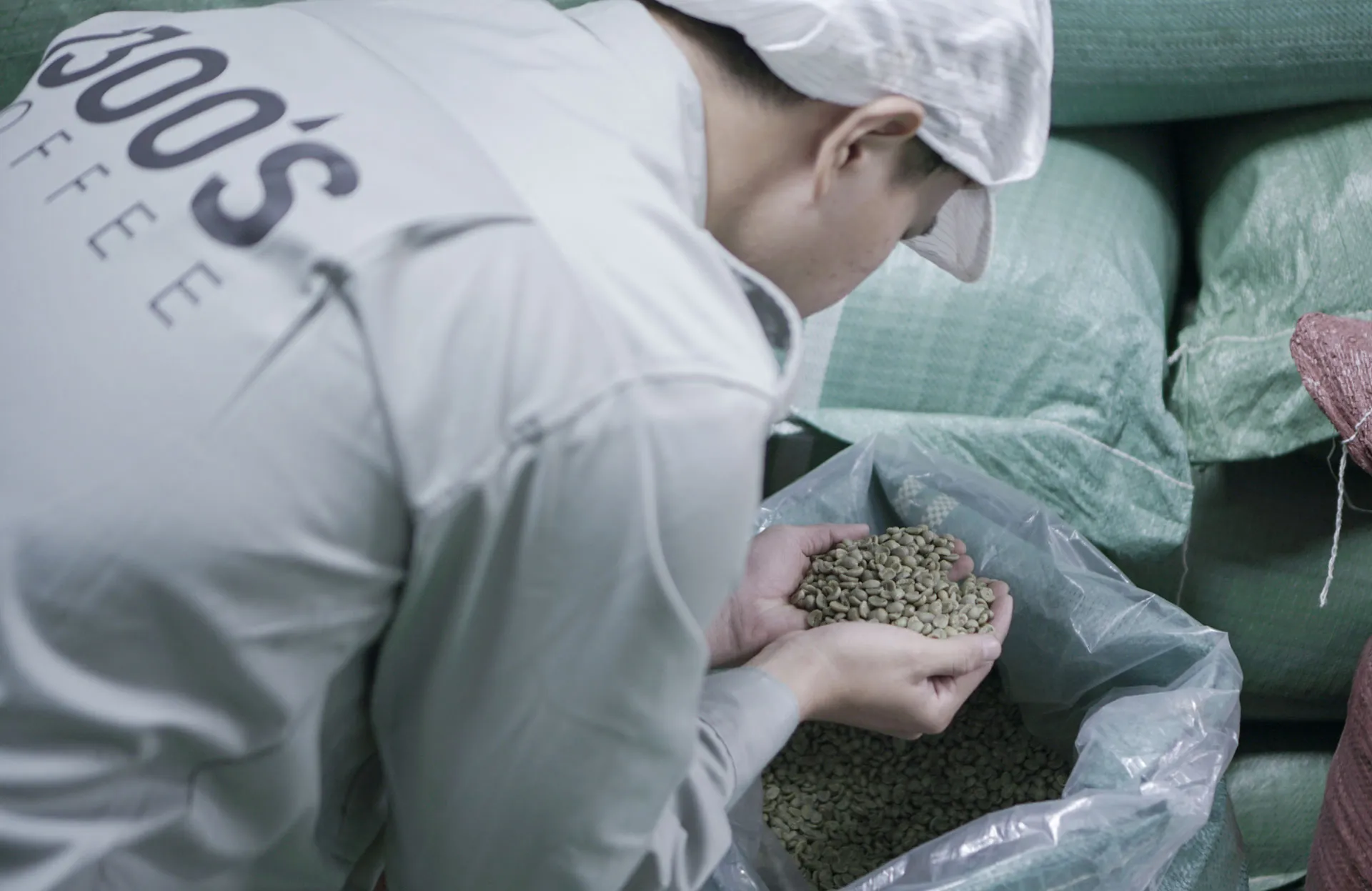
Best Private Label Coffee Suppliers for Brands Ready to Launch Their Own Line
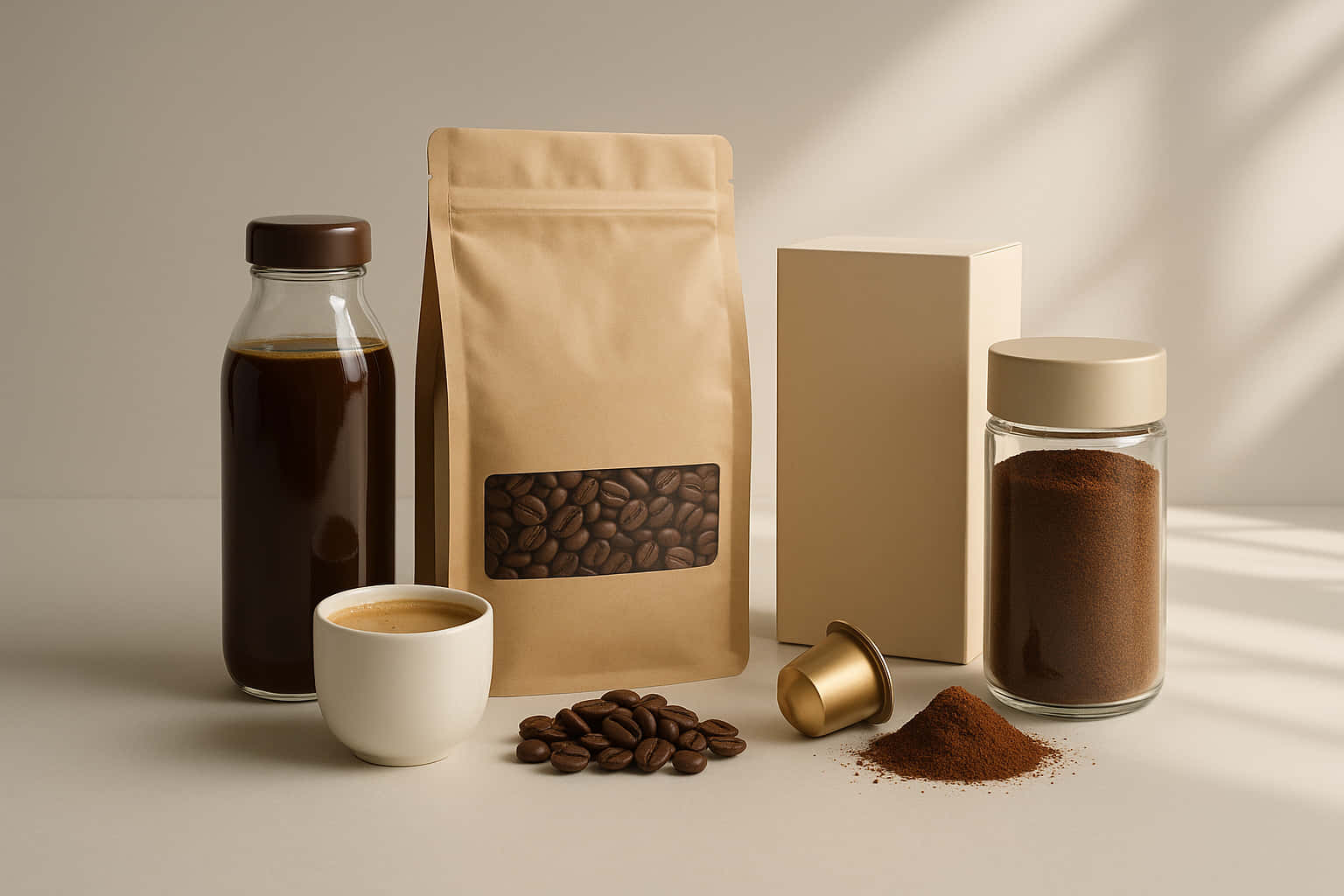
Finding the best private label coffee suppliers means looking past a generic manufacturer list and actually evaluating which specific company can support your brand at the stage you’re actually at, whether that’s a first small test batch or a fully developed formulation ready for large scale production. Too many brands approach this search by simply requesting quotes from whoever appears first in a search result, without first understanding what actually distinguishes a supplier genuinely equipped to support a new brand’s specific needs from one that only looks capable on a general company profile page. This guide walks through what actually separates a genuinely capable private label partner from one that only looks good on paper, profiles several established Vietnamese suppliers worth considering, and breaks down private label coffee cost factors so you can budget realistically before committing to a launch.
What Makes a Private Label Coffee Supplier Worth Choosing
Before comparing specific companies, it helps to understand the criteria that actually separate the best private label coffee suppliers from ones likely to create problems once you’re actually depending on them for a real product launch.
Formulation Support and Minimum Order Flexibility
A genuinely capable private label partner offers real formulation support, working with you through multiple sample rounds to develop a flavor profile that actually matches your brand vision, rather than simply offering an existing house blend with your logo applied. Minimum order quantities matter just as much, since a supplier requiring volume far beyond what a new brand can realistically sell through creates unnecessary risk, and the best private label coffee suppliers typically offer a reasonable initial minimum that scales up as your order history and confidence in the relationship both grow. Ask directly how many formulation revision rounds a prospective supplier typically includes before finalizing a product, since a supplier limiting you to just one or two rounds may not provide enough iteration to genuinely nail a distinctive flavor profile that actually differentiates your brand from an existing generic formulation already on the market.
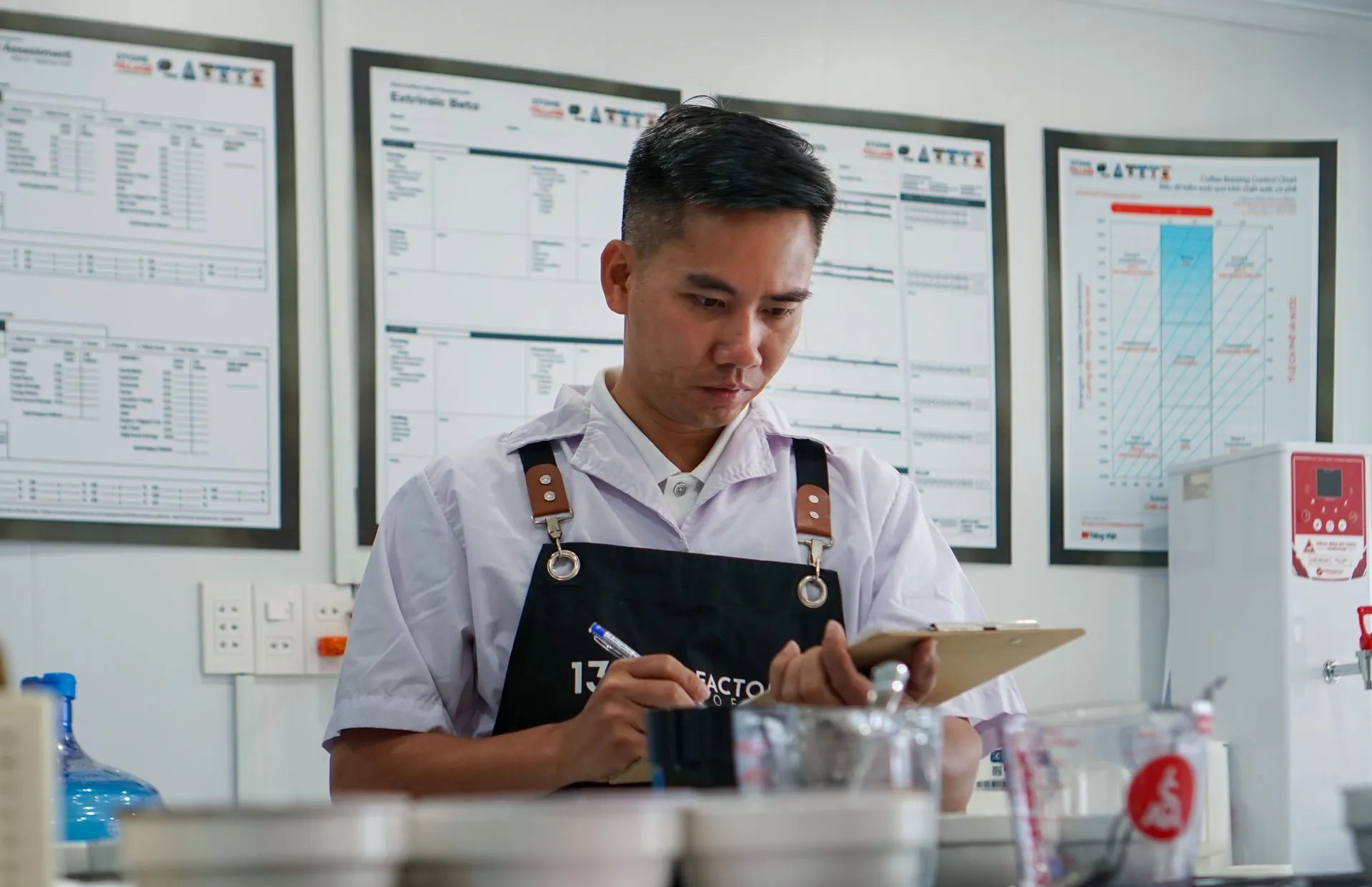
Support For Developing Proprietary Formulas
Certifications and Production Documentation
Private label coffee suppliers serving export markets should hold food safety certifications appropriate to your target market, ISO 22000 and HACCP as a baseline, with additional certifications like FDA registration required specifically for United States bound shipments. Ask any prospective supplier for documentation supporting these certifications directly, and verify current status with the issuing body rather than accepting a supplier’s own claim, since a new brand’s reputation depends heavily on this documentation actually holding up under any scrutiny from your own customers or regulators. This verification matters especially for a first time brand owner, since a new business generally has less established credibility of its own to fall back on if a supplier’s certification claims turn out to be inaccurate or outdated once a product actually reaches the market.
Best Private Label Coffee Suppliers to Consider
Vietnam’s coffee manufacturing sector includes several genuinely established private label coffee suppliers worth evaluating, each bringing different strengths depending on your brand’s specific stage and priorities.
Trung Nguyen
Trung Nguyen brings decades of both domestic retail branding experience and substantial manufacturing capacity to private label work, making it a reasonable option for brands wanting a partner with deep, established production infrastructure behind them. Buyers working with Trung Nguyen benefit from this scale and experience, though larger, more established manufacturers sometimes offer less individualized attention to a smaller brand’s specific formulation requests compared to more boutique alternatives. This company’s decades of domestic branding work also mean genuine depth in understanding consumer packaging trends and retail shelf positioning, expertise that can meaningfully benefit a private label brand specifically targeting the domestic Vietnamese market alongside export ambitions.
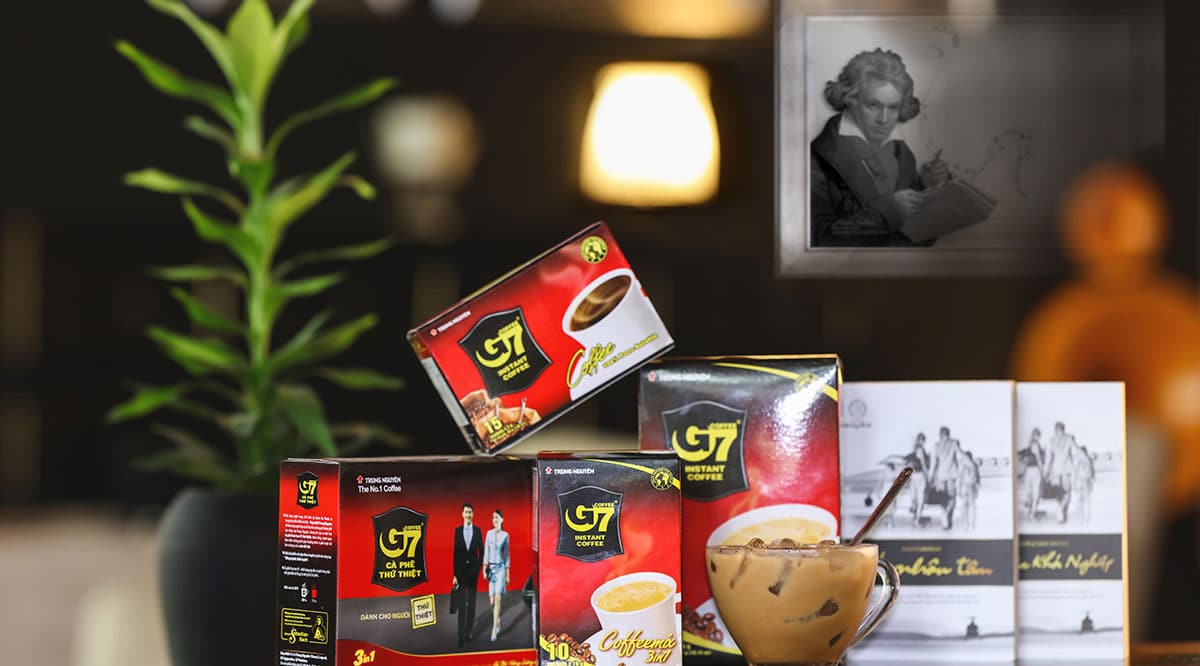
Trung Nguyen
Vinacafe
Vinacafe holds a long standing position within Vietnam’s instant and soluble coffee manufacturing specifically, making it a particularly relevant consideration for brands whose private label ambitions center on instant coffee wholesale production rather than roasted whole bean formats. This specialization gives Vinacafe genuine depth in spray drying and formulation work specific to soluble coffee, an advantage worth weighing heavily for any brand whose product concept depends on this particular format. Brands considering Vinacafe specifically should ask directly about their experience developing genuinely differentiated instant coffee flavor profiles, since this format’s manufacturing process introduces its own specific formulation challenges that a supplier’s general coffee experience alone doesn’t automatically guarantee they’ve mastered.
Phuc Sinh
Phuc Sinh has built a strong reputation combining substantial export scale with real investment in traceable, quality focused sourcing, making it an option worth considering for brands wanting private label production backed by a supplier with genuine sustainability credentials to support their own downstream marketing. This combination of scale and documented quality sourcing suits brands positioning themselves around responsible sourcing without sacrificing the production capacity a growing brand eventually needs, and Phuc Sinh’s established export track record across multiple international markets gives new brands additional confidence in the supplier’s ability to navigate the compliance requirements that come with shipping into different destination countries.
Intimex Group
Intimex Group’s substantial overall export infrastructure extends into private label manufacturing capability as well, appealing to brands anticipating rapid volume growth who want a manufacturing partner with headroom to scale alongside them from an early stage. This scale advantage matters most for brands with genuine confidence in reaching significant volume relatively quickly, since Intimex’s systems are generally built around accommodating that kind of growth trajectory specifically, though brands still in an earlier, more exploratory phase may find this scale less accommodating for the smaller, more iterative development work an early stage product concept typically still requires.
1300’S Coffee
1300’S Coffee occupies a genuinely distinct position among private label coffee suppliers, operating from the Kon Tum highlands with a boutique, formulation focused approach specifically built to accommodate smaller initial orders and close collaborative development work. This makes 1300’S Coffee a particularly strong fit for a brand at the earlier stages of launching, working through initial formulation rounds and a smaller first production run before committing to the larger volume a bigger manufacturer might require from the outset. Brands specifically wanting to work with a genuine specialty coffee supplier for their private label line, rather than a purely commodity grade formulation, often find this more attentive, smaller scale relationship considerably better suited to the careful, iterative development a genuinely differentiated specialty product actually requires.
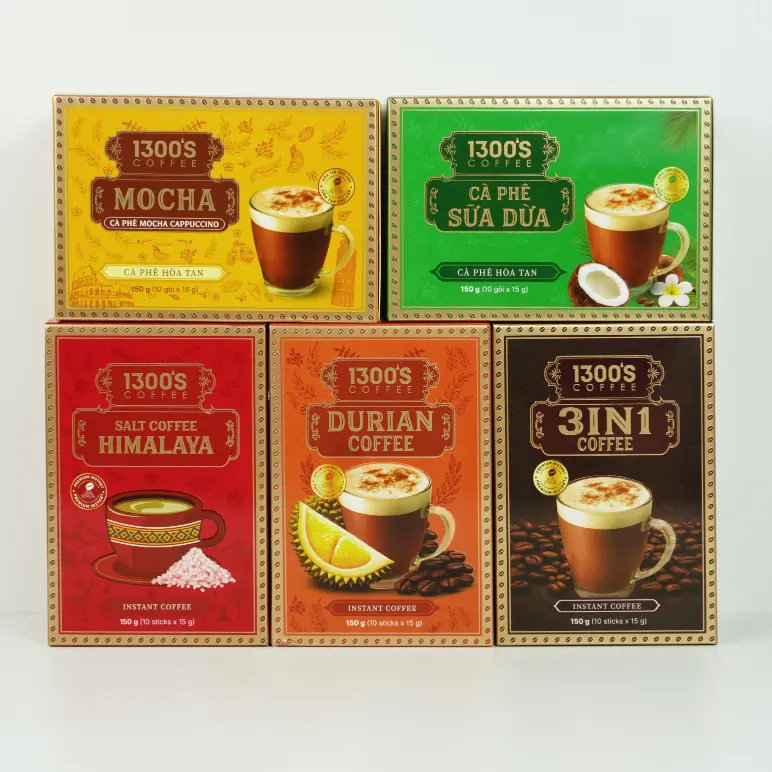
1300’S Coffee
Understanding Private Label Coffee Cost Before You Commit
Budgeting realistically for a private label launch requires understanding what actually drives private label coffee cost, since quoted per unit pricing alone doesn’t tell the full story of what launching a new brand actually requires financially.
What Actually Drives Private Label Coffee Cost
Private label coffee cost depends on several factors beyond the raw coffee itself, packaging design and tooling, minimum order quantity, formulation complexity, and any specific certifications required for your target market all factor into the total investment required. A brand requesting a highly customized flavor profile, specialized packaging format, or organic certification should expect meaningfully higher private label coffee cost than one working from a simpler, more standard formulation and packaging approach, and understanding this relationship helps set realistic expectations before requesting quotes from multiple suppliers. Packaging tooling specifically deserves early attention in this cost conversation, since a genuinely custom bag or container design typically involves a one time tooling investment separate from the ongoing per unit product cost, an upfront expense that first time brand owners sometimes overlook when initially budgeting for a launch.
Balancing Minimum Order Quantity Against Unit Price
Private label coffee cost per unit typically decreases as order volume increases, creating a genuine tension for new brands between minimizing upfront capital risk with a smaller initial order and achieving more competitive per unit economics at higher volume. New brands generally benefit from accepting somewhat higher per unit private label coffee cost on a smaller initial order specifically to validate market demand before committing significant capital to a larger volume commitment, a more conservative approach that limits downside risk during the uncertain early launch period. This tradeoff becomes less pressing once a brand has genuine sales data confirming real demand, at which point negotiating a larger volume commitment in exchange for meaningfully better per unit pricing becomes a considerably lower risk decision than making that same commitment before any real market validation exists.
Matching a Supplier to Your Brand Launch Stage
Different private label coffee suppliers genuinely suit different stages of brand development, and understanding where your own business actually sits helps narrow the field before requesting detailed proposals.
Early Stage Brands Still Validating Demand
Brands still validating whether their concept has genuine market demand generally benefit most from a supplier offering smaller minimum orders and genuine formulation flexibility, since committing significant capital to a large order before confirming real customer interest carries unnecessary risk during this uncertain early stage. A more boutique oriented private label partner, willing to work through multiple smaller formulation rounds without requiring an immediate large volume commitment, typically serves this stage of brand development considerably better than a larger manufacturer optimized primarily for established, high volume customers.
Brands Ready to Scale Established Demand
Brands that have already validated genuine customer demand and are ready to scale production meaningfully benefit from evaluating suppliers with more substantial production capacity and established logistics infrastructure, since this stage of growth depends more heavily on reliable, large scale fulfillment than the intensive formulation collaboration more critical during initial development. This is often the stage where a growing brand transitions from an initial smaller supplier relationship toward a larger manufacturer capable of supporting the volume their now validated demand actually requires.
Brands Building Around Specific Formats
Brands building a private label line specifically around instant coffee wholesale production need a supplier with genuine spray or freeze drying capability, not simply a roasting operation claiming general private label competence across every possible format. Confirming a prospective supplier’s actual production method and experience with your specific target format before committing avoids the costly mistake of discovering only after significant investment that a supplier’s real expertise lies elsewhere.
Brands Prioritizing Specialty Positioning
Brands building their private label line specifically around specialty positioning benefit from working with a genuine specialty coffee wholesale relationship capable of providing lot specific documentation and consistent quality at the volume their brand actually needs, rather than a supplier only able to deliver standard commercial grade formulations dressed up with specialty sounding marketing language. This distinction matters considerably for a brand whose entire value proposition depends on genuine, verifiable quality differentiation rather than price competition alone.
Getting Started
Finding the best private label coffee suppliers for your specific situation ultimately comes down to honestly assessing your own brand’s current stage, formulation needs, and realistic volume expectations, then matching those priorities to a supplier genuinely equipped to support them rather than defaulting to whichever name seems most established or heavily marketed. Ready to develop your private label coffee line with a partner offering genuine formulation flexibility? Request a sample and a conversation with 1300’S Coffee to discuss your brand’s specific formulation and launch stage needs.
Read more: Coffee Roasters Wholesale Supplying Consistent Quality to Global Buyers


1300s BLOG YOU MAY ALSO BE INTERESTED IN
Top 10 Speciality Coffee Suppliers with Export Standard Production
Why More Global Importers Choose Vietnamese Instant Coffee Suppliers
Why 1300’S Coffee Is a Trusted Drip Coffee Supplier from Vietnam