


How Specialty Coffee Is Exported from Vietnam
A buyer evaluating a specialty coffee supplier in Vietnam for the first time is usually looking at a finished quote: price per kilogram, available grades, lead time. What that quote doesn’t show is everything that happens before a lot is ready to ship, and understanding that process is what separates buyers who can accurately judge a supplier’s reliability from those relying entirely on a sales pitch. This guide walks through the actual export process for specialty grade coffee from Vietnam, from harvest through customs clearance in the destination market.
Harvest and Initial Processing
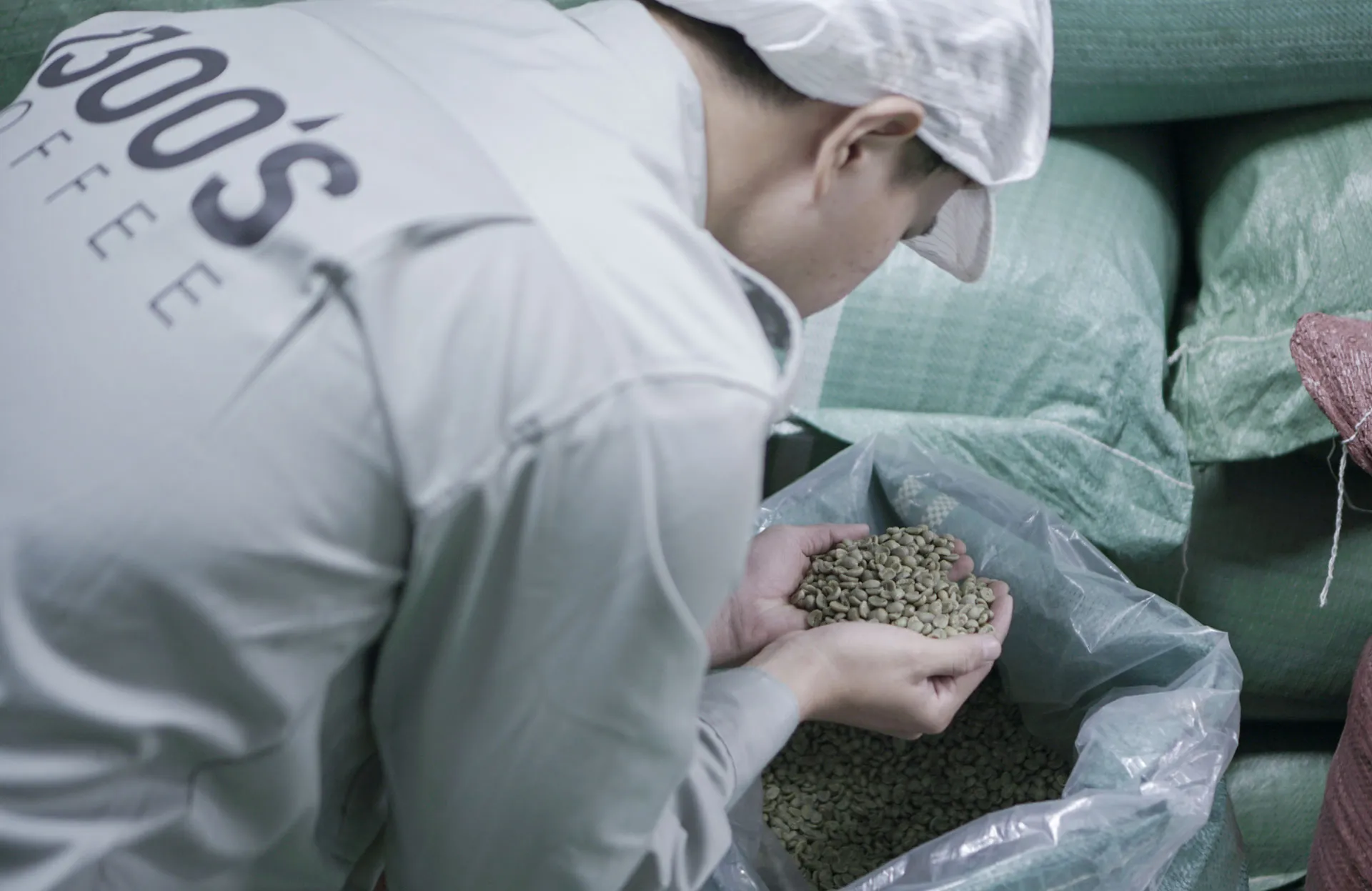
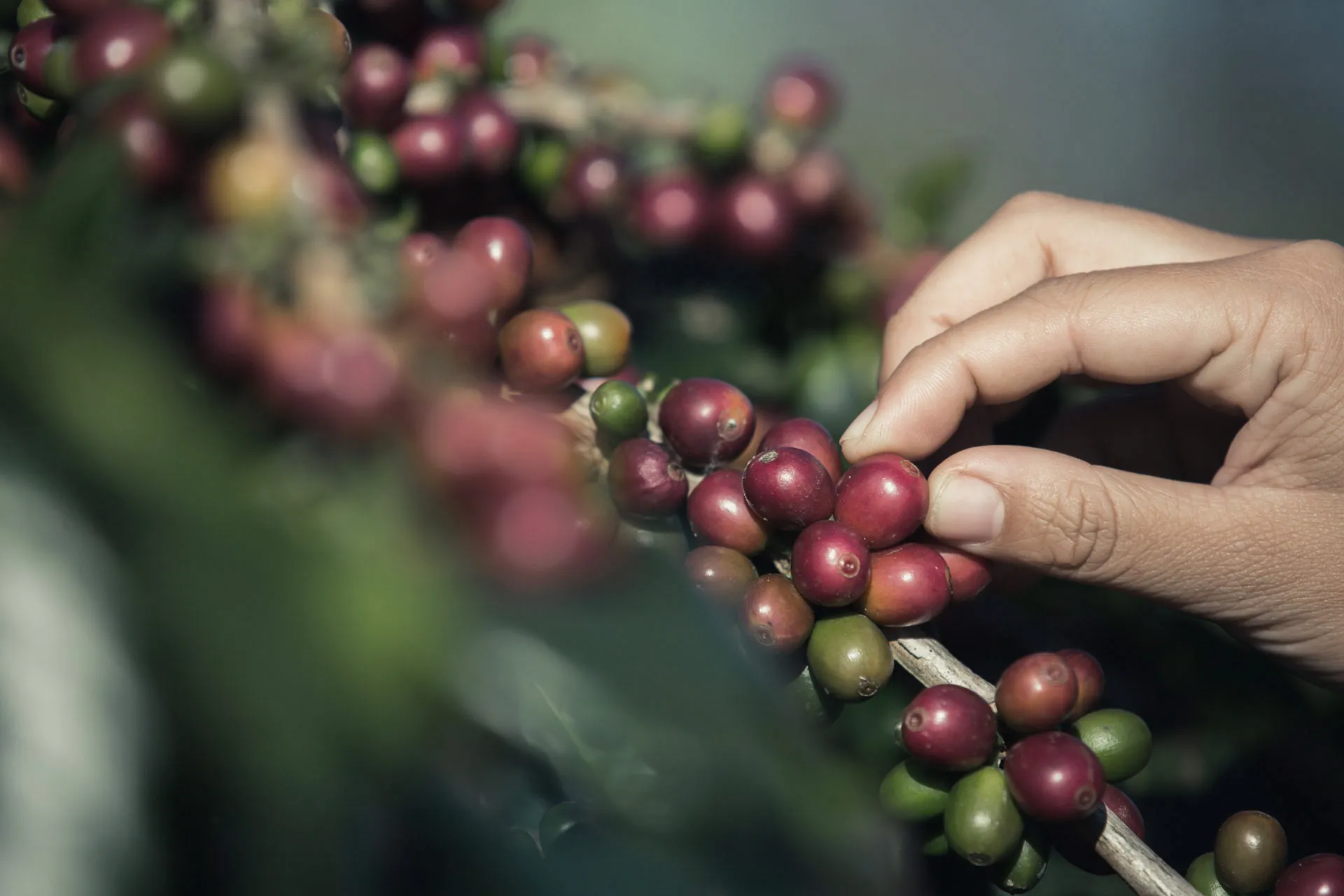
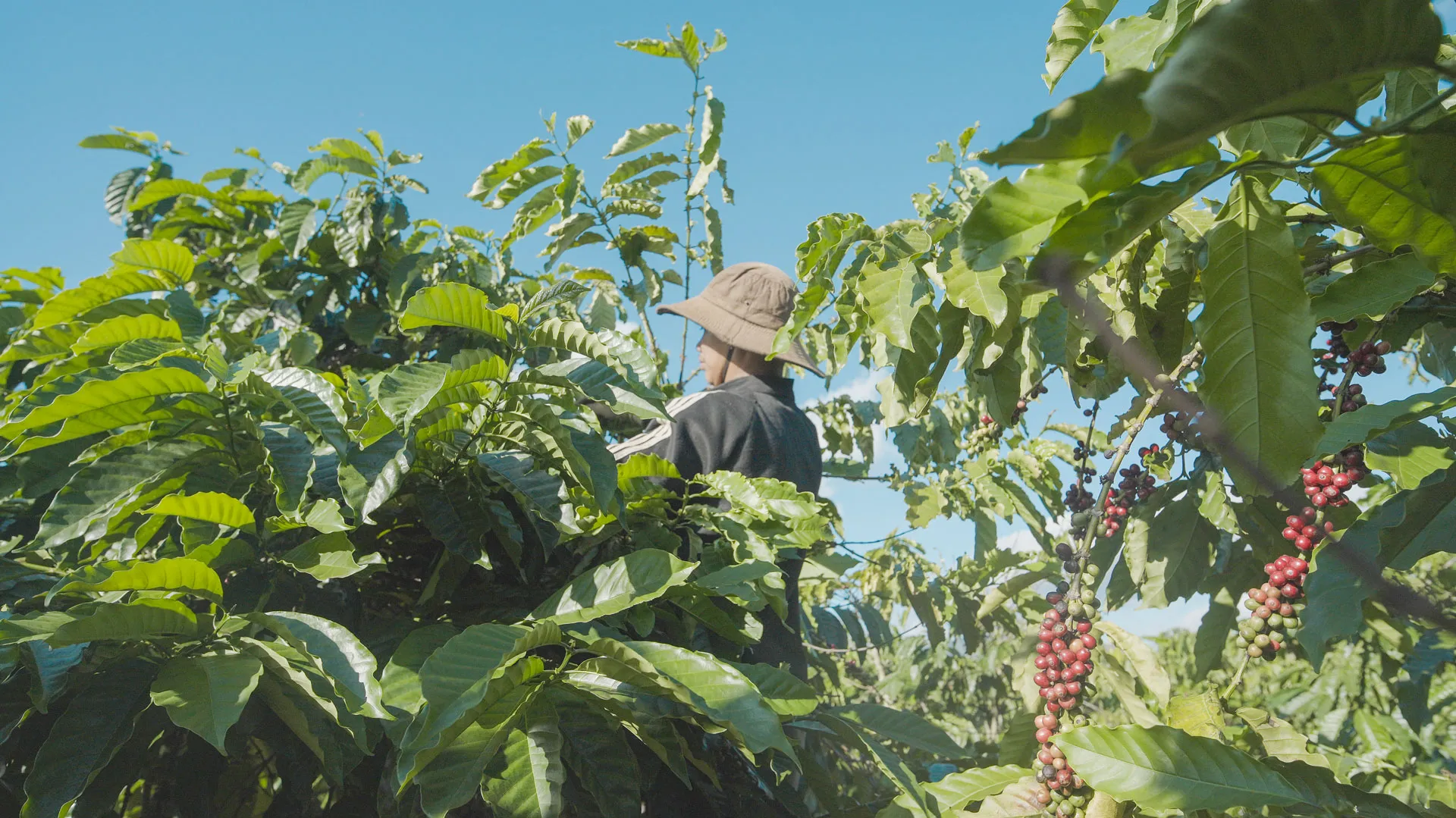
Specialty grade export starts well before any coffee reaches a processing facility. Harvest timing and method matter directly: hand-picking selectively ripe cherries, rather than strip harvesting an entire branch regardless of ripeness, is standard practice among any serious gourmet coffee suppliers aiming for specialty grade output, since unripe or overripe cherries introduce defects that show up directly in cupping scores.
Harvest and Initial Processing
Once harvested, cherries move into processing, using methods including washed, natural, honey, or increasingly anaerobic fermentation, each producing distinct flavor characteristics. This is also where many Vietnamese producers have shifted specialty positioning in recent years, since controlled, documented processing methods are what separate a Fine Robusta or specialty arabica lot from standard commodity grade output processed with less precision.
Drying, Milling, and Grading
After processing, beans are dried to a target moisture content, typically around 10 to 12% for green coffee ready for export, then milled to remove parchment or husk and sorted by size and density. This is where Vietnam’s national grading framework comes into play: the TCVN 4193:2014 standard alongside the international ISO 10470 defect classification table give buyers a consistent technical reference for evaluating screen size, moisture, and defect count across a lot.
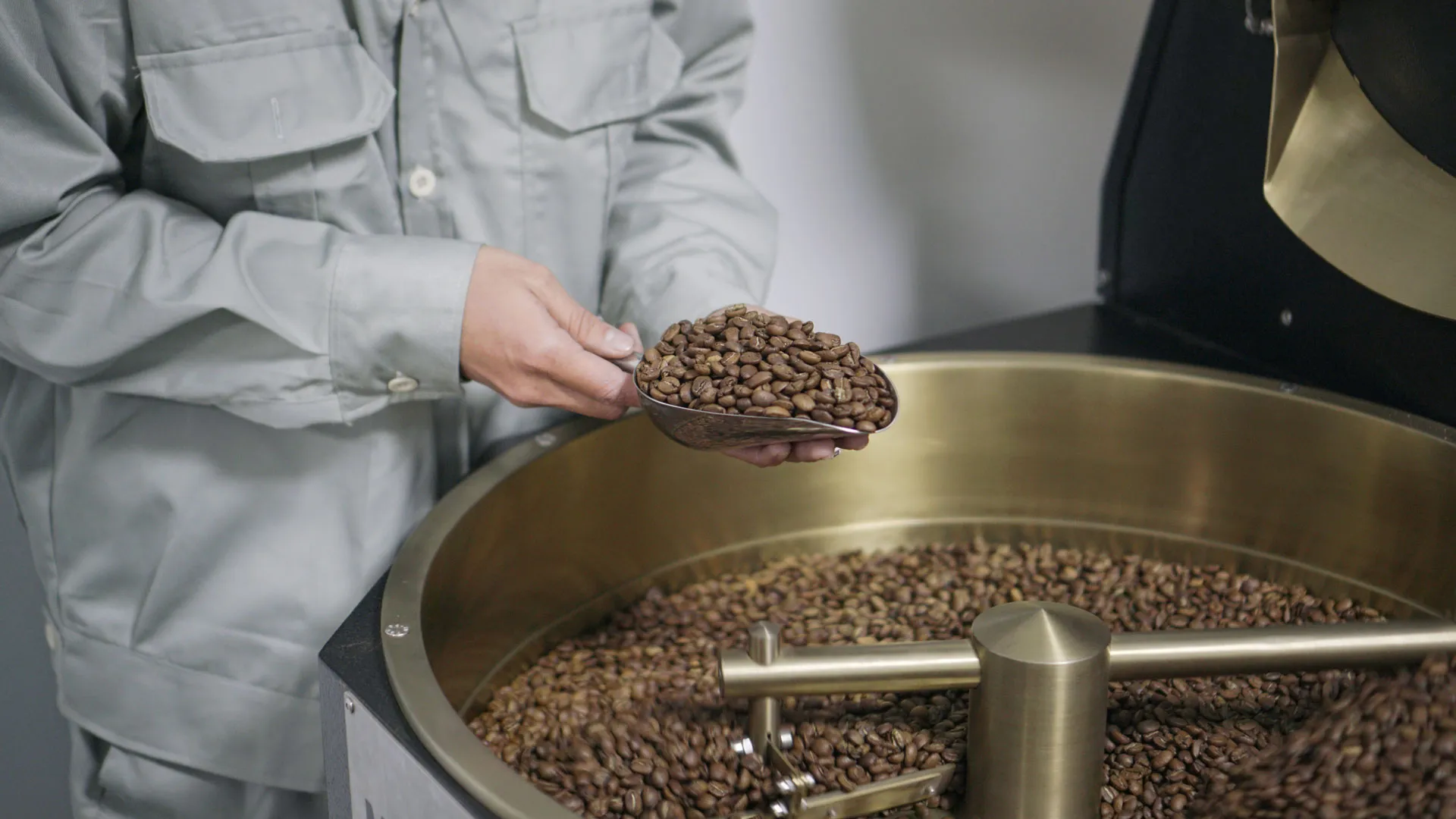
For specialty grade coffee specifically, grading goes further than these baseline standards. Lots typically undergo formal cupping evaluation, scoring aroma, flavor, acidity, body, and aftertaste, with a specialty coffee company, or speciality coffee company depending on the buyer’s regional spelling convention, distinguishing individual lots by cupping score rather than applying a single quality claim across an entire harvest. Defect counts for specialty grade lots are held to a stricter threshold than commercial grade, since even minor defects are more noticeable in the more delicate flavor profiles specialty buyers are paying for.
Certification and Compliance Preparation
Before a lot is ready for international shipment, a supplier needs to have the right certifications and documentation in place, and this step increasingly determines which specialty coffee suppliers can access certain markets at all.
- Food safety certifications such as ISO 22000 and HACCP are close to universal requirements for international buyers, alongside FDA registration for shipments destined for the US market.
- Sustainability certifications, including Rainforest Alliance, Fairtrade, 4C, or organic certification, are required by many buyers and must come from a certifying body accredited in the destination market, since accreditation doesn’t automatically transfer between regions.
- EU Deforestation Regulation compliance has become a central requirement for any shipment entering the EU, requiring geolocation data for the specific plots a lot was grown on and confirmation the land wasn’t deforested after December 2020. Vietnam’s classification as a “low-risk” country under EUDR, granted in May 2025, allows exports to move through a simplified due diligence process, though individual exporters still need their own plot-level geolocation data in place to take advantage of that status.
- Certificates of origin and phytosanitary certificates are prepared for each shipment, confirming the coffee’s source and that it meets the destination country’s plant health import requirements.
Sample Approval and Contract Terms
Before a bulk order ships, buyers typically request a pre-shipment sample matching the actual lot being purchased, not a general house sample, to confirm cupping quality and specifications match what was agreed. This step is where many first-time buyers either catch a mismatch early or, if skipped, discover a quality inconsistency only after a container has already left port.
Contract terms at this stage cover Incoterms (FOB, CIF, and others, determining where responsibility and cost transfer between buyer and seller), payment terms, and delivery timeline, all of which need to be confirmed clearly before production and packaging begin at commercial volume.
Packaging for Export
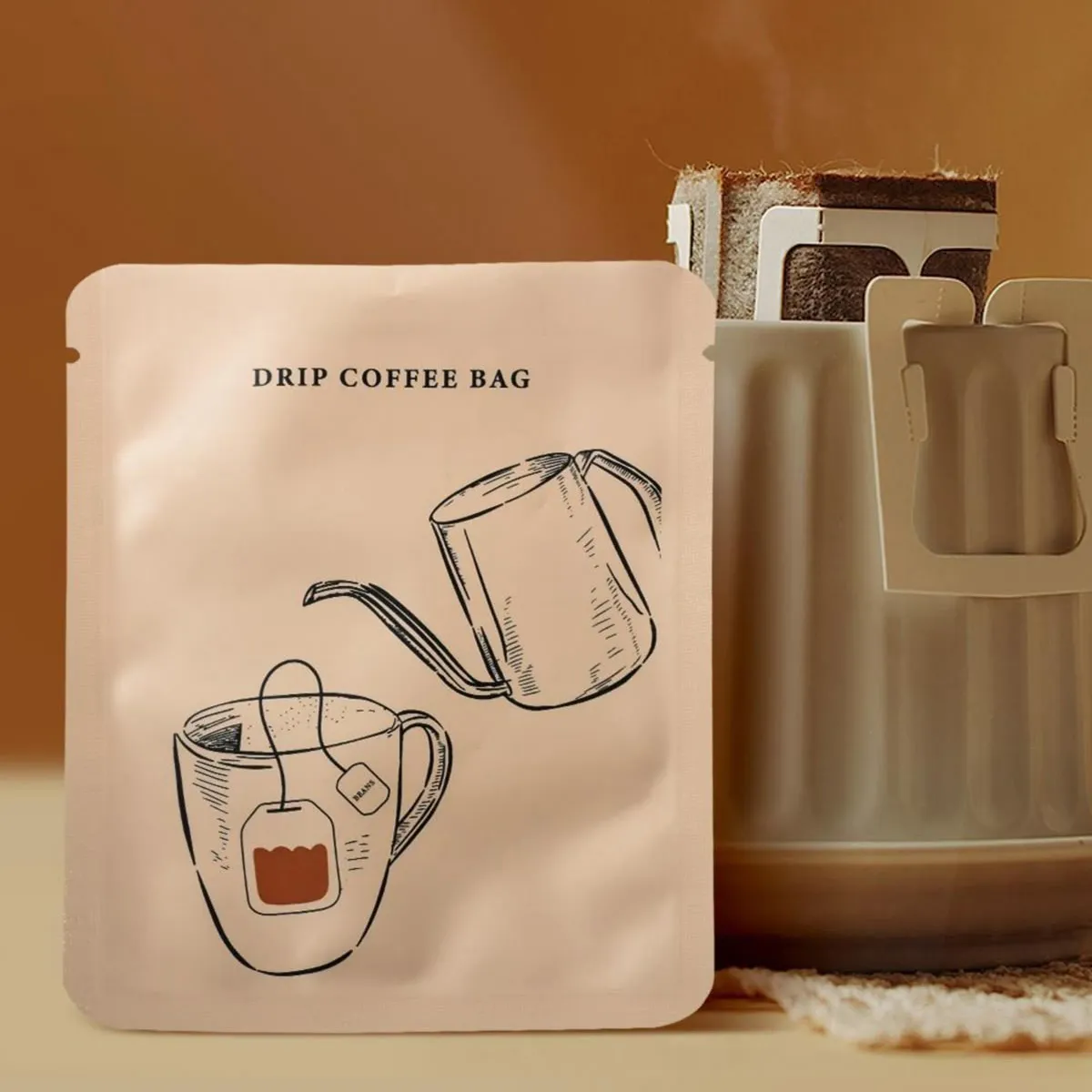
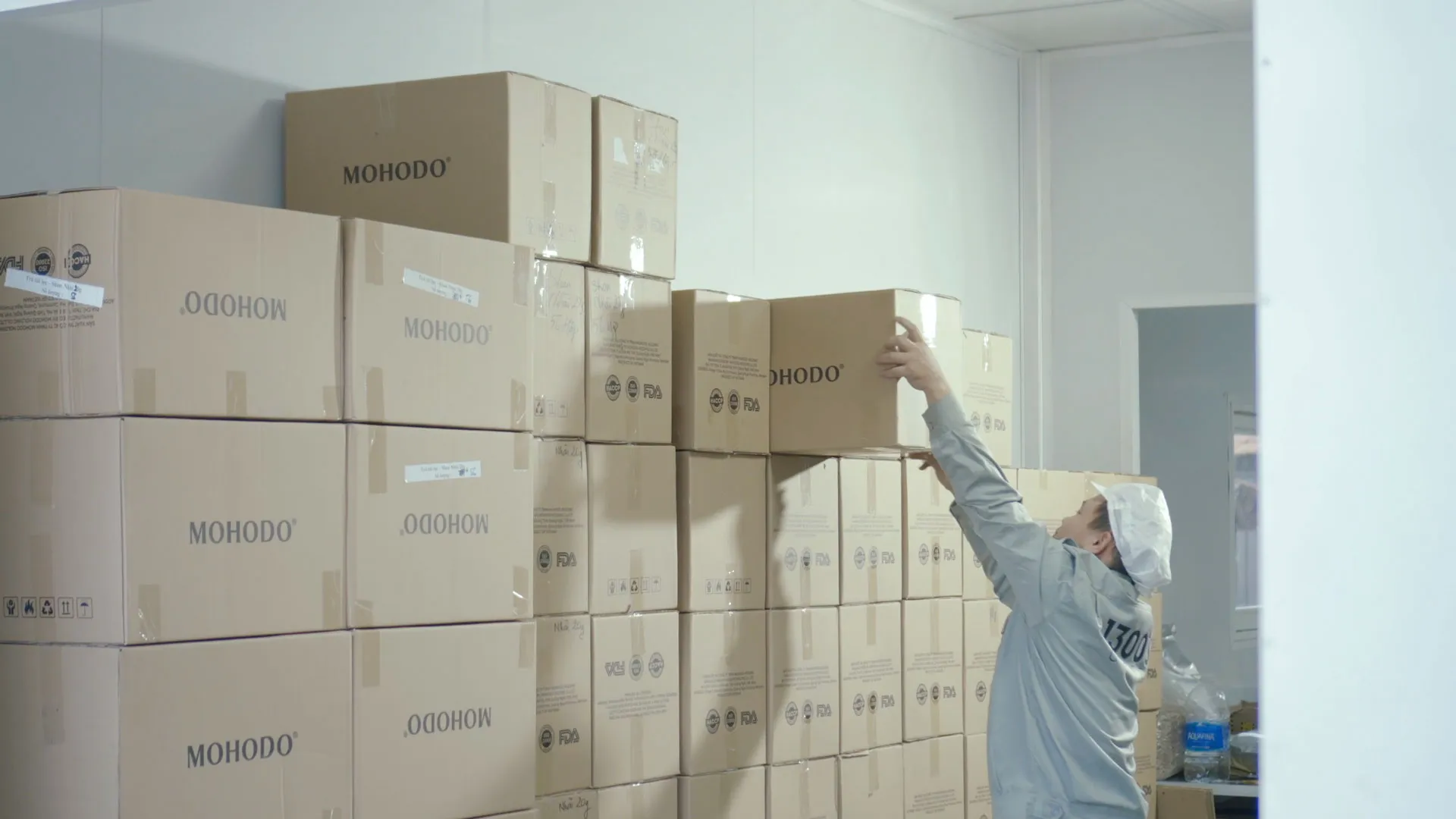
Specialty grade green coffee is typically packed in GrainPro or similar hermetic liner bags inside jute or woven polypropylene sacks, protecting against moisture and pest exposure during transit, a more rigorous standard than the packaging often used for commodity grade shipments. For roasted or private label finished products, packaging shifts to formats suited to the destination market and channel, retail-ready bags with one-way valves for whole bean or ground coffee, or bulk packaging for buyers roasting or repackaging domestically.
Packaging for Export
Shipping, Documentation, and Customs Clearance
Once packed, shipments move by sea freight in the large majority of cases, given the volumes typically involved, with air freight reserved for smaller, time-sensitive, or very high-value specialty lots. Export documentation accompanying the shipment includes the commercial invoice, packing list, bill of lading, certificate of origin, phytosanitary certificate, and any certification documents relevant to the buyer’s market, alongside the EUDR Due Diligence Statement for EU-bound shipments once that requirement is in force for the exporter’s size category.
On arrival, customs clearance in the destination market checks this documentation against the physical shipment. Missing or inconsistent paperwork, rather than the coffee’s quality itself, is one of the more common reasons a shipment gets delayed or held at this stage, which is part of why buyers evaluating a coffee specialty wholesale partner should ask directly about a supplier’s track record with export documentation, not just their cupping scores.
Where 1300’S Coffee Fits Into This Process
1300’S Coffee manages this process from origin through export as a vertically integrated producer based in the Mang Den highlands of Kon Tum province, working directly with farming partners rather than through intermediaries, with quality control and cupping managed through an in-house lab. The company holds ISO 22000, HACCP, FDA, and OCOP certifications, and supports both green bean export and finished private label or OEM products across multiple packaging formats. Buyers can also visit the origin directly through the company’s Kon Tum farm tour program to see harvest, processing, and grading firsthand before committing to a shipment.
Getting Started
Buyers new to sourcing specialty coffee from Vietnam should request a pre-shipment sample matching the actual lot, confirm certification and EUDR documentation status directly with the supplier, and clarify Incoterms and payment terms before committing to a full container order. Ready to see this export process firsthand? Request a sample and documentation from 1300’S Coffee, or schedule a visit to see sourcing and processing at the origin.
Read more: Private Label Specialty Coffee Wholesale vs OEM Manufacturing


1300s BLOG YOU MAY ALSO BE INTERESTED IN
Why 1300’S Coffee Is the Green Bean Coffee Supplier You Need to Know
Are Vietnamese Coffee Beans Good? A Scientific Answer for Roasters
What Is Coffee Sourcing?A Beginner’s Guide to How Coffee Reaches Buyers