


Private Label Coffee Cost Factors Businesses Should Evaluate Before Sourcing
Ask three different private label coffee manufacturers for a quote on what sounds like the same product, and it’s entirely possible to get three meaningfully different numbers, not because one supplier is overcharging and another is offering a bargain, but because private label coffee cost depends on a longer list of variables than most businesses realize going into their first sourcing conversation. Understanding what actually drives that cost, and why quotes that look comparable on the surface often aren’t, is what allows a business to evaluate pricing intelligently rather than defaulting to whichever number looks lowest on a spreadsheet. This guide breaks down every major cost driver behind private label coffee cost, from raw material and processing choices through to the hidden costs businesses most commonly overlook.
Why Private Label Coffee Cost Varies So Much Between Quotes
The core reason private label coffee cost is so difficult to compare across suppliers is that “coffee” isn’t a single standardized product the way a commodity raw material sometimes is. Two quotes for what a business describes internally as “our house blend” can reflect entirely different origins, grades, processing methods, and packaging specifications, each of which affects the final number independently. A supplier quoting a lower price isn’t automatically offering worse value, and a higher quote isn’t automatically better quality, but without breaking a quote down into its component parts, a business has no reliable way to actually compare offers on a like-for-like basis. This is the central reason experienced buyers request itemized pricing rather than a single flat number, and it’s the framework the rest of this guide is built around.
Raw Material Cost: Origin, Grade, and Varietal
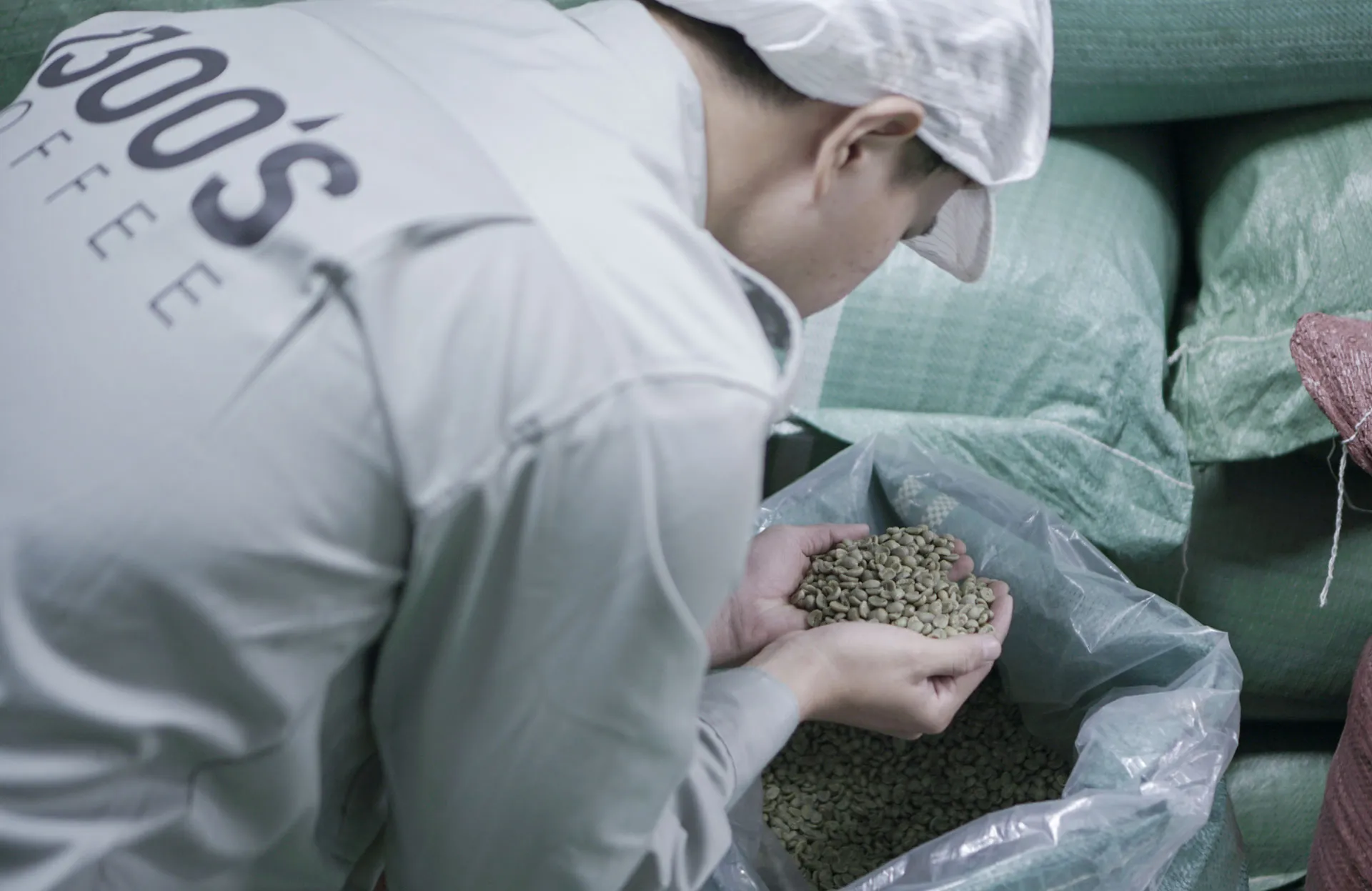
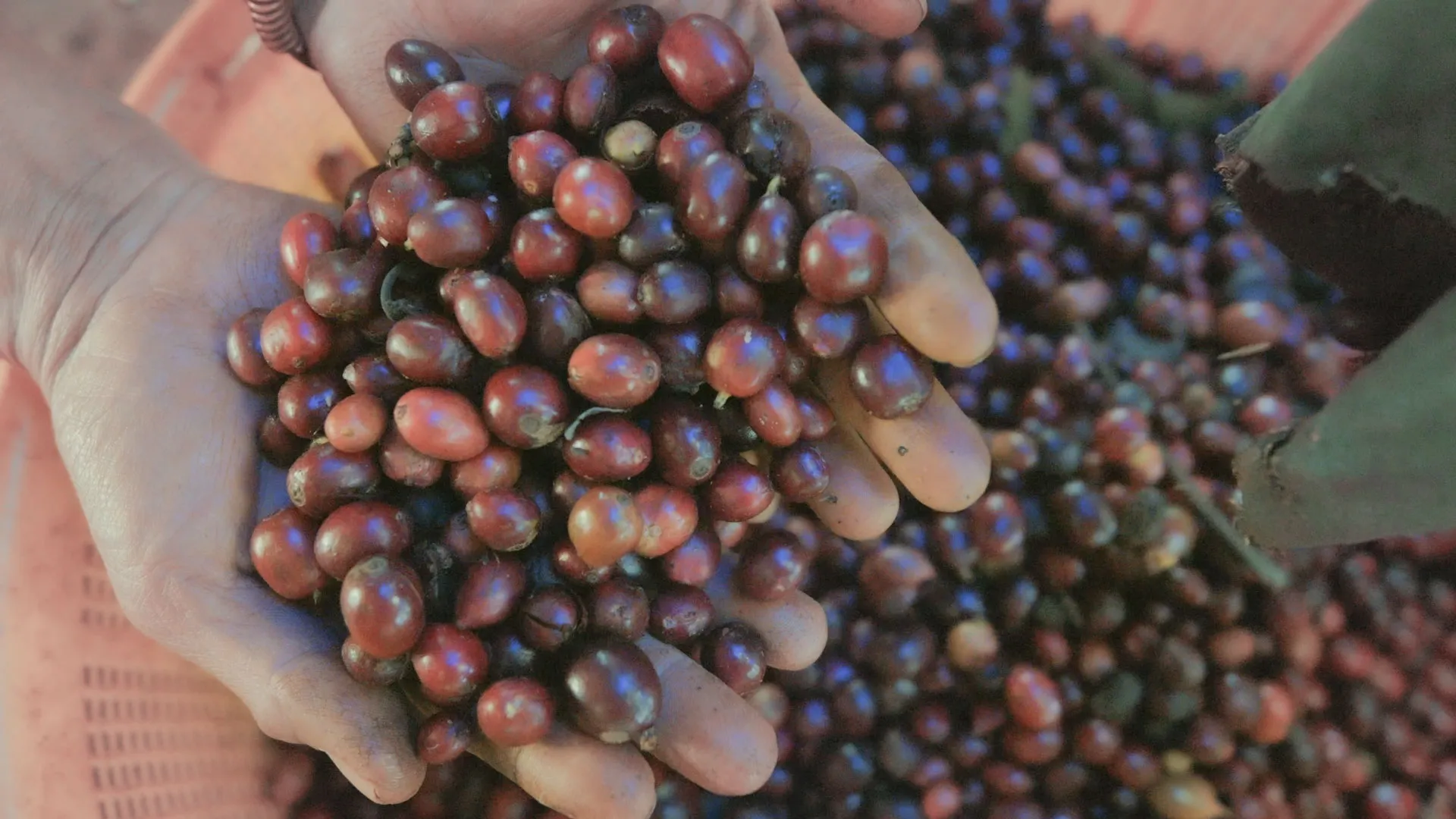
The coffee itself, before any processing, roasting, or packaging happens, is the foundational cost driver, and it varies significantly based on a few specific factors.
Varietal: Robusta vs Arabica
Robusta generally costs less per kilogram than Arabica, reflecting both higher yield per hectare and lower production costs in most growing regions, which is part of why Robusta dominates cost-sensitive categories like commodity instant coffee.
Varietal: Robusta vs Arabica
Grade and Processing Method
Within each varietal, grade drives cost further, specialty grade coffee, evaluated through cupping score, defect count, and often specific processing methods like natural, honey, or anaerobic fermentation, commands a real premium over standard commercial grade, sometimes a significant one for genuinely high-scoring specialty lots.
Growing Region and Altitude
High-altitude Arabica from a well-regarded region typically costs more than lowland-grown coffee of the same nominal grade, reflecting both genuine quality differences and market demand for recognized origins.
Crop Year and Freshness
Crop year and freshness also factor into raw material pricing in ways businesses sometimes overlook, coffee from the most recent harvest generally commands a modest premium over older stock still working through a supplier’s inventory, and a business prioritizing peak freshness in its final product should expect to pay accordingly rather than assuming crop year is a fixed, non-negotiable specification with no cost implication.
A business should be explicit with a prospective private label coffee suppliers relationship about which combination of these factors their brief actually requires, since requesting a “premium” product without specifying grade, origin, or processing method leaves too much room for a supplier to quote based on assumptions that may not match what the business actually intends to sell.
Processing and Production Method Costs
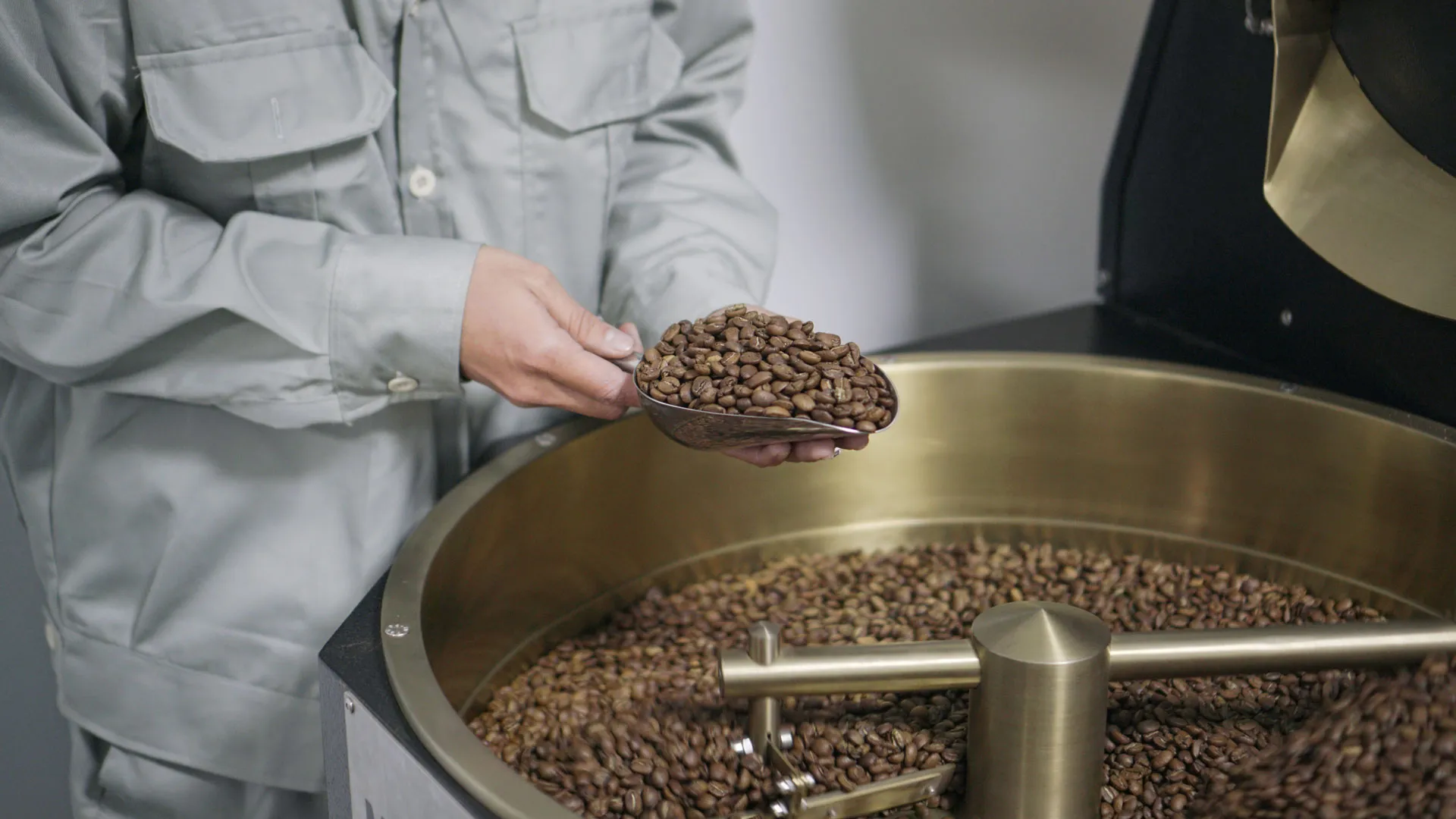
How raw coffee gets turned into a finished, sellable product introduces its own cost layer, and this varies considerably depending on the product format a business is building. For roasted coffee, the roasting process itself adds a relatively modest cost compared to the underlying green coffee, though roast consistency requirements, tightly logged and repeatable profiles versus a more casual approach, can affect pricing at the margin. For instant coffee, production method makes a much larger cost difference: spray-drying is the more cost-efficient process, while freeze-drying, involving a slower, more energy-intensive process that better preserves flavor and aroma, typically commands a 30 to 50% premium over spray-dried product depending on the specific market and supplier. A business planning an instant coffee private label line needs to decide early which production method fits its target retail price point and brand positioning, since requesting freeze-dried quality at a spray-dried budget is a mismatch no supplier can resolve without either raising the price or compromising on the promised production method.
Formulation Development Costs
Genuine OEM development, where a supplier works through multiple rounds of cupping and adjustment to build a formulation specifically for a business rather than offering an existing house product, carries development costs that a straightforward private label wholesale coffee arrangement using an existing formulation simply doesn’t. Some private label coffee manufacturers charge this development cost as a separate, explicit fee, while others absorb it into a higher per-unit price once production begins, and it’s worth asking directly which pricing structure a specific supplier uses, since this affects how the numbers compare against a competing quote using the other approach. More complex formulations, a multi-origin blend requiring several cupping rounds to balance correctly, or a premix instant coffee product with a specific coffee-to-sugar-to-creamer ratio, generally require more development time and therefore carry higher formulation costs than a simpler single-origin or straightforward formulation.
Order Volume and Minimum Order Quantity Impact on Per-Unit Cost
Volume affects private label coffee cost more dramatically than many first-time buyers expect. Small trial orders carry a real per-unit premium, since fixed costs, formulation development, production line setup, and often minimum packaging run costs, get spread across a much smaller batch than they would at higher volume. This isn’t a supplier padding margin on smaller orders opportunistically, it reflects genuine fixed costs that don’t scale down proportionally with order size. Businesses should expect pricing to improve meaningfully as volume increases, and should ask a prospective supplier for pricing at a few different volume tiers relevant to their growth trajectory, not just their initial order size, so they can plan realistically for how cost will shift as the business scales rather than being surprised by pricing structure changes later.
Packaging Costs
Packaging is frequently underestimated as a cost driver, particularly by businesses focused primarily on the coffee formulation itself during initial sourcing conversations. Standard, unbranded packaging, bulk bags for a business handling its own final packaging, or simple stock packaging for a straightforward launch, costs considerably less than custom-printed retail bags, specialty valve packaging, or premium formats like glass jars often used for freeze-dried instant coffee. Custom packaging also frequently carries its own separate minimum order requirement, tied to the packaging supplier’s production line setup rather than the coffee itself, which means a business might be able to order a relatively small coffee volume but still face a much larger minimum for custom-printed bags specifically. Wholesale coffee beans private label sourcing, where a business is buying unroasted green coffee to process independently, sidesteps much of this packaging cost consideration at the sourcing stage, though the business will still face these same packaging cost questions once they’re ready to sell a finished product themselves.
Certification and Compliance Costs
Certifications requested by a business, whether required by a specific retail partner, a regulatory requirement in the destination market, or simply part of the brand’s positioning, add measurable cost. Organic certification, Fairtrade, Rainforest Alliance, and similar third-party certifications all typically carry a price premium on the underlying coffee itself, reflecting both the certified supply chain’s own added costs and market demand for certified product. Beyond the coffee’s certification status, businesses shipping into regulated markets need to factor in the supplier’s own food safety certification baseline, ISO 22000 and HACCP at minimum, with FDA registration required for the US market specifically, though this baseline is typically built into a reputable supplier’s standard pricing rather than being an optional add-on cost.
Hidden Costs Businesses Often Overlook
Beyond the coffee, formulation, packaging, and certification costs already covered, a few additional cost factors catch first-time private label buyers off guard.
Freight and Import Duties
Freight and import duties can add a meaningful percentage to landed cost depending on the destination market and any applicable trade agreements, and businesses comparing supplier quotes should confirm whether a quoted price is ex-works, FOB, or already includes freight to destination, since comparing quotes on inconsistent Incoterms bases produces misleading cost comparisons.
Storage and Inventory Carrying Costs
Storage and inventory carrying costs matter too, particularly for businesses ordering larger volumes to capture better per-unit pricing, since coffee, especially roasted coffee, degrades in quality over time, meaning a lower per-unit price on a large order can be partially or fully offset by waste from product that ages past its usable freshness window before it sells through.
The Cost of Skipping a Trial Run
Quality failure costs deserve consideration as well, a business that skips a trial production run and discovers a consistency problem only after a full commercial batch has shipped faces the cost of that failed batch on top of whatever it costs to source a corrected replacement, a real financial risk that a modest investment in a trial run before scaling helps avoid.
Cost Comparison: Existing Formulation vs Custom Development
Businesses deciding between selecting an existing formulation from a supplier’s current range versus developing something fully custom should weigh the cost difference against their actual brand goals. An existing formulation, essentially private label wholesale coffee, minimizes development cost and timeline, letting a business move to market faster and at lower initial cost, though the resulting product may be similar to what a supplier’s other private label clients are also selling. A custom-developed formulation costs more upfront and takes longer, but produces something harder for competitors sourcing from the same supplier to replicate. Neither approach is universally the better financial decision, a business testing market demand before committing further investment often benefits from the lower-cost existing formulation route, while a business building its brand identity specifically around a distinctive flavor profile may find the additional development cost justified by the differentiation it produces.
How to Get an Accurate, Comparable Quote
Given how many variables affect private label coffee cost, requesting a single flat number from a supplier rarely produces something genuinely useful for comparison. Businesses should request an itemized breakdown separating raw coffee cost, processing or roasting cost, formulation development fees if applicable, packaging cost by format, and any certification-related premium, so that comparing two suppliers’ quotes involves comparing the same components against each other rather than two different bundled totals that may include different assumptions. It’s also worth confirming Incoterms and what’s included in a quoted price, and requesting pricing across a couple of different volume tiers relevant to the business’s near-term growth plans, not just the initial trial order size.
Cost Considerations Specific to Instant Coffee Private Label
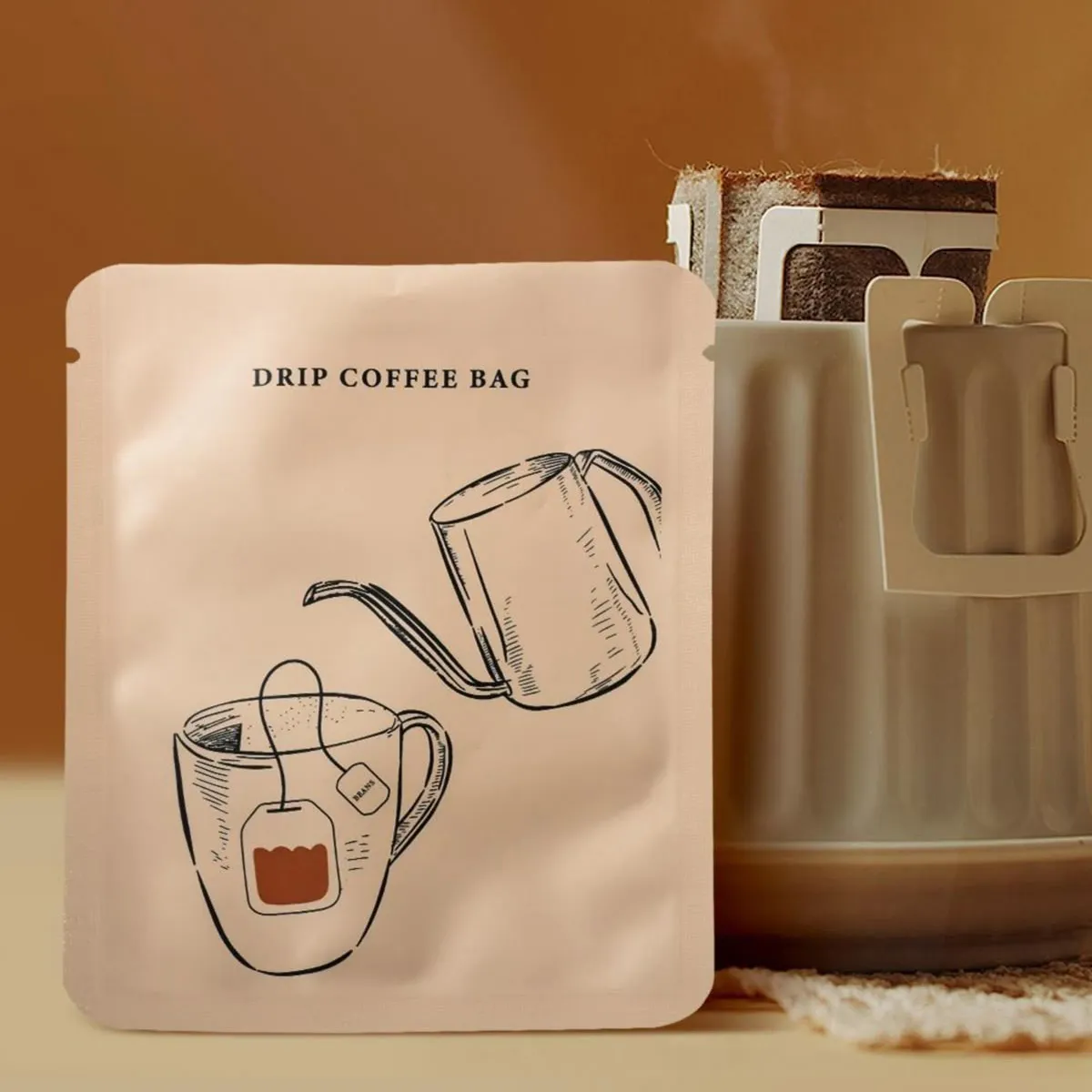
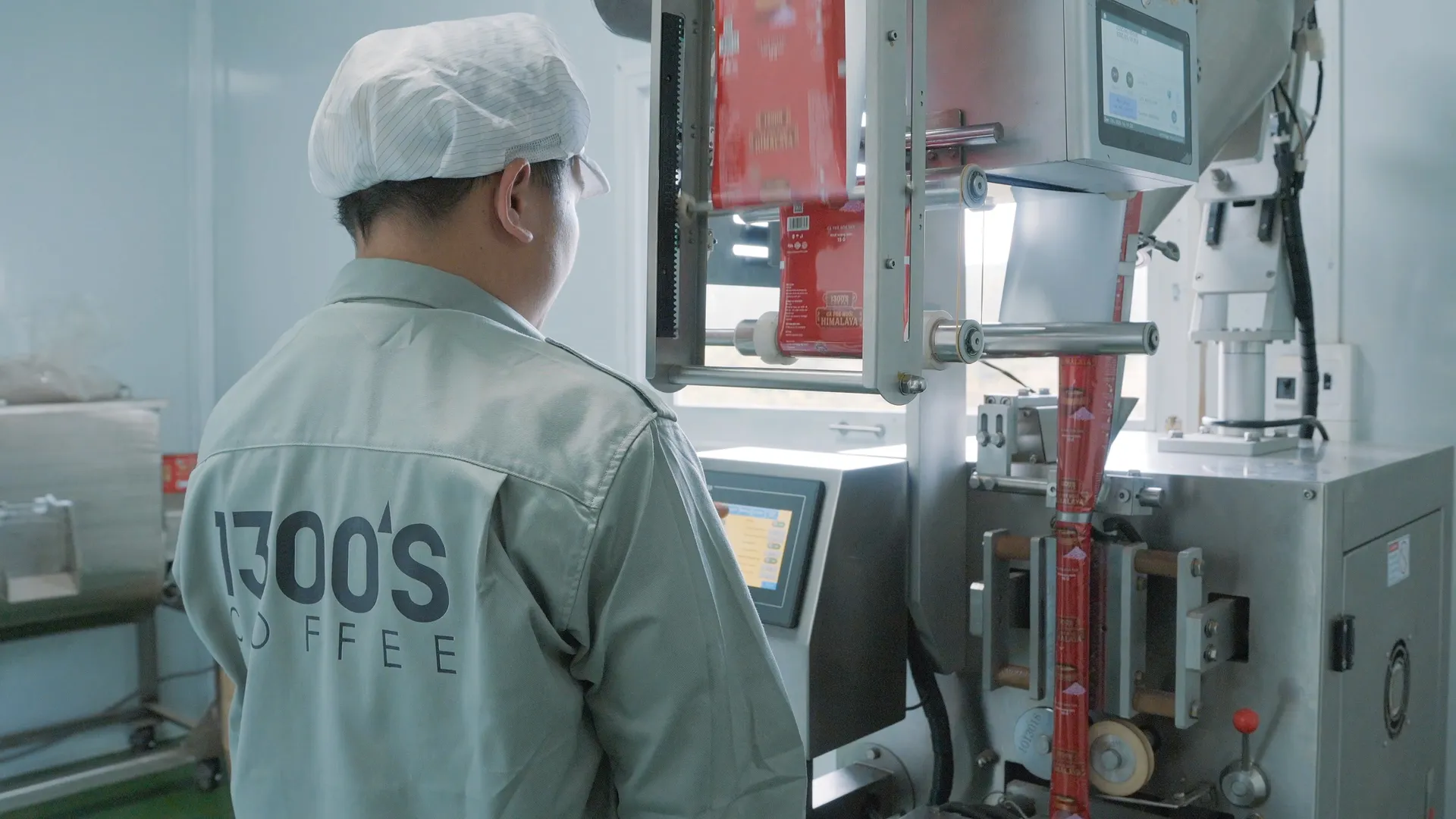
Instant coffee private label projects carry a few cost considerations distinct from roasted coffee. Production method, spray-dried versus freeze-dried, drives cost more dramatically here than the roast-level differences that affect roasted coffee pricing. Premix formulations, 3-in-1 or 2-in-1 products combining coffee with sugar and creamer, introduce additional ingredient costs and formulation complexity beyond pure black instant coffee. And packaging format matters more distinctly too, sachets and stick packs for premix products typically carry different cost and minimum order structures than jars or bulk bags, meaning a business should clarify its target packaging format early when requesting quotes for an instant coffee private label program specifically.
Cost Considerations Specific to Instant Coffee Private Label
Negotiating Cost With Wholesale Coffee Suppliers Private Label Partners
Once a business understands the individual cost components covered above, there’s genuine room to negotiate specific elements rather than simply accepting or rejecting a bundled total. Committing to a longer initial contract term, even at modest volume, sometimes unlocks better per-unit pricing than a series of smaller one-off orders would, since it gives a wholesale coffee suppliers private label partner more production planning certainty. Consolidating packaging formats, choosing fewer SKUs or standardizing bag sizes across a product range, reduces the number of separate packaging minimums a business has to absorb, which can meaningfully lower blended per-unit cost even without changing the coffee formulation itself. Businesses should also ask directly whether a supplier offers any flexibility on payment terms in exchange for a longer-term volume commitment, since favorable payment terms function as a real cost benefit even when they don’t show up as a lower quoted price per unit. It’s worth approaching this negotiation as a genuine conversation about tradeoffs rather than a simple request for a discount, since a supplier is generally more willing to adjust terms in response to a business’s specific volume trajectory, packaging simplification, or payment flexibility than to a request for a lower number with no accompanying change in what’s actually being ordered.
Planning for Cost Changes as a Private Label Program Scales
Private label coffee cost isn’t static over the life of a business relationship, and planning for how it shifts as a program grows helps avoid budget surprises later. Green coffee input costs fluctuate with broader market pricing, meaning a formulation quoted at a specific per-unit cost today may see that raw material component shift over time regardless of anything the business or supplier does differently. Businesses placing recurring orders should ask a supplier how pricing typically gets revisited, whether costs are locked for a specific contract period or adjusted periodically in response to input cost changes, so they can build accurate forward budgets rather than assuming initial pricing holds indefinitely. On the more favorable side, businesses that grow into higher volume tiers should proactively revisit pricing with their existing wholesale coffee beans private label supplier rather than assuming better terms only come from switching to a new manufacturer entirely, since many suppliers, including smaller vertically integrated operations, build in room to improve pricing as a business’s order volume genuinely increases over time.
Why 1300’S Coffee Approaches Private Label Pricing Transparently
1300’S Coffee, operating as a vertically integrated specialty coffee supplier based in the Mang Den highlands of Kon Tum province, structures private label pricing around the same itemized transparency this guide recommends businesses request from any supplier. Because the company manages green coffee sourcing, processing, and production formulation under one operation, pricing reflects actual cost drivers, origin and grade, formulation complexity, packaging format, and volume, rather than opaque markup layered across multiple intermediaries. The company supports private label development across roasted, wholesale green bean, and instant coffee formats, with formulation and packaging cost factors discussed directly during the sourcing conversation so businesses can plan budgets accurately before committing to a specific formulation or volume tier.
Getting Started
Businesses evaluating private label coffee cost should request an itemized quote breakdown covering raw material, processing, formulation development, packaging, and certification costs separately, confirm Incoterms and what’s included in any quoted price, and compare pricing across a couple of realistic volume tiers before committing to a specific supplier and formulation. Trying to understand what your private label coffee program will actually cost? Share your formulation, format, and volume goals with 1300’S Coffee to receive an itemized quote you can compare confidently against other options.
Read more: Roasted Coffee Beans Suppliers Delivering Wholesale Volume to Cafes and Retailers


1300s BLOG YOU MAY ALSO BE INTERESTED IN
How to Roast Coffee Beans Professionally What Changes at Commercial Scale
Top 5 Wholesale Instant Coffee Suppliers for Importers & Distributors
How Long Can Green Coffee Beans Be Stored: Shelf Life and Best Practices