


Specialty Robusta Coffee Wholesale Redefining Vietnam’s Reputation for Global Buyers
For decades, specialty robusta coffee sounded almost like a contradiction to most people in the industry, Robusta occupied the commodity end of the market while specialty positioning belonged almost exclusively to Arabica. That assumption has genuinely broken down over the past decade, and Vietnam sits at the center of the shift proving it wrong. This isn’t a marginal or theoretical change either, verifiable market pricing data now backs up what was once purely an emerging trend among a small group of quality focused producers. This guide covers what actually makes specialty robusta coffee different from the commodity grade Robusta still dominating much of global supply, why the varietal was overlooked for so long, and what this genuine quality movement means for buyers evaluating Vietnamese sourcing today.
What Makes Specialty Robusta Coffee Wholesale Different From Commodity Robusta
Understanding specialty robusta coffee starts with recognizing that the difference from commodity Robusta comes down to genuinely different farming and processing decisions, not a different plant variety in most cases.
Selective Harvesting and Careful Processing
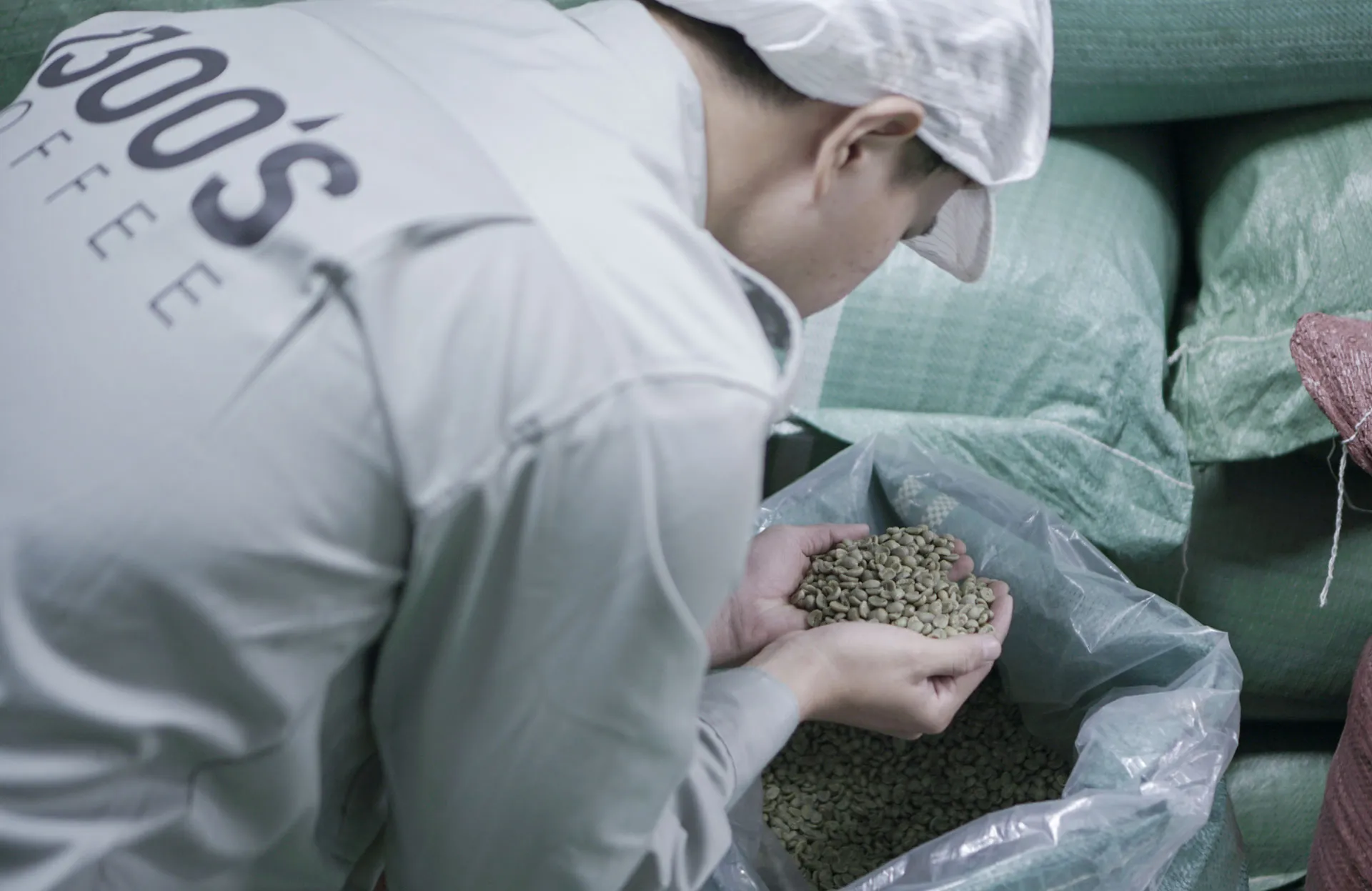
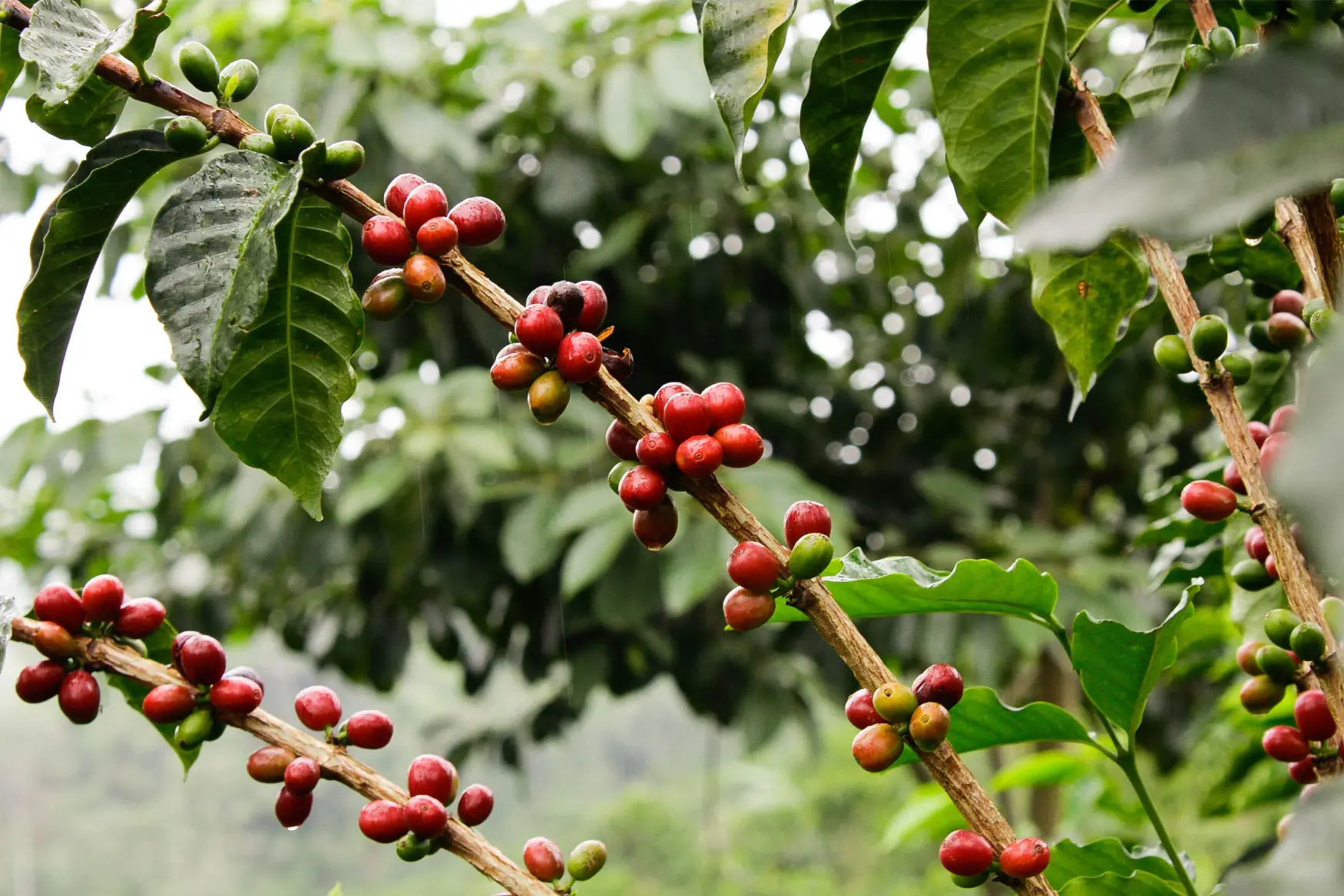
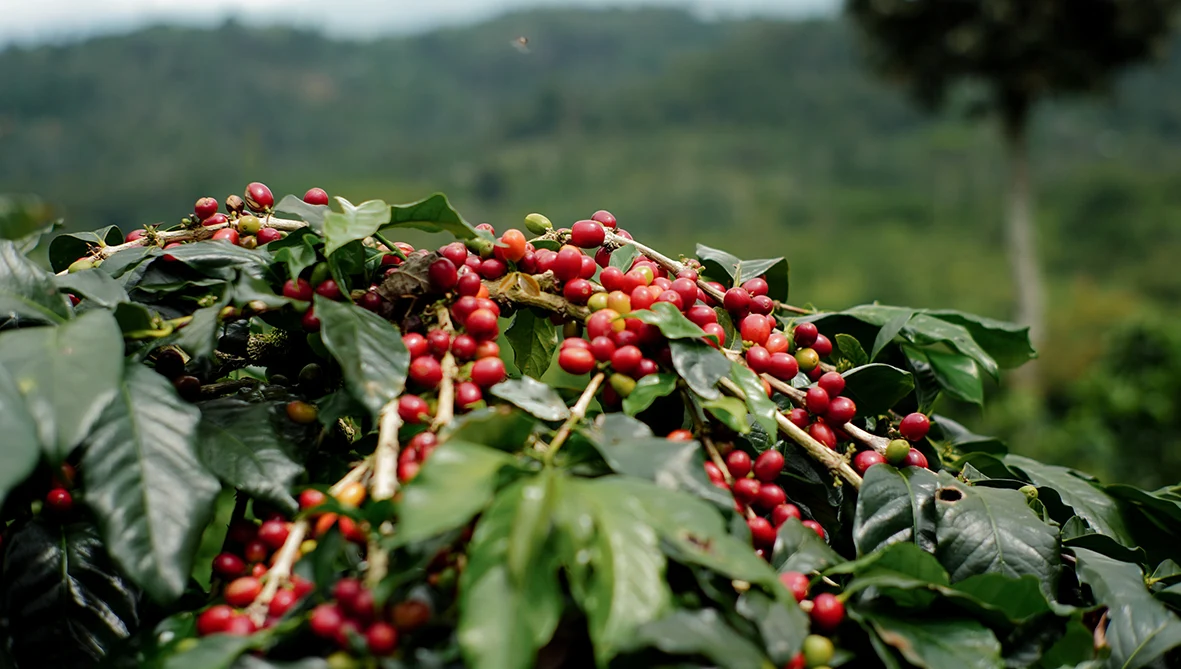
Commodity grade Robusta typically relies on strip harvesting, removing all cherries from a branch regardless of individual ripeness, prioritizing speed and volume over uniform quality. Specialty robusta coffee instead depends on selective harvesting, picking only fully ripe cherries and returning to the same trees multiple times across the season, combined with more careful processing, often washed or honey methods rather than the fastest possible natural processing, specifically to develop the complexity and clean flavor that commodity grade production simply isn’t designed to prioritize. This selective approach requires considerably more labor per unit of coffee produced, a real cost that gets reflected in specialty robusta coffee’s higher price compared to commodity grade product, and it explains why not every producer has made this transition even as demand for genuinely differentiated Robusta has grown considerably in recent years.
Selective Harvesting and Careful Processing
Cupping Scores and Quality Verification
Specialty robusta coffee is verified through the same fundamental cupping process used across the broader specialty coffee industry, evaluating aroma, flavor, acidity, body, and aftertaste against a structured scoring protocol. While the Coffee Quality Institute’s Fine Robusta program uses its own scoring framework distinct from the traditional 80 point Arabica specialty threshold, the underlying principle remains the same, robusta specialty classification requires genuine, verifiable quality documentation rather than a marketing claim applied loosely to any Robusta priced above the commodity baseline. This dedicated Fine Robusta protocol exists specifically because applying Arabica’s cupping criteria directly to Robusta doesn’t fully capture what actually distinguishes quality within this different varietal, meaning legitimate specialty robusta coffee grading involves genuinely different sensory benchmarks tailored to the varietal’s own distinct flavor potential rather than simply measuring Robusta against an Arabica focused standard it was never going to match on those specific terms.
Why Robusta Was Overlooked for So Long
Robusta’s commodity reputation didn’t develop by accident, and understanding this history explains why specialty robusta coffee represents such a genuine shift rather than simply a rebranding of the same old product. Robusta naturally contains roughly double the caffeine of Arabica, a chemical defense mechanism that also historically produced a harsher, more bitter flavor profile when processed using the fast, volume focused methods commodity production favored. This combination led the broader coffee industry to treat Robusta almost exclusively as a cost efficient filler for commercial blends and instant coffee, an assumption that discouraged the kind of careful farming and processing investment that eventually proved capable of producing a genuinely different result. Vietnam’s own coffee industry developed heavily around this commodity model too, since Robusta’s hardiness and yield made it the practical crop of choice during the country’s rapid coffee industry expansion following economic reforms in the late 1980s, reinforcing the commodity association even as the underlying plant itself was never inherently incapable of better quality outcomes under different farming and processing conditions. This historical momentum meant that even once individual producers began experimenting with more careful Robusta cultivation, the broader market took considerable time to recognize and reward that investment, since decades of established commodity pricing and buyer expectations don’t shift overnight simply because a handful of producers demonstrate genuine quality improvement.
Vietnam Leading the Robusta Specialty Movement
Vietnam’s position as the world’s largest Robusta producer, combined with genuine recent investment in quality focused farming and processing, places the country at the center of the broader shift toward taking specialty robusta coffee seriously.
Fine Robusta From the Central Highlands
Producers across Vietnam’s Central Highlands, particularly in Dak Lak and increasingly in higher altitude zones like Kon Tum, have invested meaningfully in Fine Robusta production over the past decade, combining selective harvesting with washed and honey processing methods historically reserved for Arabica. This investment has produced genuinely differentiated results, coffee with meaningfully reduced harshness, more perceptible sweetness, and a cleaner overall cup profile compared to standard commodity grade Vietnamese Robusta, changes that reflect real changes in farming and processing practice rather than marketing repositioning of an unchanged underlying product. Higher altitude growing regions specifically have played a meaningful role in this shift, since the cooler temperatures and greater diurnal temperature swing found at elevation slow cherry ripening in ways that generally support more complex sugar and acid development, advantages traditionally associated with Arabica cultivation that Vietnamese producers have increasingly learned to apply to Robusta grown in these same favorable higher altitude conditions.
The 2024 Price Shift That Signaled Genuine Change
Vietnamese domestic Robusta prices actually surpassed Arabica prices for the first time in 2024, a genuinely significant market signal reflecting real quality driven demand rather than a temporary anomaly. This price shift matters because markets generally don’t sustain a premium for a product without underlying quality actually justifying it, meaning this pricing pattern offers real, verifiable evidence that robusta specialty positioning has moved beyond a niche marketing angle into genuine, demonstrated market value that buyers and sellers alike are treating as durable rather than temporary. This shift also reflects broader supply and demand dynamics beyond quality alone, including genuine global Robusta shortages in certain seasons, but the fact that quality focused Fine Robusta specifically commands additional premium even within this broader price environment confirms that quality differentiation, not simply general commodity price movement, is driving real value at the specialty tier of the market specifically.
What Specialty Robusta Actually Tastes Like
Specialty robusta coffee, properly processed and roasted, offers a meaningfully different sensory experience than most people expect from the varietal, generally featuring fuller body and higher perceived strength than Arabica while showing considerably more sweetness and reduced harsh bitterness than commodity grade Robusta typically delivers. Some Fine Robusta lots develop genuinely distinctive flavor notes, chocolate, dark fruit, or nutty characteristics, that stand entirely apart from the generic bitterness commodity Robusta is generally associated with, offering roasters and buyers a genuinely new flavor category to work with rather than simply a better version of an already familiar commodity product. This flavor profile also tends to hold up particularly well in espresso and milk based preparations specifically, where Robusta’s naturally fuller body and higher caffeine content already perform well, meaning specialty robusta coffee arguably represents an even more natural fit for these applications than a delicate, brighter Arabica alternative would provide in the same preparation context.
Sourcing Specialty Robusta for Your Business
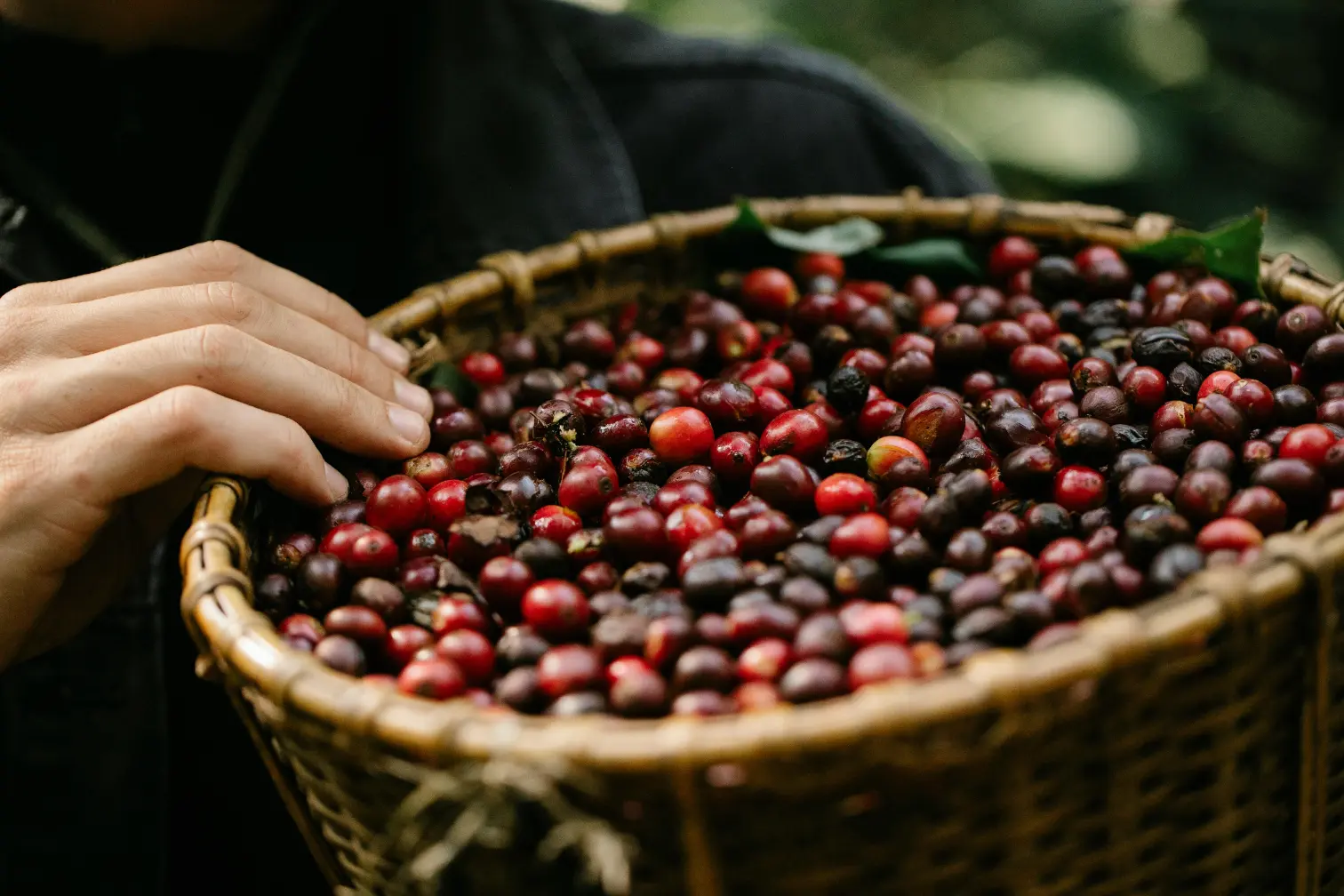
Understanding this genuine quality shift matters directly for how businesses approach sourcing decisions, since specialty robusta coffee opens up applications that commodity grade Robusta was never well suited to support. Working with a genuine specialty coffee supplier capable of providing lot specific cupping data and documented processing methods matters considerably when sourcing specialty robusta coffee specifically, since the category’s relative novelty means quality claims deserve closer verification than a more established Arabica specialty purchase might require from an already well understood supplier landscape. Buyers should specifically ask for Fine Robusta cupping scores using the Coffee Quality Institute’s dedicated protocol, rather than accepting a general specialty claim without this specific documentation, since the category’s newer status means marketing language sometimes outpaces genuine, verifiable quality behind a given claim.
Sourcing Specialty Robusta for Your Business
Businesses building a broader specialty coffee wholesale program around this category specifically should confirm a prospective supplier can maintain genuine Fine Robusta consistency at real commercial volume, not just in an occasional standout sample batch, since delivering specialty quality reliably at scale represents a meaningfully harder operational bar than producing one excellent lot under ideal conditions.
A dedicated robusta coffee wholesale relationship built specifically around this differentiated category, rather than a general Robusta purchase that happens to include some specialty lots, gives buyers more consistent access to the documentation and quality verification genuine specialty positioning actually requires.
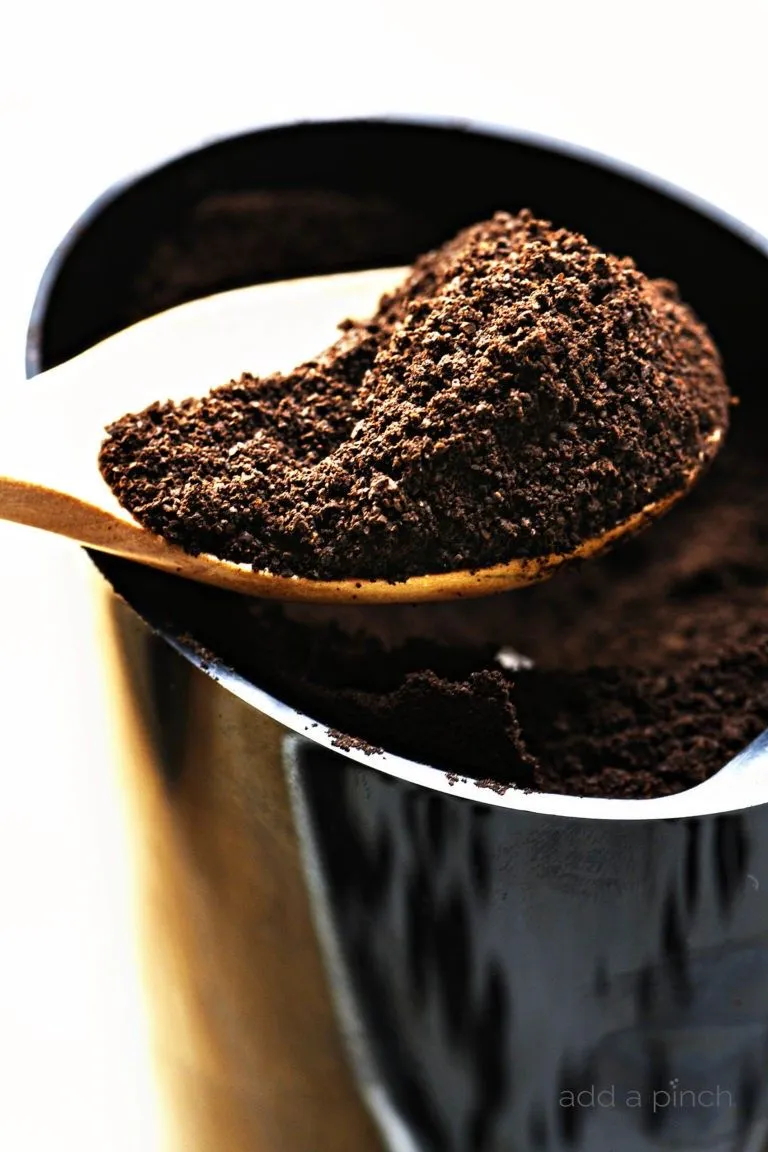
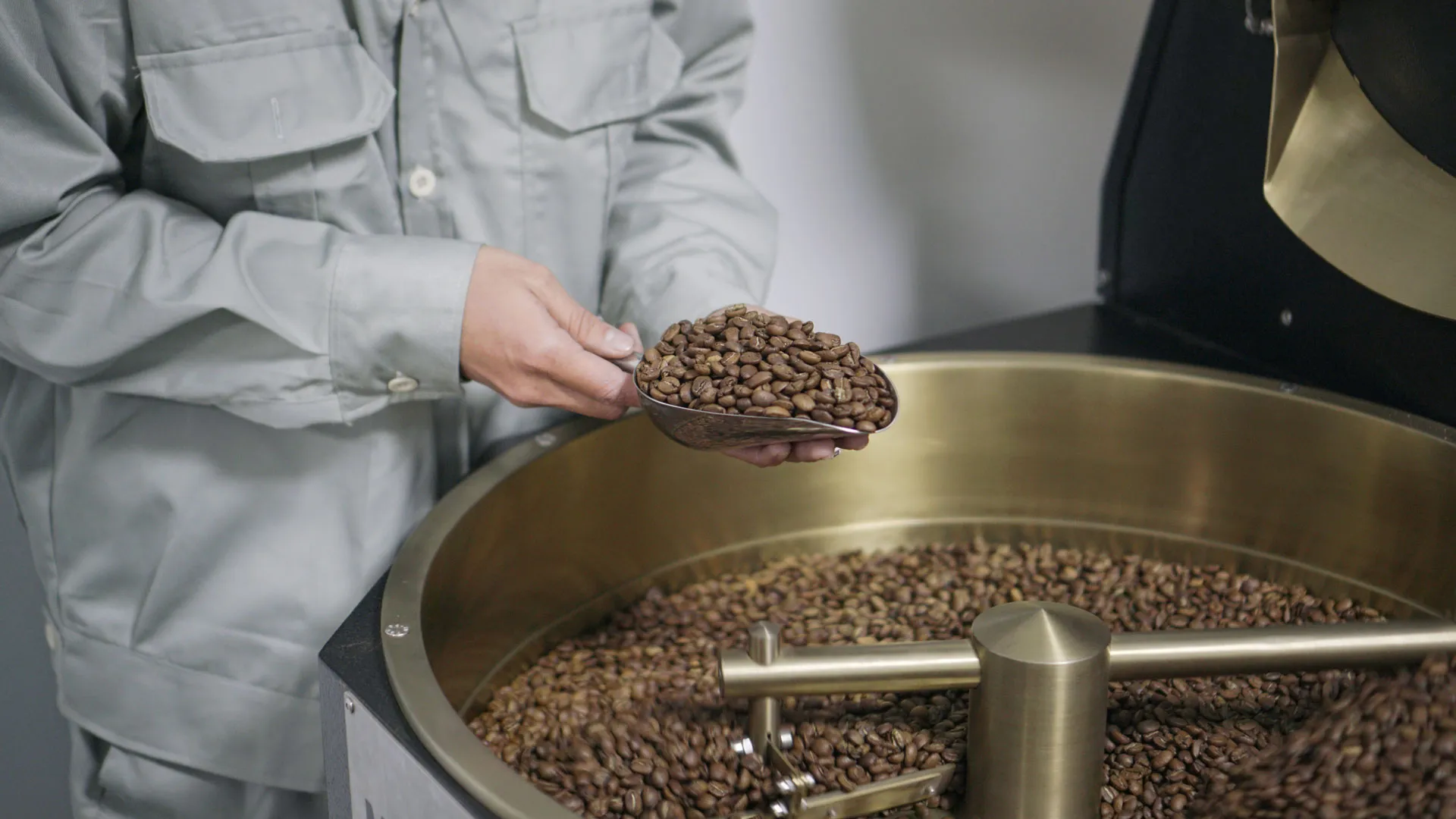
For businesses building a roasted or ground coffee product line specifically around this differentiated flavor category, working with a ground coffee supplier who understands how to calibrate grind and roast profile to actually showcase Fine Robusta’s distinctive characteristics, rather than applying a standard commodity Robusta approach that would mask these qualities, matters considerably for actually delivering on the category’s genuine potential. A roast profile developed for commodity Robusta typically pushes darker specifically to mask harshness and inconsistency, an approach that would similarly obscure the more delicate sweetness and complexity genuine Fine Robusta actually offers, meaning a supplier’s roasting approach needs deliberate recalibration to actually let this improved quality show through in the finished cup.
Instant coffee wholesale production built around specialty robusta coffee represents a particularly interesting application given the format’s traditional association with commodity grade Robusta specifically, and a manufacturer committed to freeze drying Fine Robusta specifically, preserving more of the aromatic complexity that standard spray drying would otherwise destroy, can produce a genuinely differentiated premium instant coffee unlike most commodity grade soluble products currently available in the broader market. This combination remains relatively uncommon precisely because it requires two distinct quality investments most manufacturers don’t pursue simultaneously, genuine Fine Robusta sourcing at the green coffee stage, and freeze drying technology capable of actually preserving that quality through the manufacturing process, meaning buyers who find a supplier genuinely capable of both are accessing a meaningfully differentiated product within an instant coffee category still largely defined by standard commodity approaches.
Getting Started
Whether you were simply curious what specialty robusta coffee actually means or the question led you to think more seriously about this category as a genuine sourcing opportunity, understanding the real farming, processing, and market changes behind this shift gives you a genuinely informed foundation for evaluating whether it fits your own product goals. Curious what genuine specialty robusta coffee from Vietnam’s Kon Tum highlands actually tastes like? Request a sample from 1300’S Coffee to experience Fine Robusta quality firsthand.
Read more: How to Choose an Organic Coffee Supplier You Can Trust


1300s BLOG YOU MAY ALSO BE INTERESTED IN
How to Source Coffee Beans A Practical Guide for First Time Buyers
Wholesale Ground Coffee Suppliers for Businesses Sourcing Ready to Brew Products
How to Start a Coffee Import Business A Complete Guide