


Arabica Coffee Supplier Delivering Consistent Quality Direct from Vietnam Farms
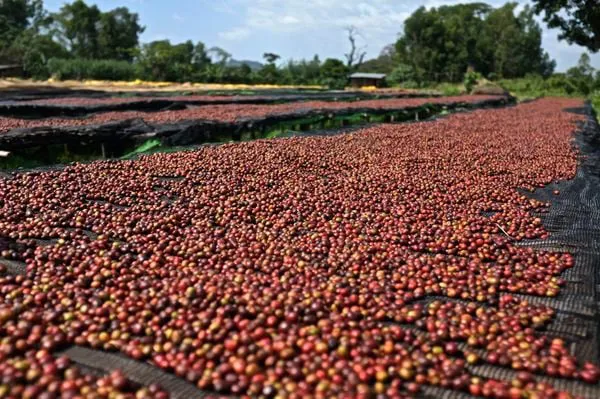
Vietnam’s reputation as a coffee origin is built almost entirely on Robusta, which makes buyers searching for an Arabica coffee supplier here reasonably cautious. The skepticism is fair, but incomplete: Vietnam does grow Arabica, in real volume, concentrated in specific high-altitude regions where the climate produces genuinely distinct flavor characteristics. This guide covers where that Arabica actually comes from, how quality is graded and maintained, what separates a supplier working directly with farms from one buying through intermediaries, and what to expect when sourcing Vietnamese Arabica alongside the country’s more familiar Robusta.
Where Vietnam’s Arabica Actually Grows
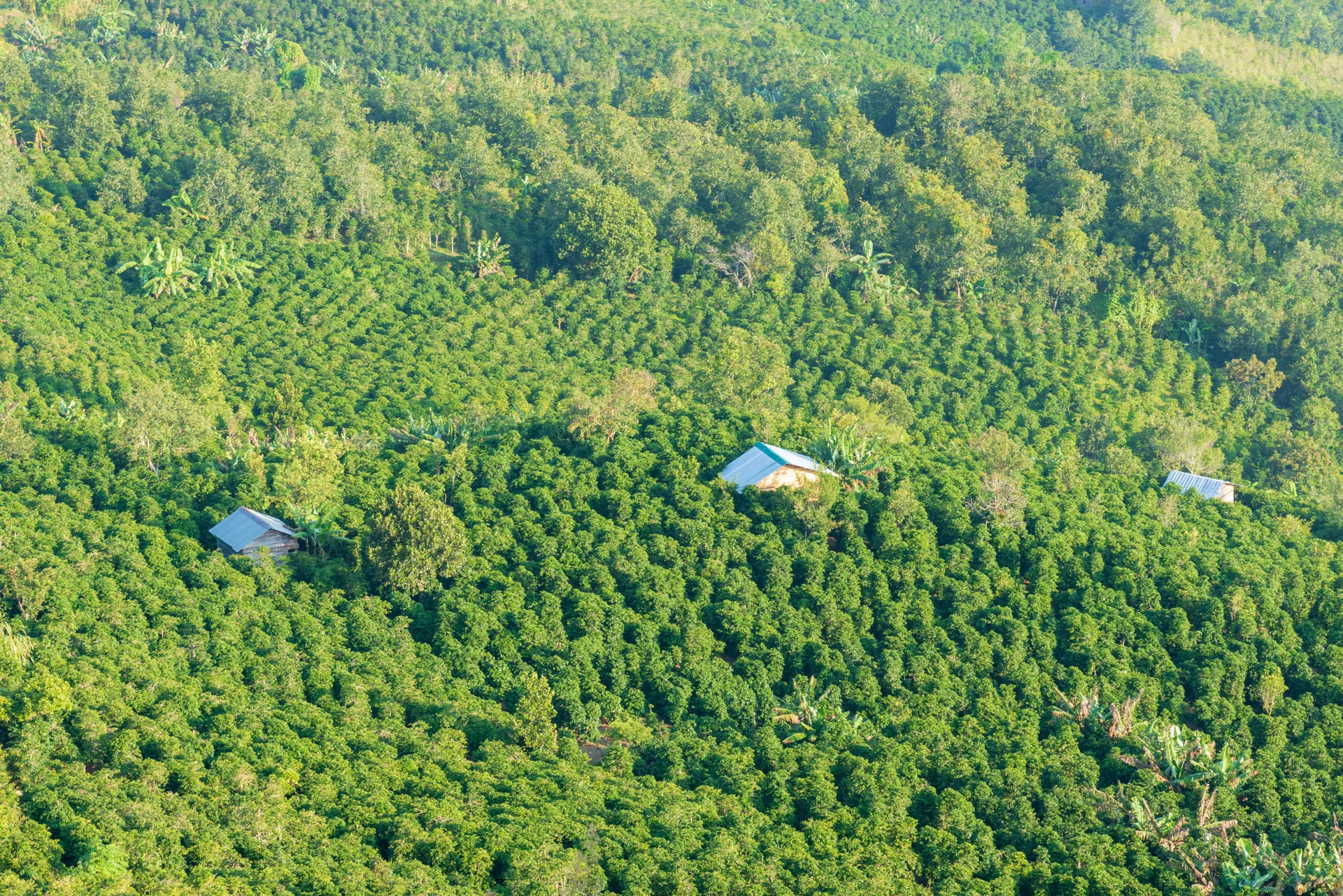
Arabica accounts for a much smaller share of Vietnam’s total coffee production than Robusta, but it isn’t a marginal afterthought where it does grow. The country’s Arabica production concentrates in higher-altitude zones where lowland heat and humidity, ideal for Robusta, don’t suit the more temperature-sensitive Arabica plant. The main regions include Lam Dong province around Da Lat, long considered Vietnam’s most established Arabica-growing area, Son La in the mountainous north, Quang Tri along the central coast’s inland hills, and Kon Tum, including the Mang Den highlands at elevations around 1,300 meters.
Where Vietnam’s Arabica Actually Grows
The dominant varietal grown across these regions is Catimor, a Robusta-Arabica hybrid bred for disease resistance, though some farms also cultivate Bourbon and Typica in smaller quantities, generally at the higher end of the altitude range where these more traditional but less disease-resistant varietals perform better. An Arabica coffee supplier working across multiple regions should be able to speak specifically to which varietal a given lot represents, since this affects both flavor and how the beans should be processed and roasted.
What “Direct from Farms” Actually Means for Quality Consistency
The phrase “direct from farms” gets used loosely across the industry, so it’s worth being precise about why it matters. Coffee bean providers, a broad term covering everyone from brokers to large trading companies, don’t necessarily have any direct relationship with the farms their coffee comes from; many aggregate supply from multiple intermediary layers before it reaches an exporter. Coffee beans distributors typically go a step further removed still, holding and reselling coffee that’s already been processed and graded by someone else entirely.
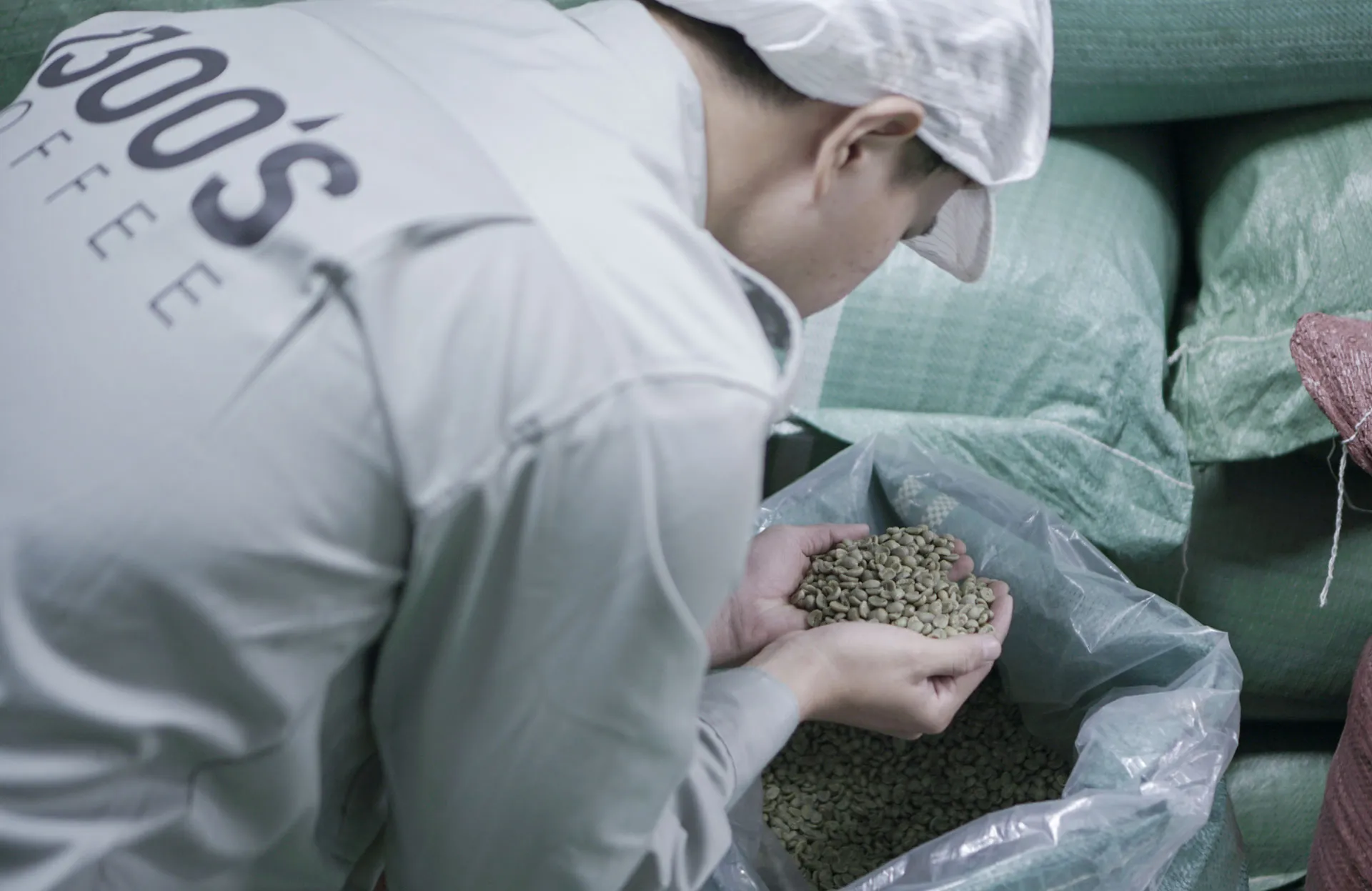
An Arabica coffee supplier working directly with farming partners, rather than through this kind of layered intermediary chain, has a meaningfully different relationship with quality control. Harvest timing, picking selectivity (hand-picking ripe cherries specifically, rather than strip harvesting regardless of ripeness), and initial processing decisions all happen under direct oversight, which is where consistency either gets built in or lost. Buyers evaluating a supplier’s claim of direct farm sourcing should ask specifically how many farms or growing households the relationship covers, how long those relationships have been in place, and whether the supplier can trace a specific lot back to a specific farm or growing area rather than a blended regional pool.
Arabica Grading and Quality Standards
Vietnamese Arabica is graded against the same fundamental criteria used globally, though buyers should expect a supplier to provide lot-specific data rather than a general quality claim:
- Screen size, typically 15 and above for export-grade Arabica, indicating bean size consistency within a lot.
- Moisture content, generally targeted around 10-12% for green coffee ready for export and long-distance shipping.
- Defect count, evaluated against standards like the international ISO 10470 classification table, with specialty grade lots held to a stricter threshold than commercial grade.
- Cupping score, evaluating aroma, flavor, acidity, body, and aftertaste, which is what actually distinguishes a specialty-positioned lot from a commercial grade one regardless of screen size or moisture specs alone.
Vietnamese Arabica from higher-altitude regions like Da Lat and Kon Tum tends to show brighter acidity and more complex body than the country’s lowland Robusta, characteristics that specialty buyers specifically look for, though quality still varies meaningfully by farm, altitude, and processing method within these regions, which is why lot-specific documentation matters more than a general regional reputation.
Processing Methods Used for Vietnamese Arabica
Processing method affects Arabica’s cup profile more noticeably than it does Robusta, and Vietnamese producers now work across the same range of methods used in more established Arabica origins. Washed processing produces a cleaner, brighter cup, favored by buyers wanting a more neutral base for blending or highlighting varietal character directly. Natural and honey processing, involving drying the cherry with some or all of the fruit still intact, produce fuller body and more pronounced fruit-forward notes, and have become increasingly common among Vietnamese Arabica producers targeting specialty positioning specifically. An Arabica coffee supplier should be able to confirm which processing method was used for a given lot and explain how that choice affects the resulting flavor profile, rather than treating processing as an incidental detail.
Harvest Season and Supply Planning
Vietnam’s Arabica harvest generally runs from October through January, depending on the specific region and elevation, with higher-altitude areas typically harvesting slightly later than lower-elevation zones within the Arabica-growing range. Buyers planning recurring orders should factor this seasonality into their sourcing calendar, since fresh crop availability, and pricing, shift meaningfully between harvest and off-season periods. A reliable supplier should be transparent about current crop year and moisture data at the time of quotation, rather than allowing a buyer to assume freshness without confirmation.
Arabica vs Robusta: What Buyers Should Know When Sourcing Both
Many buyers sourcing Arabica from Vietnam are also sourcing Robusta, whether for blending or to serve separate product lines, and it’s worth understanding how the two fit together within a single supplier relationship. Robusta coffee beans suppliers operating in Vietnam draw on a far larger production base than Arabica, given the country’s position as the world’s largest Robusta producer, and increasingly offer Fine Robusta grades produced through the same kind of careful processing traditionally associated with specialty Arabica. Buyers sourcing robusta coffee wholesale volume alongside Arabica should confirm a supplier can maintain the same grading transparency and consistency across both varietals, rather than being strong in one and treating the other as a secondary offering. Working with a single Arabica coffee supplier capable of also supplying Robusta at the required grade and volume simplifies logistics considerably compared to managing separate relationships for each varietal.
Green Bean and Wholesale Supply Options
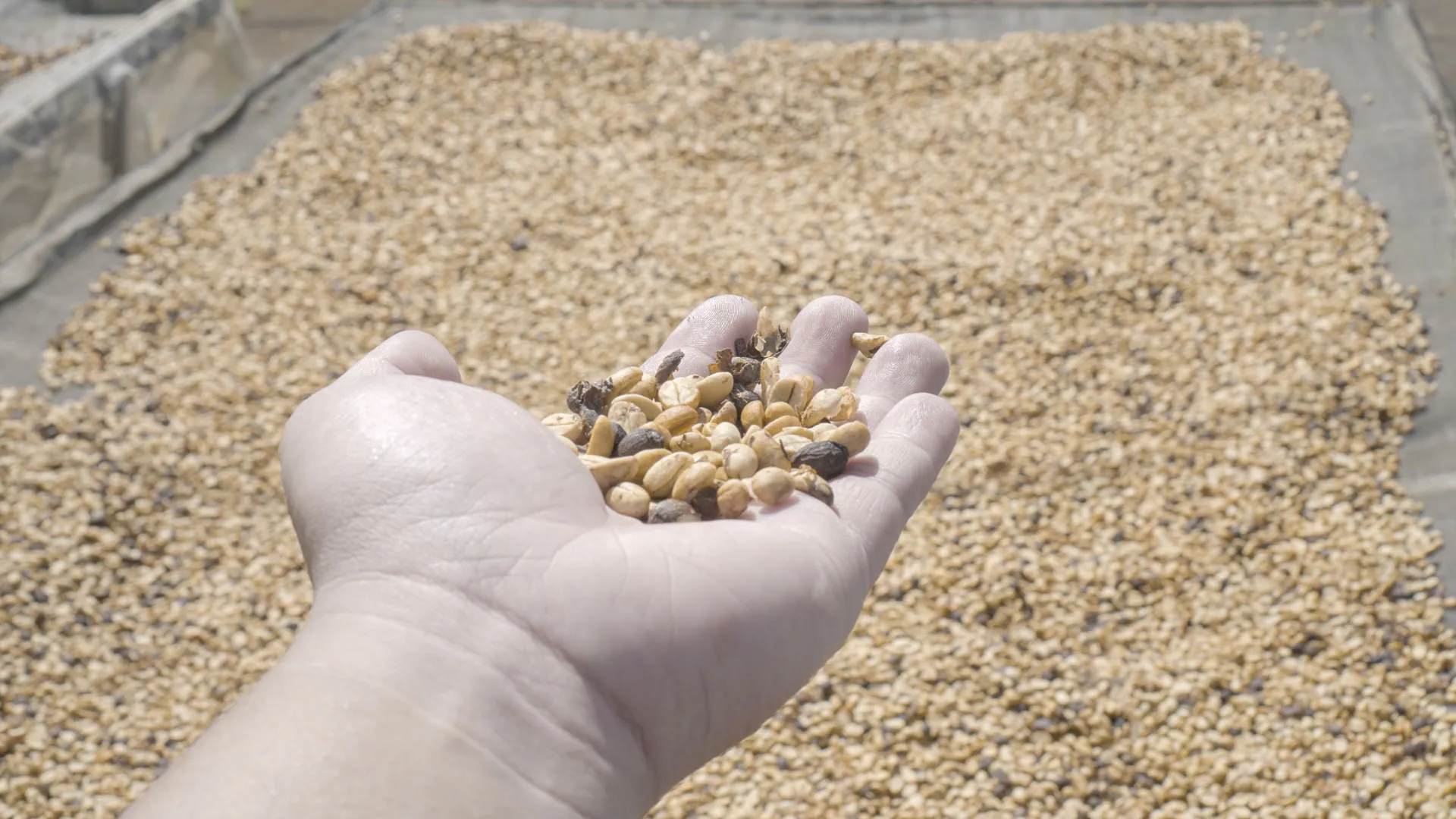
Roasters who prefer to control their own roast profile need green bean wholesale access to unroasted Arabica, graded and documented to their specifications rather than a finished roasted product. This requires the same lot-level transparency described above, screen size, moisture, defect count, crop year, and processing method, regardless of order volume. Buyers purchasing larger coffee bean suppliers wholesale volumes should also confirm packaging standards for green bean shipments, since Arabica’s more delicate flavor profile is more sensitive to quality degradation from inadequate packaging than commodity grade Robusta during long transit. Evaluating what separates the best coffee bean suppliers in this category comes down to the same core factors regardless of varietal: consistent grading, transparent documentation, and reliable delivery on a predictable schedule.
Green Bean and Wholesale Supply Options
Specialty Grade Arabica for Premium Buyers
Buyers building a premium or single-origin product line need more than standard export grade Arabica; they need a genuine specialty coffee supplier capable of providing lot-specific cupping data and documented processing methods rather than a general specialty label applied loosely. Vietnamese Arabica from specific high-altitude farms, processed through washed, honey, or natural methods and evaluated through formal cupping, increasingly meets this bar, though buyers should request cupping scores and defect counts directly rather than assuming specialty quality based on origin or altitude claims alone. Buyers sourcing specialty coffee wholesale volume specifically should also confirm the supplier can maintain that quality consistently at the batch sizes required, since specialty-grade consistency at genuine wholesale volume is a real operational challenge, not just a sourcing formality.
Who This Kind of Supplier Serves
An Arabica coffee supplier working directly from Vietnam’s high-altitude farms tends to serve a few recurring buyer types: roasters building single-origin or blend components requiring Vietnamese Arabica’s specific flavor characteristics, private label and OEM brands developing a custom formulation around Vietnamese origin coffee, and distributors and importers looking to add a documented, traceable Arabica option to their existing Robusta-focused Vietnamese sourcing.
Why 1300’S Coffee Delivers Consistent Arabica Quality
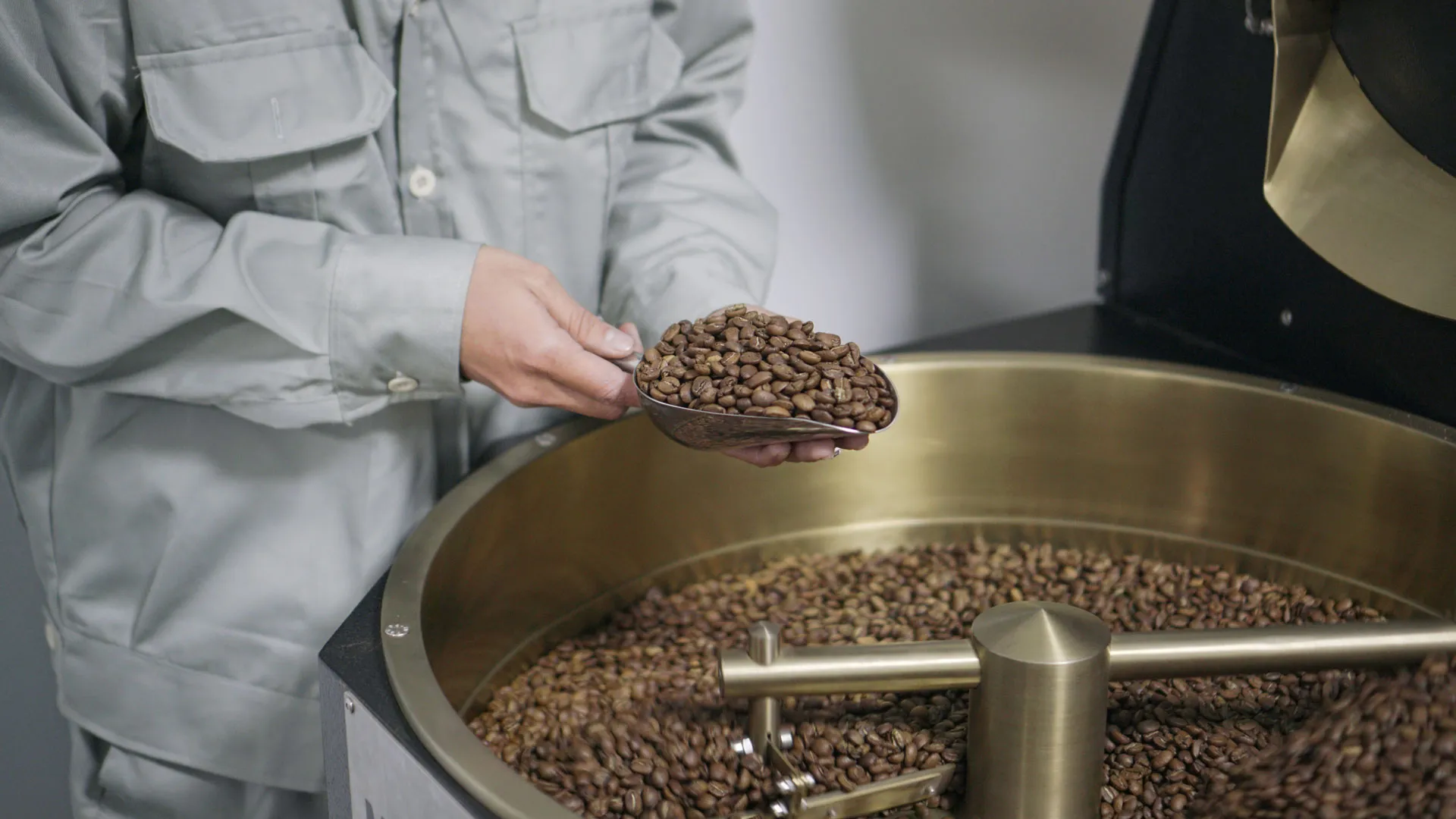
1300’S Coffee sources Arabica directly from farming partners in the Mang Den highlands of Kon Tum province, at elevations around 1,300 meters, managing the relationship from harvest through processing and grading under one vertically integrated operation rather than through intermediary layers. Quality control runs through an in-house lab, providing lot-specific cupping data and defect documentation rather than a general quality claim. The company holds ISO 22000, HACCP, FDA, and OCOP certifications, supports both washed and natural processing methods depending on the lot, and offers Arabica alongside Robusta sourcing, green bean wholesale supply, and finished private label formats. Buyers can also visit the origin directly through the company’s Kon Tum farm tour program to see harvest and processing firsthand.
Getting Started
Buyers evaluating an Arabica coffee supplier should request a cupping sample specific to the current crop, confirm processing method and grading data for the lot in question, and clarify harvest timing against their own order schedule before committing to volume. Looking for a reliable Arabica coffee supplier sourcing direct from Vietnam’s high-altitude farms? Request a sample and cupping data from 1300’S Coffee to evaluate quality and consistency firsthand.
Read more: Coffee Beans Distributors Supplying Roasters and Retailers Across Global Markets


1300s BLOG YOU MAY ALSO BE INTERESTED IN
How Specialty Coffee Is Exported from Vietnam
Arabica Coffee Supplier Delivering Consistent Quality Direct from Vietnam Farms
Are Vietnamese Coffee Beans Good? A Scientific Answer for Roasters