


Roasted Coffee Supplier Delivering Consistent Flavor Profiles for Global Buyers
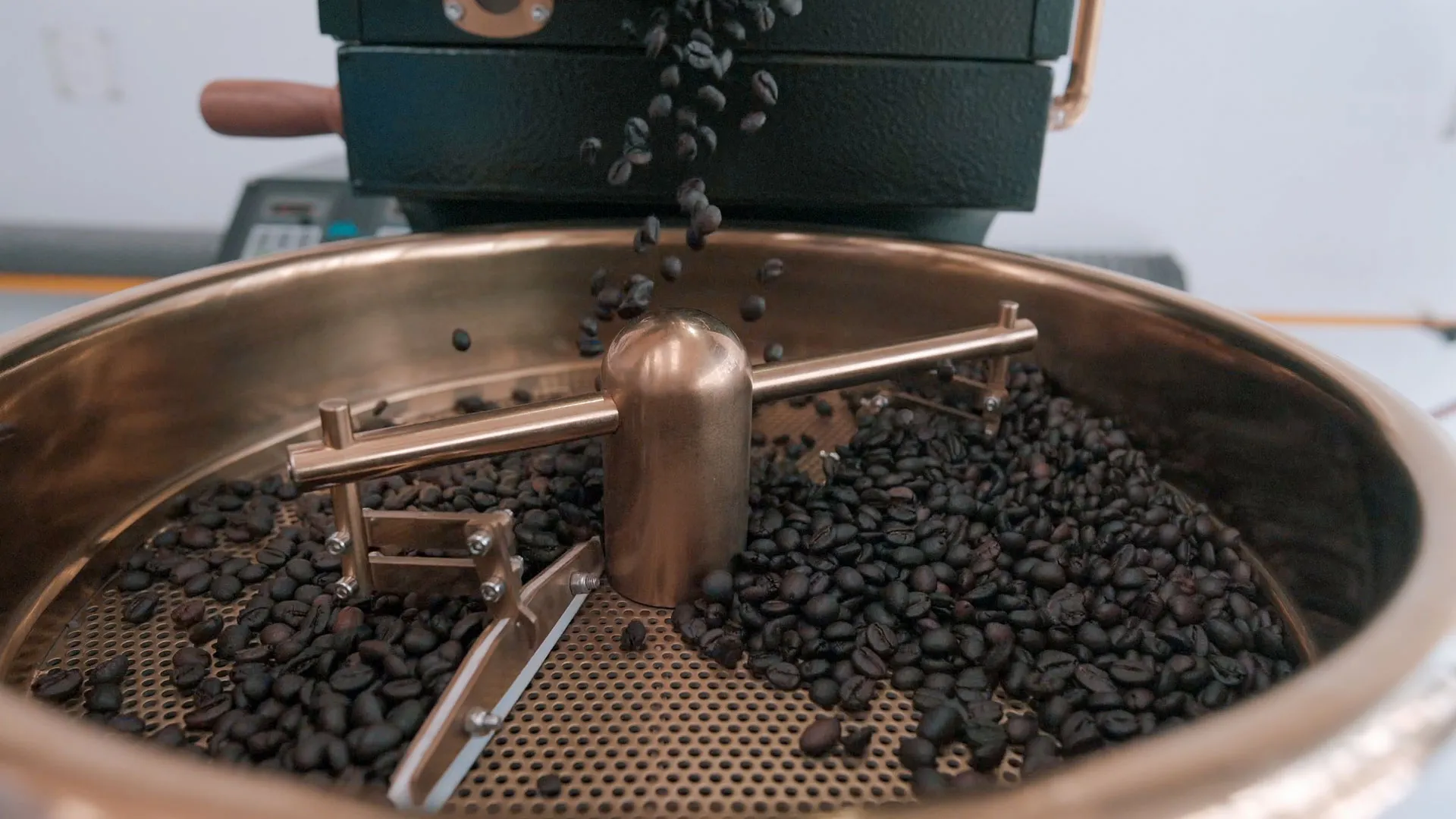
Roasting is where a coffee’s final flavor is actually decided, and it’s also where consistency most commonly breaks down between suppliers. Two shipments of beans from the same origin and grade can taste noticeably different depending entirely on how carefully the roast was controlled and documented, which is why evaluating a roasted coffee supplier requires looking well past origin and grade alone. This guide covers what genuine flavor consistency requires from a roaster, how roast level affects different buyer needs, and what global buyers should confirm before committing to a wholesale or bulk roasted coffee relationship.
What “Consistent Flavor Profile” Actually Requires From a Roaster
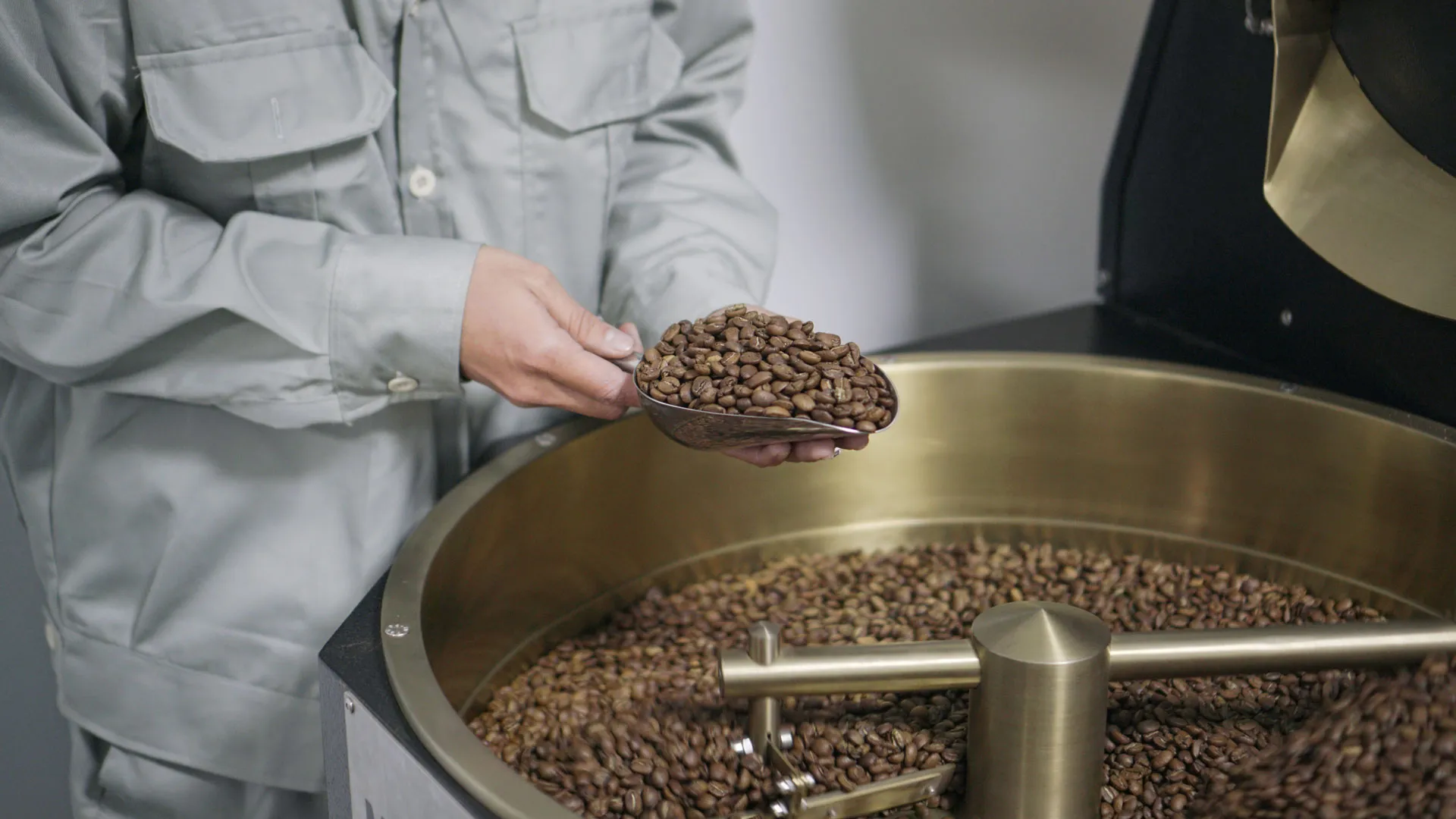
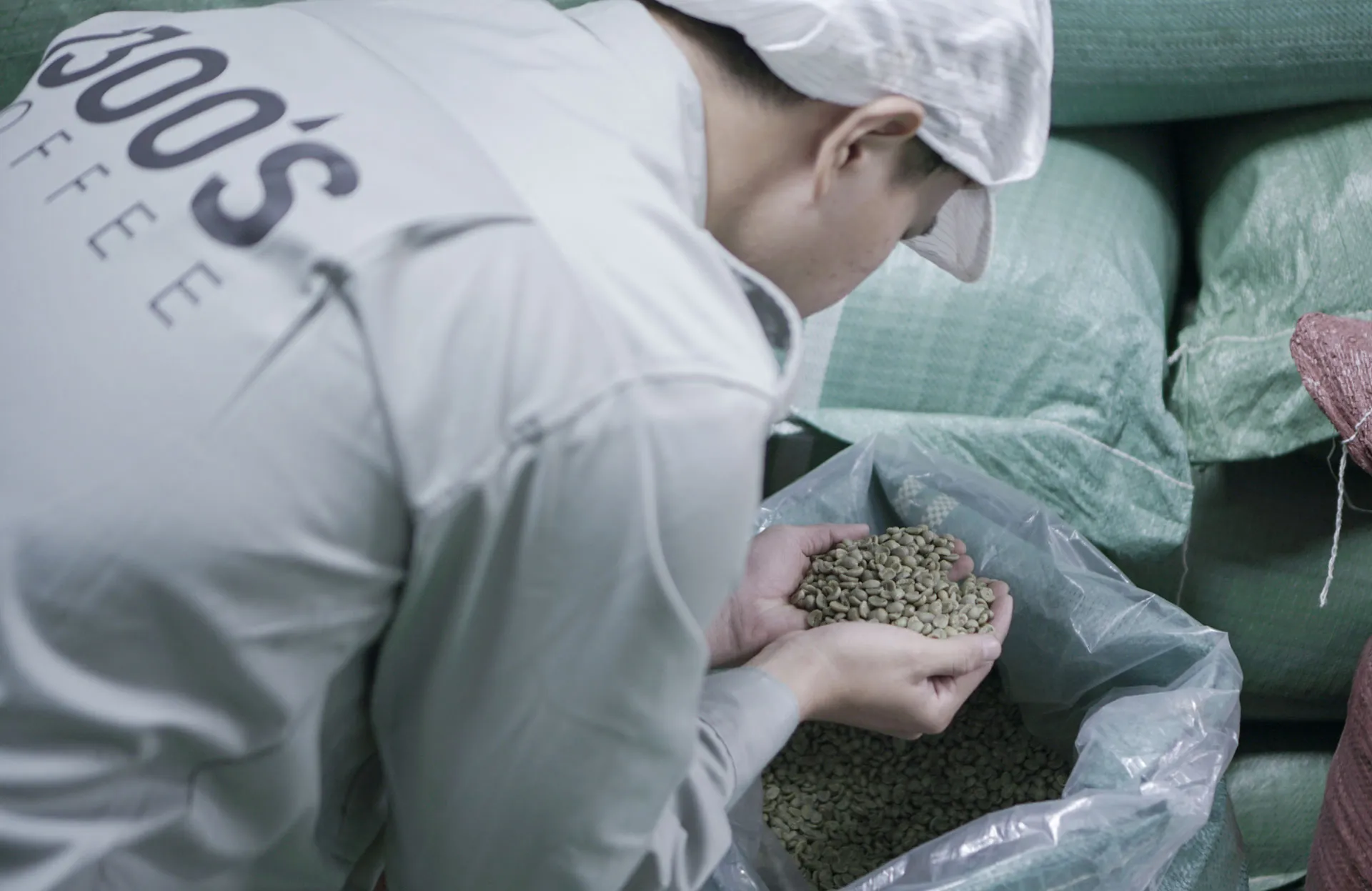
Consistency doesn’t happen by accident, it requires a roaster to document and repeat a specific roast curve, the precise temperature and timing profile applied during roasting, across every production run rather than relying on an individual roaster’s judgment each time. A capable roasted coffee supplier logs this data for every batch and can demonstrate that a formulation approved during initial sampling matches what actually ships months later. Green bean consistency feeds directly into this too, since even a perfectly repeated roast curve produces different results if the underlying green coffee varies in moisture, density, or defect count between shipments, which is why a roaster with direct control over sourcing tends to deliver more consistent results than one purchasing green coffee from a rotating pool of secondary sources. Buyers evaluating a new supplier should ask directly whether roast profiles are logged and repeatable, and should request cupping data comparing an initial sample against a more recent production run to confirm consistency claims hold up in practice rather than only in a first impression.
Roast Levels and What They Mean for Different Buyers
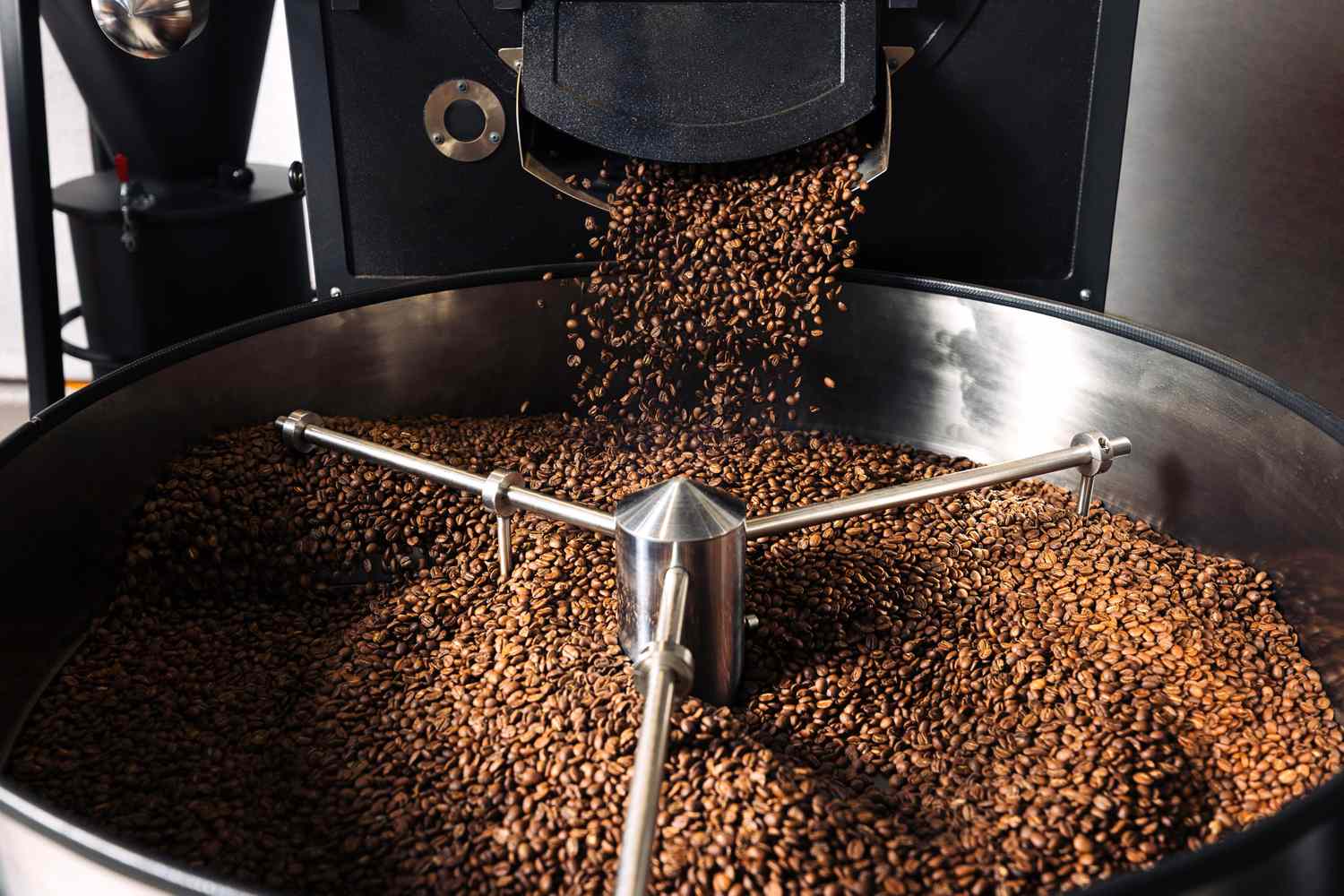
Roast level itself is a formulation decision with real implications for how a buyer’s final product performs. Light roasts preserve more of the origin’s inherent acidity and complexity, generally favored by specialty buyers and single-origin product lines where showcasing a bean’s specific character matters more than a bold, familiar coffee flavor. Medium roasts balance origin character against the fuller body and reduced acidity many mainstream retail and hospitality buyers expect from a general-purpose coffee. Dark roasts prioritize bold, low-acidity flavor and tend to mask subtle origin differences, which suits espresso-forward positioning and buyers prioritizing a strong, consistent flavor across variable bean lots more than origin transparency. A roasted coffee supplier should be able to execute reliably across this full range rather than defaulting every order toward whichever roast level their equipment or staff happen to be most comfortable with, since a buyer requesting a specific light roast profile from a roaster whose real strength is dark roast production is a mismatch worth catching before a large order rather than after.
Roast Levels and What They Mean for Different Buyers
Freshness and Packaging for Roasted Coffee
Roasted coffee has a meaningfully shorter usable freshness window than green coffee, and packaging decisions affect that window directly. Freshly roasted beans release carbon dioxide for days after roasting, which is why proper packaging includes a one-way degassing valve, allowing gas to escape without letting oxygen in, a detail that matters more than buyers new to roasted coffee sourcing often expect. Barrier packaging that blocks light and oxygen exposure extends shelf life considerably compared to standard packaging, relevant for buyers shipping internationally where transit time alone can consume a meaningful share of the coffee’s peak freshness window. Buyers sourcing roasted coffee wholesale volume should confirm a supplier’s standard packaging specifications and ask specifically about roast-to-ship timing, since coffee sitting in a warehouse for weeks between roasting and shipment arrives in noticeably worse condition than coffee roasted closer to its actual departure date.
What to Look for in Roasted Coffee Beans Suppliers
Beyond roast consistency and packaging, a few additional factors separate reliable roasted coffee beans suppliers from those less equipped for a recurring international relationship. Certifications appropriate to the destination market, ISO 22000 and HACCP at minimum, with FDA registration for US-bound shipments, remain close to non-negotiable for customs clearance and retail compliance. Direct sourcing control, whether through owned green coffee supply or documented farmer partnerships, tends to produce more consistent roasting outcomes than a roaster working from green coffee purchased through a fragmented trading chain. And a track record of export documentation and on-time shipping matters just as much as the coffee itself, since even excellent roasted coffee is only useful to an international buyer if it clears customs and arrives on schedule.
Wholesale and Bulk Roasted Coffee Considerations
Buyers sourcing wholesale roasted coffee bean suppliers for recurring supply, rather than a single order, should confirm a few additional details specific to scaling a relationship. Minimum order quantities and lead times should be clarified for the buyer’s specific roast profile and packaging format, since these can vary meaningfully within a single supplier’s product range. Buyers planning a large bulk roasted coffee order for the first time should request a smaller trial shipment to confirm the roaster’s consistency claims hold up before committing to a full recurring schedule, since a strong single sample doesn’t guarantee the same quality across a much larger production run. And buyers building a premium or single-origin line specifically should confirm a roaster’s capability as a genuine specialty coffee supplier, with lot-specific cupping data and documented processing methods, rather than assuming a supplier capable of high-volume commercial grade roasting automatically extends the same precision to smaller, more differentiated specialty batches.
Why 1300’S Coffee Delivers Consistent Roasted Flavor
1300’S Coffee manages roasting as part of a vertically integrated operation based in the Mang Den highlands of Kon Tum province, controlling green coffee sourcing through direct farmer partnerships and managing roast profile development and production under one structure rather than through separate, disconnected suppliers. Roast curves are logged and validated through an in-house lab, supporting consistency across production runs rather than relying on individual judgment each cycle. The company holds ISO 22000, HACCP, FDA, and OCOP certifications relevant to global buyers, and supports roast level customization across light, medium, and dark profiles alongside private label packaging suited to international shipping and shelf-life requirements.
Getting Started
Buyers evaluating a roasted coffee supplier should request cupping samples comparing an initial batch against a more recent production run, confirm packaging and roast-to-ship timing directly, and start with a trial order before committing to a full recurring wholesale or bulk volume relationship. Looking for a roasted coffee supplier that delivers the same flavor profile order after order? Request a sample and production consistency data from 1300’S Coffee to evaluate quality firsthand.
Read more: Why 1300’S Coffee Is a Trusted Drip Coffee Supplier from Vietnam


1300s BLOG YOU MAY ALSO BE INTERESTED IN
The Rise of Vietnam’s Specialty Coffee Industry
1300’S Coffee Hosts Visitors for a Tour of Its Kon Tum Factory
Arabica Coffee Beans Supplier Delivering Specialty Grade Quality to Global Roasters