


How to Choose an Organic Coffee Supplier You Can Trust
Finding a genuinely trustworthy organic coffee supplier means looking well past a logo printed on packaging, since organic claims in the coffee industry range from rigorously verified and audited to loosely applied marketing language with considerably less substance behind it. This gap matters more than it might initially seem, since a business building its own brand reputation around an organic sourcing claim inherits real risk if that underlying certification doesn’t actually hold up once a customer, competitor, or regulator scrutinizes it directly. This guide covers what organic certification actually requires, the specific red flags that suggest a supplier’s organic claim may not hold up to scrutiny, and the direct questions buyers should ask before committing to a relationship built around this specific credential.
How to Choose an Organic Coffee Supplier Where to Start
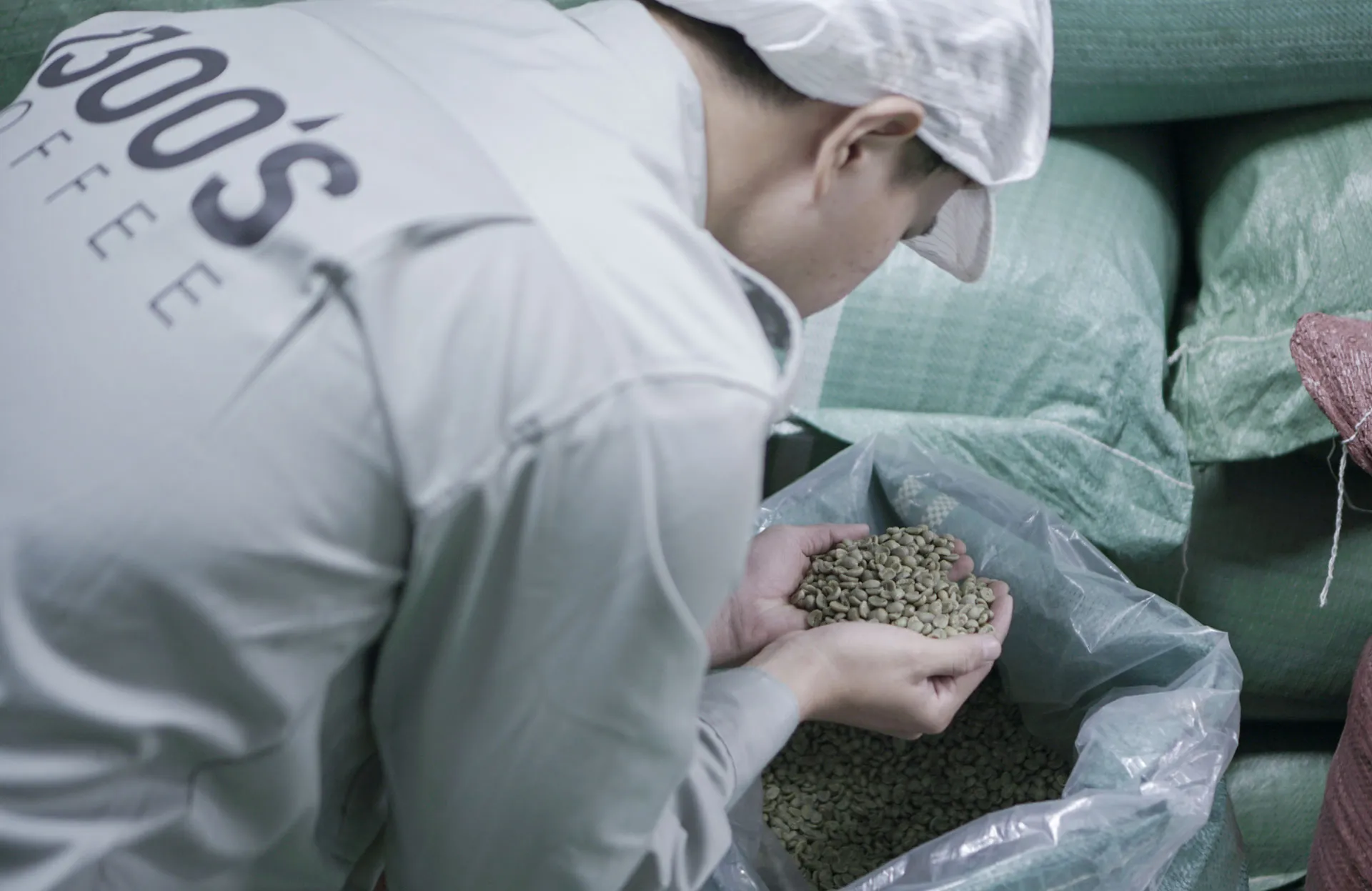
Choosing an organic coffee supplier starts with understanding that organic certification is a formal, audited process with specific requirements, not simply a description a grower or exporter can apply based on their own general farming philosophy. This distinction matters enormously, since a supplier genuinely committed to organic practices should hold documented certification from a recognized body, and a buyer’s first step should always be requesting and verifying that documentation directly rather than accepting a verbal or marketing based assurance alone. This same verification discipline applies whether you’re evaluating a supplier for green beans, a ground coffee supplier for a ready to brew product line, or any other specific format, since the underlying certification question doesn’t change based on which finished product a business eventually builds around that certified coffee.
How to Choose an Organic Coffee Supplier Where to Start
Understanding Organic Certification Standards
Before evaluating any specific supplier, it helps to understand what organic certification actually verifies and why the process involves more rigor than many buyers initially assume.
USDA Organic and EU Organic Requirements
USDA Organic certification, required for coffee marketed as organic within the United States, verifies that coffee was grown without synthetic pesticides, herbicides, or fertilizers, following specific agricultural standards enforced through regular farm inspection and soil testing. EU Organic certification follows a broadly similar framework for coffee entering European markets, though the specific inspection bodies and documentation requirements differ somewhat between these two major certification systems, meaning a supplier holding one certification doesn’t automatically qualify for the other without separate verification specific to each market’s distinct requirements. Achieving either certification typically requires a multi-year transition period during which a farm must follow organic practices without yet being able to sell coffee at organic certified prices, a genuine financial burden that partly explains why organic certification remains less universal among smaller producers than some buyers might otherwise expect given how straightforward the underlying farming practices themselves might sound on paper.
Why Certification Requires Ongoing Verification Not a One Time Check
Organic certification isn’t a permanent status achieved once and maintained indefinitely without further scrutiny, it requires periodic renewal and re-inspection, meaning a supplier’s certification status can genuinely lapse if this ongoing process isn’t maintained consistently. Buyers should confirm not just that a supplier holds organic certification, but that this certification is currently active and covers the specific product and harvest year actually being purchased, since a lapsed or outdated certification presented as current creates real risk for a buyer relying on that documentation for their own downstream marketing claims. This renewal cycle typically happens annually, and a supplier’s certification certificate should clearly display both an issue date and expiration date, information worth confirming directly rather than relying on a general impression that a company has “been organic certified for years” without checking the actual current documentation status.
Red Flags That Signal a Supplier Isn’t Genuinely Organic
Understanding common warning signs helps buyers avoid committing to a relationship built around an organic claim that doesn’t actually hold up to direct scrutiny.
Vague or Unverifiable Certification Claims
A supplier unable or unwilling to provide a specific certificate number, issuing body name, and current expiration date when asked directly about their organic status is showing a genuine red flag worth taking seriously. Legitimate organic certification is fully documented and verifiable independently through the issuing certification body, meaning any hesitation or vagueness around providing this specific information suggests the underlying certification may not actually exist or may have already lapsed without the supplier disclosing that change. Language like “grown using organic methods” or “naturally farmed without chemicals,” while it may sound reassuring, carries no formal weight or verifiability compared to an actual certificate number a buyer can independently confirm, and buyers should treat this kind of unverifiable descriptive language as meaningfully different from genuine, documented certification regardless of how sincere the underlying claim might actually be.
Certification That Doesn’t Match the Specific Product
Some suppliers hold genuine organic certification for one specific product line or farm while marketing their broader catalog under an implied organic positioning that doesn’t actually extend to every product they sell. Buyers should confirm that any organic claim applies specifically to the exact product and lot they’re actually purchasing, rather than assuming a general company level organic reputation automatically covers every individual product in that supplier’s full catalog. This mismatch often happens innocently enough, a company genuinely does hold organic certification for a portion of their production, but marketing materials or sales conversations sometimes blur the distinction between that certified portion and the broader, non-certified catalog in ways that mislead a buyer who doesn’t ask for lot specific confirmation before finalizing a purchase.
Questions to Ask Before Committing to an Organic Coffee Supplier
Beyond understanding certification standards and red flags in general terms, buyers benefit from a consistent, specific set of questions to work through with any prospective organic coffee supplier before finalizing a purchase decision. Ask for the exact certificate number and issuing body, then verify this directly with that certification body rather than relying solely on documentation provided by the supplier itself. Ask whether the certification covers the specific farm, lot, and harvest year you’re actually purchasing, since a supplier’s broader organic reputation doesn’t automatically extend to every individual product without lot specific verification. Ask how recently the certification was renewed, since organic certification requires periodic re-inspection, and a supplier unable to confirm recent renewal may be operating on outdated documentation that no longer accurately reflects their current farming practices. And ask directly how the supplier prevents cross-contamination between organic and non-organic product if their operation handles both, since this handling question matters just as much as the underlying farming practices themselves in determining whether a finished product genuinely maintains its organic integrity all the way through to the point a buyer actually receives it.
Organic Sourcing Across Different Product Formats
Organic certification considerations apply somewhat differently depending on what specific finished coffee format a business is actually building around that certified green coffee.
Organic Sourcing for Ground and Roasted Coffee
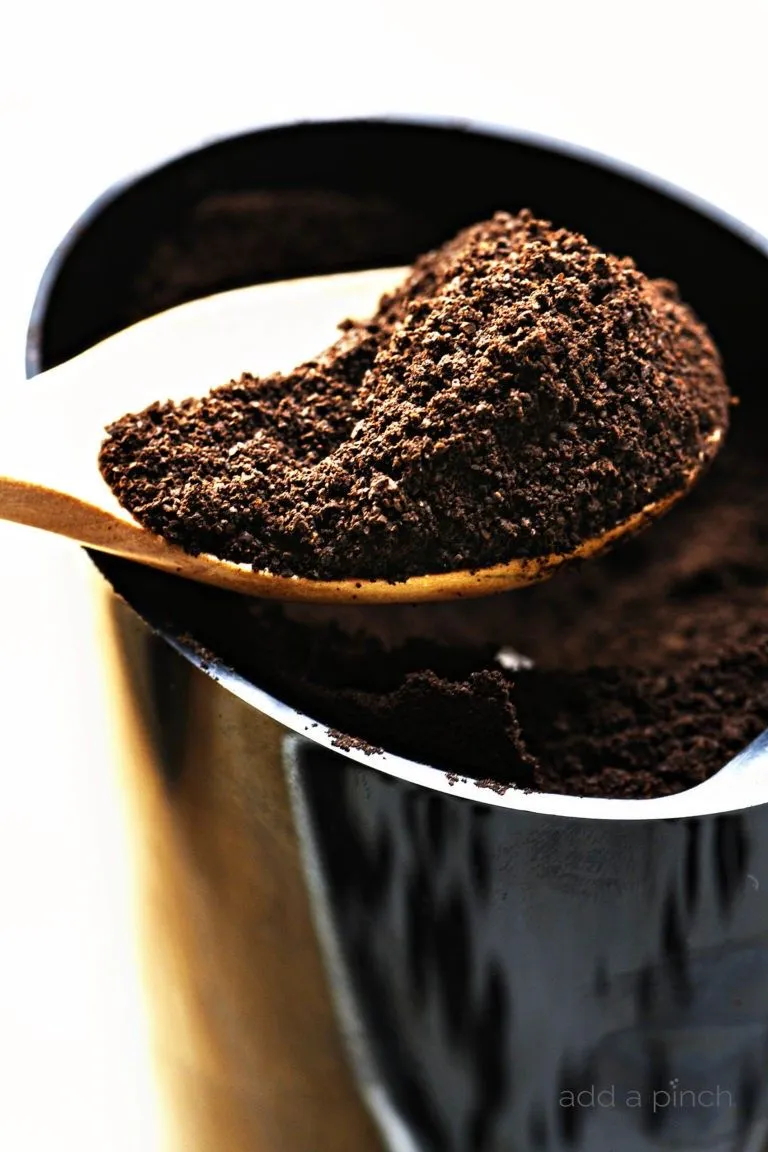
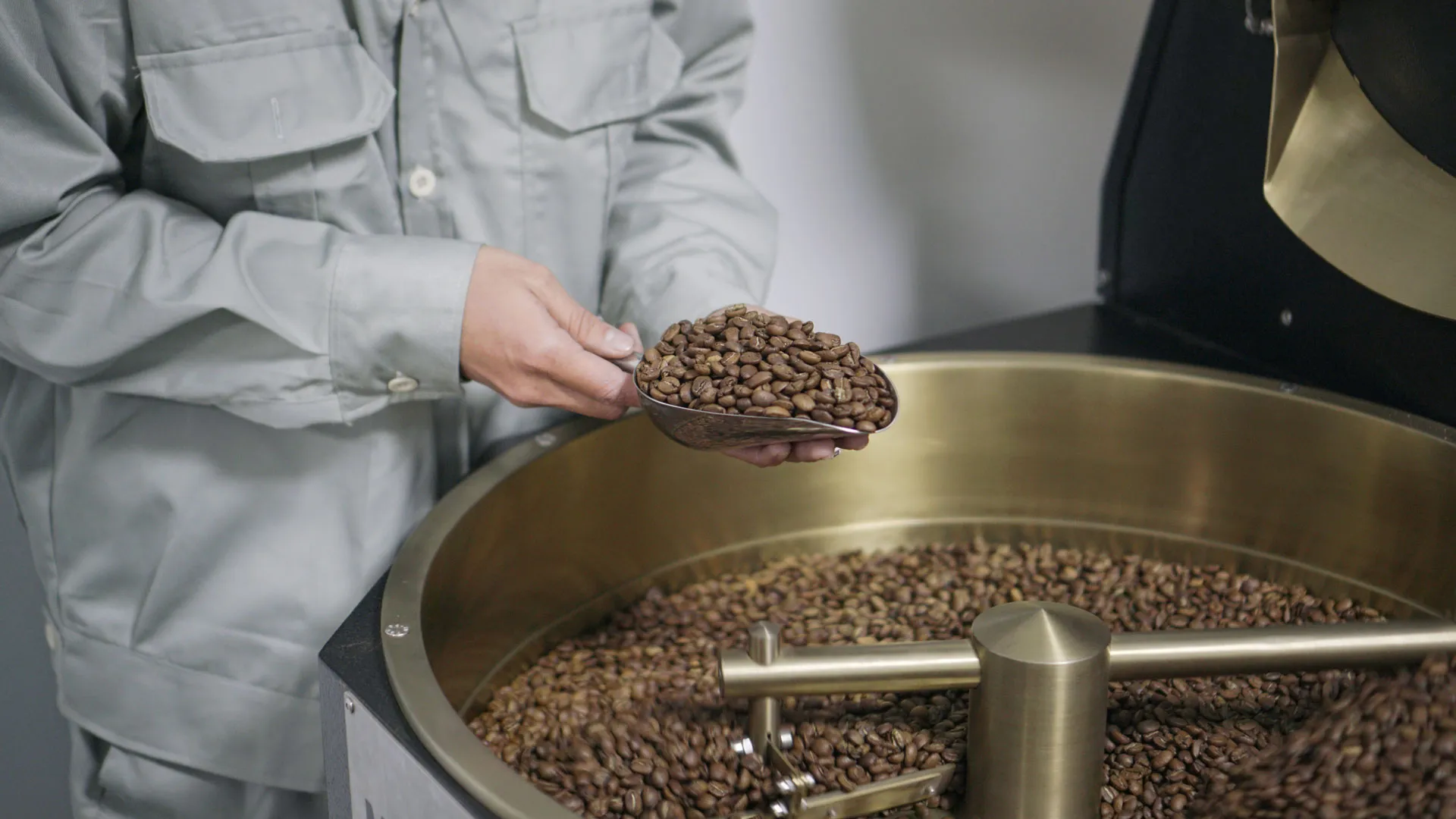
A ground coffee supplier building a genuinely organic product line needs to maintain the same certification documentation through grinding and packaging that applied to the original green coffee, since any point where uncertified product could potentially mix with certified product during processing threatens the integrity of the final organic claim. This same principle extends to roasted whole bean production, where facilities processing both organic and non-organic coffee need clear separation and documented handling procedures specifically to prevent any cross-contamination that would compromise an otherwise legitimate organic claim. Facilities serious about maintaining genuine organic integrity often schedule organic production runs separately from non-organic runs, with thorough equipment cleaning between the two, a level of operational discipline worth asking about directly rather than assuming any facility handling both product types automatically maintains adequate separation.
Organic Sourcing for Ground and Roasted Coffee
Organic Sourcing for Instant and Specialty Formats
Instant coffee wholesale production built around organic certified green coffee faces its own specific verification challenges, since the spray or freeze drying process involves additional manufacturing steps beyond simple roasting, each of which needs to maintain the same certification integrity as the earlier stages. Buyers exploring this combination specifically should confirm a manufacturer can provide documentation covering the entire production chain, not just the original green coffee purchase, since a gap anywhere in this chain undermines the finished product’s organic claim regardless of how legitimately certified the starting green coffee actually was. This matters particularly for instant coffee given how many separate processing steps, extraction, concentration, drying, and packaging, sit between the original green bean and the finished soluble product, each representing another point where organic integrity needs active, documented maintenance rather than simply being assumed to carry through automatically from the starting material.
For businesses building a broader specialty coffee wholesale program around organic positioning specifically, working with a genuine specialty coffee supplier who can provide both organic certification and the lot specific quality documentation specialty positioning separately requires represents a genuinely higher bar than either credential alone, since maintaining both dimensions consistently at real commercial volume takes more rigorous systems than either certification or quality tracking individually demands.
Buyers pursuing this combination should verify both credentials independently rather than assuming a supplier’s strength in one area automatically extends to equal rigor in the other, since specialty quality documentation and organic certification represent genuinely separate verification systems addressing different underlying questions about how a specific coffee was actually grown and processed.
Understanding the Price Premium Genuine Organic Certification Involves
Genuinely certified organic coffee typically commands a meaningful price premium over conventional coffee, and understanding why helps buyers evaluate whether a quoted price actually makes sense for the certification being claimed.
Why Organic Certification Costs More to Produce
Organic farming typically requires more labor intensive pest and weed management, without the efficiency synthetic inputs provide, along with the ongoing costs of certification renewal, inspection, and the transition period farms must complete before achieving certified status in the first place. These genuine cost drivers mean a supplier quoting organic coffee at prices barely above conventional, non-certified coffee deserves closer scrutiny, since legitimate certification costs generally translate into a price premium that’s noticeably higher than a marginal difference from standard commercial pricing.
Evaluating Whether a Quoted Premium Actually Makes Sense
A price premium that seems unusually low relative to typical organic market pricing may indicate a supplier isn’t actually absorbing the real costs certification involves, potentially signaling either a certification that doesn’t cover the full claimed scope or a supplier cutting corners somewhere in the underlying process. Conversely, an extremely high premium without clear justification also deserves questioning, since buyers should be able to understand roughly why a specific price sits where it does relative to both conventional coffee and other verified organic options available in the broader market.
Getting Started
Choosing an organic coffee supplier you can genuinely trust comes down to treating certification as something to verify directly and repeatedly, not simply a claim to accept at face value, particularly given how much a buyer’s own downstream marketing and customer trust depends on that underlying certification actually holding up to scrutiny. Building a sourcing relationship where certification questions get answered directly and honestly matters as much as the certification itself. Reach out to 1300’S Coffee to discuss your specific sourcing requirements and current certification status across our product lines.
Read more: Best Bulk Ground Coffee for Businesses Sourcing Ready to Brew Volume


1300s BLOG YOU MAY ALSO BE INTERESTED IN
How to Choose a Trusted Specialty Coffee Supplier for Global Importers
How to Brew Vietnamese Coffee A Step by Step Phin Guide
OEM Specialty Coffee: A Complete Guide for Coffee Brands