



How to Verify an Instant Coffee Manufacturer Before Importing
A polished website, a responsive sales contact, and an attractive price quote tell an importer very little about whether an instant coffee manufacturer can actually deliver what they’re claiming. Verification is a separate step from evaluation, evaluation is deciding what you need, verification is confirming a specific supplier can actually provide it, and skipping it is where a surprising number of otherwise careful importers still get caught out. This guide walks through the concrete verification steps worth taking before committing real volume to a new instant coffee manufacturer relationship.
Start With Business Registration and Export Licensing
Before any conversation about product specifications or pricing, confirm the company is a legally registered entity with valid export licensing in its home country. In Vietnam, this means checking business registration details against the national business registration portal and confirming the company holds the necessary export licenses for food products. A legitimate instant coffee manufacturer should provide this information without hesitation, business registration number, company address matching their claimed facility location, and export license documentation. Reluctance or vague answers at this stage is a meaningful early warning sign, since this is public, verifiable information that any established manufacturer should be comfortable sharing.
Request a Virtual or In-Person Factory Audit
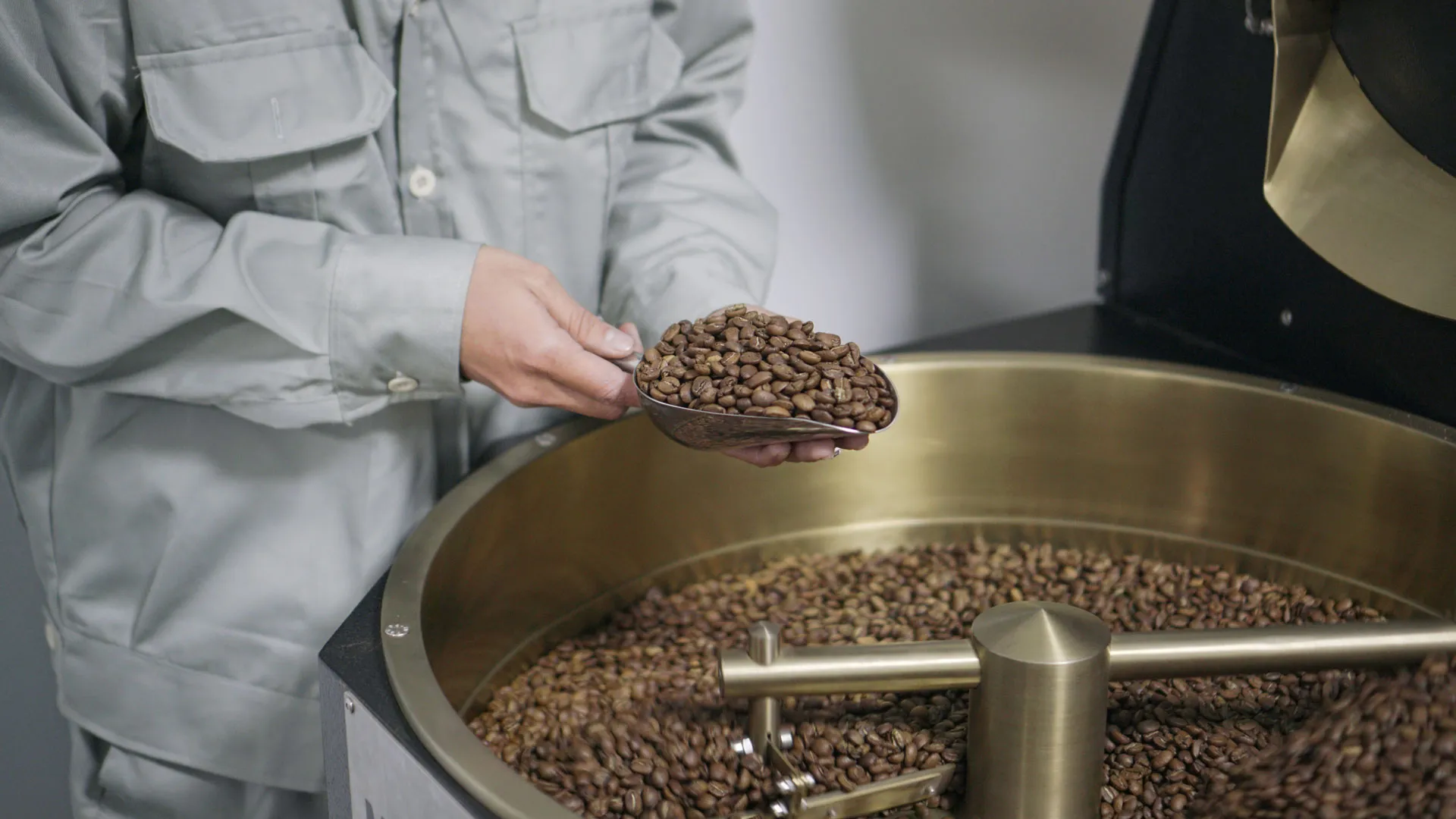
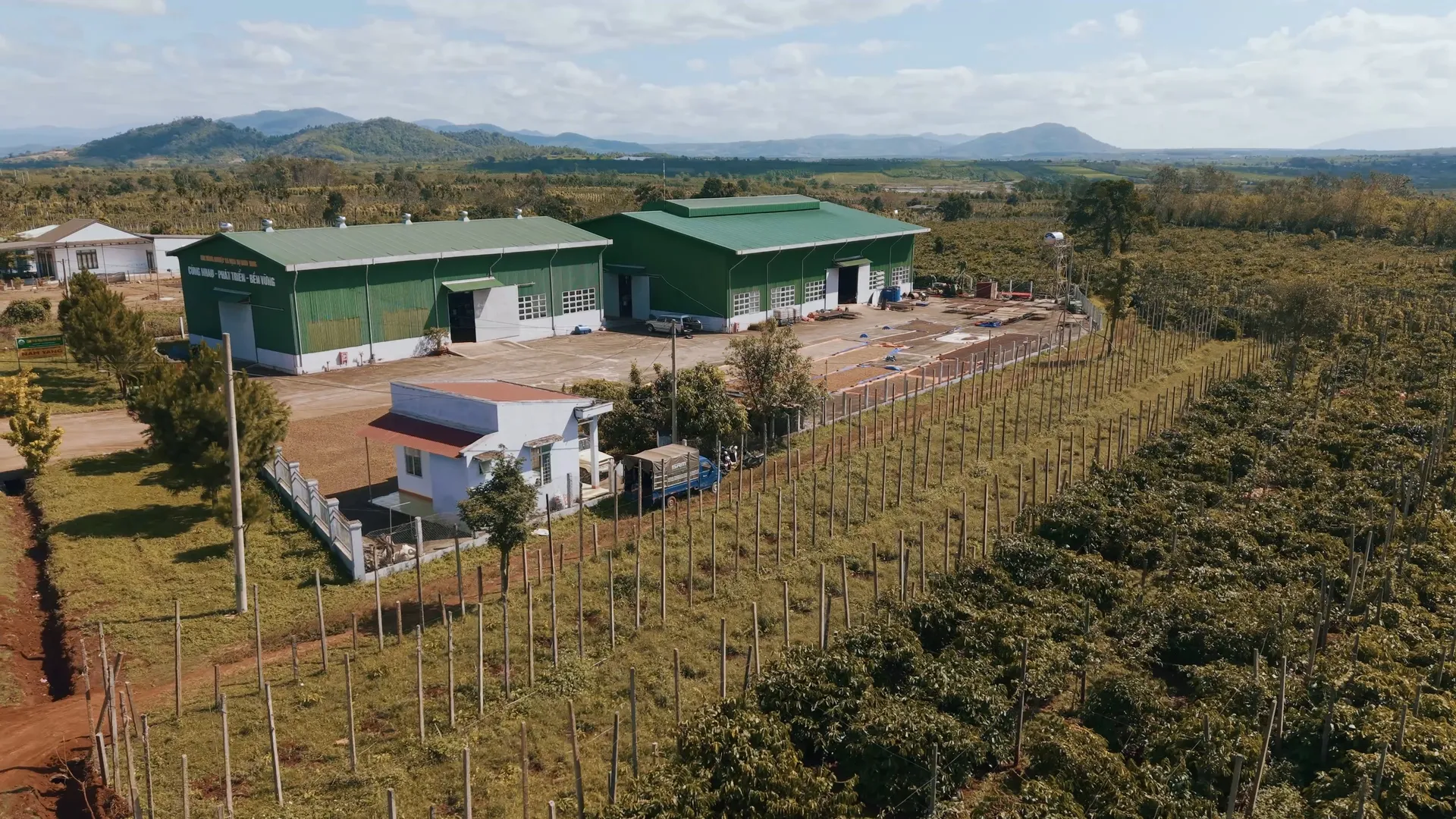
The single most reliable way to confirm a company actually manufactures rather than resells is to see the production facility directly. For importers able to travel, an in-person visit remains the gold standard, allowing direct observation of the spray-drying or freeze-drying equipment, packaging lines, and quality control processes in operation. For buyers unable to visit in person, a live video call walkthrough of the facility is a reasonable substitute, and a manufacturer’s willingness to conduct one, showing real-time footage of the production floor rather than pre-recorded marketing video, is itself informative. An instant coffee manufacturer unwilling to allow either kind of facility visibility, particularly one offering only stock photography or generic facility images, warrants closer scrutiny before any further commitment.
Request a Virtual or In-Person Factory Audit
Verify Certifications Directly With the Issuing Body
Certification documents can be presented convincingly without being fully current or fully legitimate, so verification means checking directly with the certifying body rather than accepting a PDF certificate at face value. ISO 22000 and HACCP certifications can typically be verified through the issuing certification body’s own records, confirming the certificate number, issue date, and current validity status match what the manufacturer has provided. This step matters more than it might seem, since certifications do lapse, and a manufacturer presenting an expired or non-renewed certificate as current, whether through oversight or deliberate misrepresentation, is a real risk for importers relying on that documentation for their own customs clearance and retail compliance. This applies equally to freeze dried coffee manufacturers and spray-dried producers, since certification lapses aren’t specific to one production method.
Use a Third-Party Inspection Service Before Shipment
Independent inspection services, companies like SGS, Bureau Veritas, or similar third-party quality control firms, offer pre-shipment inspection specifically for situations like this, verifying that a shipment matches agreed specifications before it leaves the manufacturer’s facility. For a first order with a new instant coffee manufacturer, this added cost is generally worthwhile insurance against discovering a quality or quantity discrepancy only after a shipment has already arrived at the destination port. Established, confident manufacturers are typically comfortable accommodating third-party inspection, since it protects both sides of the transaction rather than only the buyer.
Check Export History and Trade References
A manufacturer with a genuine export track record should be able to provide references from other importers they’ve worked with, ideally buyers in markets with import requirements as strict as or stricter than your own. Reaching out to these references directly, asking specifically about consistency across multiple orders rather than just the first shipment, surfaces information a manufacturer’s own sales materials won’t. For manufacturers claiming extensive export history to major markets, checking publicly available trade data or customs records, where accessible in your market, can corroborate claimed shipment volumes and destination countries against what’s actually been recorded.
Order an Independent Sample and Test It Yourself
Every serious instant coffee supplier should provide samples without hesitation, but the verification step here is testing that sample independently rather than only relying on the manufacturer’s own quality claims. This means checking solubility in both hot and cold water, assessing flavor against your own quality bar rather than the manufacturer’s provided cupping notes, and if resources allow, sending the sample to an independent lab for moisture content and microbiological testing, particularly important for a first-time relationship with a new instant coffee powder manufacturers group where trust hasn’t yet been established through a track record.
Confirm Production Capacity Claims With Evidence
A manufacturer quoting the ability to fulfill a large instant coffee bulk buy should be able to support that claim with more than a verbal assurance. Ask specifically about their production line capacity in measurable terms, output per shift or per month, and cross-check that figure against the physical scale of the facility observed during the audit step above. A manufacturer whose claimed capacity seems disproportionate to their visible equipment and staffing is either overstating their own capability or planning to subcontract part of the order to a third party without disclosing it, both of which are worth clarifying directly before placing a large order.
Confirm Formulation and Packaging Terms in Writing
For buyers pursuing instant coffee private label programs specifically, verification extends beyond the coffee itself to the contract terms governing the relationship. Confirm in writing whether a developed formulation is exclusive to your brand or shared across the manufacturer’s other private label clients, what minimum order quantities apply to each specific packaging format under consideration, and what happens if a future order falls below a previously agreed volume commitment. Verbal assurances during a sales conversation frequently differ from what actually appears in a signed contract, so treating the written agreement, not the conversation that preceded it, as the actual terms of the relationship is a necessary discipline when sourcing bulk instant coffee suppliers for a recurring program.

Confirm Formulation and Packaging Terms in Writing
Start Small Before Scaling
Even after working through every verification step above, placing a smaller trial order before committing to a full recurring wholesale instant coffee suppliers relationship remains worthwhile. Verification reduces risk considerably, but a trial order tests the entire process end to end, production, packaging, documentation, and shipping, in a way that document review alone can’t fully replicate. Buyers who skip this step, moving directly from verification to a large recurring commitment, occasionally discover a process breakdown that only appears once real volume moves through the manufacturer’s full production and logistics chain.
How 1300’S Coffee Supports Buyer Verification
1300’S Coffee operates a vertically integrated production facility in the Mang Den highlands of Kon Tum province, and supports the verification steps outlined above directly, including facility visits through the company’s farm tour program, documented certification records for ISO 22000, HACCP, FDA, and OCOP, and sample provision for independent testing before a buyer commits to volume. For importers evaluating both bulk instant coffee for sale and private label formulation development, formulation exclusivity and packaging-specific order terms are addressed directly in the sourcing conversation and confirmed in writing, rather than left as an assumption for the buyer to discover later.
Getting Started
Before committing to a new instant coffee manufacturer, work through business registration verification, a facility audit or video walkthrough, direct certification confirmation, and an independent sample test, then start with a trial order rather than moving straight to a full recurring instant coffee wholesale commitment. Ready to verify a new instant coffee manufacturer before committing to volume? Request documentation, a facility walkthrough, and a sample from 1300’S Coffee to work through this process directly.
Read more: 7 Things Every Importer Should Know Before Choosing an Instant Coffee Manufacturer


1300s BLOG YOU MAY ALSO BE INTERESTED IN
What Beans Does Vietnamese Coffee Use? A Roaster’s Guide to Origin and Species
How to Import Coffee to the USA Requirements Duties and Process
Why Is Vietnamese Coffee So Good What Makes the Flavor Distinct