


Vietnam Coffee Bean Supplier Trusted by International Roasters and Importers
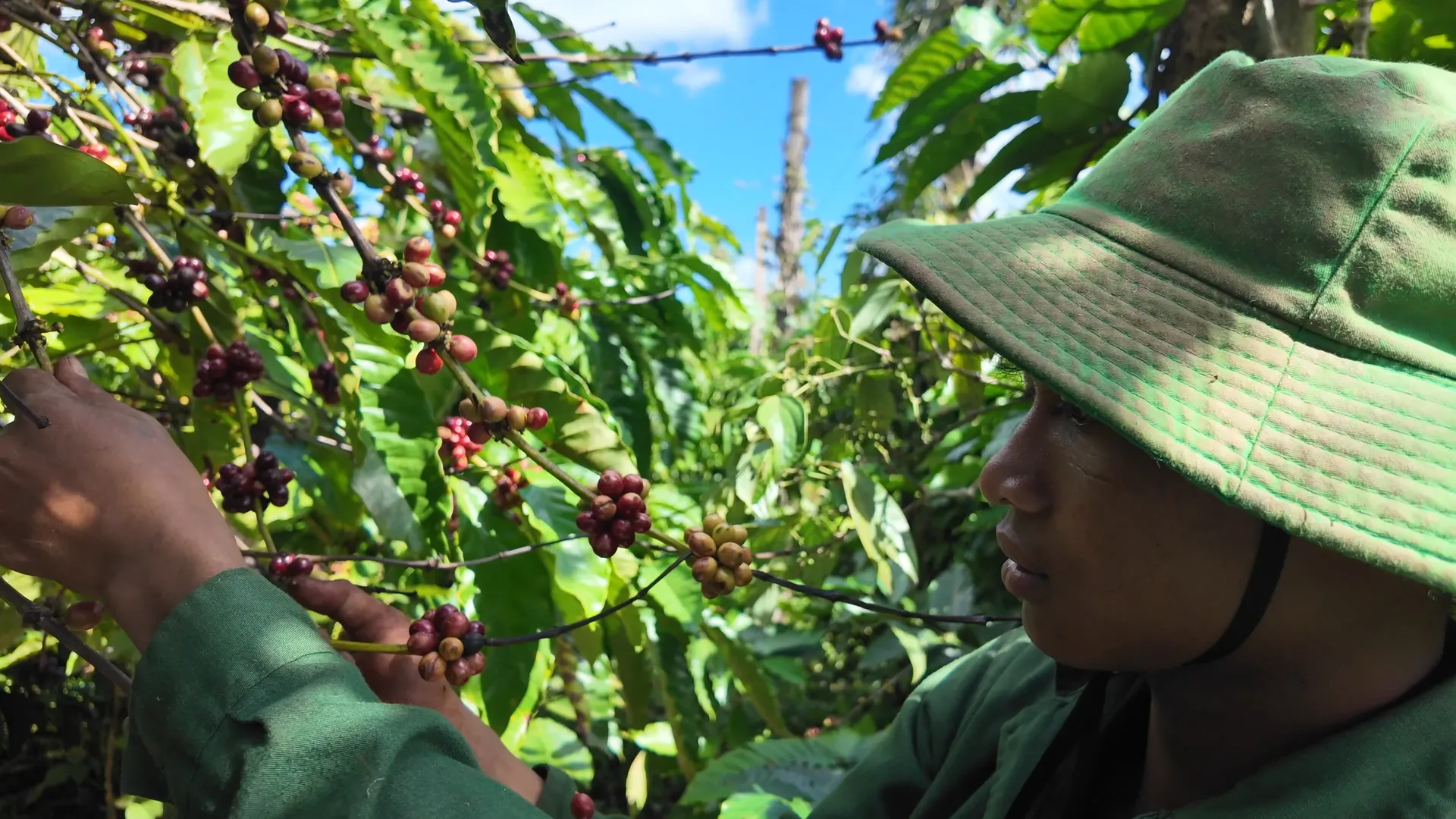
International roasters and importers evaluating Vietnam as a sourcing origin are usually working from a partial picture. The country’s reputation as the world’s largest Robusta producer is accurate but incomplete, since Vietnam’s coffee industry now spans specialty grade Arabica, genuinely capable ground and instant coffee manufacturing, and export infrastructure that’s matured considerably over the past decade. This guide covers what makes a Vietnam coffee supplier worth trusting, what different buyer types should actually look for, and how to evaluate a specific supplier or factory before committing to a sourcing relationship.
Why International Buyers Source Coffee From Vietnam
Vietnam’s position in global coffee sourcing isn’t accidental, it reflects a specific combination of production scale, trade positioning, and quality development that’s evolved meaningfully in recent years.
Production Scale and Robusta Dominance
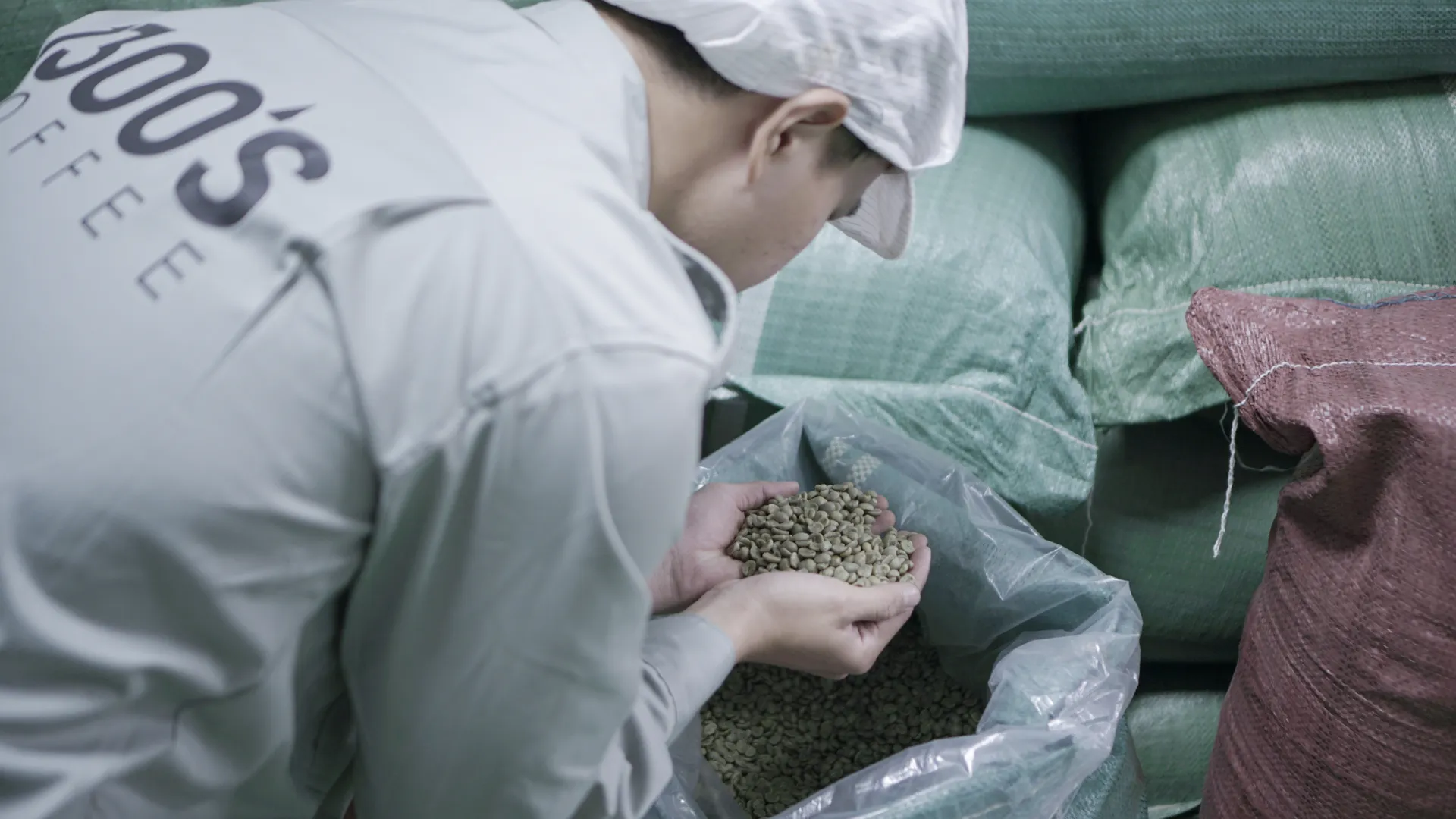
Vietnam remains the world’s largest Robusta producer and the second-largest coffee producer overall, concentrated across the Central Highlands provinces of Dak Lak, Gia Lai, Dak Nong, Lam Dong, and Kon Tum. This scale gives a Vietnam coffee bean supplier working within this base genuine depth of supply, reducing the risk that a single poor harvest disrupts availability the way it might for buyers sourcing from smaller producing countries. For buyers requiring consistent, high-volume Robusta specifically, whether for espresso blending, instant coffee production, or general commercial roasting, this production scale is the foundational reason Vietnam remains a default sourcing origin globally.
Production Scale and Robusta Dominance
Trade Agreements and Compliance Infrastructure
The EU-Vietnam Free Trade Agreement reduced import duties on Vietnamese coffee entering the EU to close to zero and protects 39 Vietnamese geographical indications, including Buon Ma Thuot coffee, giving Vietnamese suppliers a genuine trade advantage into one of the world’s largest coffee import markets. Compliance infrastructure has matured alongside these trade benefits: in May 2025, the EU classified Vietnam as a low-risk country under the EU Deforestation Regulation, allowing simplified due diligence for Vietnamese coffee exports, a direct result of government investment in a national database tracking forest and coffee-growing areas. International buyers evaluating a vietnam coffee wholesale relationship today face considerably less regulatory friction than they would have even a few years ago, provided they’re working with a supplier who’s kept pace with this documentation infrastructure.
Growing Specialty and Quality Segment
Vietnam’s specialty coffee segment has grown from a marginal niche into a genuine market category, with Fine Robusta produced through careful harvesting and controlled processing methods now commanding prices that, in 2024, saw domestic Robusta actually surpass Arabica for the first time. This shift matters directly for international buyers who assumed Vietnamese sourcing meant accepting a quality ceiling, since a legitimate specialty coffee supplier segment now exists within the broader Vietnamese industry, offering lot-specific cupping data and documented processing methods comparable to more traditionally specialty-associated origins. Buyers building a specialty coffee wholesale program specifically should expect this segment to require more targeted evaluation than commodity sourcing, since specialty-grade consistency at genuine wholesale volume remains a real operational challenge that not every supplier claiming specialty capability can actually deliver reliably.
What International Roasters Need From a Vietnam Coffee Supplier
Roasters sourcing green coffee to roast themselves have a different set of priorities than importers buying finished product, centered on grading transparency and formulation flexibility.
Green Bean Sourcing and Grading Transparency
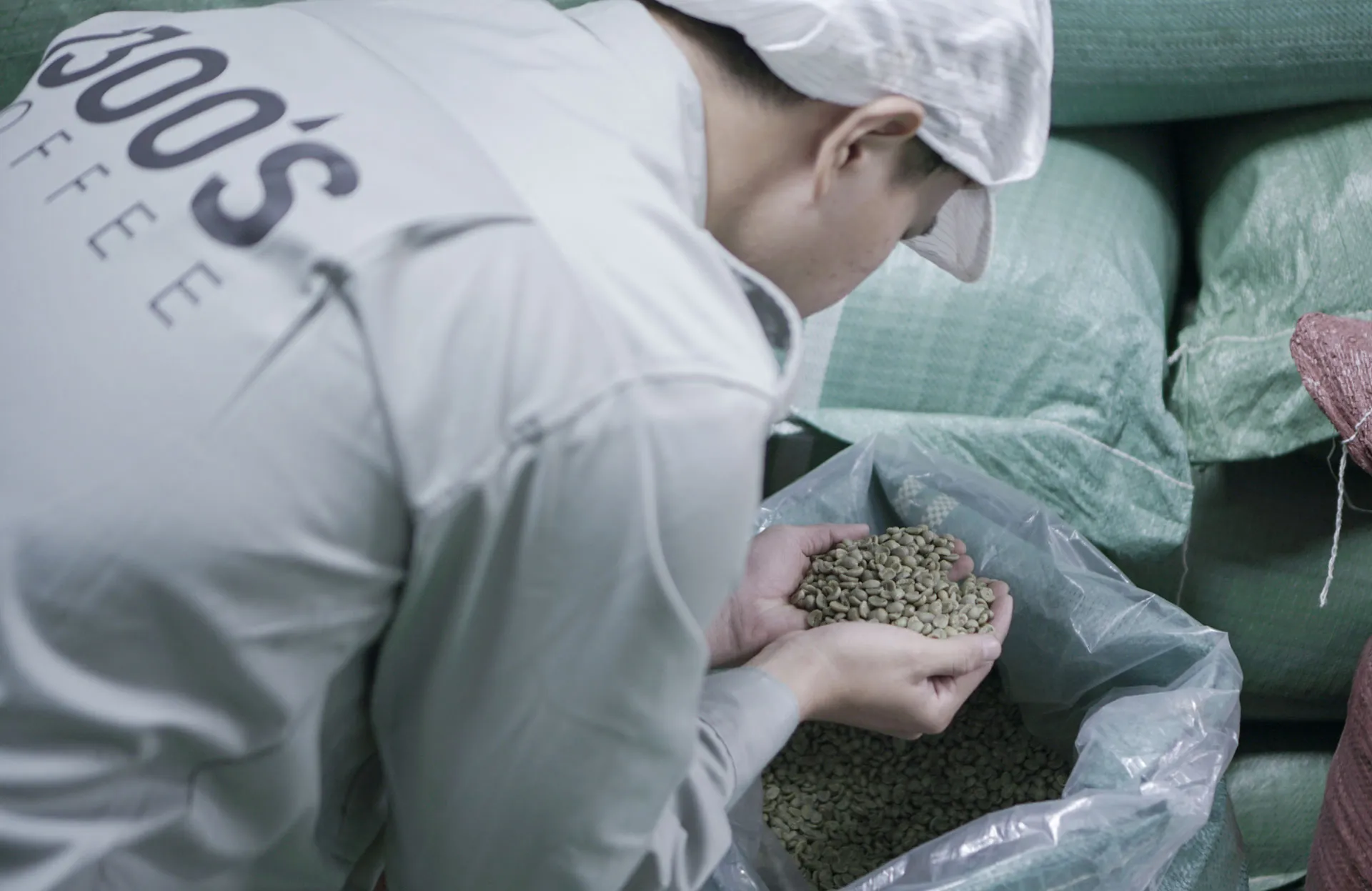
A vietnam green coffee bean supplier working with roasters needs to provide lot-specific grading data, screen size, moisture content, defect count, and crop year, rather than a general regional quality claim. Roasters building a specific flavor profile depend on this consistency to develop and maintain a roast curve that performs the same way order after order, and a supplier unable to provide this documentation per shipment is generally not equipped for a serious, recurring roasting relationship. Screen size classifications following Vietnam’s national standard, TCVN 4193:2014, alongside the international ISO 10470 defect classification table, give roasters a consistent technical reference regardless of which specific supplier they’re evaluating.
Specialty Grade Options for Differentiated Roasting
Roasters building single-origin or specialty blend components need a Vietnam coffee supplier capable of more than standard commercial grade output. This means access to Fine Robusta and high-altitude Arabica lots with documented cupping scores, defect counts held to a stricter threshold than commercial grade, and clear processing method documentation, since natural, honey, and washed processing each produce meaningfully different flavor characteristics roasters need to understand before building a roast profile around a specific lot.
What International Importers Need From a Vietnam Coffee Supplier
Importers, whether bringing finished product into a new market or supplying a distribution network, prioritize differently than roasters sourcing raw material.
Multiple Product Formats Under One Relationship
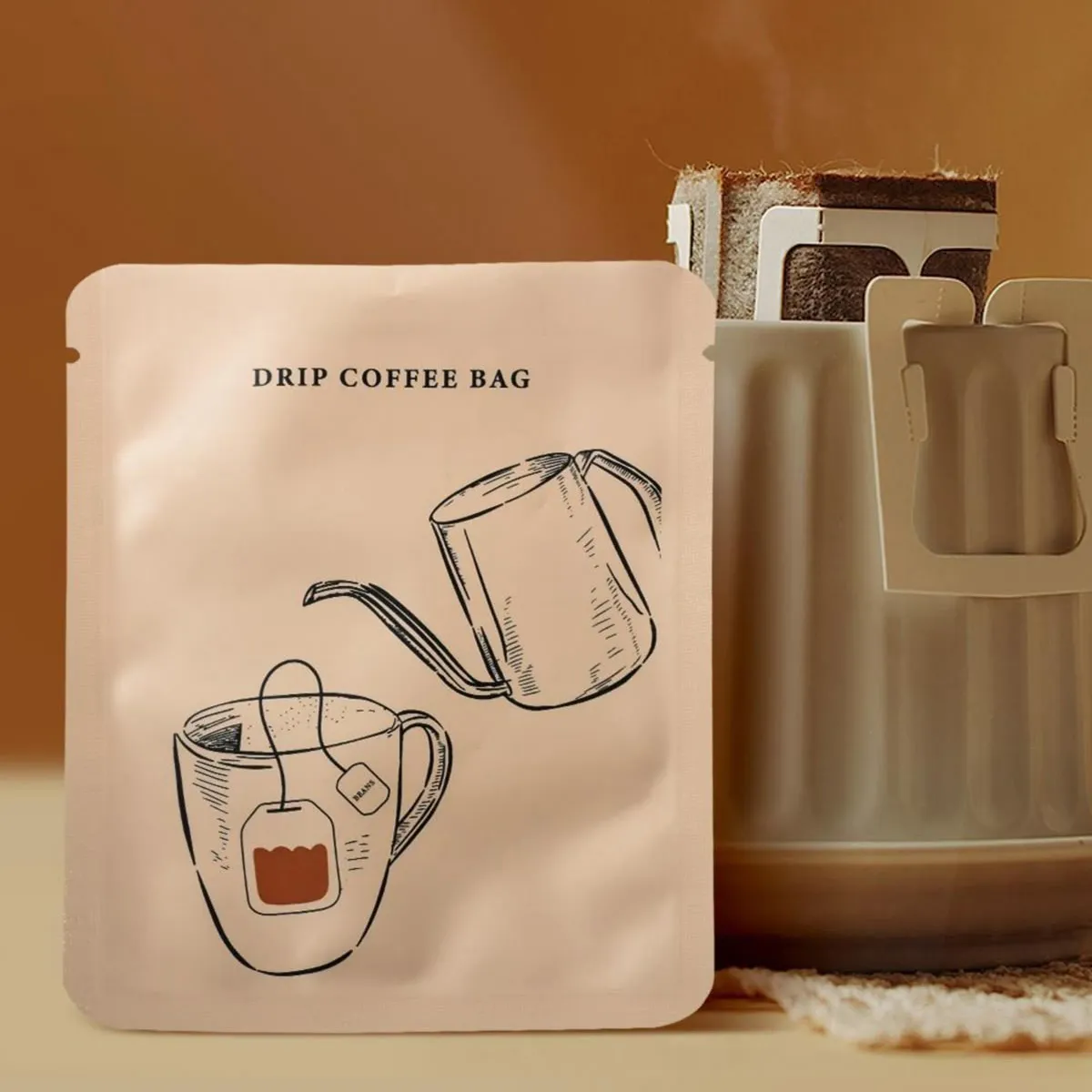
Many importers want to source across several formats, green beans for domestic roasting partners, roasted coffee for direct resale, ground coffee for foodservice or retail, and increasingly instant coffee wholesale volume for a separate product line, without managing entirely separate supplier relationships for each. A Vietnam coffee supplier capable of supporting this full range simplifies logistics, quality standards, and documentation considerably compared to coordinating across multiple specialized manufacturers, each with different certification timelines and shipping schedules.
Certifications and Export Documentation
Certifications appropriate to the destination market remain close to non-negotiable for importers specifically, since a shipment held up at customs due to missing or invalid documentation creates costs well beyond the price of the coffee itself. ISO 22000 and HACCP represent a near-universal baseline, with FDA registration required for US-bound shipments and additional certifications, organic, Rainforest Alliance, Fairtrade, required depending on the specific market and retail partner requirements. Importers should verify certification validity directly with the issuing body rather than accepting provided documentation at face value, a step that catches more discrepancies than buyers new to this kind of sourcing typically expect.
Inside a Coffee Factory Vietnam Buyers Can Actually Verify
Claims about production capability are easy to make in a sales conversation and considerably harder to verify without direct visibility into an actual coffee factory vietnam suppliers claim to operate.
Facility Visits and Audits
The most reliable way to confirm a supplier’s actual production capability is to see it directly, whether through an in-person visit or, for buyers unable to travel, a live video walkthrough of the facility rather than pre-recorded marketing footage. A legitimate coffee factory in Vietnam should welcome this kind of scrutiny without hesitation, and reluctance to allow any facility visibility, offering only stock photography or vague descriptions of production capability, is a meaningful warning sign worth taking seriously before committing to volume.
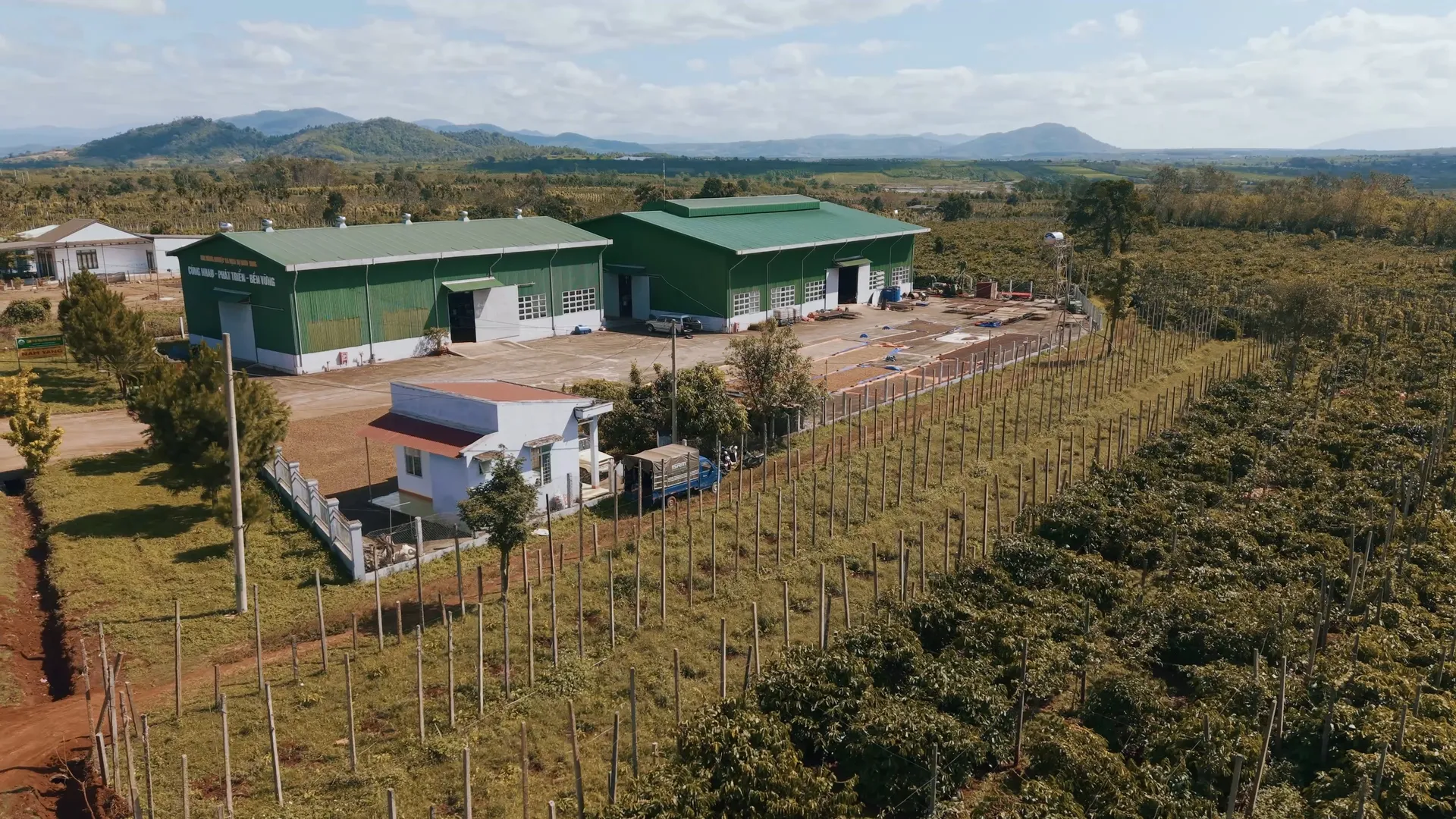
1300’S Coffee Partner Facility for Green Coffee Bean Processing
Production Capacity Evidence
Buyers should ask specifically for measurable production capacity figures, output per shift or per month, rather than accepting a general claim of capability, and should cross-check that figure against the physical scale of equipment and staffing observed during a facility visit. A supplier whose claimed capacity seems disproportionate to their visible infrastructure is either overstating their own capability or planning to subcontract part of an order without disclosing it, both worth clarifying directly rather than discovering after a large order is already placed.
Business Registration and Export Licensing
Before evaluating any production claims, confirm the company is a legally registered entity with valid export licensing in Vietnam, checking business registration details against the national business registration portal where possible. A legitimate supplier should share this information readily, business registration number, company address matching their claimed facility location, and export license documentation, and hesitation at this stage, given that this is publicly verifiable information, is worth treating as a meaningful early warning sign rather than a minor formality to skip past.
Product Range Across Formats
A Vietnam coffee supplier’s product range often extends well beyond raw green beans, and understanding what’s available across formats helps buyers plan a sourcing strategy that fits their actual business needs.
Green and Roasted Coffee Wholesale
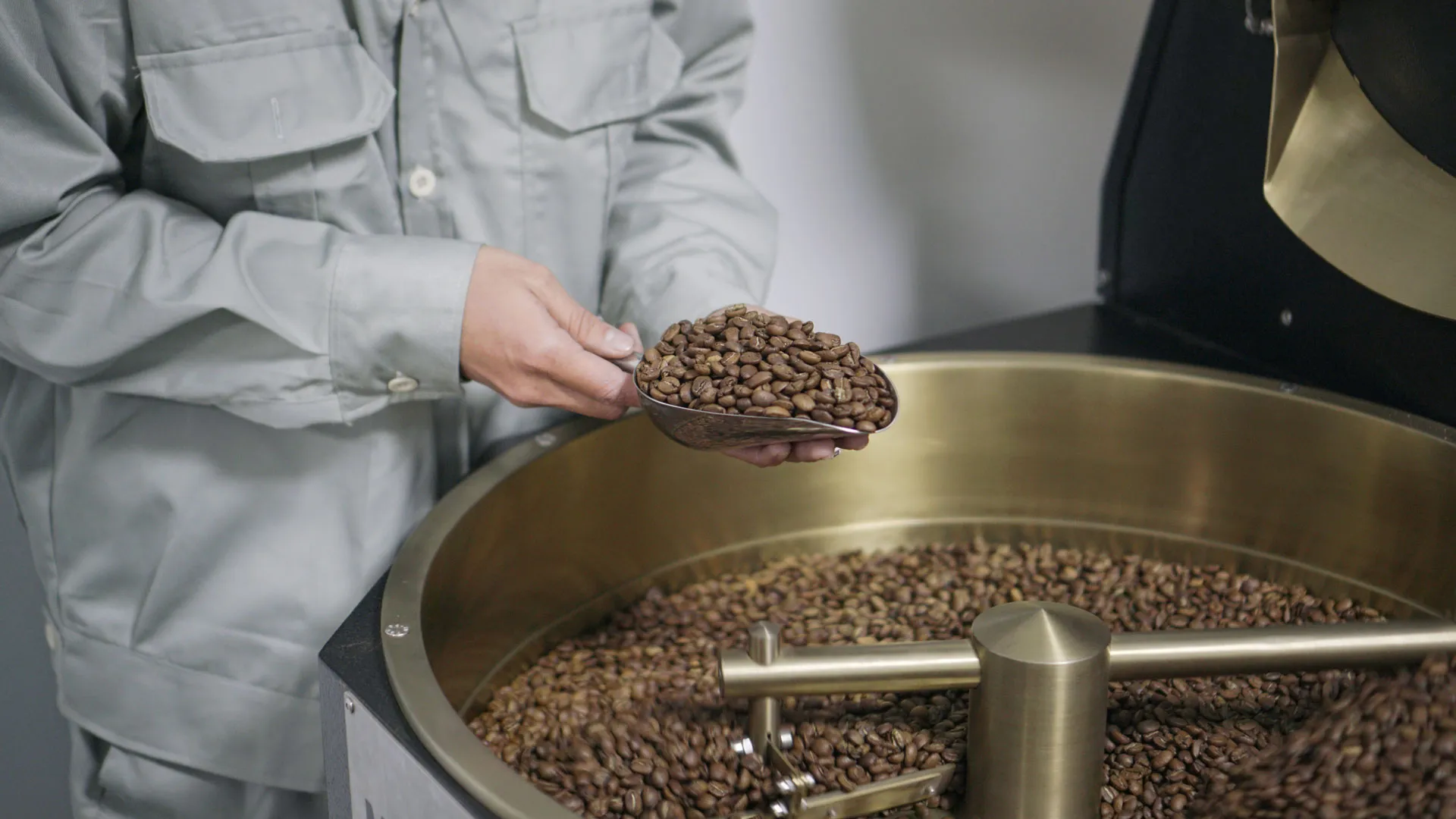
Green coffee remains the foundational product most Vietnam coffee bean supplier relationships start with, but roasted coffee wholesale supply has become increasingly sophisticated as more Vietnamese manufacturers invest in roast profile consistency and export-grade packaging. Buyers sourcing roasted coffee specifically should confirm a supplier logs and repeats roast curves rather than relying on individual judgment each production cycle, since this consistency is what separates a reliable roasted coffee wholesale relationship from one prone to batch-to-batch variation.
Ground and Instant Coffee Wholesale
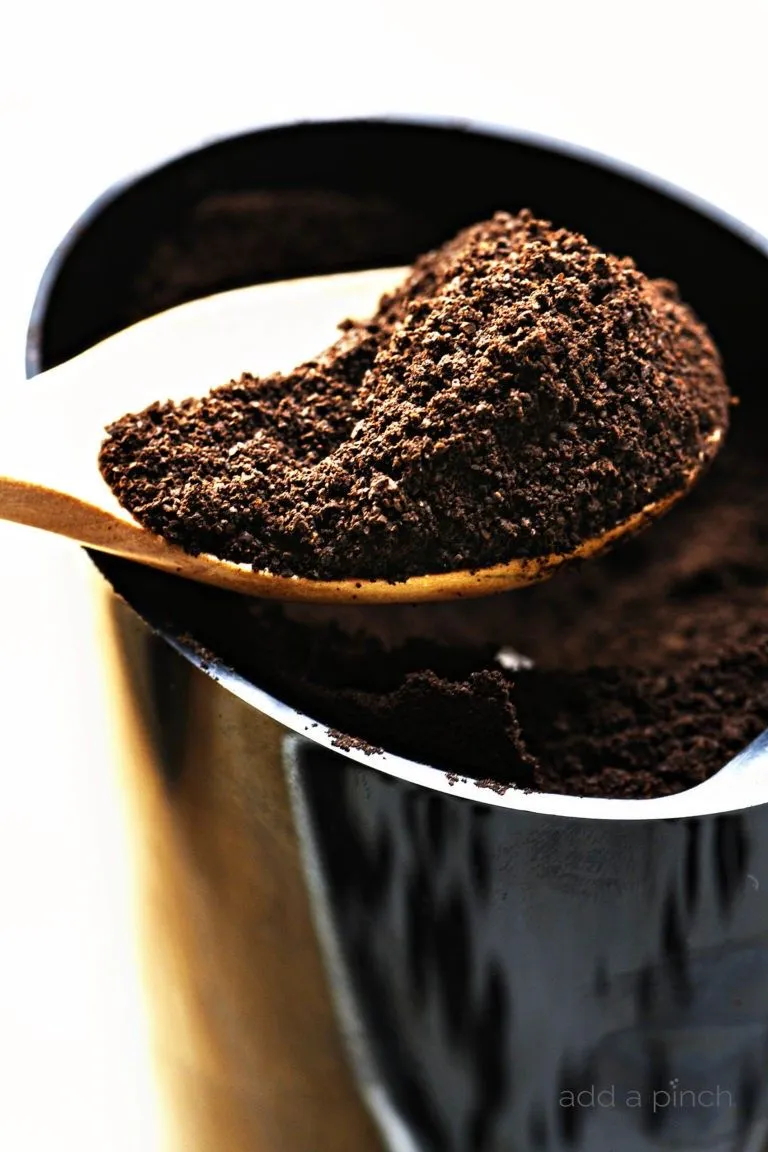
Ground coffee wholesale sourcing has grown alongside rising demand for ready-to-brew products in food service and retail channels, requiring suppliers capable of grind consistency calibrated to specific brewing methods rather than a single generic specification. Instant coffee wholesale sourcing represents a further step in Vietnam’s manufacturing sophistication, with the country’s massive Robusta base supporting both spray-dried and freeze-dried production at genuinely industrial scale, alongside growing private label and OEM capability for buyers building a custom instant coffee product rather than reselling an existing formulation.
Regional Origins Within Vietnam
Vietnam’s coffee-growing regions vary considerably in altitude, climate, and dominant varietal, and understanding this geography helps buyers make more informed sourcing decisions than treating “Vietnamese coffee” as a single undifferentiated category.
Robusta Heartland: Dak Lak and the Central Highlands
Dak Lak province, and its capital Buon Ma Thuot specifically, forms the historical and production center of Vietnam’s Robusta industry, with Gia Lai and Dak Nong contributing substantial additional volume. This region’s lower altitude and climate suit Robusta’s growing requirements, and the concentration of processing infrastructure here means most large-scale Vietnam coffee wholesale suppliers maintain significant operations in this specific area.
High-Altitude Arabica: Kon Tum, Lam Dong, and Son La
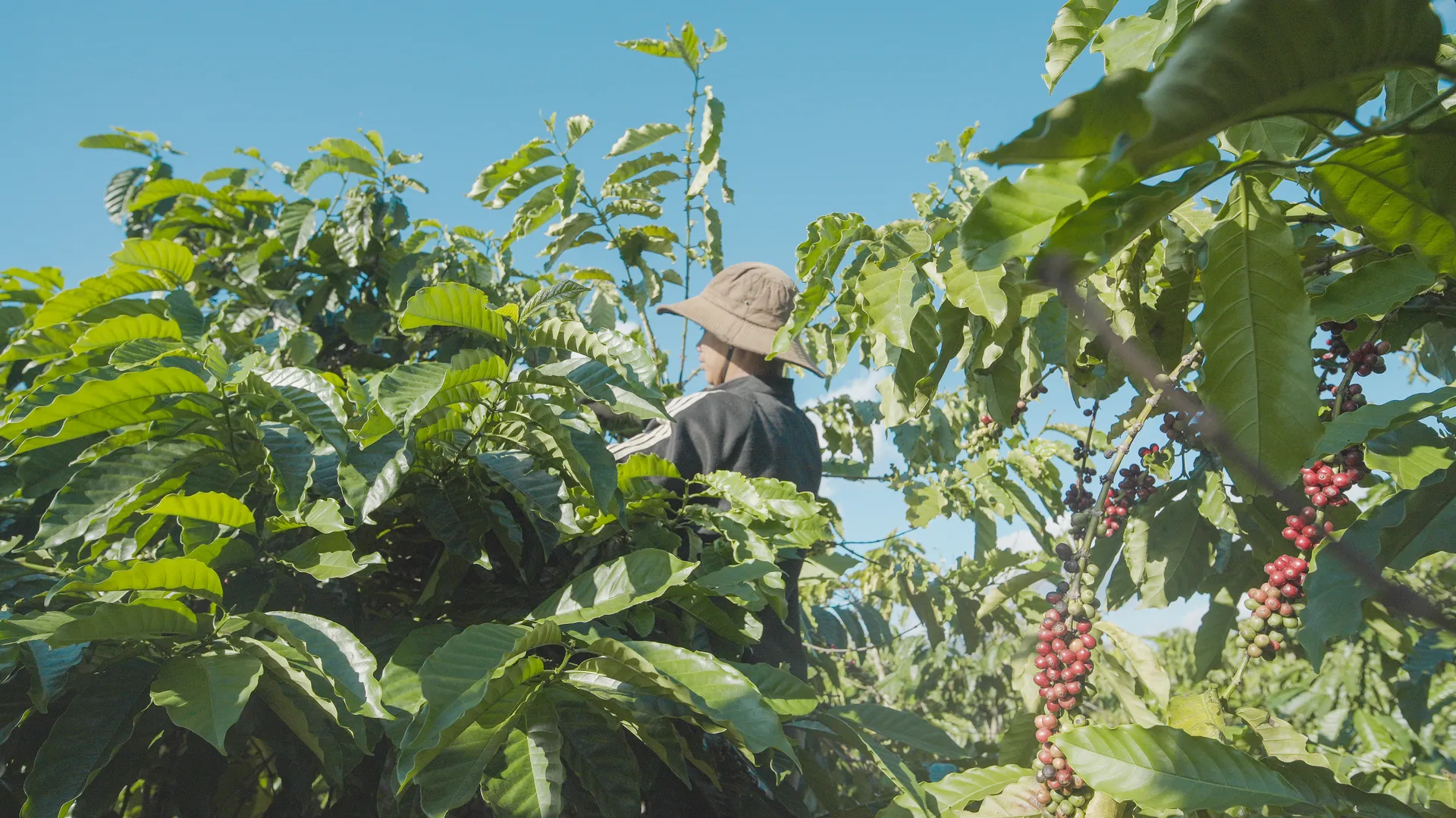
Vietnam’s smaller but genuinely distinct Arabica production concentrates in higher-altitude zones where lowland heat doesn’t suit the more temperature-sensitive Arabica plant. Lam Dong around Da Lat represents the country’s most established Arabica-growing area, while Son La in the mountainous north and Kon Tum, including the Mang Den highlands at elevations around 1,300 meters, produce Arabica with brighter acidity and more complex body than the country’s dominant lowland Robusta crop.
High-Altitude Arabica: Kon Tum, Lam Dong, and Son La
Trusted Vietnam Coffee Suppliers to Consider
International buyers comparing options typically encounter a recurring set of names, each representing a different scale and specialization within the broader Vietnamese coffee industry.
Intimex Group
As Vietnam’s largest coffee exporter by volume, Intimex operates processing facilities across Dak Lak, Lam Dong, and Gia Lai, maintaining direct partnerships with thousands of smallholder farmers and offering a product range spanning commercial Robusta through specialty grades and organic certified beans. The company suits buyers whose primary requirement is guaranteed volume at industrial scale.
Simexco Daklak
Closely associated with the EU market specifically, Simexco Daklak supplies Robusta, Fine Robusta, and specialty grade coffee, holding Rainforest Alliance, UTZ, and 4C certifications while building international recognition around the Buon Ma Thuot coffee name. Importers prioritizing sustainability documentation alongside meaningful volume frequently shortlist Simexco.
Vinh Hiep
Operating from Pleiku since 1991, Vinh Hiep was among the first Vietnamese companies to export certified organic coffee into the EU, processing around 30,000 tons annually through partnerships with more than 10,000 farming households and accommodating detailed custom processing specifications for buyers with precise technical requirements.
Helena Coffee
Founded in 2016 in Buon Ma Thuot and ISO 22000 certified, Helena Coffee supplies both commercial and specialty grade Robusta and Arabica across more than 50 export markets, giving it broader international reach than many comparably sized Vietnamese exporters.
1300’S Coffee
1300’S Coffee operates as a vertically integrated Vietnam coffee supplier based in the Mang Den highlands of Kon Tum province, working directly with farming partners rather than through fragmented intermediary sourcing, and supporting green, roasted, ground, and instant coffee formats through a single relationship. The company holds ISO 22000, HACCP, FDA, and OCOP certifications, manages quality control through an in-house lab, and offers international buyers the option to verify sourcing directly through its Kon Tum farm tour program. Compared to the larger names above, 1300’S Coffee sits closer to the boutique end in terms of order flexibility and private label customization, suited to buyers prioritizing closer sourcing involvement over maximum volume alone.
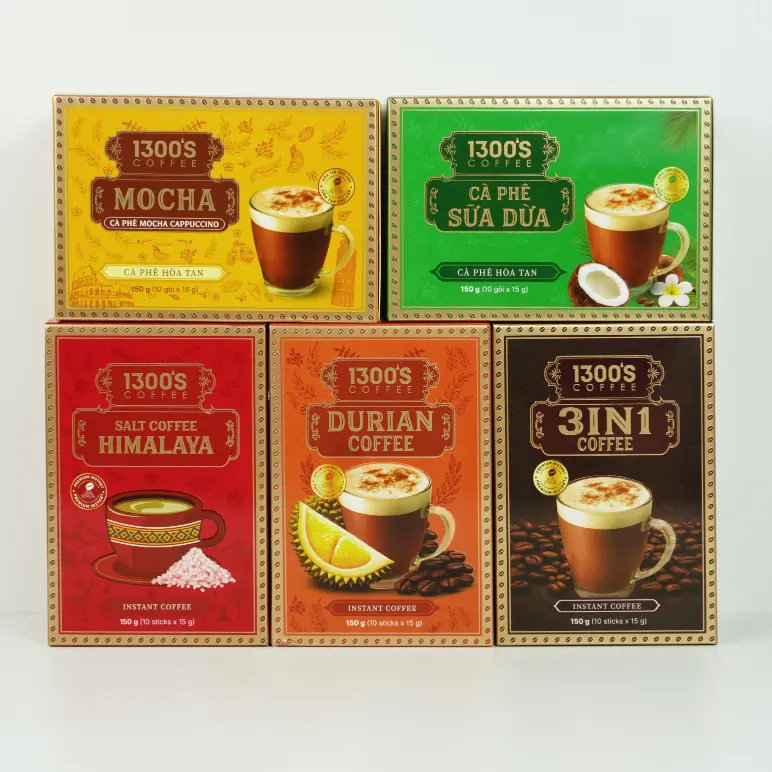
1300’S Coffee Collection
How to Evaluate and Verify a Vietnam Coffee Supplier
Regardless of which supplier a buyer shortlists, a consistent verification process reduces risk before committing meaningful volume.
Sample and Trial Order Process
Every serious supplier should provide cupping samples without hesitation, but verification means testing those samples independently against your own quality bar rather than relying solely on a supplier’s provided notes, followed by a smaller trial order before committing to a full recurring relationship. This sequence catches consistency problems while the cost of a mismatch remains manageable, rather than discovering an issue only after a full container has shipped.
Certification Verification
Confirm certification numbers and validity directly with the issuing body rather than accepting a provided PDF at face value, since certifications do lapse and a supplier presenting outdated documentation as current, whether through oversight or misrepresentation, creates real risk for a buyer relying on that paperwork for their own customs clearance and retail compliance.
Logistics and Shipping Considerations for International Buyers
Beyond product quality and supplier verification, international buyers need to plan around the practical logistics of moving coffee out of Vietnam and into their own market.
Shipping Routes and Lead Times
Most Vietnamese coffee exports move by sea freight from major ports including Ho Chi Minh City and Da Nang, with lead times varying depending on destination market and whether a shipment moves through a direct route or requires transshipment. Buyers should confirm typical lead times directly with a prospective vietnam coffee bean supplier for their specific destination, since quoted lead times can vary meaningfully by season, particularly around harvest periods when export volume across the industry increases and port capacity comes under more pressure.
Incoterms and Documentation Standards
Confirming which Incoterms a supplier supports, FOB, CIF, or others, and how responsibility transfers at each stage protects buyers from misunderstandings that surface only once a shipment is already in transit. Standard export documentation, commercial invoice, packing list, bill of lading, certificate of origin, and phytosanitary certificate, should be available for review before a live shipment, giving a buyer’s own customs or logistics team the opportunity to confirm the format works with their import process ahead of time rather than discovering a documentation gap after cargo has already left port.
Getting Started
International roasters and importers evaluating a Vietnam coffee supplier should request samples matching their specific format and grade requirements, confirm certification and production capacity through direct verification rather than marketing claims alone, and start with a trial order before scaling to a full recurring relationship. Looking for a trusted Vietnam coffee supplier across green, roasted, ground, or instant formats? Request a sample and documentation from 1300’S Coffee to evaluate quality, certifications, and production capability firsthand.
Read more: Wholesale Ground Coffee Suppliers for Businesses Sourcing Ready to Brew Products


1300s BLOG YOU MAY ALSO BE INTERESTED IN
Where Do Coffee Beans Come From: A Guide to Origin and the Journey to Your Cup
What Beans Does Vietnamese Coffee Use? A Roaster’s Guide to Origin and Species
Why 1300’S Coffee Is a Trusted Drip Coffee Supplier from Vietnam