


7 Things Every Importer Should Know Before Choosing an Instant Coffee Manufacturer
Most instant coffee sourcing mistakes don’t come from picking a bad product. They come from a gap between what an importer assumed about a manufacturer and what turned out to be true once a large order was already in motion. Instant coffee manufacturer is a broad label covering everyone from fully integrated producers to trading companies that simply repackage someone else’s output, and the difference rarely shows up in a first conversation or a glossy product catalog. This guide covers seven things worth confirming directly before committing to a new relationship, based on where these mismatches most commonly happen in practice.
Not Every Instant Coffee Manufacturer Actually Manufactures
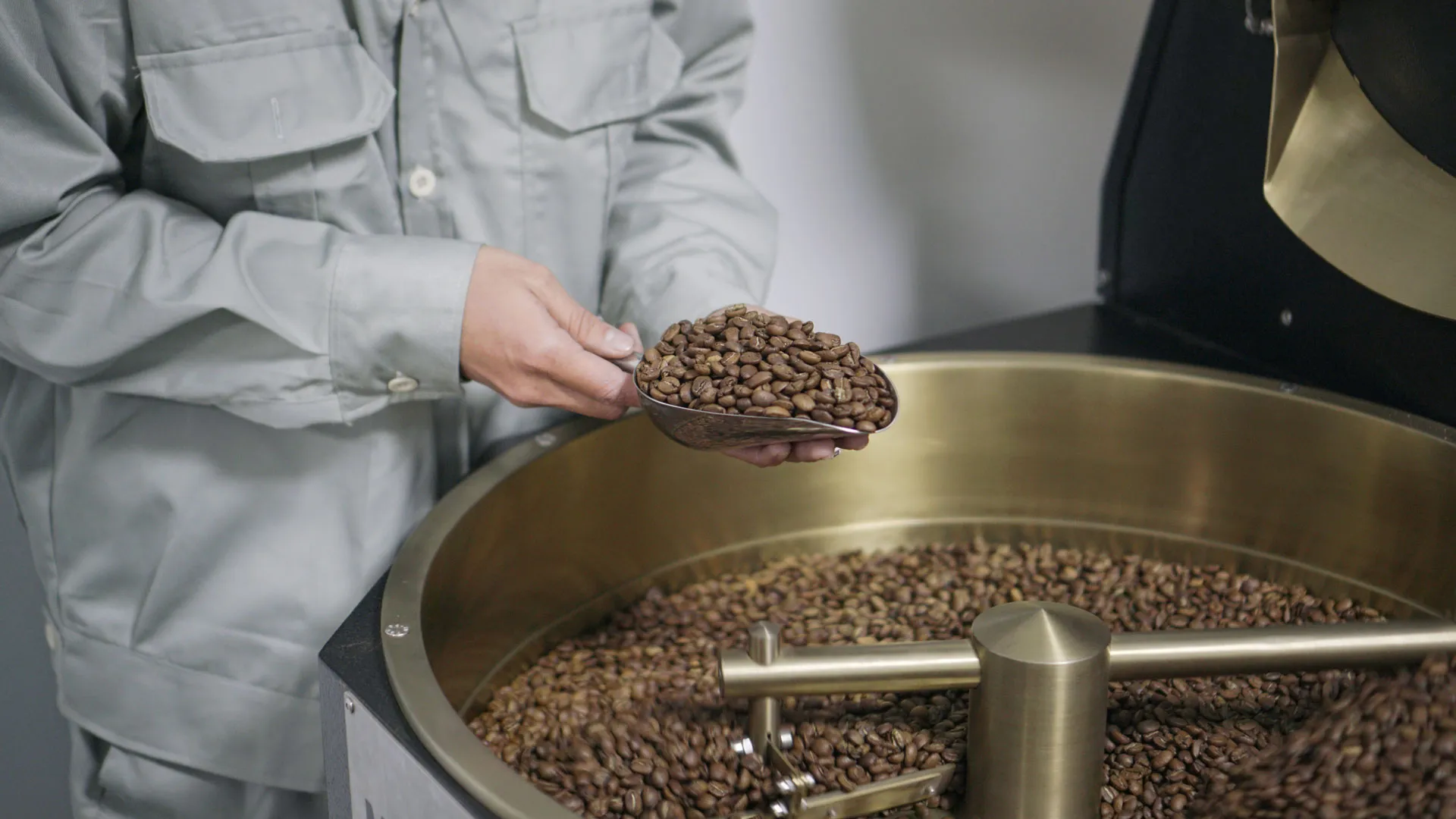
The term gets used loosely across the industry. Some companies calling themselves an instant coffee manufacturer operate their own spray-drying or freeze-drying facilities from raw green coffee through to finished powder. Others are closer to a trading operation, purchasing bulk instant coffee from a third-party producer and reselling or repackaging it under their own name, sometimes without disclosing that distinction unless asked directly. This matters because a genuine manufacturer can adjust formulation, troubleshoot quality issues at the production source, and offer more control over specification than a reseller working from someone else’s fixed output. Importers should ask directly whether a company operates its own production facility, and where possible, request documentation or photos of the actual production line rather than assuming manufacturing capability from branding alone.

Not Every Instant Coffee Manufacturer Actually Manufactures
Production Method Changes Both Price and What You’re Actually Buying
Spray-dried and freeze-dried instant coffee are not interchangeable products, even though both get marketed under the same general “instant coffee” label. Freeze-dried product typically commands a meaningfully higher price, generally 30 to 50% above spray-dried depending on the market, reflecting the slower, more energy-intensive production process and the better flavor retention it produces. Importers comparing quotes across multiple wholesale instant coffee suppliers should confirm which method applies to each quote specifically, since a lower price from one supplier and a higher price from another may simply reflect different production methods rather than one supplier being a better deal. Requesting a physical sample and comparing granule appearance and solubility side by side is a more reliable check than taking a supplier’s description at face value.
Minimum Order Quantities Vary Dramatically by Packaging Format
Buyers planning an instant coffee bulk buy often assume a single MOQ applies across a manufacturer’s entire catalog, and this assumption causes real friction during quoting. Bulk packaging, large bags or drums intended for further repackaging by the importer, typically carries a lower minimum than consumer-ready formats. Sachets and single-serve sticks require dedicated packaging line setup, which adds its own minimum run requirement independent of the coffee itself, sometimes making a small trial order of stick-packed product impossible even when the manufacturer would happily sell a smaller volume of bulk bagged coffee. Importers evaluating bulk instant coffee for sale should request MOQ figures broken down by specific packaging format from the outset, rather than a single number that turns out to apply only to one product line.
Shelf Life Depends on Packaging and Shipping Conditions, Not Just the Coffee Itself
Instant coffee is genuinely shelf-stable, typically 18 to 24 months when properly processed and packaged, but that stability depends heavily on packaging integrity and shipping conditions rather than being a fixed property of the coffee itself. Long ocean freight routes through humid climates can compromise product quality if packaging isn’t suited to the transit conditions, particularly for bulk bag formats with less protective packaging than individually sealed sachets or sealed jars. Importers shipping to humid destination markets, or using longer shipping routes with extended transit times, should confirm packaging specifications directly with the manufacturer rather than assuming standard packaging is sufficient for their specific logistics chain.
Private Label Formulations Aren’t Always Exclusive to Your Brand
A brand commissioning an instant coffee private label formulation often assumes, without confirming, that the resulting product is exclusive to them. In practice, this depends entirely on the contract terms agreed with the manufacturer. Some manufacturers develop genuinely custom formulations reserved for a single client, while others offer what’s effectively a shared house formulation to multiple private label clients simultaneously, differentiated only by packaging and branding. Neither approach is inherently wrong, a shared formulation is often faster and less expensive, but a brand building its positioning around a unique flavor profile needs to confirm exclusivity terms explicitly in writing rather than assuming it by default.

Lead Times Shift Significantly Between Harvest and Off-Season Periods
Because instant coffee manufacturing depends on green coffee input, primarily Robusta for most instant coffee powder manufacturers, production lead times aren’t flat throughout the year. Ordering during or shortly after harvest season generally means faster access to fresh green coffee input and more manufacturing capacity available, while off-season orders may face longer lead times or reliance on stored green coffee inventory. Importers planning a recurring instant coffee wholesale relationship should ask a manufacturer directly how lead times shift across the calendar year, and should build that seasonality into their own inventory planning rather than assuming a flat lead time applies regardless of when an order is placed.
Certification Requirements Differ by Destination Country, Not Just by Product Category
Importers sometimes assume a manufacturer’s general certification claims, ISO 22000, HACCP, and similar, automatically satisfy every destination market’s specific requirements. In practice, food safety and import regulations vary by country, and a certification sufficient for one market may not fully cover another’s specific labeling, ingredient disclosure, or additive regulations. This is particularly relevant for freeze dried coffee manufacturers and spray-dried producers alike when a formulation includes any additives, flavorings, or non-coffee ingredients, since these are regulated differently across markets. Importers should confirm with a manufacturer, or independently verify, that documentation covers their specific destination country’s import requirements rather than relying on a general certification list that may not map cleanly onto local regulations.
Putting This Into Practice
These seven points share a common thread: most of them only surface when an importer asks a specific, pointed question rather than accepting general reassurances from a sales conversation. A capable instant coffee manufacturer should be able to answer each of these directly and with documentation, production facility details, packaging-specific MOQs, shipping and shelf life specifications, exclusivity terms in writing, seasonal lead time expectations, and destination-specific certification coverage, without hesitation or vague redirection. An instant coffee supplier unable or unwilling to address these points clearly is worth treating as a caution sign before committing to volume.
How 1300’S Coffee Addresses These Considerations
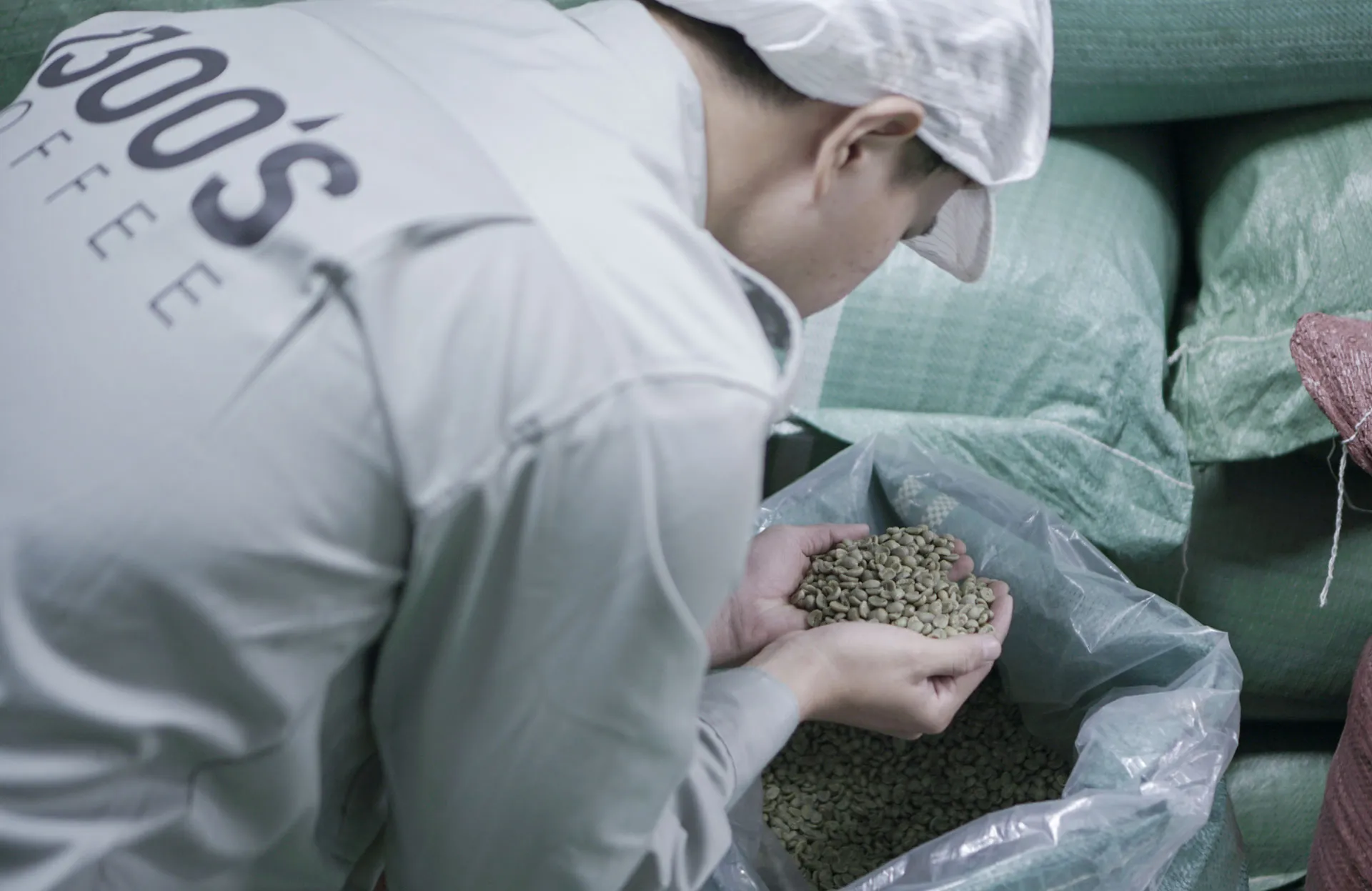
1300’S Coffee manages sourcing and production through a vertically integrated operation based in the Mang Den highlands of Kon Tum province, working directly with Robusta farming partners rather than through a fragmented trading chain. The company can speak directly to production methods, packaging-specific minimum order quantities, and certification coverage, including ISO 22000, HACCP, FDA, and OCOP, for buyers evaluating both bulk instant coffee suppliers and private label programs. Formulation exclusivity terms and seasonal lead time expectations are discussed directly during the sourcing conversation rather than left implicit, so importers can plan inventory and contracts with a clear picture of what they’re actually committing to.
Getting Started
Before committing to a new relationship, importers should work through each of the seven points above directly with a prospective manufacturer, request a sample matching the actual production method and packaging format under consideration, and confirm certification coverage against their specific destination country’s requirements rather than a general compliance claim. Evaluating a new instant coffee manufacturer for your import program? Bring these seven questions to 1300’S Coffee and get direct answers before committing to volume.
Read more: How to Choose a Trusted Instant Coffee Supplier for Global Importers


1300s BLOG YOU MAY ALSO BE INTERESTED IN
What Is Specialty Grade Coffee? The Criteria That Actually Define It
Why Is Vietnamese Coffee So Strong? Caffeine Content and the Robusta Effect
White Label Coffee Suppliers for Businesses Sourcing Ready Made Branded Products