


Coffee Factory Vietnam Guide for International Buyers and Roasters
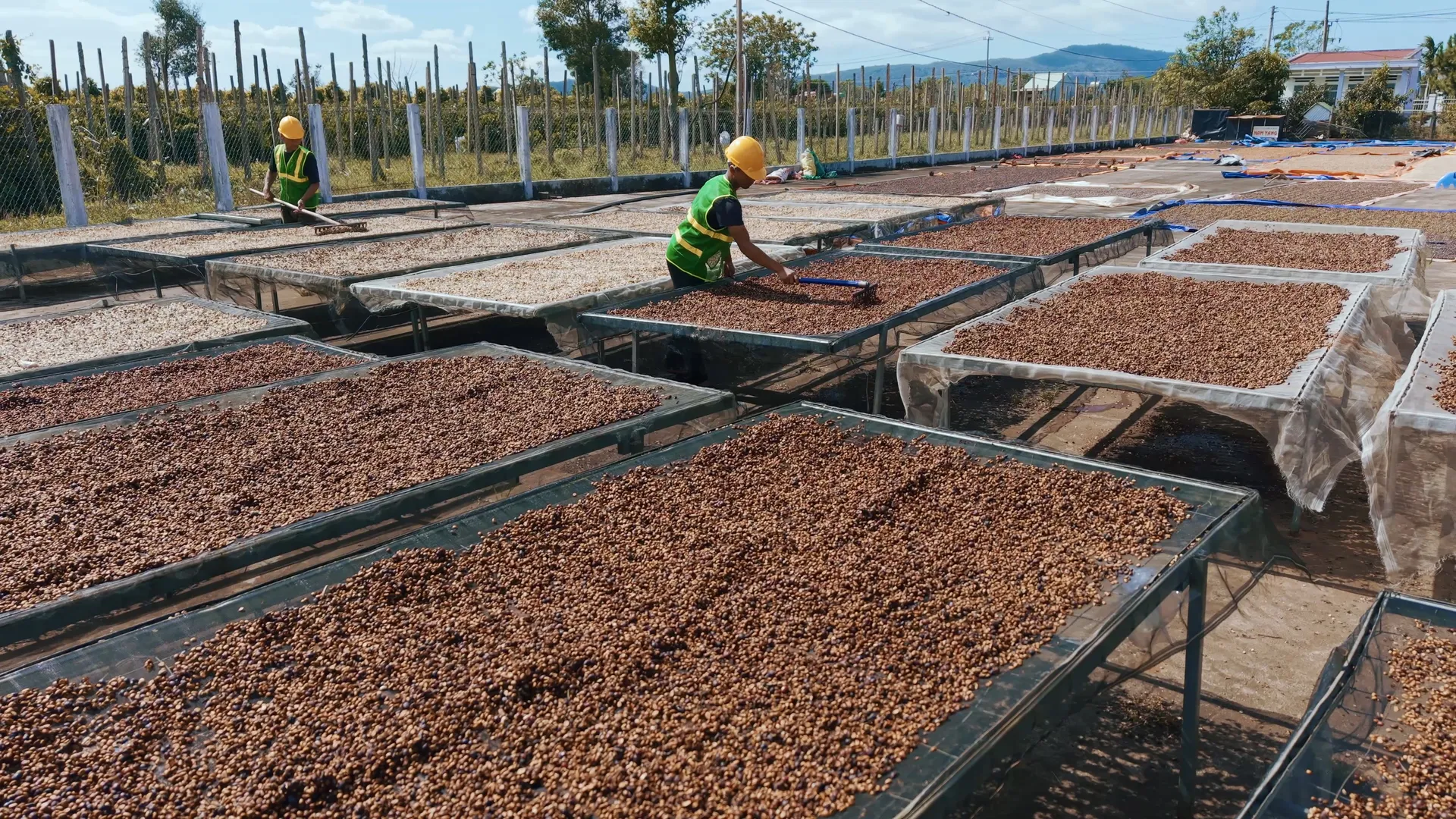
Vietnam hosts hundreds of coffee processing operations, but the gap between the largest industrial exporters and the smallest repackaging operations calling themselves a factory is enormous, and that gap matters enormously to a buyer trying to evaluate one. This guide walks through the different types of coffee factory vietnam operations actually running today, what to verify before committing to any of them, what product range a capable factory should support, and how to match factory type to your specific sourcing needs as a roaster or importer.
Types of Coffee Factories Operating in Vietnam
Not every operation marketed as a coffee factory vietnam suppliers point buyers toward actually functions the same way, and understanding the real differences helps set accurate expectations before a first conversation even happens.
Large-Scale Industrial Exporters
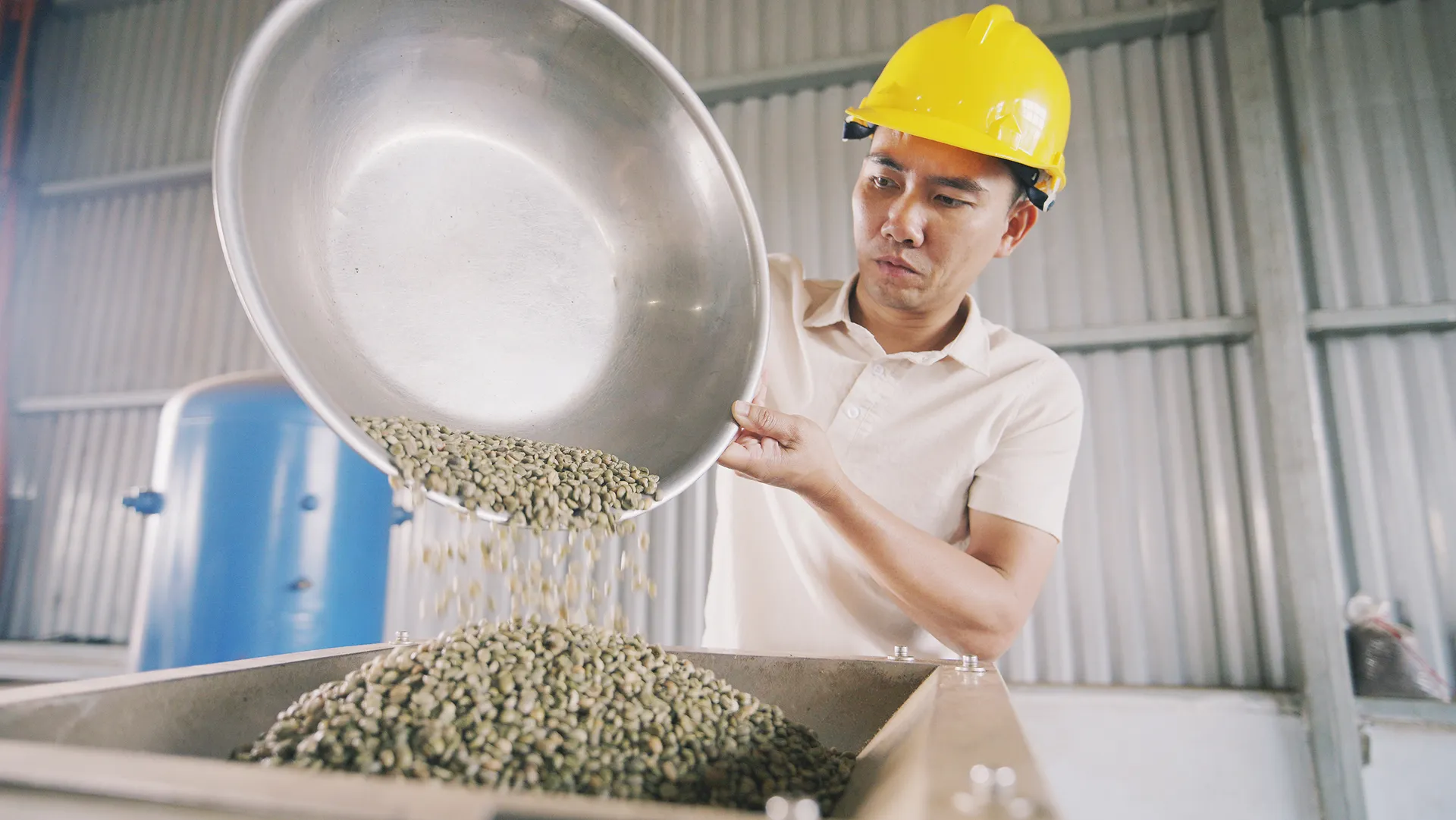
Vietnam’s largest coffee factories process tens of thousands of tons annually, backed by direct partnerships with thousands of smallholder farmers and processing infrastructure spanning multiple provinces. These operations, companies like Intimex Group and Vinacafé Bien Hoa fall into this category, are built for volume and consistency at industrial scale, generally suiting buyers whose primary requirement is guaranteed supply rather than close involvement in formulation decisions. Working with a factory at this scale typically means less individualized attention on smaller trial orders, since production planning is built around large, predictable commitments.
Large-Scale Industrial Exporters
Mid-Sized Regional Processors
A second tier of Vietnamese coffee factories operates at meaningful but more moderate scale, often specializing in a specific region or product category rather than covering the full breadth of the industry. Companies like Simexco Daklak, closely associated with the EU market and Buon Ma Thuot coffee specifically, or Vinh Hiep, known for accommodating detailed custom processing specifications, fall into this category. These factories generally offer more formulation flexibility than the largest industrial names while still maintaining production capacity well beyond what a boutique operation could support.
Vertically Integrated Boutique Producers
A smaller but growing category of Vietnamese coffee factories operates at boutique scale but with full vertical integration, controlling sourcing, processing, and often roasting or further manufacturing under one operation rather than purchasing green coffee from a fragmented trading pool. Operations like 1300’S Coffee, based in the Kon Tum highlands, represent this category, generally suiting buyers who prioritize direct sourcing traceability, private label formulation flexibility, and closer involvement in production decisions over maximum volume alone.
What Buyers Should Verify Before Choosing a Coffee Factory Vietnam
Marketing claims about production capability are easy to make and considerably harder to verify without asking the right questions and requesting the right documentation.
Business Registration and Export Licensing
Before any conversation about product specifications or pricing, confirm the company is a legally registered entity with valid export licensing, checking business registration details against Vietnam’s national business registration portal where possible. A legitimate coffee factory vietnam operation should provide business registration numbers, a company address matching their claimed facility location, and export license documentation without hesitation, since this is public, verifiable information any established operation should be comfortable sharing.
Facility Audits: In-Person and Virtual
The single most reliable way to confirm a company actually operates real production infrastructure, rather than functioning as a trader or repackager, is to see the facility directly. For buyers able to travel, an in-person visit remains the gold standard, allowing direct observation of processing, roasting, or packaging equipment in actual operation. For buyers unable to travel, a live video walkthrough is a reasonable substitute, and a factory’s willingness to conduct one, showing real-time footage rather than pre-recorded marketing video, is itself informative. A coffee factory vietnam operation offering only stock photography or generic facility images when asked for verification warrants closer scrutiny before any further commitment.
Certification Verification
Certification documents can be presented convincingly without being fully current or legitimate, so verification means checking directly with the issuing certification body rather than accepting a provided PDF at face value. ISO 22000 and HACCP certifications can typically be verified through the certifying body’s own records, confirming certificate number, issue date, and current validity status match what’s been provided. This step catches more discrepancies than buyers new to this kind of verification typically expect, since certifications do lapse and a factory presenting outdated documentation as current, whether through oversight or misrepresentation, creates real risk for a buyer relying on that paperwork for their own customs clearance.
Production Capacity Evidence
Ask specifically for measurable production capacity figures, output per shift or per month, rather than accepting a general capability claim, and cross-check that figure against the physical scale of equipment and staffing observed during a facility audit. A factory whose claimed capacity seems disproportionate to their visible infrastructure is either overstating their own capability or planning to subcontract part of an order without disclosing it, both worth clarifying directly before placing a large order based on capacity claims alone.
What Product Range a Capable Factory Should Support
Buyers increasingly want a single coffee factory vietnam relationship capable of supporting multiple product formats, rather than coordinating separately across specialized manufacturers for each one.
Green Coffee and Vietnam Green Coffee Bean Supplier Capability
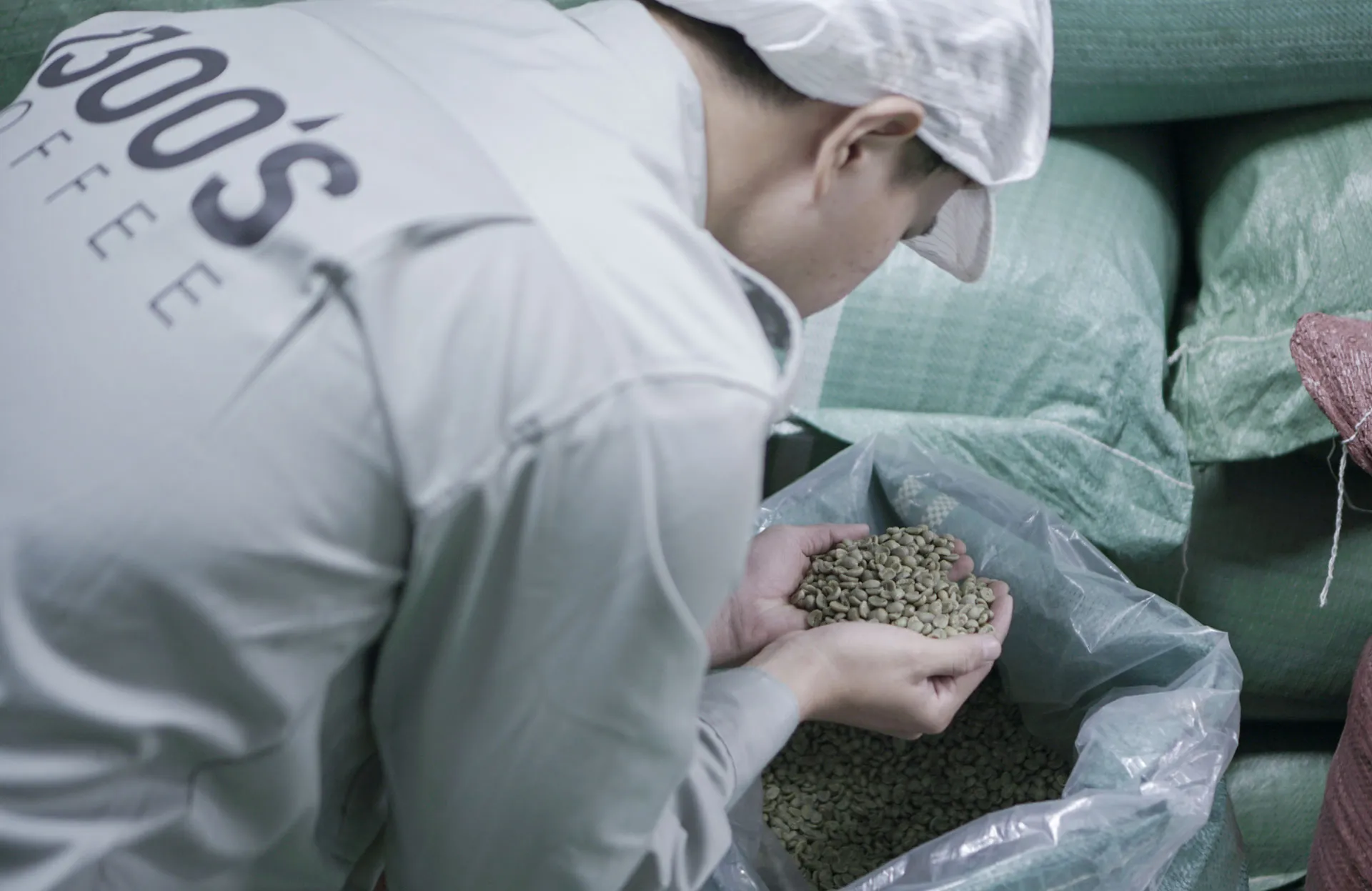
A factory functioning as a genuine vietnam green coffee bean supplier should provide lot-specific grading data, screen size, moisture content, defect count, and crop year, rather than a general regional quality claim. This matters most for roasters managing their own roast profile, who depend on consistent green coffee input to maintain a repeatable formulation across recurring orders.
Roasted Coffee Wholesale
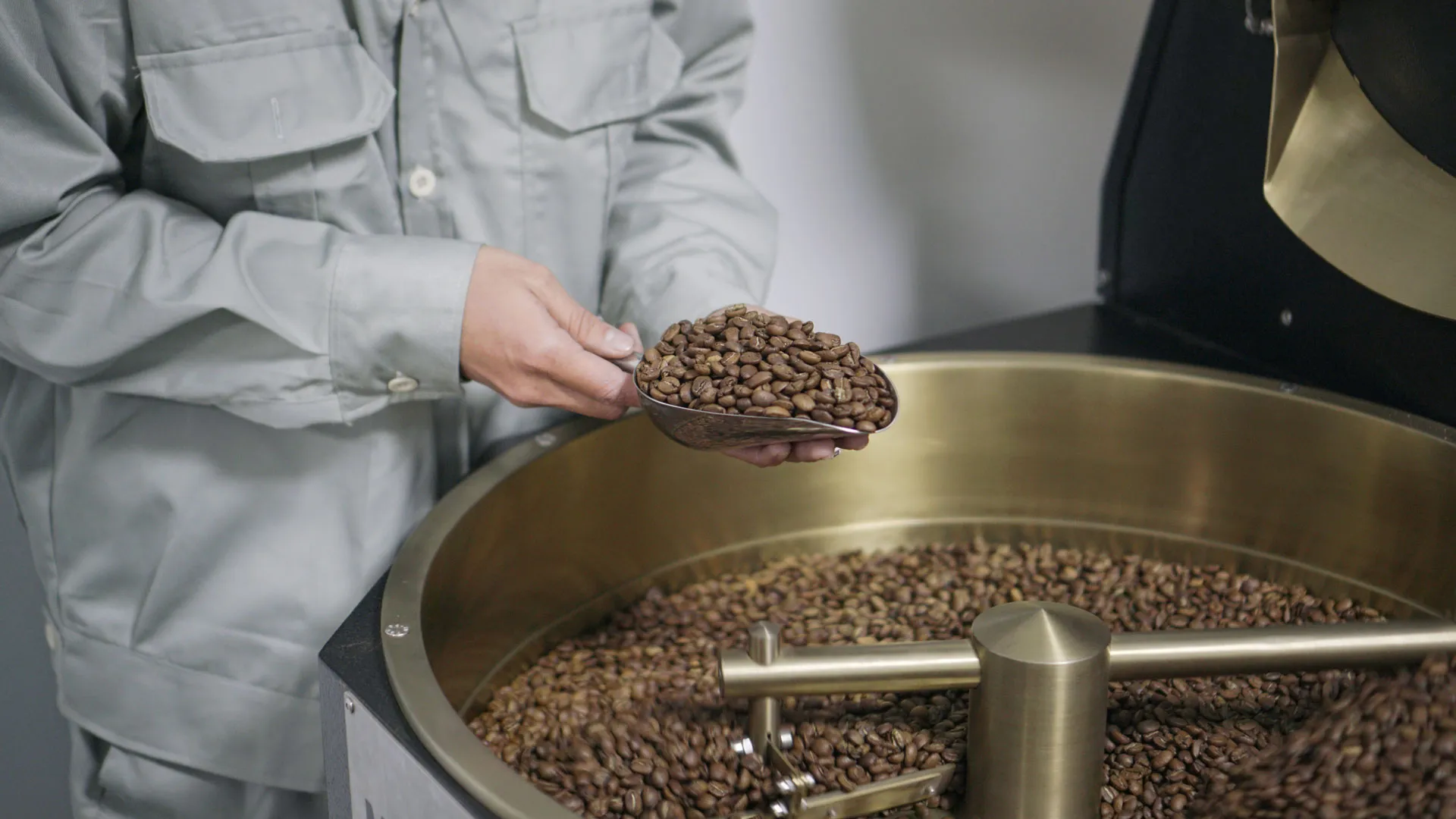
Factories offering roasted coffee wholesale supply should demonstrate documented, repeatable roast curves rather than relying on individual judgment each production cycle, since batch-to-batch consistency is what separates a reliable roasted coffee relationship from one prone to noticeable variation. Buyers should request cupping data comparing an initial sample against a more recent production run to confirm this consistency claim holds up in practice.
Ground Coffee Wholesale
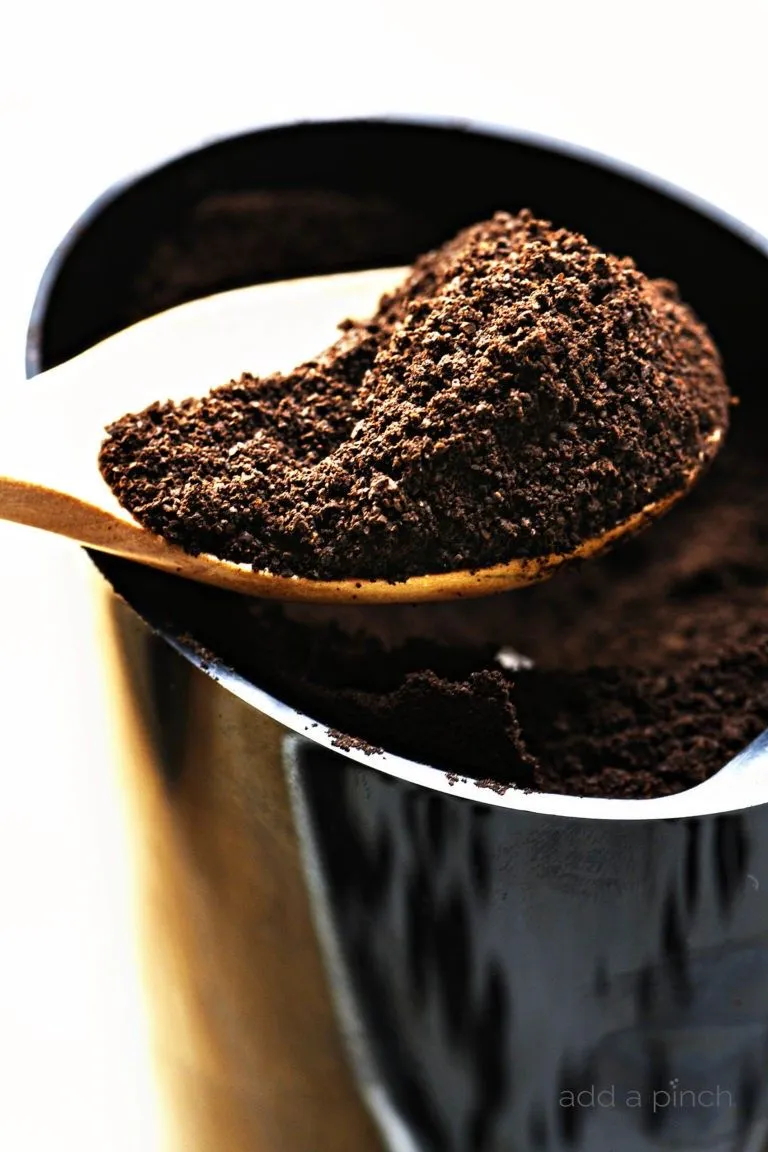
Ground coffee wholesale capability requires additional precision beyond roasting alone, specifically grind consistency calibrated to a buyer’s actual brewing method, whether drip, espresso, or French press, along with packaging that protects against the faster staling ground coffee experiences compared to whole bean. A factory strong in whole bean roasting isn’t automatically equally capable in ground coffee production, since grind calibration is a distinct technical skill worth confirming separately.
Instant Coffee Wholesale
Instant coffee wholesale production represents the most technically distinct capability among these formats, requiring either spray-drying or freeze-drying infrastructure entirely separate from roasting equipment. Buyers should confirm which production method a specific factory actually operates, since not every coffee factory vietnam operation claiming general instant coffee capability maintains genuine freeze-drying infrastructure specifically, a meaningfully more specialized and expensive process than standard spray-drying.
Matching Factory Type to Your Buyer Profile
The right factory type depends heavily on what a buyer actually needs, and matching profile to priority avoids a mismatch that only becomes apparent after a relationship is already underway.
Roasters Needing Green Bean Consistency
Roasters managing their own roast profile prioritize grading transparency and consistent green coffee supply above almost everything else, making a vertically integrated vietnam coffee bean supplier with direct farm relationships generally a better fit than a large industrial exporter sourcing from a more fragmented trading pool, since direct sourcing tends to produce more consistent input quality lot after lot.
Importers Needing Multi-Format Supply
Importers building a diverse product line, some green coffee for domestic roasting partners, some finished roasted or instant product for direct resale, benefit most from a factory capable of supporting this full range under one relationship, simplifying logistics and quality standards considerably compared to coordinating across multiple specialized suppliers with different certification timelines and shipping schedules.
Brands Needing OEM and Specialty Capability
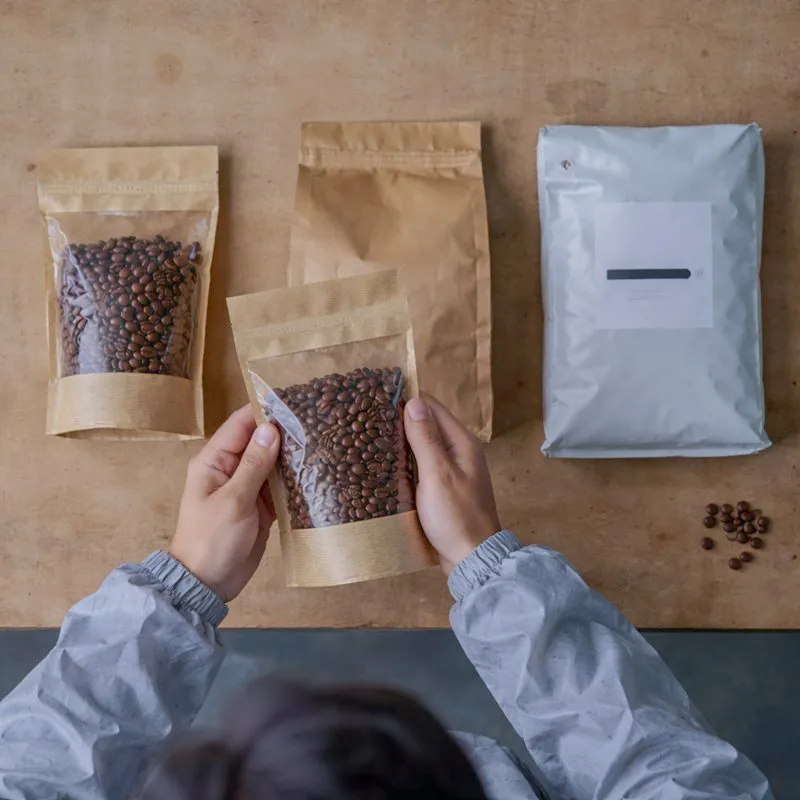
Brands developing a private label product, particularly one built around specialty positioning, need a factory offering genuine formulation collaboration, multiple rounds of cupping and adjustment, rather than only relabeling an existing house product. A specialty coffee supplier operating as a manufacturer, capable of providing lot-specific cupping scores and documented processing methods for a custom formulation, is essential for this buyer profile in a way it isn’t for a buyer purely sourcing standard commercial grade volume. Brands building a specialty coffee wholesale program specifically should expect fewer factories to genuinely qualify for this category than the broader industry’s marketing claims might suggest, since specialty-grade consistency at real wholesale volume, not just a single strong sample, is a meaningfully harder operational bar to clear than commodity grade production.
Brands Needing OEM and Specialty Capability
Regional Factory Locations Across Vietnam
Where a factory is physically located affects both the varietal focus of its supply and, in some cases, the specific quality characteristics available.
Central Highlands Industrial Base
Dak Lak province, and its capital Buon Ma Thuot specifically, forms the historical and production center of Vietnam’s coffee industry, with Gia Lai and Dak Nong contributing substantial additional volume. Most large-scale industrial factories maintain significant infrastructure in this region, given its concentration of Robusta cultivation and established processing supply chains built up over decades.
Kon Tum and High-Altitude Specialty Production
Kon Tum province, including the Mang Den highlands at elevations around 1,300 meters, represents a smaller but distinct production zone better suited to specialty positioning than high-volume commodity output. Factories based here, including 1300’S Coffee, generally offer more direct farm traceability and formulation flexibility, reflecting both smaller regional production scale and a more specialty-oriented market positioning than the larger Central Highlands industrial base.
Profiles: Coffee Factories Worth Evaluating
Bringing the categories above into specific names, the following factories represent a reasonable cross-section of what’s available across Vietnam’s coffee manufacturing landscape.
Intimex Group
Vietnam’s largest coffee exporter by volume, Intimex operates processing facilities across Dak Lak, Lam Dong, and Gia Lai, offering a product range from standard commercial Robusta through specialty grades and organic certified beans, suited to buyers prioritizing guaranteed volume at industrial scale.
Simexco Daklak
Closely associated with the EU market, Simexco Daklak supplies Robusta, Fine Robusta, and specialty grade coffee while holding Rainforest Alliance, UTZ, and 4C certifications, appealing to importers who weigh sustainability documentation alongside meaningful production volume.
Vinh Hiep
Operating from Pleiku since 1991, Vinh Hiep processes around 30,000 tons annually and was among the first Vietnamese companies to export certified organic coffee into the EU, known specifically for accommodating detailed custom processing specifications.
Phuc Sinh Group
Phuc Sinh’s farm to cup model emphasizes traceability and sustainable production practices across its coffee processing operations, suiting buyers who weigh sourcing transparency as heavily as production scale.
1300’S Coffee
1300’S Coffee operates a vertically integrated factory in the Mang Den highlands of Kon Tum province, managing green coffee sourcing, roasting, and further processing under one operation rather than through fragmented intermediary sourcing. The company supports vietnam coffee wholesale supply across green, roasted, ground, and instant formats, holds ISO 22000, HACCP, FDA, and OCOP certifications, and manages quality control through an in-house lab. Buyers can verify production directly through the company’s Kon Tum farm tour program, and the company’s smaller, boutique scale relative to the larger names above makes it particularly well suited to buyers prioritizing private label formulation flexibility and direct sourcing traceability.
Scheduling a Factory Visit or Virtual Tour
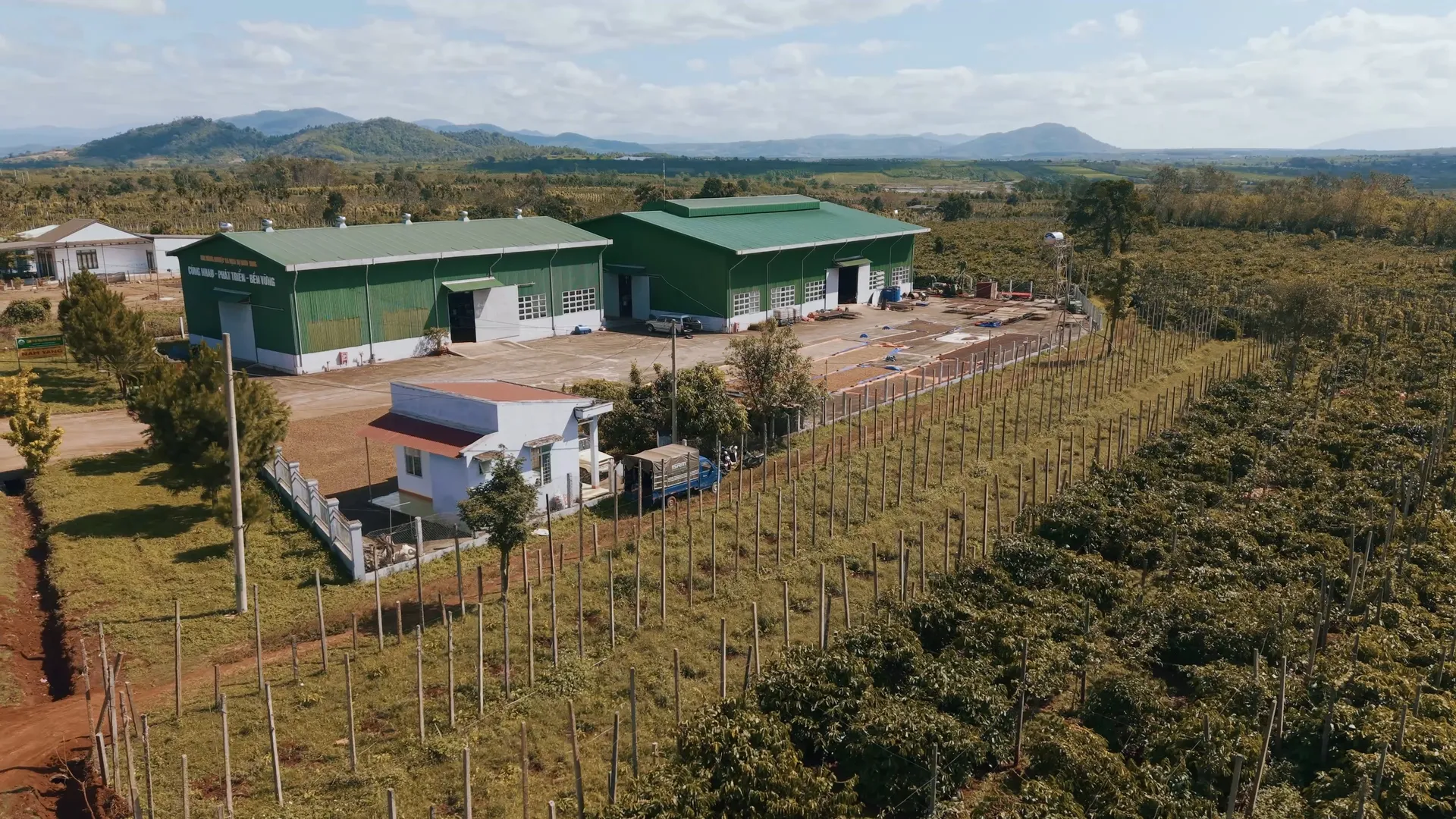
For buyers seriously evaluating a coffee factory vietnam relationship, scheduling direct facility access, whether in person or virtual, should happen before finalizing volume commitments rather than after. Most established factories can accommodate either format, though response time and willingness vary meaningfully and are themselves informative during the evaluation process. Buyers planning an in-person visit should coordinate timing around harvest season if possible, since this offers visibility into sourcing and initial processing that a visit during a quieter period wouldn’t show, while buyers opting for a virtual walkthrough should request footage covering the full process, not just packaging or finished goods, to get a genuine sense of the factory’s actual production capability.
Scheduling a Factory Visit or Virtual Tour
Pricing Structures and Contract Terms Across Factory Types
Beyond production capability, the commercial terms a factory offers vary meaningfully by scale and business model, and understanding these patterns helps buyers negotiate more effectively.
Volume-Based Pricing Tiers
Larger industrial factories generally structure pricing around clear volume tiers, with meaningful per-unit discounts at higher committed quantities, reflecting genuine economies of scale in their production planning. Smaller, vertically integrated factories may offer less dramatic volume-based discounting but often provide more flexibility on order size itself, allowing buyers to start at a lower volume than a large factory’s minimum order quantity would permit.
Payment Terms and Trial Order Flexibility
Payment terms differ considerably across factory types as well. Large industrial exporters often require payment upfront or at shipment for new buyers, reflecting standard practice for high-volume international trade, while smaller factories building a new relationship are sometimes more willing to structure a modest trial order with more accommodating terms specifically to establish trust before a buyer commits to larger, recurring volume. Buyers should raise payment terms directly during initial conversations rather than assuming standard terms apply universally, since this varies enough across factory types to meaningfully affect cash flow planning for a new sourcing relationship.
Red Flags Worth Taking Seriously
A handful of warning signs recur across buyers who’ve had a bad experience evaluating a coffee factory vietnam relationship, and recognizing them early avoids a costly mismatch later.
Reluctance Around Facility Visibility
A factory offering only stock photography, refusing a video walkthrough, or providing vague, evasive answers about their actual production location is one of the clearest warning signs available, since this is precisely the kind of transparency a legitimate operation has no reason to withhold from a serious buyer.
Pricing Significantly Below Comparable Quotes
Pricing well below what comparable factories are quoting for similar specifications, without a clear explanation tied to genuine efficiency or scale advantages, often signals a quality or compliance shortcut somewhere in the production chain, whether in the underlying green coffee grade, certification validity, or production consistency that only becomes apparent after a shipment arrives.
Inconsistent Answers Across Conversations
Buyers who ask the same specification or capability question at different points in the sourcing conversation and receive inconsistent answers should treat that inconsistency as meaningful information, since a factory with genuine, stable production capability should be able to describe it the same way regardless of which team member or which point in the negotiation the question comes up.
Getting Started
International buyers and roasters evaluating a coffee factory vietnam relationship should confirm business registration and certification directly, request a facility audit or virtual walkthrough, and verify production capacity claims against visible infrastructure before committing to a trial order and, eventually, a full recurring relationship. Ready to evaluate a vertically integrated coffee factory in Vietnam? Request a virtual tour, documentation, and samples from 1300’S Coffee to see production firsthand before committing to volume.
Read more: Vietnam Coffee Bean Supplier Trusted by International Roasters and Importers


1300s BLOG YOU MAY ALSO BE INTERESTED IN
How Specialty Coffee Is Exported from Vietnam
Specialty Batch Coffee Roasters in Vietnam for Wholesale & Export
Robusta Coffee Beans Suppliers Delivering Wholesale Volume to Industrial Buyers