



Specialty Batch Coffee Roasters in Vietnam for Wholesale & Export
Finding the right specialty batch coffee roasters is essential for businesses seeking exceptional coffee quality, consistent roasting, and reliable export capabilities. Whether you’re a coffee importer, specialty retailer, café chain, or private label brand, working with an experienced batch roaster ensures that every roast profile is carefully developed to highlight the unique characteristics of each coffee origin.
Vietnam has rapidly become one of the world’s most exciting specialty coffee destinations. Beyond being a leading coffee-producing country, it is now home to a growing number of professional roasters equipped with modern roasting technology, strict quality control systems, and export-standard manufacturing facilities. From high-altitude Arabica grown in Cầu Đất to Fine Robusta cultivated in Đắk Lắk, Vietnamese roasters are creating premium coffees that meet the expectations of international buyers.
In this guide, we’ll explore what sets the best specialty batch coffee roasters apart, the key factors to consider when choosing a roasting partner, and why Vietnam has become a preferred sourcing destination for wholesale and export markets.
Understanding The Vietnamese Specialty Coffee Landscape
Historical Shift From Commodity to Specialty Production
The coffee industry in Vietnam has undergone a profound transformation, moving away from a primary focus on bulk robusta towards sophisticated single-origin specialty production. This evolution reflects a growing global demand for traceable and high-quality beans, prompting local farmers to refine their post-harvest processes.
Regional Diversity in Vietnamese High-altitude Terroirs
High-altitude regions like Măng Đen offer distinct volcanic microclimates that influence bean density and acidity, providing a foundation for exceptional coffee. These specialized growing conditions allow 1300’s Coffee to source beans that exhibit unique characteristics, differentiating regional outputs from standard market offerings.
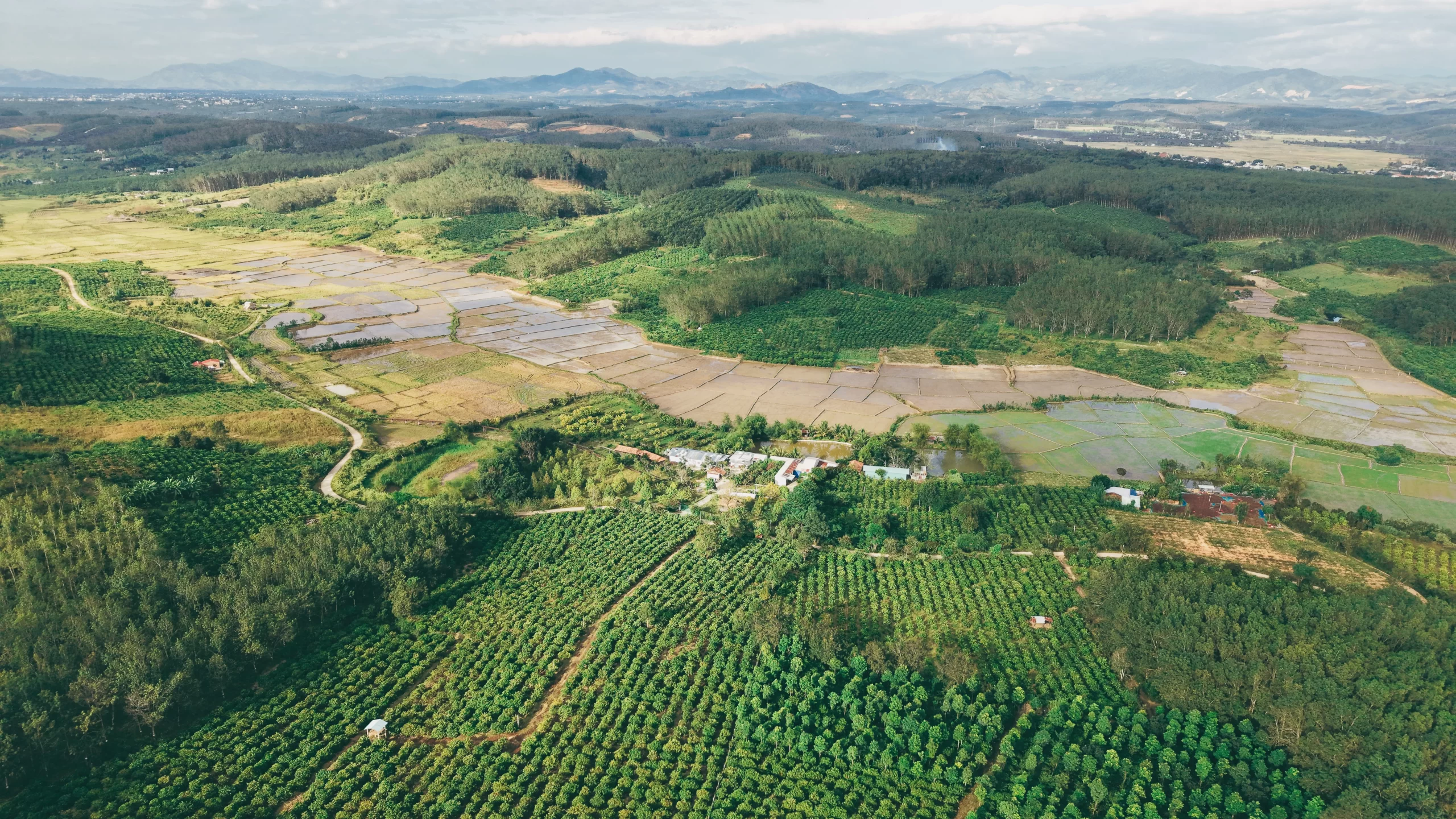
Regional diversity in Vietnamese high-altitude terroirs
Beyond sourcing premium coffee, 1300’S Coffee invites international buyers to experience Vietnam’s coffee origins firsthand through our coffee farm tour in vietnam program. Rather than simply viewing coffee as a finished product, visitors have the opportunity to explore the complete journey from farm to export-ready production. The tour includes visits to carefully selected coffee farms, processing stations, and roasting facilities, allowing coffee brands, importers, and distributors to better understand cultivation practices, post-harvest processing, quality control, and the distinctive characteristics of each growing region. This hands-on experience strengthens sourcing confidence while creating greater transparency between producers and international partners.
Impact of Micro-roasters on Local Market Trends
Local micro-roasters are currently driving innovation by experimenting with fermentation and drying techniques that appeal to discerning palates. This shift mirrors global shifts toward artisanal coffee, as noted in the specialty coffee movement, where production quality is valued over sheer volume.
The Role of Batch Roasting in Profile Consistency
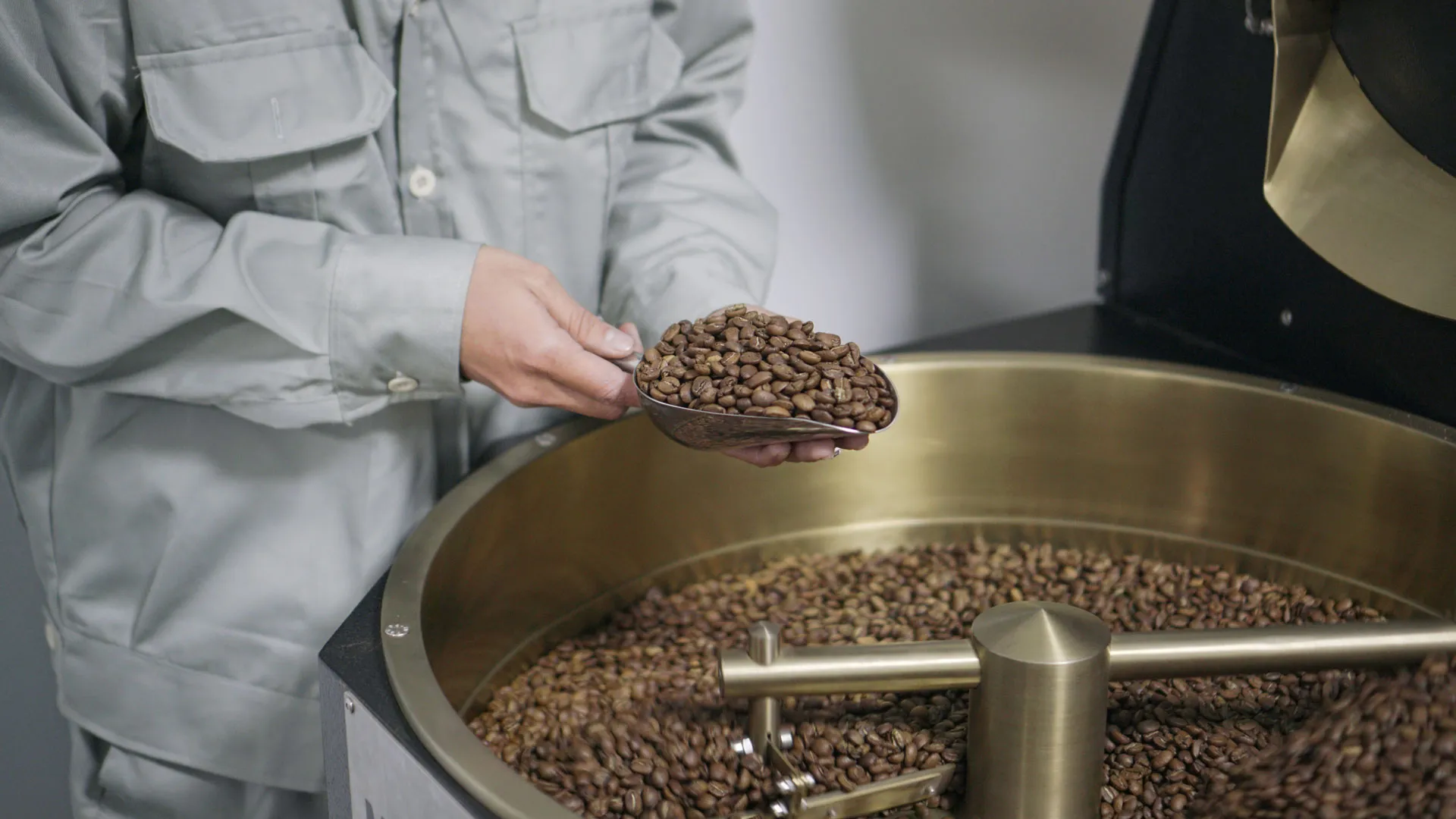
Quality in the roasting process necessitates a measured approach that prioritizes environmental control over mass output. When roasters focus on specific batches, they can document every variable, ensuring that the final cup remains predictable even across large export orders.
Benefits of Small-batch Roasting Versus Mass-manufacturing
Small-batch roasting centers on hyper-focused heat application, permitting the roaster to react to the beans’ unique chemical reactions in real time. Unlike automated mass-manufacturing lines, this manual, data-driven approach maintains the delicate balance between bitterness and sweetness.
Precision Sensory Control for Unique Flavor Profiles
By utilizing laboratory-level monitoring equipment, roasters achieve remarkable consistency. The table below outlines how specific metrics are tracked during the development phase of a specialty roast profile.
| Process Phase | Target Temperature | Objective |
|---|---|---|
| Drying Phase | 150°C | Remove internal moisture |
| Maillard Reaction | 170°C – 190°C | Develop aromatic flavor compounds |
| First Crack | 200°C | Texture and body development |
Following the cooling cycle, each profile is cupped to ensure it hits the desired sensory markers before scaling for the wholesale market.
Preserving The Origin Character of Specialty Arabica Beans
The preservation of origin characteristics is the primary goal for specialty batch coffee roasters. Through careful thermal management, they prevent the over-roasting of delicate Arabica, allowing the nuanced floral or fruit notes of the terroir to shine through.
Ensuring Quality And Sustainable Sourcing Practices
Implementing certification standards and ethical farm partnerships
Sustainability is not just a marketing term; it is an operational requirement that involves verifying every link in the supply chain. By adhering to international certification standards, factories ensure that fair wages are maintained while ecological impact is minimized.
Adopting direct trade models for transparent supply chains
A direct trade approach cuts out unnecessary layers, fostering stronger relationships between the roaster and the grower. This transparency is crucial for brands that need to provide consumers with an honest story behind every coffee specialty wholesale purchase.
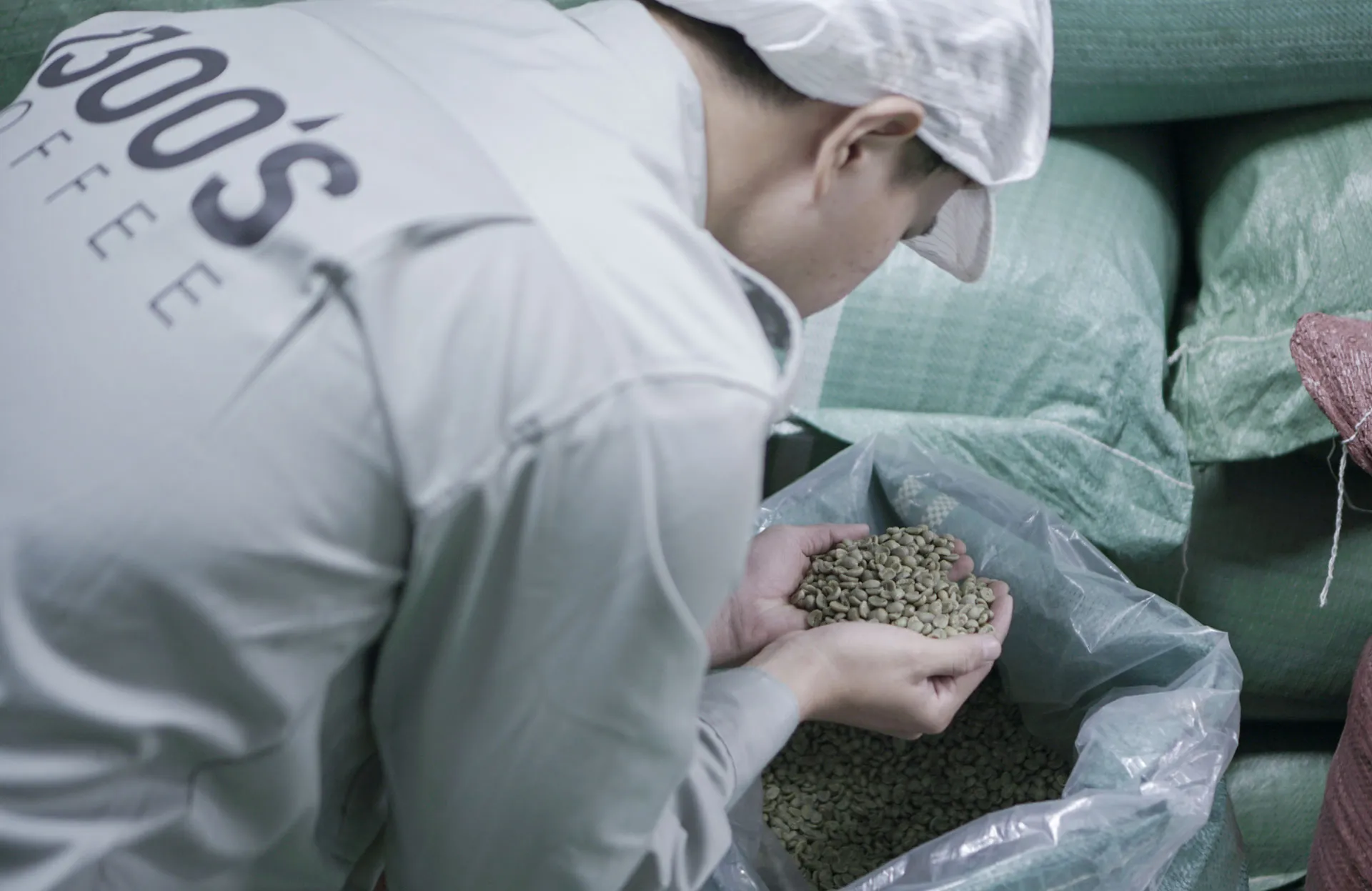
Evaluating green bean quality and moisture control protocols
Achieving perfection requires strict adherence to quality assurance at the point of receipt and throughout storage. Key components in a robust quality management framework include:
- Systematic moisture level testing to meet the 12.5% industry standard.
- Optical sorting to remove defective beans and physical debris.
- Density grading to ensure consistent extraction rates.
- Hermetic storage solutions that prevent moisture absorption during transit.
Following these steps ensures that the raw material entering the roaster is of the highest caliber, which is fundamental for any gourmet coffee suppliers aiming to maintain long-term consistency.
Tailoring wholesale solutions for international partners
Delivering wholesale output on a global scale requires an agile manufacturing environment that can adapt to different branding and packaging needs. By integrating specialty coffee roasters wholesale capabilities, manufacturers can provide a comprehensive suite of services that go beyond mere bean supply.
Offering flexible white-label branding and co-packing options
Private labels and OEM/ODM services allow brands to focus on marketing and customer engagement while the factory handles production, roasting, and packaging. This collaborative environment ensures that the brand’s unique identity is maintained across every unit distributed.

Offering flexible white-label branding and co-packing options
Developing bespoke roast profiles for overseas consumer preferences
Consumer palates vary significantly by territory, necessitating the creation of localized roast profiles. A manufacturer might develop a heavier, chocolate-forward profile for one market and a brighter, high-acidity roast for another, all based on the same high-quality green beans.
Managing production scalability for specialty output requirements
Scaling production does not mean compromising quality, as long as the infrastructure supports consistent throughput. Investing in advanced manufacturing systems allows for greater output without sacrificing the subtle nuances that defined the original sample batches.
Managing Logistics and Global Export Operations
Delivering exceptional coffee is only part of a successful wholesale partnership. For international buyers, product quality must be preserved throughout the entire export journey—from the roasting facility to the final destination. Even perfectly roasted coffee can lose its aroma, freshness, and commercial value if packaging, shipping, or documentation is poorly managed. This is why experienced specialty batch coffee roasters treat logistics as an extension of their quality control system rather than simply the final stage of production.
When evaluating a roasting partner, buyers should assess not only the quality of the coffee itself but also the supplier’s ability to manage international shipping, maintain product freshness during transit, and navigate increasingly complex import regulations across global markets.
Advanced Packaging Solutions for Long-Distance Transit
Freshly roasted coffee is highly sensitive to oxygen, moisture, heat, and light. During international transportation, products may spend anywhere from four to eight weeks in containers before reaching warehouses, where they may remain in storage for additional weeks before distribution. Without appropriate packaging, much of the coffee’s aroma and flavor can gradually deteriorate long before consumers open the bag.
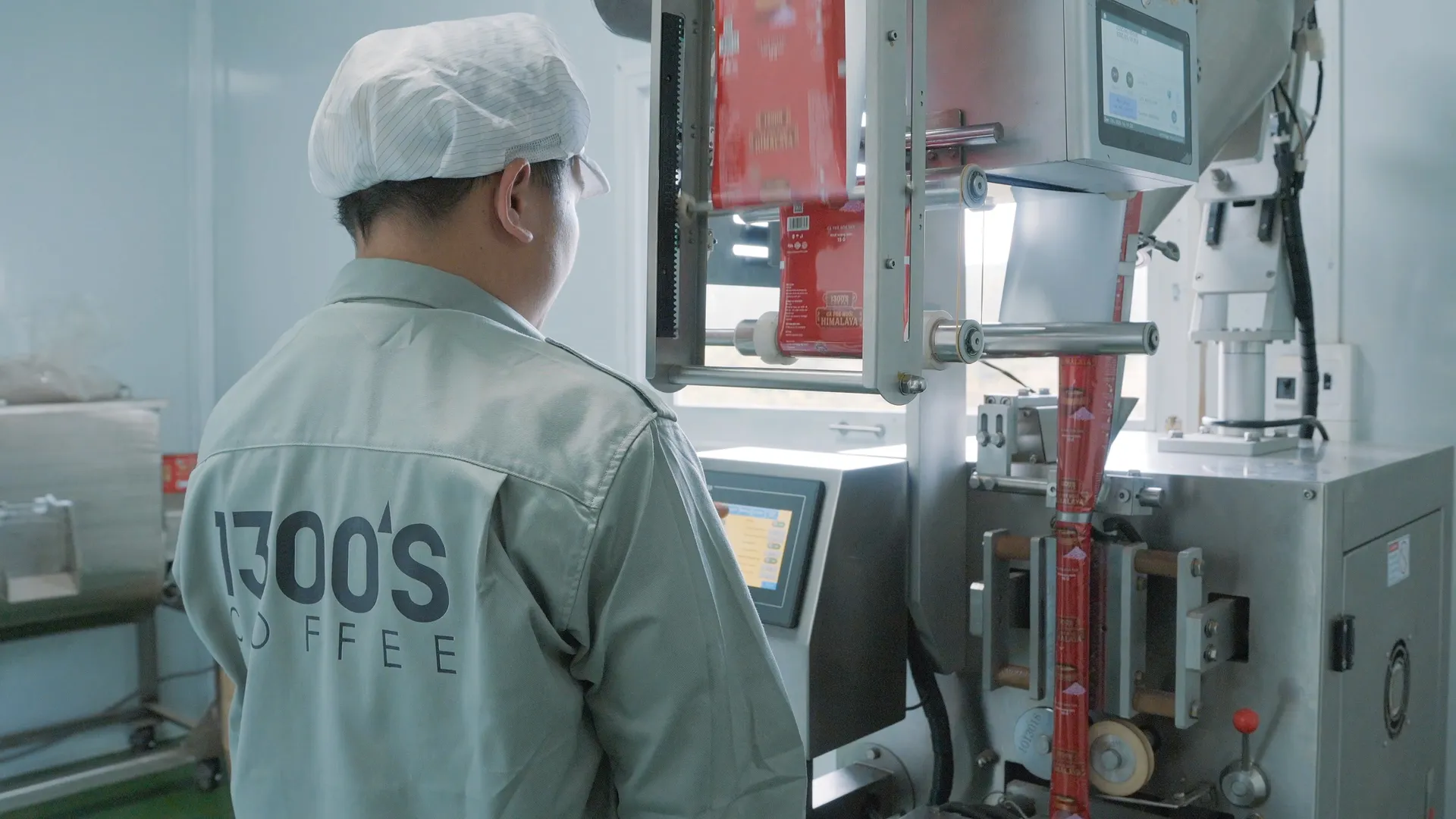
Professional specialty batch coffee roasters invest in packaging technologies specifically designed for export. High-barrier laminated materials reduce oxygen transmission, while one-way degassing valves allow freshly roasted coffee to release carbon dioxide without allowing outside air to enter the package. Many export manufacturers also utilize nitrogen flushing to further reduce oxidation and extend shelf life during long-distance transportation.
Rather than viewing packaging as a simple branding element, international buyers should evaluate whether the supplier’s packaging specifications are suitable for their shipping routes, climate conditions, and expected storage periods. Packaging quality often has as much influence on the final customer experience as the roasting process itself.
Export Documentation and International Compliance
International coffee trade requires far more than preparing commercial invoices and arranging transportation. Every destination market has its own regulatory framework covering food safety, labeling, customs procedures, and import documentation. Failure to comply with these requirements can result in shipment delays, additional inspection costs, or even rejected cargo.
Experienced exporters understand these challenges and prepare documentation accordingly. Depending on the destination, buyers may require Certificates of Origin, Phytosanitary Certificates, Health Certificates, packing lists, commercial invoices, and product specifications that comply with local regulations. In many markets, packaging labels must also satisfy language requirements, ingredient declarations, barcode standards, and traceability obligations.
Rather than asking suppliers whether they “can export,” buyers should evaluate how familiar they are with the regulations of the target market. A supplier regularly exporting to Europe, North America, Australia, or Japan is generally better equipped to anticipate documentation requirements and minimize customs-related risks throughout the supply chain.
Optimizing Freight Planning Without Compromising Coffee Quality
For premium coffee products, logistics should never be evaluated solely on transportation cost. Selecting the cheapest freight option may increase transit time, expose products to unfavorable environmental conditions, or reduce inventory flexibility. Instead, buyers should balance shipping cost with product protection, delivery reliability, and inventory planning.
Professional exporters work closely with logistics partners to determine the most appropriate shipping methods based on order volume, destination, and product characteristics. They also coordinate production schedules to minimize warehouse storage before shipment, reducing the overall time between roasting and retail distribution.
Businesses purchasing specialty coffee for wholesale should therefore discuss lead times, shipping schedules, container loading practices, and inventory planning with their suppliers. These operational details often determine whether products reach customers at peak freshness or after unnecessary delays.
Building a Long-Term Partnership with Specialty Batch Coffee Roasters
For most coffee brands, selecting a roasting partner is not a one-time purchasing decision but a long-term business investment. As product portfolios expand, customer expectations evolve, and new export markets emerge, businesses require suppliers capable of growing alongside them. The most successful partnerships are built on transparency, technical expertise, and shared commercial objectives rather than simply competitive pricing.
Instead of viewing suppliers as manufacturers alone, international buyers increasingly seek strategic partners capable of supporting product innovation, quality improvement, and sustainable business growth.
Communication Reflects Operational Reliability
One of the clearest indicators of a supplier’s professionalism is the quality of its communication. Delayed responses, incomplete specifications, or unclear production updates often create larger operational problems than minor variations in product pricing. In contrast, suppliers that communicate proactively help buyers identify potential issues before they affect production schedules or customer deliveries.
Professional specialty batch coffee roasters typically establish clear communication throughout every stage of the project, from product development and sample approval to production planning, quality inspection, and shipment scheduling. This transparency enables both parties to make informed decisions while reducing misunderstandings that can become costly during commercial production.
For long-term partnerships, communication should be evaluated not only by response speed but also by the supplier’s willingness to provide detailed technical information, production updates, and practical recommendations throughout the collaboration.
Evaluate Technical Expertise, Not Just Equipment
Modern roasting equipment certainly contributes to product consistency, but machinery alone does not guarantee exceptional coffee. The expertise of the roasting team, their understanding of coffee chemistry, and their ability to interpret roasting data are equally important when producing specialty coffee for export markets.
Professional batch roasters continuously monitor variables such as bean density, moisture content, airflow, development time, and roast progression to ensure each production batch follows the intended profile. They also maintain detailed roasting records and regularly verify quality through cupping sessions and sensory evaluation.
When visiting a production facility or discussing capabilities with a supplier, buyers should explore how roast profiles are developed, how consistency is monitored between batches, and how quality issues are identified before products enter commercial distribution. These conversations provide a much more accurate assessment of a supplier’s technical capability than equipment specifications alone.
Choose Partners Capable of Supporting Future Growth
Many businesses evaluate suppliers based only on their immediate purchasing needs. However, successful coffee brands often experience significant changes over time, including higher order volumes, expanded product ranges, new packaging formats, and entry into additional export markets. Suppliers unable to accommodate this growth can quickly become operational bottlenecks.
A reliable specialty batch coffee roaster should therefore demonstrate not only current production capability but also the flexibility to scale alongside your business. This includes the ability to increase production capacity, develop new roast profiles, support OEM or private label projects, and adapt manufacturing schedules as market demand evolves.
Rather than negotiating each order as an isolated transaction, buyers should discuss long-term production planning, forecasted demand, and future business objectives from the beginning of the partnership. Suppliers that understand your growth strategy are better positioned to provide proactive recommendations and maintain stable supply over many years.
Partner with 1300’S Coffee for Export-Ready Specialty Batch Roasting
At 1300’S Coffee, we combine carefully selected Vietnamese coffee origins with precision batch roasting to deliver consistent quality for international wholesale buyers. Every roast is developed to preserve the distinctive characteristics of each origin while meeting the quality expectations of specialty cafés, coffee brands, distributors, and retailers worldwide.
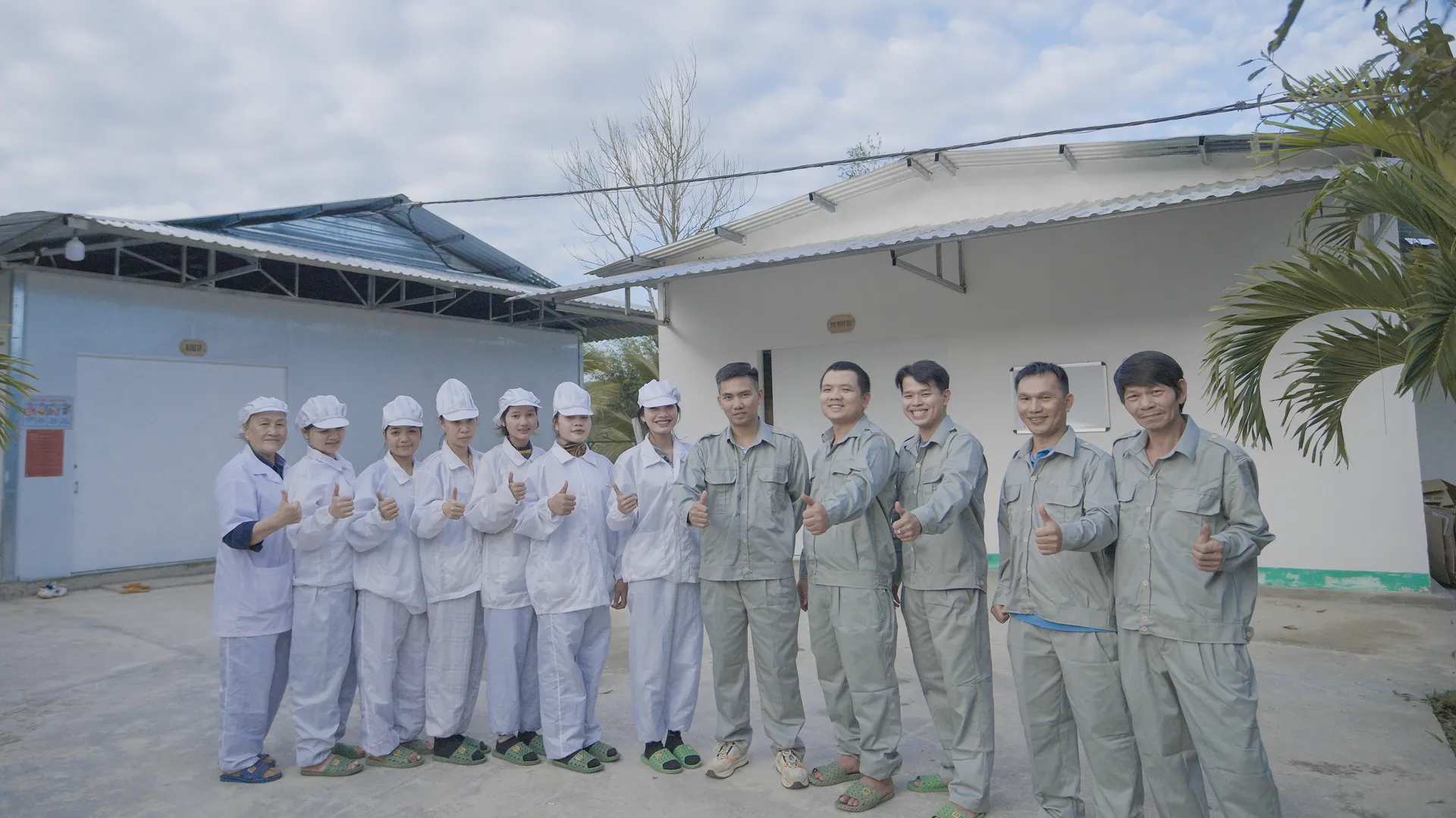
Partner with 1300’S Coffee for Export-Ready Specialty Batch Roasting
Beyond roasting, we provide comprehensive OEM and private label solutions, including custom roast profiles, flexible packaging, quality assurance, and export support. Whether you’re sourcing specialty roasted beans, developing your own coffee brand, or expanding your wholesale portfolio, our team works closely with you to create products tailored to your market.
If you’re looking for a trusted partner specializing in specialty batch coffee roasting with export-standard production and long-term supply capabilities, 1300’S Coffee is ready to support your business with premium Vietnamese coffee and customized wholesale solutions.
Conclusion
Successfully navigating the specialty wholesale market requires a blend of rigorous quality control, deep agronomic knowledge, and flexible manufacturing capabilities. By aligning with partners who prioritize both technical precision and sustainable practices, international brands can deliver an authentic and consistently superior coffee experience to their customers.
Read more: How to Choose a Reliable Speciality Coffee Company for International Buyers


1300s BLOG YOU MAY ALSO BE INTERESTED IN
How to Roast Coffee Beans Professionally What Changes at Commercial Scale
Coffee Bean Manufacturer for Private Label and OEM Brands in Vietnam
Roasted Coffee Beans Suppliers Delivering Wholesale Volume to Cafes and Retailers