





How to Import Coffee to Canada: Requirements and Process
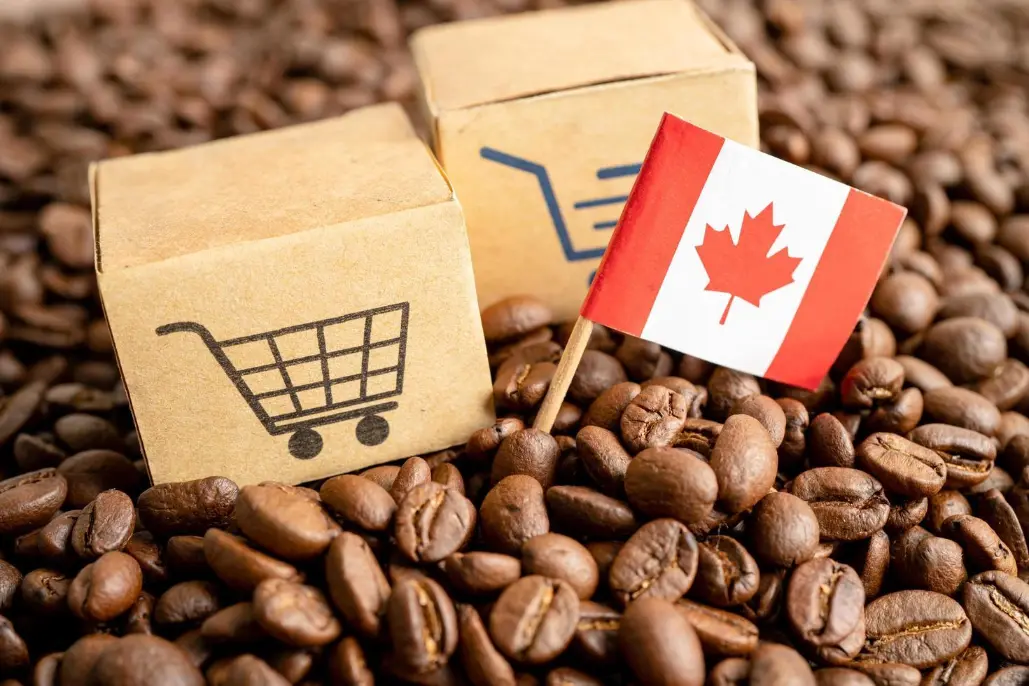
Learning how to import coffee to Canada means working through three separate regulatory bodies, the Canada Border Services Agency for customs and duty, the Canadian Food Inspection Agency for food safety and labeling, and the Canada Revenue Agency for business registration, each with its own specific requirements that need to align before your shipment can actually clear and reach your facility. This guide covers what currently applies as of 2026, duty treatment by product type, CFIA licensing and labeling rules, CBSA’s mandatory CARM registration system, and the practical decisions around sourcing and product format that shape a successful Canadian coffee import.
How to Import Coffee to Canada An Overview of the Full Process
Importing coffee into Canada requires registering your business and completing CARM portal setup with CBSA, confirming duty and tariff classification for your specific product, obtaining a Safe Food for Canadians licence from CFIA if your volume or product type requires one, meeting bilingual labeling requirements, and arranging proper customs documentation including a phytosanitary certificate from your exporter. These requirements interact with each other throughout the process, and Canada’s regulatory framework has genuinely tightened in recent years, particularly with CARM registration becoming mandatory for all commercial importers rather than optional as it once was. Understanding roughly how long each piece takes, business number and CARM registration completed well ahead of your first shipment, SFCR licensing timelines that vary depending on your specific product and volume, and standard customs processing once a shipment actually arrives, helps you build a realistic overall timeline rather than assuming everything compresses neatly into your supplier’s stated shipping time.
How to Import Coffee to Canada An Overview of the Full Process
Duty Rates and Tariff Classification for Coffee Products
Understanding what duty actually applies to your specific coffee product requires looking at Canada’s Harmonized System classification rather than assuming a single blanket rate covers every coffee category.
Duty Free Baseline for Green and Roasted Coffee
Green, unroasted coffee classified under HS code 0901.11 and roasted coffee under HS code 0901.21 both enter Canada duty-free under the national customs tariff, a long-standing baseline that reflects Canada’s lack of any meaningful domestic coffee cultivation to protect through tariff barriers. This duty-free treatment has remained consistent across trade policy changes over the years specifically because coffee doesn’t compete with any domestic agricultural interest the way a tariff on, say, imported dairy or poultry products would, removing the political pressure that typically drives protective tariff measures for competing domestic industries. Businesses building a roasted coffee wholesale import relationship into the Canadian market should confirm this duty-free classification applies specifically to their product’s exact HS subcategory, since even within these broad codes, specific subclassifications can occasionally carry different treatment depending on processing method or blend composition, a detail worth confirming directly with a customs broker rather than assuming the entire coffee category receives uniform treatment.
Instant Coffee and Different Tariff Treatment
Instant and soluble coffee products don’t automatically receive the same duty-free treatment as green and roasted coffee, since these products fall under a different tariff classification that can carry duty depending on the specific formulation and any added ingredients. Businesses evaluating instant coffee wholesale imports into Canada should confirm the exact HS classification and applicable duty rate for their specific product with a customs broker before finalizing supplier agreements, rather than assuming the broader coffee category’s duty-free reputation extends automatically to this format.
CFIA Food Safety Requirements Every Importer Must Satisfy
Beyond customs duty, coffee entering Canada needs to satisfy the Canadian Food Inspection Agency’s food safety and labeling framework, enforced under the Food and Drugs Act and Safe Food for Canadians Regulations.
Safe Food for Canadians Licence
Importers handling significant volume or specific coffee products, including many specialty and value-added formulations, typically need a Safe Food for Canadians licence, applied for through the My CFIA portal. This licensing framework exists specifically to give CFIA better visibility into food safety and traceability across the supply chain, and businesses working with a genuine specialty coffee supplier should confirm that supplier can provide the documentation, including food safety management certifications like HACCP or an equivalent standard, that supports a smooth SFCR licence application and ongoing compliance. Importers bringing in only very small amounts strictly for personal use generally don’t need this licensing, but any coffee entering Canada for commercial resale, regardless of quantity, should be treated as requiring this compliance step rather than assuming a licensing exemption applies without confirming it directly against CFIA’s current guidance.
Bilingual Labeling Requirements
Canadian labeling law requires key product information presented bilingually in both English and French, including the country of origin, net weight, ingredient listing for any flavored or blended coffee, and contact information for the responsible business. Products claiming to be decaffeinated, organic, or containing potential allergens need this information clearly declared as well, and any coffee marketed specifically as organic requires certification under the Canada Organic Regime rather than simply carrying an organic claim from the country of origin without separate Canadian certification. Roasted and ground coffee without additives can generally be exempt from a full nutrition facts panel, though any product containing flavorings, additives, or blended ingredients typically triggers this additional labeling requirement, a distinction worth clarifying with CFIA’s specific guidance for your exact product rather than assuming a blanket exemption applies. This bilingual requirement isn’t optional or something that can be addressed after import, meaning packaging needs to be designed correctly before production, whether applied at the source facility or through a Canadian labeling arrangement after arrival.
CBSA and CARM Registration Before Your First Shipment
Since October 2024, Canada has required all commercial importers to register through a centralized digital system before goods can be brought in for commercial sale, a meaningful procedural change from how imports were previously handled.
Business Number and CARM Portal Setup
Before your first commercial shipment, you’ll need a Business Number from the Canada Revenue Agency, followed by registration in the CARM Client Portal, which centralizes how duties and taxes are assessed and paid across all your imports. Within this portal, you’ll also need to assign a Business Account Manager responsible for managing your account and permissions, a step some first-time importers overlook until they discover their shipment can’t be processed without this administrative piece already in place. Non-resident importers, businesses without a Canadian physical presence looking to import directly, face an additional layer of consideration here, since securing a Business Number as a non-resident entity requires its own separate process through the Canada Revenue Agency before CARM registration can even begin, a sequence worth planning well ahead of your intended first shipment date given how much lead time this administrative chain can consume.
Customs Documentation and Broker
Standard customs documentation for a coffee shipment includes a commercial invoice, packing list, bill of lading, and the import declaration filed through CBSA’s system, alongside a phytosanitary certificate and certificate of origin your exporter should provide directly. Working with a licensed customs broker familiar with coffee imports specifically, rather than a generalist broker unfamiliar with the specific CFIA and CBSA interplay this product category involves, considerably reduces the risk of a documentation gap causing delay at the border. A broker experienced with coffee specifically will also understand how CFIA and CBSA reviews interact in practice, since a shipment can technically satisfy customs entry requirements while still facing a hold if CFIA’s separate food safety review flags an issue, a coordination point that a broker unfamiliar with food product imports specifically might not anticipate as clearly as one who regularly handles this category.
Understanding GST HST and Trade Agreement Benefits
Coffee imports into Canada are generally subject to GST or the applicable provincial HST at the point of entry, though businesses registered for GST purposes can typically recover this through input tax credits rather than treating it as a genuine additional cost. It’s also worth noting that counter-tariffs Canada had applied to certain US-origin food products, including coffee, were removed effective September 1, 2025, meaning importers should confirm current status directly rather than relying on outdated information about this specific trade dispute, since policy in this area has shifted meaningfully over a relatively short period, and steel, aluminum, and certain automobile counter-tariffs remain in effect even though the food category exemption now applies. Businesses sourcing from countries with preferential trade agreements with Canada, including arrangements like CUSMA, CETA, or CPTPP depending on origin country, should confirm whether their specific supplier and product qualify for preferential duty treatment under these agreements, since this can meaningfully affect landed cost calculations beyond the standard tariff schedule alone, particularly relevant for businesses comparing sourcing options across multiple origin countries with different trade agreement relationships to Canada.
Choosing the Right Product Format for the Canadian Market
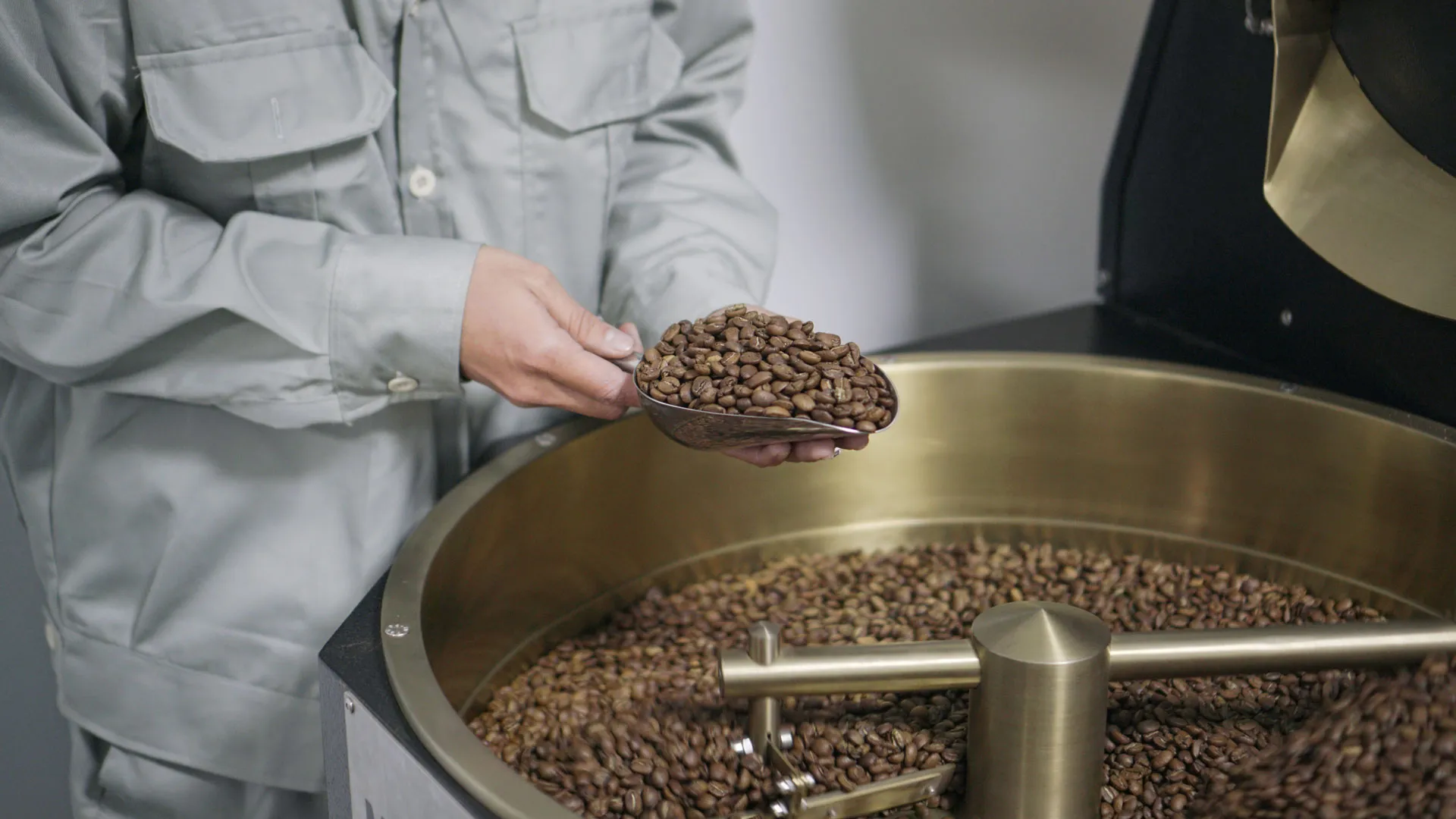
Beyond regulatory compliance, deciding what specific coffee format actually fits your target Canadian customer base shapes much of your broader sourcing strategy. Businesses targeting cafes and specialty retailers often find that working with a specialty coffee supplier for green or roasted beans, rather than a purely commodity grade source, aligns better with Canadian consumer trends toward premium and traceable coffee options, particularly in urban markets with well-developed specialty coffee cultures.
Choosing the Right Product Format for the Canadian Market
Retailers or foodservice distributors without their own grinding capability, meanwhile, might look toward a different approach entirely, receiving a ready-to-brew ground product requiring no further processing once it clears customs and CFIA review, an option worth weighing against whole bean formats depending on your specific customer base’s actual brewing habits and equipment access.
Working With a Supplier Already Verified for the Canadian Market
Given how many regulatory pieces need to align, working with a supplier who has genuine prior experience exporting to Canada specifically, rather than only to other markets, meaningfully reduces first-shipment risk. Ask any prospective supplier directly whether they’ve previously navigated CFIA labeling requirements and CARM-related documentation, since a supplier already familiar with Canada’s specific bilingual labeling rules and food safety framework has typically resolved compliance questions a newer exporter to this market might still be working through. Businesses planning a larger instant coffee bulk buy specifically for Canadian distribution should apply this same verification standard, confirming a manufacturer’s prior experience with the country’s specific tariff classification and labeling requirements for soluble coffee products, since general export experience to other markets doesn’t automatically transfer to confident Canadian compliance for this particular format.
Common Compliance Mistakes First Time Importers Should Avoid
A handful of recurring mistakes trip up first-time Canadian coffee importers specifically. Assuming CARM registration is optional or can be completed reactively once a shipment is already en route, rather than treating it as a mandatory prerequisite step, causes real delays given how central this portal has become to Canada’s import clearance process since 2024. Underestimating bilingual labeling requirements, assuming English-only packaging acceptable in other export markets will pass CFIA review, is another common and entirely avoidable error that shows up repeatedly among businesses new to the Canadian market specifically. And businesses building a broader specialty coffee wholesale program sometimes assume that regulatory experience gained exporting to the United States or another market transfers directly into Canadian compliance, when in reality CFIA’s specific licensing, labeling, and documentation requirements need to be confirmed and satisfied independently regardless of a supplier’s track record exporting successfully elsewhere.
A drip coffee supplier working toward the Canadian market specifically should apply this same independent verification to single-serve packaging formats, confirming bilingual labeling and any format-specific CFIA requirements rather than assuming compliance achieved for one export market automatically satisfies Canada’s distinct framework.
Businesses building a ground coffee wholesale line for Canadian retailers should apply the same independent verification specifically to grind consistency and freshness packaging standards, since these format-specific details don’t automatically transfer cleanly from a supplier’s experience serving a different market with different climate and shipping timeline considerations.
Getting Started
Learning how to import coffee to Canada successfully comes down to treating CBSA duty and CARM registration, CFIA food safety and labeling, and standard customs documentation as related but genuinely separate requirements that all need to align, rather than assuming satisfying one automatically covers the others. Ready to import coffee into Canada with a supplier experienced in Canadian compliance requirements? Request a sample and documentation from 1300’S Coffee to start your shipment with a partner familiar with CFIA and CBSA expectations.
Read more: How to Start a Coffee Import Business A Complete Guide


1300s BLOG YOU MAY ALSO BE INTERESTED IN
How Is Vietnamese Coffee Made? From Harvest to Cup
Trusted Coffee Beans Wholesale Suppliers for Bulk Buyers and Importers Worldwide
What Is a Coffee Roaster Definition Role and What They Actually Do