



Robusta Coffee Beans Suppliers Delivering Wholesale Volume to Industrial Buyers
Industrial buyers sourcing Robusta, instant coffee manufacturers, ready-to-drink producers, large-scale blenders, and espresso capsule brands, evaluate robusta coffee beans suppliers differently than a boutique roaster evaluates a specialty source. Flavor nuance matters less than caffeine content, extraction yield, and above all, the ability to deliver consistent robusta coffee wholesale volume on a predictable schedule without quality drifting between shipments. Vietnam, as the world’s largest Robusta producer, is the default origin for this kind of sourcing, but not every supplier operating there is actually built for industrial-scale reliability. This guide covers what industrial buyers should know about Vietnamese Robusta, from growing regions and grading standards through to what separates genuinely capable robusta coffee beans suppliers from those that can’t sustain volume commitments.
Where Vietnam’s Robusta Actually Grows
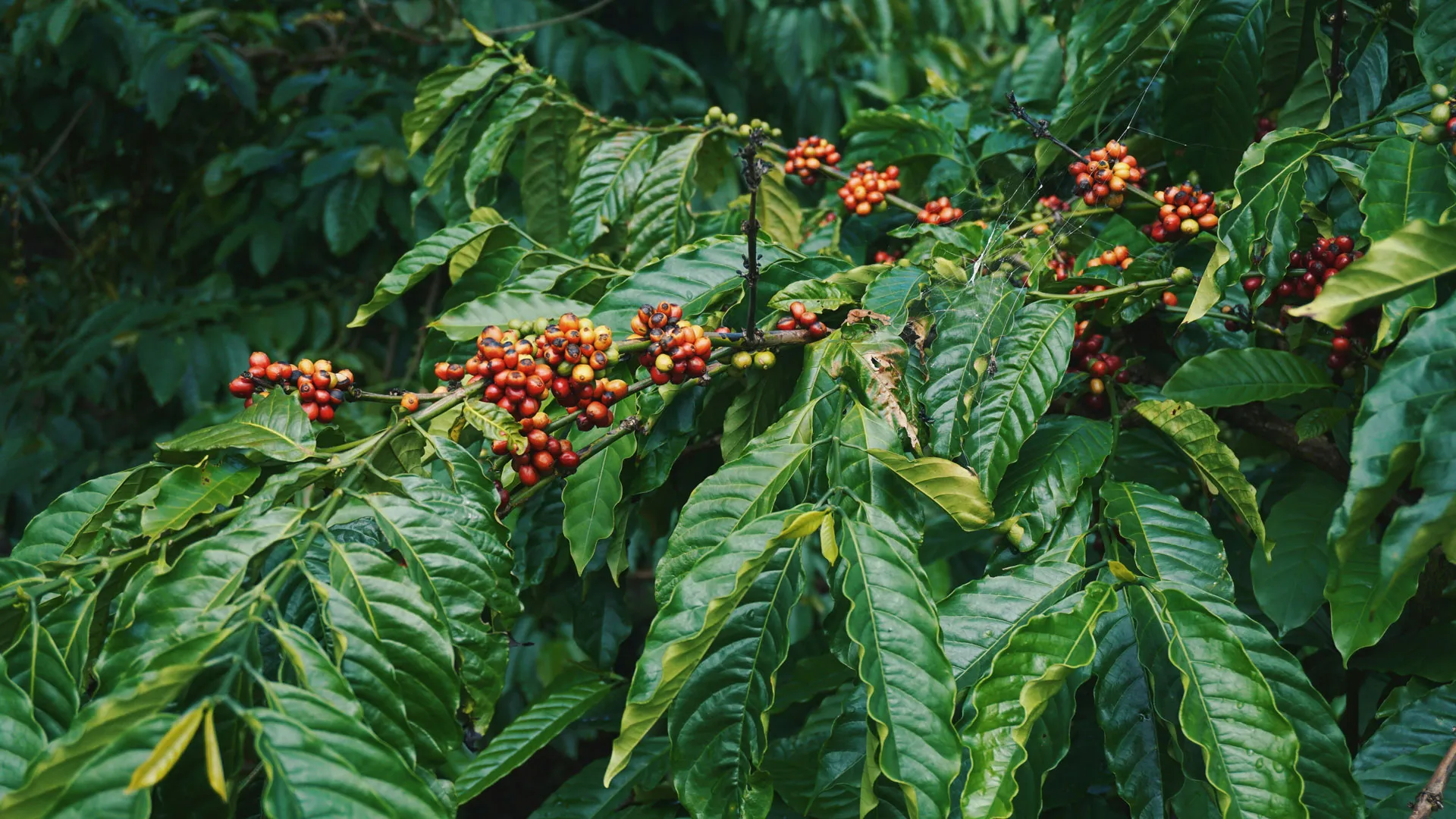
Robusta cultivation concentrates in Vietnam’s Central Highlands, with Dak Lak province, and its capital Buon Ma Thuot specifically, forming the historical and production center of the industry. Gia Lai, Dak Nong, and the lower-altitude zones of Lam Dong contribute substantial additional volume, while Kon Tum, though better known for the country’s smaller Arabica output at higher elevations, also produces Robusta at its lower-altitude zones. Combined, these regions give Vietnam production depth that few competing origins can match, which is precisely why industrial buyers requiring consistent, large-scale volume default to Vietnamese Robusta over smaller-producing alternatives.
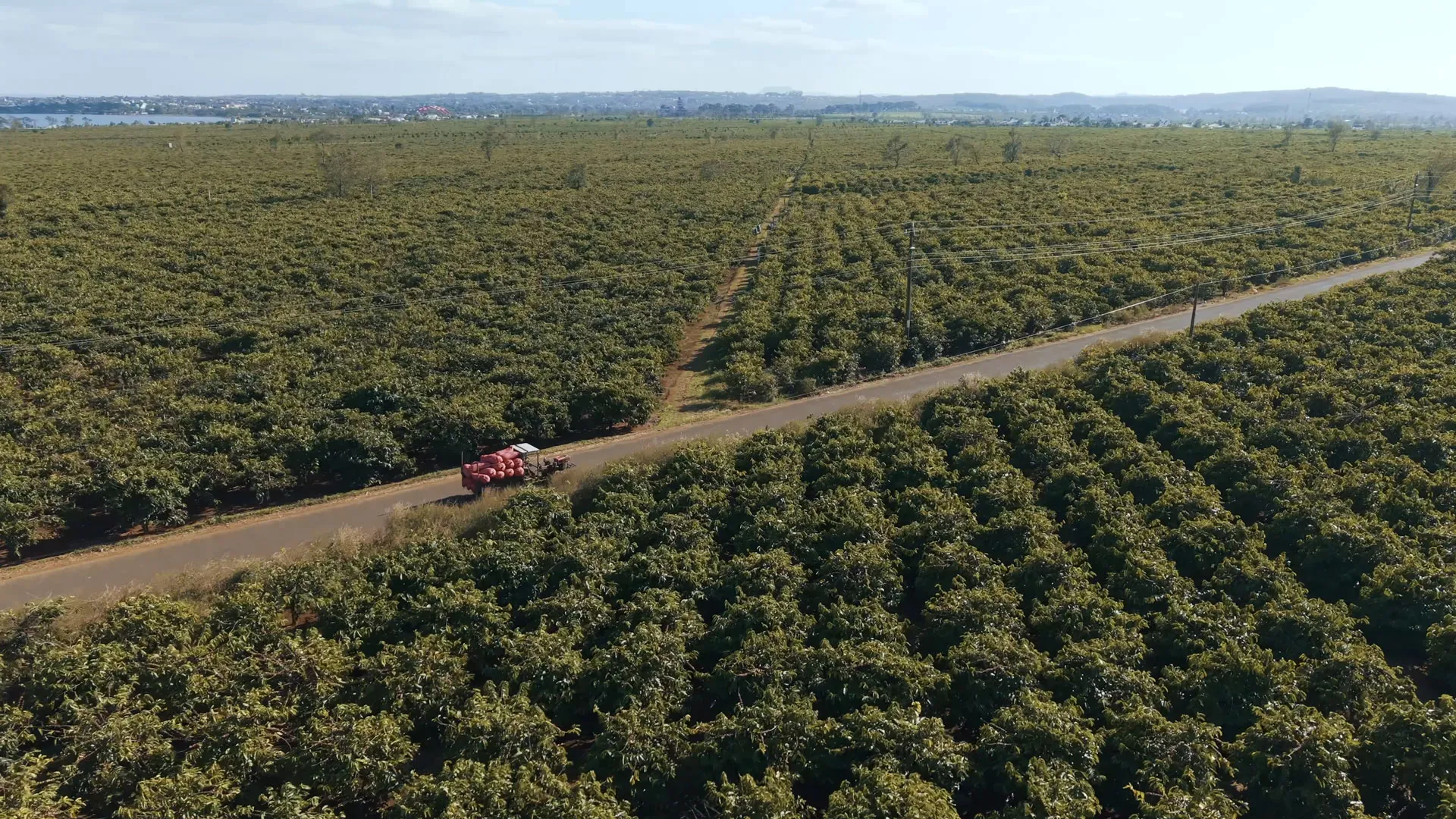
Where Vietnam’s Robusta Actually Grows
Grading Standards for Industrial-Grade Robusta
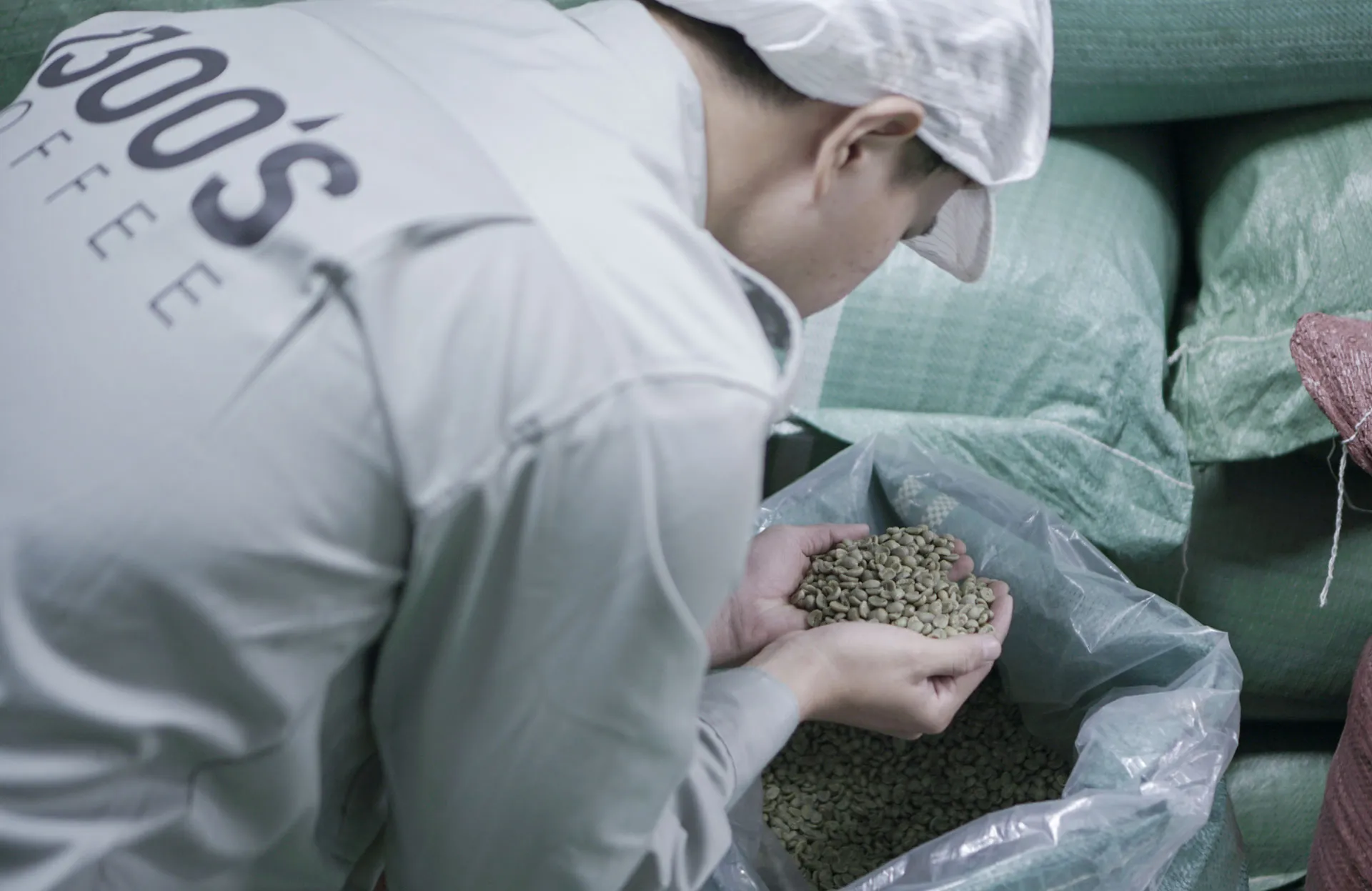
Robusta destined for industrial use is graded against Vietnam’s national standard, TCVN 4193:2014, alongside the international ISO 10470 defect classification table, giving buyers a consistent technical reference regardless of which supplier they’re evaluating. Key specifications industrial buyers should confirm on any quote include:
- Screen size, commonly categorized as R1 (larger screen size, fewer defects, commanding a price premium) and R2 (standard grade, the most common classification for bulk industrial supply).
- Moisture content, typically targeted around 12.5% for export-ready green Robusta, critical for both storage stability and consistent extraction during industrial processing.
- Defect count, evaluated per the ISO 10470 table, with black beans, broken beans, and foreign matter all counted against the grade.
- Caffeine content and extraction yield, particularly relevant for instant coffee and extract manufacturers, where these figures directly affect production economics rather than being a secondary quality consideration.
A supplier unable to provide this level of specification per shipment, rather than a general grade description, is generally not equipped for the kind of recurring, large-volume industrial relationship this guide is built around.
Processing Methods for Robusta
The large majority of Vietnamese Robusta is processed using the natural, or dry, method: cherries are dried whole before hulling, a process suited to Robusta’s higher yield requirements and lower sensitivity to processing-related flavor variation compared to Arabica. This method is efficient at scale, which matters directly to industrial buyers whose sourcing depends on high production throughput during harvest season. A smaller but growing segment of Vietnamese Robusta now goes through washed or honey processing, generally reserved for Fine Robusta lots targeting specialty rather than industrial buyers, covered in more detail below.
Industrial Use Cases: Instant Coffee, RTD, Espresso Blends, and Extracts
Robusta’s higher caffeine content, stronger body, and better crema performance in espresso make it the preferred or required component across several major industrial applications:
Instant Coffee
Robusta’s extraction efficiency and flavor stability under high-heat processing make it the dominant varietal in instant coffee production globally, and Vietnamese Robusta specifically supplies a substantial share of the world’s instant coffee manufacturing base.
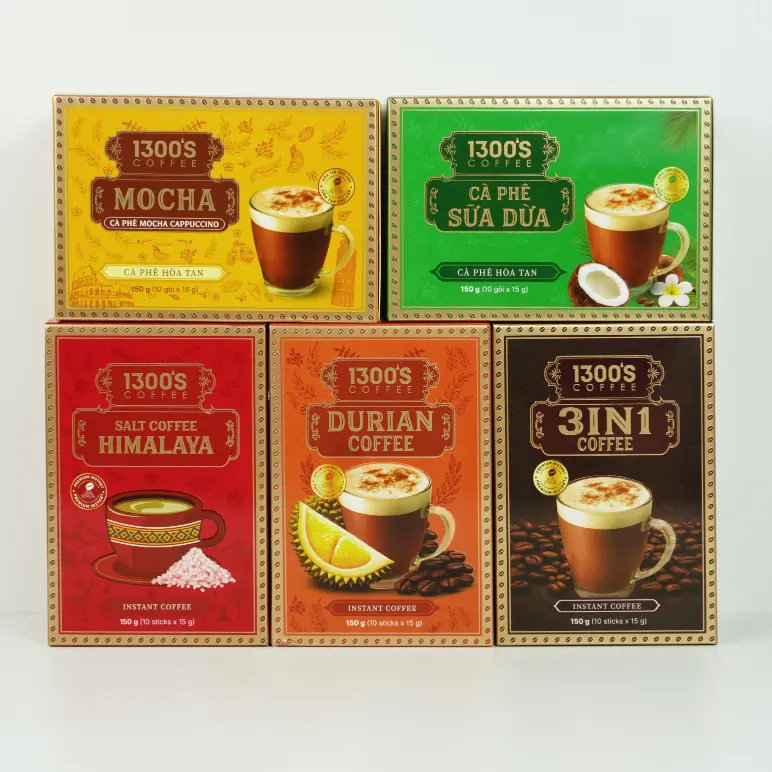
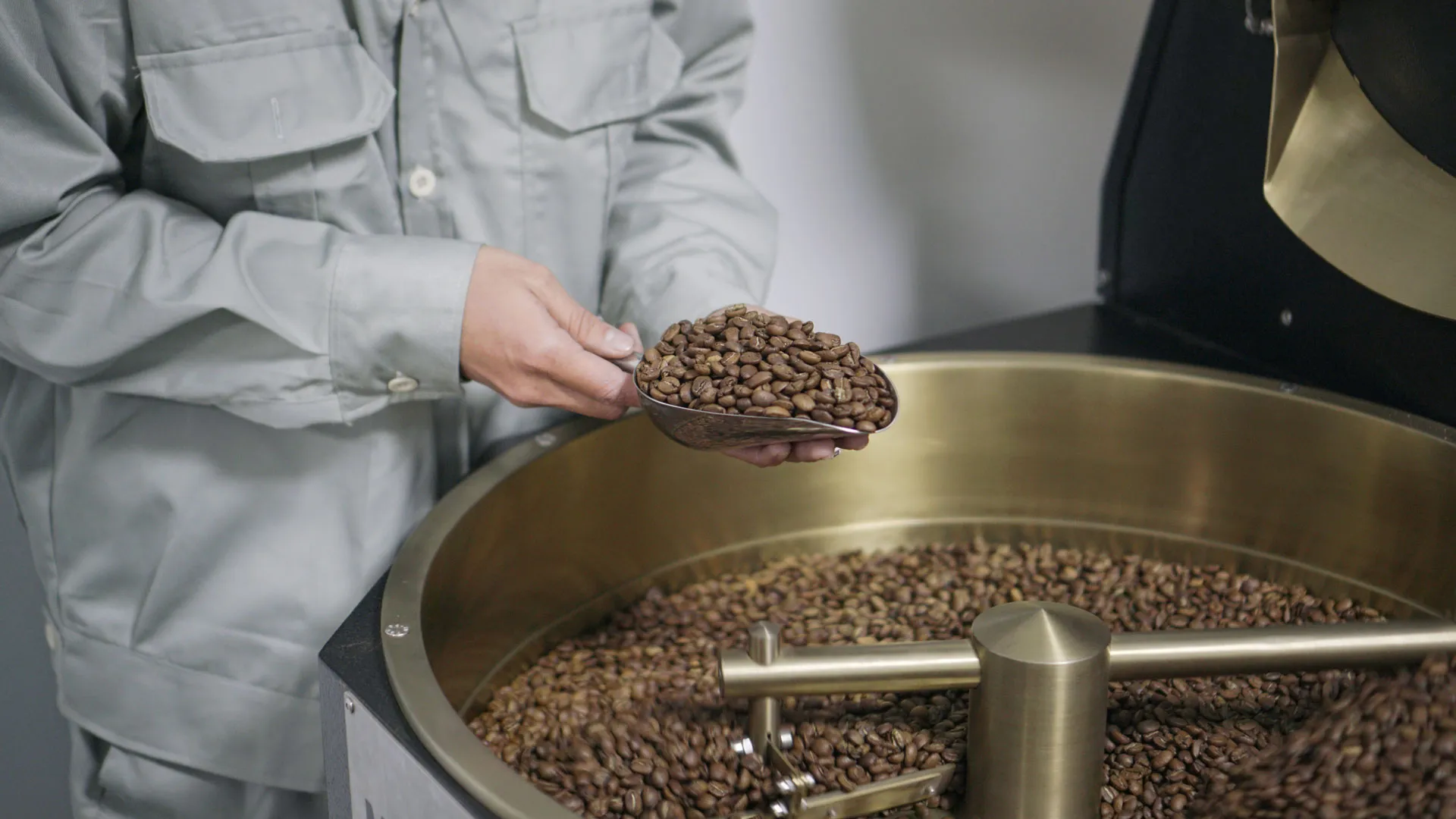
Instant Coffee Wholesale Collection by 1300’S Coffee
Ready-to-drink (RTD) Coffee
RTD formulations benefit from Robusta’s body and caffeine strength, which holds up better than Arabica alone through the dilution, sweetening, and packaging processes RTD products go through before reaching a shelf-stable final product.
Espresso Blends
Most commercial espresso blends include a Robusta component specifically for crema production and body, with the exact ratio varying by brand positioning, from a small percentage in premium blends to a majority share in value-focused espresso products.
Coffee Extracts and Industrial Flavoring
Manufacturers producing coffee extract for use in other food and beverage products rely on Robusta’s extraction yield and cost efficiency at the volumes industrial extract production requires.
Buyers in any of these categories should confirm that a supplier’s Robusta specifications align with their specific application, since extraction yield and caffeine content requirements for instant coffee differ meaningfully from the flavor and crema priorities relevant to an espresso blend manufacturer.
Fine Robusta: The Specialty Segment Within Robusta
Not all Robusta sourcing is industrial-scale commodity buying. A genuine specialty coffee supplier segment has developed around Fine Robusta, produced through more selective harvesting and controlled processing methods including natural, honey, and increasingly anaerobic fermentation, which has meaningfully changed how the varietal is perceived. Vietnamese domestic Robusta prices actually surpassed Arabica for the first time in 2024, a shift that reflects genuine quality-driven demand for Fine Robusta rather than a temporary market anomaly. Industrial buyers building a premium product line, or blending a Fine Robusta component into an otherwise commodity-grade formulation, should confirm a supplier can provide lot-specific cupping data for these grades specifically, since Fine Robusta pricing and specifications differ substantially from standard R1/R2 industrial grade.
What Industrial Buyers Should Look for in Robusta Coffee Beans Suppliers
Sourcing robusta coffee wholesale volume at industrial scale introduces evaluation criteria that don’t apply the same way to smaller specialty purchases:
- Sustained production capacity, confirmed through the supplier’s total annual export volume and current capacity utilization, not just their willingness to quote a large single order.
- Consistency across recurring shipments, since industrial production processes are typically calibrated to a specific specification, and meaningful variation between shipments disrupts downstream manufacturing.
- Certifications relevant to the destination market, including ISO 22000, HACCP, and FDA registration, which are close to non-negotiable for shipments into regulated food and beverage manufacturing supply chains.
- Reliable logistics and documentation, including realistic lead times across harvest and off-season periods, and a track record of accurate export paperwork that clears customs without repeated delays.
- Direct sourcing control, whether through owned processing facilities or direct farmer partnerships, which tends to produce more consistent supply than a coffee bean manufacturer or trader assembling volume from a fragmented pool of secondary sources during periods of tight supply.
Robusta vs Arabica for Industrial Blending
Many industrial buyers source both varietals, using Robusta for volume, cost efficiency, and crema or extraction performance, and Arabica for flavor balance and aroma in blended products. An arabica coffee supplier operating in the same Vietnamese supply chain as a Robusta-focused operation can simplify this sourcing considerably, allowing a buyer to manage both varietals through a single relationship rather than coordinating separately across two different suppliers with different specifications, documentation standards, and shipping schedules.
Coffee Bean Manufacturer, Distributor, or Wholesale Supplier: Choosing the Right Structure for Industrial Volume
Industrial buyers have a few structural options for sourcing Robusta, and the right one depends on order size and how much involvement a buyer wants in sourcing decisions. A coffee bean manufacturer controlling processing directly offers the most consistency and the ability to negotiate specification adjustments for a buyer’s specific application. Coffee beans distributors offer smaller, more frequent shipments suited to buyers below full-container volume, at the cost of an added margin layer and typically less direct influence over specification. Coffee beans wholesale suppliers spanning both roles, offering both large direct shipments and smaller recurring wholesale orders, give industrial buyers flexibility to scale volume up or down without switching supplier relationships entirely as production needs change.
Why 1300’S Coffee Is Among the Robusta Coffee Beans Suppliers Industrial Buyers Can Rely On
1300’S Coffee sources Robusta directly from farming partners across the Central Highlands region, including lower-altitude zones near its Kon Tum base, managing processing and grading under one vertically integrated operation rather than through fragmented intermediary sourcing. The company provides lot-specific grading data, screen size, moisture, defect count, and caffeine-relevant specifications, backed by quality control through an in-house lab, and holds ISO 22000, HACCP, FDA, and OCOP certifications relevant to industrial buyers shipping into regulated markets. Alongside standard industrial grade Robusta, the company supports Fine Robusta sourcing for buyers building premium blends, and offers Arabica through the same relationship for buyers managing both varietals.
Getting Started
Industrial buyers evaluating robusta coffee beans suppliers for a new sourcing relationship should request grading documentation specific to their application, whether extraction yield data for instant coffee or crema performance data for espresso blending, confirm sustained production capacity against their required order volume, and start with a trial shipment before committing to a recurring industrial-scale schedule. Sourcing Robusta at industrial volume? Request specifications and pricing from 1300’S Coffee to evaluate consistency and capacity against your production requirements.
Read more: Arabica Coffee Supplier Delivering Consistent Quality Direct from Vietnam Farms


1300s BLOG YOU MAY ALSO BE INTERESTED IN
Top 10 Speciality Coffee Suppliers with Export Standard Production
Best Bulk Ground Coffee for Businesses Sourcing Ready to Brew Volume
How to Roast Coffee Beans: A Complete Guide From Green to Cup