



How to Start a Coffee Import Business A Complete Guide
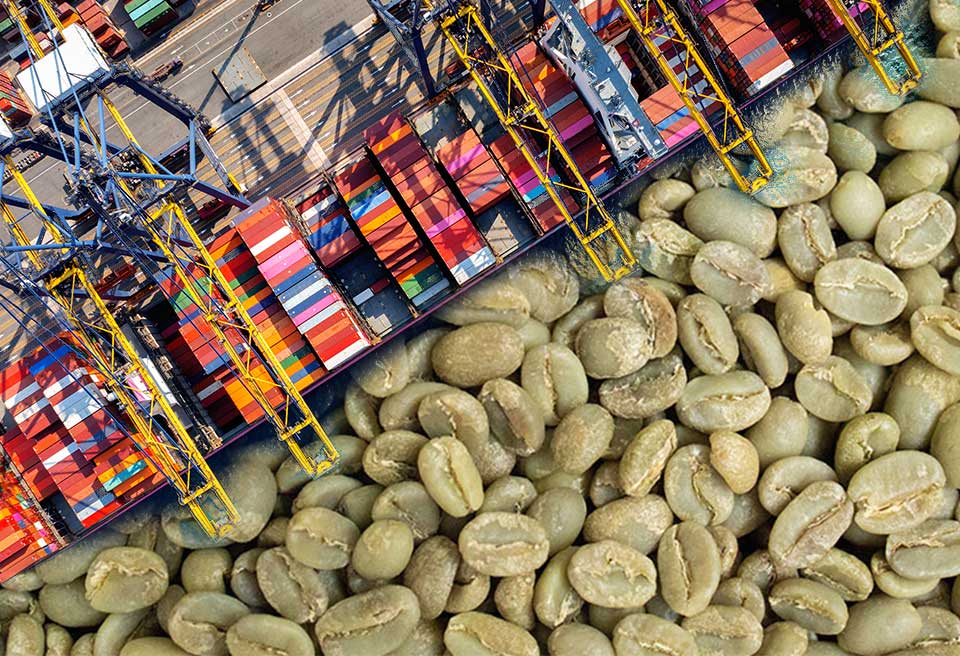
Learning how to start coffee import business operations means thinking well beyond the mechanics of clearing a single shipment through customs, it means making real decisions about business model, capital investment, and how you’ll actually find customers before your first container ever leaves the origin country. This guide covers the strategic and business-building side of coffee importing specifically, the decisions that shape your entire operation rather than the step-by-step process of handling any one particular shipment.
How to Start Coffee Import Business The Big Picture
Starting a coffee import business successfully requires working through several interconnected decisions in a reasonable order, choosing a business model that matches your resources and market knowledge, registering your company and securing appropriate licensing, building a supplier portfolio that fits your chosen model, planning realistic startup capital, and developing a customer base before you’re sitting on inventory with nowhere to sell it. Skipping ahead on any of these, particularly sourcing product before confirming genuine customer demand, is where a surprising number of new import businesses run into trouble within their first year.
Three Business Models Worth Considering Before You Start
Before registering a company or contacting a single supplier, you need clarity on what kind of coffee import business you’re actually building, since this decision shapes every subsequent choice that follows.
Green Bean Importer for Roasters
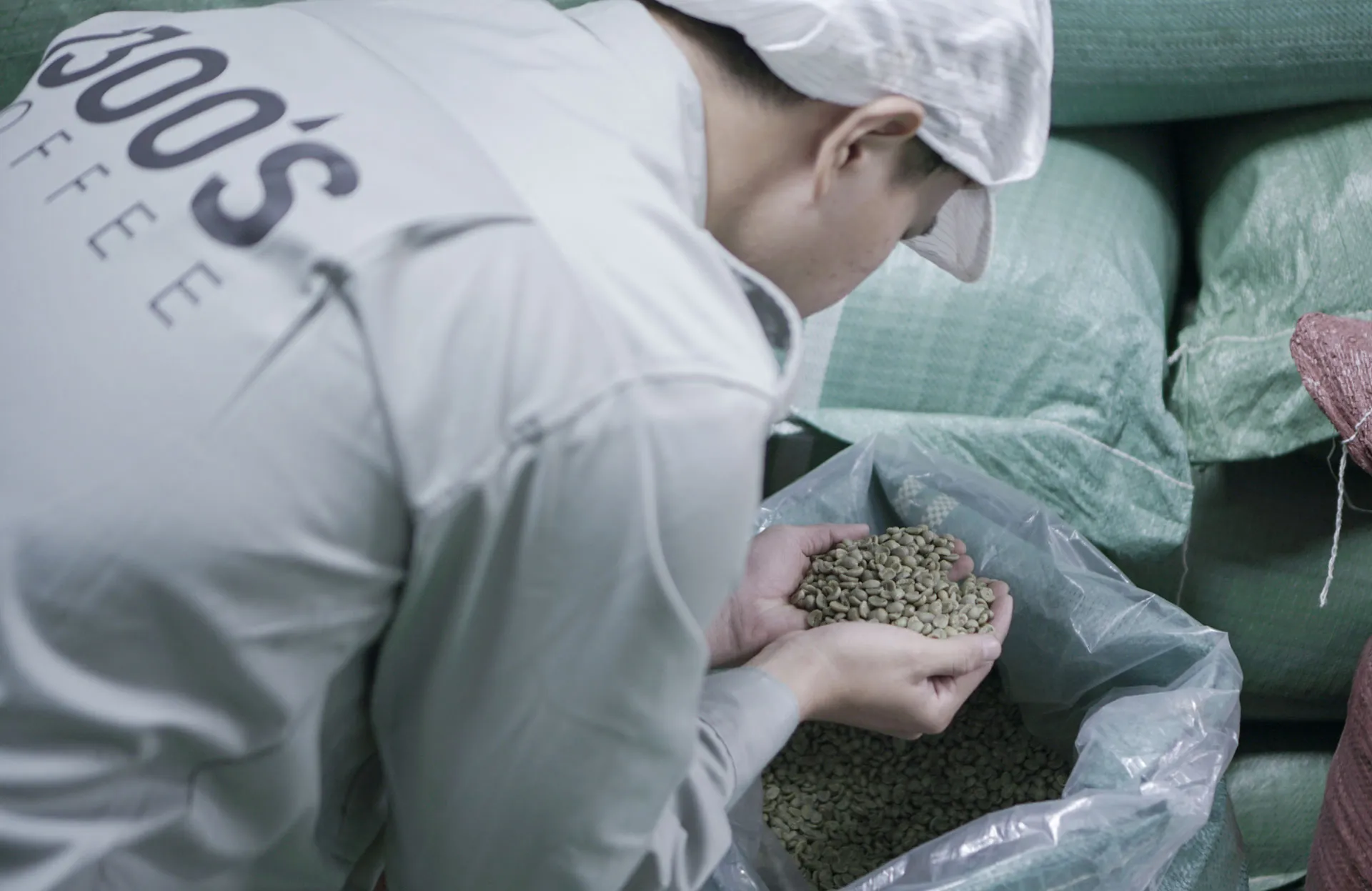
One common model involves importing green, unroasted coffee and selling it to domestic roasters who handle their own roasting. This model requires less capital investment in your own processing equipment, but it depends heavily on building relationships with a genuine specialty coffee supplier capable of providing the lot-specific documentation and consistent quality that professional roasters actually demand before committing to a new green bean source. Success in this model comes down almost entirely to sourcing quality and reliability, since you’re essentially selling trust in your supply chain rather than a finished, differentiated product of your own. This model also tends to require the deepest genuine coffee knowledge of the three, since your customers, professional roasters, will quickly identify gaps in your understanding of grading, processing methods, and origin characteristics in a way that customers further downstream in the supply chain typically won’t scrutinize as closely.
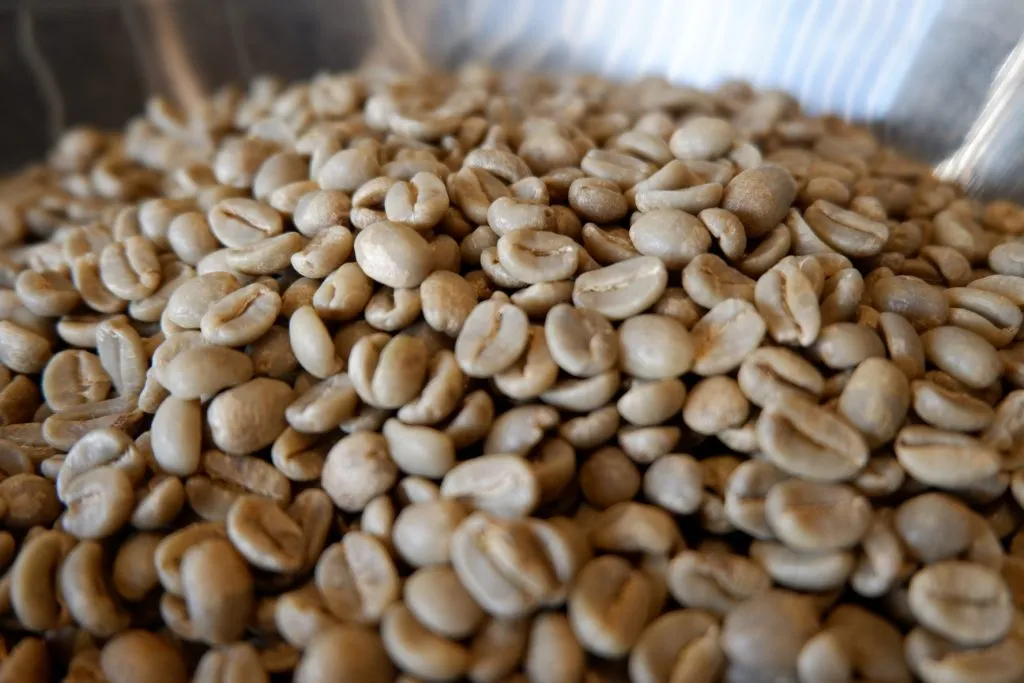
Green Bean Importer for Roasters
Finished Product Distributor
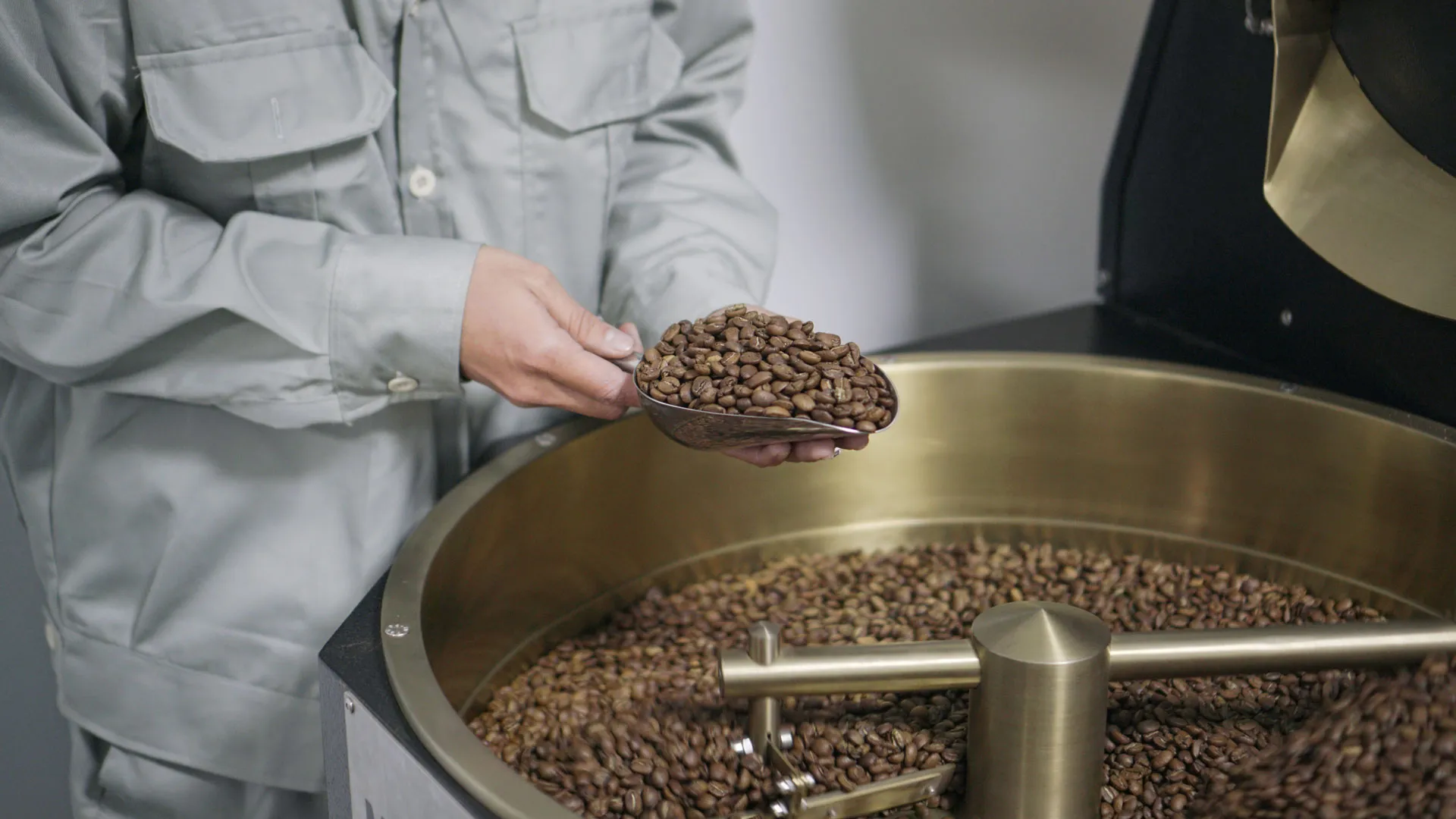
A second model involves importing finished, already-roasted coffee and distributing it to cafes, retailers, or foodservice customers, skipping the need for your own roasting operation entirely. Working with an established roasted coffee wholesale supplier who handles roasting at origin lets you focus your own capital and attention on distribution logistics, customer relationships, and sales, rather than manufacturing capability you’d otherwise need to build from scratch. This model generally requires less specialized coffee knowledge upfront than green bean importing, since your supplier handles the quality and flavor decisions, though it does require genuine strength in sales and logistics to succeed. Many first-time import business owners find this model the most accessible entry point specifically because it lets them build genuine coffee industry knowledge and customer relationships gradually while relying on an established supplier’s expertise for the technical production side of the business.
Private Label Brand Builder
A third model involves building your own branded coffee product, working with a manufacturer to develop or select a formulation, then importing and selling under your own brand rather than reselling a supplier’s existing product line. This model requires the most upfront investment in branding, packaging design, and often formulation development, but it offers the most long-term differentiation and margin control compared to the other two models, since you’re not simply reselling a commodity or someone else’s already-established brand. This path typically takes longer to reach first sale than either of the other two models, given the additional time formulation development and packaging design require, but businesses willing to make that upfront investment generally build stronger customer loyalty and pricing power over time than those competing primarily on reselling an existing product line.
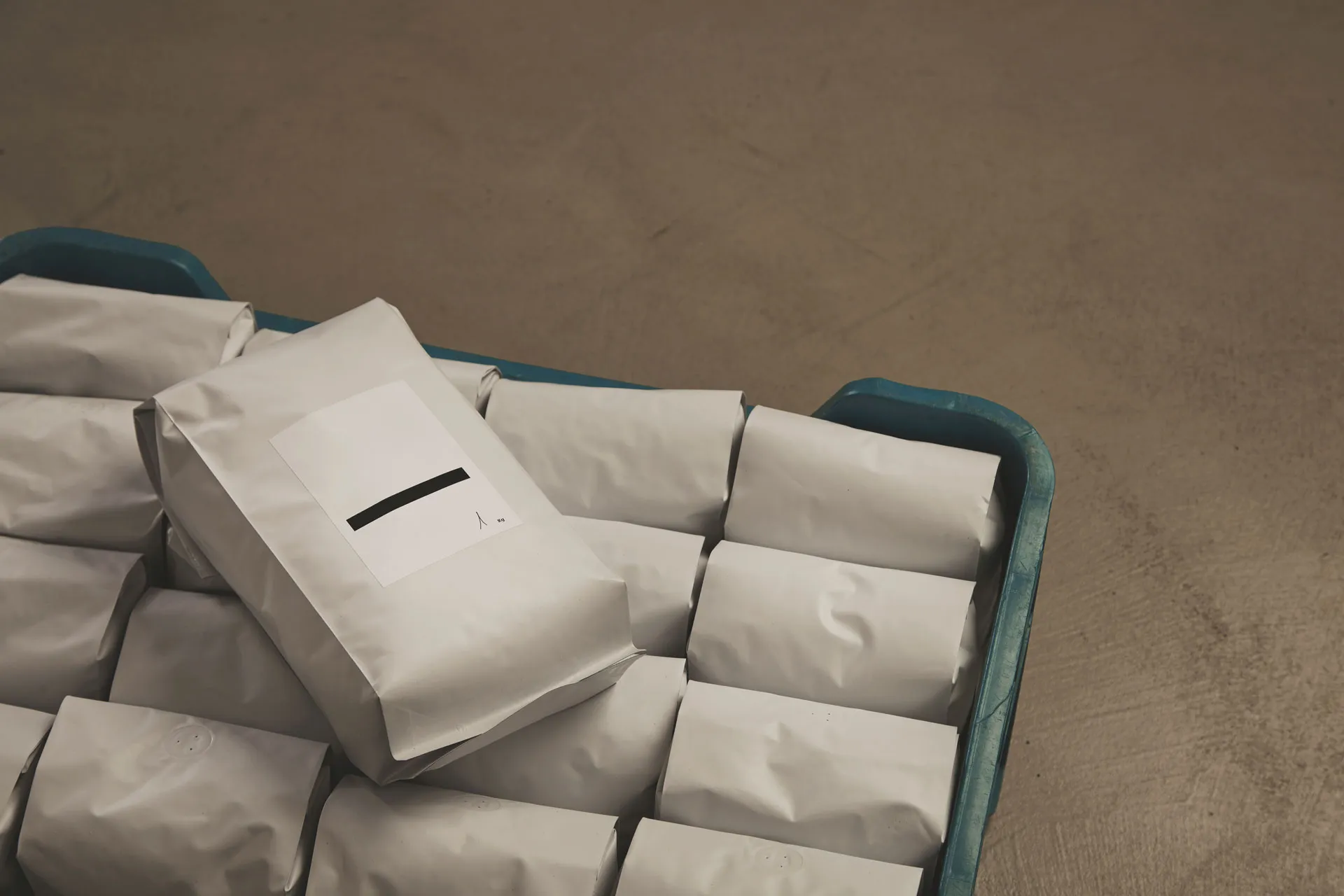
Private Label Brand Builder
Registration Licensing and Legal Setup
Once you’ve settled on a business model, formal registration and licensing needs come next. Register your business entity according to your local jurisdiction’s requirements, and research any specific import licensing or permits required for food products in your particular country, since these requirements vary considerably by jurisdiction and can take meaningfully longer to process than many first-time business owners expect. In many markets, you’ll also need to register as a food importer specifically with your national food safety authority, a separate step from general business registration that some new importers overlook until it causes a delay later in the process. Business insurance appropriate to a food import operation deserves attention at this stage too, since general liability coverage typically doesn’t automatically extend to cover product liability risks specific to importing and reselling a food product, a gap worth closing before your first shipment rather than discovering it only after an issue arises. Building in realistic time for this administrative stage, rather than assuming it happens quickly in parallel with everything else, prevents your business launch timeline from sliding later than initially planned.
Building Your Product Line and Supplier Portfolio
With your business model and legal structure in place, deciding exactly what to sell and building the supplier relationships to support it becomes the next major phase of getting your import business off the ground.
Deciding Which Formats to Carry
Your chosen business model narrows format decisions considerably, but most importers still need to decide how broad or focused their initial product line should be. A business starting with roasted whole bean coffee might later want to add a ground coffee wholesale line for customers wanting ready-to-brew convenience without managing their own grinder.
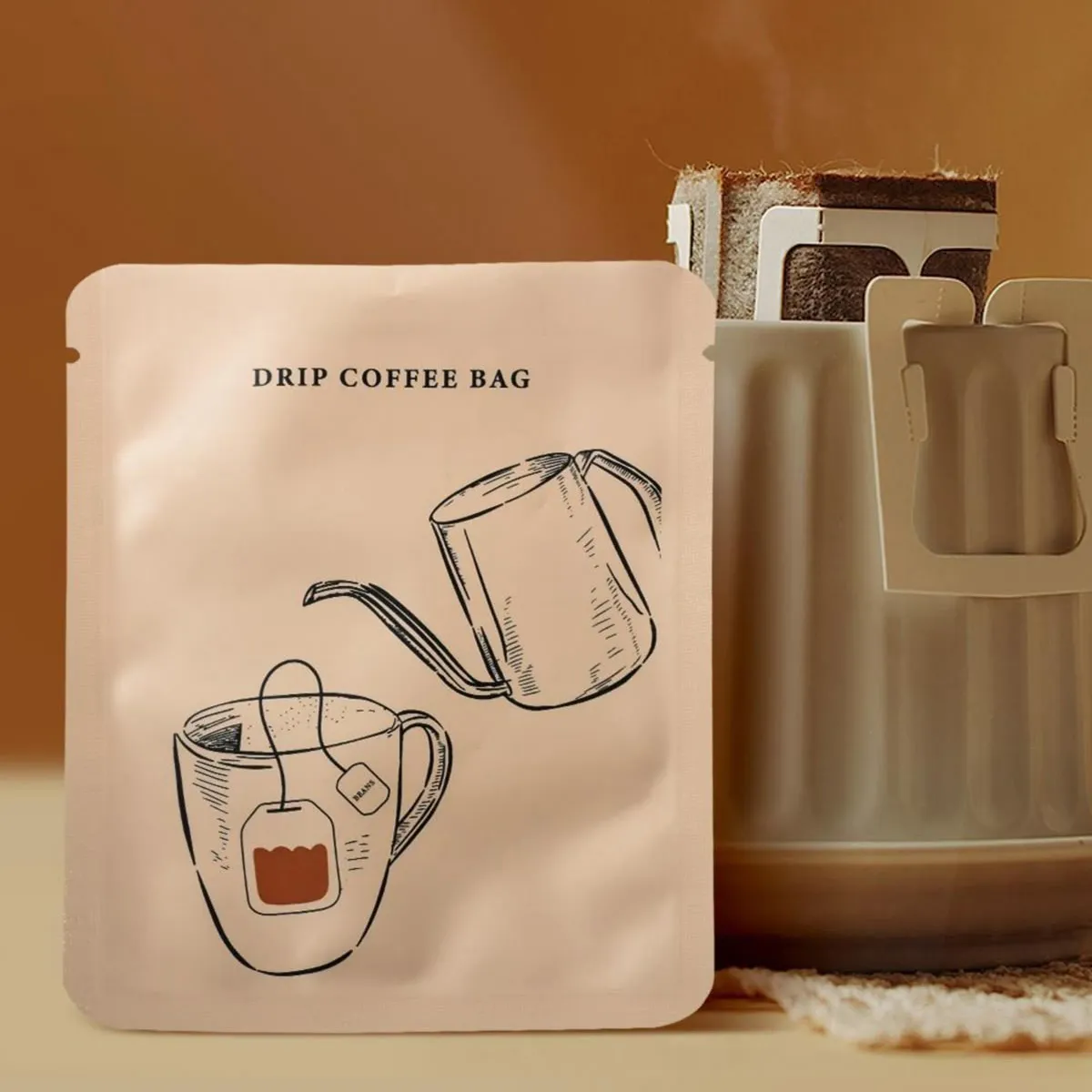
Some importers instead choose to explore a drip coffee supplier relationship early on, appealing to a different customer segment specifically interested in single-serve convenience without a full brewing setup, though most successful new import businesses find it easier to establish genuine strength in one core format before adding a second one to their catalog.
Building Relationships With Multiple Suppliers
Relying on a single supplier for your entire product line concentrates risk in a way that becomes genuinely dangerous once your business depends on reliable, ongoing supply. Building relationships with two or three vetted suppliers, even if you’re only actively ordering from one at a given time, gives you a fallback option if your primary source faces a disruption, whether a quality issue, a shipping delay, or a business problem on their end that affects their ability to fulfill your orders reliably. This diversification matters more the more your business grows, since a supply disruption that was merely inconvenient when you were a small buyer becomes a genuine business crisis once you have recurring customer commitments depending on that supply arriving reliably.
Capital Requirements and Financial Planning
Understanding what starting a coffee import business actually costs, beyond simply the price of your first shipment of coffee, helps you plan realistically rather than running short on capital partway through your first year.
Startup Costs Beyond the Coffee Itself
Your initial coffee purchase represents only one piece of total startup capital required. Budget realistically for customs and import documentation costs, warehousing or storage space, whether owned or rented, business insurance appropriate to a food import operation, and marketing expenses to actually reach your first customers, none of which show up in a simple per-kilogram coffee price quote from a supplier. Working capital to cover the gap between paying your supplier and collecting payment from your own customers deserves particular attention here too, since this timing mismatch is exactly what catches many new importers off guard even when they’ve correctly budgeted for every individual cost category. Businesses planning a larger instant coffee bulk buy as part of their initial product line specifically should factor in that this format often requires different storage conditions and packaging investment than roasted whole bean coffee, an additional planning consideration easy to overlook when comparing supplier quotes purely on a per-unit coffee price basis.
Managing Cash Flow as You Scale
Many coffee suppliers require payment upfront or at shipment for a new buyer relationship, meaning your capital gets tied up in inventory before you’ve generated any revenue from actually selling it. Planning for this cash flow gap, rather than assuming revenue from your first sales will arrive quickly enough to fund your next order, prevents the common new-business problem of running short on capital right as initial customer relationships are starting to gain traction. As your business builds a track record with a specific supplier, many are willing to extend more favorable payment terms, net 30 or net 60 rather than payment in advance, a meaningful cash flow improvement worth actively negotiating for once you’ve established a reliable ordering history.
Finding Your First Customers
Sourcing product before confirming you actually have somewhere to sell it is one of the more common and costly sequencing mistakes new import businesses make. Before committing to your first significant order, identify specific potential customers, cafes, retailers, or roasters depending on your business model, and have genuine conversations about their interest and likely order volume before that product physically arrives at your warehouse. Attending industry trade shows, joining relevant trade associations, and directly reaching out to businesses that match your target customer profile all represent more reliable paths to genuine early customers than assuming demand will simply appear once you have inventory ready to sell. Consider starting with a small number of committed early customers, even at modest volume, rather than waiting until you’ve built a large prospective customer list before placing your first order, since real feedback from actual paying customers teaches you more about your market than any amount of pre-launch research and conversation alone.
Building a Distribution and Sales Strategy
Once you have initial customers lined up, building a repeatable sales and distribution process matters more for long-term success than any single early sale. Businesses working with a genuine specialty coffee supplier specifically often find that leading with a compelling origin story and quality documentation, rather than competing purely on price, resonates more effectively with the kind of discerning cafe and retail customers who care about where their coffee actually comes from.
For businesses building a broader specialty coffee wholesale offering over time, developing consistent messaging around traceability and quality from your very first customer interactions establishes a positioning that becomes harder to build credibly later once your business has already established a purely price-competitive reputation in the market.
Similarly, businesses planning to eventually add instant coffee wholesale volume to their catalog should think through how this format fits their existing brand positioning, since introducing a value-oriented, convenience-focused product line can sometimes create tension with an otherwise premium, specialty-focused brand identity if the transition isn’t managed thoughtfully.
Common Mistakes New Import Businesses Make
A handful of recurring mistakes show up repeatedly among people learning how to start coffee import business operations for the first time. Underestimating total startup capital requirements, focusing only on the coffee purchase price while overlooking documentation, storage, insurance, and marketing costs, leaves many new businesses undercapitalized within their first several months of operation. Committing to a large initial order before confirming genuine customer demand, rather than starting with a smaller trial volume matched to confirmed early interest, ties up capital in inventory that may move more slowly than initially hoped. Relying on a single supplier without building any backup relationship creates unnecessary business risk that only becomes apparent once that primary relationship actually faces a disruption. And expanding into new product formats too quickly, before your business has built the operational systems and customer relationships to support the format you’re already selling well, spreads attention and resources thin across too many priorities at once rather than building genuine strength in one area before adding another.
Getting Started
Learning how to start coffee import business operations successfully comes down to sequencing your decisions thoughtfully, business model, legal setup, supplier relationships, capital planning, and customer development, rather than rushing toward a first shipment before the underlying business foundation is actually in place to support it. Ready to build your coffee import business with a reliable supplier partner? Request a sample and a conversation with 1300’S Coffee to discuss how your business model and product line goals align with what we can support.
Read more: How to Import Coffee to the USA Requirements Duties and Process


1300s BLOG YOU MAY ALSO BE INTERESTED IN
Roasted Coffee Beans Suppliers Delivering Wholesale Volume to Cafes and Retailers
How Is Vietnamese Coffee Made? From Harvest to Cup
How to Roast Coffee Beans Professionally What Changes at Commercial Scale