


What Is Specialty Grade Coffee? The Criteria That Actually Define It
The word specialty gets attached to coffee packaging so often that it’s lost most of its technical meaning in everyday marketing, which makes a genuine answer to what is specialty grade coffee more useful than ever for buyers actually trying to verify a claim rather than accept it at face value. Specialty grade is a specific, measurable classification with defined criteria around cupping score, defect count, and documentation, not a vague quality assurance any coffee can claim simply by being priced higher than commodity grade. This guide walks through exactly what those criteria are, how they’re actually measured and verified, and what genuinely separates specialty grade coffee from the standard commercial grade that makes up the large majority of global coffee production.
What Is Specialty Grade Coffee The Official Definition
Before breaking down individual criteria, it helps to understand where the specialty grade classification actually comes from and who maintains authority over it.
The 80 Point Cupping Threshold
The most widely referenced answer to what is specialty grade coffee comes from the Specialty Coffee Association, whose grading protocol defines specialty grade as green coffee that scores 80 points or above on a 100-point cupping scale. This scale evaluates several distinct sensory attributes, aroma, flavor, acidity, body, and aftertaste, each scored individually before being combined into a final total, with coffee falling below this 80-point threshold classified as commercial or premium grade rather than specialty, regardless of price point or marketing language applied to it. This threshold isn’t arbitrary either, it was established through extensive industry consensus specifically to create a meaningful, defensible dividing line between coffee genuinely distinguished by superior sensory quality and coffee that, while potentially still enjoyable, doesn’t reach that specific bar.
Who Sets and Enforces This Standard
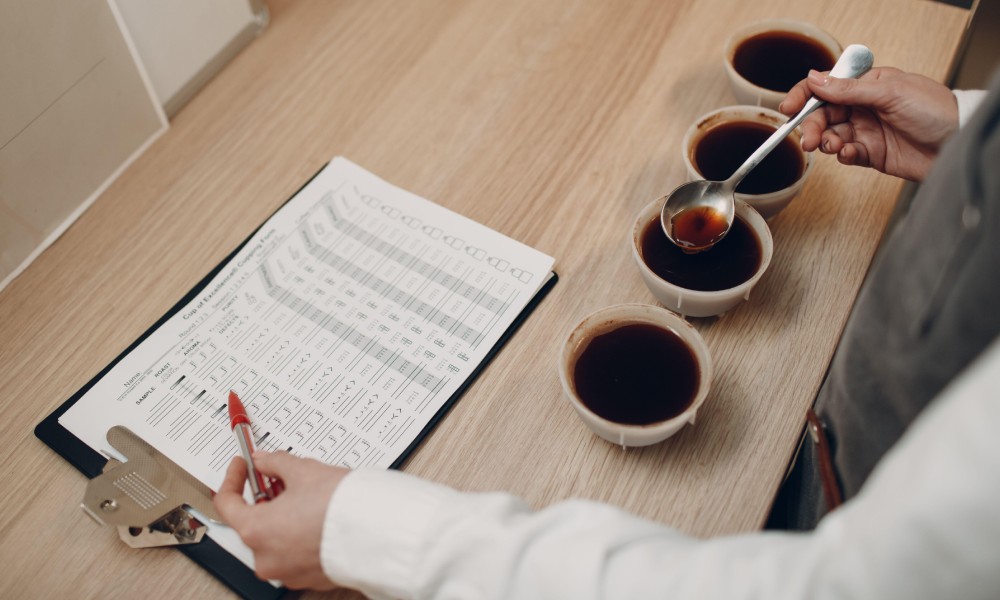
The Specialty Coffee Association developed and maintains this grading protocol, along with training and certifying Q-graders, individuals qualified to conduct standardized cupping evaluations following the association’s specific methodology. Unlike some quality claims that rely entirely on a seller’s own internal assessment, specialty grade classification is meant to be verifiable through this external, standardized system, meaning a legitimate specialty grade claim should be traceable back to an actual cupping score generated through this recognized protocol rather than an internal, unverifiable quality assurance.
Who Sets and Enforces This Standard
The Specific Criteria That Actually Define Specialty Grade
Beyond the headline cupping score, several additional technical criteria work together to define what is specialty grade coffee in full detail.
Cupping Score and Sensory Evaluation
The cupping process itself involves trained evaluators tasting multiple samples of the same coffee under controlled conditions, standardized water temperature, grind size, and brewing ratio, specifically to ensure scores reflect the coffee’s actual characteristics rather than variation in preparation method. Each sensory attribute gets scored on its own scale before combining into the final total, meaning a coffee with exceptional acidity but a shorter aftertaste might score differently than one with more balanced characteristics across every category, even if both ultimately clear the 80-point threshold.
Defect Count and Classification
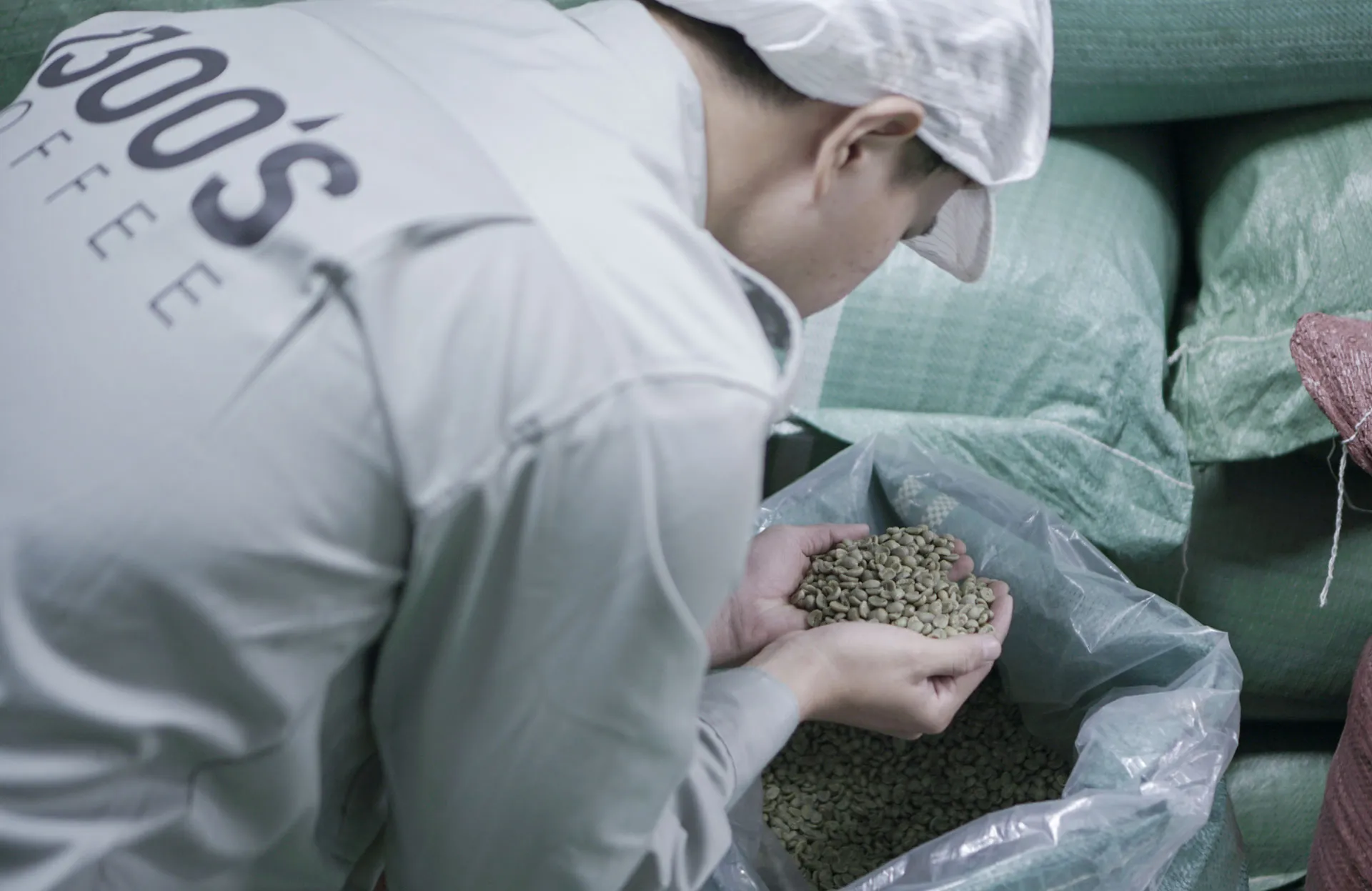
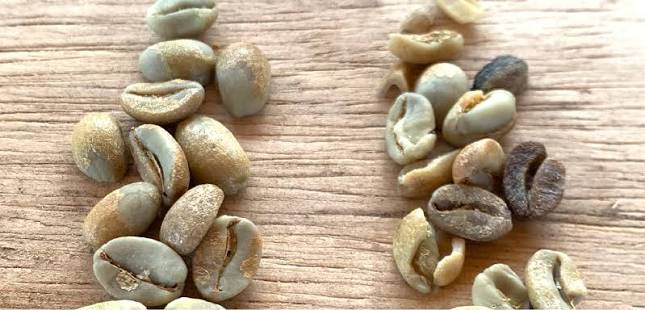
Specialty grade coffee is held to a stricter defect threshold than commercial grade, evaluated against classification systems like the international ISO 10470 table, which categorizes defects into primary defects, black beans, sour beans, and severe insect damage, and secondary defects, broken beans, immature beans, and less severe insect damage, each carrying different point values toward a total defect score. Specialty grade green coffee typically must show zero primary defects and no more than a small number of secondary defects per sample, a considerably stricter standard than commercial grade coffee, which tolerates meaningfully more of both categories. This defect scrutiny happens on a physical sample basis, meaning graders actually inspect green coffee beans individually, sorting and counting defects rather than relying purely on the cupping score alone, since a lot could theoretically cup well while still containing enough physical defects to disqualify it from specialty classification under the full grading protocol.
Screen Size and Moisture Content
Beyond cupping and defects, specialty grade coffee generally requires consistent screen size within a lot, meaning bean size falls within a narrow range rather than showing significant variation, since size consistency affects both roasting evenness and overall lot uniformity. Moisture content also matters, with specialty grade green coffee typically expected to fall within a specific target range, generally 10 to 12 percent, since coffee outside this range risks either mold development or accelerated quality decline during storage and shipping.
Traceability and Processing Documentation
While not always formally required by the strictest technical definition, genuine specialty grade coffee in practice almost always comes with meaningful traceability, documentation identifying the specific farm, cooperative, or region a lot came from, along with processing method and often harvest date. This documentation matters because it lets buyers verify quality claims independently rather than relying entirely on a seller’s word, and because processing method itself directly affects the flavor characteristics that determine cupping score in the first place. A supplier unable to provide this kind of documentation alongside a specialty grade claim is worth questioning closely, since genuine specialty sourcing generally produces this information as a natural byproduct of the careful, lot-specific approach the classification requires. This traceability has also taken on additional regulatory significance in recent years, particularly for buyers importing into the EU, where the EU Deforestation Regulation now requires geolocation data tied to the specific growing plots behind a shipment, meaning a supplier’s existing specialty-grade documentation practices increasingly overlap with genuine compliance requirements rather than remaining purely a quality-marketing consideration.
Specialty Grade vs Commercial Grade A Direct Comparison
Commercial grade coffee, sometimes called premium or standard grade depending on regional terminology, makes up the substantial majority of global coffee production and consumption, generally scoring below the 80-point specialty threshold and tolerating higher defect counts and less size and moisture consistency than specialty grade requires. This isn’t necessarily inferior coffee in an absolute sense, commercial grade coffee, properly processed and roasted, can still taste perfectly enjoyable, but it simply hasn’t cleared the specific, measurable bar that defines the specialty category. The price difference between these grades reflects genuine cost differences in production, selective harvesting, more careful processing, and the additional testing and documentation specialty positioning requires all add real cost that commercial grade production generally avoids in favor of volume efficiency. It’s worth noting that this cost difference isn’t purely about the raw material either, the labor intensive selective harvesting that specialty positioning typically requires, hand-picking only ripe cherries and returning to the same trees multiple times over a harvest season, costs considerably more than the faster strip harvesting common in commodity grade production, a cost that gets passed through the entire supply chain to the final specialty grade price point.
Specialty Grade vs Commercial Grade A Direct Comparison
Common Misconceptions About Specialty Grade Coffee
A handful of persistent misunderstandings about what is specialty grade coffee are worth correcting directly, since they lead buyers to make decisions based on assumptions that don’t actually reflect the technical definition.
A High Price Does Not Guarantee Specialty Grade
Buyers sometimes assume that if a coffee is priced well above standard commercial coffee, it must be specialty grade by default, when in reality pricing reflects a combination of factors, brand positioning, origin scarcity, packaging, and marketing, that don’t always correlate directly with an actual verified cupping score. A coffee can be priced at a premium level without ever having gone through formal grading at all, meaning price alone tells a buyer very little about whether a coffee has genuinely cleared the 80-point threshold this guide has covered in detail.
Specialty Grade Is Not the Same as Ethical or Sustainability Certification
Certifications like Fair Trade, Rainforest Alliance, or organic address entirely separate concerns, labor practices, environmental impact, and farming methods, rather than the sensory quality and physical grading criteria that define specialty grade coffee. A coffee can hold any combination of these ethical certifications without meeting the specialty grade cupping and defect standards, and conversely, a genuinely specialty grade lot doesn’t automatically carry any of these separate certifications unless a producer has pursued them independently. Buyers looking for both quality and ethical sourcing credentials need to verify each one separately, since neither certification system implies the other.
Grading Applies to Green Coffee Not the Finished Product
A detail that trips up many buyers is that the specialty grade classification technically applies to green coffee at a specific point in time, not to whatever finished product it eventually becomes. This means a lot that genuinely earned an 80-plus cupping score at export can still end up disappointing in the cup if something goes wrong between that grading moment and the final product reaching a customer, a gap that matters more than most buyers initially realize when evaluating a specialty claim.
Where a High Grade Can Get Lost After Sourcing
Understanding what is specialty grade coffee at the sourcing stage only tells half the story, since real-world quality also depends on what happens to that graded coffee afterward.
Processing and Handling Failures
Poor storage, excessive time between grading and shipment, or careless handling during transit can degrade even a genuinely high-scoring lot before it ever reaches a roaster, meaning a supplier’s specialty grade documentation should reflect not just the original cupping score but reasonably current conditions, not a score generated months or years earlier under different circumstances. Buyers working with a specialty coffee supplier should ask specifically how recently a cited cupping score was generated and what’s happened to the coffee since, rather than treating an old score as a permanent, unchanging guarantee.
Production Choices That Waste the Underlying Grade
Even coffee that arrives in genuinely good condition can lose its specialty distinction through careless downstream decisions, over-roasting that masks origin character, inconsistent grind that undermines extraction, or packaging that lets quality degrade before a customer ever brews it. This is really a question of whether a business’s production choices, whatever specific format they’re working in, actually preserve and showcase the grade they paid for, or whether the specialty premium effectively gets wasted through decisions made after the coffee already arrived.
A Practical Framework for Evaluating Any Specialty Claim
Rather than checking a different set of criteria for every possible format a business might be sourcing, roasted beans, ground coffee, drip bags, or an iinstant coffee wholesale program, the underlying verification questions actually stay consistent regardless of what a coffee eventually becomes. Ask for the original cupping score and how recently it was generated. Ask what’s happened to the coffee between that grading and now, storage conditions, processing timeline, any handling in between. And ask how the specific business turning that green coffee into a finished product, whether through a roasted coffee wholesale operation, a ground coffee wholesale line calibrated to a specific brewing method, a drip coffee supplier packaging single-serve portions, or a more involved process like the freeze-drying an instant coffee bulk buy might require, actually protects the characteristics that earned the original score, rather than assuming those characteristics survive automatically once the green coffee itself passes muster. A business building a genuine specialty coffee wholesale program should be able to answer all three questions clearly and specifically, for any format in their catalog, rather than offering a single generic quality assurance that doesn’t actually address where things commonly go wrong between grading and the final cup.
Verifying Specialty Grade Claims Before You Buy
Given how loosely the specialty label gets applied in casual marketing, buyers serious about actually receiving specialty grade coffee should request specific, verifiable documentation before committing to a purchase. Ask directly for the cupping score, ideally generated by a certified Q-grader, along with defect count and screen size data for the exact lot under consideration, not a general claim applied across an entire product line or company reputation. Requesting a sample for independent cupping evaluation, rather than relying solely on a supplier’s provided score, offers additional confidence, particularly for a first-time relationship where trust hasn’t yet been established through a track record of consistent, verified specialty grade delivery.
Getting Started
Whether you’re a curious coffee drinker trying to understand what is specialty grade coffee beyond marketing language, or a business sourcing coffee where verifying this classification actually matters, applying the specific technical criteria covered throughout this guide gives you a genuinely reliable way to separate real specialty grade coffee from the term used loosely. Looking to verify genuine specialty grade sourcing for your business? Request cupping data and documentation from 1300’S Coffee to evaluate specialty credentials firsthand.
Read more: What Is a Specialty Coffee Roaster How It Differs From a Standard Roaster


1300s BLOG YOU MAY ALSO BE INTERESTED IN
How to Source Coffee Beans A Practical Guide for First Time Buyers
The Complete Guide to Choosing Gourmet Coffee Suppliers for Coffee Brands and Importers
Where Do Coffee Beans Come From: A Guide to Origin and the Journey to Your Cup