


Why Is Vietnamese Coffee So Strong? Caffeine Content and the Robusta Effect
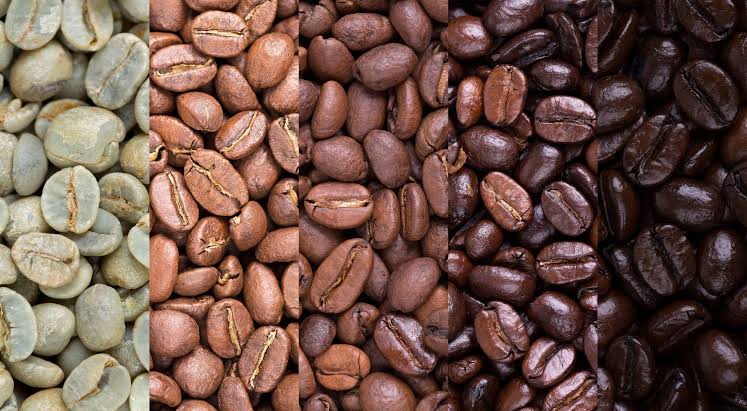
Anyone who has tried Vietnamese coffee for the first time usually notices the same thing immediately: it hits harder than what they’re used to. That intensity isn’t an accident or a cultural exaggeration, it’s the result of a specific combination of varietal, brewing method, and roast tradition that together produce one of the boldest, most concentrated coffee experiences in the world. This guide breaks down exactly why Vietnamese coffee is so strong, from the plant itself through to the cup in front of you, and along the way answers the closely related question of just how much caffeine is actually in it.
Why Is Vietnamese Coffee So Strong? The Short Answer
Vietnamese coffee’s strength comes down to three compounding factors working together rather than any single cause. The country’s coffee industry is built overwhelmingly on Robusta, a varietal that naturally contains roughly twice the caffeine of Arabica. The traditional phin filter brewing method extracts coffee slowly through a small amount of very finely ground coffee, producing a concentrated result closer to espresso than drip coffee. And Vietnamese roasting traditions tend toward darker roast levels, which most drinkers associate with bolder, more intense flavor even though roast level itself doesn’t actually increase caffeine content. Understanding each of these factors separately makes clear why Vietnamese coffee is so strong in a way that isn’t really comparable to a typical cup of drip coffee brewed from a lighter roasted Arabica bean, and why the question “why is Vietnamese coffee so strong” doesn’t have a single simple answer so much as three reinforcing ones.
Robusta: The Foundation of Vietnamese Coffee’s Strength
Nothing explains why Vietnamese coffee is so strong more directly than the plant itself, and Vietnam’s coffee industry is built almost entirely on a single varietal that happens to be the more intense of the two major commercial coffee species.
Caffeine Content in Robusta vs Arabica
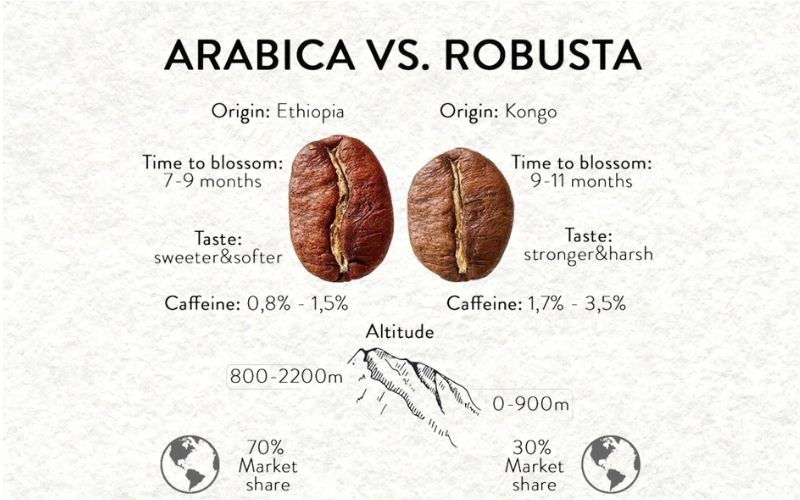
Robusta beans typically contain between 2.2% and 2.7% caffeine by dry weight, compared to Arabica’s roughly 1.2% to 1.5%. This isn’t a marginal difference, it means Robusta coffee delivers close to double the caffeine of Arabica coffee brewed at an equivalent strength and volume, a gap large enough that it alone accounts for much of why Vietnamese coffee feels noticeably more intense than coffee from origins built primarily around Arabica production. Robusta’s higher caffeine content isn’t incidental either, caffeine functions as a natural pesticide within the plant, and Robusta evolved with a stronger chemical defense system than the more delicate Arabica species, which is part of why Robusta also tends to grow more reliably in the lowland, humid conditions found across much of Vietnam’s coffee-growing regions.
Caffeine Content in Robusta vs Arabica
Why Robusta Became Vietnam’s Dominant Varietal
Vietnam’s coffee industry developed around Robusta partly out of agricultural necessity and partly out of economic opportunity. Robusta grows well at lower altitudes and warmer temperatures than Arabica requires, conditions that match the Central Highlands far more closely than they would suit Arabica cultivation at scale. As Vietnam’s coffee industry expanded rapidly following the country’s economic reforms in the late 1980s, Robusta’s hardiness, higher yield per hectare, and lower production cost made it the practical choice for a country building export volume quickly, and Vietnam went on to become the world’s largest Robusta producer, a position it continues to hold today. This history is directly why Vietnamese coffee culture developed around a fundamentally stronger base ingredient than coffee cultures built primarily on Arabica.
Does Vietnamese Coffee Have More Caffeine? Breaking Down the Numbers
Given how central caffeine content is to the strength question, it’s worth looking at actual numbers rather than general comparisons alone.
Caffeine by Preparation Method
A standard cup of traditional Vietnamese phin coffee, brewed from Robusta beans, typically contains somewhere in the range of 100 to 150 milligrams of caffeine per serving, though this varies based on the specific bean-to-water ratio used and cup size. This compares to roughly 95 milligrams in a standard 8-ounce cup of drip-brewed Arabica coffee, meaning a typical serving of Vietnamese phin coffee often delivers noticeably more caffeine than an equivalent volume of standard drip coffee, even before accounting for the more concentrated brewing method covered in the next section. Instant Vietnamese coffee, widely consumed both domestically and internationally, generally contains somewhat less caffeine per serving than fresh-brewed phin coffee, since instant coffee production involves some caffeine loss during processing, though it still typically delivers meaningfully more caffeine than instant coffee made from Arabica-based formulations. These figures also explain why so many people specifically search for why Vietnamese coffee is so strong after their first cup, the caffeine gap compared to what most international drinkers are used to is real and measurable, not simply a matter of unfamiliar flavor throwing off their perception.
How Robusta’s Caffeine Compares Internationally
Vietnam’s Robusta-based coffee culture puts it in a genuinely distinct category compared to countries whose coffee traditions developed around Arabica, including much of Latin America, East Africa, and most third-wave specialty coffee culture globally. This is part of why visitors accustomed to Arabica-dominant coffee cultures often describe their first Vietnamese coffee experience as surprisingly intense, they’re not imagining the difference, they’re experiencing the real caffeine and flavor intensity gap between the two varietals directly, often for the first time.
The Phin Filter: How Brewing Method Concentrates Strength
Robusta’s higher caffeine content only explains part of why Vietnamese coffee feels so strong. The traditional brewing method itself plays an equally important role.
Slow Drip Extraction and Concentration
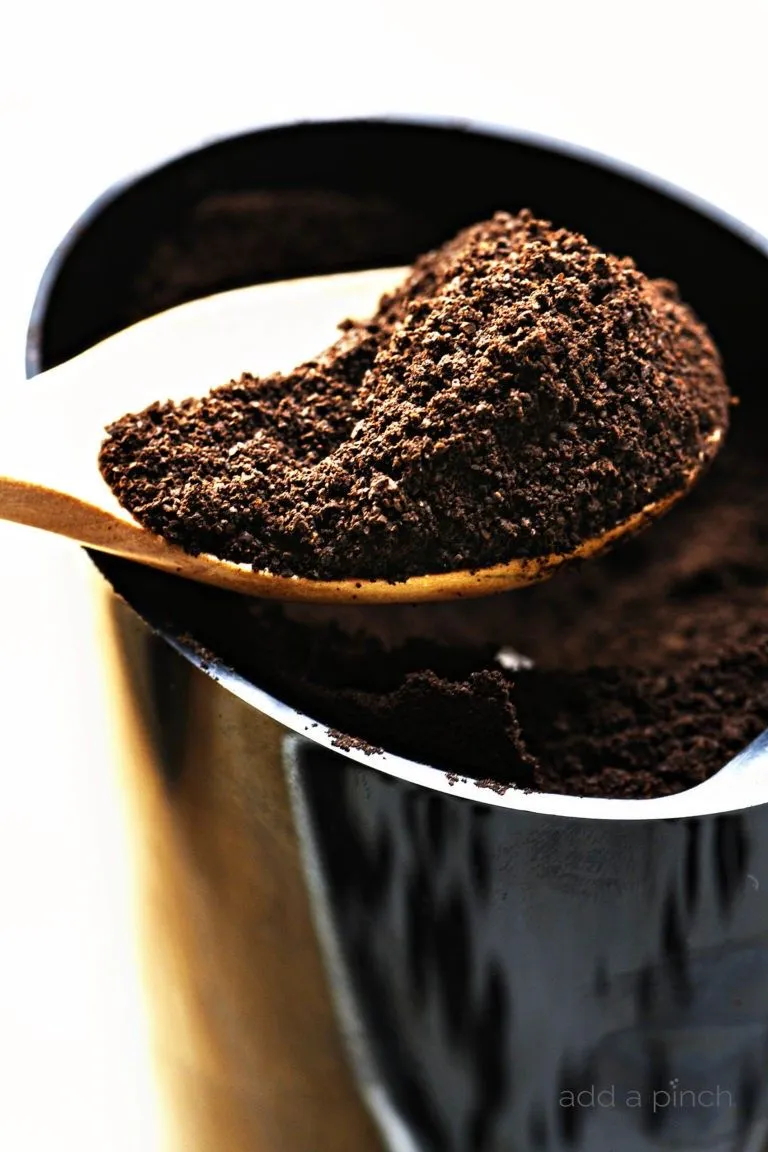
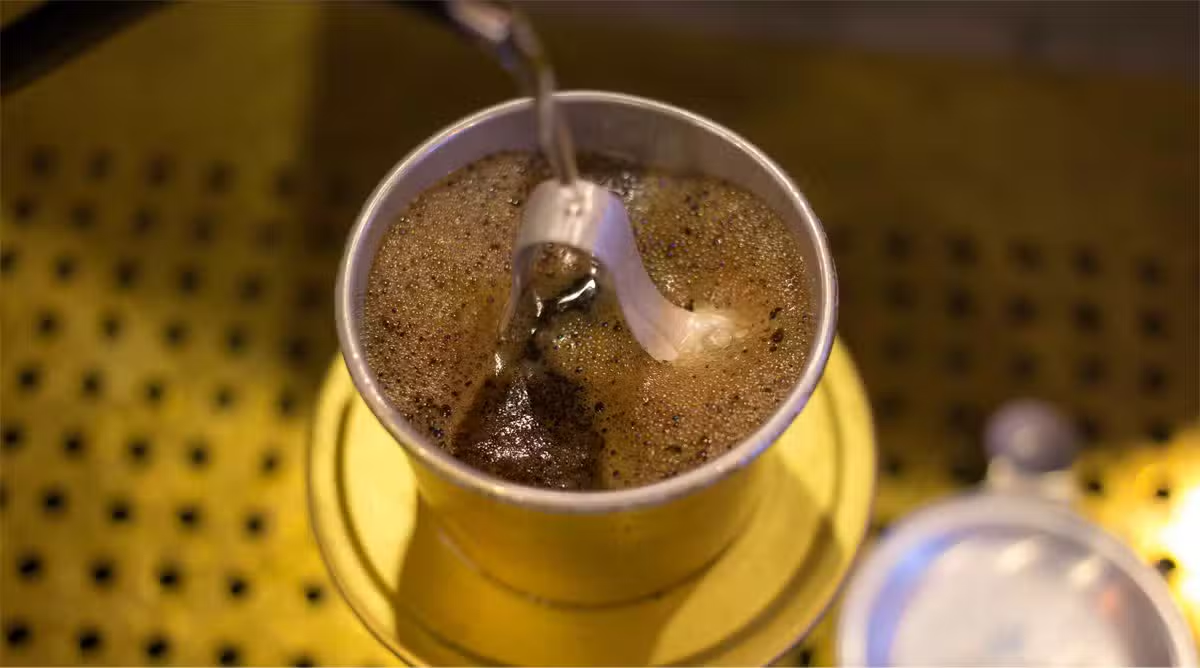
The phin is a small metal filter that sits directly on top of a cup or glass, using gravity to slowly drip hot water through finely ground coffee packed into the device. This slow, gravity-driven extraction, typically taking several minutes for a small serving, produces a coffee that’s considerably more concentrated than standard drip brewing, which uses proportionally more water relative to coffee grounds and extracts more quickly. The result is closer in concentration to a shot of espresso than to a typical mug of American drip coffee, even though the brewing mechanism itself is quite different from espresso’s pressure-based extraction. Grind size plays a direct role here too, phin brewing typically uses a medium-fine grind, finer than standard drip but coarser than espresso, calibrated specifically to control the multi-minute drip time without over-extracting into excessive bitterness, another technical detail behind why Vietnamese coffee is so strong without necessarily being unpleasantly harsh when prepared correctly.
Why Condensed Milk Became the Traditional Pairing
Vietnamese coffee’s most iconic preparation, cà phê sữa đá, pairs this concentrated Robusta brew with sweetened condensed milk, a combination that developed historically both from limited fresh dairy availability in Vietnam during the colonial and post-colonial periods and from the practical need to balance an extremely intense, concentrated coffee base. The sweetness and richness of condensed milk doesn’t reduce the coffee’s actual caffeine content, but it does meaningfully change the perceived intensity, allowing drinkers to comfortably consume a genuinely strong, concentrated coffee that would taste harshly bitter without that counterbalance. This pairing is part of why many first-time drinkers underestimate just how strong the underlying coffee actually is, the sweetness masks an intensity that would be considerably more apparent in a black, unsweetened preparation.
Roast Level’s Role in Perceived Strength
Beyond varietal and brewing method, roast level shapes how strong Vietnamese coffee tastes, even though its actual effect on caffeine content is smaller than most people assume.
Dark Roast Tradition in Vietnam
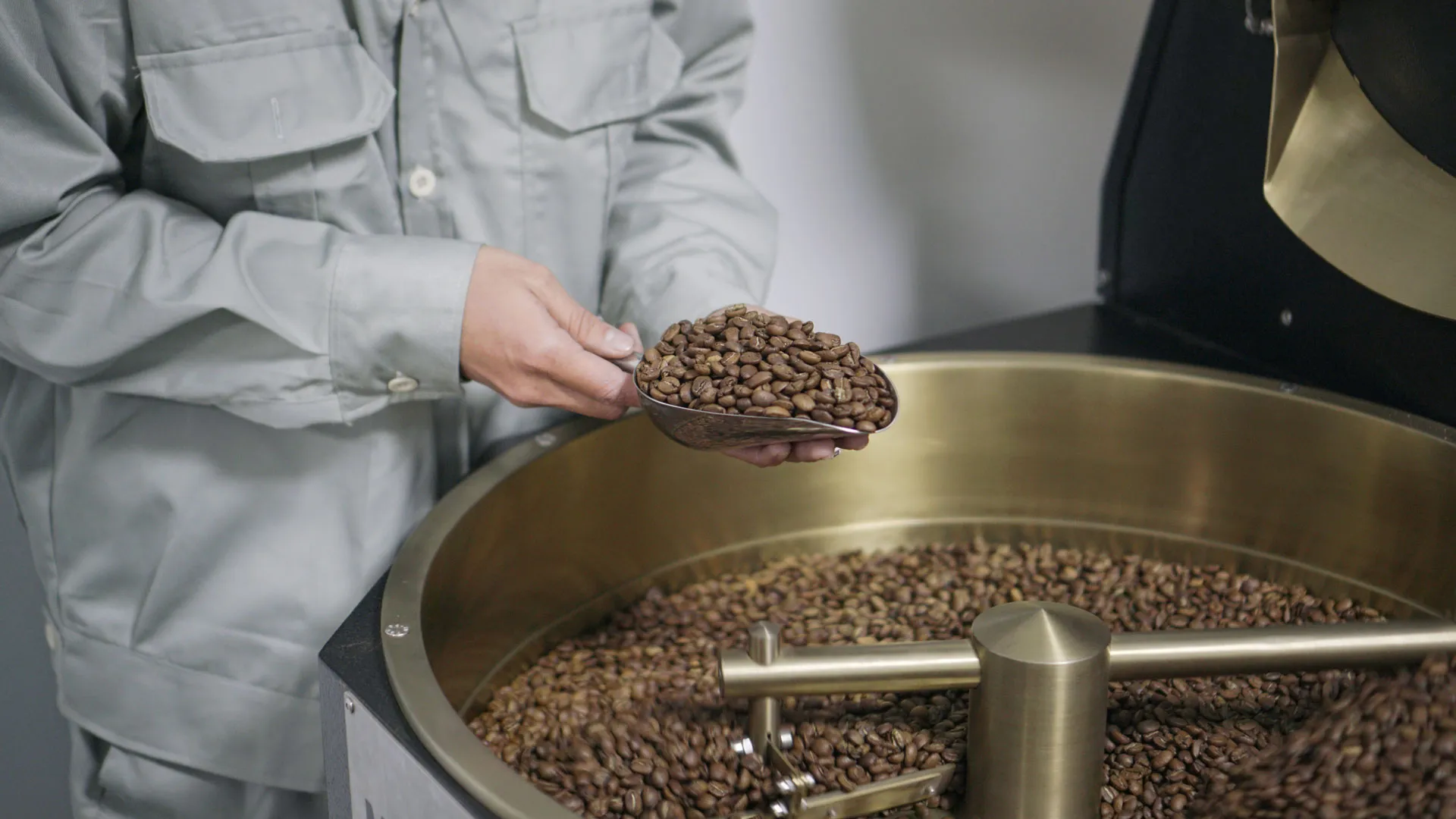
Vietnamese coffee roasting has historically leaned toward darker roast levels than much of the Arabica-focused specialty coffee world, producing the bold, sometimes slightly smoky or chocolatey flavor profile associated with traditional Vietnamese coffee. Darker roasts develop more of the deep, robust flavor compounds that read as “strong” to most drinkers, reinforcing the overall impression of intensity that Robusta and phin brewing already establish.
Roast Level’s Role in Perceived Strength
Flavor vs Actual Caffeine: Common Misconception
It’s worth correcting a common misunderstanding directly here: darker roasting doesn’t meaningfully increase caffeine content, and if anything, extended roasting time causes a very slight caffeine reduction due to prolonged heat exposure, not an increase. The perception that dark roast coffee is “stronger” in caffeine terms comes almost entirely from flavor intensity, bold, bitter, robust flavor notes that read as strength to the palate even though the actual caffeine difference between light and dark roasts of the same bean is minimal. Vietnamese coffee’s genuine caffeine strength comes from the Robusta varietal itself and the concentrated brewing method, not from how dark the beans happen to be roasted.
Regional and Preparation Variations in Strength
Not all Vietnamese coffee delivers identical intensity, and understanding the variations helps explain why some preparations feel noticeably stronger than others even within Vietnamese coffee culture itself.
Cà Phê Đen vs Cà Phê Sữa Đá
Cà phê đen, black Vietnamese coffee served without milk, delivers the coffee’s full concentrated intensity directly, without the sweetness and richness that condensed milk provides in cà phê sữa đá. For someone wanting to experience just how strong Vietnamese coffee actually is in its most direct form, cà phê đen offers a considerably more intense, unmediated impression than the more internationally familiar milk-based preparation.
How Ratio Affects Perceived Intensity
Beyond the black versus milk distinction, the actual coffee-to-water ratio used in a given phin preparation varies by region, household, and personal preference, meaning two cups of “traditional Vietnamese coffee” can genuinely differ in strength depending on how much ground coffee was packed into the filter relative to the water poured over it. Coffee shops and households in the Central Highlands, closer to the source of Vietnam’s Robusta production, sometimes prepare notably stronger, more concentrated versions than what’s typically served in more tourist-oriented cafes in major cities, where preparation is occasionally adjusted toward a milder profile for visitors less accustomed to Robusta’s intensity.
Is Vietnamese Coffee Really the Strongest in the World?
The question of why Vietnamese coffee is so strong naturally invites a follow-up: how does it actually compare to other coffee traditions known for intensity, and is the reputation fully deserved or somewhat exaggerated by unfamiliarity.
Comparing Vietnamese Coffee to Espresso and Turkish Coffee
Espresso is often assumed to be the benchmark for coffee strength, but a single shot of espresso, despite its intense flavor, typically contains less total caffeine than a full serving of Vietnamese phin coffee, since espresso servings are considerably smaller in volume even though the extraction itself is concentrated. Turkish coffee, another tradition known for intensity, uses very finely ground coffee boiled directly with water, producing a thick, strong result, though Turkish coffee is traditionally made from Arabica, meaning its caffeine content per serving generally falls below a comparable serving of Robusta-based Vietnamese coffee even when the perceived intensity feels similar. This comparison highlights an important distinction: perceived strength, driven by flavor concentration and preparation method, doesn’t always track directly with actual caffeine content, and Vietnamese coffee tends to deliver high marks on both measures simultaneously rather than trading one for the other.
Comparing Vietnamese Coffee to Espresso and Turkish Coffee
Common Myths About Vietnamese Coffee’s Strength
A few misconceptions come up repeatedly when people discuss why Vietnamese coffee is so strong, and addressing them directly helps separate genuine science from folk explanation. One common myth holds that Vietnamese coffee is artificially strengthened with additives, a claim with no basis in how the coffee is actually produced, its intensity comes entirely from the Robusta varietal, concentrated brewing, and roast style covered throughout this guide, not from any additive. Another misconception assumes that because Vietnamese coffee is often served very sweet, it must therefore be weaker to compensate, when in fact the sweetness typically masks rather than dilutes the underlying intensity, meaning a sweet cà phê sữa đá can easily contain more caffeine than an unsweetened cup of standard drip coffee despite tasting less aggressively bitter. Understanding why Vietnamese coffee is so strong ultimately comes down to real, verifiable factors, not mystery or exaggeration.
From Cup Strength to Sourcing: What This Means If You’re Building a Coffee Product
Understanding why Vietnamese coffee is so strong isn’t just useful trivia, it matters directly for anyone building a coffee product around Robusta’s bold, high-caffeine character rather than treating it as simply an interesting cultural fact.
Sourcing Robusta for Bold, Full Bodied Products
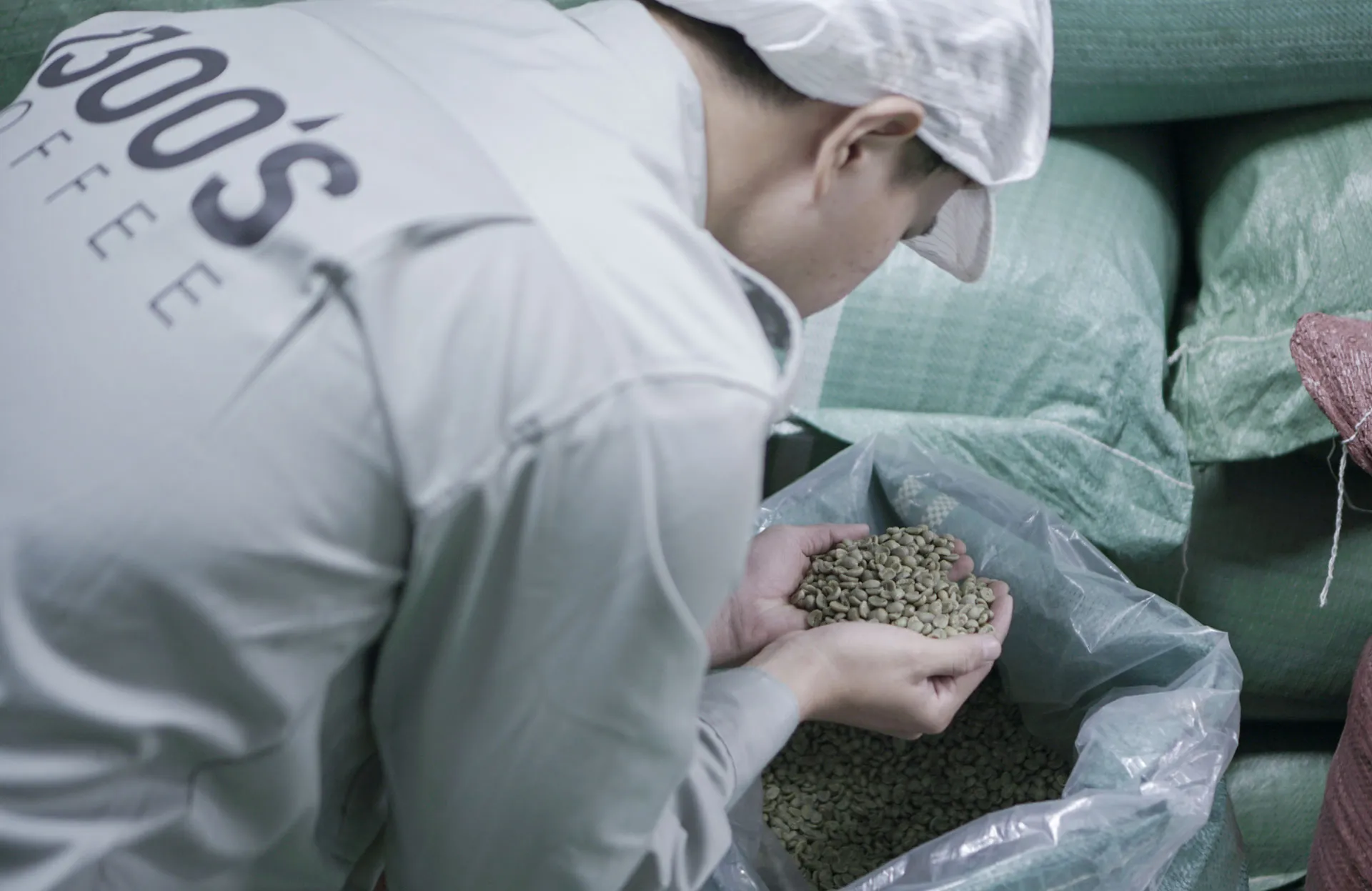
Brands building products around genuine strength and body, whether a bold espresso blend, a full-flavored cold brew, or a high-caffeine functional beverage, benefit from working with a Vietnam-based Robusta source rather than trying to replicate that intensity from Arabica-dominant origins. A specialty coffee supplier capable of providing both standard commercial grade Robusta and Fine Robusta, produced through more careful harvesting and processing, gives brands the flexibility to source strength-focused coffee at whatever quality tier their positioning requires, from value-focused blends through to a genuinely specialty coffee wholesale offering built around Vietnamese Robusta’s distinctive character.
From Bulk Beans to Finished Format
Depending on what a business is actually building, sourcing can take several forms. Roasters wanting to control their own roast profile typically start with green Robusta, while brands wanting a finished product might work with an instant coffee supplier for a soluble format, sourcing instant coffee bulk buy volume built around Robusta’s strength and extraction efficiency, or with a roasted coffee wholesale or ground coffee wholesale supplier for a ready-to-brew product. Businesses building a broader product line sometimes combine several of these formats through a single sourcing relationship, an instant coffee wholesale line alongside a roasted whole bean offering, for example, rather than managing separate supplier relationships for each format. Whichever format a business chooses, the underlying reason Vietnamese Robusta performs so well in bold, high-caffeine products is the exact same botanical and cultural story covered throughout this guide, a naturally more intense bean, refined by a brewing tradition built specifically to concentrate that intensity further.
Getting Started
Whether you’re simply curious why your last cup of Vietnamese coffee hit harder than expected, or you’re evaluating Robusta as a base ingredient for a coffee product built around genuine strength and body, understanding the combination of varietal, brewing tradition, and roast style covered here explains the full picture behind why Vietnamese coffee is so strong, and why that reputation holds up under real scrutiny rather than fading once you look at the actual science and history behind it. Interested in sourcing genuine Vietnamese Robusta for a bold, full bodied product? Request a sample from 1300’S Coffee to experience the strength and character behind Vietnam’s coffee tradition firsthand.
Read more: What Beans Does Vietnamese Coffee Use? A Roaster’s Guide to Origin and Species


1300s BLOG YOU MAY ALSO BE INTERESTED IN
What Is Ethically Sourced Coffee? Certifications and What to Actually Look For
Coffee Beans Distributors Supplying Roasters and Retailers Across Global Markets
How to Source Coffee Beans A Practical Guide for First Time Buyers