


Wholesale Ground Coffee Suppliers for Businesses Sourcing Ready to Brew Products
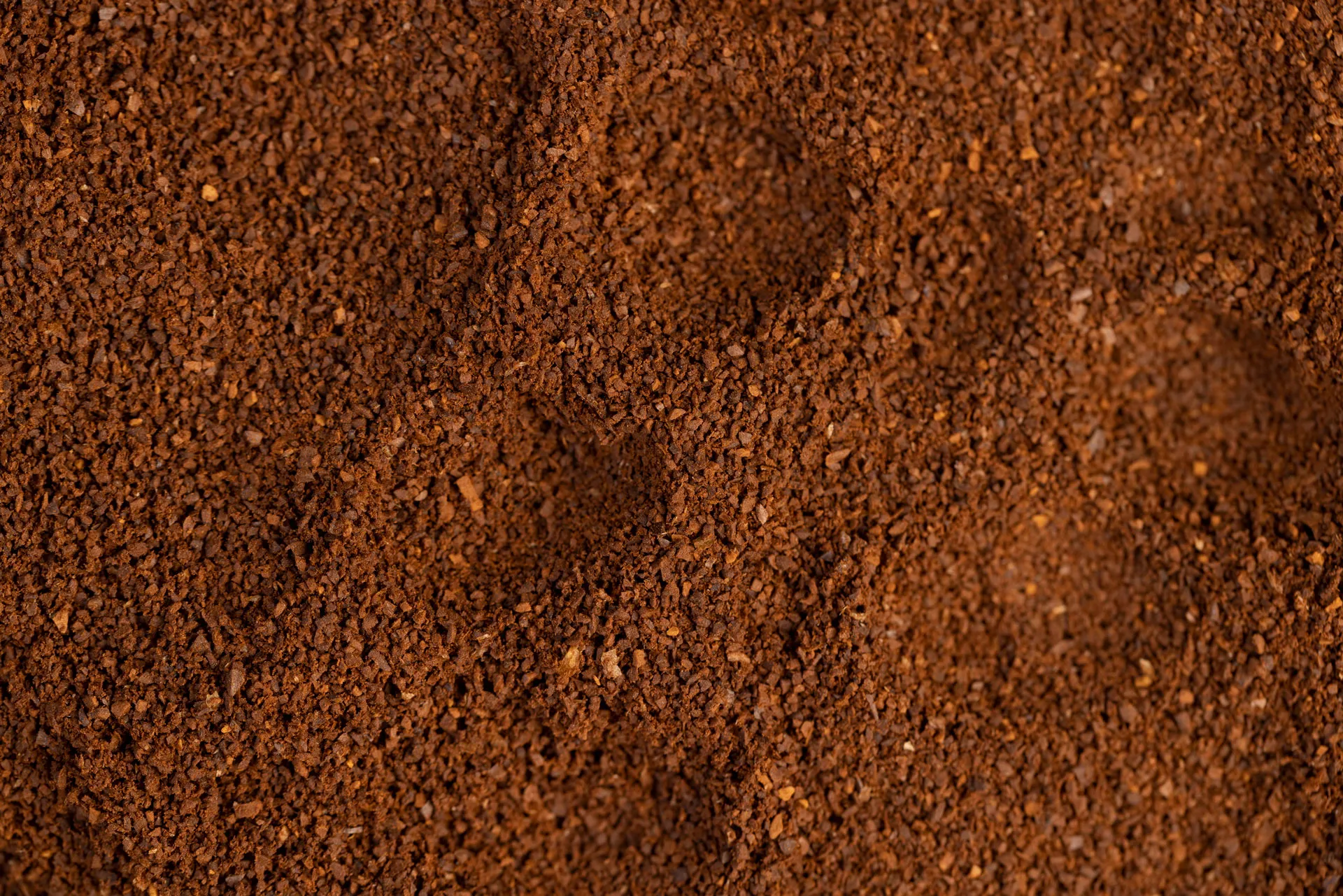
Ground coffee occupies a specific place in the supply chain that whole bean and instant coffee don’t quite cover: a product ready to brew immediately, without a grinder, but still made from real roasted coffee rather than dehydrated soluble powder. For businesses building a ready-to-brew product line, whether for office supply, hospitality service, or retail shelves, sourcing through the right ground coffee suppliers matters more than it might first appear, since grind consistency, freshness, and packaging all affect the final cup in ways that are easy to get wrong and hard to notice until customer complaints start arriving. This guide covers what separates ground coffee as a sourcing category, how to evaluate a supplier, and what to expect across grind types, order volumes, and quality tiers.
What Makes Ground Coffee a Distinct Sourcing Category
Ground coffee isn’t simply whole bean coffee with an extra processing step tacked on. The moment coffee is ground, its surface area increases dramatically, which accelerates both the desirable process of extraction during brewing and the undesirable process of oxidation and staling during storage. This changes what actually matters when evaluating a supplier, shifting priority away from purely roast quality and toward grind precision and packaging discipline specifically.
Grind Size and Brew Method Compatibility
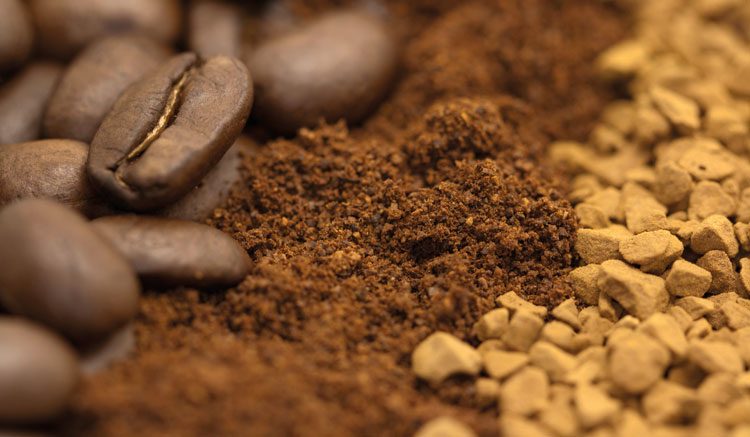
Different brewing methods require meaningfully different grind sizes to extract properly, and a ground coffee product calibrated for the wrong method produces a noticeably worse cup regardless of how good the underlying roast was. Drip and automatic filter machines generally call for a medium grind, fine enough for reasonably efficient extraction within a standard brew cycle but coarse enough to avoid over-extraction and excessive bitterness. Espresso requires a considerably finer grind to build the resistance needed for proper pressure extraction, while French press and cold brew need a coarse grind to avoid excessive sediment and over-extraction during their longer steeping times. A business sourcing ground coffee needs to specify which brewing method its product is intended for clearly and early in the sourcing conversation, since a supplier defaulting to a generic medium grind without confirming the buyer’s actual brew method is a common and avoidable mismatch.
Grind Size and Brew Method Compatibility
Why Ground Coffee Stales Faster Than Whole Bean
The same increased surface area that makes ground coffee convenient to brew also makes it far more vulnerable to oxidation, moisture absorption, and aroma loss than whole bean coffee. Whole bean coffee can maintain reasonably good quality for several weeks to a couple of months in proper packaging, while ground coffee’s usable freshness window is considerably shorter, often measured in days to a few weeks depending on packaging quality, before noticeable flavor degradation sets in. This reality shapes almost every other consideration in this guide, from how a supplier packages the product to how a business should plan order frequency and inventory levels, since a lower per-unit price on a larger ground coffee order isn’t a genuine bargain if a meaningful portion of that order stales before it’s used.
What to Look for in Ground Coffee Suppliers
Beyond the format-specific considerations above, a handful of criteria consistently separate reliable ground coffee suppliers from those less equipped to deliver a consistently good product at scale.
Grind Consistency and Particle Size Control
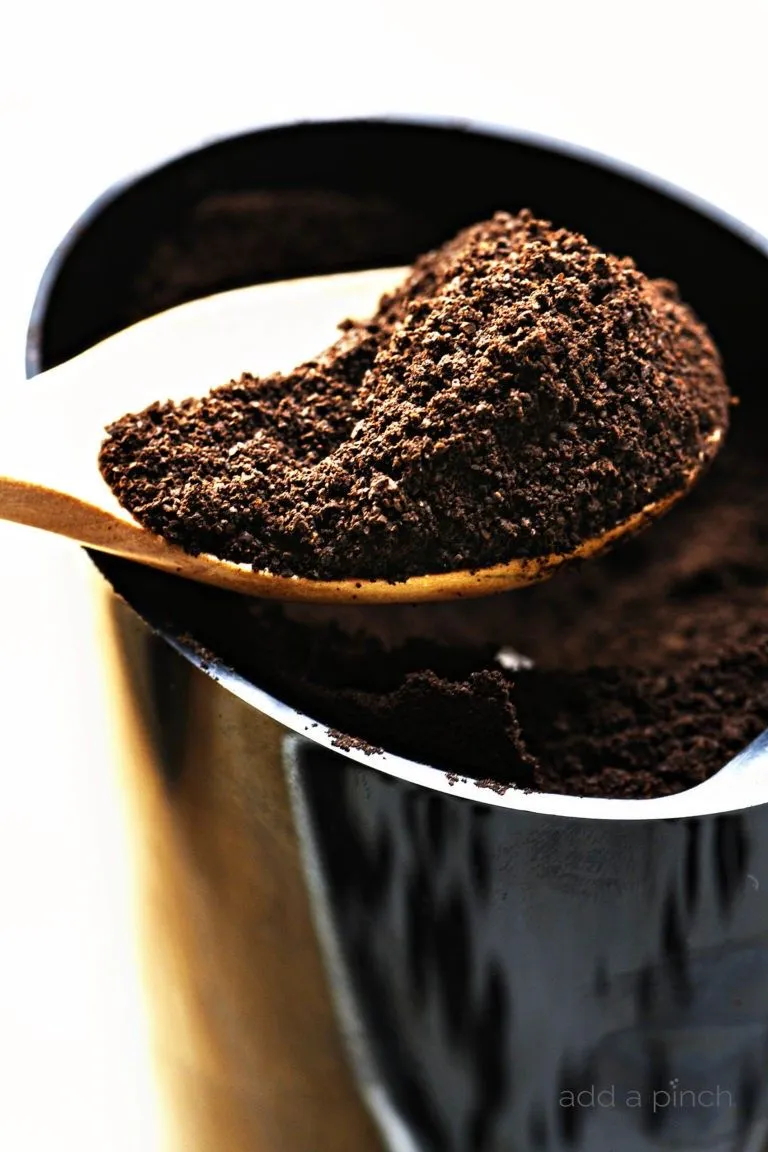
A quality ground coffee supplier maintains tight, repeatable control over particle size distribution, avoiding the mix of overly fine dust and larger uneven fragments that a poorly calibrated or poorly maintained grinder produces. Inconsistent particle size directly undermines extraction consistency, since fine particles over-extract quickly while larger fragments under-extract in the same brew cycle, producing a cup that’s simultaneously bitter and weak rather than balanced. Buyers should ask a prospective supplier directly about their grinding equipment and quality control process, and where possible, request a sample specifically to evaluate grind consistency visually and through an actual brew test rather than relying on a general quality claim.
Packaging and Freshness Protection
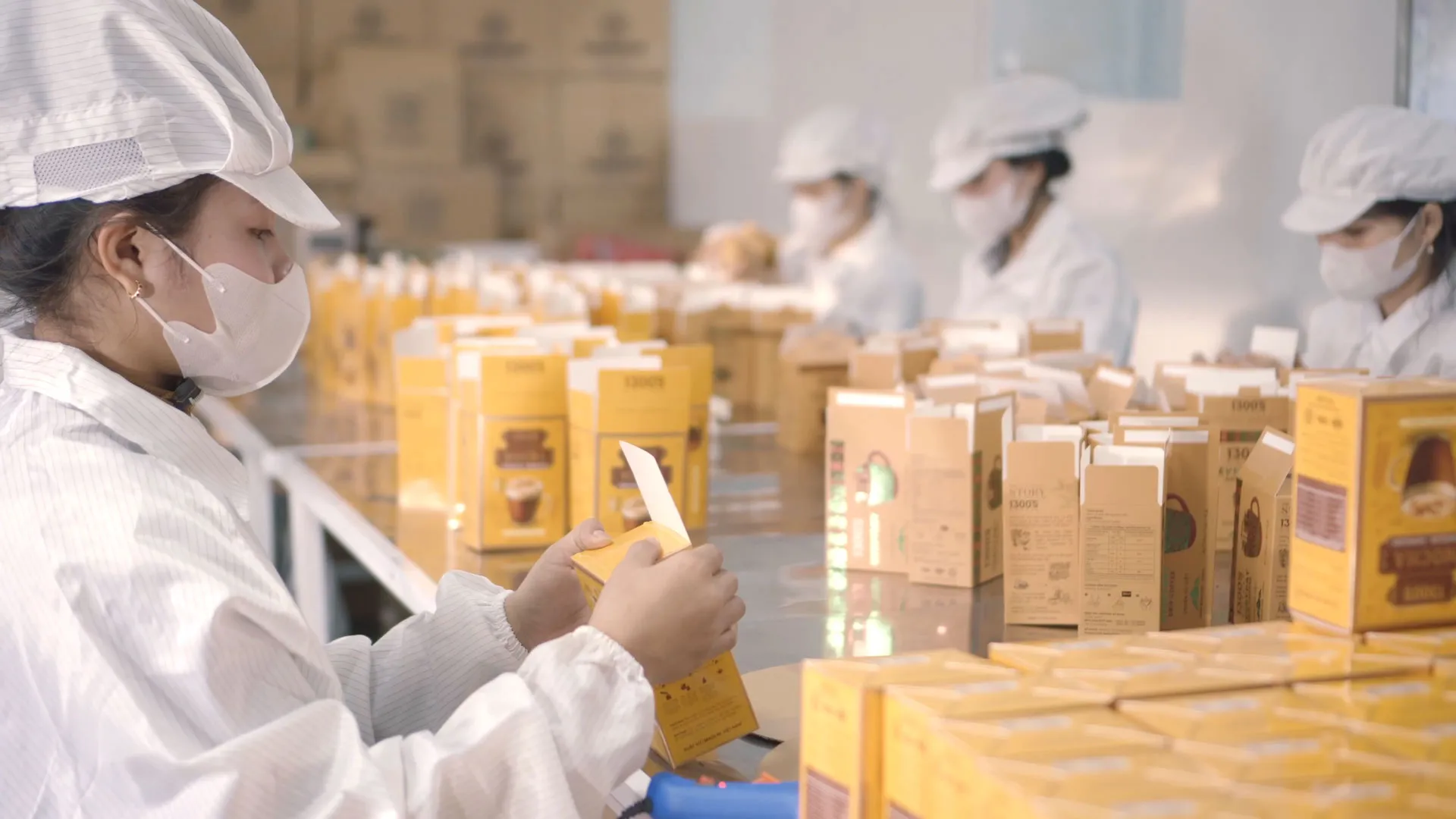
Given how quickly ground coffee stales, packaging quality matters more here than for almost any other coffee format. Proper packaging includes barrier materials that block oxygen and light exposure, and increasingly, nitrogen flushing during packaging to displace oxygen from the bag before sealing, a meaningful freshness protection measure that budget-focused suppliers sometimes skip to reduce cost. One-way degassing valves remain relevant for ground coffee packaging too, though less critical than for whole bean since ground coffee releases carbon dioxide more quickly and completely during the grinding process itself. Buyers sourcing wholesale ground coffee bulk volume should confirm a supplier’s specific packaging specifications and ask directly about roast-to-grind-to-ship timing, since ground coffee that sits for an extended period between grinding and shipment arrives in meaningfully worse condition than product ground close to its actual departure date.
Packaging and Freshness Protection
Certifications and Documentation
Certifications appropriate to the destination market remain just as relevant for ground coffee as any other format. ISO 22000 and HACCP represent a close to universal baseline expectation, with FDA registration necessary for shipments into the United States specifically, and additional certifications like organic or Fairtrade required depending on a business’s particular positioning and regulatory obligations. A ground coffee supplier should be able to provide this documentation without hesitation, and buyers shipping into regulated markets should verify certification validity directly with the issuing body rather than accepting a provided document at face value.
Choosing the Right Grind for Your Brewing Method
Getting grind specification right requires more nuance than simply picking from “fine, medium, or coarse” on a product sheet, and understanding the actual brewing context helps businesses communicate a more precise brief to a prospective supplier.
Drip and Filter Brewing
Standard drip coffee makers and pour-over methods generally perform best with a medium grind, roughly the texture of coarse sand, that balances extraction efficiency against the several minutes of contact time typical drip brewing involves. Businesses supplying office coffee programs or standard drip-brew hospitality service should confirm their supplier calibrates specifically for this brewing context rather than a generic medium grind that might actually be optimized for a different application.
Espresso
Espresso extraction happens in a fraction of the time drip brewing takes, under significant pressure, which requires a considerably finer grind to build enough resistance for proper extraction. Businesses sourcing ground coffee specifically for espresso machines, whether traditional or capsule-style, need a supplier capable of producing and maintaining this finer grind specification consistently, since espresso is particularly unforgiving of grind inconsistency compared to slower brewing methods with more forgiving extraction windows.
French Press and Cold Brew
Both French press and cold brew rely on extended steeping time rather than pressure or gravity-driven flow, which calls for a notably coarser grind than drip or espresso to avoid excessive sediment and over-extraction during that longer contact time. Cold brew in particular benefits from an even coarser grind than French press, given its typically much longer steeping period, often twelve hours or more, and businesses building a cold brew product line should specify this coarser grind explicitly rather than assuming a standard coarse grind used for French press will translate cleanly to cold brew’s different extraction profile.
Wholesale and Bulk Ground Coffee Considerations
Businesses planning recurring supply versus a single larger purchase face genuinely different tradeoffs when sourcing ground coffee specifically, given the format’s shorter freshness window.
Minimum Order Quantities by Format
Minimum order quantities for ground coffee vary by packaging format in the same pattern seen across other coffee categories, bulk bags intended for a business’s own final packaging generally carry lower minimums than fully finished retail-ready bags with custom printing and labeling. Businesses should confirm MOQ figures specific to their intended packaging format rather than assuming a single minimum applies across a supplier’s entire ground coffee product range, since custom packaging frequently introduces its own separate minimum tied to the packaging line rather than the coffee itself.
Bulk Ground Coffee for Sale vs Recurring Wholesale Orders
Given how quickly ground coffee stales, businesses considering a large one-time bulk ground coffee for sale purchase should weigh that decision more carefully than they might for whole bean or green coffee, where a larger order carries less quality risk over the storage period. For most businesses, a recurring wholesale ground coffee bulk relationship with smaller, more frequent deliveries produces better realized product quality than one large bulk order, even at a somewhat higher nominal per-unit price, because the freshness maintained through more frequent ordering translates into a meaningfully better final product and less inventory lost to staling before use. Businesses with genuinely high, predictable turnover, a large hospitality operation moving through ground coffee quickly, are the exception where a larger bulk order can work without the same freshness risk smaller or more seasonal buyers would face.
Specialty vs Commercial Grade Ground Coffee
Not every ground coffee sourcing project targets the same quality tier, and understanding what separates specialty from commercial grade in this specific format helps businesses source appropriately for their actual product positioning.
What Specialty Grade Requires in Ground Format
A genuine specialty coffee supplier working in ground format should be able to provide the same lot-specific cupping data, documented processing methods, and defect count transparency expected of specialty whole bean coffee, not a general “premium” label applied without supporting documentation. Because grinding happens before the product reaches the end consumer, specialty positioning in ground coffee depends even more heavily on trusting the supplier’s underlying quality control, since the end buyer has no opportunity to inspect whole beans before brewing the way they might with a bag of specialty whole bean coffee.
What Specialty Grade Requires in Ground Format
When Commercial Grade Makes More Sense
Not every ground coffee application calls for specialty grade sourcing, and businesses supplying high-volume, price-sensitive channels, office coffee service, budget hospitality accounts, large-scale food service, are often better served by well-executed commercial grade ground coffee than by paying a specialty premium that their end customers won’t necessarily perceive or value in that specific context. The key word is well-executed: commercial grade doesn’t mean poor quality, it means a product positioned and priced for volume and consistency rather than the flavor differentiation specialty positioning targets.
Private Label Ground Coffee for Retailers and Foodservice
Businesses building a branded ground coffee product, whether a retail bag or a foodservice-branded supply line, face a moderate-scale version of the private label development process common across other coffee formats.
Packaging Formats for Different Channels
Retail-facing ground coffee typically needs consumer-ready bags with proper barrier packaging, clear labeling including roast date, and often barcode-compatible packaging that integrates with a retailer’s existing inventory systems. Foodservice and office supply channels sourcing ground coffee wholesale sometimes use larger bulk bags instead, prioritizing cost efficiency and simpler packaging over retail shelf presentation, since the end product isn’t being sold directly off a shelf to an individual consumer.
House Blend Development at Moderate Scale
Many businesses building a private label ground coffee product want a distinct house blend without needing the full formal development process a large consumer brand might undertake. This typically involves a handful of cupping and sample rounds to land on a target flavor profile and grind specification, followed by a trial production run before committing to a full recurring order, a lighter-weight process than a nationally distributed private label launch but still benefiting from the same discipline around sample approval and consistency verification before scaling.
Comparing Ground Coffee to Other Formats
Businesses building a broader coffee product line often source ground coffee alongside other formats, and understanding how it compares helps inform which format fits which part of a product range.
Ground vs Roasted Whole Bean
Roasted coffee wholesale sourced as whole bean offers a meaningfully longer freshness window than ground coffee, since grinding accelerates staling considerably, but requires the end user to have a grinder, making whole bean better suited to businesses serving customers willing and equipped to grind fresh, while ground coffee suits contexts prioritizing immediate convenience over that extended freshness window.
Ground vs Instant Coffee
Instant coffee wholesale sourcing offers the fastest, simplest preparation of any format, dissolving directly in hot water, but produces a noticeably different flavor and mouthfeel than ground coffee brewed through an actual filter or extraction process. Businesses deciding between the two formats for a specific product line should weigh convenience against flavor authenticity, ground coffee delivering a closer approximation to freshly brewed filter coffee at the cost of requiring brewing equipment, while instant coffee prioritizes maximum convenience and shelf stability over that closer flavor experience.
Trusted Ground Coffee Suppliers to Consider
Most large Vietnamese coffee exporters offer ground coffee alongside whole bean and green coffee, but grind capability, freshness handling, and formulation flexibility still vary meaningfully between them. The profiles below cover a range of scale worth evaluating against your specific brief.
Trung Nguyen Legend
Trung Nguyen brings decades of domestic and export experience across ground and roasted coffee formats, with production infrastructure supporting both large retail volumes and food service supply through its established G7 and broader Trung Nguyen product lines. The company’s scale suits businesses needing significant, predictable ground coffee volume backed by a recognized brand history, though smaller buyers should expect less individualized attention than a boutique supplier typically offers.
Vinh Hiep
Operating from Pleiku since 1991 and processing around 30,000 tons of coffee annually, Vinh Hiep’s willingness to accommodate detailed custom processing specifications extends to ground coffee formulation, including grind size and roast profile adjustments for buyers with specific brewing method requirements. This makes the company a reasonable fit for businesses wanting more formulation input than a purely off-the-shelf ground coffee product would offer, without needing the smallest possible order volumes.
Phuc Sinh Group
Phuc Sinh’s farm to cup model and emphasis on traceability extend across its ground and roasted coffee lines, appealing to buyers who weigh sourcing transparency and documented processing alongside straightforward grind and freshness specifications. The company’s broader deep-processing capability also supports businesses interested in ground coffee alongside other processed coffee formats through a single sourcing relationship.
Intimex Group
As Vietnam’s largest coffee exporter by volume, Intimex supports ground coffee production at a scale suited to businesses with substantial, recurring volume needs, backed by direct partnerships with thousands of smallholder farmers and certifications relevant to regulated export markets. Buyers prioritizing supply reliability at scale over close involvement in grind or formulation decisions tend to find Intimex a reasonable fit.
1300’S Coffee
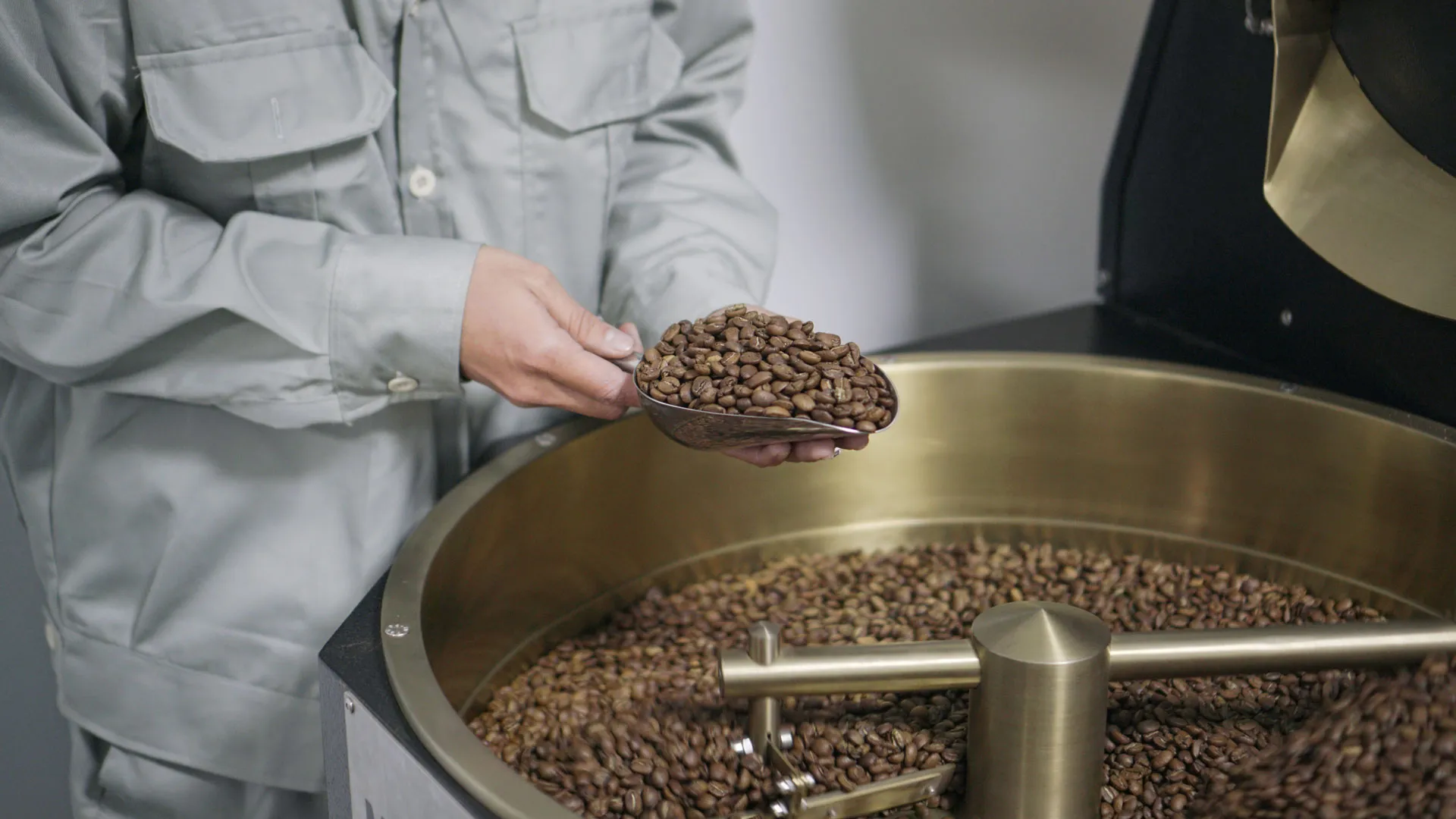
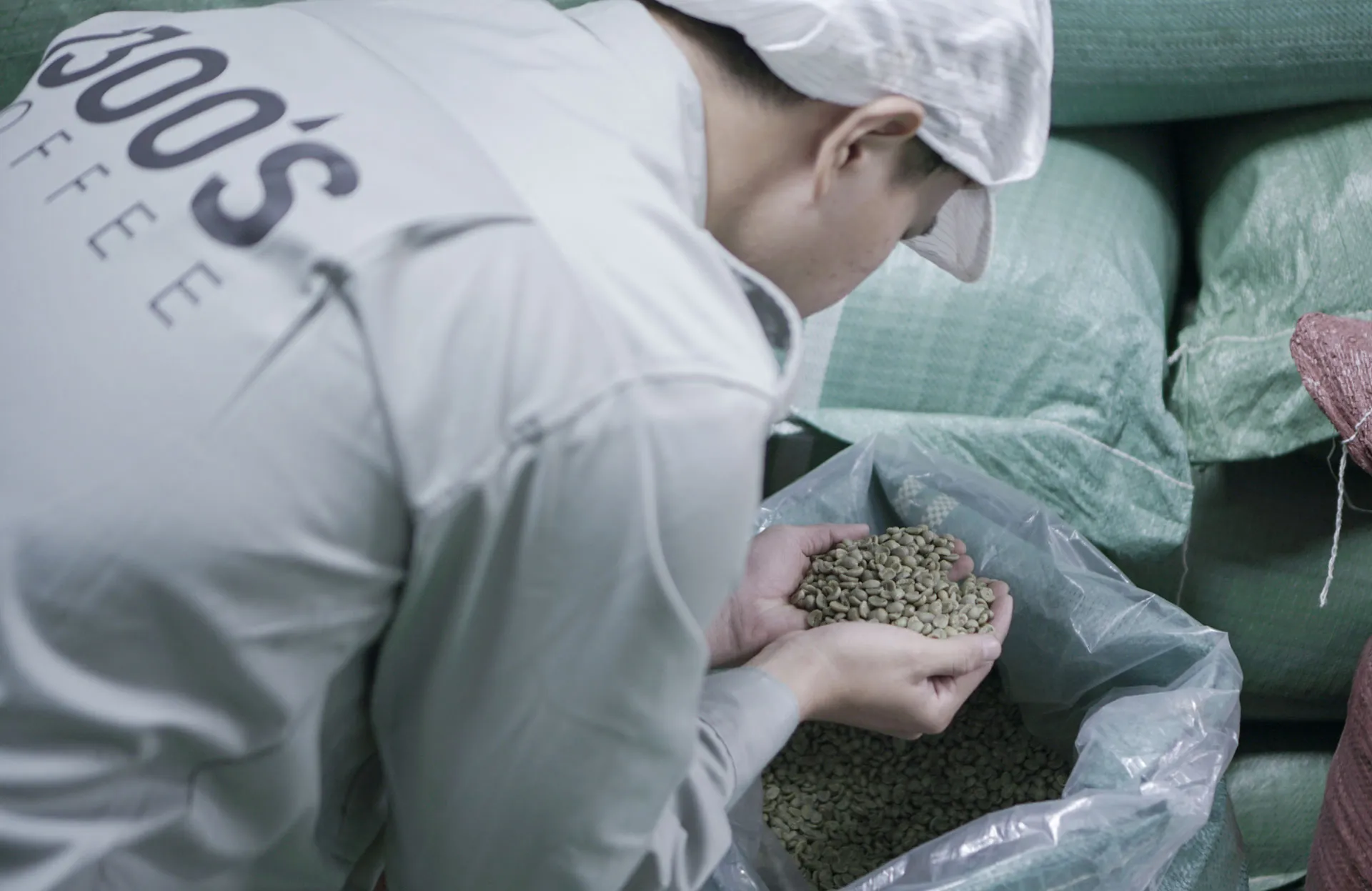
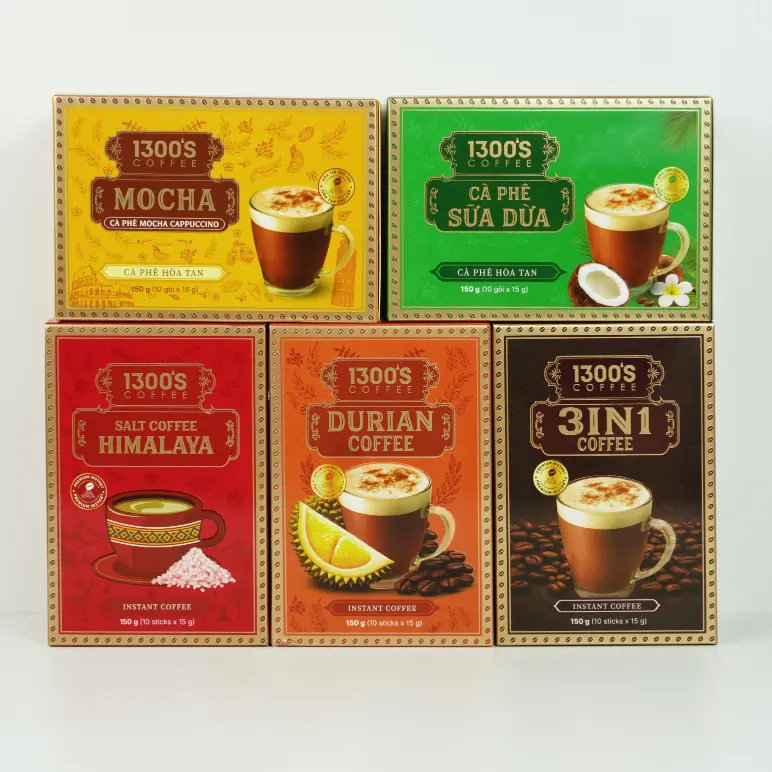
1300’S Coffee produces ground coffee as part of a vertically integrated operation based in the Mang Den highlands of Kon Tum province, managing green coffee sourcing, roasting, and grinding under one structure rather than through disconnected intermediary suppliers. This coordination supports the tight roast-to-grind-to-ship timing that ground coffee freshness depends on, and the company calibrates grind specifications to specific brewing methods, drip, espresso, French press, and cold brew, rather than defaulting to a single generic grind across every order. Quality control runs through an in-house lab supporting consistent particle size and freshness standards, and the company holds ISO 22000, HACCP, FDA, and OCOP certifications relevant to buyers with their own food safety documentation requirements.
1300’S Coffee Collection
As a business also positioned as a broader specialty coffee supplier and specialty coffee wholesale source across its product range, 1300’S Coffee applies the same quality standards to ground coffee sourcing that support its roasted whole bean and specialty lines, with private label development available for retailers and foodservice businesses building a branded ground coffee product.
Common Mistakes When Sourcing Ground Coffee
A handful of recurring issues show up across businesses sourcing ground coffee for the first time. Ordering ground coffee at the same volume and frequency pattern that would make sense for whole bean coffee, without accounting for ground coffee’s considerably shorter freshness window, frequently results in a meaningful share of an order staling before it’s used. Requesting a generic “medium grind” without specifying the actual brewing method leads to a mismatch that only becomes apparent once the coffee is actually brewed and tastes off. And assuming a supplier’s whole bean quality automatically extends to their ground coffee product, without evaluating grind consistency and freshness handling specifically, occasionally results in businesses discovering their ground coffee product underperforms compared to the whole bean coffee that led them to that supplier in the first place.
Common Mistakes When Sourcing Ground Coffee
A handful of recurring issues show up across businesses sourcing ground coffee for the first time. Ordering ground coffee at the same volume and frequency pattern that would make sense for whole bean coffee, without accounting for ground coffee’s considerably shorter freshness window, frequently results in a meaningful share of an order staling before it’s used. Requesting a generic “medium grind” without specifying the actual brewing method leads to a mismatch that only becomes apparent once the coffee is actually brewed and tastes off. And assuming a supplier’s whole bean quality automatically extends to their ground coffee product, without evaluating grind consistency and freshness handling specifically, occasionally results in businesses discovering their ground coffee product underperforms compared to the whole bean coffee that led them to that supplier in the first place.
Why 1300’S Coffee Is a Reliable Ground Coffee Supplier
1300’S Coffee produces ground coffee as part of a vertically integrated operation based in the Mang Den highlands of Kon Tum province, managing green coffee sourcing, roasting, and grinding under one structure rather than through disconnected intermediary suppliers. This coordination supports the tight roast-to-grind-to-ship timing that ground coffee freshness depends on, and the company calibrates grind specifications to specific brewing methods, drip, espresso, French press, and cold brew, rather than defaulting to a single generic grind across every order. Quality control runs through an in-house lab supporting consistent particle size and freshness standards, and the company holds ISO 22000, HACCP, FDA, and OCOP certifications relevant to buyers with their own food safety documentation requirements. As a business also positioned as a broader specialty coffee supplier and specialty coffee wholesale source across its product range, 1300’S Coffee applies the same quality standards to ground coffee sourcing that support its roasted whole bean and specialty lines, with private label development available for retailers and foodservice businesses building a branded ground coffee product.
Getting Started
Businesses evaluating ground coffee suppliers should specify their target brewing method clearly, request a sample to evaluate grind consistency and freshness directly, and confirm packaging specifications and roast-to-ship timing before committing to a recurring wholesale ground coffee bulk relationship or a larger one-time order. Looking for a reliable ground coffee supplier calibrated to your specific brewing method? Request a sample and discuss grind specification and packaging options with 1300’S Coffee to evaluate quality and freshness firsthand.
Read more: Roasted Coffee Beans Suppliers Delivering Wholesale Volume to Cafes and Retailers


1300s BLOG YOU MAY ALSO BE INTERESTED IN
Why Coffee Brands Choose Specialist Coffee Suppliers for Premium Products
What Countries Import the Most Coffee Top Importing Markets Worldwide
Why Vietnam Is Becoming a Global Specialty Coffee Origin