


Roasted Coffee Beans Suppliers Delivering Wholesale Volume to Cafes and Retailers
Cafes and retailers buy roasted coffee differently than industrial buyers or private label brands do, and treating them as the same sourcing problem is where a lot of supplier evaluation goes wrong. A cafe doesn’t need a full container shipped once a year, it needs a smaller, predictable quantity delivered on a tight, recurring schedule, roasted close enough to delivery that freshness never becomes a customer-facing problem. A retailer selling bagged coffee off a shelf has a different set of concerns again, shelf life measured in months rather than weeks, packaging that has to work as a retail product with barcodes and labeling, and often a need to stock multiple SKUs at volumes too small individually to justify separate supplier relationships for each. This guide is built specifically around what cafes and retailers need from roasted coffee beans suppliers, how those needs differ from other buyer types, and what to actually evaluate before committing to a wholesale relationship.
Why Cafes and Retailers Have Different Sourcing Needs Than Other Buyers
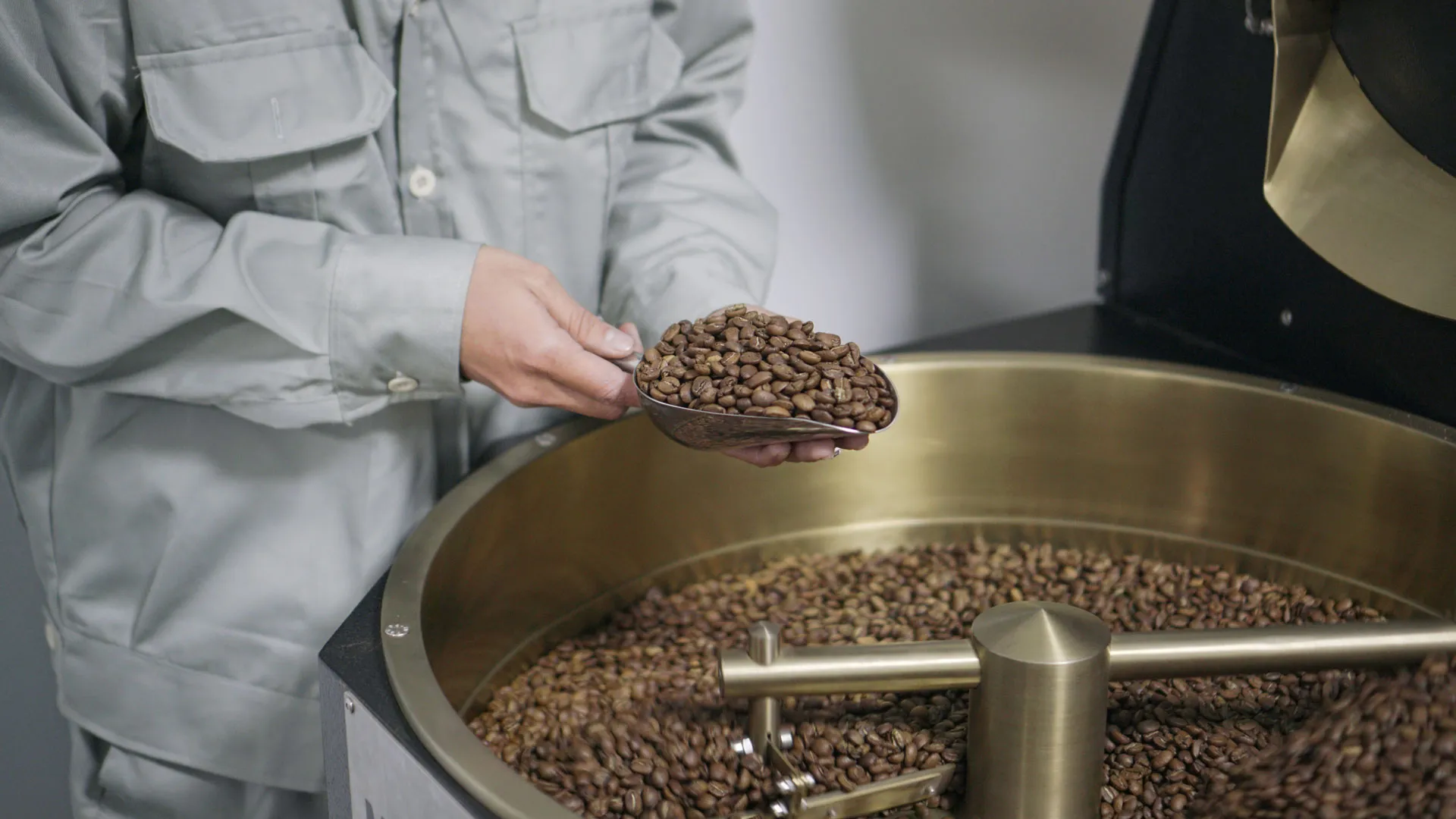
Most sourcing guides for roasted coffee are written from the perspective of a large-scale industrial buyer or a brand developing a private label product for broad distribution, and the priorities in those cases, maximum volume, certification depth, formulation exclusivity, don’t map cleanly onto a cafe or independent retailer’s actual situation. A cafe typically orders coffee weekly or biweekly, in quantities measured in tens of kilograms rather than tons, and the single biggest quality risk isn’t inconsistent grading documentation, it’s coffee sitting too long between roasting and brewing. A retailer stocking bagged coffee faces a different constraint: shelf space and inventory turnover mean a supplier needs to support multiple product formats and roast levels without requiring separate minimum orders for each one, and packaging needs to function as a finished retail product rather than simply protecting the coffee during transit. Recognizing this distinction upfront changes what actually matters when evaluating roasted coffee beans suppliers, shifting the priority list away from bulk logistics and toward freshness cycles, order flexibility, and retail-specific packaging and support.
Why Cafes and Retailers Have Different Sourcing Needs Than Other Buyers
What Cafes Need From a Roasted Coffee Beans Supplier
A cafe’s relationship with its coffee supplier is closer to an ongoing partnership than a series of transactions, and the practical requirements reflect that. House blend consistency sits at the top of the list, since a cafe’s regular customers notice when a signature espresso blend tastes even slightly different from one bag to the next, and a supplier unable to maintain a documented, repeatable roast profile puts a cafe’s customer retention at real risk over time. Espresso and filter coffee require genuinely different roast approaches, generally a slightly darker, more full-bodied profile for espresso to support crema and cut through milk, versus a lighter, more nuanced profile for filter brewing where the coffee is tasted more directly, and a roasted coffee supplier serving cafes needs to execute both competently rather than offering one strong profile and a mediocre version of the other. Order frequency and freshness matter more here than almost any other buyer category, since a cafe pulling shots or brewing filter coffee for walk-in customers is the most immediate, sensory test of coffee freshness that exists in the supply chain, meaning a supplier needs to support smaller, more frequent deliveries rather than pushing a cafe toward a larger order that will sit in storage losing quality. Many cafes also value some degree of staff support, brewing guidance, dial-in recommendations for a new blend, or basic barista training resources, since a coffee supplier who understands how their product performs behind an espresso machine, not just how it cups in a lab, tends to build a stronger long-term relationship with cafe clients.
What Retailers Need From a Roasted Coffee Beans Supplier
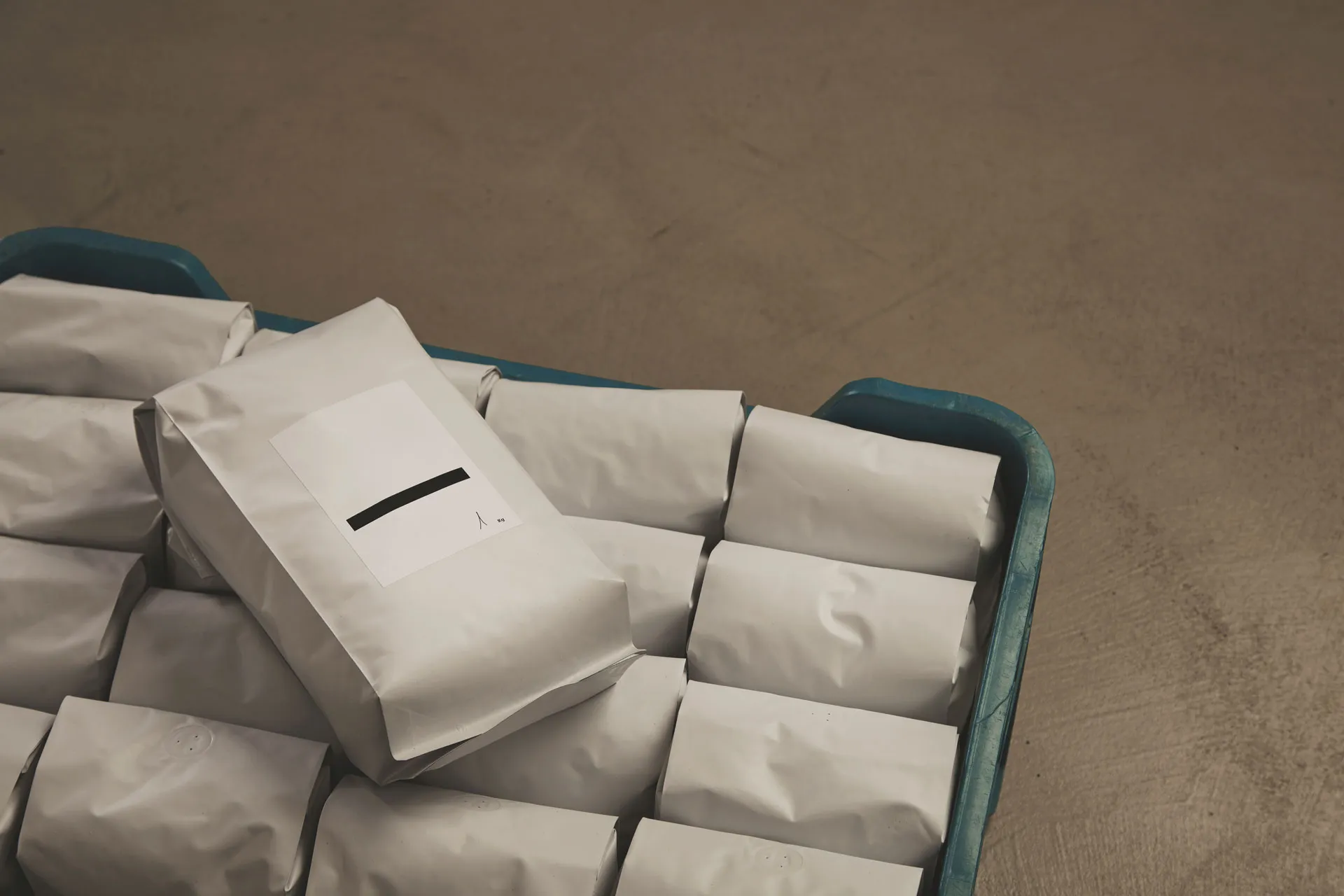
Retailers selling bagged coffee, whether a specialty grocery store, a gift shop carrying local product, or a multi-location retail chain, evaluate suppliers around a different set of priorities. Retail-ready packaging is close to non-negotiable: bags need a proper one-way degassing valve, clear labeling with roast date and origin information, and often barcode or SKU-compatible packaging that fits directly into a retailer’s existing inventory and point-of-sale systems without requiring the retailer to repackage anything themselves. Shelf life becomes a bigger factor for retail than for cafe sourcing, since retail inventory can sit for weeks or months before a customer actually purchases and brews it, meaning packaging quality and roast-to-ship timing directly affect how much usable shelf life a retailer actually gets before a bag needs to be pulled and discounted or discarded. Product range flexibility matters too, since a retailer often wants to stock a small selection, a house blend, a single-origin option, maybe a decaf, and a supplier requiring large separate minimum orders for each individual product makes building a reasonably diverse shelf presence financially impractical for all but the largest retail accounts. And for retailers building any kind of private label or house-branded product specifically for their store, formulation flexibility and packaging customization become relevant in the same way they do for a dedicated private label brand, just often at a smaller scale than a standalone brand launch would require.
Wholesale Volume Planning for Multi-Location Businesses
Cafe chains and multi-location retailers introduce a layer of complexity that single-location buyers don’t face: coordinating delivery schedules, order volumes, and quality consistency across several sites rather than one. A roasted coffee supplier working with a growing chain needs to demonstrate they can scale delivery logistics without losing the freshness and consistency that made the original single-location relationship work in the first place. This often means confirming a supplier’s capacity to support staggered, location-specific delivery schedules rather than a single bulk shipment that a business then has to redistribute internally, along with confirming pricing structures that reward the business’s aggregate volume across locations even when individual site orders remain relatively small. Businesses planning to scale from a single cafe or retail location to multiple sites should raise this scaling question with a prospective supplier early, before signing a long-term agreement based only on their current single-location volume, since not every supplier comfortable with a small independent account is equally equipped to support the roasted coffee wholesale logistics a multi-location rollout requires a year or two later.
Freshness Logistics: From Roast Date to Cup
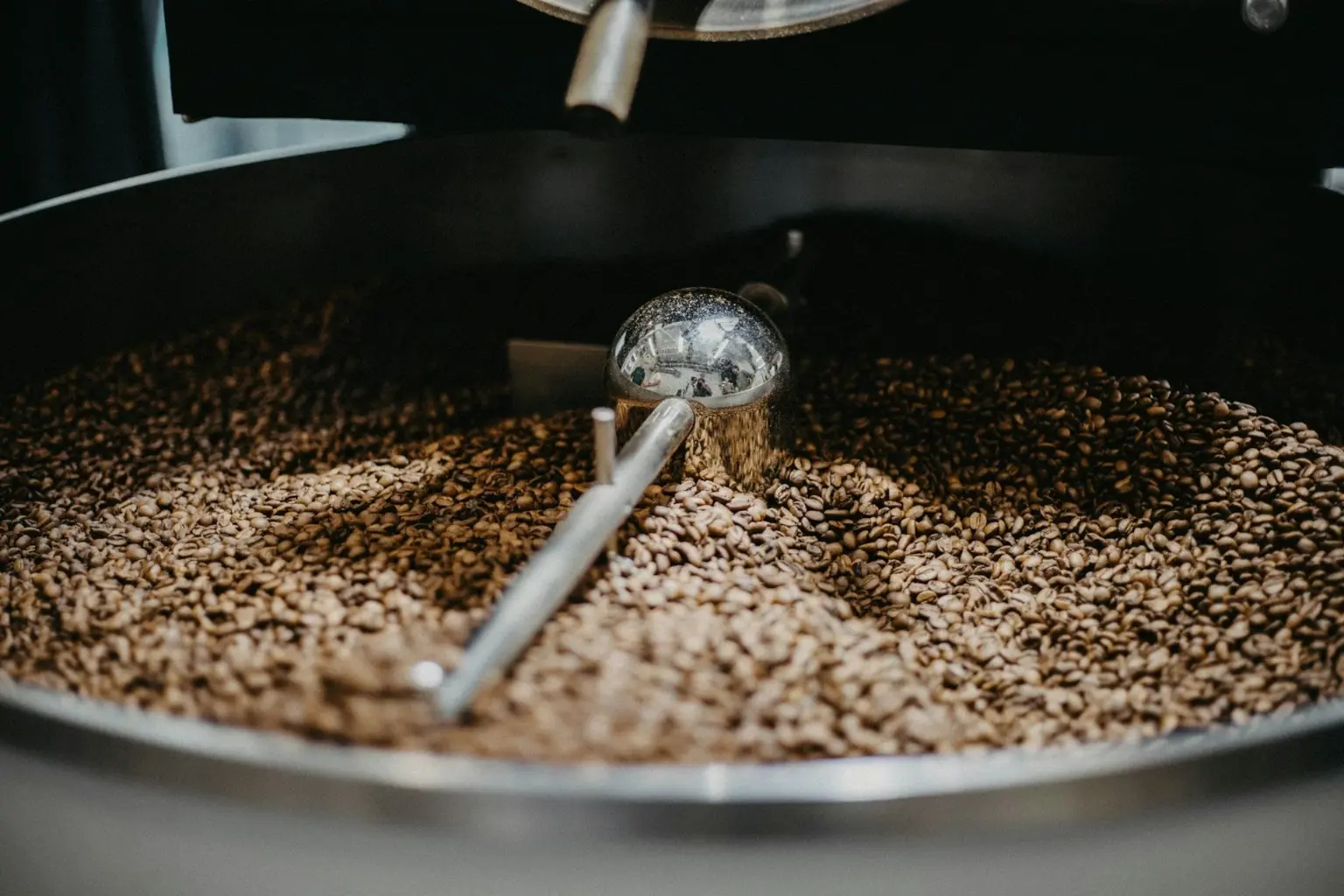
Freshness is the single factor that most consistently separates a good cafe or retail coffee experience from a mediocre one, and it depends on logistics as much as on the quality of the roast itself. Coffee roasted and shipped promptly, ideally within days rather than weeks of the actual roast date, arrives with considerably more of its peak flavor and aromatic quality intact than coffee that’s sat in a warehouse before shipping even begins. Buyers should ask a prospective roasted coffee supplier directly about typical time between roasting and shipment, not just claimed freshness in general terms, since this single logistics detail affects final cup quality more than almost any other variable within a supplier’s control. Roast date labeling on the actual packaging matters for transparency too, particularly for retailers, since customers increasingly expect to see a roast date on a bag of coffee the way they’d expect a expiration or production date on other packaged food products, and a supplier unwilling or unable to provide this basic labeling is worth questioning further.
Private Label and House Blend Development for Cafes and Retailers
Many cafes want a named house blend, something distinct from generic single-origin offerings that becomes part of their identity, without necessarily needing the full formal private label development process a standalone consumer brand might go through. This is a genuinely different scale of project than a brand-wide private label launch, and a roasted coffee beans suppliers relationship suited to cafes and retailers should accommodate it without requiring the same volume commitments or formal exclusivity negotiations a larger private label brand would need. A cafe might work with a roaster through a handful of cupping sessions to land on a house espresso blend, then order that same blend on a recurring weekly basis at a modest volume, a considerably lighter-weight process than a retail brand developing a nationally distributed private label product line. Retailers pursuing a store-branded bag of coffee face a similar, moderate-scale version of this process, generally with somewhat more attention to packaging design and labeling compliance given the product will sit on a shelf as a standalone retail item rather than being served immediately behind a counter.
Private Label and House Blend Development for Cafes and Retailers
What to Look for in Wholesale Roasted Coffee Bean Suppliers
Beyond the freshness and formulation considerations above, a handful of practical criteria matter specifically for cafes and retailers comparing wholesale roasted coffee bean suppliers. Minimum order quantities suited to actual consumption patterns matter enormously, since a cafe or small retailer forced into a MOQ well above their realistic usage either wastes money on excess inventory or lets coffee age past its freshness window trying to use it up. Delivery reliability and communication during supply disruptions, whether from harvest timing, shipping delays, or unexpected demand spikes, separates suppliers a business can actually build a long-term relationship around from those that create operational headaches during exactly the periods when reliability matters most. Reasonable payment and credit terms matter more for smaller, independent buyers than for large industrial accounts, since cash flow management is a real constraint for many independent cafes and small retail operations in a way it typically isn’t for a large manufacturer placing container-scale orders. And certifications appropriate to the buyer’s market, food safety baselines like ISO 22000 and HACCP at minimum, remain relevant even at smaller order volumes, since a retailer or cafe still needs to satisfy whatever food safety and import documentation their own business is subject to, regardless of how modest their individual order size is compared to an industrial buyer.
Comparing Wholesale Purchase vs Bulk Roasted Coffee Orders
Cafes and small retailers occasionally consider placing one large bulk roasted coffee order instead of a recurring smaller wholesale relationship, generally motivated by a lower theoretical per-unit price at higher volume. This tradeoff deserves careful consideration rather than an automatic assumption that bulk buying is the smarter financial choice. A large bulk order of roasted coffee, unlike green coffee, doesn’t hold its quality over an extended storage period, meaning a cafe or retailer buying more roasted coffee than they’ll use within a few weeks to a couple of months is likely to see real quality degradation on the later portion of that order regardless of how it’s stored. For most cafes and small to mid-sized retailers, a recurring wholesale relationship with smaller, more frequent deliveries actually produces better realized value than a larger bulk order, even at a somewhat higher nominal per-unit price, because the freshness maintained through more frequent ordering translates into a better final product and less wasted or discounted aging inventory. Larger retail chains with genuine high-volume, fast-turnover consumption patterns are the exception where a bulk roasted coffee order can make sense without the same freshness risk, since their actual usage rate is high enough to move through a larger order before quality meaningfully declines.
Espresso vs Filter Coffee Considerations for Cafes
Cafes serving both espresso-based drinks and filter or drip coffee face a specific formulation decision that’s worth addressing directly with a prospective supplier. Running a single blend across both preparation methods is possible but rarely optimal, since the roast profile and grind requirements that make a coffee shine as espresso, generally a slightly darker roast supporting crema and body under pressure extraction, differ from what makes a coffee shine as filter coffee, generally a lighter roast that preserves more acidity and nuanced flavor for a gentler extraction method. A capable roasted coffee supplier should be able to either offer two distinct house blends optimized for each brewing method, or at minimum have an informed conversation about the tradeoffs of using a single blend across both if a cafe prefers to simplify their menu and inventory around one signature coffee rather than managing two separate products.
Common Mistakes Cafes and Retailers Make When Choosing a Supplier
A handful of recurring mistakes show up across cafes and retailers evaluating a new roasted coffee supplier for the first time. Ordering a larger volume than actual consumption justifies, often to chase a better nominal per-kilogram price, frequently backfires once the real cost of quality degradation on aging coffee is factored in. Choosing a supplier purely on price without confirming roast consistency across multiple orders, rather than just a single strong initial sample, leads some buyers to discover meaningful quality variation only after they’ve built a menu or product line around an inconsistent supply. Underestimating the operational complexity of scaling from one location to several, without raising the question with a supplier early, occasionally leaves a growing business scrambling to either renegotiate terms or find an entirely new supplier mid-expansion. And overlooking basic documentation, roast date labeling, food safety certification, appropriate to the buyer’s own regulatory requirements is an easy oversight for a smaller, independent buyer to make, one that can create real problems if a health inspector, landlord, or retail partner later asks for documentation the buyer assumed wasn’t necessary at their scale.
Why 1300’S Coffee Serves Cafes and Retailers Well
1300’S Coffee operates as a vertically integrated roasted coffee supplier based in the Mang Den highlands of Kon Tum province, managing green coffee sourcing through direct farmer partnerships and roasting under one operation rather than through disconnected intermediary suppliers. This structure supports the freshness priorities that matter most to cafes specifically, since roasting and shipment coordination happen within a single operation rather than across separate parties with misaligned timing incentives. The company offers house blend development for cafes at a scale appropriate to an independent or small-chain business, alongside retail-ready packaging options, including roast date labeling and proper degassing valve packaging, for retailers building a store-branded product. Quality control runs through an in-house lab supporting consistent roast profiles across recurring orders, and the company holds ISO 22000, HACCP, FDA, and OCOP certifications relevant to both cafe and retail buyers with their own food safety documentation requirements. As a business also positioned as a broader specialty coffee supplier across green bean, drip, and instant product lines, 1300’S Coffee can support cafes and retailers looking to expand their product range beyond roasted whole bean coffee through the same sourcing relationship, rather than requiring separate supplier relationships for each format.
Getting Started
Cafes and retailers evaluating a new roasted coffee supplier should request samples reflecting realistic order timing rather than a specially curated best-case batch, confirm roast-to-ship timing and packaging specifications directly, and start with a smaller trial order at a delivery frequency matching actual consumption before committing to a full recurring wholesale roasted coffee bean suppliers relationship. Looking for a roasted coffee beans supplier built around cafe and retail needs specifically? Request a sample and discuss house blend or private label options with 1300’S Coffee to evaluate freshness, consistency, and packaging firsthand.
Read more: Top Instant Coffee Powder Manufacturers for Private Label & OEM Coffee


1300s BLOG YOU MAY ALSO BE INTERESTED IN
How Is Vietnamese Coffee Made? From Harvest to Cup
Top Specialty Coffee Companies Offering OEM & Private Label Solutions for Global Coffee Brands
How to Choose a Trusted Specialty Coffee Supplier for Global Importers