


How Long Can Green Coffee Beans Be Stored: Shelf Life and Best Practices
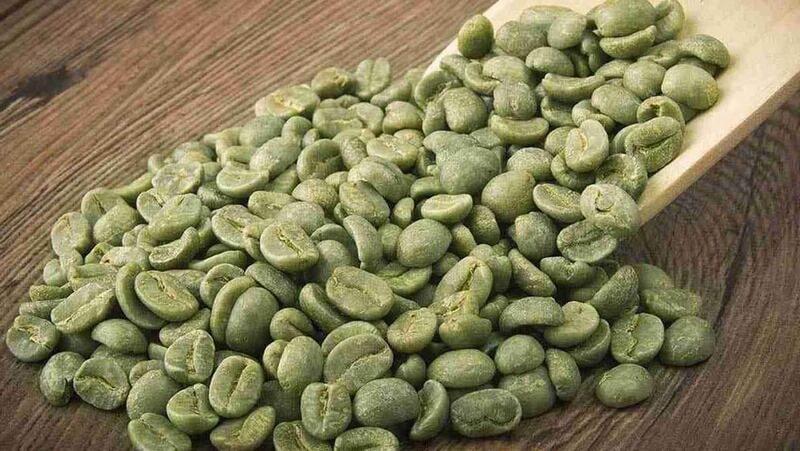
Green coffee beans are far more stable than roasted coffee, but they’re not indestructible, and getting storage wrong can quietly degrade quality for months before anyone notices the problem in the cup. Whether you’re a home roaster keeping a modest supply on hand or a business managing a much larger inventory, understanding how to store green coffee beans properly protects an investment that, once it starts to decline, can’t really be recovered through better roasting technique alone. This guide covers what actually happens to green coffee during storage, the specific conditions that matter most, and how storage practices shift depending on the scale you’re operating at.
Why How You Store Green Coffee Beans Matters
Green coffee is a living agricultural product in a sense, still undergoing slow biochemical changes even after drying and milling, and storage conditions directly influence how those changes play out over time.
The Difference Between Green Bean and Roasted Storage
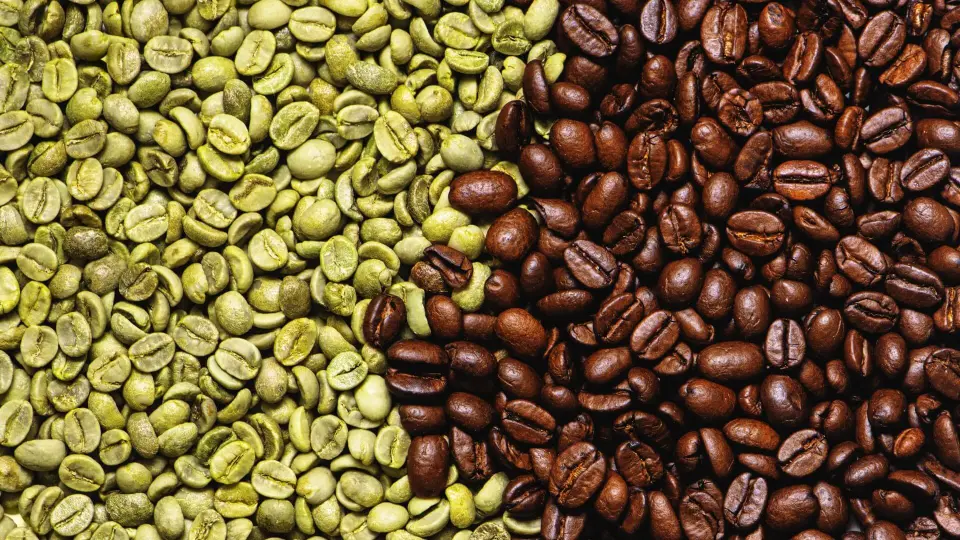
Roasted coffee stales within weeks due to oxidation and aroma loss from its porous, cellular structure being broken open by heat. Green coffee behaves completely differently, its cell structure remains intact, giving it a genuinely long shelf life measured in months to years rather than weeks, provided moisture and environmental exposure stay within a reasonable range. This fundamental difference is exactly why learning how to store green coffee beans properly matters so much for anyone holding inventory ahead of roasting, since the storage rules that apply to a finished bag of roasted coffee simply don’t translate to the unroasted product.
The Difference Between Green Bean and Roasted Storage
What Happens When Storage Goes Wrong
Poorly stored green coffee doesn’t fail dramatically or all at once, it degrades gradually, developing what roasters commonly describe as a flat, woody, or papery flavor as the beans lose the volatile compounds and moisture balance that support good cup quality. In more severe cases, particularly with excess humidity exposure, mold growth becomes a genuine risk, not just a flavor problem but a food safety one, since certain mold species associated with improperly stored coffee can produce mycotoxins. Understanding how to store green coffee beans correctly from the outset is considerably easier than trying to diagnose and correct a degradation problem after it’s already underway.
Moisture Control The Most Important Factor
Of every variable involved in green coffee storage, moisture content deserves the most attention, since it drives nearly every other quality and safety concern that can develop over time.
Ideal Moisture Range for Green Coffee
Properly processed green coffee typically arrives at a moisture content between 10 and 12 percent, a range that balances stability during storage against the risk of the beans becoming too brittle or dry if moisture drops meaningfully lower. Coffee stored well above this range risks mold growth and accelerated degradation, while coffee that dries out too much during storage can lose desirable characteristics and become harder to roast evenly, sometimes producing uneven color development or scorching during the roast itself as a direct consequence of starting from beans outside their ideal moisture range. Buyers and roasters should confirm moisture content at the time of purchase and, where practical, periodically check it during extended storage, since moisture can shift gradually even in coffee that started within the ideal range, particularly in climates with pronounced seasonal humidity swings that put ongoing pressure on even well-sealed packaging over many months.
How Humidity Exposure Degrades Quality
Ambient humidity in the storage environment matters just as much as the coffee’s own internal moisture level, since green coffee is hygroscopic, meaning it absorbs or releases moisture to equilibrate with its surroundings over time. Storing coffee in a consistently humid environment, without adequate barrier packaging, gradually raises the bean’s internal moisture regardless of what it measured at the time of purchase, which is why packaging and environment need to be considered together rather than treating internal moisture as a fixed, one-time specification.
Temperature and Light Considerations
Beyond moisture, green coffee should be kept in a cool, stable environment away from direct sunlight and significant temperature swings. Ideal storage temperature generally falls somewhere between 60 and 70 degrees Fahrenheit, cool enough to slow the slow oxidative changes that still occur even in unroasted coffee, but not so cold that condensation becomes a risk when beans move between temperature zones. Direct sunlight should be avoided entirely, since UV exposure degrades quality over time even through packaging that otherwise protects reasonably well against moisture and oxygen. Consistency matters as much as the specific temperature range itself, since repeated warming and cooling cycles, particularly ones that introduce condensation, do more damage than a stable environment at a slightly less than ideal but consistent temperature.
Packaging Materials That Actually Protect Green Coffee
The right packaging does most of the practical work in maintaining ideal moisture and protecting against pest and contamination risk during storage and transit.
GrainPro and Hermetic Liner Bags
Hermetic liner bags, commonly known in the industry by the brand name GrainPro among others, provide a sealed inner barrier against moisture and oxygen exchange, significantly slowing the rate at which green coffee’s internal moisture shifts in response to ambient humidity. These liners have become close to standard practice for serious export shipments specifically because they extend usable shelf life meaningfully compared to unlined jute sacks alone, and any specialty coffee supplier shipping internationally should be using this kind of protective liner as a baseline rather than an optional upgrade.
Jute and Polypropylene Outer Sacks
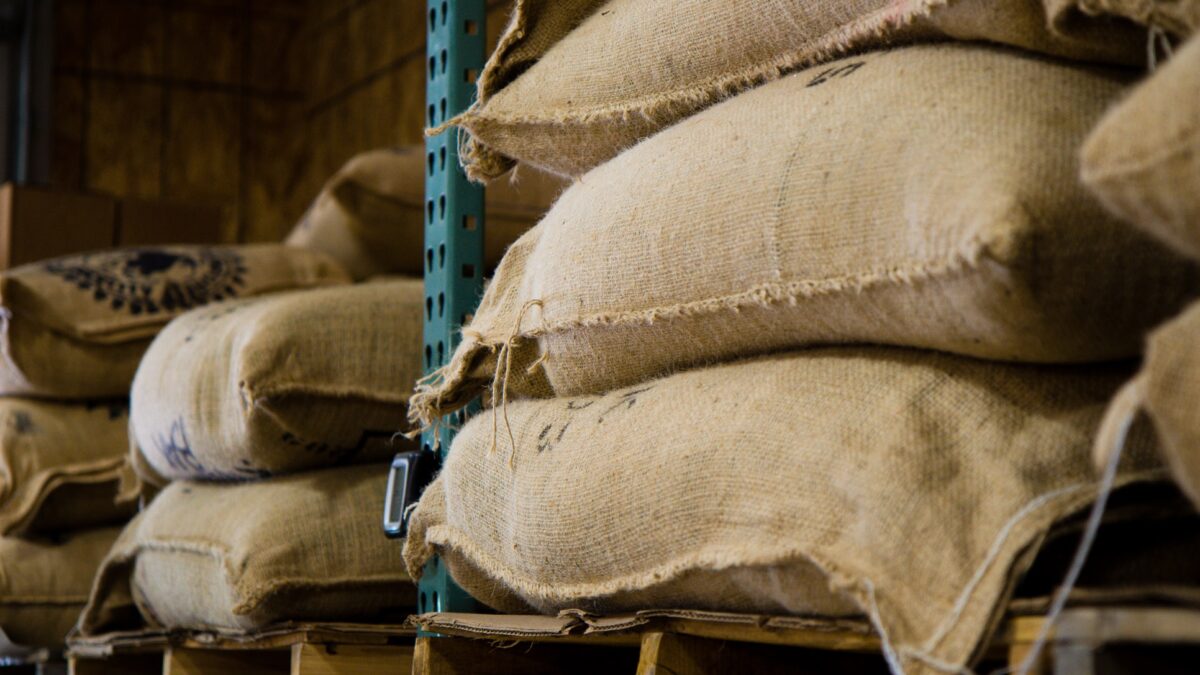
Outer sacks, typically jute or woven polypropylene, provide structural protection and ventilation during handling and transport, working alongside an inner hermetic liner rather than replacing the need for one. Jute has a longer traditional history in coffee export and offers reasonable breathability, while polypropylene sacks are increasingly common for their durability and lower cost, though neither material alone provides adequate moisture protection without the hermetic liner doing the actual barrier work.
Vacuum Sealing for Smaller Quantities
Home roasters and smaller operations without access to full hermetic export packaging can achieve similar moisture protection through vacuum sealing smaller quantities into food-safe bags, removing much of the air that would otherwise allow gradual moisture exchange with the surrounding environment. This approach works well for quantities too small to justify commercial packaging but should still be paired with cool, dark storage conditions, since vacuum sealing alone doesn’t fully substitute for proper temperature and light control.
How Long Green Coffee Beans Actually Last
Understanding realistic shelf life expectations helps set practical inventory planning rather than either wasting usable coffee prematurely or holding stock well past when it should have been roasted.
Typical Shelf Life Under Proper Storage
Green coffee stored under proper conditions, correct moisture, hermetic packaging, cool and stable temperature, can maintain good quality for one to two years, considerably longer than most people assume when they first learn how to store green coffee beans correctly. Specialty grade lots, valued specifically for delicate, complex flavor characteristics, generally benefit from being roasted within six to twelve months of harvest to preserve peak quality, even though the coffee remains technically usable well beyond that window.
Typical Shelf Life Under Proper Storage
Signs Your Green Coffee Has Degraded
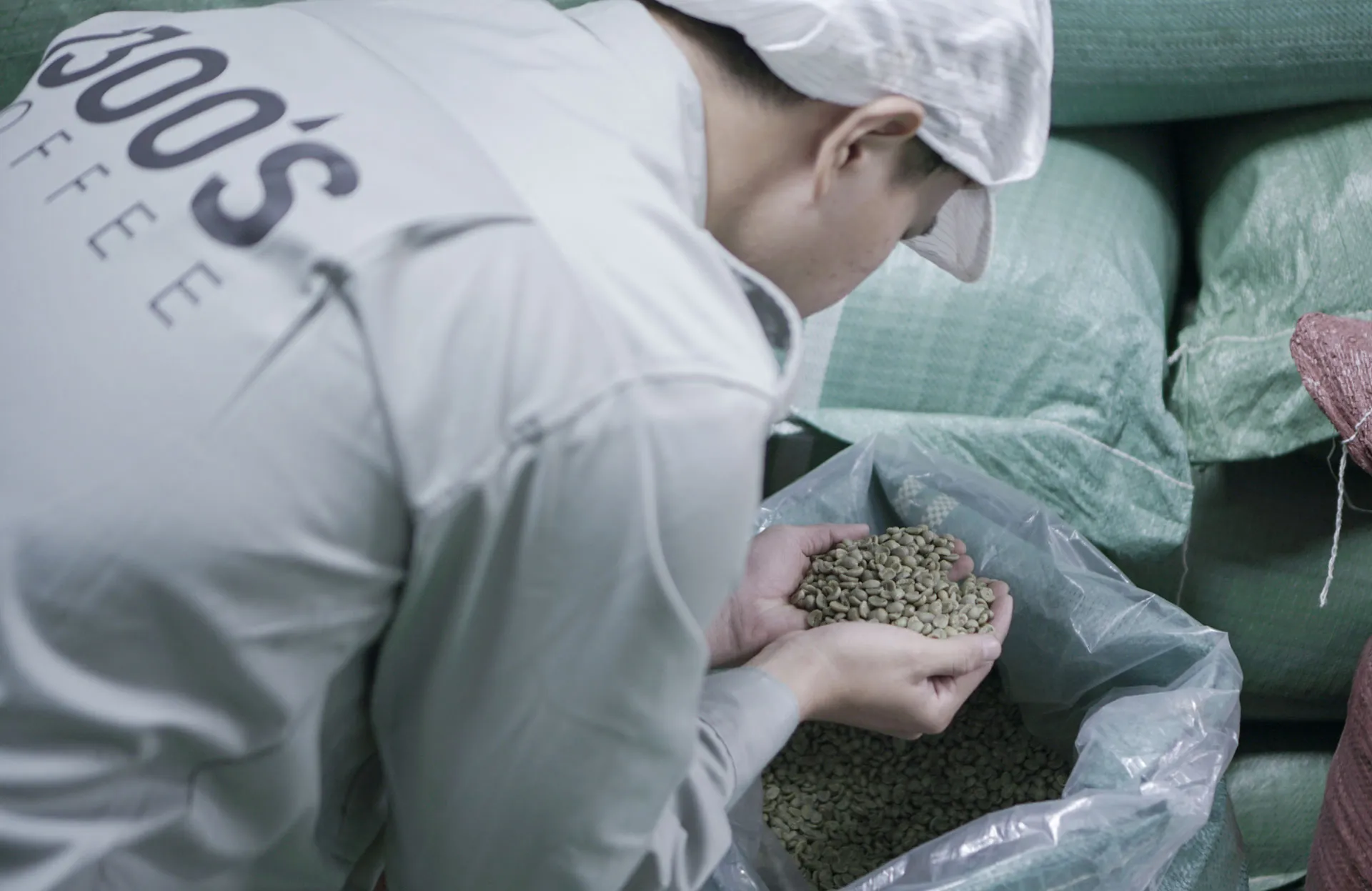
Visual and olfactory cues help identify green coffee that’s degraded beyond acceptable quality, including a faded or yellowing bean color compared to the vibrant green or blue-green typical of fresh stock, a musty or hay-like smell rather than the coffee’s normal grassy aroma, and any visible mold, which should result in immediate disposal of the affected lot rather than attempting to salvage a portion of it. Beyond visual inspection, a quick cupping test on a small sample from a lot you’re uncertain about remains the most reliable way to confirm whether storage has actually affected cup quality, since some degradation is more apparent in the brewed coffee than in the raw bean’s appearance or smell alone. Roasters who notice a consistently flat or muted cup from beans that previously performed well should consider aging or storage conditions as a likely culprit before assuming a problem with the roast itself, since revisiting roast profile adjustments won’t correct a quality issue that actually originated in how the green coffee was stored before it ever reached the roaster.
Monitoring and Maintaining Storage Conditions Over Time
Setting up proper storage once isn’t enough on its own, since conditions can drift over time without active monitoring, particularly for businesses holding inventory over many months.
Simple Monitoring Tools Worth Using
A basic hygrometer placed in the storage area provides an easy, low cost way to track ambient humidity and catch problems before they meaningfully affect the coffee itself. For operations storing larger volumes, periodic moisture testing of the actual green coffee, rather than relying solely on ambient conditions, gives a more direct read on whether the beans themselves are holding their target moisture range or gradually drifting due to imperfect packaging or environmental exposure. This kind of ongoing monitoring matters more the longer coffee sits in storage, since a small packaging flaw that wouldn’t cause noticeable problems over a few weeks can meaningfully affect quality over many months.
Rotating Stock to Avoid Extended Aging
Businesses managing ongoing green coffee inventory benefit from a first-in, first-out rotation system, ensuring older stock gets roasted before newer shipments, rather than allowing older lots to sit indefinitely while fresher coffee gets used first simply because it’s more accessible. This discipline matters particularly for specialty grade lots, where the six to twelve month freshness window mentioned earlier can pass unnoticed without a deliberate system tracking which lots arrived when and prioritizing them accordingly.
Storage Considerations Across Different Business Scales
How storage gets managed shifts considerably depending on whether you’re holding a small home quantity or managing inventory that feeds into a larger commercial operation. Businesses supporting a roasted coffee wholesale program need storage capacity calibrated to their actual roasting throughput, holding enough green coffee to avoid supply gaps without over-purchasing beyond what proper storage conditions can be maintained for across the full inventory. Warehouse space itself needs to be designed with these storage principles in mind from the outset, adequate ventilation, protection from direct sunlight through windows or skylights, and climate control sufficient to maintain the target temperature range even during seasonal extremes, rather than treating storage as simply whatever space happens to be available.
Storage Considerations Across Different Business Scales
The same discipline applies to businesses supplying ground coffee wholesale customers, since green coffee destined for grinding still needs to pass through proper roasting from well-stored stock before the separate freshness clock on ground coffee even begins. A business that stores green coffee poorly upstream can’t fully compensate for that mistake through careful handling further down the production chain, since a bean that’s already lost quality during storage simply produces an inferior finished product regardless of how well the subsequent roasting and grinding steps are executed.
Businesses that also handle instant coffee production face a slightly different calculus, since instant coffee wholesale operations often process larger volumes of lower grade Robusta relatively quickly, meaning storage duration concerns matter less than they do for a business holding specialty lots for an extended period awaiting the right roasting window. Buyers planning a large instant coffee bulk buy specifically should still confirm a supplier’s storage practices for the green coffee feeding that production, since even fast-turnover commodity coffee benefits from basic moisture and humidity control during the shorter window it does sit in inventory.
What This Means for Specialty and Private Label Buyers
Buyers working with a genuine specialty coffee supplier should expect and ask about storage practices specifically, since specialty grade coffee’s more delicate flavor characteristics degrade faster under poor conditions than standard commercial grade beans do. A supplier maintaining a real specialty coffee wholesale program should be able to describe their storage facility conditions, moisture monitoring practices, and typical time between receiving green coffee and roasting it, rather than treating storage as an invisible, unquestioned part of the supply chain. This same attention to storage discipline extends to a drip coffee supplier managing green coffee ahead of the roasting and grinding stages specific to that format, since drip bag production depends on freshly roasted and ground coffee, which in turn depends on green coffee that hasn’t already lost quality sitting in inadequate storage before it ever reaches the roaster.
Common Storage Mistakes to Avoid
A handful of recurring mistakes undermine otherwise careful green coffee purchasing decisions. Storing green coffee near sources of heat or moisture, a kitchen, a poorly ventilated storage room, or anywhere subject to temperature swings, gradually degrades quality regardless of how good the coffee was at the time of purchase. Buying more green coffee than can realistically be roasted and used within a reasonable window, particularly for specialty lots meant to be enjoyed at peak freshness, results in coffee that technically remains usable but underperforms its actual potential by the time it finally gets roasted. Skipping proper packaging in favor of whatever container happens to be convenient, rather than investing in appropriate hermetic or vacuum sealed storage, is a common shortcut that costs considerably more in degraded quality than the modest expense of doing it correctly from the start. And assuming that once coffee is packaged correctly it no longer needs any attention is its own mistake, since even well-packaged coffee benefits from periodic inspection, particularly after any handling event like a move between storage locations that could have introduced a small tear or seal failure in the protective packaging.
Getting Started
Whether you’re storing a small personal supply or managing inventory for a larger operation, understanding how to store green coffee beans correctly, controlling moisture, protecting against light and temperature swings, and using appropriate packaging, protects the investment you’ve already made in sourcing good coffee in the first place. Sourcing green coffee that’s been properly stored from harvest through export? Request a sample and documentation from 1300’S Coffee to see how storage and handling practices support consistent quality from origin to your roasting facility.
Read more: Where Is Coffee Grown in Vietnam? A Region by Region Guide


1300s BLOG YOU MAY ALSO BE INTERESTED IN
What Is Coffee Sourcing?A Beginner’s Guide to How Coffee Reaches Buyers
Top 5 Wholesale Instant Coffee Suppliers for Importers & Distributors
Why More Global Importers Choose Vietnamese Instant Coffee Suppliers