


Where to Buy Vietnamese Coffee Wholesale for Importers and Roasters
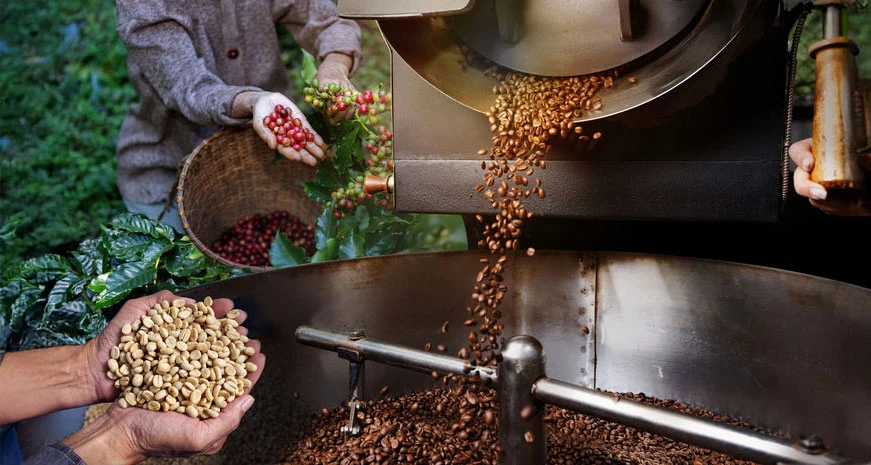
Figuring out where to buy Vietnamese coffee at real commercial volume involves a different set of questions than sourcing a single bag for personal use. Importers and roasters need to think about supplier type, product format, certification requirements, and order structure before they ever get to comparing prices. This guide walks through the actual channels available for buying Vietnamese coffee at scale, covers what to look for across the different formats the country produces, and outlines the verification steps that separate a reliable sourcing relationship from a risky one.
Understanding Your Buying Channels Before You Search
Before deciding where to buy Vietnamese coffee, it helps to understand the different types of relationships available, since each comes with its own tradeoffs around volume, price, and flexibility.
Buying Direct from a Producer or Manufacturer
Buying directly from a producer or manufacturer, a company that controls sourcing and processing rather than reselling coffee sourced from elsewhere, generally offers the most control over specification, pricing, and formulation. This route suits buyers with enough volume to justify container level commitments or a producer willing to accommodate smaller trial orders, and it typically produces better pricing over time than working through an intermediary, since there’s no added margin layer between the buyer and the actual source. Direct relationships also tend to offer better traceability, since a producer controlling their own sourcing can trace a specific lot back to a specific farm or growing region in a way a reseller working from a fragmented pool of secondary sources generally cannot.
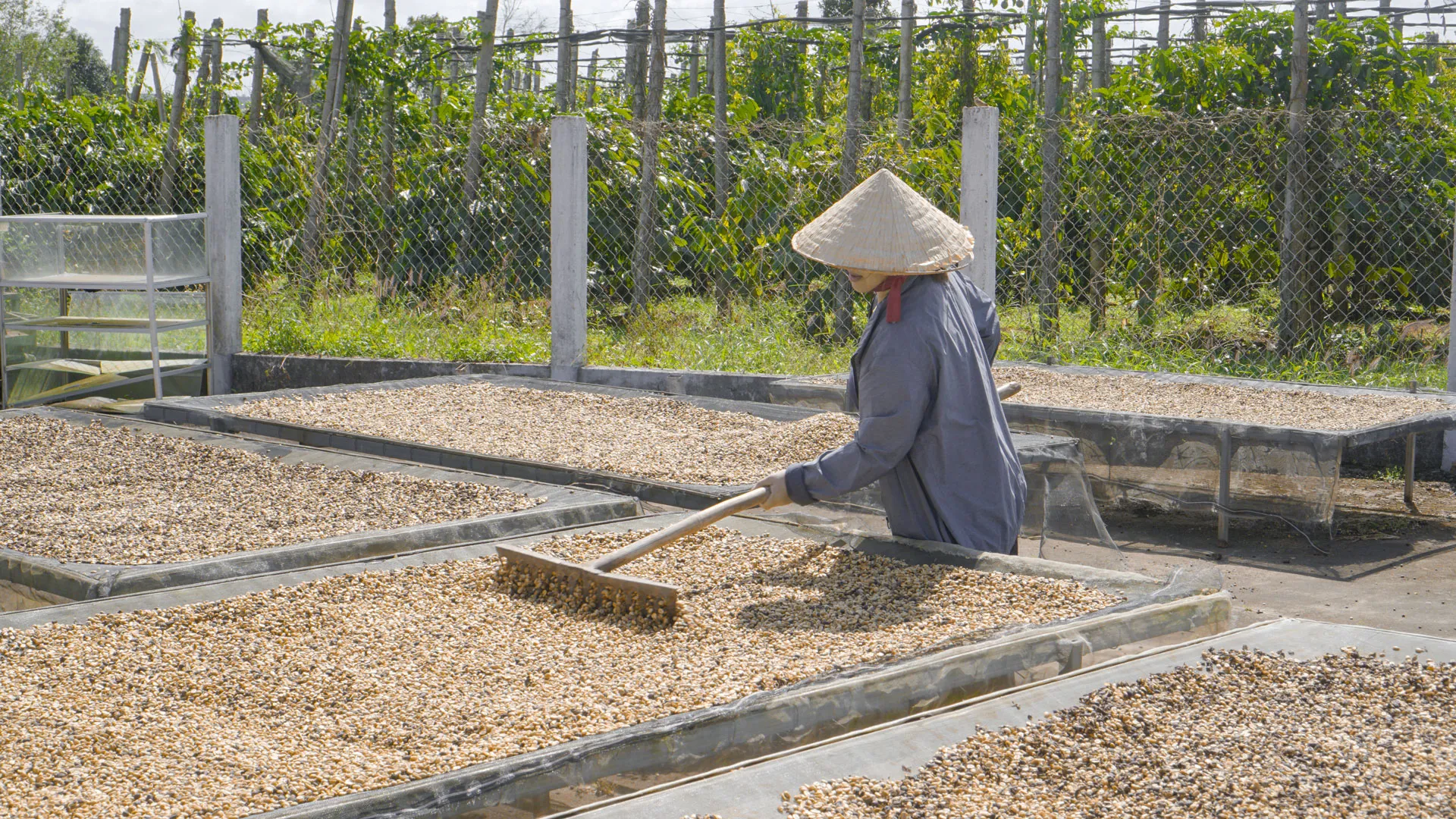
Buying Direct from a Producer or Manufacturer
Buying Through a Distributor or Trading Company
Distributors and trading companies hold inventory already sourced from producers and break it into smaller, more frequent shipments suited to buyers below full container volume. This channel trades some pricing advantage for logistical convenience, faster delivery, smaller minimum orders, and often more flexible payment terms than a direct relationship with an overseas producer typically allows. This route suits businesses whose consumption pace doesn’t justify managing direct import logistics themselves, freight, customs documentation, and the capital tied up in a full container shipment, but who still want more attentive service than a fully anonymous marketplace transaction would provide.
Buying at Trade Shows and Sourcing Events
Industry trade shows and coffee sourcing events, both within Vietnam and at major international coffee trade fairs, remain a genuinely useful channel for meeting producers and distributors directly, tasting samples in person, and building the kind of relationship that’s harder to establish through email alone. For buyers new to sourcing from Vietnam specifically, this route often accelerates the trust building process considerably compared to starting a relationship entirely through remote correspondence, since a face to face conversation and an in person cupping session reveal far more about a potential supplier’s actual capability and communication style than a written quote ever can.
Where to Buy Vietnamese Coffee as Green Beans
Roasters managing their own roast profile need to know specifically where to buy Vietnamese coffee in unroasted, green form, and this category has its own particular considerations.
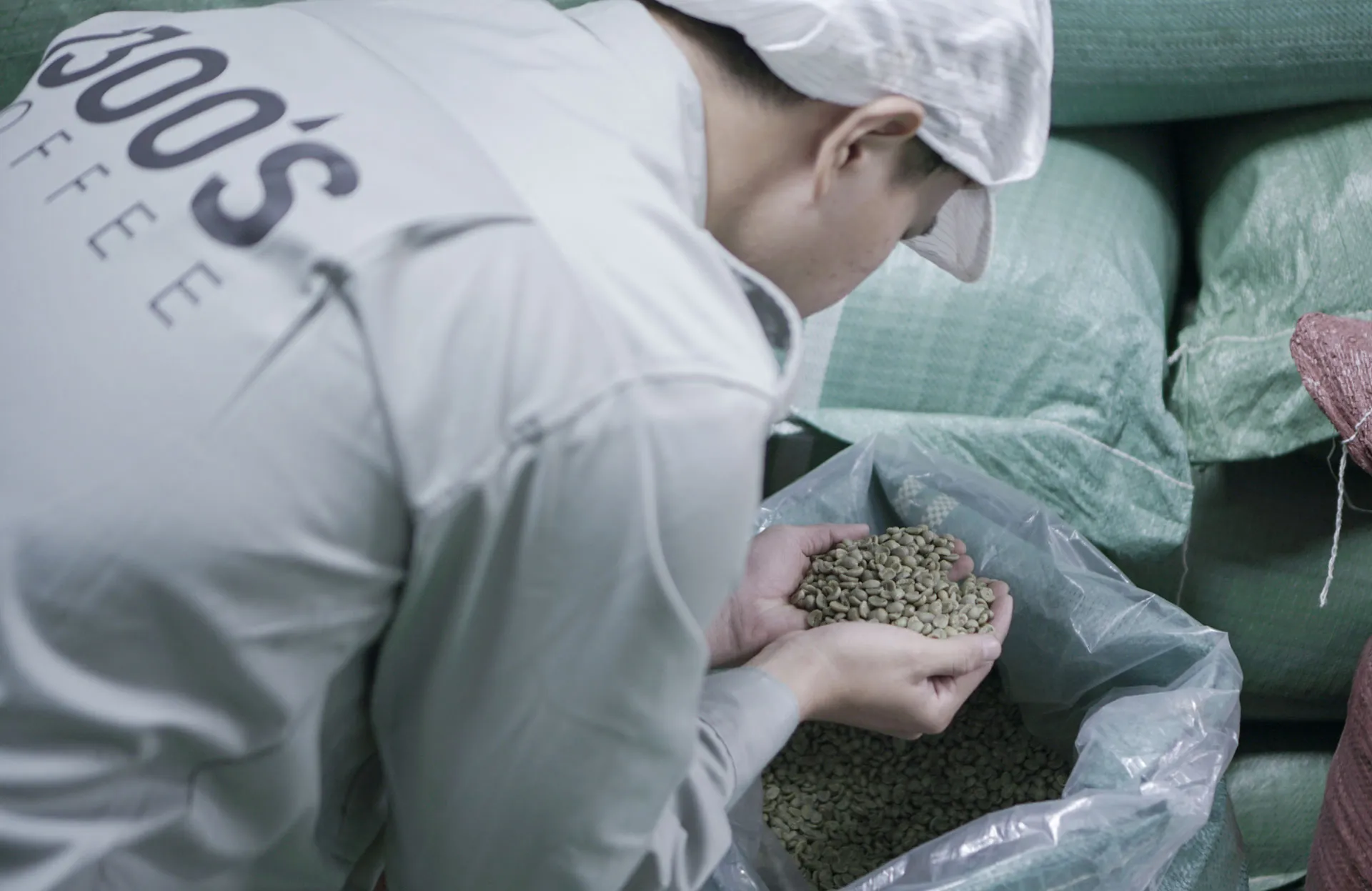
A green bean source worth working with should provide lot specific grading data, screen size, moisture content, defect count, and crop year, rather than a general regional quality claim. Roasters building a specific flavor profile depend on this level of detail to develop and maintain a roast curve that performs consistently, and a supplier unable to provide it per shipment generally isn’t equipped for a serious, recurring roasting relationship.
Specialty Grade Options for Roasters
Roasters looking beyond standard commercial grade need a genuine specialty coffee supplier capable of providing cupping scores, documented processing methods, and consistent quality at the batch sizes they actually require. This combination, specialty grade quality delivered reliably rather than as a one-off exceptional sample, is less common than either quality or reliability alone, and it’s worth confirming directly with lot specific documentation rather than accepting a general specialty claim at face value. Buyers building a genuine specialty coffee wholesale program specifically, rather than sourcing an occasional exceptional lot, should also confirm a supplier can maintain that quality consistently at real volume, since specialty grade consistency at wholesale scale is a meaningfully harder operational bar to clear than commodity grade production, and not every source claiming specialty capability can actually deliver on it once volume increases beyond a small sample batch.
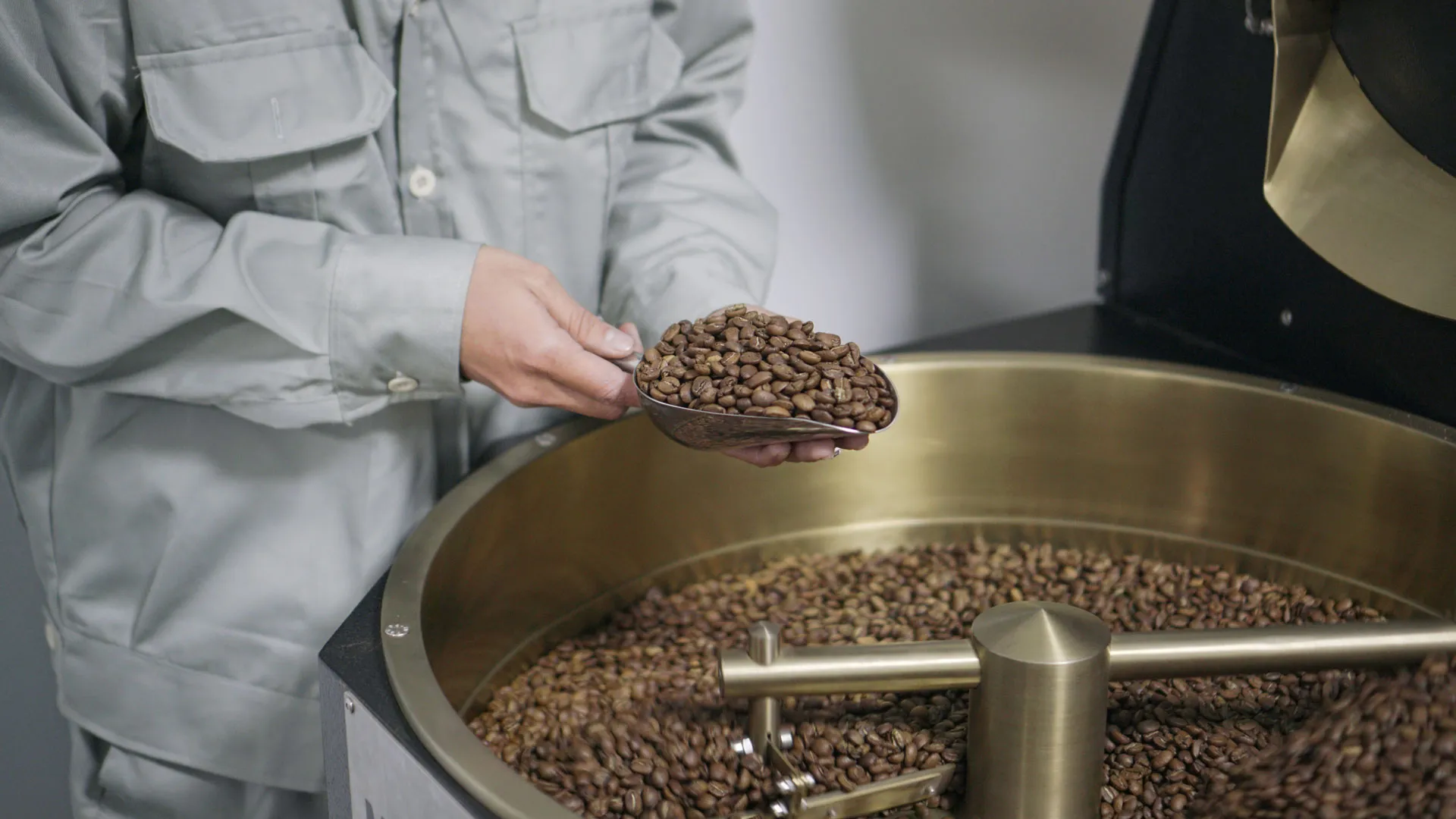
Specialty Grade Options for Roasters
Where to Buy Vietnamese Coffee as Roasted Beans
Buyers who don’t want to manage their own roasting operation need a different kind of source, one capable of delivering a finished, ready to sell product rather than raw green coffee requiring further processing on the buyer’s end.
Roasted coffee wholesale suppliers serving cafes and retailers prioritize different things than a supplier serving industrial buyers, smaller and more frequent order sizes, documented and repeatable roast profiles, and proper degassing valve packaging that protects freshness during shipping and storage. Buyers evaluating where to buy Vietnamese coffee in this format should confirm roast to ship timing directly, since coffee that sits too long between roasting and delivery arrives in noticeably worse condition regardless of how good the original roast was. It’s also worth asking whether a supplier can execute across multiple roast levels, light, medium, and dark, since Vietnamese coffee traditionally leans toward darker roasting but an increasing number of buyers specifically want lighter roast options to highlight origin character, and not every roaster comfortable with one style is equally skilled across the full range.
Where to Buy Vietnamese Coffee as Ground Coffee
Ground coffee introduces its own sourcing considerations distinct from whole bean, given how much faster it stales once ground, a factor that changes what actually matters when comparing suppliers.
Ground Coffee Wholesale for Foodservice and Retail
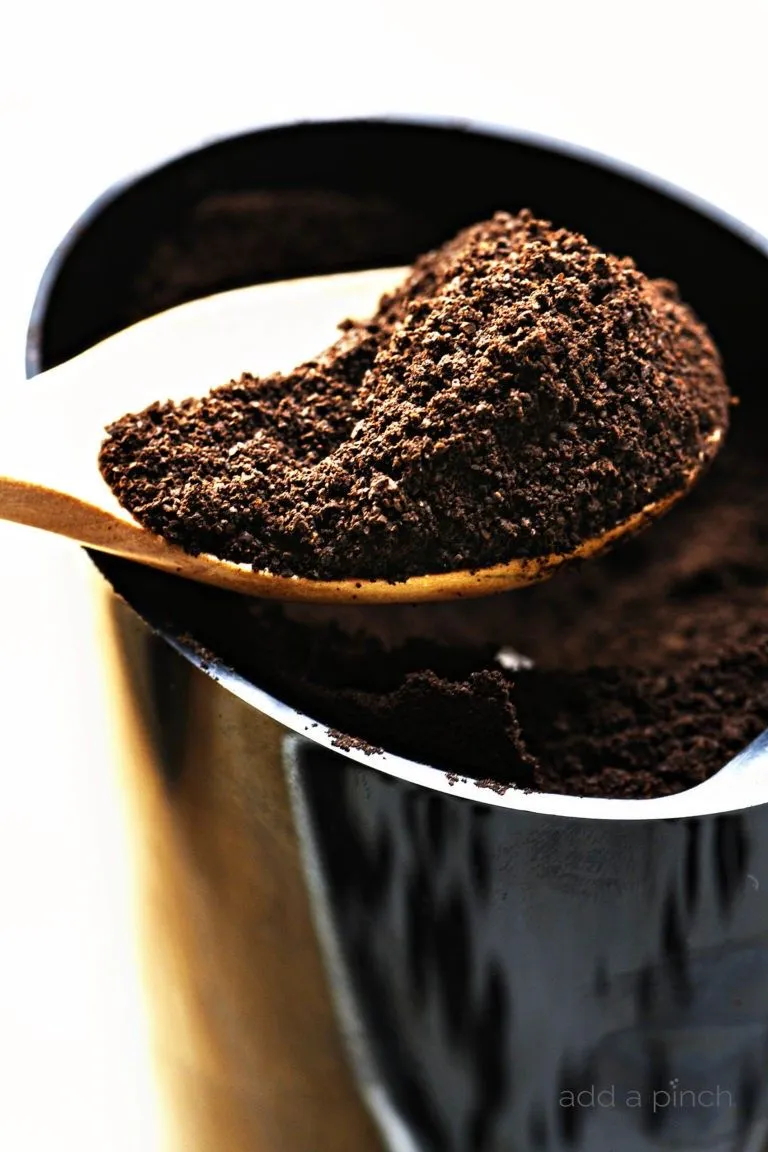
A ground coffee wholesale supplier needs to calibrate grind size specifically to the buyer’s intended brewing method, drip, espresso, or another format, and maintain tight control over the timing between grinding and packaging to preserve freshness. Buyers sourcing this format should confirm both the intended brewing method compatibility and the supplier’s packaging standards before committing to a larger order, since a mismatch on either point produces a noticeably worse final product regardless of the underlying coffee quality. Because ground coffee’s shorter freshness window makes large bulk purchases riskier than they would be for whole bean, most buyers find that a recurring, smaller volume wholesale relationship serves them better over time than a single large order that risks staling before it can all be used.
Where to Buy Vietnamese Instant Coffee
Instant coffee represents a genuinely different production category, and buyers exploring where to buy Vietnamese coffee in this format need to understand a few format specific considerations.
Working with an Instant Coffee Supplier for Private Label
Businesses building a branded instant coffee product need an instant coffee supplier capable of genuine formulation development, working through cupping and adjustment rounds rather than only offering an existing house product with new packaging applied. Confirming whether a prospective supplier operates spray drying, freeze drying, or both matters directly here, since these two production methods produce meaningfully different products at meaningfully different price points, and instant coffee wholesale pricing varies substantially depending on which method a specific formulation actually uses.
Planning an Instant Coffee Bulk Buy
Buyers planning a significant instant coffee bulk buy, whether for private label development or reselling an existing formulation, should request minimum order quantities specific to their intended packaging format, since bulk bags for repackaging typically carry lower minimums than consumer ready sachets or jars, which require their own dedicated packaging line setup. Requesting a smaller trial shipment before committing to full volume remains worthwhile even for buyers confident in a specific formulation, since consistency across a genuine production run is what a single sample can’t fully verify.
Where to Buy Vietnamese Drip Coffee Bags
A smaller but growing format worth knowing about, drip coffee bags occupy a middle ground between traditional brewing and instant coffee’s convenience.
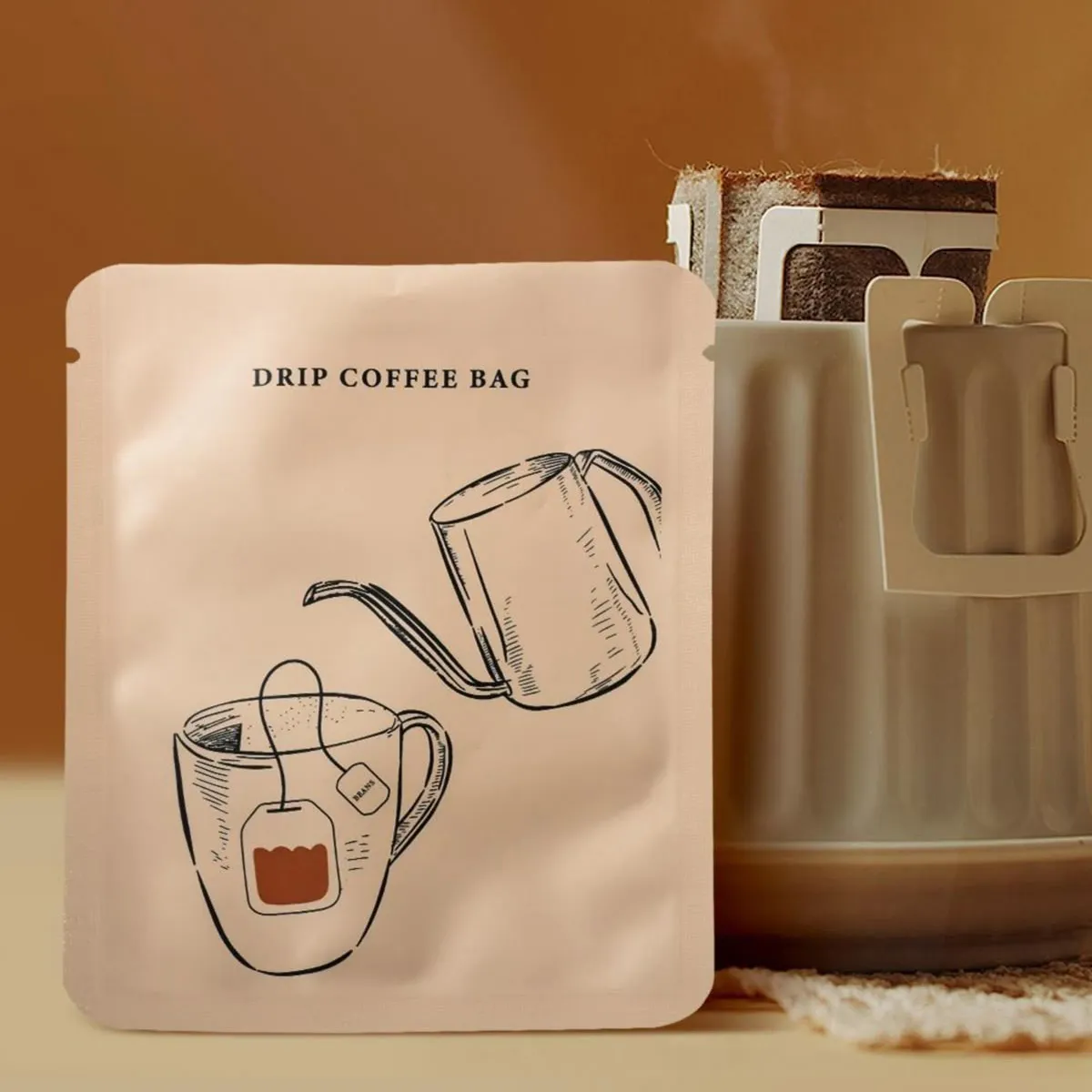
A capable drip coffee supplier calibrates grind size specifically for this single serve format and maintains the same freshness discipline ground coffee production requires, since the coffee inside a drip bag is exposed to oxygen and moisture from the moment its individual packaging seals. Buyers exploring this format for a retail or foodservice product should confirm a supplier’s specific experience with drip bag production rather than assuming their general ground coffee capability automatically extends to this more specialized packaging format.
What Importers Should Verify Before Committing to a Supplier
Regardless of format, importers evaluating where to buy Vietnamese coffee should work through a consistent verification process before placing a significant order, since a promising initial conversation and an attractive quote don’t guarantee a supplier can actually deliver at scale.
Certifications and Documentation
Confirm ISO 22000, HACCP, and any market specific certifications like FDA registration for US bound shipments apply to the specific product line under consideration, and verify this documentation directly with the issuing certification body rather than accepting a supplier’s provided paperwork at face value. Certifications do lapse, and a supplier presenting outdated documentation as current, whether through oversight or misrepresentation, creates real risk for an importer relying on that paperwork for customs clearance. Buyers shipping into the EU specifically should also confirm a supplier’s readiness for the EU Deforestation Regulation, including what percentage of their sourcing is currently geo-mapped, since this documentation increasingly determines how smoothly a shipment clears customs.
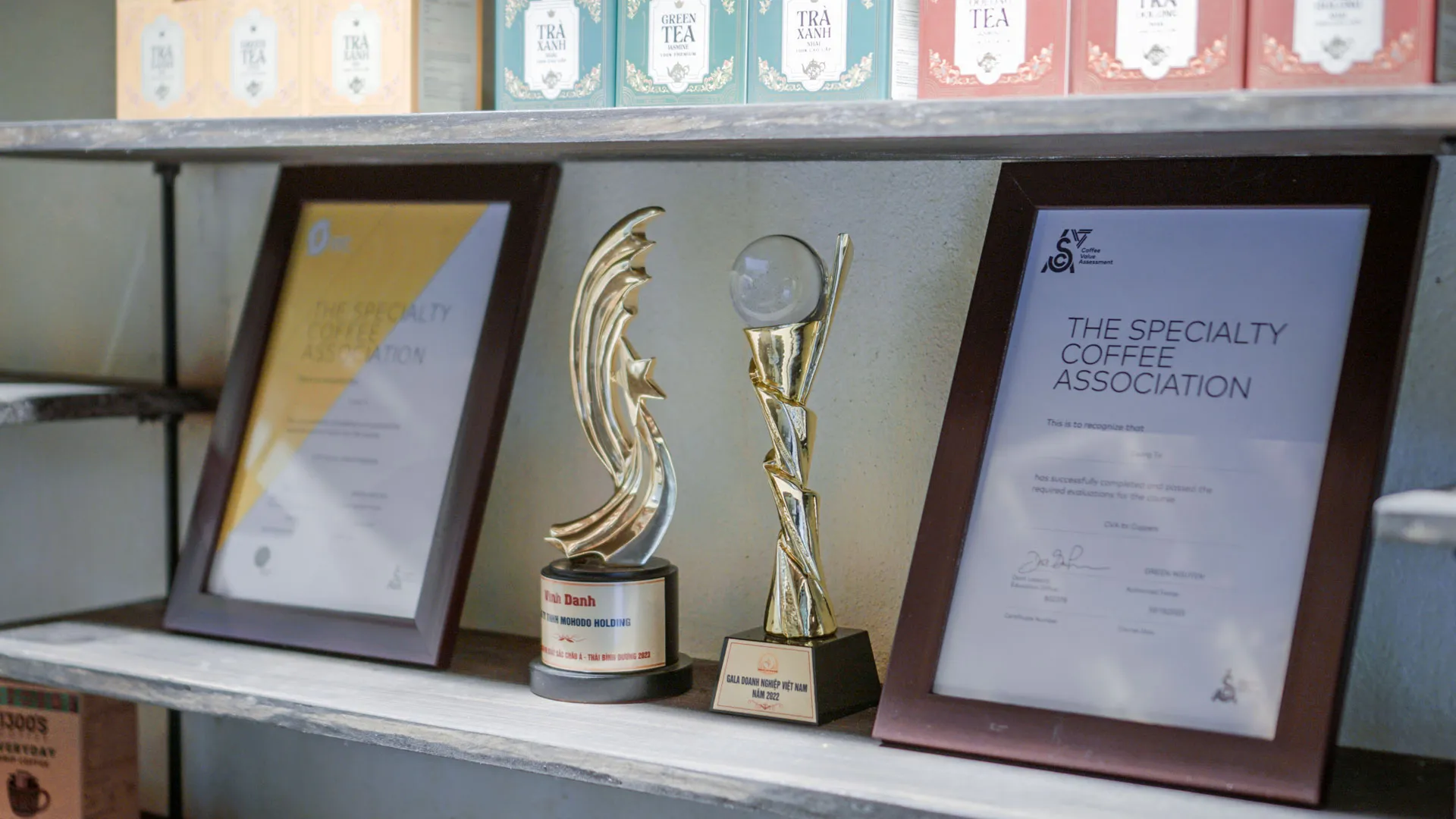
Certifications and Documentation
Sample and Trial Order Process
Request samples matching the actual product and specification under consideration, evaluate them independently against your own quality bar rather than relying entirely on a supplier’s provided notes, and place a smaller trial order before committing to a full recurring relationship. This sequence catches consistency and quality issues while the cost of a mismatch remains manageable, rather than discovering a problem only after a large shipment has already arrived. Buyers should also use this trial period to evaluate a supplier’s communication and responsiveness, since how a supplier handles a smaller initial order often predicts how they’ll perform once a relationship scales to larger, recurring volume.
What Roasters Should Verify Before Committing to a Supplier
Roasters sourcing green coffee specifically have their own additional verification priorities beyond the general checks importers should run, given how directly green bean quality determines everything they’ll eventually roast and sell.
Grading Transparency
Confirm a prospective source provides lot specific grading data rather than a general regional quality claim, and ask directly how that data is generated, whether through an in house lab or third party testing, since the answer affects how much confidence to place in the numbers provided. A source unwilling or unable to provide this level of specificity per shipment is generally not equipped for the kind of formulation consistency a serious roasting operation depends on.
Consistency Across Shipments
A single excellent sample doesn’t guarantee the next shipment performs identically, and roasters building a recurring relationship should ask specifically about a source’s track record across multiple harvests rather than relying on one impressive lot. This is where a supplier’s underlying quality control infrastructure matters more than any individual standout sample, since consistent sourcing depends on systems and documented processes rather than occasional exceptional results, and a roaster who builds their business around a single great shipment risks real disruption if the next one doesn’t measure up to the same standard.
Understanding Logistics Before You Commit to a Volume
Beyond product format and supplier verification, the logistics involved in actually getting coffee from Vietnam to your warehouse deserve attention before finalizing where to buy Vietnamese coffee for a recurring program.
Incoterms and Shipping Responsibility
Confirm which Incoterms a prospective supplier supports, FOB, CIF, or others, and understand exactly where responsibility and cost transfer from seller to buyer at each stage. Misunderstanding these terms is a common source of unexpected cost or delay for first time importers, since assuming freight, insurance, or customs clearance is included in a quoted price when it actually isn’t can meaningfully change the real landed cost of a shipment.
Lead Times and Seasonal Variation
Lead times for Vietnamese coffee shipments vary meaningfully across the calendar year, generally faster and more predictable during and shortly after harvest season when fresh supply and production capacity are both at their highest, and potentially longer during off season periods when suppliers may be working from stored inventory or coordinating around tighter capacity. Buyers planning a recurring sourcing relationship should ask a prospective supplier directly how lead times shift seasonally, and should build that variability into their own inventory planning rather than assuming a flat lead time applies regardless of when an order is placed.
Comparing Pricing Across Suppliers Fairly
Once you’ve identified a shortlist of options for where to buy Vietnamese coffee, comparing pricing meaningfully requires more than lining up quoted numbers side by side.
Requesting an Itemized Breakdown
Ask each prospective supplier for pricing broken down by component, raw coffee or production cost, packaging, and any certification related premium, rather than a single bundled figure. Two quotes that look similar at first glance can reflect very different underlying specifications, one supplier’s number might include freight to your destination while another’s is quoted ex works, and without breaking each quote into its actual components, a straightforward price comparison can be genuinely misleading.
Weighing Total Cost Against Flexibility
The lowest quoted price isn’t always the best overall value once factors like minimum order quantity, payment terms, and a supplier’s willingness to support a smaller trial order are all factored in. A slightly higher per unit price from a supplier offering more flexible terms and better communication can easily work out to better total value than the cheapest quote from a supplier that’s harder to reach and less accommodating once an order is actually placed.
Getting Started
Whatever format you’re sourcing, working through the channel options, format specific considerations, and verification steps covered in this guide gives you a genuinely informed starting point before comparing specific suppliers on price alone. Ready to explore where to buy Vietnamese coffee for your business? Request samples and documentation from 1300’S Coffee across green, roasted, ground, instant, and drip formats to evaluate quality and consistency firsthand.
Read more: How to Brew Vietnamese Coffee: A Step by Step Phin Guide


1300s BLOG YOU MAY ALSO BE INTERESTED IN
Top Specialty Coffee Companies Offering OEM & Private Label Solutions for Global Coffee Brands
How to Choose a Reliable Speciality Coffee Company for International Buyers
How to Import Coffee to Canada: Requirements and Process