


Arabica Coffee Beans Supplier Delivering Specialty Grade Quality to Global Roasters
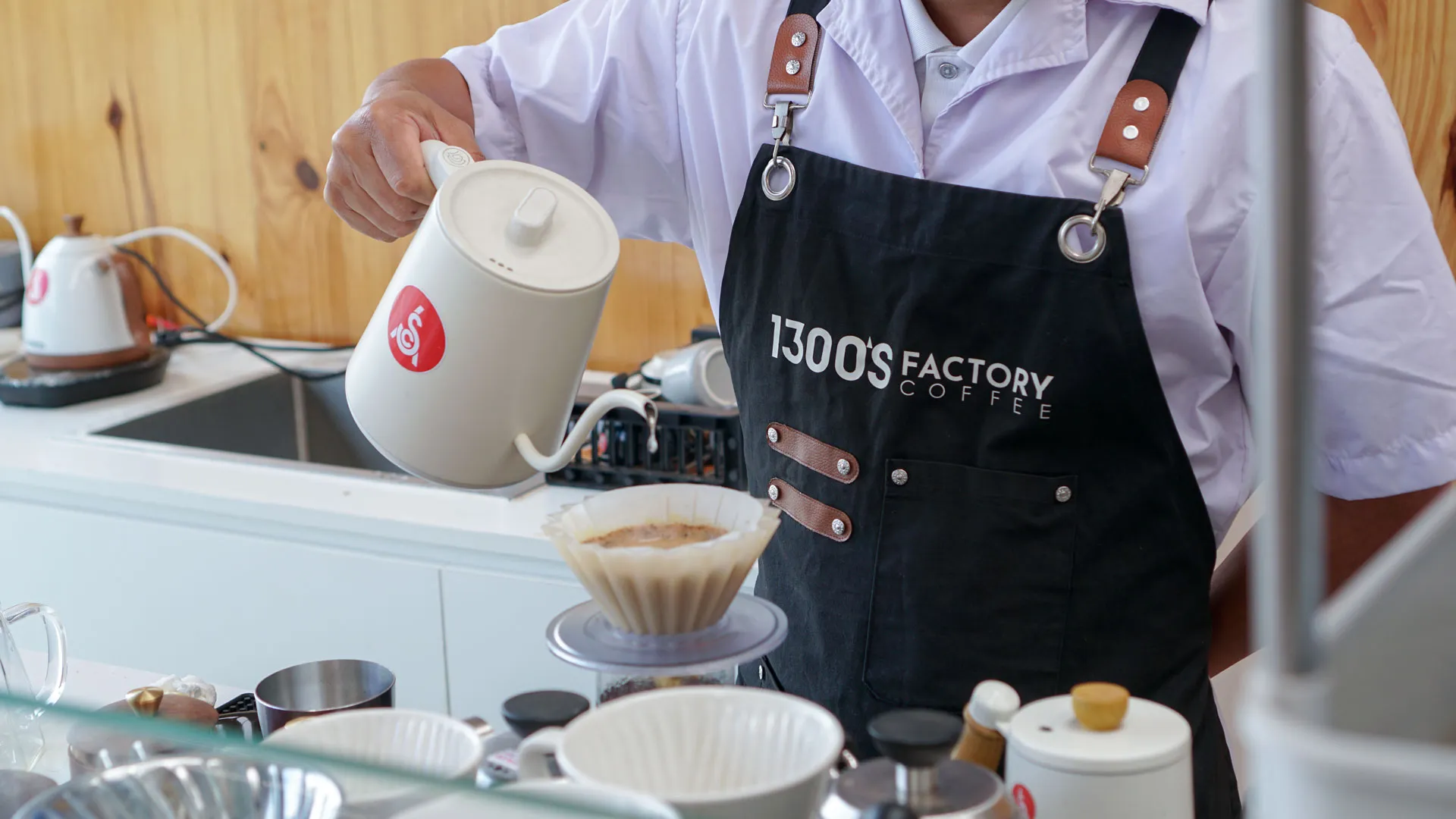
Global roasters sourcing Arabica from Vietnam approach the category with reasonable caution, given the country’s dominant reputation as a Robusta origin. That caution is fair but increasingly outdated, since Vietnam’s Arabica production, concentrated in specific high-altitude regions, has developed real specialty grade capability over the past decade. This guide covers what specialty grade actually requires from an arabica coffee supplier, where Vietnam’s best Arabica comes from, what global roasters should evaluate before sourcing, and how bulk and wholesale purchasing works across this category.
What “Specialty Grade” Actually Means for Arabica
The term gets applied loosely across the industry, and roasters evaluating any arabica coffee supplier should understand the specific technical criteria that distinguish genuine specialty grade from a marketing label applied to standard commercial coffee.
Cupping Score and SCA Grading Standards
Specialty grade Arabica is typically defined by a cupping score of 80 or above on the Specialty Coffee Association’s 100-point scale, evaluating attributes including aroma, flavor, acidity, body, and aftertaste through structured, trained cupping sessions. A genuine specialty coffee supplier should provide this score on a lot-specific basis, not as a general claim applied across an entire harvest or region, since cupping quality varies meaningfully even within a single farm depending on specific plots, processing batches, and harvest timing.
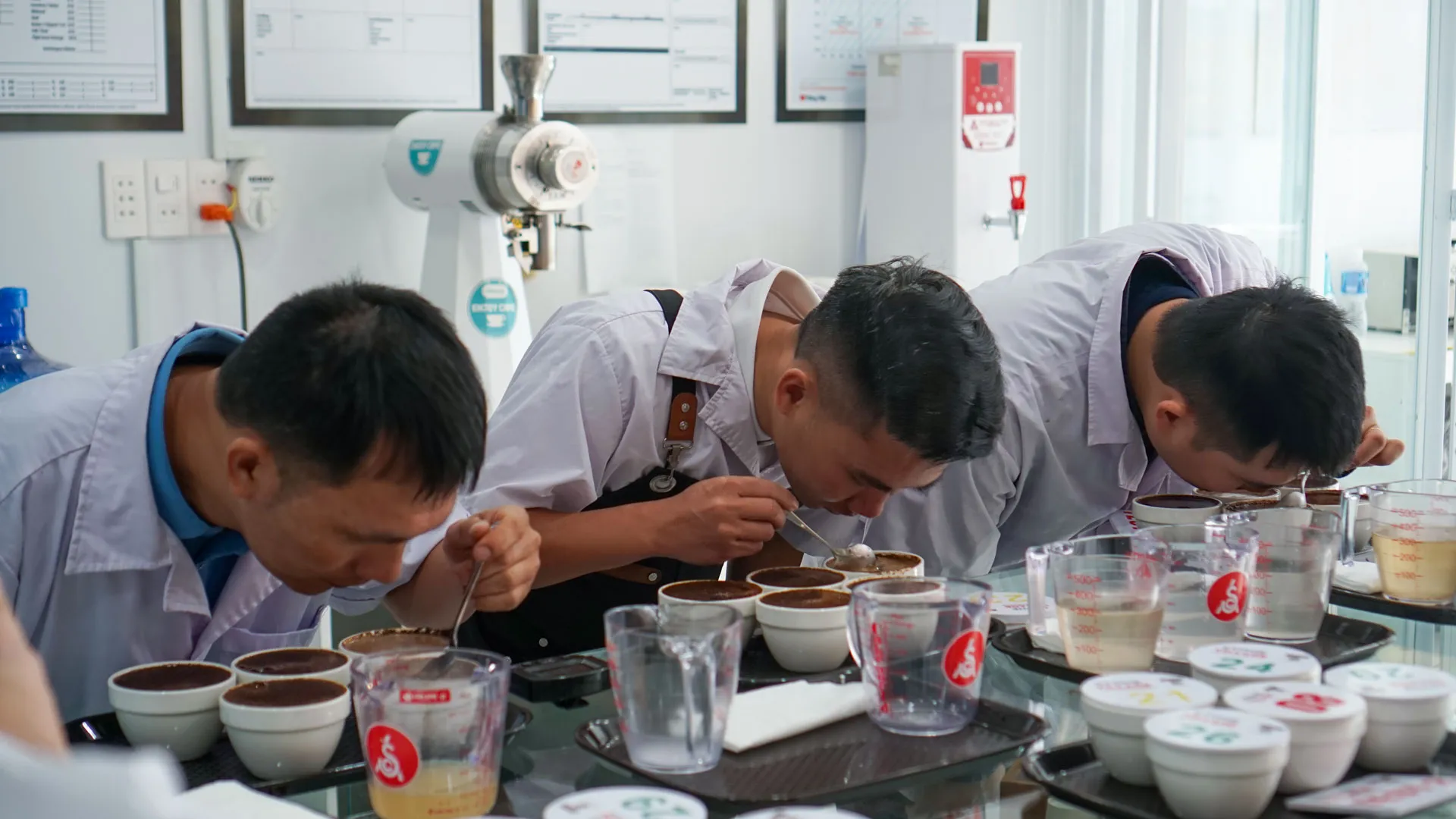
Cupping Score and SCA Grading Standards
Defect Count and Screen Size Requirements
Beyond cupping score, specialty grade classification requires meeting stricter defect thresholds than commercial grade coffee, evaluated against standards like the international ISO 10470 defect classification table. Screen size consistency matters too, with specialty grade Arabica typically expected to show more uniform bean size within a lot than commercial grade, since size consistency affects both roasting evenness and the buyer’s confidence that a sample accurately represents the full lot being purchased.
Processing Method’s Role in Specialty Positioning
Processing method has become increasingly central to specialty Arabica positioning specifically, more so than for commercial grade coffee where processing details often go unspecified. Washed processing produces a cleaner, brighter cup that highlights a lot’s inherent characteristics, while natural and honey processing, involving drying the cherry with some or all of the fruit intact, produce fuller body and more pronounced fruit-forward notes. Roasters should expect an arabica coffee beans suppliers relationship worth pursuing to specify processing method clearly for every lot rather than treating it as an incidental detail, since this single factor affects flavor profile as much as origin or altitude does.
Where Vietnam’s Specialty Arabica Actually Grows
Vietnam’s Arabica production concentrates in specific higher-altitude zones where climate suits the varietal’s more temperature-sensitive growing requirements, distinct from the lowland Robusta-dominant regions most buyers associate with the country.
Da Lat and Lam Dong
Lam Dong province, particularly around Da Lat, represents Vietnam’s most established Arabica-growing region, with a longer production history and more developed processing infrastructure than some of the country’s newer specialty zones. The region’s altitude and cooler climate support both washed and natural processing at meaningful scale, giving buyers reasonable consistency of supply alongside genuine quality differentiation from commercial grade lowland coffee.
Kon Tum’s Mang Den Highlands
Kon Tum province, including the Mang Den highlands at elevations around 1,300 meters, represents a smaller but increasingly recognized specialty Arabica zone. The higher elevation here produces beans with brighter acidity and more complex body characteristics, and the region’s smaller production scale relative to Da Lat has generally translated into closer farm-level traceability for buyers sourcing from vertically integrated producers based in the area.
Son La and Quang Tri
Son La in Vietnam’s mountainous north and Quang Tri along the central coast’s inland hills represent additional, somewhat less internationally recognized Arabica zones, each with distinct microclimates affecting cup characteristics. Buyers building a diverse single-origin program specifically may find value in sourcing lots from multiple regions to offer genuinely differentiated options, though this requires confirming a specific arabica coffee supplier’s capability across more than one growing zone rather than assuming broad regional access.
What Global Roasters Need From Arabica Coffee Beans Suppliers
Roasters sourcing for their own production have priorities distinct from importers or retailers, centered on the specific data and consistency that supports reliable roast profile development.
Lot-Level Traceability
Roasters building a specific flavor profile depend on knowing precisely where a lot came from, down to farm or plot level where possible, rather than a blended regional pool. This traceability matters both for quality consistency, since a supplier who can trace issues back to a specific source can address them more effectively, and increasingly for marketing purposes, as roasters build origin stories around specific farms or growing regions rather than generic country-of-origin claims. Traceability has also taken on new regulatory weight for roasters and importers shipping into the EU specifically, where the EU Deforestation Regulation now requires geolocation data tied to the actual growing plots behind a shipment, making a supplier’s existing farm-level documentation considerably more valuable than it would have been treated as just a few years ago.
Consistent Crop-to-Crop Quality
A single excellent sample doesn’t guarantee the next crop year performs identically, and roasters building a recurring relationship need a supplier who can demonstrate consistency across multiple harvests, not just a single standout lot. This is where a supplier’s underlying quality control infrastructure, an in-house cupping lab, documented grading processes, matters more than a single impressive cupping score from one particular shipment.
Sample and Cupping Process Before Bulk Purchase
Before committing to bulk arabica coffee beans volume, roasters should expect a straightforward sample and cupping process, receiving representative samples matched to the actual lot under consideration rather than a curated best-case sample unrelated to what would actually ship. A supplier resistant to this kind of pre-purchase verification, or unable to provide samples that genuinely represent bulk lot quality, is a meaningful warning sign worth taking seriously before placing a larger order.
Sample and Cupping Process Before Bulk Purchase
Bulk and Wholesale Arabica Sourcing Considerations
Roasters and importers purchasing at scale face specific logistics and volume considerations distinct from smaller sample or trial purchases.
Minimum Order Quantities for Bulk Arabica Coffee Beans
Minimum order quantities for bulk arabica coffee beans vary considerably depending on whether a buyer is purchasing from a large industrial exporter or a smaller, vertically integrated specialty producer. Larger exporters typically require container-level commitments, while boutique producers may accommodate smaller trial volumes before scaling to a full recurring relationship. Buyers should confirm MOQ figures specific to their intended purchase, arabica coffee beans wholesale volume for recurring supply looks different from a smaller specialty lot purchase, and shouldn’t assume a single minimum applies across a supplier’s entire product range. Buyers building a broader specialty coffee wholesale program, sourcing Arabica alongside Robusta or other formats through the same relationship, should also confirm whether volume commitments across product lines can be combined toward better overall pricing, since some suppliers structure tiered pricing around total relationship volume rather than treating each product category as an entirely separate negotiation.
Pricing Dynamics in Arabica Coffee Wholesale
Arabica coffee wholesale pricing reflects a wider range of variables than commercial grade Robusta typically does, since specialty positioning introduces cupping score, processing method, and specific growing region into the pricing calculation alongside the more standard factors of volume and grade. Buyers comparing quotes across multiple suppliers should request pricing broken down by these specific factors rather than a single bundled number, since two quotes that look similar on the surface may reflect meaningfully different underlying specifications, one buyer’s “specialty Arabica” quote might reflect an 82-point washed lot while another’s reflects an 85-point natural-processed lot from a more recognized micro-region, a real quality and cost difference that a flat price comparison alone won’t reveal.
Packaging and Shipping for Green Arabica
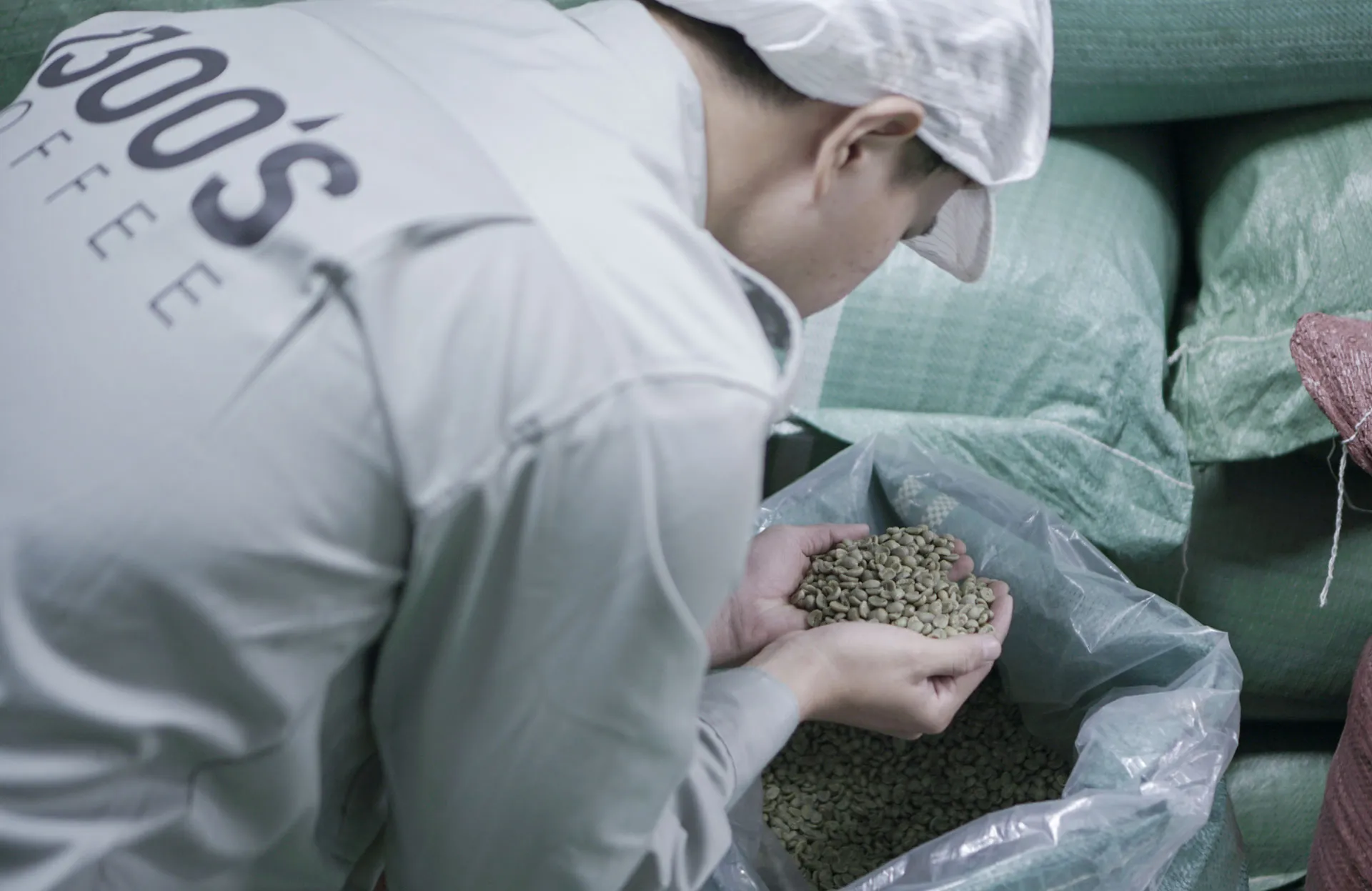
Specialty grade green Arabica requires more careful packaging than commodity grade coffee, typically hermetic liner bags within jute or polypropylene sacks, protecting against moisture and pest exposure during transit that could otherwise degrade a lot’s quality before it reaches a roaster’s facility. Buyers sourcing arabica beans wholesale volume for long-distance shipping should confirm packaging specifications directly, since inadequate protection during a lengthy transit period can meaningfully undermine the quality advantage a specialty grade lot was supposed to offer.
Beyond Green Beans: Roasted, Ground, and Instant Arabica Options
While green bean sourcing remains the primary entry point for most roasters, Arabica increasingly shows up across other product formats worth understanding for buyers with broader sourcing needs.
Roasted Coffee Wholesale from Arabica Lots
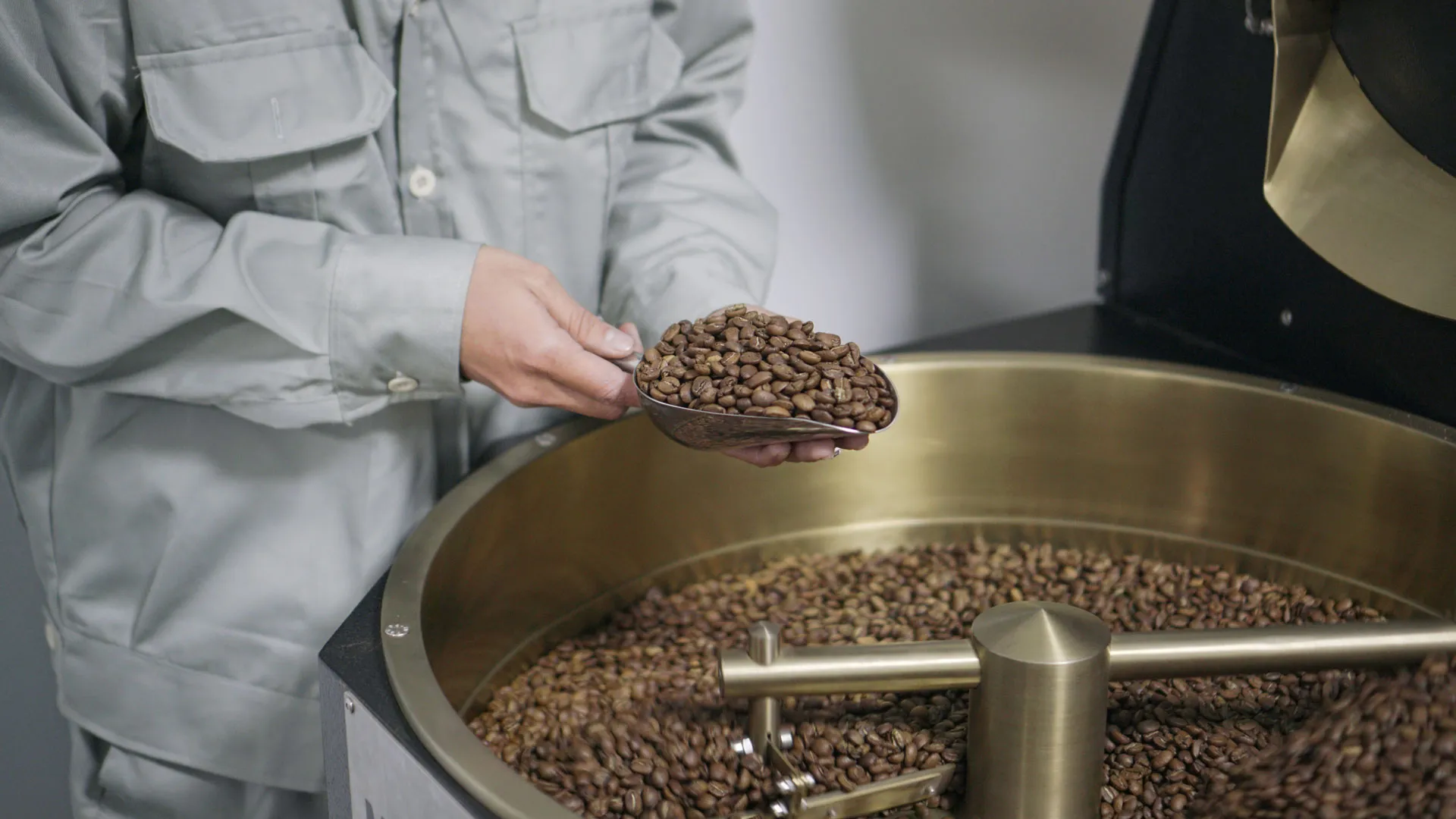
Buyers not managing their own roasting operation can source roasted coffee wholesale directly from specialty Arabica lots, though this requires confirming a supplier’s roasting capability meets the same quality bar as their green bean sourcing, documented, repeatable roast profiles rather than inconsistent execution that undermines an otherwise excellent green coffee.
Ground Coffee Wholesale for Filter and Drip Applications
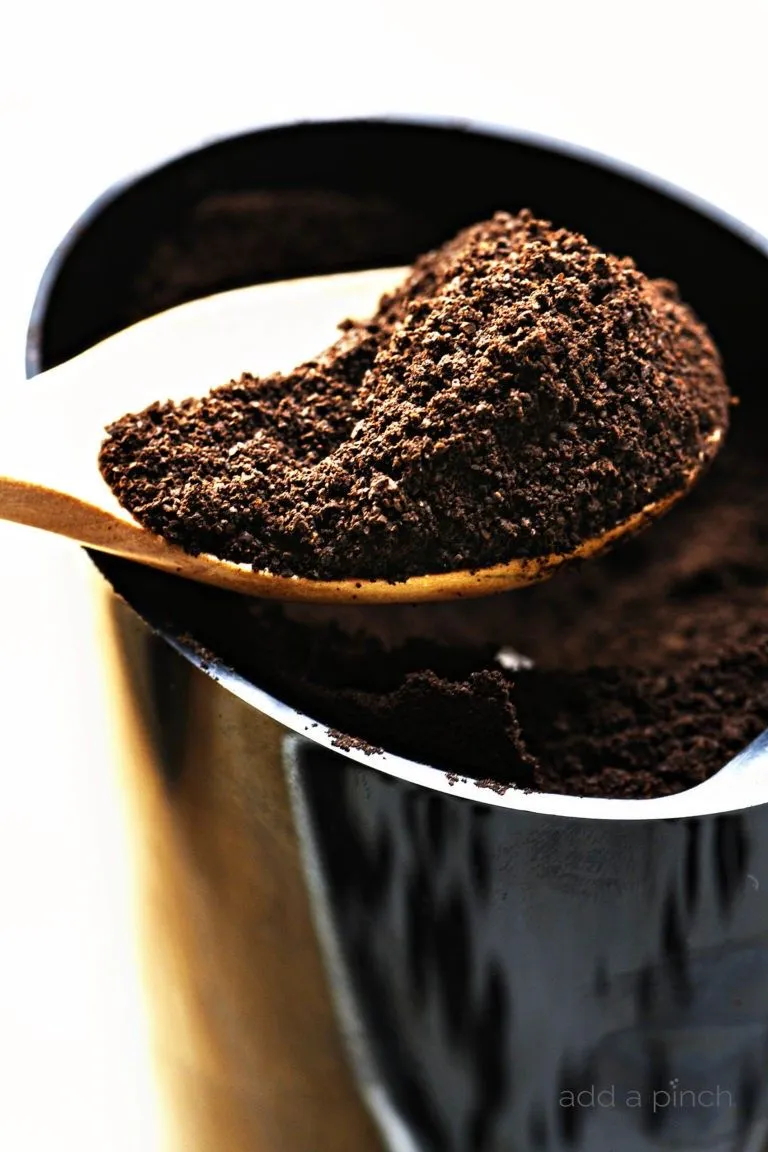
Arabica’s brighter acidity and more complex flavor profile make it a common choice for ground coffee wholesale supply targeting filter and drip applications specifically, where these characteristics come through more clearly than in espresso-focused preparation. Buyers sourcing ground Arabica should confirm grind calibration matches their intended brewing method, since a grind optimized for one preparation style underperforms noticeably in another.
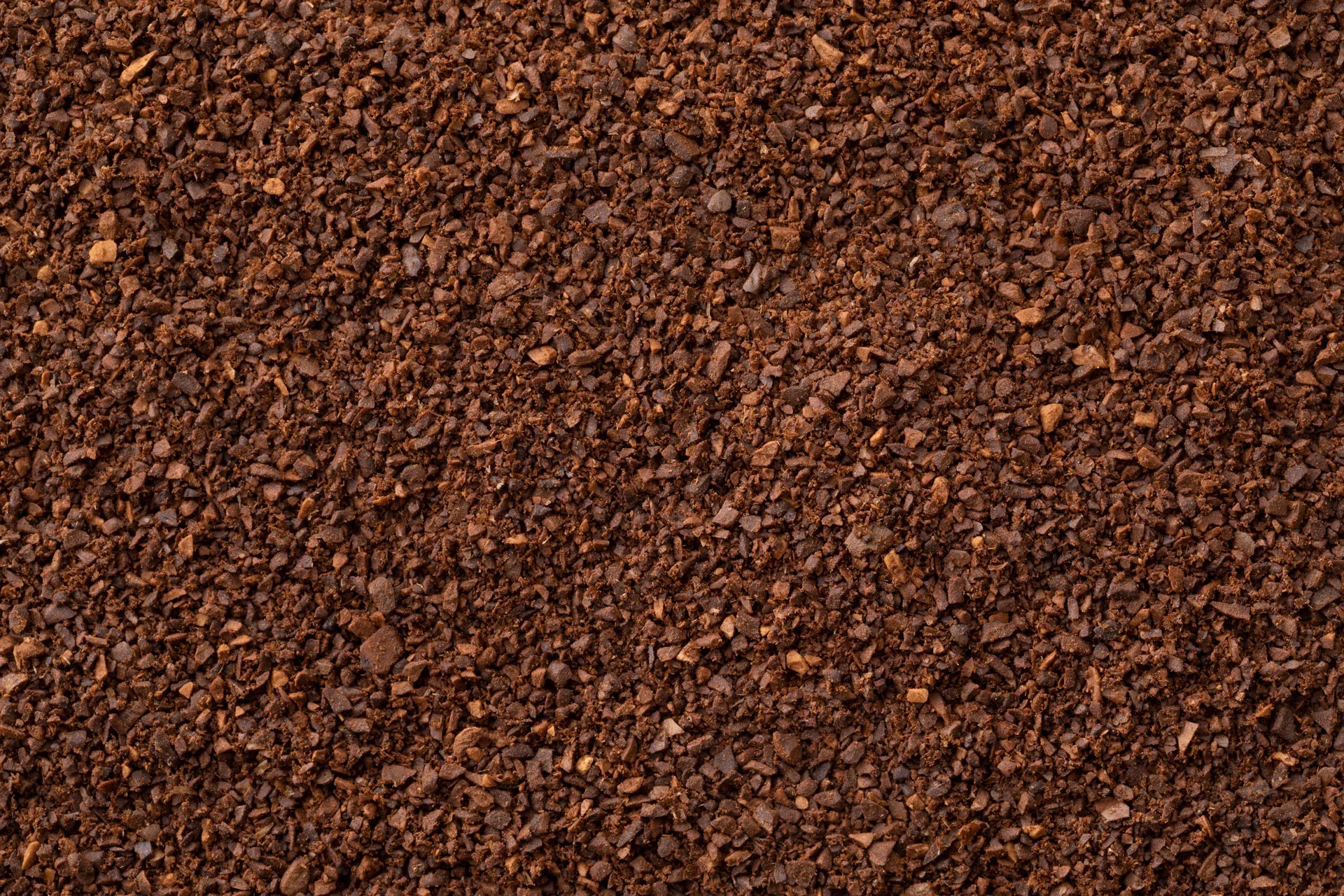
Ground Coffee Wholesale for Filter and Drip Applications
Arabica in Instant Coffee Wholesale Formulations
Though Robusta dominates most instant coffee wholesale production given its higher extraction yield and heat stability, some premium-positioned instant coffee formulations incorporate Arabica specifically for its more nuanced flavor profile, particularly in freeze-dried products where aromatic compounds survive processing better than in spray-dried powder. Brands building a premium instant coffee line should confirm a supplier’s specific capability to incorporate specialty grade Arabica into an instant formulation, since this combination requires both genuine Arabica sourcing capability and appropriate processing infrastructure.
Arabica Coffee Beans Manufacturers vs Suppliers: What’s the Difference
The distinction between arabica coffee beans manufacturers and suppliers matters for buyers wanting genuine influence over formulation and processing decisions. A manufacturer controls the actual production process, sourcing green coffee, processing, and often roasting under one operation, while a supplier in the broader sense might include traders or distributors reselling coffee sourced from elsewhere without direct control over quality at the source. Buyers wanting to develop a specific processing approach, a custom natural or honey process tailored to their flavor target, need to work with a genuine manufacturer capable of adjusting production rather than a reseller limited to whatever’s already been processed by someone else.
Trusted Arabica Coffee Beans Suppliers to Consider
Several Vietnamese suppliers have built genuine reputations specifically around Arabica quality, worth evaluating alongside the broader Robusta-focused exporters more commonly associated with the country.
Helena Coffee
Based in Buon Ma Thuot and ISO 22000 certified, Helena Coffee sources high altitude Arabica specifically from Lam Dong, Quang Tri, and Son La, supplying both commercial and specialty grade lots to more than 50 export markets, giving it a genuinely broad Arabica sourcing footprint across multiple Vietnamese growing regions.
Vinh Hiep
Vinh Hiep’s willingness to accommodate detailed custom processing specifications, combined with its status as one of the first Vietnamese exporters of certified organic coffee into the EU, makes it a relevant option for buyers seeking Arabica with both processing flexibility and organic certification.
Quoc Loc Coffee
Quoc Loc specializes specifically in organic and specialty grade coffee from Lam Dong’s highland regions, combining company-owned estates with contracted smallholder partnerships operating under organic practices, and holds certifications recognized across North American and European markets.
1300’S Coffee
1300’S Coffee sources Arabica directly from farming partners in the Mang Den highlands of Kon Tum province, at elevations around 1,300 meters, managing sourcing through processing and grading under one vertically integrated operation. Quality control runs through an in-house lab providing lot-specific cupping data, and the company holds ISO 22000, HACCP, FDA, and OCOP certifications. For roasters wanting closer involvement in formulation decisions and direct farm traceability, alongside access to roasted, ground, and instant coffee wholesale formats through the same relationship, 1300’S Coffee represents a genuinely different scale of engagement than the larger exporters above.
How to Evaluate and Verify an Arabica Coffee Supplier
Regardless of which supplier a roaster shortlists, a consistent verification process before committing to bulk volume protects against costly mismatches later.
Cupping Sample Verification
Request samples matching the specific lot under consideration, cup them independently against your own quality bar rather than relying entirely on a supplier’s provided score, and confirm the sample’s cupping data, processing method, and origin details align with what’s being represented before moving toward a larger purchase.
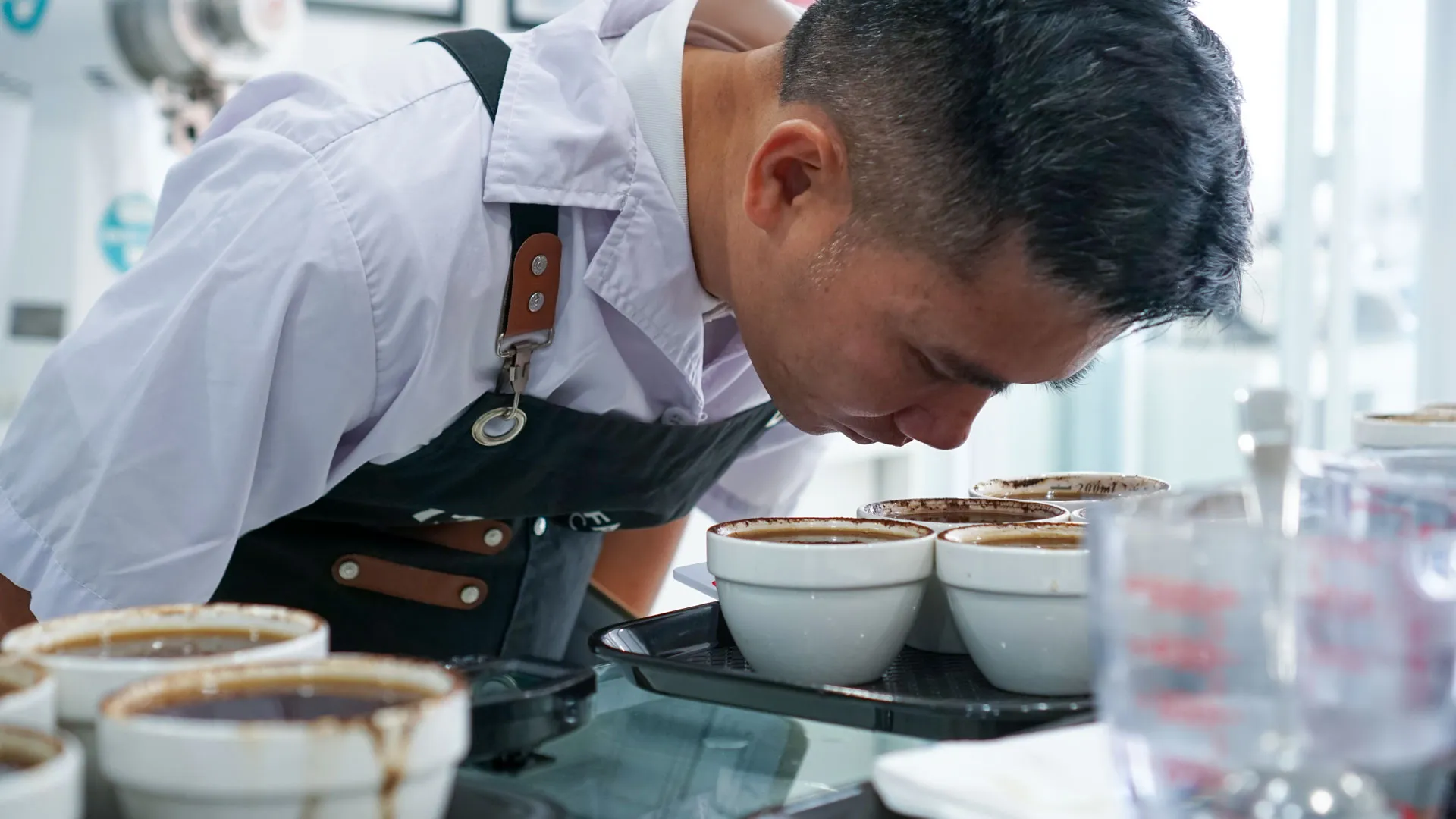
Cupping Sample Verification
Certification and Traceability Documentation
Verify certification validity directly with the issuing body where possible, and request documentation tracing a specific lot back to its growing region or farm, rather than accepting a general country-of-origin claim. This verification step matters more for specialty positioning specifically, since a roaster marketing a specific origin story to their own customers needs documentation that can actually support that claim if questioned.
How Vietnamese Specialty Arabica Compares to Other Origins
Roasters accustomed to sourcing Arabica from more traditionally recognized origins reasonably want to understand how Vietnamese specialty Arabica actually compares before committing shelf space or menu positioning to it.
Flavor Profile Differences
Vietnamese specialty Arabica from high-altitude regions like Kon Tum and Da Lat generally presents a milder acidity and fuller body than the bright, often fruit-forward character associated with East African origins like Ethiopia or Kenya, while offering more complexity than the typically balanced, nutty profile common to Brazilian Arabica. This positions Vietnamese specialty Arabica as a genuinely distinct option for blend building specifically, rather than a direct substitute attempting to replicate a more established origin’s signature character.
Price and Value Positioning
Vietnamese specialty Arabica typically enters the market at a more accessible price point than comparably scored lots from origins with longer-established specialty reputations, reflecting both lower production costs and a still-developing market recognition that hasn’t yet caught up to the actual cup quality now available. For roasters building a specialty program on a tighter margin, or looking to introduce a new, less expected origin story to their menu, this value positioning is a genuine practical advantage worth factoring into a sourcing decision alongside pure flavor considerations.
Getting Started
Roasters evaluating an arabica coffee supplier should request lot-specific cupping samples matching their target flavor profile, confirm processing method and grading documentation directly, and clarify minimum order quantities and packaging specifications before committing to bulk volume. Looking for specialty grade Arabica sourced directly from Vietnam’s high-altitude farms? Request a sample and cupping data from 1300’S Coffee to evaluate quality and consistency firsthand.
Read more: Coffee Factory Vietnam Guide for International Buyers and Roasters


1300s BLOG YOU MAY ALSO BE INTERESTED IN
What Is Specialty Grade Coffee? The Criteria That Actually Define It
Wholesale Ground Coffee Suppliers for Businesses Sourcing Ready to Brew Products
Can You Eat Raw Coffee Beans What Actually Happens If You Do