


How to Brew Vietnamese Coffee A Step by Step Phin Guide
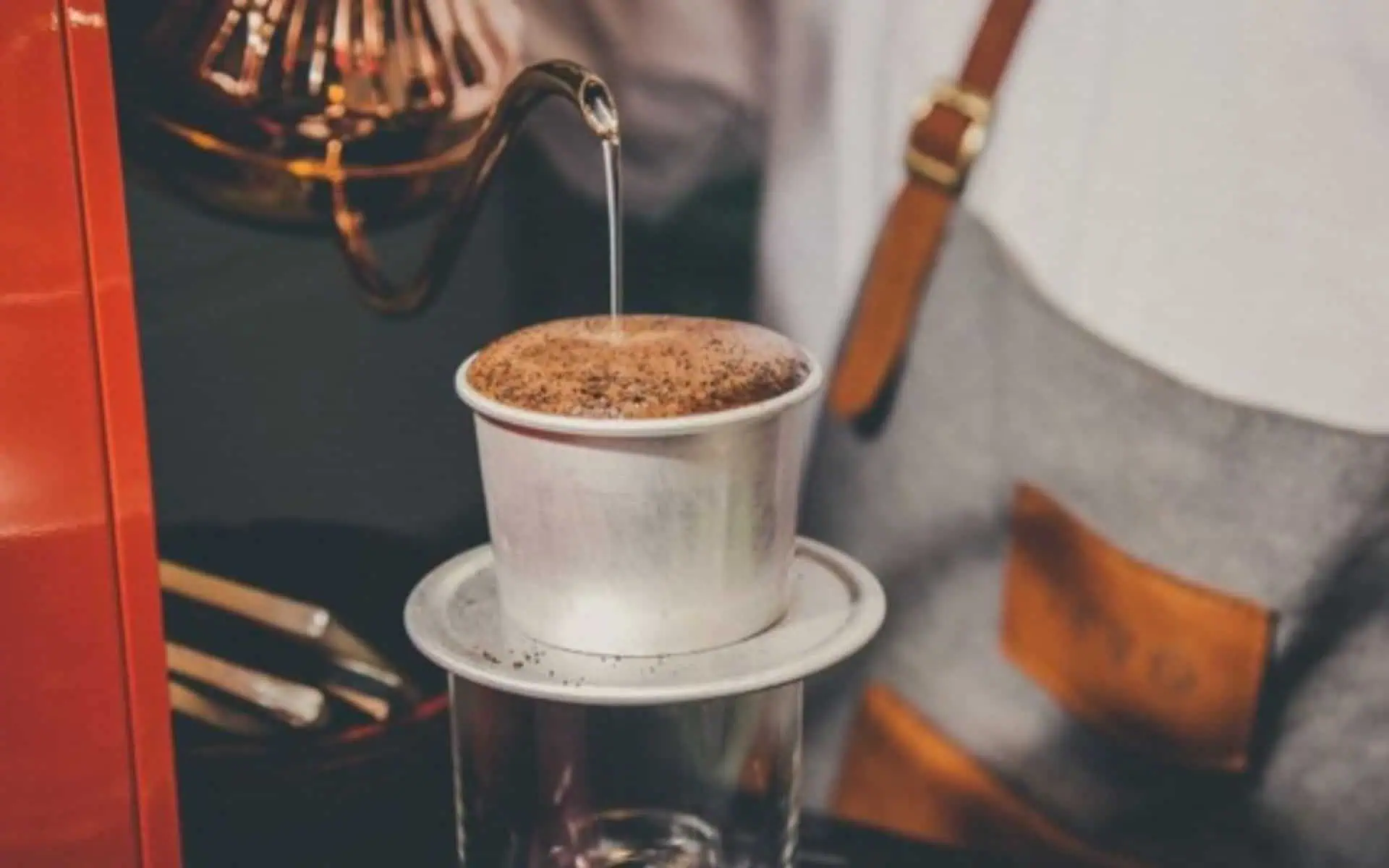
Vietnamese coffee has a distinct character that comes from more than just the beans themselves, it comes from a specific brewing method passed down through generations and still practiced daily across the country. Learning how to brew Vietnamese coffee properly means understanding the phin filter, the traditional grind, and the timing that together produce that unmistakably bold, concentrated result. This guide walks through every step of the process, from choosing the right equipment through to the finished cup, and along the way touches on where this brewing tradition connects to the broader world of sourcing Vietnamese coffee for personal or business use.
What You Need Before You Start
Before learning how to brew Vietnamese coffee, it helps to understand the handful of tools and ingredients the traditional method actually requires, since the process is deliberately simple compared to many modern brewing methods.
The Phin Filter and Its Parts
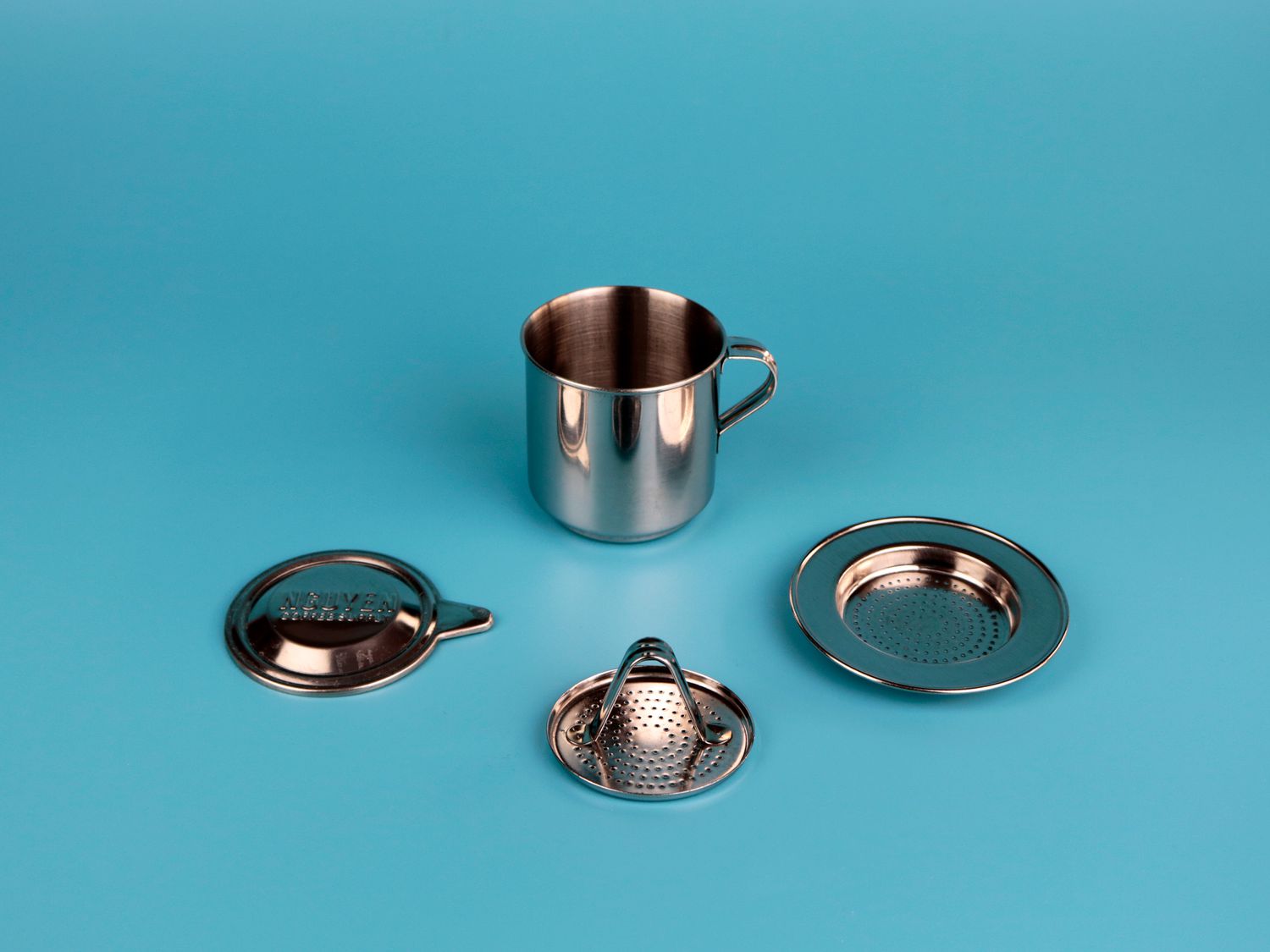
The phin is a small metal brewing device consisting of a perforated base, a cylindrical brewing chamber, and a press disc that sits on top of the coffee grounds to keep them compacted and evenly saturated during brewing. Traditional phin filters are made from aluminum, though stainless steel versions have become increasingly common and tend to hold heat more consistently throughout the brew. The device sits directly on top of a cup or glass, allowing gravity to slowly pull hot water through the grounds and drip the finished coffee straight into the vessel below, without any paper filter, pump, or electricity involved.
The Phin Filter and Its Parts
Choosing the Right Coffee Grind
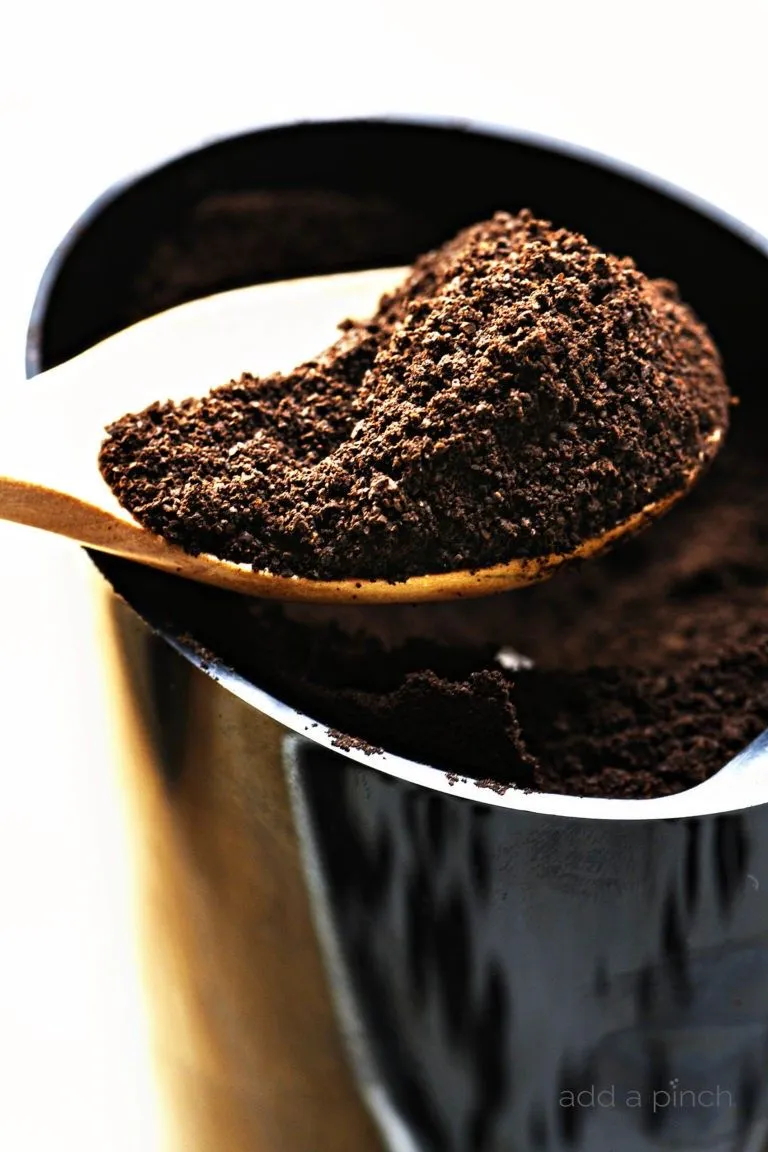
Grind size matters enormously to how Vietnamese coffee brews, and it’s one of the most common places first-time brewers get the process wrong. Vietnamese coffee traditionally uses a medium coarse grind, finer than what you’d use for a French press but noticeably coarser than espresso, calibrated specifically to control the multi-minute drip time the phin requires without over-extracting into excessive bitterness. Pre-ground Vietnamese coffee sold specifically for phin brewing is widely available and calibrated correctly out of the bag, while coffee ground for other brewing methods, particularly espresso grind, will drip far too slowly and produce an unpleasantly harsh, over-extracted cup if used in a phin.
Selecting the Right Coffee for Phin Brewing
The coffee itself matters just as much as the equipment, and understanding what to look for changes the experience considerably.
Traditional Robusta for Authentic Strength
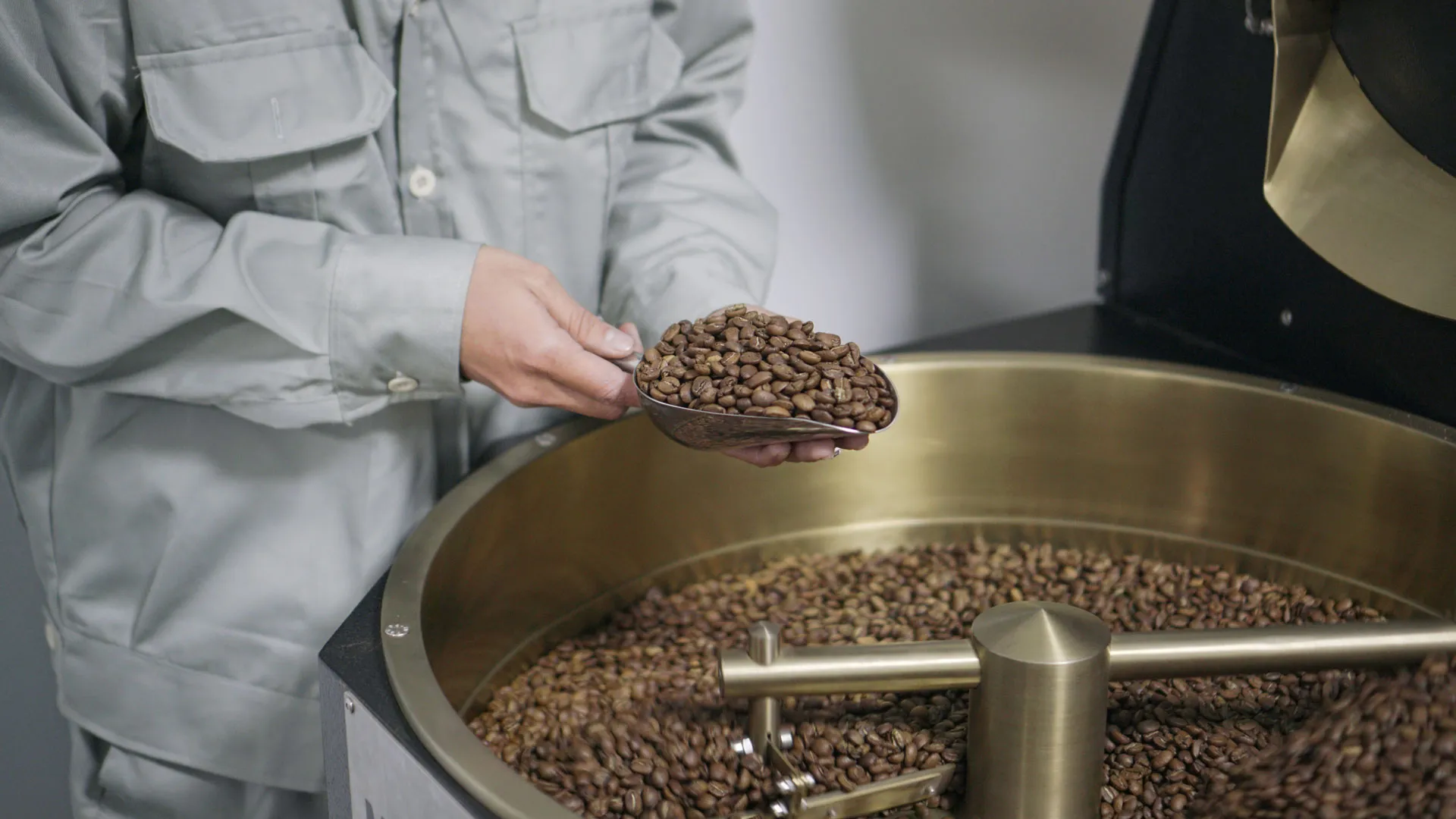
Authentic Vietnamese phin coffee is traditionally made from Robusta, the varietal that gives Vietnamese coffee its signature intensity and higher caffeine content compared to Arabica based coffee. If your goal is learning how to brew Vietnamese coffee the traditional way, sourcing genuine Vietnamese Robusta, ideally roasted specifically for this brewing method, produces a noticeably more authentic result than substituting a generic dark roast blend from elsewhere.
Trying Specialty Grade Beans for a Different Experience
For drinkers wanting to explore beyond the traditional bold, straightforward profile, an increasing number of producers now offer specialty grade Vietnamese coffee, sourced from higher altitude regions and processed with more attention to flavor complexity than standard commercial grade beans. Working with a genuine specialty coffee supplier capable of providing lot specific cupping data opens up a very different side of Vietnamese coffee, one with brighter acidity and more nuanced flavor notes, still brewed through the same traditional phin method but delivering a meaningfully different cup than standard commercial Robusta. Buyers exploring this category at any real volume, whether for a café menu or a retail product, typically look toward a dedicated specialty coffee wholesale relationship rather than sourcing small retail bags one at a time.
The Step by Step Brewing Process
With the right equipment and coffee in hand, the actual brewing process is straightforward once you understand the sequence and timing involved.
Preparing the Phin and the Grounds
Start by placing the phin filter on top of your cup or glass. Add roughly two to two and a half tablespoons of medium coarse ground coffee into the brewing chamber, then gently shake or tap the phin to level the grounds evenly across the base. Place the perforated press disc directly on top of the grounds and press down lightly, just enough to compact them slightly without packing them too tightly, since overly compressed grounds will slow the drip time far more than intended.
The Bloom and First Pour
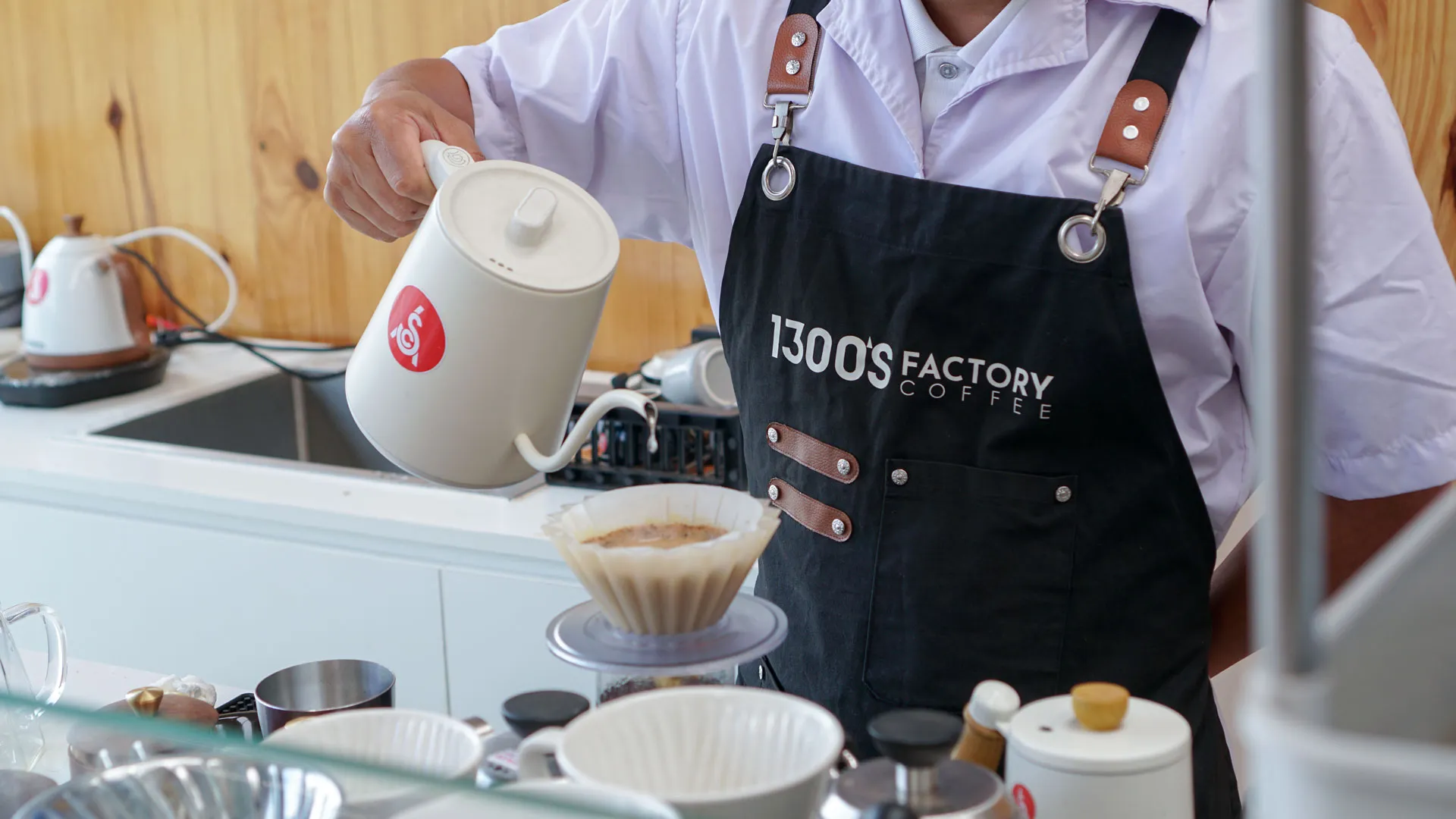
Pour a small amount of hot water, just off the boil, roughly one to two tablespoons, over the grounds and let it sit for about thirty seconds. This initial bloom allows the coffee to release trapped carbon dioxide and saturates the grounds evenly before the main extraction begins, a step that meaningfully improves flavor consistency even though it’s easy to skip when learning how to brew Vietnamese coffee for the first time.
The Bloom and First Pour
Completing the Drip and Timing
After the bloom, fill the brewing chamber with the remaining hot water, generally around three to four ounces total depending on your desired strength, and let it drip through slowly. A properly ground and pressed phin should take somewhere between four and six minutes to fully drip through. If it finishes much faster than that, your grind is likely too coarse or the press wasn’t firm enough, and if it takes considerably longer, the grind is probably too fine or packed too tightly. Once the dripping stops, remove the phin and your coffee is ready.
Getting the Water Temperature and Ratio Right
Beyond grind size and timing, two additional variables separate a genuinely good cup from a mediocre one, and both are worth understanding in more depth than a quick mention allows.
Why Water Temperature Changes the Result
Water that’s too hot, poured straight off a rolling boil, extracts too aggressively and pulls out excessive bitterness from the grounds, while water that’s too cool under extracts and produces a thin, sour result lacking the body Vietnamese coffee is known for. The ideal range sits somewhere around 195 to 205 degrees Fahrenheit, roughly thirty seconds to a minute after water has come off a full boil, giving it just enough time to drop slightly from maximum heat. This detail matters more in phin brewing than in some other methods specifically because the slow drip time means the grounds stay in contact with the water considerably longer than in faster brewing methods, amplifying any temperature related extraction issues.
Finding Your Ideal Coffee to Water Ratio
The ratio suggested earlier, roughly two to two and a half tablespoons of coffee to three to four ounces of water, produces a fairly standard strength, but personal preference varies considerably and it’s worth adjusting once you’re comfortable with the basic process. Increasing the coffee slightly while keeping water volume the same produces a stronger, more concentrated result closer to what’s traditionally served in the Central Highlands near Vietnam’s coffee growing regions, while reducing the coffee slightly produces a milder cup more common in coffee shops catering to visitors less accustomed to Robusta’s natural intensity. Learning how to brew Vietnamese coffee well ultimately means finding your own preferred ratio through a bit of experimentation rather than treating any single measurement as an absolute rule.
Brewing Cà Phê Sữa Đá the Traditional Way
Vietnam’s most iconic coffee preparation pairs the concentrated phin brew with sweetened condensed milk over ice, and getting the ratio right makes a real difference to the final result.
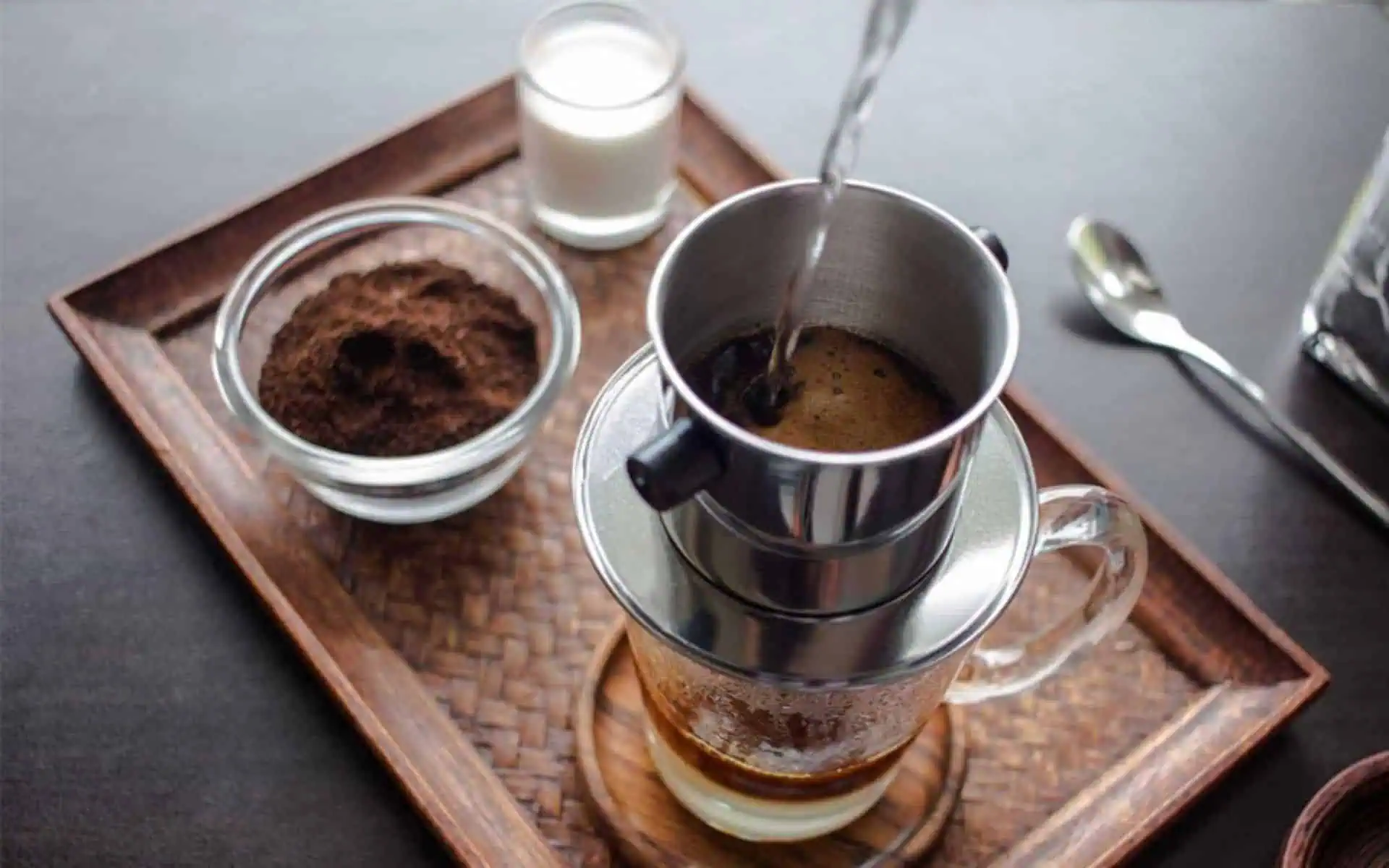
Before brewing, spoon roughly one to two tablespoons of sweetened condensed milk directly into the bottom of your serving glass, then set the phin on top so the coffee drips directly into the milk as it brews. Once the dripping finishes, stir the coffee and condensed milk together thoroughly until fully combined, then pour the mixture over a glass filled with ice. The condensed milk’s sweetness and richness balance the coffee’s natural intensity, producing the smooth, creamy, genuinely strong drink most people picture when they think of Vietnamese coffee.
Brewing Black Vietnamese Coffee Cà Phê Đen
For a more direct experience of the coffee itself, black Vietnamese coffee skips the milk entirely and can be served either hot or over ice. To brew it, follow the same phin process described above, then either drink the coffee hot directly from beneath the phin or pour it over ice for a refreshing cold version, sometimes with a small amount of sugar added directly to taste rather than condensed milk. This preparation showcases the coffee’s actual flavor and intensity far more directly than the milk based version, making it a useful way to properly evaluate a specific batch of beans before deciding how you want to serve it going forward.
Caring for Your Phin Filter Over Time
A well maintained phin lasts for years and continues producing consistent results, while a neglected one gradually becomes harder to brew with reliably.
Cleaning Between Uses
Rinse the phin thoroughly with hot water immediately after each use, before any coffee oils have a chance to dry and build up inside the perforated base or along the press disc’s edges. A soft brush works well for clearing grounds from the small holes in the base plate, since these can clog gradually with repeated use if not cleaned regularly, slowing the drip time in ways that make it harder to judge whether an inconsistent brew is actually a grind or technique problem or simply a maintenance issue.
Storing and Extending the Life of Your Equipment
Store your phin fully dry after cleaning, since leftover moisture can lead to mineral buildup or, for aluminum versions specifically, a dulled appearance over time. Stainless steel phins generally hold up better to frequent use and less careful maintenance than aluminum ones, which is worth considering if you’re learning how to brew Vietnamese coffee as a regular daily habit rather than an occasional treat, since the extra durability pays off considerably over months of consistent use.
Common Mistakes That Ruin a Cup of Phin Coffee
A handful of recurring errors show up repeatedly among people learning how to brew Vietnamese coffee for the first time, and knowing them in advance helps avoid a disappointing first attempt. Using the wrong grind size, either too fine or too coarse for the phin’s slow drip mechanism, is the single most common issue and the one most responsible for a cup that tastes either weak and under extracted or bitter and over extracted. Skipping the bloom step reduces flavor complexity noticeably, even though it only takes thirty extra seconds. Using water that’s too hot, boiling water straight off the stove rather than water that’s rested for thirty seconds or so after boiling, can scald the grounds and produce a harsher, more bitter result than intended. Pressing the disc down too firmly onto the grounds is another frequent mistake, one that compacts the coffee bed so tightly that water struggles to pass through evenly, often producing a brew that drips unevenly or stalls out entirely partway through. And using stale or low quality coffee undermines even a technically perfect brewing process, since no brewing method can fully compensate for beans that have lost their freshness or were never particularly good to begin with.
Common Mistakes That Ruin a Cup of Phin Coffee
Alternative Ways to Enjoy Vietnamese Coffee at Home
While the phin remains the traditional and most authentic method, Vietnamese coffee is available in several other formats worth knowing about for those without the time or equipment for a full phin brew.
Using Instant Coffee When You Are Short on Time
Vietnamese instant coffee offers a fast alternative that still delivers much of the bold character associated with the country’s coffee tradition, since it’s typically produced from the same Robusta base as traditional phin coffee. A reliable instant coffee supplier producing genuine Vietnamese Robusta based instant coffee, rather than a generic blend simply marketed with Vietnamese branding, delivers a noticeably closer approximation to the traditional flavor than lower quality alternatives, even though the format itself trades some depth of flavor for convenience.
Trying Vietnamese Drip Coffee Bags
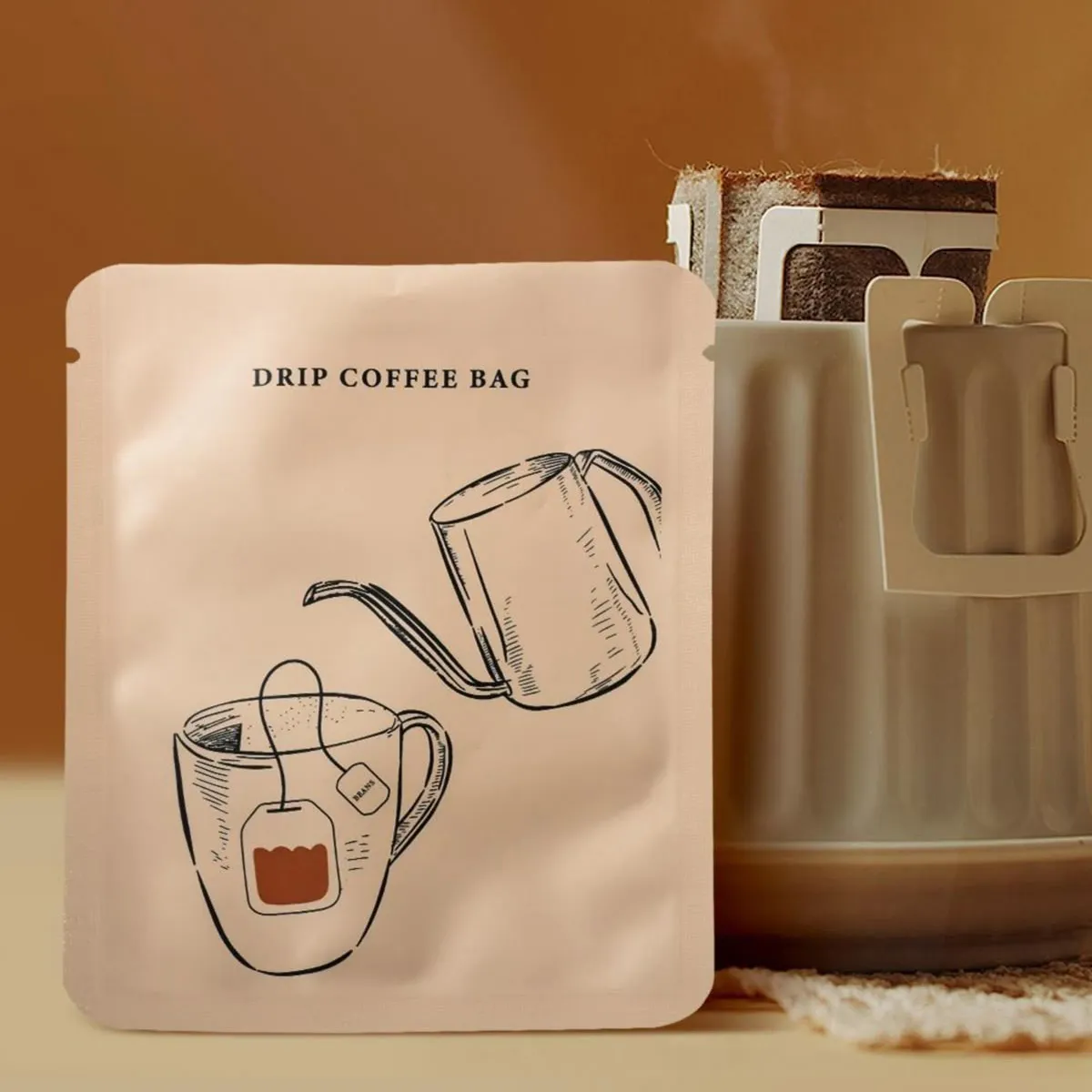
Drip coffee bags offer a middle ground between the full phin ritual and the speed of instant coffee, containing pre ground coffee in a single serve filter that hangs directly over a cup. A capable drip coffee supplier calibrates the grind specifically for this format, producing a cup closer in character to fresh brewed filter coffee than instant coffee can typically achieve, while still requiring only hot water and a few minutes rather than the full phin setup.
Brewing With Pre Ground Coffee
For those who already own a phin but want convenience without hand grinding, pre ground coffee calibrated specifically for phin brewing remains readily available. Buyers sourcing this format at any meaningful volume, whether for a café or a retail product line, typically work with a dedicated ground coffee wholesale relationship to ensure consistent grind size and freshness across every batch rather than relying on inconsistent small retail packages.
Where This Knowledge Leads If You Are Sourcing Coffee for a Business
Understanding how to brew Vietnamese coffee properly matters beyond making a good cup at home, it’s also directly useful for anyone building a coffee business around Vietnamese origin products. A café owner who understands proper phin technique can train staff more effectively and troubleshoot inconsistent results. A brand founder building a product line can make more informed decisions about which format actually suits their customers, a traditional phin oriented roasted coffee wholesale offering for customers wanting the authentic ritual, or an instant coffee wholesale line for customers prioritizing speed and convenience instead. Businesses planning a larger instant coffee bulk buy specifically should understand the flavor tradeoffs described throughout this guide clearly, since customers expecting the bold, familiar character of traditional Vietnamese coffee will notice immediately if a sourced product doesn’t deliver on that expectation.
Getting Started
Whether you’re brewing your first cup at home or evaluating Vietnamese coffee as a category for your own business, mastering the fundamentals covered here gives you a genuinely solid foundation to build from. Curious about sourcing authentic Vietnamese coffee for your own brand or café? Request a sample from 1300’S Coffee to experience the flavor behind this brewing tradition firsthand.
Read more: How Is Vietnamese Coffee Made? From Harvest to Cup


1300s BLOG YOU MAY ALSO BE INTERESTED IN
How to Choose a Reliable Speciality Coffee Company for International Buyers
Roasted Coffee Supplier Delivering Consistent Flavor Profiles for Global Buyers
Coffee Factory Vietnam Guide for International Buyers and Roasters