



Where Do Coffee Beans Come From: A Guide to Origin and the Journey to Your Cup
Most people drink coffee daily without ever thinking much about where it actually comes from beyond a vague sense that it’s grown somewhere warm and far away. Where do coffee beans come from, really, starting from the plant itself through to the specific countries and regions responsible for the global supply, and what actually happens between a cherry ripening on a tree and a finished cup reaching your hands? This guide walks through the full journey, covering the botany, the geography, and the processing steps that together answer this question in genuine depth rather than a one line summary.
Where Do Coffee Beans Come From Botanically
Before getting into geography, it helps to understand what coffee actually is as a plant, since the answer to where do coffee beans come from starts with a specific fruit long before it becomes the bean most people recognize.
The Coffee Plant and Its Cherries
Coffee beans aren’t beans in the botanical sense at all, they’re the seeds found inside a fruit called a coffee cherry, which grows on evergreen shrubs or small trees in the Coffea genus. Each cherry typically contains two seeds, positioned flat side to flat side inside the fruit, and these seeds are what eventually get separated from the surrounding fruit, dried, and processed into the green coffee that roasters and manufacturers use as their starting material. Occasionally a cherry develops with only a single, rounder seed instead of the usual two, known as a peaberry, a natural variation that some producers separate out and market specifically given the slightly different roast behavior and flavor concentration this single seed development tends to produce. Coffee plants take several years to mature enough to produce a meaningful harvest, and a single plant can continue producing cherries for decades under proper care, making coffee farming a genuinely long term agricultural commitment rather than a quick turnaround crop, one where a farmer’s decisions today often don’t show their full impact for several years into the future.
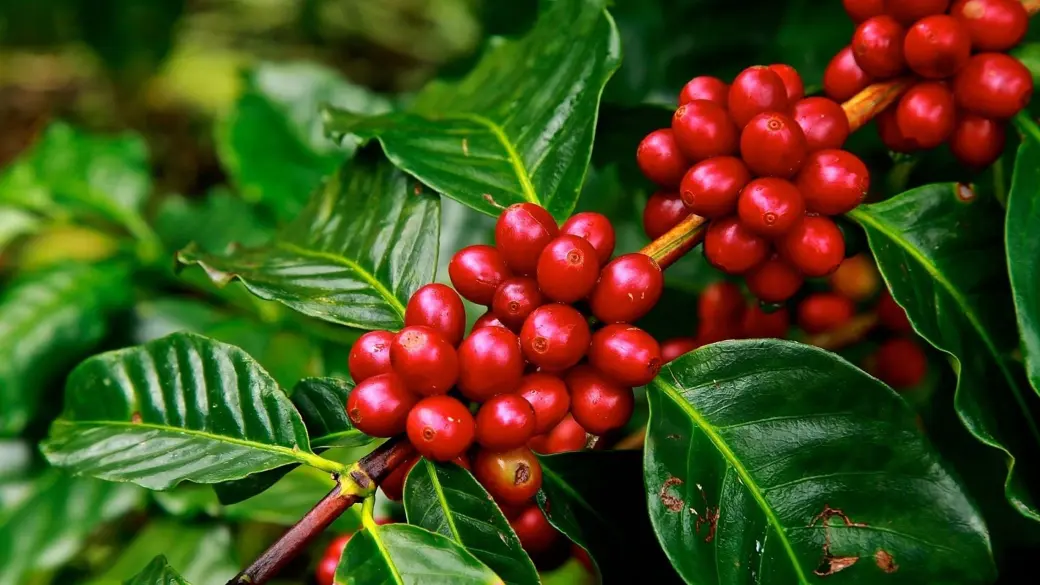
The Coffee Plant and Its Cherries
Arabica and Robusta the Two Dominant Species
Of the many Coffea species that exist, two dominate global commercial production almost entirely. Arabica, generally considered to produce a more delicate, aromatic cup with brighter acidity, requires cooler temperatures and higher altitudes to thrive, making it more sensitive to climate and more labor intensive to cultivate successfully. Robusta, as its name suggests, is a hardier plant tolerant of lower altitudes, warmer temperatures, and more challenging growing conditions, producing a bolder, more bitter, higher caffeine cup that dominates commodity grade coffee and much of the world’s instant coffee production. Understanding this species split matters directly to where do coffee beans come from at a regional level, since a country or region’s typical elevation and climate largely determines which of these two species actually gets cultivated there at meaningful scale.
The Global Coffee Belt
Coffee cultivation isn’t possible everywhere, and understanding the specific geographic constraints explains why coffee production concentrates so heavily in a relatively narrow band of the world map.
Why Coffee Only Grows in Certain Latitudes
Commercial coffee cultivation is largely confined to what’s commonly called the coffee belt, the region roughly between the Tropic of Cancer and Tropic of Capricorn, where the combination of temperature, rainfall, and sunlight hours suits the coffee plant’s specific growing requirements. Within this belt, altitude plays a major additional role, since higher elevations within tropical latitudes provide the cooler temperatures Arabica specifically needs, while lower altitude zones within the same general belt suit Robusta’s more heat tolerant growing profile.
Major Producing Countries Around the World
Brazil remains the world’s largest overall coffee producer, dominating global Arabica supply from its vast growing regions, while Vietnam holds the position of the world’s largest Robusta producer specifically, concentrated in its Central Highlands region. Colombia, known for high quality washed Arabica grown across its mountainous terrain, and Ethiopia, widely regarded as coffee’s original birthplace with a rich diversity of heirloom varietals, round out several of the most internationally recognized origins. Indonesia, Honduras, and a growing number of African and Central American countries each contribute their own distinct character to the global supply, meaning the honest answer to where do coffee beans come from spans dozens of countries rather than any single dominant source. Each of these origins has developed its own reputation over decades, often tied closely to a signature processing style or flavor profile that buyers specifically seek out, Ethiopian coffee for its fruit forward, floral character, Colombian coffee for its balanced, well rounded cup, and Vietnamese Robusta increasingly recognized for both reliable volume and, more recently, genuine Fine Robusta quality that challenges older assumptions about the varietal’s inherent limitations.
How Climate Affects Where Coffee Can Actually Grow
Understanding where do coffee beans come from today also means understanding that the map isn’t static, since climate conditions within the coffee belt directly determine whether a given region remains viable for cultivation over time.
Rainfall and Temperature Requirements
Coffee plants need a fairly specific combination of consistent rainfall, moderate temperatures without extreme swings, and protection from frost, conditions that occur naturally within particular elevation bands in tropical and subtropical regions but can shift as broader climate patterns change. Both Arabica and Robusta have relatively narrow temperature tolerances, and even a few degrees of sustained warming can push a previously suitable growing region toward marginal viability, a concern that’s become increasingly relevant across several of the world’s established coffee origins in recent years.
Why Some Regions Are Expanding While Others Shrink
As traditional lowland growing areas in some countries face rising temperatures, farmers have increasingly moved cultivation to higher elevations where cooler conditions still support healthy plant growth, a pattern playing out across parts of Latin America and Southeast Asia alike. This dynamic is part of why newer or smaller growing regions, including some of Vietnam’s higher altitude zones, have grown in relevance over the past decade, offering viable growing conditions that established lowland regions may face increasing pressure to maintain over the coming years.
From Cherry to Green Bean the Journey Begins
Once a coffee plant produces ripe cherries, a multi stage process transforms that fruit into the green coffee beans that eventually reach roasters and manufacturers around the world.
Harvesting Ripe Cherries
Harvesting happens either through selective picking, hand harvesting only fully ripe cherries and returning to the same plants multiple times over the season, or strip harvesting, removing all cherries from a branch in a single pass regardless of individual ripeness. Selective harvesting produces more consistent quality but requires considerably more labor, while strip harvesting suits large scale, mechanized operations prioritizing volume and efficiency over uniform ripeness across every cherry collected. The choice between these two approaches often reflects broader economic realities as much as quality ambition, since selective picking simply isn’t practical at the scale and labor cost many large commodity operations need to work within, which is part of why premium, hand picked coffee commands a genuine price premium reflecting the real additional labor investment involved.
Processing Methods That Shape Flavor
After harvest, cherries need processing to separate the seeds from the surrounding fruit, and the specific method used affects final flavor more than most people realize. Dry, or natural, processing involves drying whole cherries in the sun before removing the dried fruit layers, producing a fuller bodied, often fruit forward cup, and this method remains the traditional default in many origins simply because it requires less water and processing infrastructure than alternatives. Wet, or washed, processing removes the fruit mechanically before a brief fermentation and drying period, producing a cleaner, brighter result that tends to highlight a bean’s inherent characteristics more directly, though it requires considerably more water and equipment investment than natural processing. Honey processing sits between the two, leaving some sticky mucilage intact during drying to produce distinctive sweetness and body, and it’s become an increasingly popular middle ground among producers looking to differentiate their coffee without the full infrastructure investment washed processing typically requires.
Drying Milling and Grading
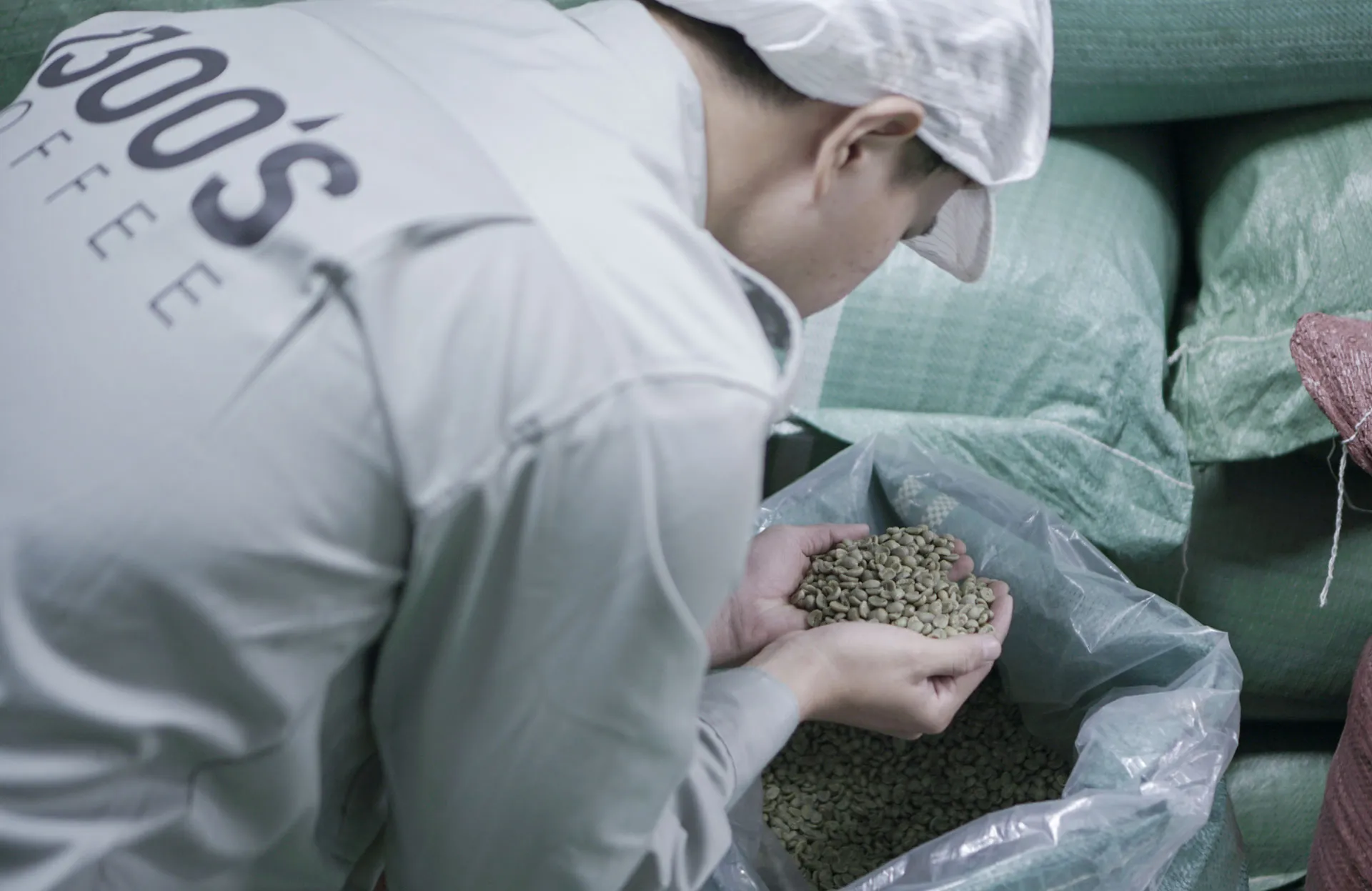
Regardless of processing method, coffee needs to reach a stable moisture content, generally around 10 to 12 percent, before it’s considered ready for storage and export. Milling removes any remaining parchment or dried fruit layer, and the resulting beans get sorted by size, density, and visual quality, with defective beans removed during this stage. Formal grading, evaluating screen size, defect count, and often cupping score for specialty positioned lots, determines what quality tier a given batch ultimately gets classified and sold as.
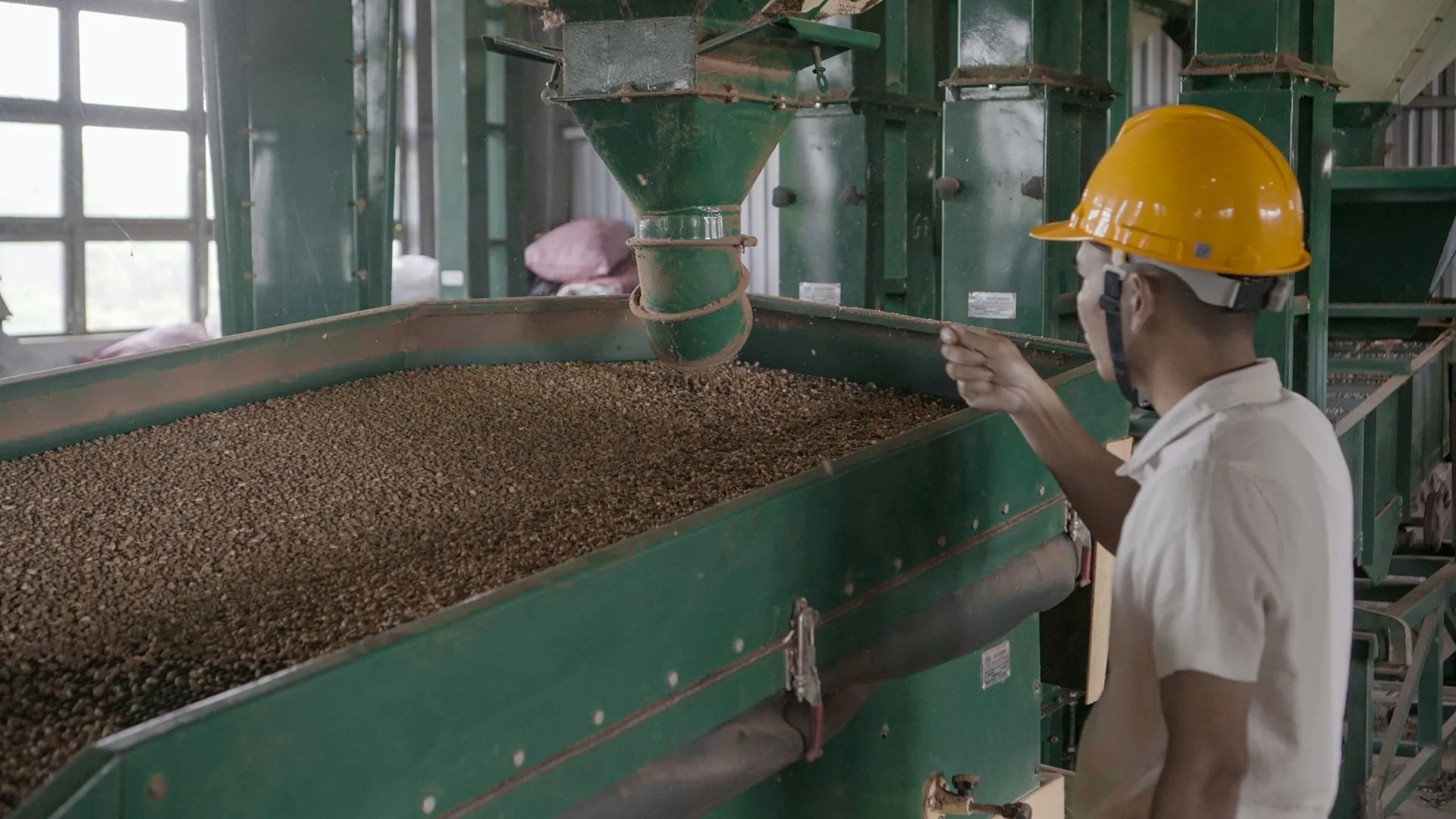
Coffee Bean Milling Process
From Green Bean to Your Cup
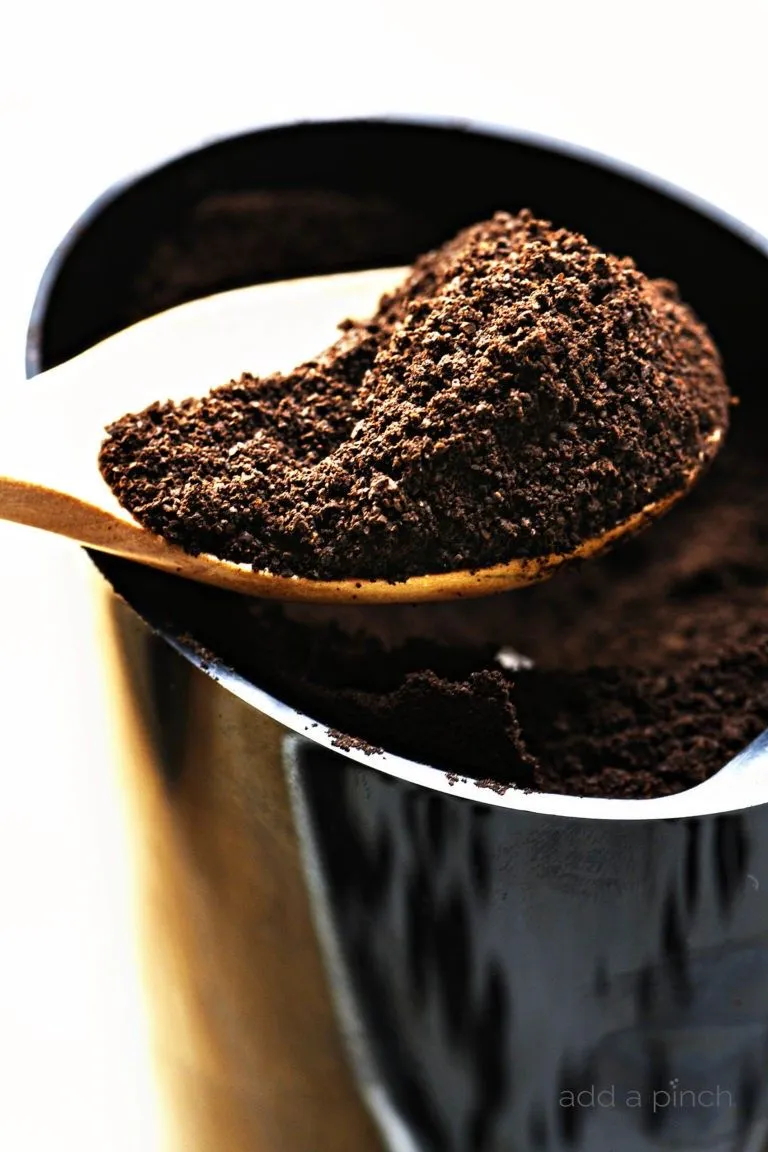
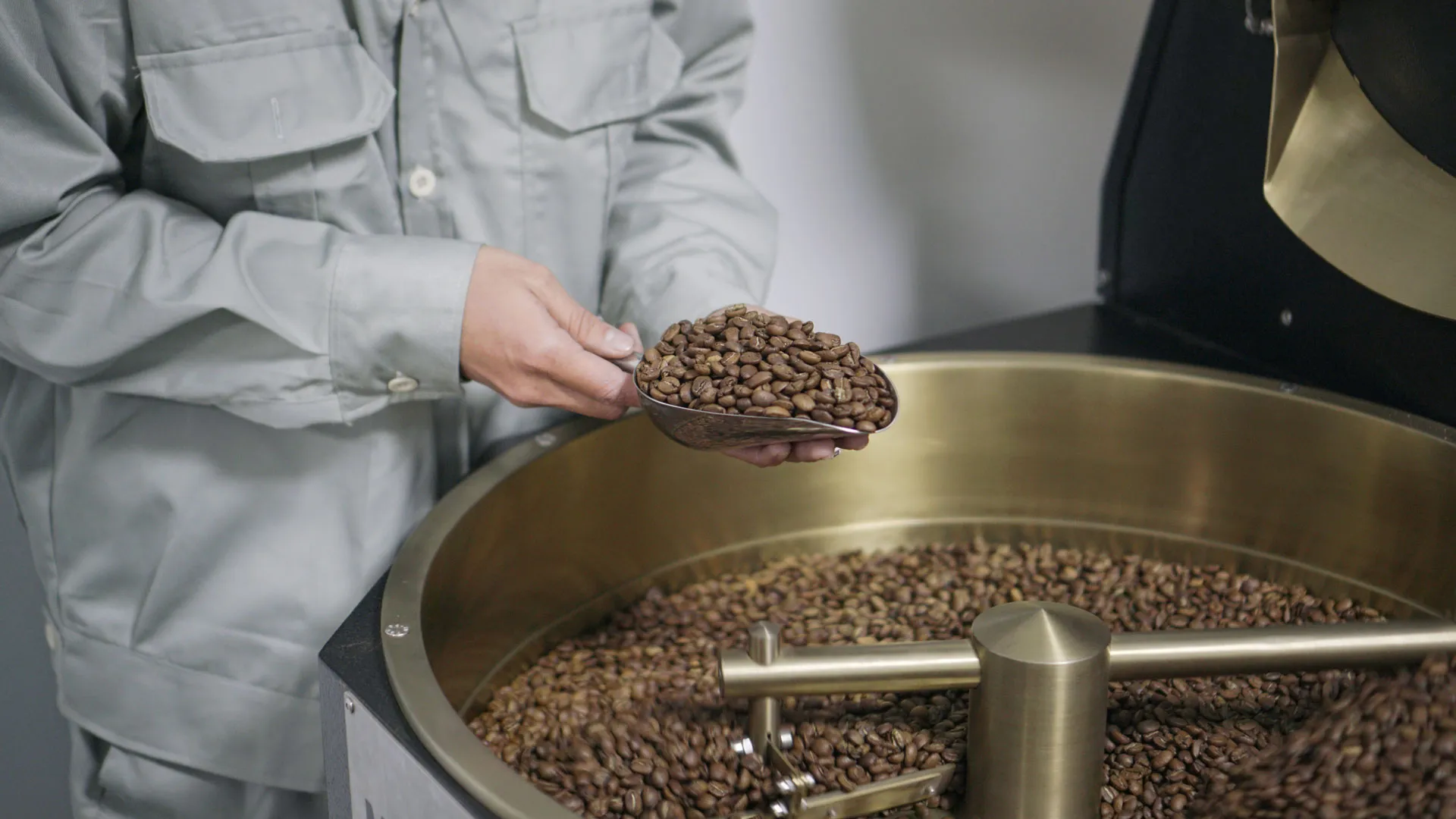
Green coffee itself isn’t drinkable, and the final transformation into something recognizable as coffee happens through roasting, which uses heat to trigger chemical reactions that develop the aroma and flavor compounds coffee is actually known for. Roasted whole bean coffee, the format most closely tied to specialty positioning and origin storytelling, can then move through a roasted coffee wholesale channel as is, get ground for direct brewing through a ground coffee wholesale supplier calibrating grind size to a specific brewing method, or get processed further into instant coffee through spray drying or freeze drying, each pathway leading to a genuinely different finished product from the same underlying green coffee starting point. This final stage of the journey is where most consumers actually encounter coffee, though understanding everything that happened before roasting even began gives a considerably fuller picture of where do coffee beans come from than most people ever consider.
How Coffee Beans Become Different Finished Products
The path from green bean to finished product splits into several distinct routes, each suited to different buyer needs and consumption preferences. A whole bean product prioritizes flavor and freshness over convenience, since roast profile and freshness timing directly showcase whatever quality characteristics a specific origin or processing method actually delivers. A ground format offers ready to brew convenience without managing a grinder, though this convenience comes with a real tradeoff, ground coffee stales considerably faster than whole bean given its dramatically increased surface area once it’s been through the grinding process.
Manufacturing coffee into a soluble format represents an entirely different production path, brewing and dehydrating coffee through spray drying or freeze drying into something built around speed and convenience rather than the ritual associated with fresh brewing. Freeze drying preserves more aroma and commands a genuine price premium over spray dried product, which remains the more cost efficient default for value positioned and commodity grade production globally.
Vietnam Growing Role in Answering Where Do Coffee Beans Come From
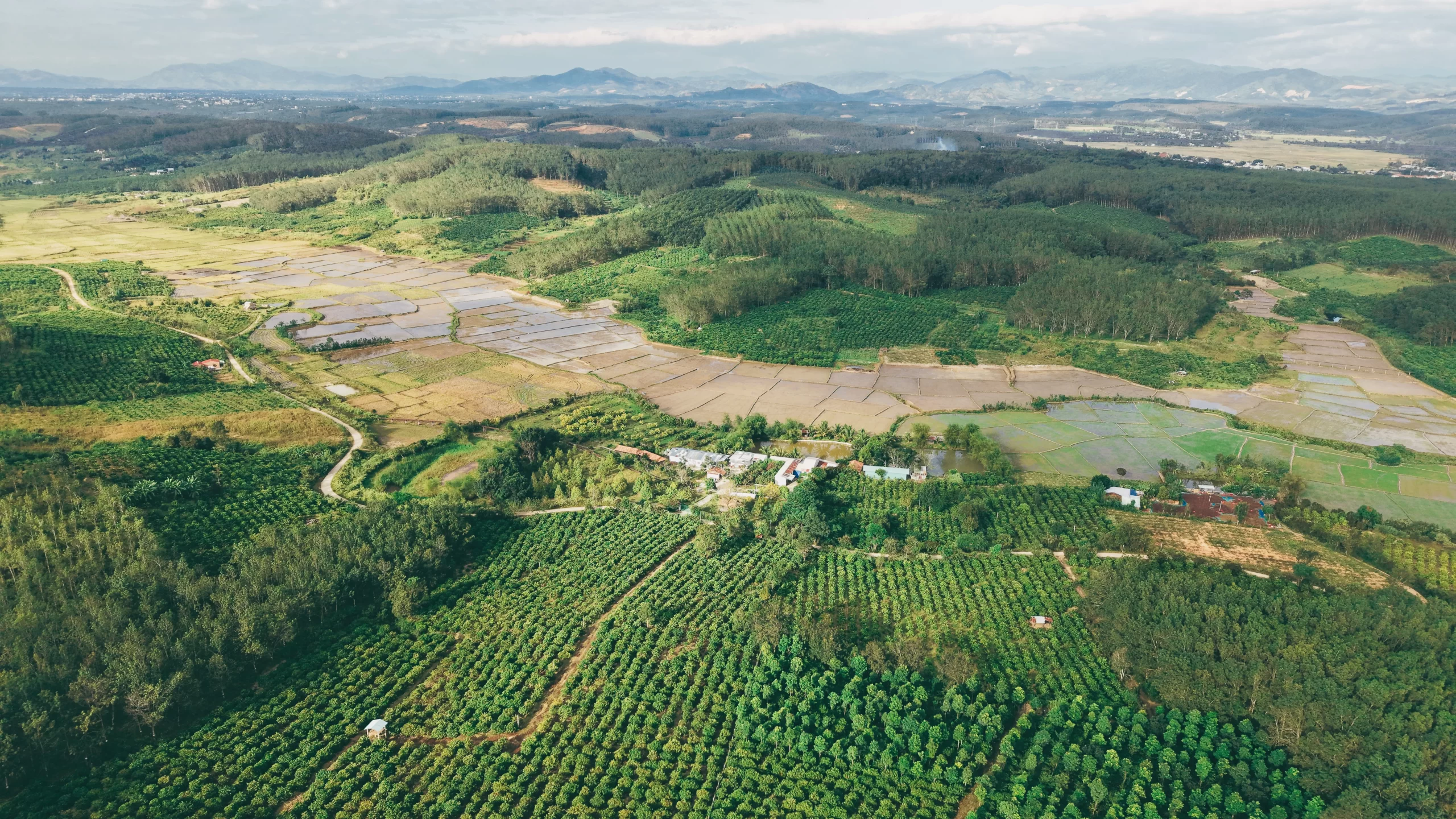
Vietnam deserves specific mention in any thorough answer to where do coffee beans come from, given its position as the world’s largest Robusta producer and a rapidly growing presence in specialty grade coffee as well. Beyond the lowland Robusta production concentrated in provinces like Dak Lak and Gia Lai, higher altitude regions including Kon Tum’s Mang Den highlands have increasingly attracted attention from buyers specifically seeking a genuine specialty coffee supplier working with distinctive, high altitude Arabica and Fine Robusta. This regional diversity within a single country illustrates a broader truth about coffee origin generally, that even asking where do coffee beans come from within one specific country can yield meaningfully different answers depending on which specific growing region a buyer is actually sourcing from. Vietnam’s trajectory over the past decade, from a purely volume focused commodity exporter toward a country now capable of supplying genuine specialty grade coffee alongside its traditional Robusta base, mirrors a broader shift happening across several emerging origins, where quality investment increasingly matters as much as raw production scale in determining a region’s long term relevance to international buyers. This same Robusta base also underpins much of the country’s instant coffee wholesale production specifically, giving buyers planning an instant coffee bulk buy access to both large scale commodity supply and, increasingly, more premium formulations built around the country’s improving quality reputation.
What This Means for Buyers and Businesses
Understanding the full journey from coffee plant to finished cup matters beyond simple curiosity for businesses actually building a product around coffee. A brand sourcing from a genuine specialty coffee wholesale relationship benefits from understanding exactly which stage of this journey, harvest selectivity, processing method, roast profile, actually drives the specific quality and flavor characteristics they’re paying for, rather than treating origin as a vague marketing claim disconnected from the real agricultural and processing decisions behind it. The same principle applies whether a business is sourcing whole bean coffee, working with a drip coffee supplier for a single serve product line, or evaluating any other finished format, the underlying journey covered throughout this guide is what actually determines quality regardless of which final product a business ends up selling. This knowledge also helps buyers ask sharper, more specific questions of any potential supplier, requesting documentation on harvest method, processing technique, and grading data rather than accepting general origin claims that don’t actually reveal much about the coffee’s real quality or character. A buyer who understands this full chain is also better positioned to communicate authentically with their own customers, translating genuine sourcing detail into a real origin story rather than repeating generic marketing language that doesn’t actually connect to anything verifiable happening at the farm or processing level.
Getting Started
Whether you were simply curious where do coffee beans come from or the question led you to think more seriously about sourcing coffee for your own business, understanding the full journey from cherry to cup gives you a genuinely informed foundation for whatever comes next. Curious about the journey behind Vietnamese coffee specifically? Request a sample and a conversation with 1300’S Coffee to explore origin, processing, and product options sourced directly from the Kon Tum highlands.
Read more: Can You Eat Raw Coffee Beans? What Actually Happens If You Do


1300s BLOG YOU MAY ALSO BE INTERESTED IN
Trusted Coffee Beans Wholesale Suppliers for Bulk Buyers and Importers Worldwide
What Is Coffee Sourcing?A Beginner’s Guide to How Coffee Reaches Buyers
How Is Vietnamese Coffee Made? From Harvest to Cup