


How Is Vietnamese Coffee Made? From Harvest to Cup
The cup of Vietnamese coffee most people are familiar with, whether it’s a phin-brewed glass of cà phê sữa đá or a sachet of instant coffee dissolved in hot water, represents the final step of a much longer journey. Understanding how is Vietnamese coffee made means following that journey from the moment a cherry ripens on the tree through harvesting, processing, drying, grading, and finally into whatever finished format eventually reaches a consumer or a business. This guide walks through each stage of how is Vietnamese coffee made in order, explaining not just what happens but why it’s done that way, and along the way covers how each processing decision eventually shapes what businesses can actually source at the other end of the chain.
Growing and Harvesting the Coffee Cherry
Everything about how is Vietnamese coffee made starts with what’s actually growing in the ground and when it gets picked.
Robusta and Arabica in the Vietnamese Landscape
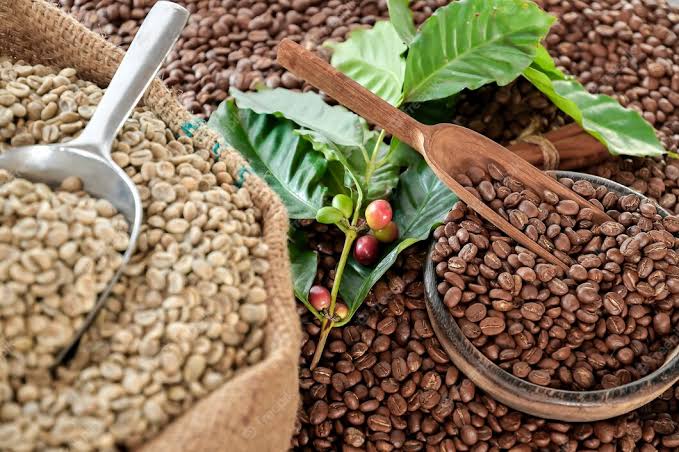
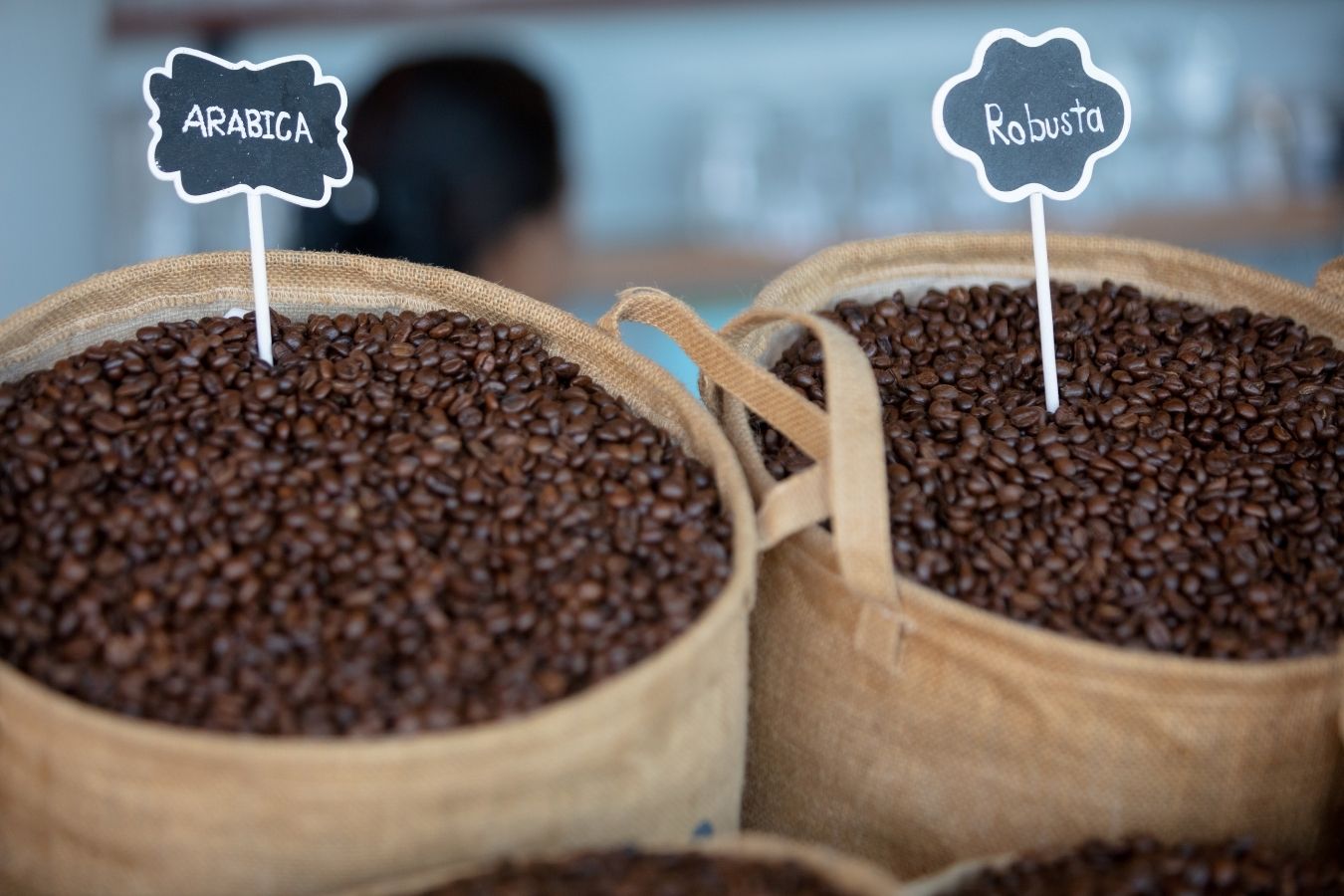
Vietnam’s coffee industry is built overwhelmingly on Robusta, cultivated across the Central Highlands provinces of Dak Lak, Gia Lai, Dak Nong, Lam Dong, and Kon Tum, where the lowland heat and humidity suit the varietal’s growing requirements well. A smaller but genuinely distinct Arabica production exists in the country’s higher-altitude zones, including Da Lat in Lam Dong, Son La in the north, and the Mang Den highlands of Kon Tum at elevations around 1,300 meters, where cooler temperatures support the more delicate varietal. This geographic split matters directly to how is Vietnamese coffee made at a national level, since Robusta and Arabica cherries ripen on different timelines and require somewhat different handling once harvested.
Robusta and Arabica in the Vietnamese Landscape
Selective vs Strip Harvesting
Harvest method varies depending on the scale and quality target of a given farm. Strip harvesting, stripping an entire branch of cherries regardless of ripeness in a single pass, is faster and suits large-scale commercial Robusta production where volume matters more than uniform ripeness. Selective harvesting, hand-picking only fully ripe cherries and returning to the same trees multiple times over the harvest season, takes considerably more labor but produces more consistent quality, and is standard practice among producers targeting specialty grade output. A specialty coffee supplier serious about quality typically insists on selective harvesting specifically, since unripe or overripe cherries mixed into a lot introduce defects that show up directly in the final cup regardless of how carefully the coffee is processed afterward.
How Wet Dry and Honey Processing Shape the Cherry
Once harvested, cherries need to be processed to separate the coffee bean from the surrounding fruit, and the specific method used has a bigger impact on final flavor than most people outside the industry realize.
Dry (Natural) Processing
Dry processing, also called natural processing, involves laying whole cherries out to dry in the sun, typically on raised beds or patios, before mechanically removing the dried fruit layers to reveal the bean underneath. This is the traditional and still dominant method for Vietnamese Robusta specifically, valued for its efficiency at scale and lower water requirement, and it tends to produce a fuller-bodied, sometimes fruitier cup compared to washed processing.
Wet (Washed) Processing
Wet processing removes the fruit pulp from cherries mechanically shortly after harvest, then ferments the beans briefly in water to remove the remaining mucilage layer before drying. This method produces a cleaner, brighter cup profile and has become increasingly common for Vietnamese Arabica and for Robusta lots specifically targeting specialty positioning, since washed processing tends to highlight a bean’s inherent characteristics more clearly than natural processing does.
Honey Processing
Honey processing sits between the two, removing the outer skin of the cherry but leaving some or all of the sticky mucilage layer intact during drying. This method has grown in popularity among Vietnamese producers building Fine Robusta and specialty Arabica lots specifically, since it produces a distinctive sweetness and body that neither fully washed nor fully natural processing typically achieves, and it’s become one of the more requested processing methods among buyers building differentiated, single-origin product lines.
Drying and Milling the Beans Before Grading
Regardless of processing method, coffee needs to reach a stable moisture level and get sorted before it’s ready for export or further use.
Drying to Target Moisture
Coffee is dried, either through sun drying on patios and raised beds or increasingly through mechanical drying at larger operations, until it reaches a target moisture content generally around 10 to 12 percent for green coffee ready for storage and export. Getting this right matters enormously, coffee dried too quickly or unevenly develops defects, while coffee left too moist risks mold growth during storage and shipping.
Hulling and Sorting
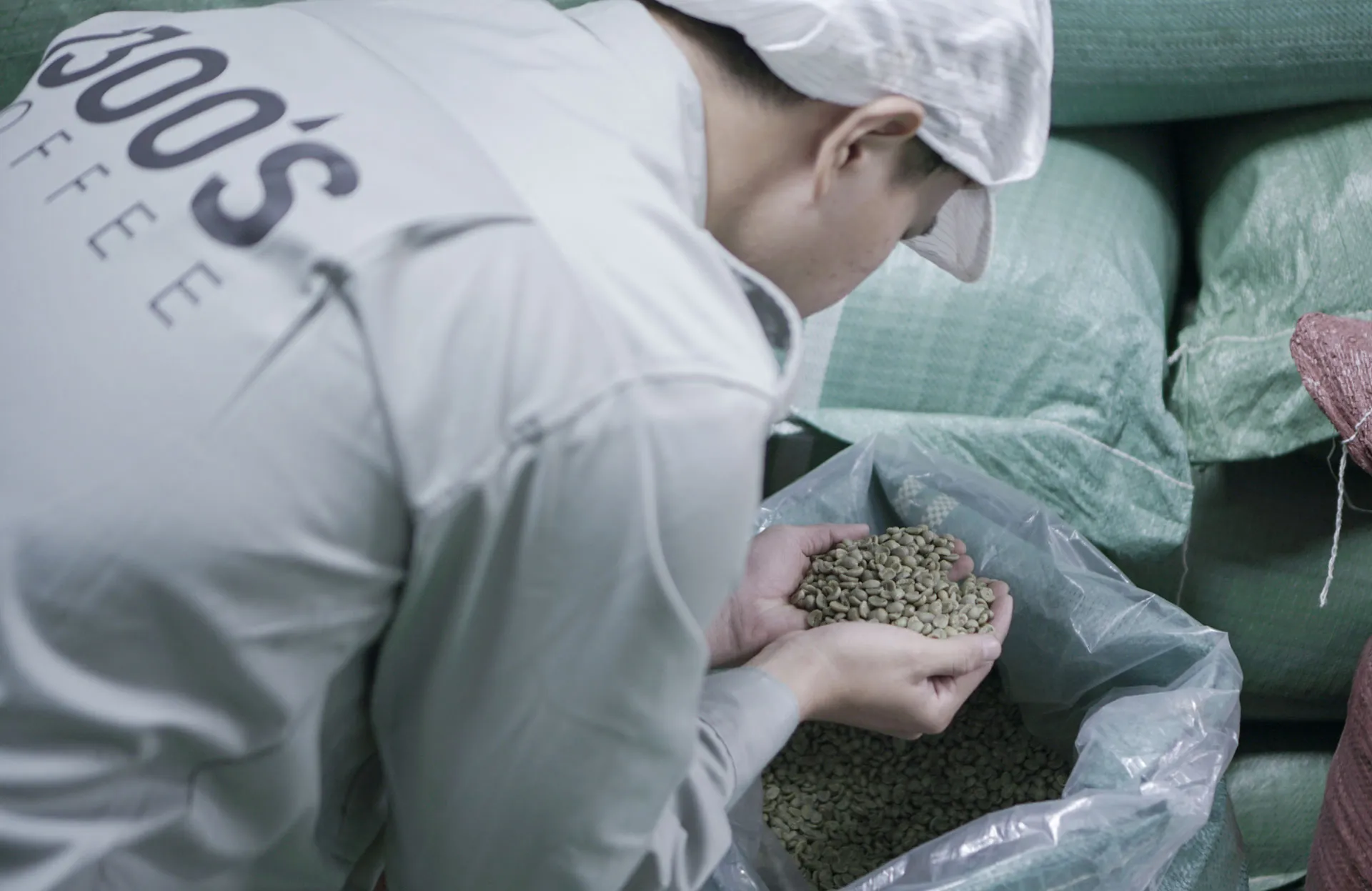
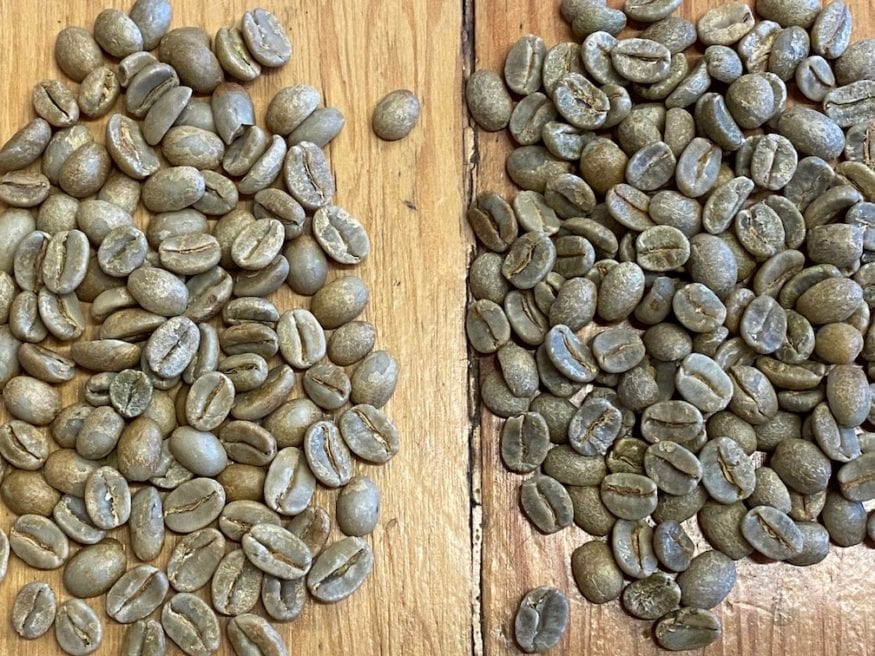
Once dried, coffee moves through hulling, removing the parchment or dried fruit layer still surrounding the bean, followed by sorting by size, density, and color. This stage is where visibly defective beans, broken, discolored, or insect-damaged, get removed from the lot, a critical step in determining what final grade a given batch will achieve.
Grading Green Beans
Vietnamese green coffee is graded against the national standard, TCVN 4193:2014, alongside the international ISO 10470 defect classification table, evaluating screen size, moisture content, and defect count. For lots being positioned as specialty grade, formal cupping evaluation adds a further layer, scoring aroma, flavor, acidity, body, and aftertaste, with a score of 80 or above on the 100-point scale generally required for specialty classification. This is the stage at which coffee destined for different end uses starts to diverge, commercial grade lots heading toward bulk industrial buyers, and higher-scoring lots heading toward roasters and brands building a genuine specialty coffee wholesale program rather than standard commodity supply. Understanding how is Vietnamese coffee made at this specific grading stage explains why two lots grown in the same region can end up priced and marketed completely differently once they reach export.
Grading Green Beans
Roasting Turns Green Beans Into Finished Coffee
Roasting is where green coffee actually becomes the coffee most people recognize, and how is Vietnamese coffee made at this stage depends heavily on the intended final product, since the same green coffee lot can be roasted very differently depending on whether it’s headed toward a traditional dark-roast domestic market or a lighter, specialty-positioned export product.
Roast Levels and Vietnamese Tradition
Vietnamese roasting has historically leaned toward darker roast levels than much of the Arabica-focused specialty world, producing the bold, sometimes slightly smoky flavor profile traditionally associated with Vietnamese coffee. This isn’t universal though, roasters building specialty-positioned products increasingly offer lighter and medium roast options specifically to highlight origin characteristics that darker roasting tends to mask.
From Roaster to Roasted Coffee Wholesale Supply
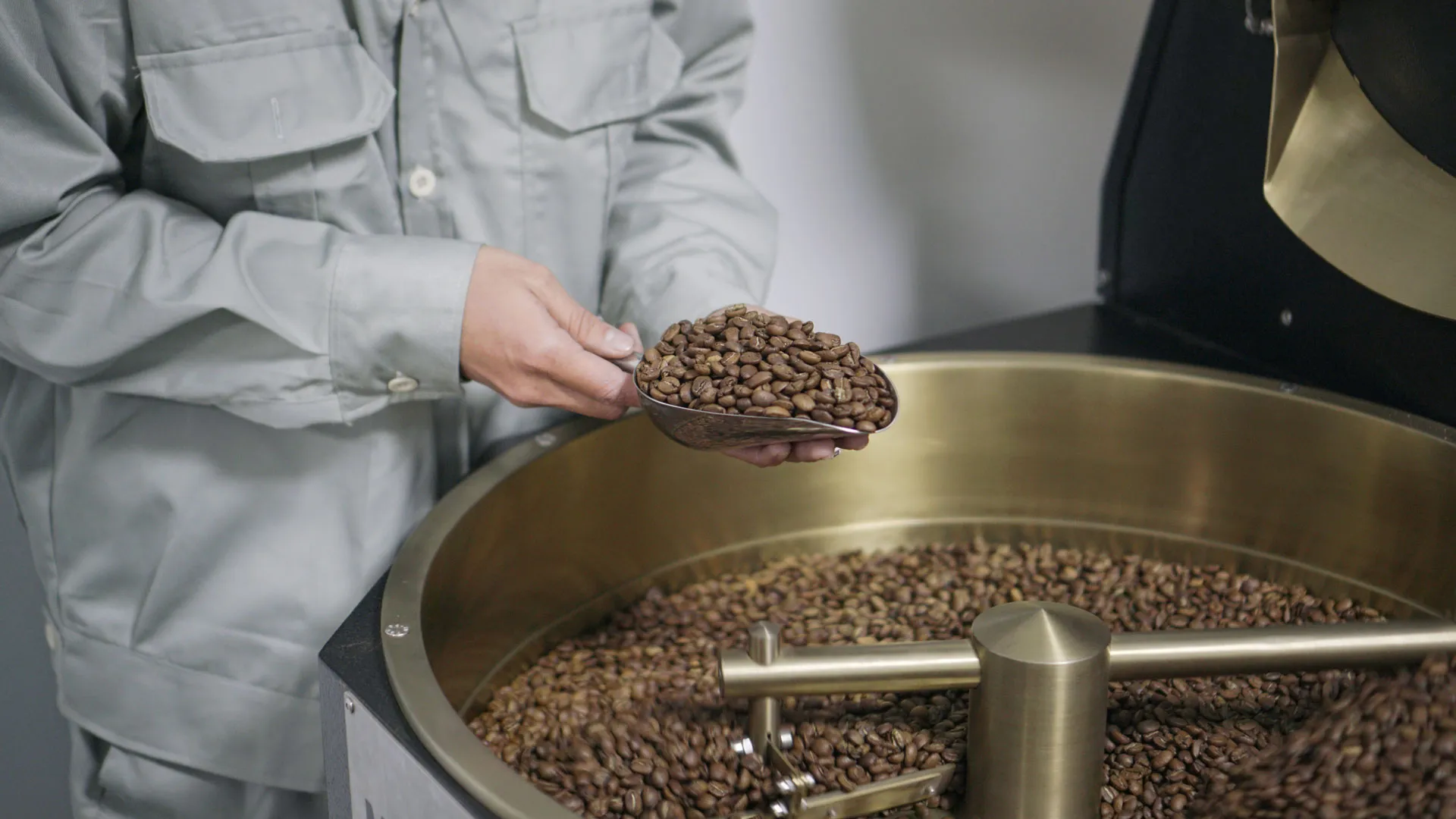
Once roasted, coffee destined for business buyers moves into roasted coffee wholesale supply chains, where consistency across production runs becomes the defining quality factor. A roaster supplying this market needs documented, repeatable roast curves, since a business buying roasted coffee wholesale depends on the same flavor profile showing up reliably in every shipment, not just in an initial sample. This is also the stage where packaging becomes critical, since roasted coffee releases carbon dioxide for days after roasting and needs proper one-way degassing valve packaging to stay fresh during storage and transit.
How Ground Coffee Is Made From Roasted Beans
For coffee intended to be sold pre-ground rather than as whole beans, an additional processing step follows roasting.
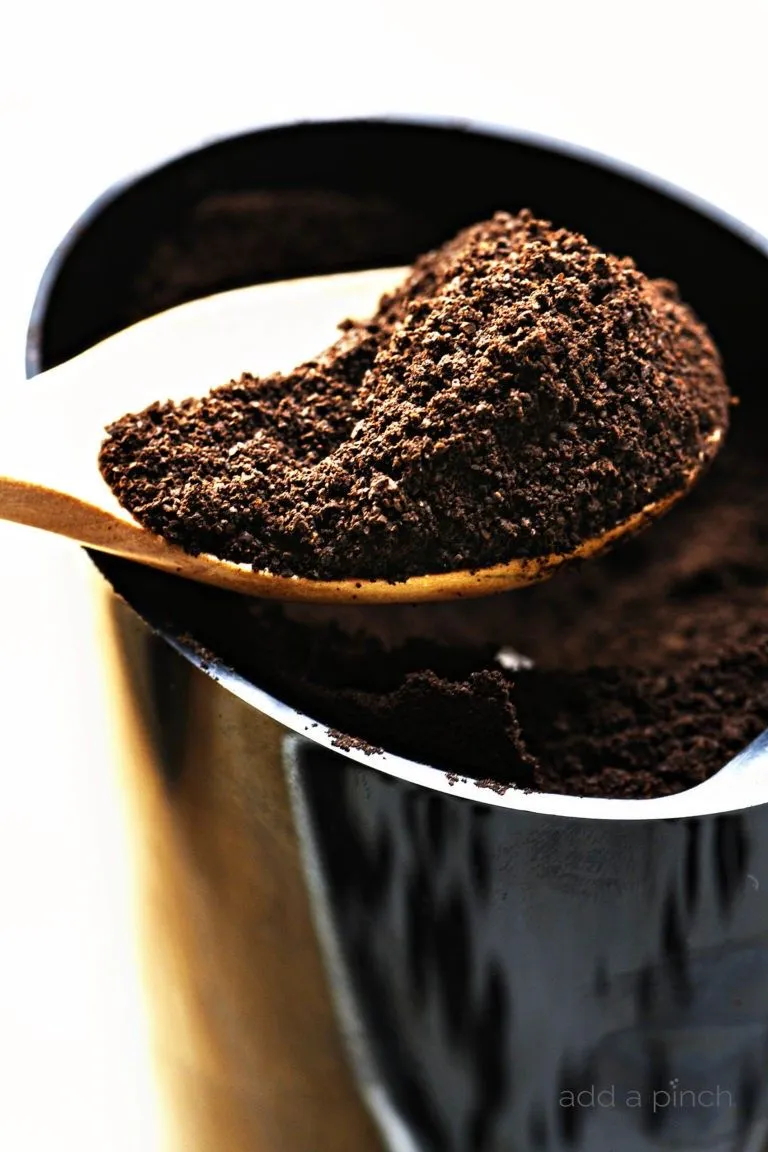
Grinding coffee for direct sale requires calibrating particle size to a specific brewing method, since drip, espresso, and French press all require meaningfully different grind sizes to extract properly. A supplier producing for ground coffee wholesale distribution needs to confirm which brewing method a given batch is calibrated for, since the wrong grind size produces poor extraction regardless of how good the underlying roast was. Because grinding dramatically increases coffee’s surface area, ground coffee also stales considerably faster than whole bean, making the timing between grinding and packaging, and packaging quality itself, more critical at this stage than at almost any other point in the process.
How Instant Coffee Is Made Through Spray and Freeze Drying
A meaningful share of Vietnamese coffee never reaches a consumer as roasted beans at all, instead going through an entirely different production path to become instant coffee.
Spray-Dried Production
Spray-drying involves brewing concentrated coffee, then atomizing it into a chamber of hot air where it evaporates almost instantly into fine powder. This is the more cost-efficient method and the dominant production process behind most commercial and value-tier instant coffee, including much of what an instant coffee supplier working at industrial scale produces for both domestic Vietnamese consumption and export.
Freeze-Dried Production
Freeze-drying takes a slower, more energy-intensive path, brewing coffee, freezing it, then removing the ice through sublimation under vacuum. Because this process avoids the high-heat exposure spray-drying involves, it preserves more of coffee’s aromatic compounds, producing the larger, more visible crystals and stronger aroma associated with premium instant coffee positioning. Businesses planning an instant coffee bulk buy for a premium product line should confirm which method a supplier actually uses, since the two processes produce genuinely different products despite both being sold under the general “instant coffee” label, and pricing for instant coffee wholesale volume varies substantially between the two as a result.
Making Drip Coffee Bags
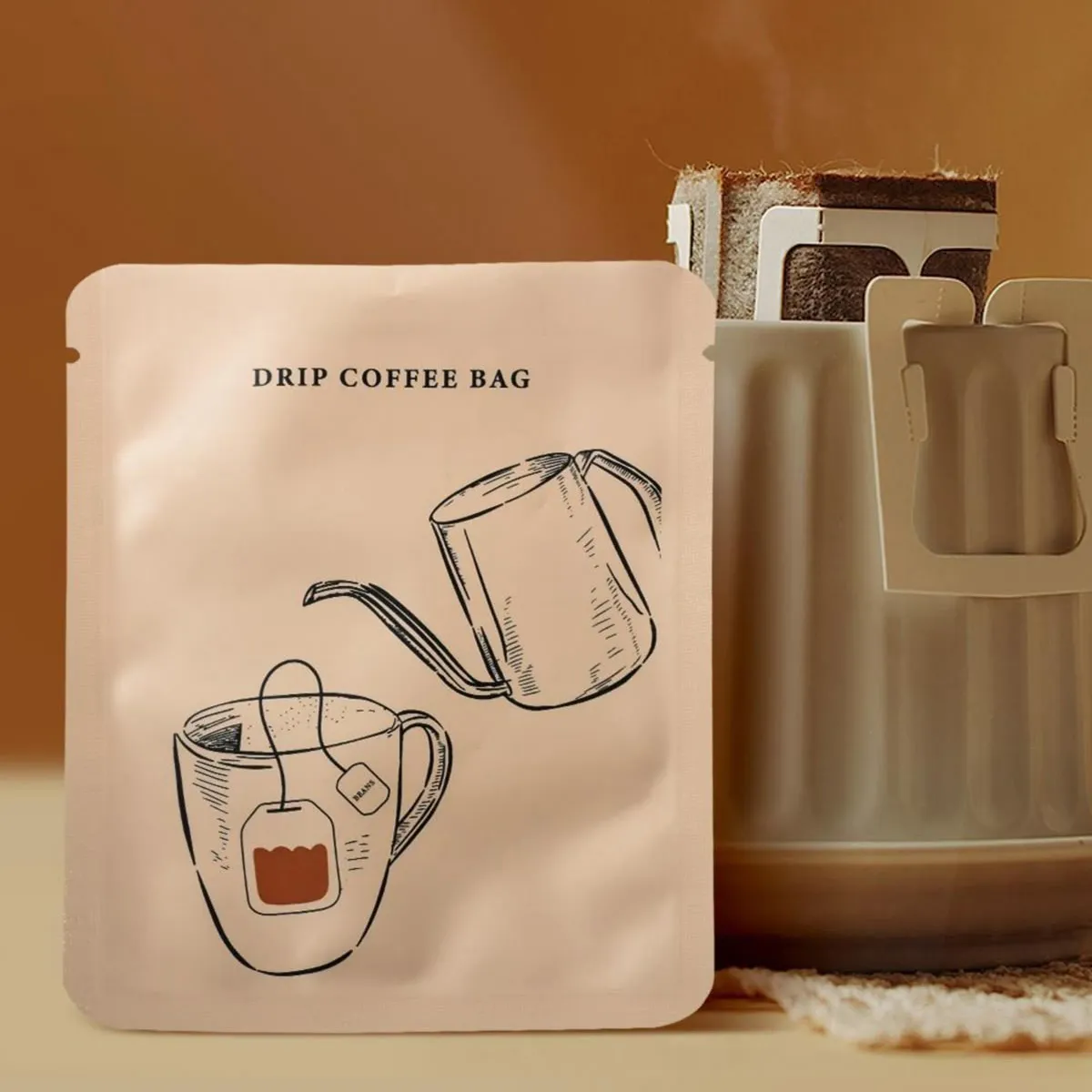
A third finished format, less globally recognized than roasted or instant coffee but increasingly popular, involves packaging ground coffee into individual filter bags designed to brew directly over a cup.
Drip coffee bags require ground coffee calibrated specifically for this format, generally a medium grind that balances extraction efficiency against the short, uncontrolled brew time a drip bag involves, along with a filter material fine enough to hold grounds securely while allowing even water flow. A drip coffee supplier producing this format needs the same freshness discipline that ground coffee wholesale production requires, since the coffee inside a drip bag is exposed to oxygen and moisture from the moment its individual packaging is sealed until a consumer eventually opens and uses it.
Quality Control Throughout the Entire Chain
Understanding how Vietnamese coffee is made wouldn’t be complete without recognizing that quality control isn’t a single checkpoint, it’s a series of decisions made at nearly every stage covered in this guide.
Where Quality Gets Built In Rather Than Just Checked
A common misconception is that coffee quality gets determined mainly at the roasting stage, when in reality the ceiling for final cup quality is largely set during harvesting and processing, long before roasting ever happens. Cherries picked at the wrong ripeness, processing water contaminated with off-flavors, or drying done too quickly all introduce defects that no amount of careful roasting can fully correct afterward. This is why serious buyers, whether sourcing green coffee directly or finished roasted, ground, instant, or drip products, increasingly ask suppliers detailed questions about early-stage practices rather than only evaluating the final product in isolation.
Consistency Across Batches Matters as Much as Peak Quality
A single excellent lot doesn’t guarantee the next one performs the same way, and this is where a supplier’s underlying systems, documented processing protocols, consistent grading practices, and repeatable roast curves, matter more than any individual standout sample. Understanding how Vietnamese coffee is made at a systems level, not just as a one-time production story, helps buyers distinguish between a supplier capable of occasional excellence and one capable of reliable, repeatable quality across a real, ongoing commercial relationship.
Consistency Across Batches Matters as Much as Peak Quality
The Final Steps Before Coffee Leaves the Factory for Export
Once coffee reaches its final format, roasted, ground, instant, or drip bag, a few remaining steps determine how it actually reaches an international buyer, completing the picture of how is Vietnamese coffee made from a purely agricultural product into something ready for global markets.
Packaging for Each Format
Packaging requirements differ meaningfully across formats, reflecting each product’s distinct sensitivity to oxygen, moisture, and light. Green coffee typically ships in hermetic liner bags within jute or polypropylene sacks, protecting quality during long transit. Roasted coffee needs one-way degassing valve packaging, ground coffee needs tighter barrier protection given its faster staling, and instant coffee packaging varies by format, from bulk bags for repackaging through to individually sealed sachets or premium glass jars for freeze-dried product.
Documentation and Quality Verification
Before shipment, export documentation, including certificates of origin, phytosanitary certificates, and relevant food safety certifications like ISO 22000 and HACCP, gets prepared alongside the physical product. Many buyers request a final pre-shipment sample to confirm the actual lot being shipped matches what was originally agreed, a verification step that catches quality or specification mismatches before they become a much costlier problem once a container has already left port. This closing verification stage is really the last link in the full chain covered throughout this guide, connecting everything from how a cherry was harvested months earlier through to what actually arrives at a buyer’s warehouse.
What This Process Means for Global Buyers Sourcing Coffee
Understanding how is Vietnamese coffee made at each stage isn’t just useful background, it directly explains what a business should actually look for when evaluating a potential supplier. A buyer who understands harvesting and processing knows to ask about selective picking and specific processing methods rather than accepting a general quality claim. A buyer who understands grading knows to request lot-specific cupping data from any supplier positioning themselves as a genuine specialty coffee supplier. And a buyer who understands the distinct production paths behind roasted, ground, instant, and drip coffee knows to confirm a prospective partner’s actual capability in the specific format their business needs, rather than assuming strength in one format automatically extends to another. Businesses building a product line across multiple formats, some roasted coffee wholesale for direct sale alongside an instant coffee wholesale line for a different channel, for example, benefit from working with a supplier capable of supporting that full range through one relationship rather than coordinating separately across specialized manufacturers for each format.
Getting Started
Whether you’re simply curious about the journey behind your morning cup or evaluating Vietnam as a sourcing origin for your own coffee business, understanding how is Vietnamese coffee made from harvest through to its final format gives you a genuinely informed starting point for that conversation. Curious how this process comes together for a specific product you’re building? Request a sample and a conversation with 1300’S Coffee to see this journey from harvest to cup firsthand.
Read more: Why Is Vietnamese Coffee So Strong? Caffeine Content and the Robusta Effect


1300s BLOG YOU MAY ALSO BE INTERESTED IN
What Beans Does Vietnamese Coffee Use? A Roaster’s Guide to Origin and Species
Where Do Coffee Beans Come From: A Guide to Origin and the Journey to Your Cup
How to Import Coffee to Canada: Requirements and Process