




7 Critical Questions to Ask Your Green Bean Coffee Suppliers Before Buying in Bulk
The global specialty coffee industry is currently navigating through an era of profound transformation and unprecedented complexity. For commercial roasteries, large-scale beverage enterprises, and international distributors, the decision to import raw agricultural materials is no longer a simple transactional purchase. When a business prepares to allocate a massive portion of its operating capital to import dozens of metric tons of raw inventory, the financial and operational risks are monumentally high. Identifying and partnering with reliable green coffee bean wholesale suppliers has evolved into a fundamental survival strategy. This critical decision directly dictates profit margins, final product quality, and the overarching reputation of your entire brand ecosystem.
What is the Depth of Your Supply Chain Traceability and Transparency?
Transparency has firmly established itself as an absolute prerequisite rather than an optional marketing bonus within the modern coffee sector. When engaging in preliminary negotiations with a potential sourcing partner, your very first line of inquiry must revolve around the exact depth of information they can provide regarding the origin of every single burlap sack. A vague response detailing only the general geographic region or the exporting country is a severe warning sign that no professional buyer should ignore.
The Necessity of Granular Farm-Level Data for Precision Roasting
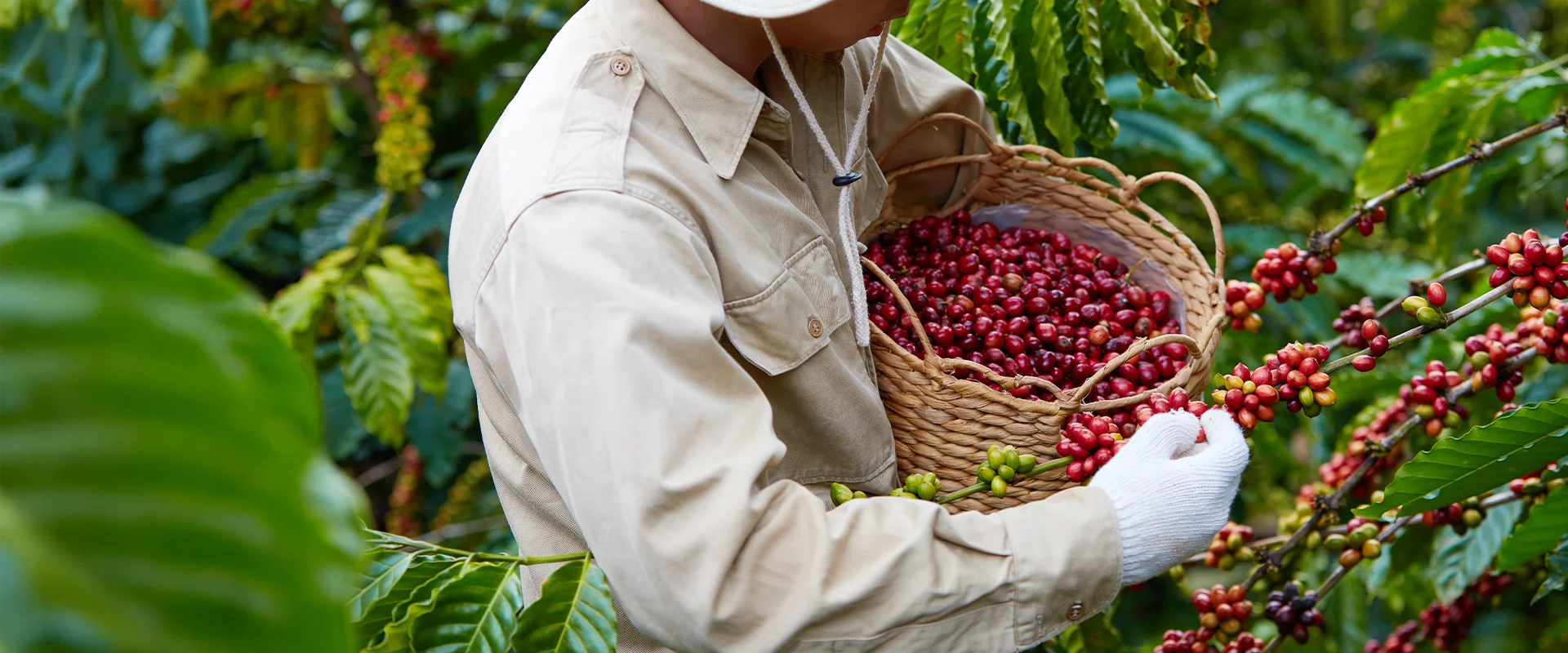
Traceability extends far beyond the realm of consumer-facing marketing and romantic origin stories. It represents a vital dataset of technical parameters that are absolutely critical for the roasting process. A master roaster requires precise knowledge concerning the exact soil composition of the farm, the specific elevation above sea level, the exact botanical cultivars involved, and the detailed chronological parameters of the post-harvest fermentation phase. These environmental and processing variables directly influence the cellular density and moisture retention capabilities of the raw agricultural product. Armed with this granular data, roasting professionals can accurately manipulate thermal energy application, drum speed, and airflow dynamics to optimize flavor development and prevent costly roasting defects. A genuine specialty coffee supplier will consistently provide a comprehensive digital dossier or physical certification documentation alongside every micro-lot, guaranteeing that all vital technical data is flawlessly transmitted from the remote mountainside directly to your roasting facility.
The Necessity of Granular Farm-Level Data for Precision Roasting
Ethical Business Practices and Financial Responsibility to Producers
The concept of transparency must also encompass the financial mechanics and ethical obligations of your sourcing partner. The long-term viability of the entire specialty beverage sector rests entirely upon the economic livelihood of the farming communities. Wholesale buyers must directly interrogate their potential partners regarding their farm-gate purchasing prices and how those figures compare to the highly volatile global commodities exchange. Ensuring fair and equitable compensation is not simply a philanthropic endeavor; it is the core financial incentive that allows producers to maintain meticulous agricultural practices and invest in infrastructure improvements for future harvests. The most reputable green coffee bean suppliers will proactively publish annual sustainability reports that clearly illustrate the percentage of revenue directly reinvested into local producing communities. Partnering with suppliers who champion financial transparency allows your brand to construct a highly responsible, ethically sound image that resonates deeply with discerning consumers across the globe.
How Do You Execute Quality Control and Sensory Evaluation?
The inherent quality of a massive bulk shipment cannot be guaranteed through verbal promises or beautifully designed packaging. Quality must be rigorously quantified through objective, scientifically grounded evaluation protocols. Before you commit to transferring substantial funds for bulk importation, you must demand a thorough explanation of the internal quality assurance mechanisms utilized by your prospective partner.
Rigorous Pre-Shipment Cupping and Laboratory Grading Protocols
A trustworthy green bean coffee supplier is fundamentally required to operate a sensory evaluation laboratory that strictly adheres to international grading standards. You must inquire about their exact methodology, including the specific scoring rubrics they employ, the number of certified sensory analysts involved in evaluating each batch, and their protocols for archiving reference samples. Crucially, before any bulk container is loaded onto a cargo vessel, the supplier must dispatch a pre-shipment sample directly to your roasting facility. This sample must serve as a flawless, statistically accurate representation of the actual commercial volume you are purchasing. The absolute consistency between the pre-shipment evaluation sample and the final delivered inventory is the ultimate litmus test for evaluating a supplier’s operational integrity and their mastery over their own quality control infrastructure.
Moisture Management and the Eradication of Physical Defects
Beyond subjective sensory evaluations, the objective physical metrics of the raw agricultural product are equally paramount. You must rigorously question potential partners regarding their standardized moisture content parameters and their procedures for managing water activity within the cellular structure of the bean. If raw inventory contains excessive moisture, it faces an incredibly high risk of developing mold, fungal infections, and severe chemical degradation during lengthy transoceanic voyages. Conversely, inventory that has been dried too aggressively will rapidly lose its vibrant organic compounds and become highly susceptible to scorching within the roasting drum. The supplier must provide a detailed breakdown of their mechanical optical sorting technology and their manual hand-sorting procedures designed to ruthlessly eliminate physical defects. Removing insect-damaged, chipped, or severely discolored beans before export is non-negotiable to ensure that the final bulk delivery achieves maximum cleanliness and uniformity.
Can You Guarantee Scalability and Supply Chain Stability?
A rapidly expanding commercial roastery cannot afford to tether its growth to a supplier plagued by fragmented operations or limited logistical capacity. An unexpected interruption in the flow of raw materials can inflict catastrophic financial damage, particularly if it compromises your ability to fulfill contractual obligations to major supermarket chains or expansive franchise networks.
Advanced Warehousing Capabilities and Professional Logistics Management
To guarantee uninterrupted manufacturing operations, you must strictly align your business with green coffee bean wholesale suppliers who possess superior logistical infrastructure. It is imperative to question them about their global warehousing capabilities. Raw agricultural inventory must be stored in meticulously controlled environments where temperature and ambient humidity are constantly monitored to halt the aging process, which otherwise results in the loss of vibrant acidity and the development of undesirable woody or papery flavor notes. Furthermore, the supplier’s proficiency in coordinating complex international freight logistics, navigating convoluted customs regulations, and utilizing specialized hermetic packaging solutions are critical factors. These logistical competencies are what ultimately ensure that the raw materials retain their pristine, freshly-processed characteristics from the moment they leave the drying patios until they arrive at your loading dock.
Strategic Forward Contracting and Price Stabilization Strategies
The unpredictable volatility of the international commodities market remains a constant source of anxiety for financial directors within the roasting sector. You must engage in deep strategic discussions with potential suppliers regarding their policies on forward contracting and futures purchasing. A highly professional specialty coffee wholesale partner will offer sophisticated purchasing frameworks that allow you to secure inventory volumes many months in advance while locking in a fixed financial rate for the entire harvest cycle. This level of financial predictability empowers roasting enterprises to accurately forecast their manufacturing budgets, maintain completely stable retail pricing for their end consumers, and entirely insulate their profit margins against sudden price shocks caused by unexpected crop failures or aggressive market speculation.
How Do You Adapt to Innovative Processing and Emerging Origins?
The palate of the modern coffee consumer is undergoing a state of perpetual evolution. Today’s drinkers are aggressively seeking out unprecedented sensory experiences that challenge traditional flavor paradigms. Consequently, your sourcing partner cannot remain stagnant, relying solely on legacy product catalogs that no longer excite the modern marketplace.
Embracing Experimental Fermentation Techniques
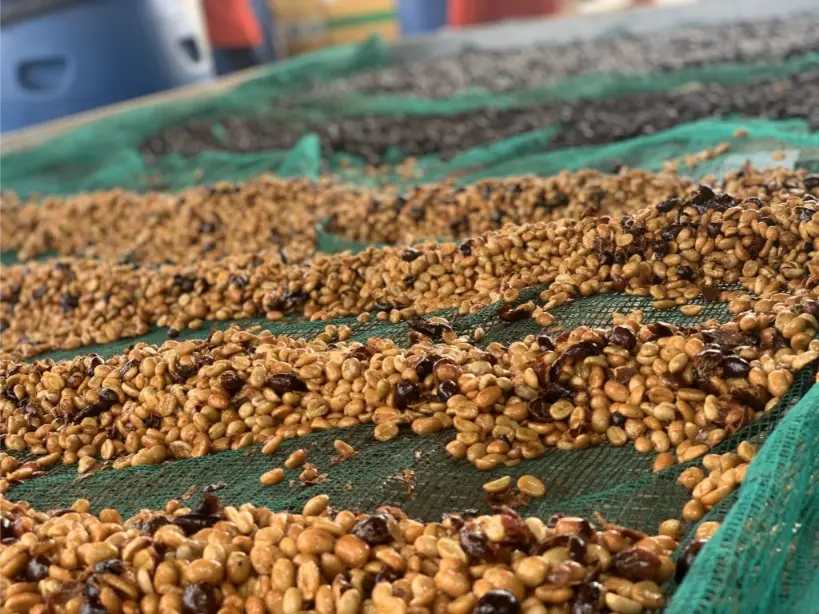
The widespread adoption of controlled fermentation methodologies, such as strictly monitored anaerobic resting and extended carbonic maceration, has completely revolutionized the spectrum of achievable flavor profiles. You must question potential green bean coffee suppliers regarding their direct involvement in agricultural research and their ability to execute these advanced scientific techniques at the farm level. A pioneering supplier works in tandem with agronomists to micromanage microbial activity, ambient temperature, and fermentation duration. This precise scientific intervention results in exclusive inventory that bursts with vivid tropical fruit aromatics, sharp malic acidity, and complex wine-like characteristics. Continuous innovation in post-harvest processing is the primary mechanism that allows a roastery to maintain a dynamic, captivating product lineup that consistently commands premium retail prices.
Embracing Experimental Fermentation Techniques
Elevating the Market with High-Altitude Specialty Robusta
The escalating realities of global climate change are placing severe pressure on traditional high-altitude growing regions, making the over-reliance on a single botanical species a highly dangerous business strategy. The industry’s most forward-thinking suppliers are currently deploying massive capital investments to elevate the prestige and quality of emerging growing regions focused on specialty-grade robusta. Integrating robusta inventory that has been cultivated at optimal elevations and subjected to meticulous processing grants master roasters unparalleled flexibility in developing new blending architectures. The immensely thick crema, heavy tactile body, and profound dark chocolate characteristics inherent to premium robusta, when masterfully blended with floral high-altitude varietals, result in exceptionally balanced products. This strategic diversification perfectly satisfies the high-volume demands of the premium commercial espresso market while mitigating the agricultural risks associated with climate volatility.
Do You Offer Vertically Integrated Manufacturing and Roasting Solutions?
In an era defined by aggressive market expansion, many ambitious beverage brands prefer to focus their capital on aggressive marketing, customer acquisition, and retail expansion rather than sinking millions of dollars into heavy industrial roasting equipment. In these scenarios, the extended manufacturing capabilities of your raw material supplier become a decisive competitive advantage that can drastically accelerate your corporate growth trajectory.
Streamlining Operations with a Reliable Ground Coffee Partner
If your enterprise is aggressively scaling a franchise model or securing expansive retail distribution contracts, attempting to roast and package the entire required volume internally often leads to severe operational bottlenecks and dangerous inconsistencies in product quality. You must directly question your raw material provider to determine if they possess the infrastructure to operate as a highly professional ground coffee supplier. Strategic partners operating under a manufacturer-designer model typically possess massive, fully automated roasting facilities certified by international food safety organizations. These elite partners can seamlessly adopt your proprietary roasting profiles, execute large-scale toll roasting, and manage the entire retail packaging process on your behalf. This comprehensive vertical integration allows your brand to drastically reduce capital expenditures on industrial machinery while heavily optimizing your labor and operational overhead.
Capturing Convenience Markets with Premium Soluble Innovations
The global market for high-quality convenience beverages and ready-to-mix formats is experiencing explosive, sustained growth. However, the industrial extraction and freeze-drying technology required to manufacture premium soluble products demands highly specialized engineering infrastructure. Finding a sourcing partner capable of functioning as an instant coffee wholesale provider while maintaining a flavor profile that rivals freshly brewed café beverages is a monumental strategic victory. You should rigorously question potential partners about their capacity to produce innovative soluble formats, such as freeze-dried single-origin crystals, highly concentrated liquid cold brew extracts, or creative blends incorporating mineral elements like pink salt. The extensive research and development capabilities of a vertically integrated partner serve as an ultimate launchpad, allowing your brand to aggressively penetrate highly lucrative fast-moving consumer goods sectors with minimal friction.
What is Your Policy for Dispute Resolution and Defect Remediation?
International bulk commerce is inherently fraught with unpredictable risks, ranging from severe climatic events during maritime transit to unexpected human errors during the delicate post-harvest milling process. The true professionalism of a massive agricultural supplier is most accurately measured by how they behave when catastrophic errors occur and substantial financial investments are on the line.
Establishing Clear Technical Parameters for Shipment Rejection
Long before the final signatures are placed on a bulk importation contract, both corporate entities must establish a highly detailed, legally binding technical specification document. The critical question you must ask is exactly what physical and sensory thresholds will trigger your legal right to reject a multimillion-dollar shipment. These parameters might include an unacceptable deviation in cellular moisture content, a total defect count that exceeds the initial contractual agreement, a severe drop in the standardized cupping score compared to the approved pre-shipment sample, or the detection of critical sensory taints such as phenolic, moldy, or harsh chemical flavors. Establishing these rigid, scientifically measurable boundaries eliminates all emotional subjectivity from the receiving process and creates an ironclad shield that protects your company’s financial liquidity.
Transparent Compensation Procedures for Substandard Deliveries
When an unfortunate logistical or agricultural failure occurs and the delivered inventory suffers a severe degradation in quality, the supplier’s immediate administrative response is of paramount importance. You must demand that your potential green coffee bean wholesale suppliers provide a detailed, written explanation of their standardized claim resolution protocols. A highly reputable, financially secure supplier will actively collaborate with independent, third-party sensory auditors to objectively assess the total financial damage. They will proactively offer clear avenues for financial risk-sharing, completely accept the costly logistical burden of recalling defective inventory, or guarantee immediate and full financial restitution applied to subsequent bulk shipments. A transparent, aggressive, and highly fair defect remediation policy is the absolute bedrock upon which a long-term, anxiety-free commercial partnership is constructed.
Are You Committed to Long-Term Value Co-Creation?
The initial transaction of exchanging capital for raw agricultural goods is merely the genesis of what should become a deeply integrated value creation process within the specialty beverage industry. The most dominant, globally recognized roasting brands actively refuse to engage with suppliers who operate solely as transactional commodities brokers. True industry leaders demand collaborative partners who share their overarching corporate philosophy, align with their long-term growth trajectories, and exhibit a genuine willingness to tackle unprecedented market challenges together.
Evolving from Transactional Vendors to Strategic Business Partners
The final, and arguably most defining, question you must ask determines the ultimate future of your corporate relationship. You must question the supplier about their long-term capital investment strategies at the farm level, their ongoing initiatives designed to elevate the socio-economic status of their agricultural workforce, and their concrete roadmap for implementing cutting-edge, climate-resilient farming technologies. When a massive supplier continuously injects capital to upgrade their own agricultural ecosystem, your roasting enterprise directly harvests the benefits of that sustained progress. A deeply integrated strategic partnership allows both executive teams to sit down and collaboratively forecast precise volume requirements for harvests that are years in the future. This synergy facilitates the joint funding of highly experimental processing facilities and creates a unified front when aggressively expanding into heavily contested international consumer markets.
Building Authentic Brand Narratives from the Farm to the Final Cup
The contemporary consumer demographic is driven by a profound desire for authentic, verifiable connections to the products they consume. They demand to know the exact identity of the farmers who meticulously cultivated the cherries, the immense logistical hurdles overcome during the supply chain journey, and the stringent environmental protections enforced to guarantee ecological sustainability. Exceptional green coffee bean wholesale suppliers will arm your marketing department with an invaluable arsenal of raw promotional assets. This includes high-definition documentary footage captured directly at the processing stations, precise topographical mapping of the farm layouts, and deeply inspiring biographical narratives detailing the lives of the agricultural communities. This profound alignment of visual imagery and ethical messaging empowers your commercial roastery to forge an incredibly powerful brand positioning strategy, cultivating fierce customer loyalty and establishing an impenetrable, dominant presence within the highly competitive global specialty coffee arena.
Conclusion: Building a Resilient Coffee Enterprise
In the highly competitive coffee industry, choosing the right green coffee bean wholesale suppliers is a strategic decision that dictates the future of your brand. By rigorously asking these seven questions, you transform a risky procurement process into a formidable competitive advantage.
You are not merely searching for a basic green bean coffee supplier, but a visionary partner capable of scaling alongside your ambitions. Whether your strategy requires a reliable ground coffee supplier for retail chains or premium instant coffee wholesale solutions for the convenience market, demand absolute transparency and flawless quality. The ultimate legacy of your coffee enterprise is inextricably linked to the sourcing partners you choose to stand beside you today.
Read more: Top 10 Best Green Coffee Suppliers for Specialty Roasters in 2026


1300s BLOG YOU MAY ALSO BE INTERESTED IN
How Specialty Coffee Is Exported from Vietnam
The Complete Guide to Choosing Gourmet Coffee Suppliers for Coffee Brands and Importers
Roasted Coffee Beans Suppliers Delivering Wholesale Volume to Cafes and Retailers