


Trusted Coffee Beans Wholesale Suppliers for Bulk Buyers and Importers Worldwide
Bulk buyers and importers rarely settle on a single coffee bean supplier without comparing several options first, and for good reason: volume, certifications, varietal focus, and logistics capability vary significantly even among established exporters. This guide covers what “trusted” actually means in a bulk wholesale context, profiles several coffee beans wholesale suppliers worth evaluating, and outlines what to check before committing to a recurring import relationship.
What “Trusted” Actually Means for Bulk and Import Buyers
“Trusted” gets used as a throwaway word in almost every supplier’s marketing material, which makes it nearly useless as a filter on its own. For a buyer about to commit real volume to a new relationship, it’s worth breaking the word down into the specific, verifiable signals that actually predict whether a supplier will perform once a large order is on the line, rather than accepting the label at face value:
- A documented export history, ideally to markets with strict requirements, showing the supplier has successfully cleared customs and delivered consistent quality at scale before.
- Certifications appropriate to the destination market, such as ISO 22000, HACCP, and FDA registration, verified against the actual certifying body rather than taken at face value.
- Consistent grading across orders, meaning the specification on order one matches order fifty, not just similar but genuinely consistent screen size, moisture content, and defect count.
- Clear logistics and documentation processes, including Incoterms options, typical lead times, and a track record of providing accurate export paperwork without repeated delays.
- Direct sourcing control, whether through owned farms or direct farmer partnerships, which tends to produce more reliable supply than a reseller drawing from a fragmented pool of secondary sources.
None of these signals are visible from a sales pitch or a homepage claim. They only show up once a buyer asks specific, pointed questions, or requests documentation, which is exactly why the comparison later in this guide focuses on verifiable facts about each supplier rather than repeating whatever language each company uses to describe itself. The same scrutiny applies whether a buyer is sourcing standard commercial grade volume or evaluating suppliers for a specialty coffee wholesale program, since consistency and documentation matter just as much once a specialty-grade order reaches import scale.
Coffee Bean Supplier vs Distributor vs Provider: Why the Distinction Matters
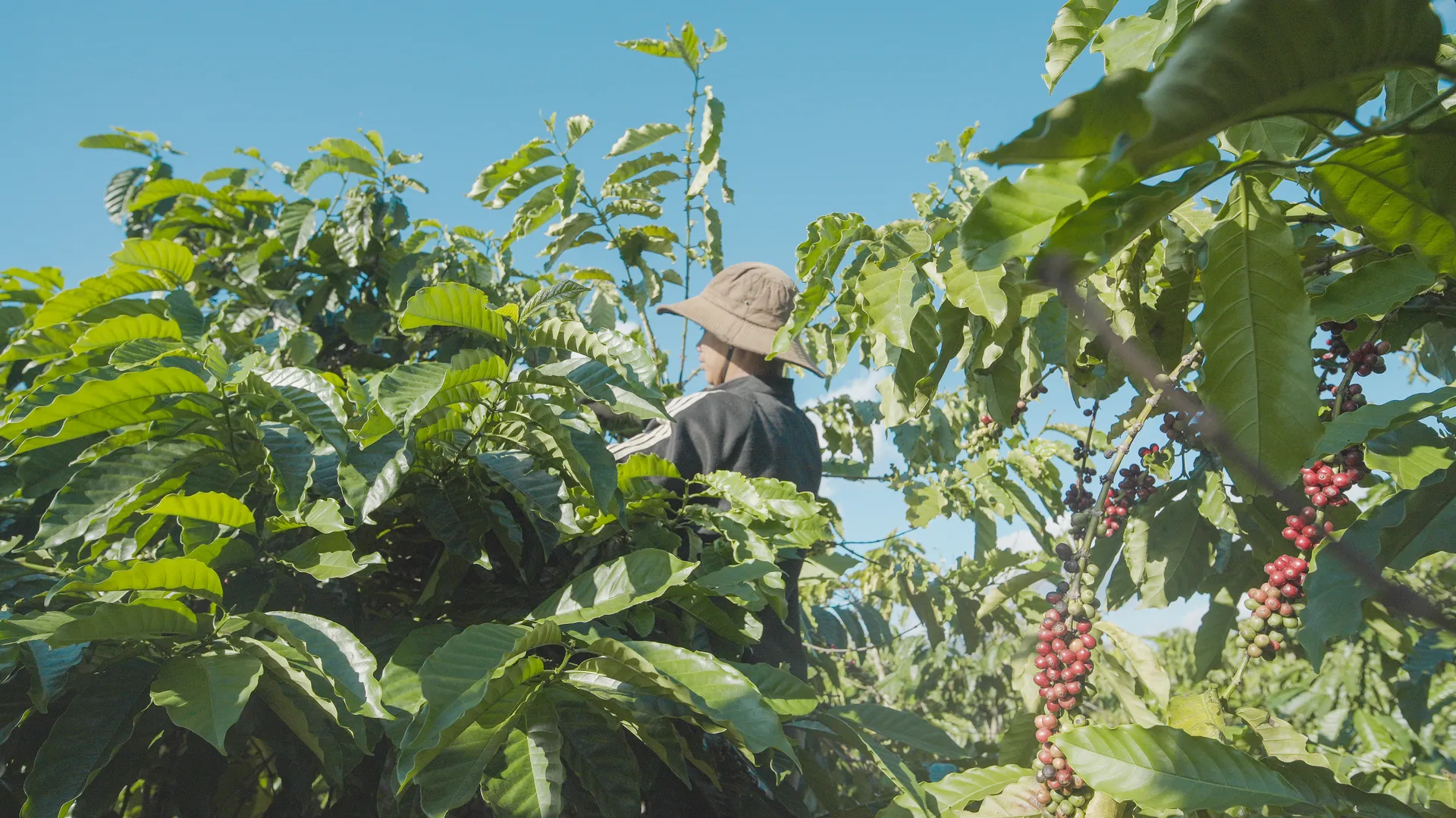
These terms get used loosely across the industry, but understanding the difference helps a buyer know what they’re actually evaluating before comparing specific companies. Coffee bean providers is a broad term covering almost anyone in the supply chain, trading companies, brokers, exporters, and doesn’t by itself indicate direct control over sourcing or processing. Coffee beans distributors typically resell coffee already processed by someone else, often blending supply from multiple sources, which can introduce inconsistency between orders even when the beans nominally carry the same grade. A supplier with direct sourcing control, whether operating its own processing facility or maintaining direct farmer partnerships, generally offers more consistency for bulk buyers than one further removed from the actual growing and processing process.
Coffee Bean Supplier vs Distributor vs Provider: Why the Distinction Matters
Leading Coffee Beans Wholesale Suppliers for Bulk and Import Buyers
Intimex Group
Vietnam’s largest coffee exporter by volume, Intimex operates processing facilities across Dak Lak, Lam Dong, and Gia Lai and ships to the EU, US, and other major markets. The company maintains direct partnerships with thousands of smallholder farmers and offers a product range from standard commercial Robusta through specialty grades and organic certified beans. Intimex suits importers whose primary requirement is guaranteed volume at industrial scale.
Simexco Daklak
Closely associated with the EU market specifically, Simexco Daklak supplies Robusta, Fine Robusta, and specialty grade coffee from a large raw material base across the Central Highlands. The company holds Rainforest Alliance, UTZ, and 4C certifications and has invested in building the “Buon Ma Thuot coffee” name internationally. Importers prioritizing sustainability documentation alongside meaningful volume frequently shortlist Simexco.
Vinh Hiep
Operating from Pleiku since 1991, Vinh Hiep processes around 30,000 tons of coffee annually through partnerships with more than 10,000 farming households, and was among the first Vietnamese companies to export certified organic coffee into the EU. The company is known for accommodating detailed custom processing specifications, making it a relevant option for buyers who need organic certification alongside precise technical requirements.
NKG Vietnam
As the local subsidiary of Neumann Kaffee Gruppe, headquartered in Hamburg, NKG Vietnam builds its grading, documentation, and technical standards around European buyer expectations from the outset. This makes it a strong fit for importers who want a supplier already fluent in EU specification requirements, though buyers should expect processes closer to institutional trading than boutique flexibility.
Phuc Sinh Group
Known primarily for pepper, Phuc Sinh has built coffee into a major part of its business through a deep processing, farm to cup model emphasizing traceability and sustainable production practices. The company suits importers who weigh sourcing transparency as heavily as price and volume.
Helena Coffee
Founded in 2016 in Buon Ma Thuot and ISO 22000 certified, Helena Coffee operates its own processing facilities and supplies both commercial and specialty grade Robusta and Arabica, exporting to more than 50 countries. Its broad international footprint makes it a relevant reference point for importers comparing suppliers with wide market reach.
1300’S Coffee
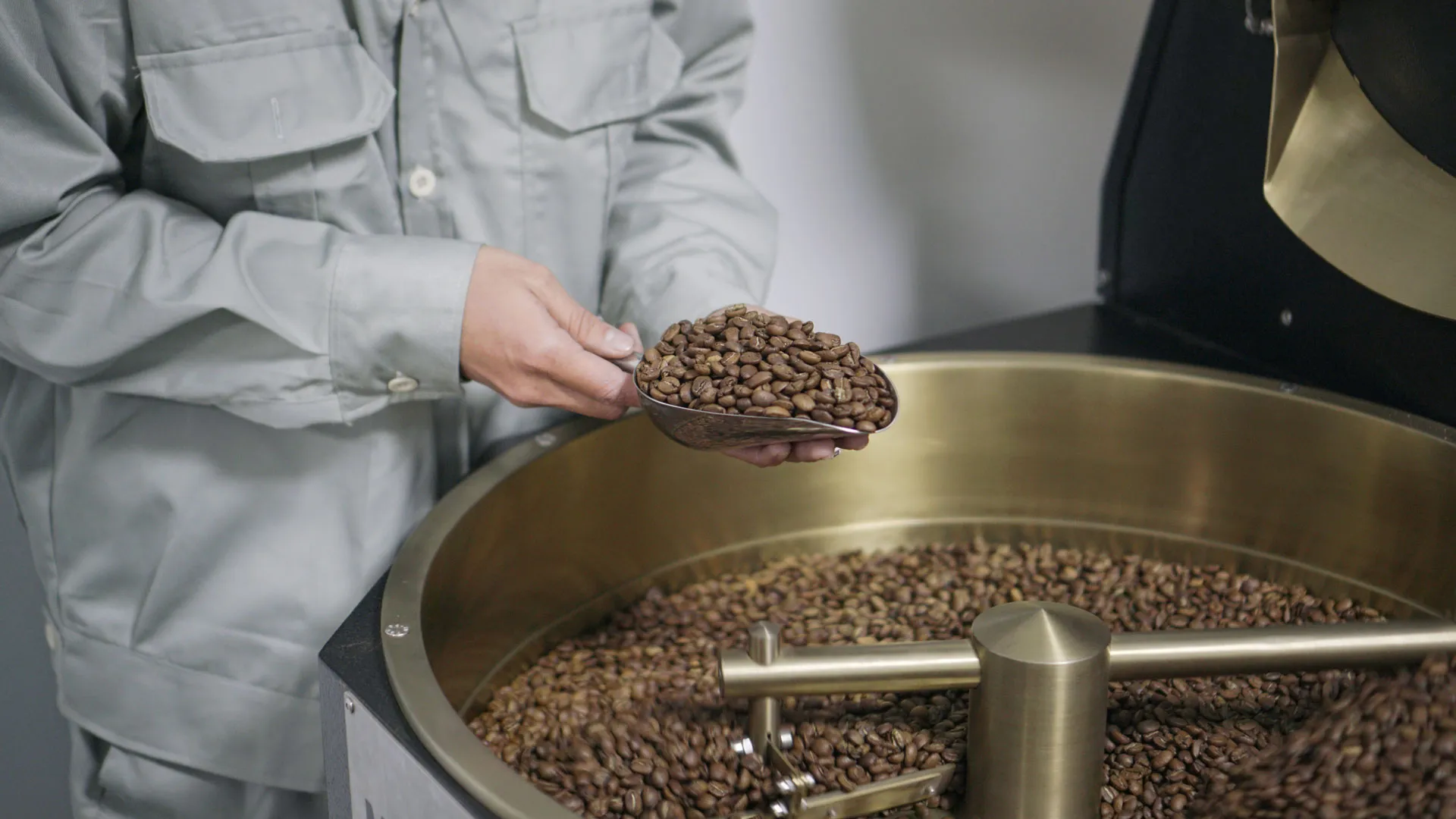
Operating from the Mang Den highlands of Kon Tum province, 1300’S Coffee is a vertically integrated coffee bean supplier controlling sourcing through direct farmer partnerships rather than a fragmented network of intermediaries. Compared to the larger names above, 1300’S Coffee sits closer to the boutique end in terms of order flexibility and private label customization, while maintaining ISO 22000, HACCP, FDA, and OCOP certifications and quality control managed through an in-house lab. Buyers can also verify sourcing directly through the company’s Kon Tum farm tour program before committing to recurring volume.
How These Suppliers Compare by Buyer Need
Reading through seven profiles in sequence makes it easy to lose track of which name actually fits a specific sourcing brief. The table below condenses the list into a faster reference: match your primary requirement on the left to the supplier most likely to meet it on the right, then return to that company’s profile above for the full detail before reaching out.
| If you need | Consider |
|---|---|
| Maximum volume at industrial scale | Intimex Group |
| EU-specific sustainability certifications | Simexco Daklak |
| Certified organic coffee with an EU export track record | Vinh Hiep |
| Documentation already built to European technical standards | NKG Vietnam |
| Deep processing and sourcing transparency | Phuc Sinh Group |
| Broad international market reach | Helena Coffee |
| Batch-level flexibility, traceability, and private label options | 1300’S Coffee |
A pattern worth noticing in this table is that scale and flexibility tend to move in opposite directions. The suppliers best suited to maximum volume, EU-wide certification programs, or broad international distribution are almost all large, established exporters where a buyer plugs into an existing system rather than shaping it. The supplier suited to private label work, custom batches, or closer sourcing involvement tends to be smaller and more willing to configure production around a single buyer’s brief. Neither position is objectively better, but conflating the two, expecting boutique-level customization from a large-volume exporter, or expecting container-scale flexibility from a farm-direct specialty producer, is where most mismatches between buyers and coffee beans wholesale suppliers actually originate.
Sourcing Arabica and Robusta at Import Volume
Bulk buyers typically need clarity on both major varietals, since many import programs include both, whether for blending or serving different product lines.
Robusta
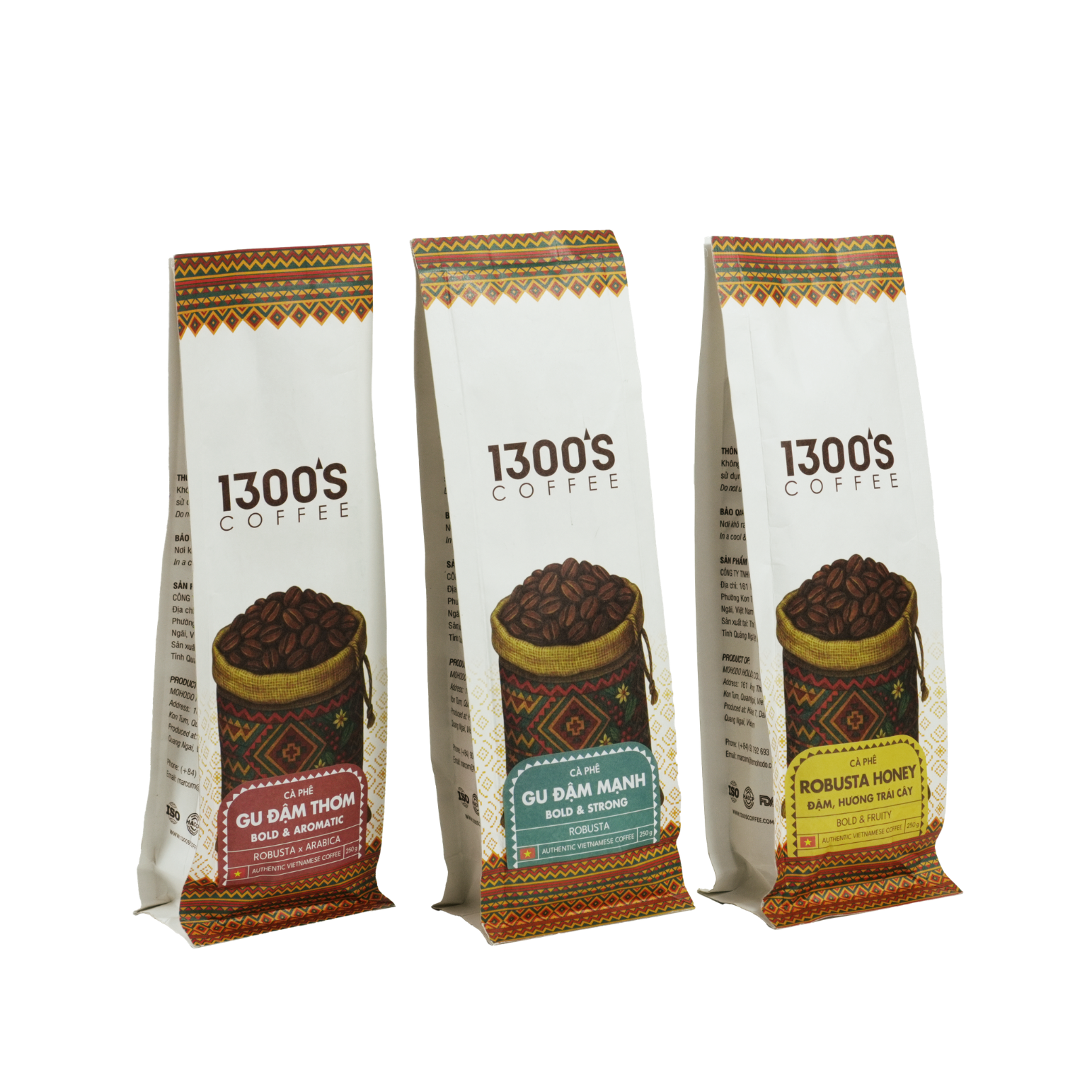
Vietnam’s position as the world’s largest Robusta producer means import volume is rarely the constraint; consistency and grading transparency are what separate reliable robusta coffee beans suppliers from the rest of the market. Buyers sourcing robusta coffee wholesale should request screen size, defect count, and moisture data specific to each shipment rather than a general grade classification, and should confirm whether a supplier can differentiate standard commercial grade from Fine Robusta if a premium blend component is needed.
Robusta Coffee Wholesale by 1300’S Coffee
Arabica
An arabica coffee supplier sourcing from Vietnam’s higher-altitude regions, including Lam Dong, Son La, Quang Tri, and Kon Tum, can offer more complex flavor profiles than lowland commodity-grade beans, relevant for importers building blends that require Arabica’s acidity and body alongside Robusta’s strength and crema characteristics.
Green Bean Wholesale for Importers Who Roast Domestically
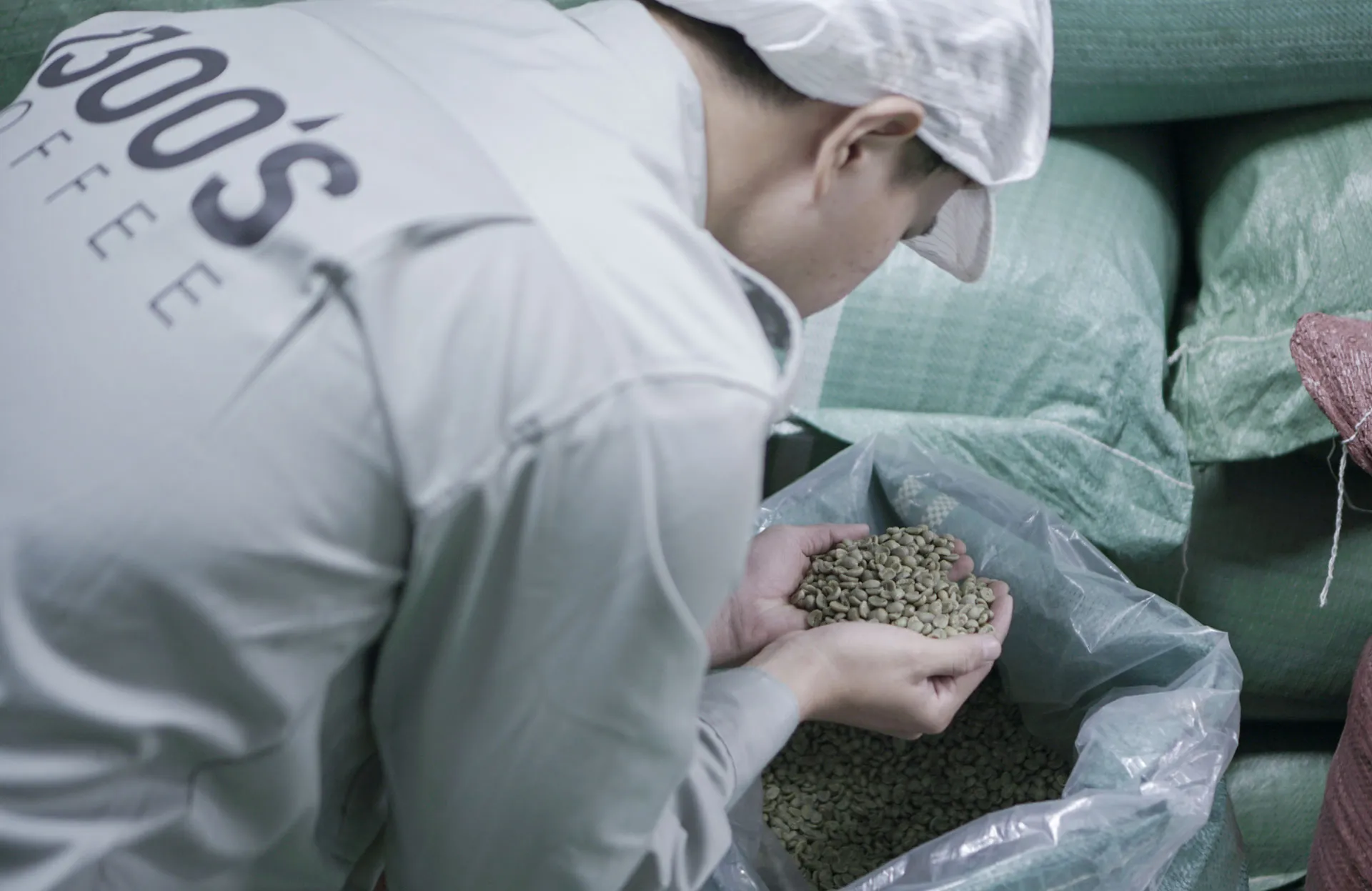
Many bulk buyers, particularly established roasters, prefer to control their own roast profile and therefore need green bean wholesale supply rather than a finished roasted product. This requires detailed grading data per lot (screen size, density, defect count, crop year), moisture content suited to the buyer’s shipping and storage timeline, and clear processing method documentation. Importers sourcing green bean wholesale volume should also confirm packaging standards, hermetic liner bags within jute or polypropylene sacks are standard for protecting quality during long transit.
Specialty Grade Options at Wholesale Volume
Not every bulk order is commodity grade. Importers building a premium or specialty product line need a coffee bean supplier that can also function as a genuine specialty coffee supplier, offering lot-specific cupping scores, documented processing methods, and consistent quality at volumes larger than a typical boutique batch. This combination, specialty grade quality delivered at genuine bulk volume, is worth confirming directly with case-specific cupping data rather than a general “specialty available” claim.
What Separates the Best Coffee Bean Suppliers From the Rest
For importers comparing multiple coffee bean suppliers wholesale options, a few factors consistently distinguish the best coffee bean suppliers in the market: volume consistency across a recurring order schedule rather than just a single successful shipment, transparent communication on lead times across peak harvest versus off-season periods, willingness to support a trial order before committing to a full container, direct answers on certification and EU Deforestation Regulation compliance status, and a single point of contact who understands both the product and the logistics involved in getting it to your market.
Logistics, Documentation, and Compliance for International Buyers
Bulk and import buyers deal with a layer of logistics that smaller orders don’t require the same scrutiny on. Confirm available Incoterms (FOB, CIF, and others) and how responsibility transfers between buyer and supplier at each stage. Request sample export documentation in advance, commercial invoice, packing list, bill of lading, certificate of origin, and phytosanitary certificate, so your own customs or logistics team can review the format before a live shipment is in transit. For EU-bound orders, confirm each supplier’s EU Deforestation Regulation compliance status directly, including what percentage of their sourcing is currently geo-mapped.
Getting Started
Bulk and import buyers evaluating any of the suppliers above should request a sample lot and cupping data, confirm certification and EUDR compliance status directly, and start with a trial order before scaling to a full container or recurring purchase schedule. Looking to evaluate a vertically integrated supplier alongside the rest of this list? Request a sample and pricing details from 1300’S Coffee to compare consistency, documentation, and lead times firsthand.
Read more: Coffee Bean Manufacturer for Private Label and OEM Brands in Vietnam


1300s BLOG YOU MAY ALSO BE INTERESTED IN
7 Things Every Importer Should Know Before Choosing an Instant Coffee Manufacturer
How to Partner with Bulk Green Coffee Beans Suppliers for Your Roastery
How Is Vietnamese Coffee Made? From Harvest to Cup