


Can You Eat Raw Coffee Beans What Actually Happens If You Do
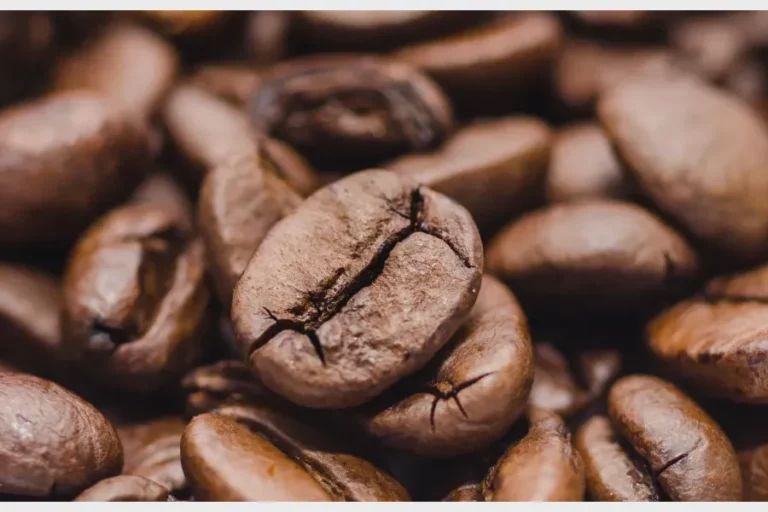
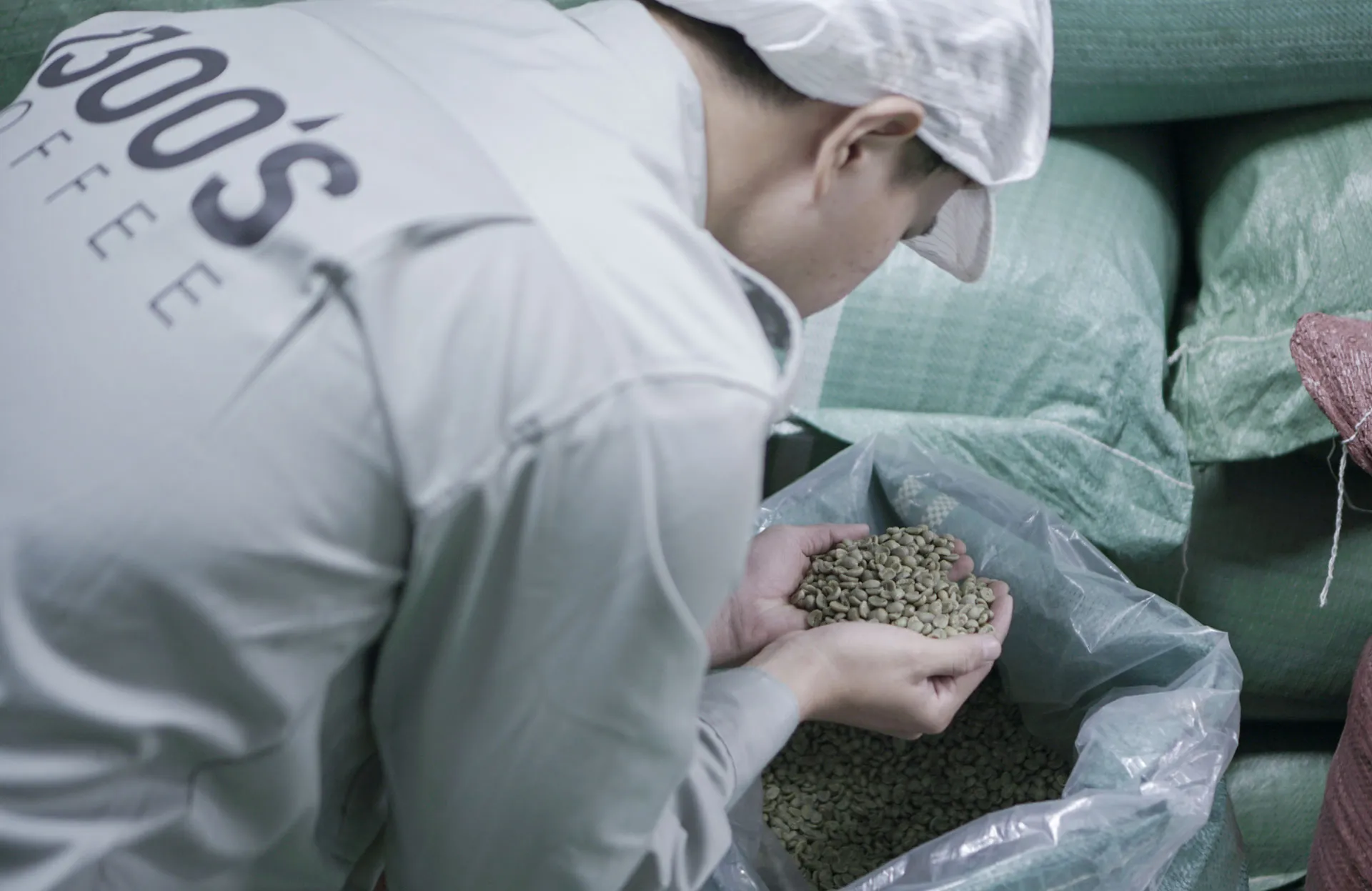
Anyone who’s ever held a handful of green coffee beans has probably wondered whether they’re actually edible in their unroasted state, and the answer turns out to be more nuanced than a simple yes or no. Can you eat raw coffee beans without getting sick? Technically yes. Should you? That depends on how much, why, and what you’re actually expecting the experience to feel like. This guide walks through what happens biologically and sensorially when you eat coffee beans before they’ve been roasted, and explains why coffee ends up in roasted, ground, and other processed forms rather than sold as a raw snack in the first place.
Can You Eat Raw Coffee Beans Yes But Understand What Happens
The short answer is that raw coffee beans are not toxic and won’t cause serious harm in small quantities, but eating them delivers a genuinely different and generally less pleasant experience than most people expect. Between the intense bitterness, a concentrated hit of caffeine, and potential digestive discomfort, most people who try eating raw coffee beans out of curiosity don’t repeat the experience. Understanding exactly why requires looking at what raw coffee beans actually contain and how that differs from the roasted product almost everyone actually consumes.
What Raw Coffee Beans Actually Taste Like
Before getting into safety considerations, it helps to understand why raw coffee beans taste so different from what most people associate with coffee flavor at all.
Why Raw Beans Taste Bitter and Grassy
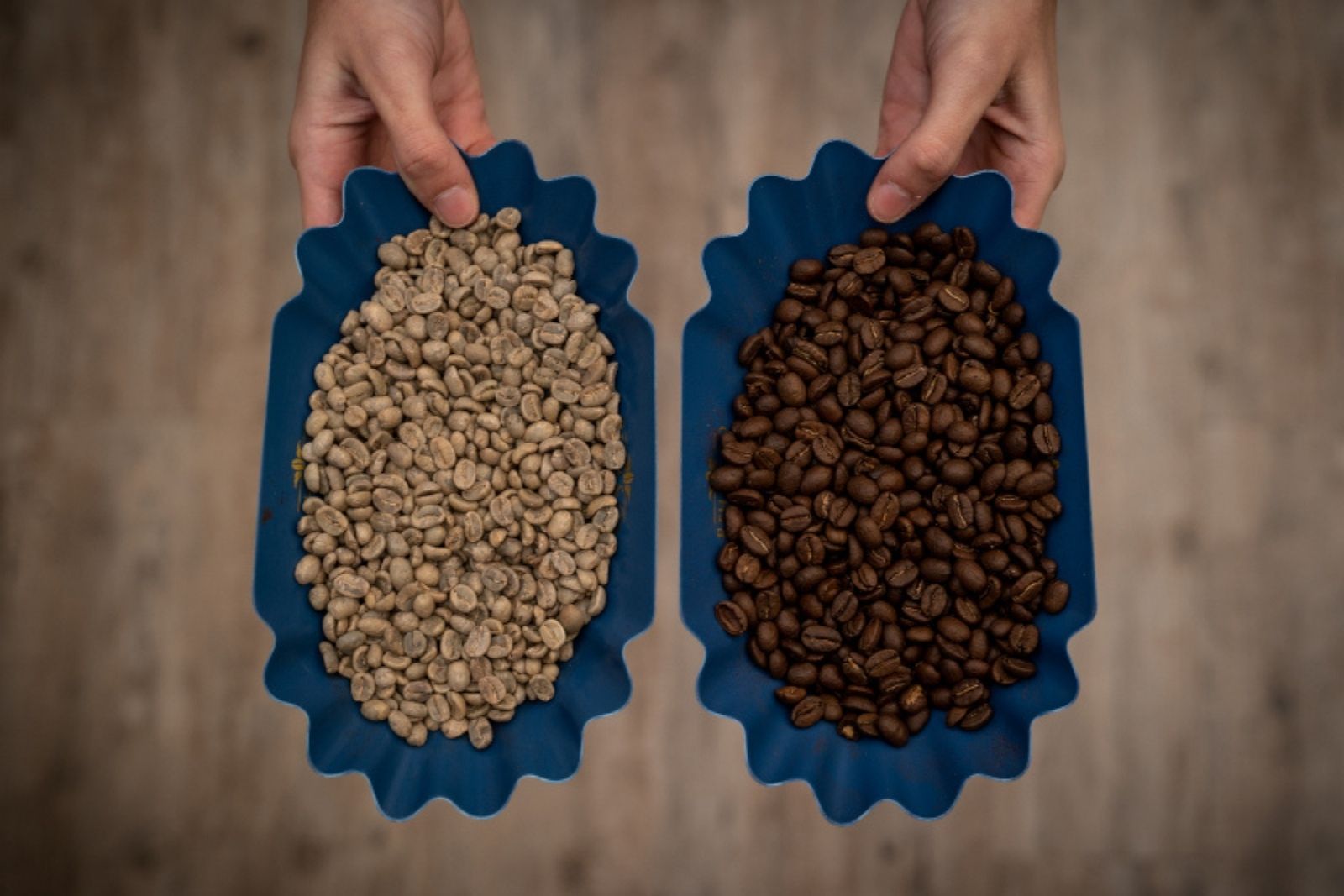
Unroasted coffee beans carry a sharp, intensely bitter, grassy flavor that bears little resemblance to the rich, complex taste roasting eventually develops. This is because roasting triggers the Maillard reaction and caramelization, chemical processes that break down raw plant compounds and develop entirely new flavor molecules responsible for coffee’s familiar aroma and taste. Without that heat driven transformation, raw beans retain a flavor profile closer to a bitter, starchy seed than anything recognizable as the beverage people actually drink. The texture presents its own challenge too, raw beans are notably hard and dense, requiring considerable chewing effort compared to the more brittle, easily broken texture roasted beans develop through the heat and moisture loss involved in the roasting process.
Comparing Raw to Roasted Flavor
The difference between raw and roasted coffee flavor is considerably more dramatic than the difference between, say, a light roast and a dark roast of the same bean, since both of those still went through the same fundamental transformation process. Someone expecting raw coffee beans to taste like a milder or simpler version of their morning cup is generally surprised by just how unrelated the two experiences actually are, closer to chewing on a bitter, woody seed than tasting anything resembling brewed coffee.
Comparing Raw to Roasted Flavor
The Caffeine Concentration Problem
Beyond flavor, the more practically important consideration when asking can you eat raw coffee beans involves how much caffeine you’re actually consuming and how quickly your body absorbs it.
How Much Caffeine Is in a Handful of Raw Beans
Raw coffee beans contain roughly the same total caffeine content as their roasted counterparts, since roasting causes only a very slight caffeine reduction rather than eliminating a meaningful portion of it. A single coffee bean contains somewhere around 6 milligrams of caffeine on average, meaning a modest handful, perhaps 20 to 30 beans, delivers caffeine roughly equivalent to a strong cup of brewed coffee, but concentrated into a much smaller volume that’s easy to underestimate while eating. This concentration effect is worth emphasizing, since a cup of coffee takes several minutes to drink, spreading caffeine absorption out somewhat, while a handful of beans eaten in a minute or two delivers a comparable dose in a much more compressed timeframe, which can make the physical sensation of the caffeine hitting feel considerably more sudden and intense than the equivalent amount consumed through a beverage.
Signs of Caffeine Overconsumption
Because it’s easy to eat a meaningful quantity of beans quickly without realizing how much caffeine that represents, symptoms of overconsumption, jitteriness, a racing heart, anxiety, or difficulty sleeping if consumed later in the day, can appear more suddenly than they would from sipping an equivalent amount of caffeine slowly through a brewed cup. People sensitive to caffeine or those who don’t regularly consume much of it should be particularly cautious, since the concentrated, rapid delivery from eating beans directly hits differently than the same total caffeine spread across a slowly consumed beverage. Anyone who does experience uncomfortable symptoms after eating raw beans should stay hydrated, avoid consuming any additional caffeine for the rest of the day, and simply wait out the effects, since caffeine’s half life means symptoms typically resolve within several hours without requiring any specific intervention beyond time and patience.
What Raw Coffee Beans Actually Contain Nutritionally
Beyond caffeine and flavor compounds, raw coffee beans carry a nutritional profile worth understanding before deciding whether eating them holds any real appeal beyond curiosity.
Antioxidants and Chlorogenic Acids
Raw coffee beans are notably rich in chlorogenic acids, a class of antioxidant compounds that roasting actually reduces significantly through heat exposure. This is part of why green coffee extract, a concentrated supplement derived from unroasted beans, has been marketed around these specific antioxidant compounds, though eating whole raw beans delivers a far less concentrated and considerably less palatable version of the same basic compounds compared to a purpose made extract supplement.
Fiber and Other Plant Compounds
Coffee beans also contain a meaningful amount of dietary fiber and other plant compounds typical of a dried seed, though the tough, dense texture of raw beans makes them a genuinely difficult food to actually chew and digest in any meaningful quantity, limiting how much of this nutritional content most people would realistically consume by eating the beans directly rather than through other preparation methods.
Digestive Effects of Eating Raw Coffee Beans
Raw coffee beans also tend to be harder on digestion than their roasted counterparts, both due to their tougher, less broken down texture and the concentration of certain acids and compounds that roasting typically reduces. Some people experience stomach upset, acid reflux, or general digestive discomfort after eating raw beans, effects that are less commonly reported at the same intensity from drinking brewed coffee made from the same beans. This digestive sensitivity varies considerably by individual, and people with existing acid reflux or sensitive stomachs should be more cautious than those without those particular concerns. The chlorogenic acids that give raw beans their notable antioxidant content are themselves partly responsible for this digestive irritation, since these compounds are more concentrated and less broken down in raw form than they are after roasting reduces their overall presence. Chewing raw beans thoroughly, rather than swallowing them in larger pieces, may reduce some digestive discomfort simply by easing the physical digestive burden, though it does nothing to change the underlying chemical irritation some people experience regardless of how finely the beans are chewed.
Why This Question Comes Up So Often
Curiosity about can you eat raw coffee beans tends to spike among a few recurring groups of people, and understanding why helps explain why this remains such a persistently searched question despite the underlying answer being fairly consistent.
Home Roasters Handling Green Coffee Directly
People who roast their own coffee at home are the group most likely to actually have raw beans on hand and wonder about them directly, simply because green coffee sits in their kitchen or pantry as a matter of course rather than something they’d need to seek out specifically. This practical proximity naturally leads to curiosity that someone who only ever buys pre-roasted coffee would never really encounter.
General Food Curiosity and Trend Driven Interest
Beyond home roasters, general food curiosity, occasionally amplified by social media trends experimenting with unconventional foods, drives a steady stream of interest in the question independent of any practical need to actually know the answer. This kind of curiosity driven interest explains why the question remains a consistently searched topic even though the practical use case, someone actually needing to decide whether to eat raw beans right now, is relatively uncommon.
Historical and Cultural Precedent for Chewing Coffee Beans
Despite the modern novelty framing around the question can you eat raw coffee beans, chewing coffee cherries and beans actually predates brewed coffee as a method of consumption by a significant margin, and understanding this history adds useful context to the modern curiosity.
East African Traditions
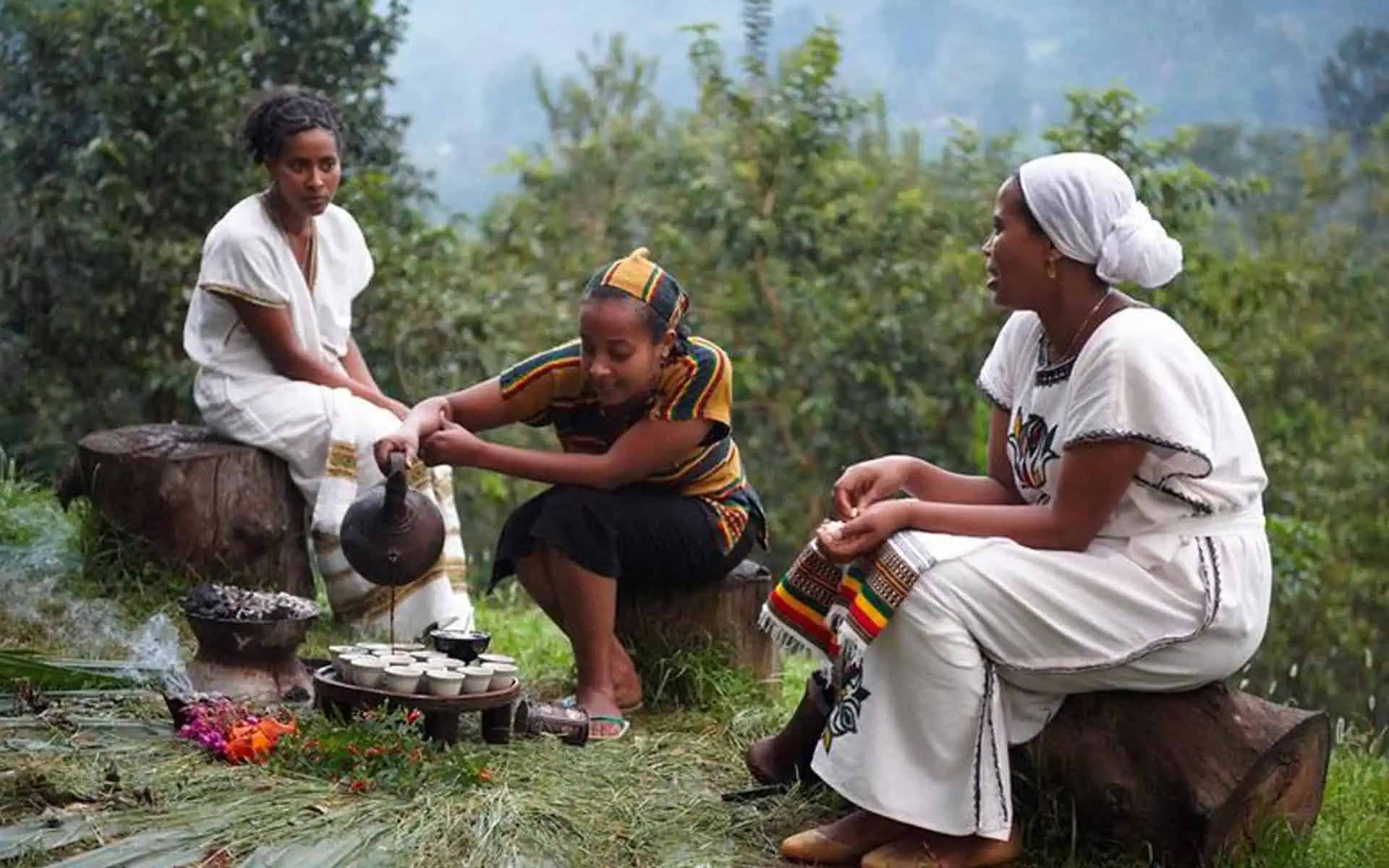
In parts of Ethiopia, widely regarded as coffee’s ancestral home, communities have historically consumed coffee cherries and beans in forms other than brewing, including mixing ground coffee with fat to create an energy dense paste consumed before long journeys or physical exertion. Some accounts describe whole roasted beans, rather than raw ones specifically, being chewed directly for a quick energy boost, a practice that persists in some form in certain communities today. This tradition reflects an early recognition of coffee’s stimulant properties well before the roasting and brewing methods familiar today became the dominant way of consuming it, though it’s worth noting that even these traditional practices generally involved some form of processing rather than eating beans in a completely raw, unprocessed state straight from the cherry.
East African Traditions
Why Chocolate Covered Espresso Beans Are Different
It’s worth clarifying a common point of confusion here, chocolate covered espresso beans, a popular snack in many markets, are made from fully roasted coffee beans, not raw ones. The roasting process is what makes them palatable as a snack food in the first place, developing the rich, less bitter flavor that pairs well with chocolate coating, an experience that has essentially nothing in common with eating truly raw, unroasted beans despite both technically being “coffee beans you eat directly.” Someone who’s enjoyed chocolate covered espresso beans and assumes raw beans would offer a similar, just less sweet, experience is in for a considerable surprise given how different the underlying flavor and texture actually are.
Is It Safe A Realistic Risk Assessment
For a healthy adult, eating a small quantity of raw coffee beans, a handful rather than a large sustained quantity, carries minimal serious risk beyond the caffeine and digestive considerations already covered. The bigger practical concerns involve caffeine sensitivity, existing digestive conditions, and simply the unpleasant taste and texture experience rather than any acute toxicity risk. People who are pregnant, have heart conditions, or are otherwise advised to limit caffeine intake for medical reasons should apply the same caution to raw beans that they would to any other concentrated caffeine source, since the caffeine itself doesn’t become safer or more dangerous based on whether it’s roasted. Children should generally avoid eating coffee beans in any meaningful quantity given how much smaller a caffeine dose it takes to produce a noticeable, potentially uncomfortable effect in a smaller body. There’s also a practical, less discussed risk worth mentioning, the hard, dense texture of raw beans presents a genuine choking hazard for young children in a way that most adults wouldn’t need to think twice about, another reason this remains firmly an adult curiosity rather than something to share casually with kids who might find a bowl of beans within reach. Pet owners should also keep raw coffee beans, along with any coffee product, well out of reach of dogs and cats, since caffeine toxicity in animals occurs at much lower doses relative to body weight than it does in humans, making even a small handful of beans a genuine veterinary concern rather than a minor curiosity for a household pet.
What This Means for How Coffee Is Actually Meant to Be Consumed
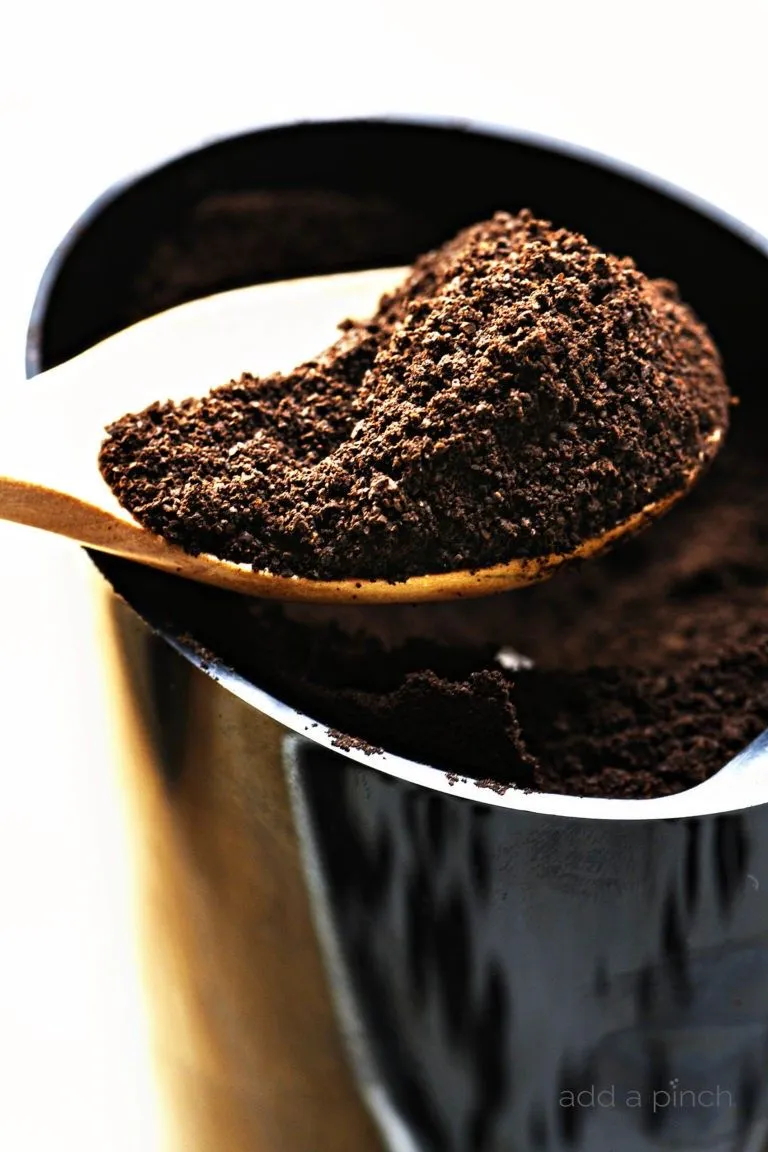
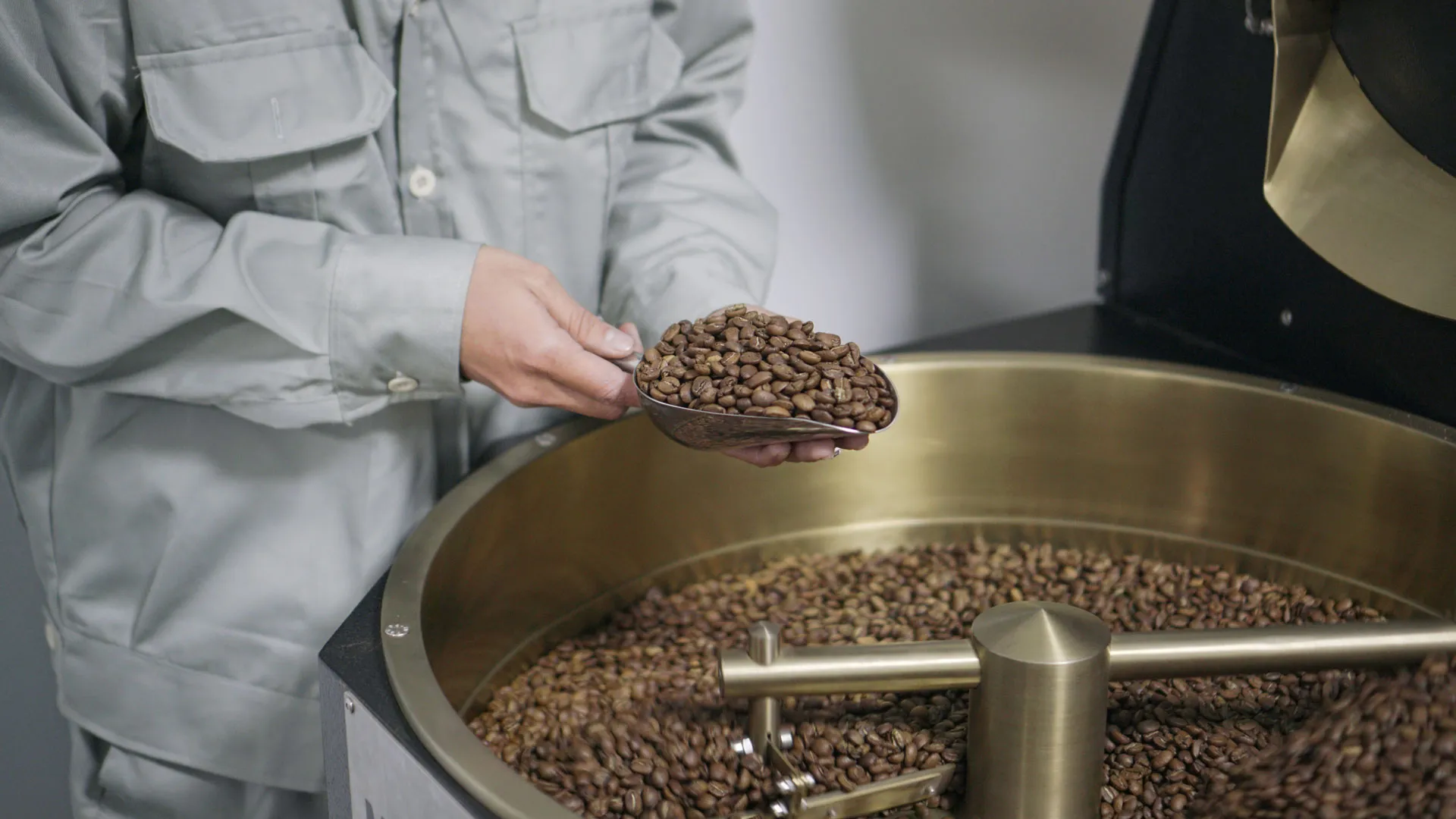
The whole exercise of asking can you eat raw coffee beans ultimately reinforces why the coffee industry exists around processing beans into specific consumable formats rather than selling them raw. Roasting transforms an intensely bitter, difficult to digest seed into the flavorful product that supports everything from roasted coffee wholesale supply for cafes and retailers through to ground coffee wholesale production calibrated for specific brewing methods. Instant coffee wholesale manufacturing takes this transformation even further, brewing and dehydrating roasted coffee into a soluble format specifically designed for fast, convenient preparation, a world away from the raw bean experience covered throughout this guide. Buyers planning an instant coffee bulk buy or working with a specialty coffee supplier for a premium product line built around a genuine specialty coffee wholesale program are, in effect, purchasing the end result of a processing chain specifically engineered to make coffee both safe and genuinely enjoyable to consume, rather than something anyone would actually choose over the raw alternative if given a real choice.
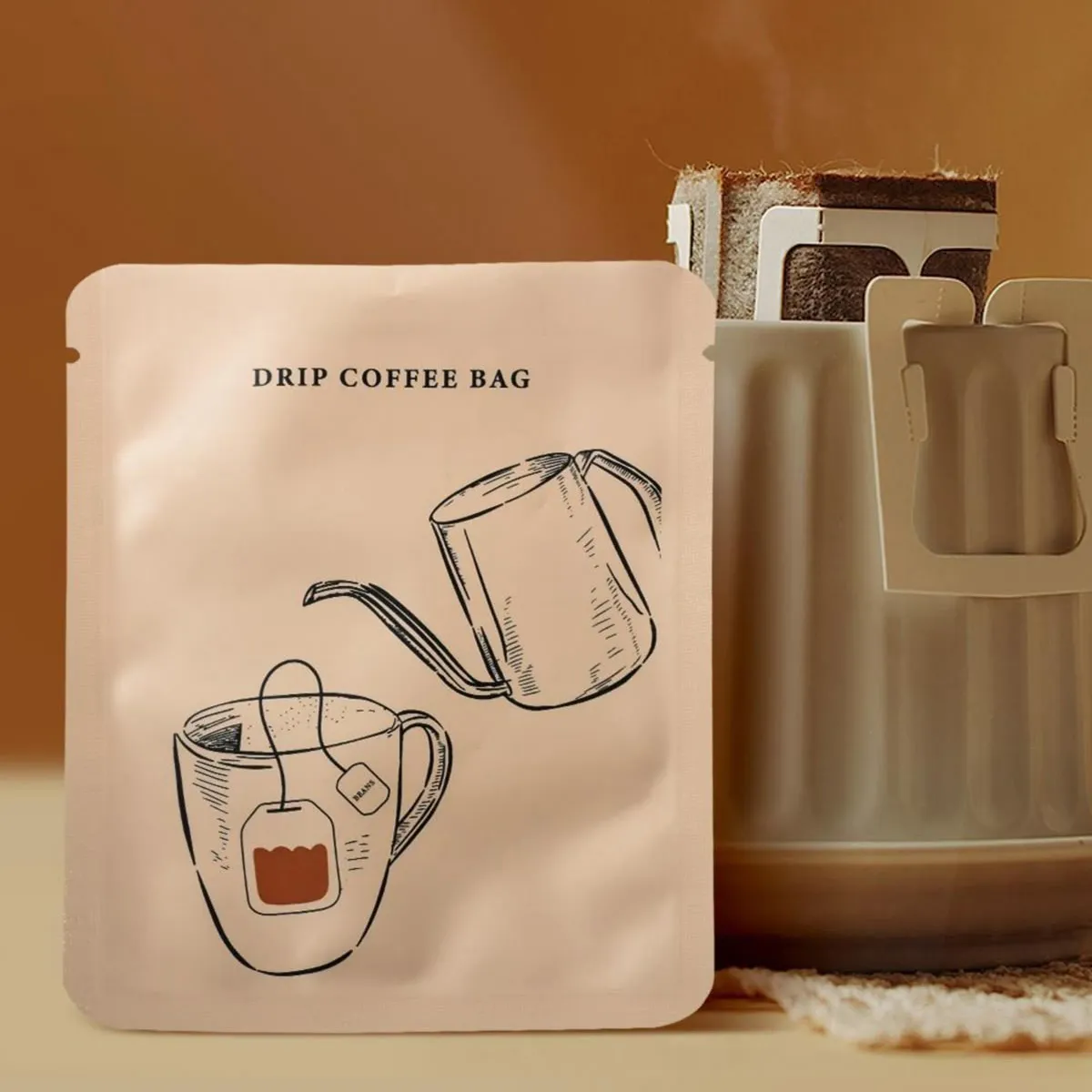
This same logic extends to newer formats like drip coffee bags, where a drip coffee supplier calibrates roasted, ground coffee specifically for convenient single serve brewing, another step removed from the raw bean that started the entire process. Understanding just how unpleasant and impractical raw coffee actually is as a direct food product makes the value of proper roasting, grinding, and format specific processing considerably clearer, these aren’t arbitrary industry steps, they’re what actually makes coffee the enjoyable, widely consumed product it is today rather than a bitter curiosity most people try once and never revisit. Every stage of that transformation, from harvest and processing at origin through to roasting, grinding, and final packaging, exists specifically to turn a genuinely unpleasant raw seed into something worth building an entire global industry and daily ritual around.
Getting Started
Whether you were simply curious whether can you eat raw coffee beans safely, or the question led you to think more about how coffee actually gets from an unroasted seed to your morning cup, the transformation coffee undergoes through roasting and further processing is what makes it worth drinking in the first place. Curious about the full journey from raw bean to finished product? Explore 1300’S Coffee’s range of roasted, ground, and instant coffee to see how proper processing turns raw coffee into something genuinely worth enjoying.
Read more: How Long Can Green Coffee Beans Be Stored: Shelf Life and Best Practices


1300s BLOG YOU MAY ALSO BE INTERESTED IN
How to Evaluate Top Specialty Coffee Roasters Before Importing
How to Choose a Reliable Speciality Coffee Company for International Buyers
What Is Coffee Sourcing?A Beginner’s Guide to How Coffee Reaches Buyers