



What Is Coffee Sourcing?A Beginner’s Guide to How Coffee Reaches Buyers
Every bag of coffee sitting on a shelf or brewing behind a cafe counter passed through a specific chain of decisions and relationships before it ever got there, and understanding what is coffee sourcing means understanding that full chain rather than just the final purchase transaction most people actually witness. Most consumers, and even many businesses just starting out, think of buying coffee as a single moment, choosing a bag or placing an order, when in reality that moment represents the endpoint of a much longer process involving farmers, cooperatives, exporters, importers, and often several additional intermediaries, each making decisions that shape what eventually reaches a buyer’s hands. This guide covers coffee sourcing as a concept, the actors involved, the different models businesses use to actually acquire coffee, and what genuinely good sourcing involves beyond simply agreeing on a price and placing an order.
What Is Coffee Sourcing The Basic Definition
At its core, coffee sourcing refers to the entire process of identifying, evaluating, and acquiring coffee, from the moment it’s still growing on a tree through to the point a buyer, whether a roaster, retailer, or distributor, actually takes possession of it. This includes decisions about which specific origin, farm, or cooperative to work with, how to verify quality and ethical standards, what price and terms to negotiate, and how the physical product actually moves from the growing region to wherever it’s needed next. Sourcing isn’t simply a single transaction, it’s an ongoing relationship and decision-making process that shapes everything downstream about a coffee’s quality, cost, and story. Two businesses selling what looks like a similar product on the shelf, roasted whole bean coffee from a similar price point, for instance, can have arrived at that product through genuinely different sourcing processes, one built on careful, ongoing farmer relationships and rigorous quality verification, the other built on whatever anonymous commodity lot happened to be available and cheapest at the time of purchase, a difference that consumers rarely see directly but that shapes flavor, consistency, and ethical impact considerably.
What Is Coffee Sourcing The Basic Definition
The Journey From Farm to Buyer
Understanding what is coffee sourcing in practical terms means following the specific actors and handoffs coffee passes through between growing and reaching a buyer.
Producers and Cooperatives
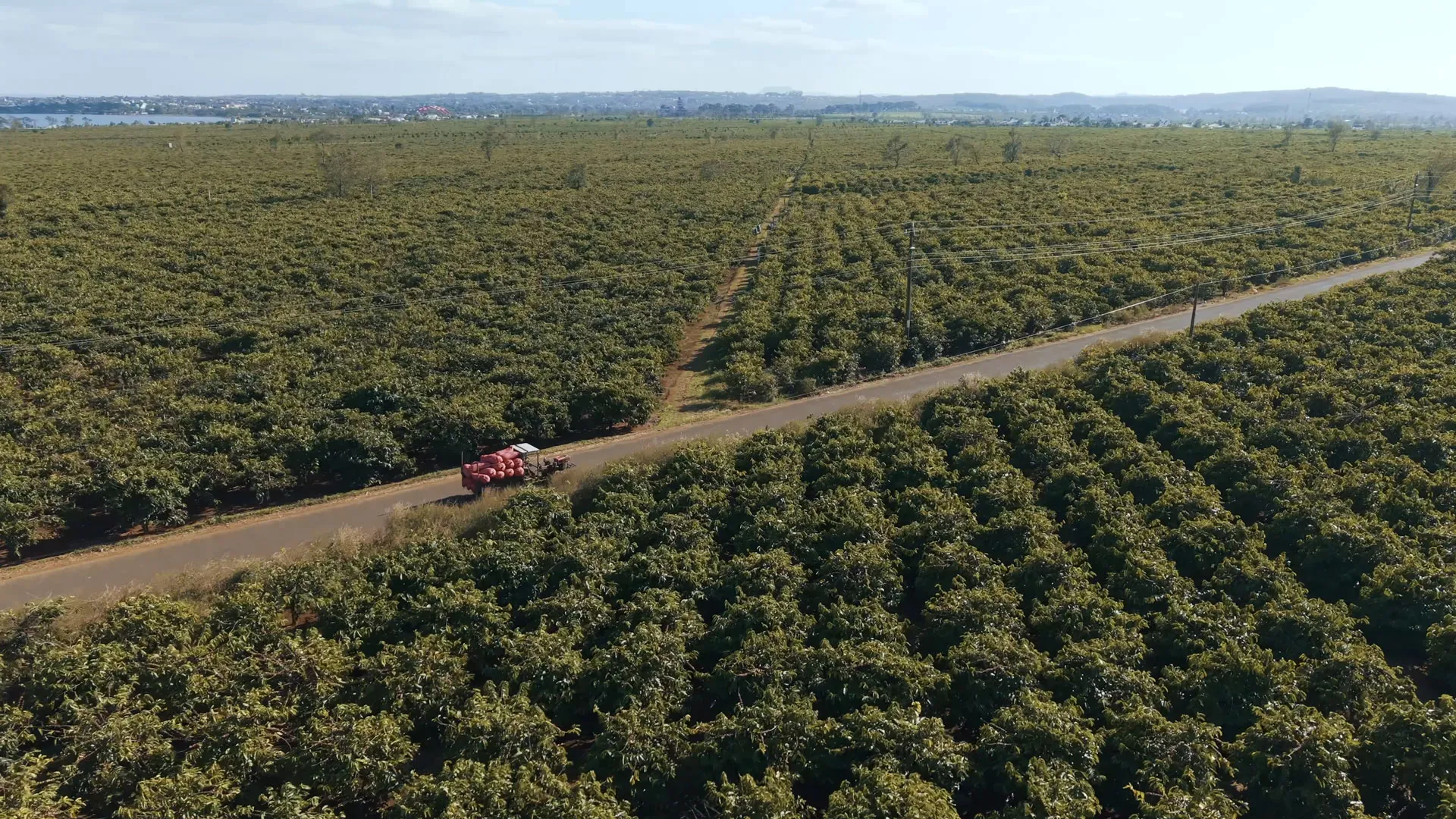
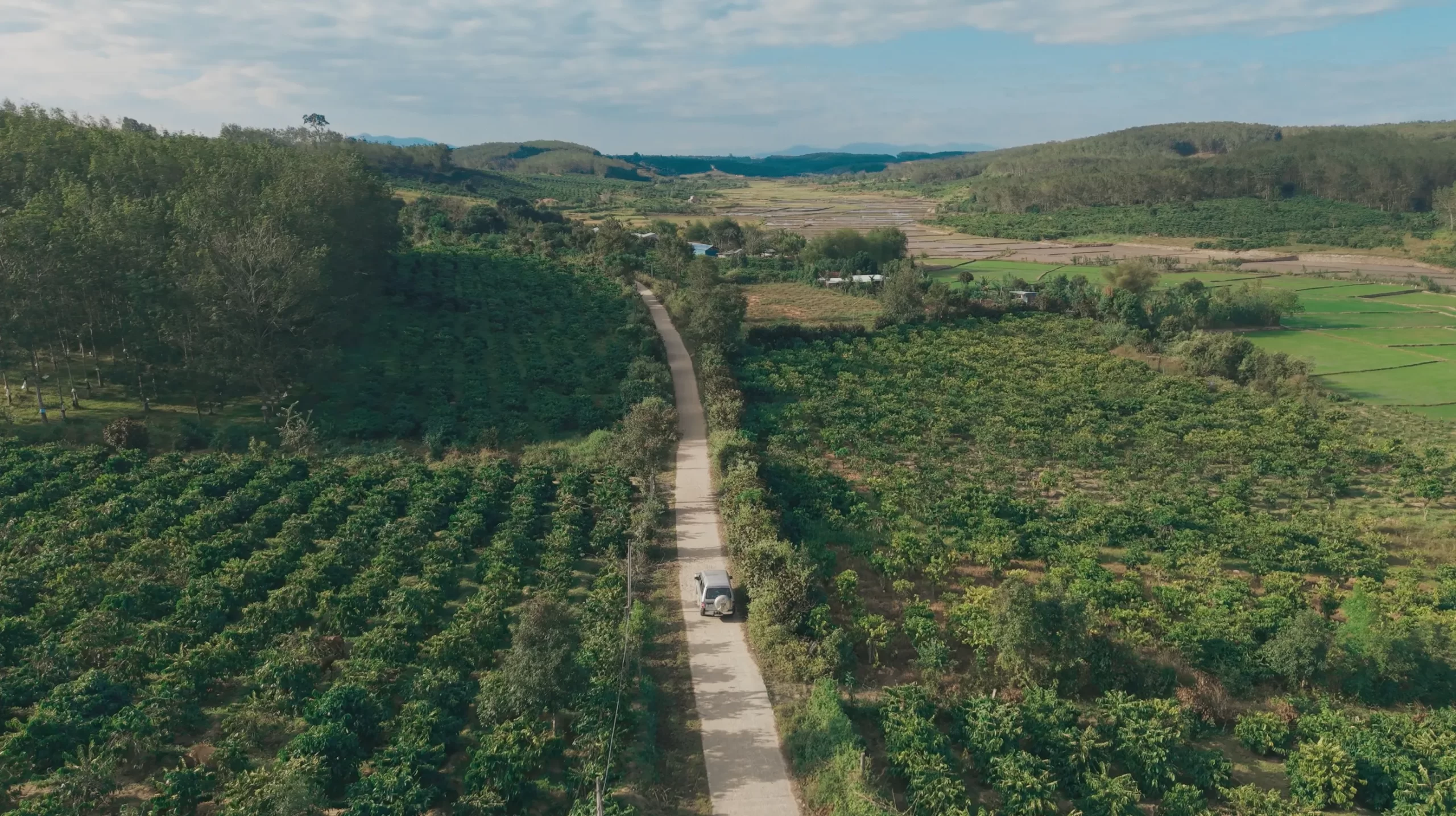
Coffee sourcing begins with the actual growers, ranging from smallholder farmers managing a few hectares to large commercial estates, sometimes operating independently and sometimes organized into cooperatives that pool resources for processing, quality control, and export logistics. Cooperatives specifically play a significant role in many origins, giving smaller farmers collective access to export markets, better pricing power, and quality infrastructure that an individual small farm typically couldn’t afford or justify building alone. This organizational structure matters directly to sourcing outcomes, a buyer working with a well-run cooperative often gains access to more consistent quality and volume than sourcing from a single small farm alone could provide, while still supporting the same smallholder farmers that direct trade with an individual farm would benefit.
Exporters and Importers
Once coffee is harvested and processed, exporters in the producing country handle the logistics of preparing coffee for international shipment, including documentation, quality grading, and coordinating with shipping companies, while importers on the receiving end manage customs clearance, warehousing, and distribution to domestic buyers. Some businesses operate as both exporter and importer within a single vertically integrated operation, while others specialize in just one side of this handoff, working with separate partner companies on the other end of each transaction. This exporter and importer relationship represents one of the most consequential handoffs in the entire sourcing chain, since documentation errors, quality misrepresentation, or simple miscommunication at this stage can create problems that ripple all the way through to the final buyer, making the choice of which specific exporter and importer to work with a genuinely important sourcing decision in its own right, not simply a logistical detail to handle after the more important sourcing decisions have already been made.
Roasters and Final Distribution
After importation, roasters transform green coffee into the roasted product most consumers actually recognize, then distribute it through retail, foodservice, or wholesale channels to reach final buyers. This stage is where sourcing decisions made much earlier in the chain, which farm, which processing method, which grade, finally become visible in an actual cup of coffee, meaning careful sourcing decisions upstream only pay off if the roasting and distribution stages downstream handle that coffee with equal care.
Different Sourcing Models Explained
Businesses acquiring coffee choose between genuinely different sourcing models, each with distinct tradeoffs around cost, quality control, and relationship depth.
Direct Trade Relationships
Direct trade sourcing involves a roaster or buyer working directly with a specific farm or cooperative, bypassing traditional trading intermediaries entirely. This model typically supports better farmer compensation and considerably more traceability than sourcing through multiple intermediary layers, though it requires more time investment building and maintaining those relationships, along with the logistics knowledge to manage international shipping without the traditional trading infrastructure that intermediaries otherwise provide. Businesses pursuing genuine direct trade relationships often invest in periodic origin visits specifically to maintain that relationship in person, since a purely remote relationship, however well-intentioned, tends to lose some of the depth and mutual understanding that regular in-person contact with a specific farm or cooperative actually builds over time.
Sourcing Through Brokers and Trading Companies
Many businesses instead source through brokers or established trading companies who maintain relationships with multiple producers and handle the logistics, documentation, and quality verification on behalf of buyers. This model trades some of direct trade’s deeper farmer relationship and traceability for genuine convenience and reduced logistics complexity, making it a practical choice for buyers who want quality coffee without building the specialized sourcing infrastructure a direct trade relationship typically requires. A well-established trading company often maintains long-term relationships with multiple producers across several origins, effectively doing much of the relationship-building and quality vetting work on a buyer’s behalf, though the depth and quality of that underlying vetting varies considerably between different trading companies, making the choice of which specific intermediary to work with just as important as the choice between direct trade and intermediary sourcing in the first place.
What Good Sourcing Actually Involves Beyond Buying
Understanding what is coffee sourcing fully means recognizing that genuine sourcing involves considerably more than simply agreeing on a price and placing an order.
Quality Verification and Documentation
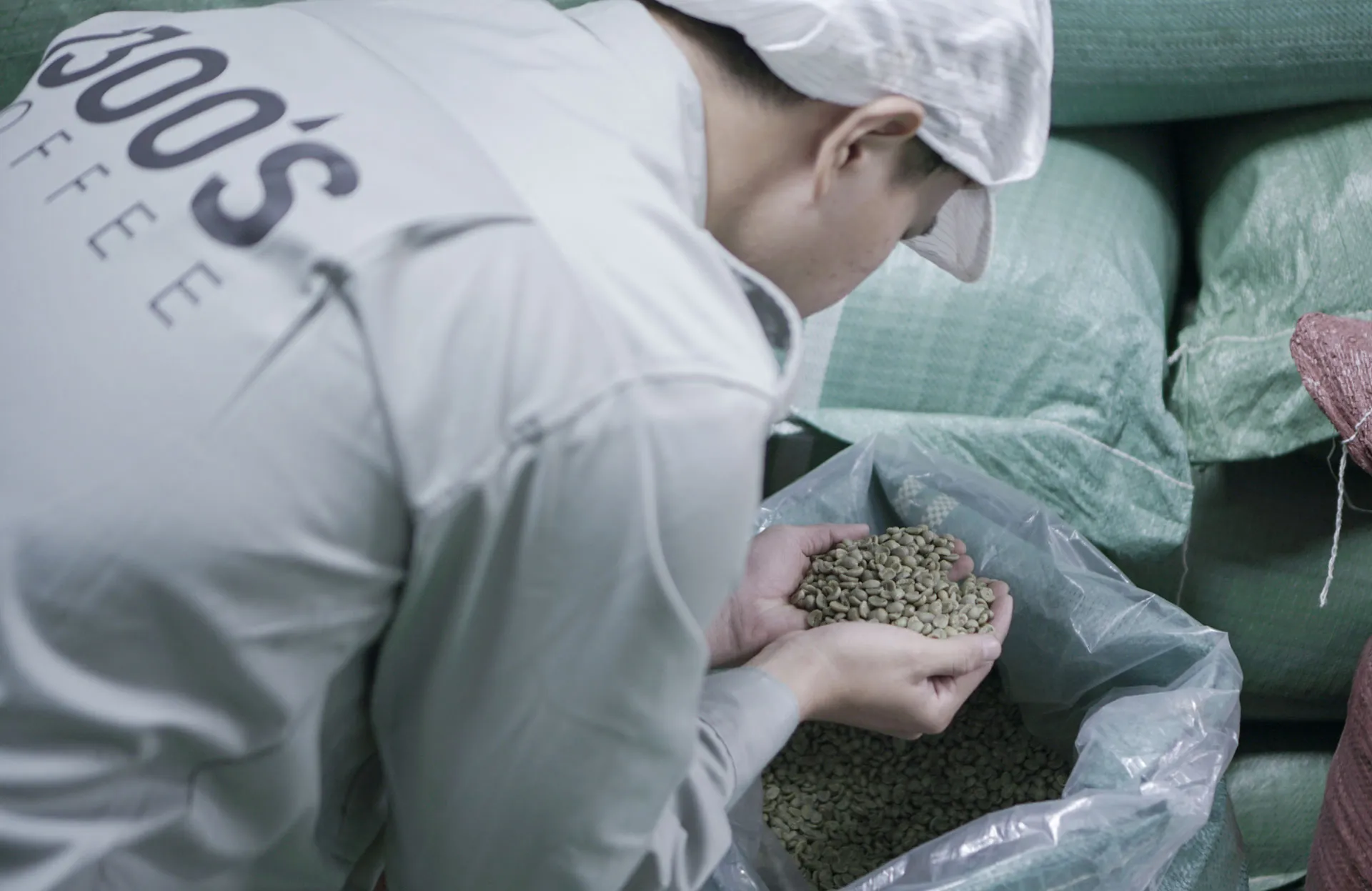
Good sourcing involves actual quality verification, requesting samples, reviewing cupping scores, and confirming defect counts and processing methods, rather than accepting a general quality claim without supporting evidence. A genuine specialty coffee supplier should readily provide this documentation, and a buyer’s willingness to request and review it, rather than accepting vague assurances, is itself part of what separates careful sourcing from simply making a transaction based on price and a seller’s general reputation alone. This verification process ideally happens before any commitment to a larger order, with a smaller trial purchase confirming that a specific lot actually performs as expected once it reaches the buyer, since even well-documented coffee can occasionally underperform once it’s actually roasted or brewed compared to how it looked on paper during the initial evaluation.
Ethical and Sustainability Considerations
Good sourcing increasingly involves evaluating labor practices, environmental impact, and fair compensation throughout the supply chain, not just the final price a buyer pays for the coffee itself. Certifications like Fair Trade, Rainforest Alliance, or direct trade relationships with documented farmer payment above commodity market rates all represent different approaches to addressing this dimension of sourcing, and buyers increasingly weigh these considerations alongside pure flavor and price when evaluating a potential sourcing relationship. This shift reflects broader consumer and business awareness that sourcing decisions carry real consequences for the people and communities actually growing the coffee, not just abstract quality or cost implications for the buyer, and a growing number of businesses now treat this ethical dimension as a genuine sourcing criterion rather than an optional add-on considered only after price and quality have already been settled.
Why Sourcing Model Affects Price and Quality
The sourcing model a business chooses directly shapes both what it pays and what quality and traceability it can realistically expect. Direct trade relationships typically command higher prices but deliver correspondingly deeper traceability and often better quality consistency, since the buyer maintains direct communication with the specific farm about their needs and expectations. Sourcing through brokers or trading companies typically costs less per unit but sacrifices some of that direct relationship depth, meaning quality consistency depends more heavily on the intermediary’s own vetting standards rather than a buyer’s direct relationship with the actual growing source. Neither model is universally correct, the right choice depends on a business’s specific priorities around cost, volume, and how much value they place on deep, direct farmer relationships versus operational simplicity.
How Sourcing Differs Across Coffee Formats
The fundamentals of what is coffee sourcing apply across every finished coffee format, though the specific practical considerations shift depending on what a business is actually building toward.
Sourcing for Roasted and Ground Coffee Production
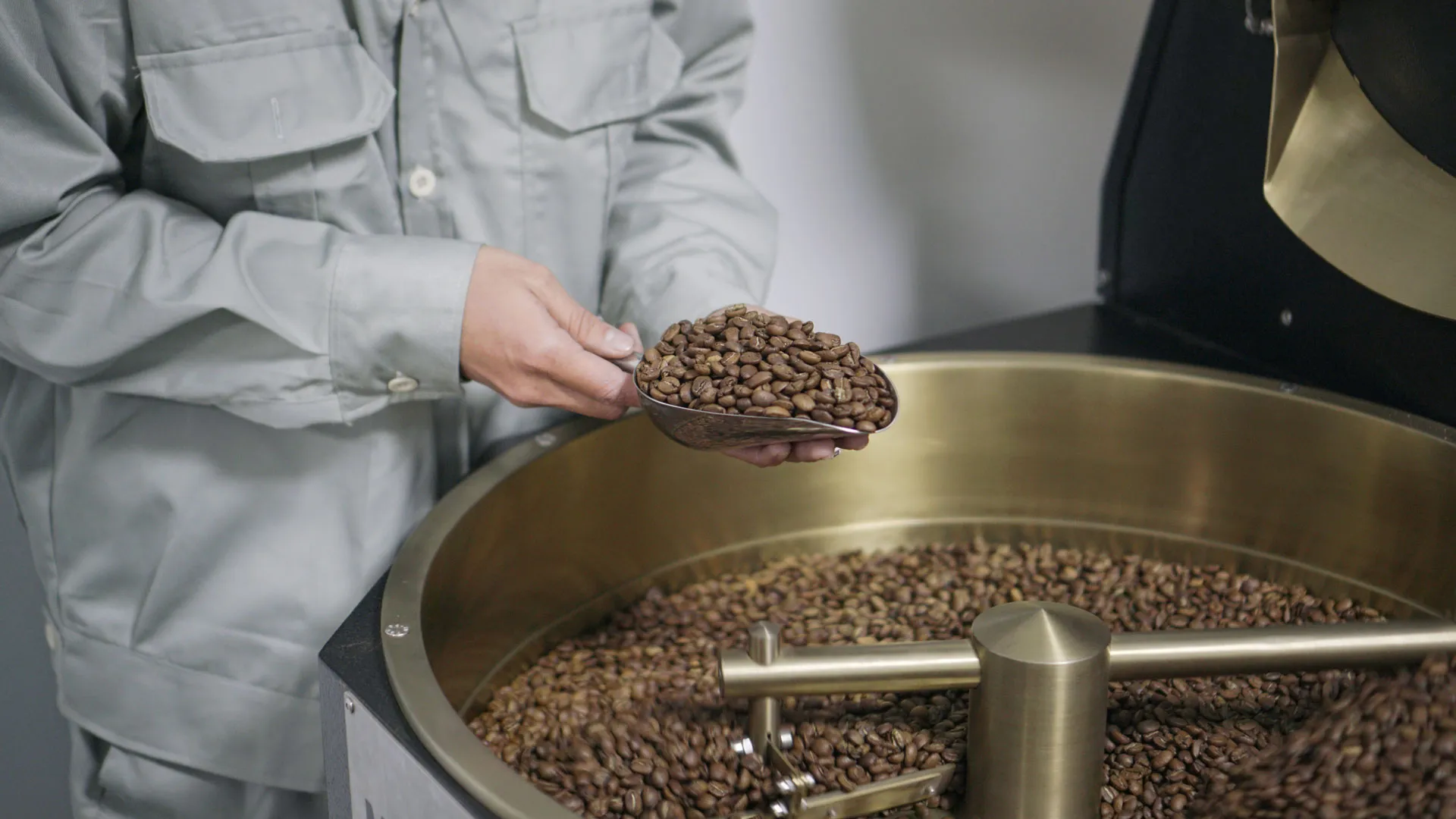
Businesses building a roasted coffee wholesale program need green coffee sourcing decisions that specifically account for how that coffee will actually roast, confirming moisture content, density, and processing method align with their intended roast profile rather than sourcing purely on flavor description alone.
Sourcing for Roasted and Ground Coffee Production
This same principle extends to a ground coffee wholesale line, where sourcing decisions also need to account for how a specific bean’s characteristics hold up once ground and exposed to the faster staling that format involves.
Sourcing for Instant Coffee Manufacturing
Sourcing for instant coffee wholesale production differs meaningfully from sourcing for roasted formats, since the brewing, drying, and manufacturing process that transforms coffee into a soluble product changes which green coffee characteristics actually matter most.
Businesses planning a significant instant coffee bulk buy specifically should confirm their sourcing partner understands this distinction, since a green coffee lot selected purely for roasted flavor characteristics doesn’t automatically translate into the best instant coffee outcome, given how differently spray or freeze drying interacts with a bean’s underlying composition compared to standard roasting.
Sourcing for Specialty and Convenience Formats
Businesses building a genuine specialty coffee wholesale program need sourcing relationships capable of providing the lot-specific documentation and consistency this positioning requires, a meaningfully higher bar than sourcing for standard commercial grade coffee.
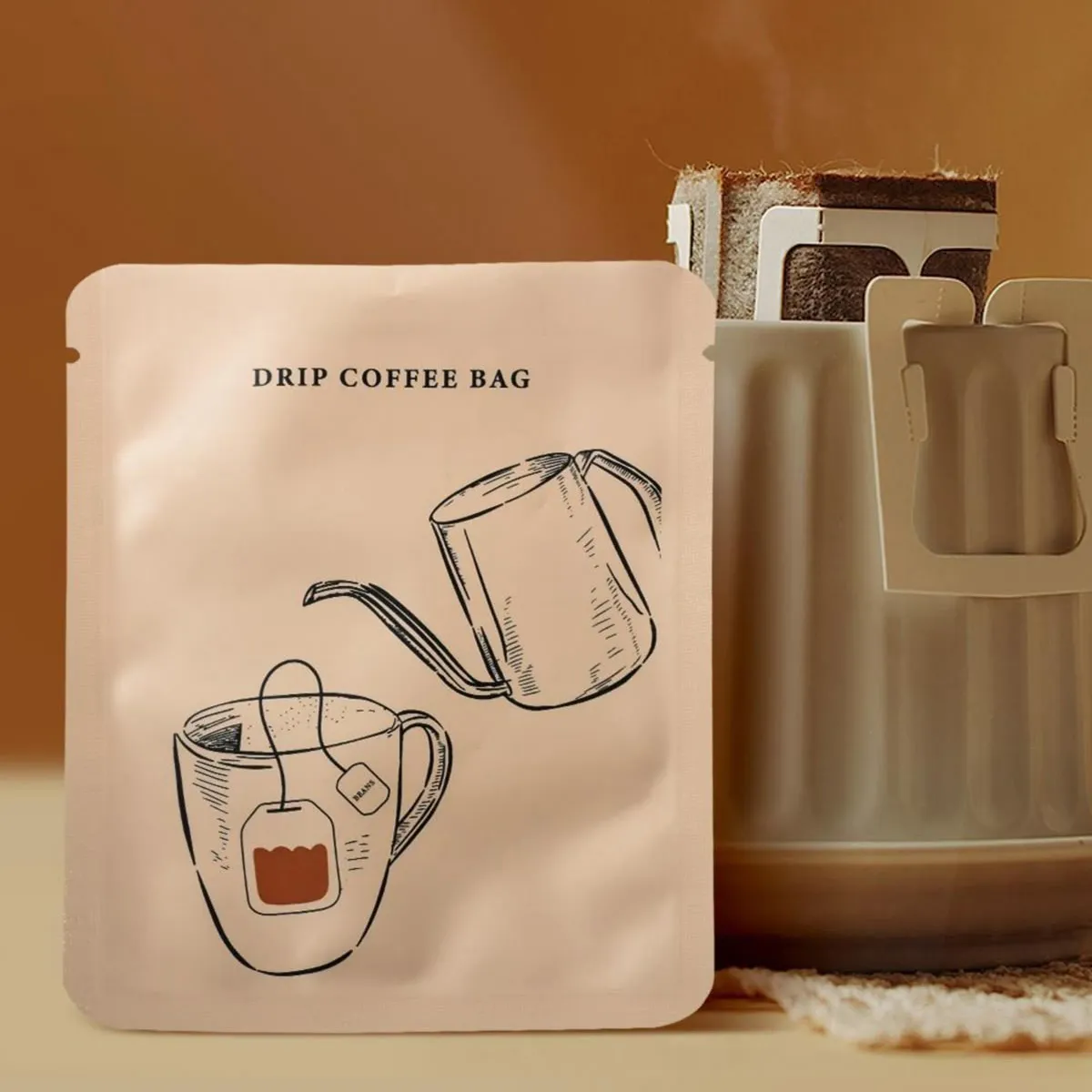
A drip coffee supplier sourcing for this specific single-serve format also needs to factor grind and packaging compatibility into their sourcing decisions from the outset, since not every green coffee lot performs equally well once processed into this particular convenience-oriented format.
Getting Started
Whether you were simply curious what is coffee sourcing as a general concept or the question led you to think more carefully about the sourcing decisions behind coffee you buy or sell, understanding this full chain, from farm through exporter, importer, and roaster, gives you a genuinely informed foundation for evaluating any specific sourcing relationship going forward. Curious how genuine sourcing transparency actually works in practice? Request a sample and documentation from 1300’S Coffee to see coffee sourcing done with full traceability from farm to bag.
Read more: How to Source Coffee Beans A Practical Guide for First Time Buyers


1300s BLOG YOU MAY ALSO BE INTERESTED IN
Why Is Vietnamese Coffee So Strong? Caffeine Content and the Robusta Effect
What Is a Coffee Roaster Definition Role and What They Actually Do
What Beans Does Vietnamese Coffee Use? A Roaster’s Guide to Origin and Species