


What Is a Specialty Coffee Roaster How It Differs From a Standard Roaster
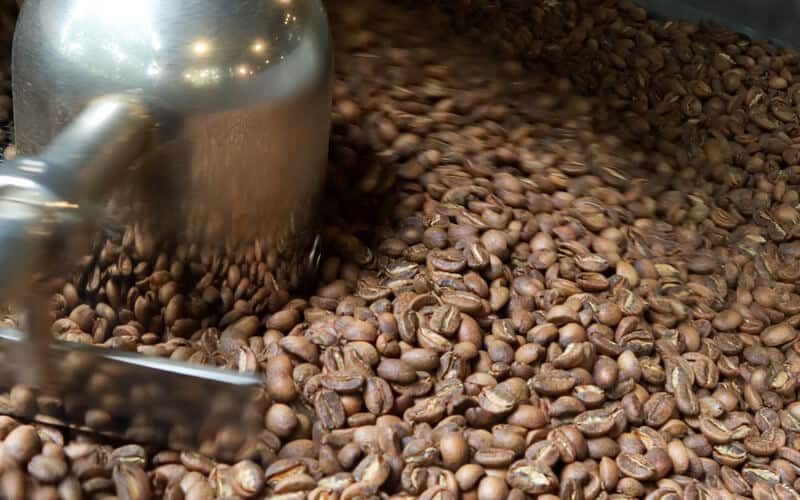
Not every roaster calling itself specialty actually meets a meaningful bar for that label, and understanding what genuinely separates a specialty coffee roaster from a standard commercial one helps buyers, café owners, and curious coffee drinkers alike cut through marketing language that gets used more loosely than the term technically allows. What is a specialty coffee roaster, really, beyond a company that simply charges more and uses the word specialty in its branding? This guide covers the actual technical and philosophical differences that separate genuine specialty roasting from standard commercial roasting, and what those differences mean in practice for anyone evaluating a roaster as either a customer or a business partner.
What Is a Specialty Coffee Roaster The Core Definition
Before comparing specialty roasters to standard ones, it helps to establish what the specialty label technically requires in the first place, since the term has a genuine technical meaning beyond its common marketing usage.
The 80 Point Cupping Threshold
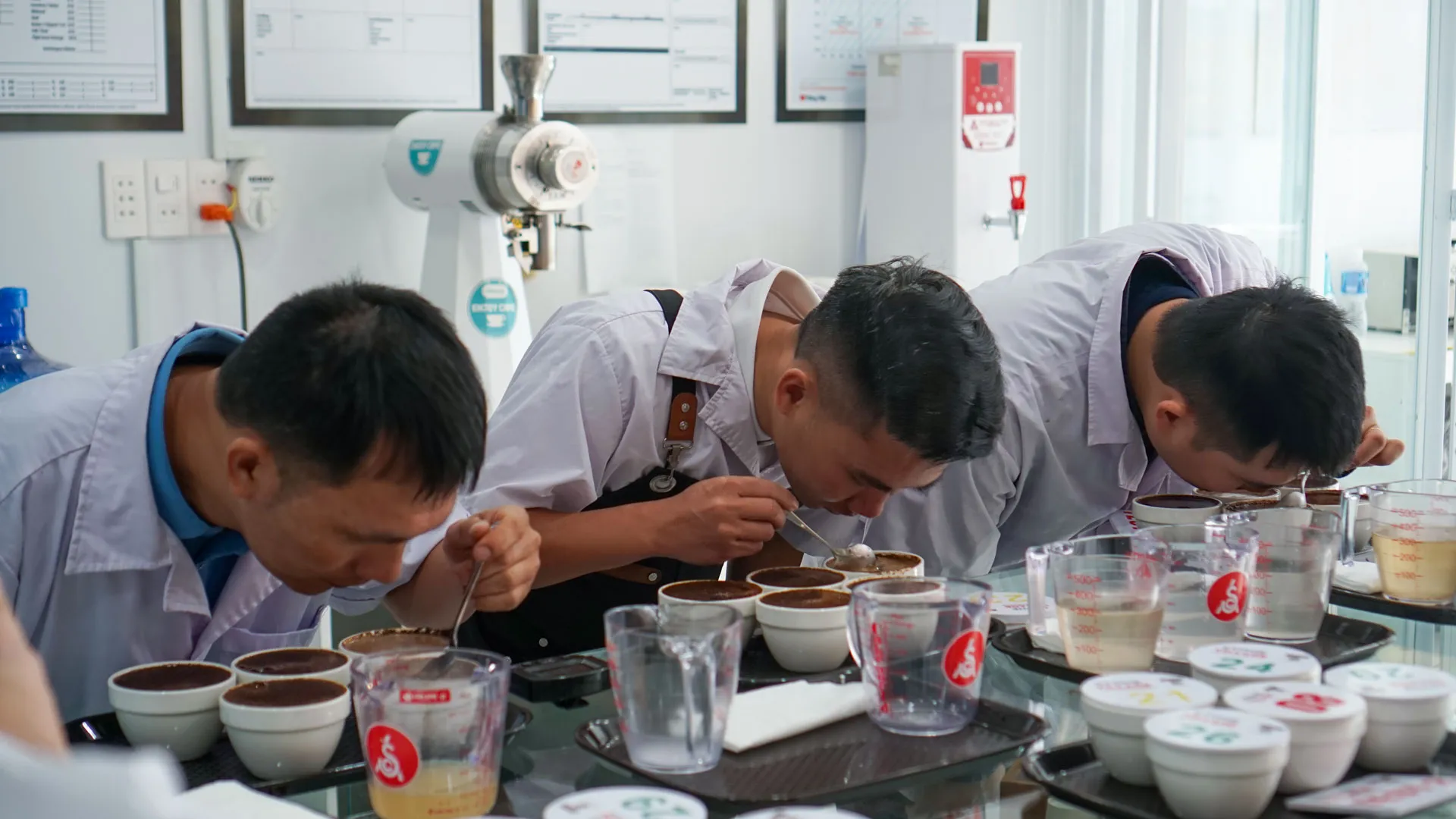
The Specialty Coffee Association’s grading system, the most widely referenced standard in the industry, defines specialty grade coffee as scoring 80 points or above on a 100-point cupping scale evaluating aroma, flavor, acidity, body, and aftertaste through structured, trained tasting sessions. A specialty coffee roaster, by this technical definition, works specifically with green coffee meeting or exceeding this threshold, rather than the standard commercial grade coffee that makes up the large majority of global coffee production and consumption. This scoring happens through formal cupping protocols, typically conducted by trained Q-graders following standardized procedures for water temperature, grind size, and evaluation timing, specifically to make scores comparable across different cuppers and different coffees rather than reflecting one individual’s subjective preference alone.
The 80 Point Cupping Threshold
Beyond the Score Traceability and Sourcing Rigor
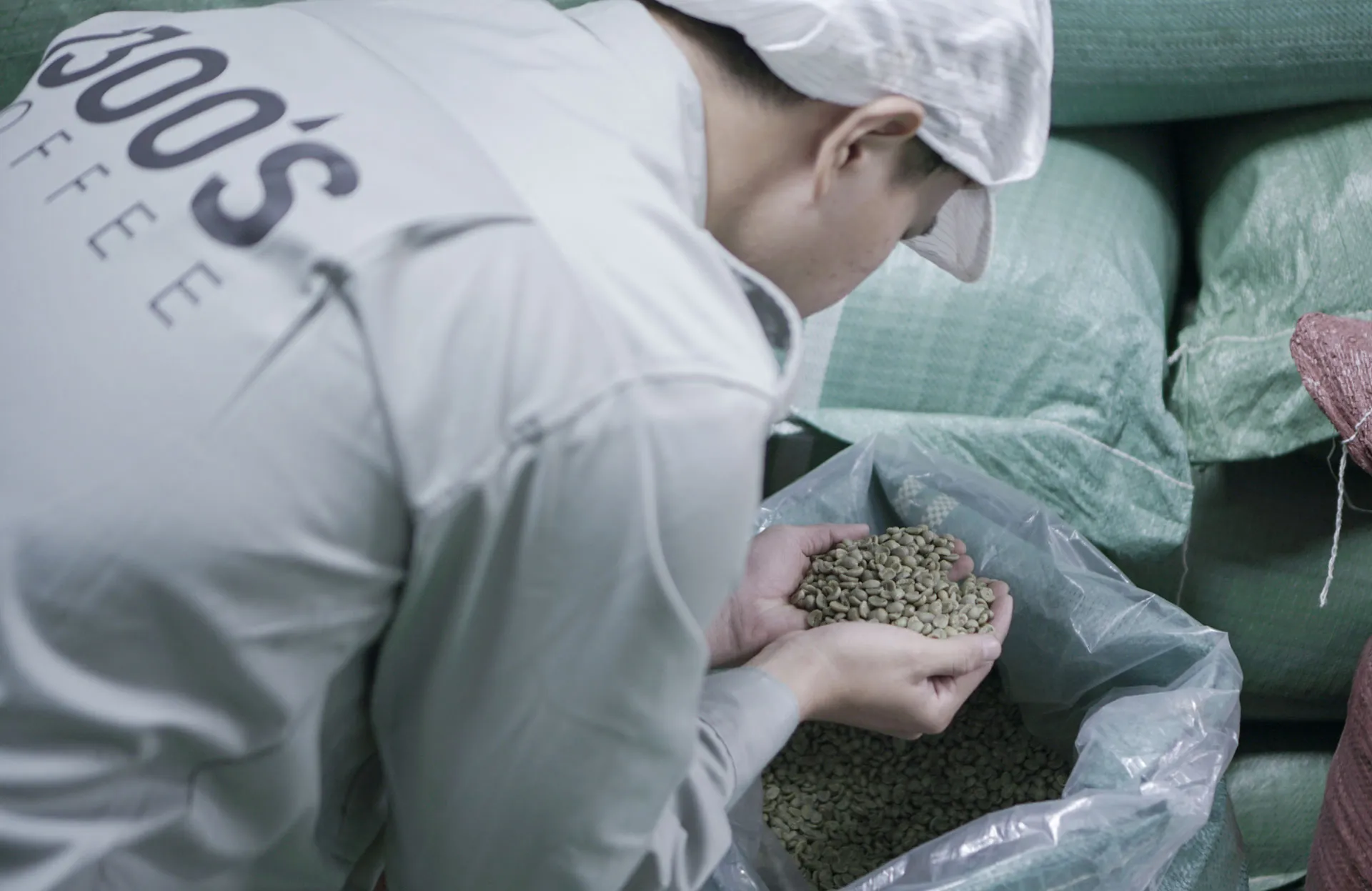
The cupping score alone doesn’t fully capture what is a specialty coffee roaster in practice, since the specialty designation also generally implies a level of traceability and sourcing transparency that standard commercial roasting doesn’t require. Specialty roasters typically know, and can document, exactly which farm, cooperative, or region a specific lot came from, along with processing method and often harvest date, information that standard commercial roasting, often working from blended lots aggregated across many smaller sources, usually can’t provide with the same specificity. This traceability isn’t just a marketing nicety, it directly supports quality consistency, since a roaster who knows exactly where a lot came from can trace any quality issue back to its actual source and address it directly, rather than working with an anonymous blend where identifying and correcting a specific problem becomes considerably more difficult.
How a Specialty Roaster Differs From a Standard Roaster
Beyond the technical grading threshold, several practical differences distinguish how specialty and standard roasters actually operate day to day.
Green Coffee Sourcing Standards
Standard commercial roasters typically source green coffee based primarily on price and consistent volume availability, working with broad commodity grade classifications that prioritize reliable supply over lot-specific quality distinction. Specialty roasters, by contrast, actively seek out specific origins, farms, and processing methods, often paying meaningfully more per pound for green coffee that scores well above the specialty threshold, treating sourcing itself as a core competitive differentiator rather than simply a cost input to minimize. This difference in sourcing philosophy extends to how each type of roaster relates to their green coffee suppliers, commercial roasters often work through brokers and trading companies prioritizing volume and price stability, while specialty roasters frequently build direct relationships with specific farms or cooperatives, sometimes even visiting origin regularly to maintain that connection and stay informed about changing conditions at the source.
Batch Size and Roast Philosophy
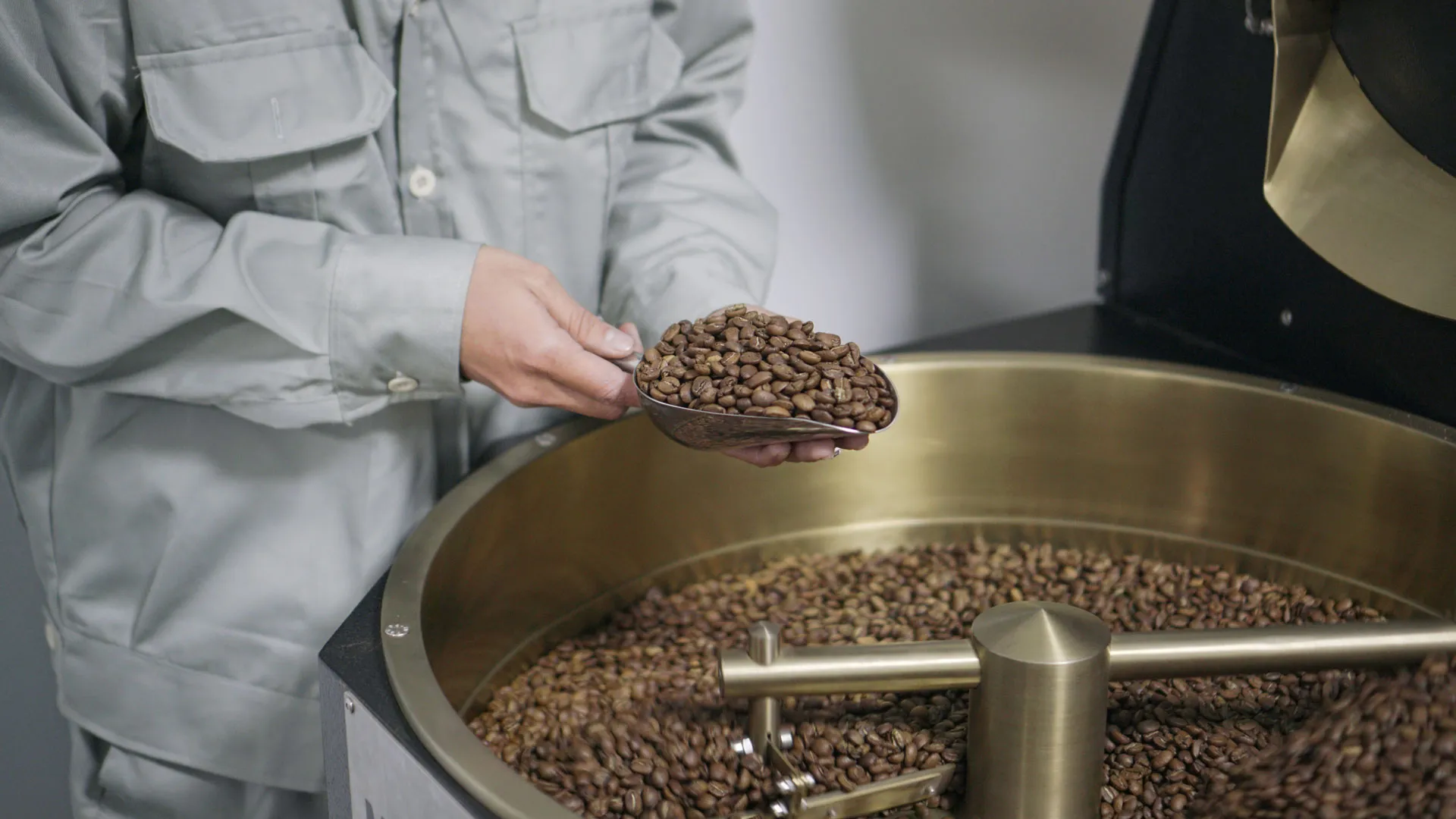
Specialty roasters generally work in smaller batch sizes than large commercial operations, allowing more precise control over each specific lot’s roast profile rather than applying a single standardized approach across blended, high-volume green coffee. This smaller scale also typically comes with a different roasting philosophy, favoring roast profiles specifically calibrated to highlight a lot’s unique characteristics rather than the more standardized, often darker roasting common in commercial operations designed to produce a consistent flavor across variable input coffee. Where a commercial roaster might apply one dark roast profile across dozens of different green coffee lots specifically to smooth out any inconsistency between them, a specialty roaster develops a distinct profile for each lot, treating that variation between origins as something worth showcasing rather than a problem to hide behind heavy roasting.
Pricing and Positioning
The combination of higher green coffee costs, smaller batch efficiency, and more labor-intensive quality control means specialty roasted coffee commands meaningfully higher retail pricing than standard commercial coffee, a premium that reflects genuine cost differences rather than purely a marketing markup. Standard roasters compete primarily on price and consistent availability at scale, while specialty roasters compete on quality, traceability, and the specific flavor experience their sourcing and roasting choices actually deliver. This positioning difference also shapes how each type of roaster markets itself, standard commercial roasters typically emphasize consistency, familiarity, and value, while specialty roasters lean into origin storytelling, farmer relationships, and the specific sensory characteristics that differentiate their particular sourcing choices from what a customer could get elsewhere.
What a Specialty Coffee Roaster Actually Does Differently Day to Day
The philosophical differences covered above translate into concrete operational practices that distinguish daily work at a specialty roasting operation. Cupping happens far more frequently and rigorously, often evaluating every new green coffee sample before purchase, then cupping every roasted batch against an established reference standard to catch any drift in quality. Roast profile development for each new lot typically involves multiple test roasts specifically calibrated to that lot’s unique characteristics, rather than applying one standardized profile across whatever green coffee happens to be available, a considerably more time-intensive process per product than standard commercial roasting requires. Record keeping also tends to be more extensive at specialty operations, with detailed documentation covering not just roast curves but green coffee origin, purchase date, cupping scores, and often specific farmer or cooperative information, records that support both quality consistency internally and the traceability story a specialty roaster typically shares with customers.
Common Misconceptions About Specialty Roasters
A few misunderstandings persist around what actually distinguishes specialty roasting from standard commercial roasting, worth correcting directly. Some assume specialty automatically means light roast, when in reality specialty positioning is about sourcing quality and transparency rather than any specific roast level, and a well-executed darker specialty roast remains entirely legitimate within the category. Others assume any roaster using the word specialty in their marketing genuinely meets the technical bar the term implies, when in practice the label gets applied loosely enough that buyers should verify actual cupping scores and sourcing documentation rather than accepting the term at face value from branding alone. A third common misconception assumes specialty coffee is always single-origin, when in fact many respected specialty roasters build thoughtful blends specifically designed to combine complementary characteristics from multiple specialty-grade lots, meaning single-origin sourcing and specialty grading are related but ultimately separate considerations rather than one implying the other automatically.
Evaluating a Specialty Coffee Roaster as a Business Partner
Businesses considering a specialty roaster as a supplier, whether for a café menu, retail product line, or private label program, should verify the claims covered throughout this guide directly rather than assuming a company genuinely meets specialty standards simply because it uses the term. Requesting lot-specific cupping scores, defect counts, and origin documentation for the exact coffee under consideration confirms whether a prospective partner actually operates at the rigor specialty positioning requires, rather than relying on general marketing language that may not reflect genuine sourcing and quality practices behind it. Asking directly how a roaster’s sourcing and cupping process actually works, rather than accepting a general assurance of quality, tends to reveal quickly whether a business is dealing with a roaster genuinely committed to specialty standards or one using the label more loosely than the technical definition actually supports.
Working With a Specialty Coffee Supplier Behind the Roaster
Many specialty roasters don’t source green coffee directly from origin themselves, instead working with a dedicated specialty coffee supplier who handles the farm relationships, processing oversight, and initial grading before green coffee ever reaches the roaster. Understanding this relationship matters for buyers evaluating a specific roaster’s supply chain, since a roaster working with a genuinely rigorous specialty coffee supplier inherits much of that sourcing quality, while a roaster working with a less careful intermediary may not actually deliver the traceability and consistency specialty positioning implies, regardless of how carefully the roasting itself is executed. This layered relationship means a specialty roaster’s own quality claims are only as strong as the sourcing partner standing behind their green coffee supply, making it worth asking a prospective roaster directly who their green coffee comes from and what documentation that source actually provides, rather than assuming the roaster’s own marketing language accurately reflects the rigor of everything happening further up their supply chain.
Roasted Coffee Wholesale From a Genuine Specialty Operation
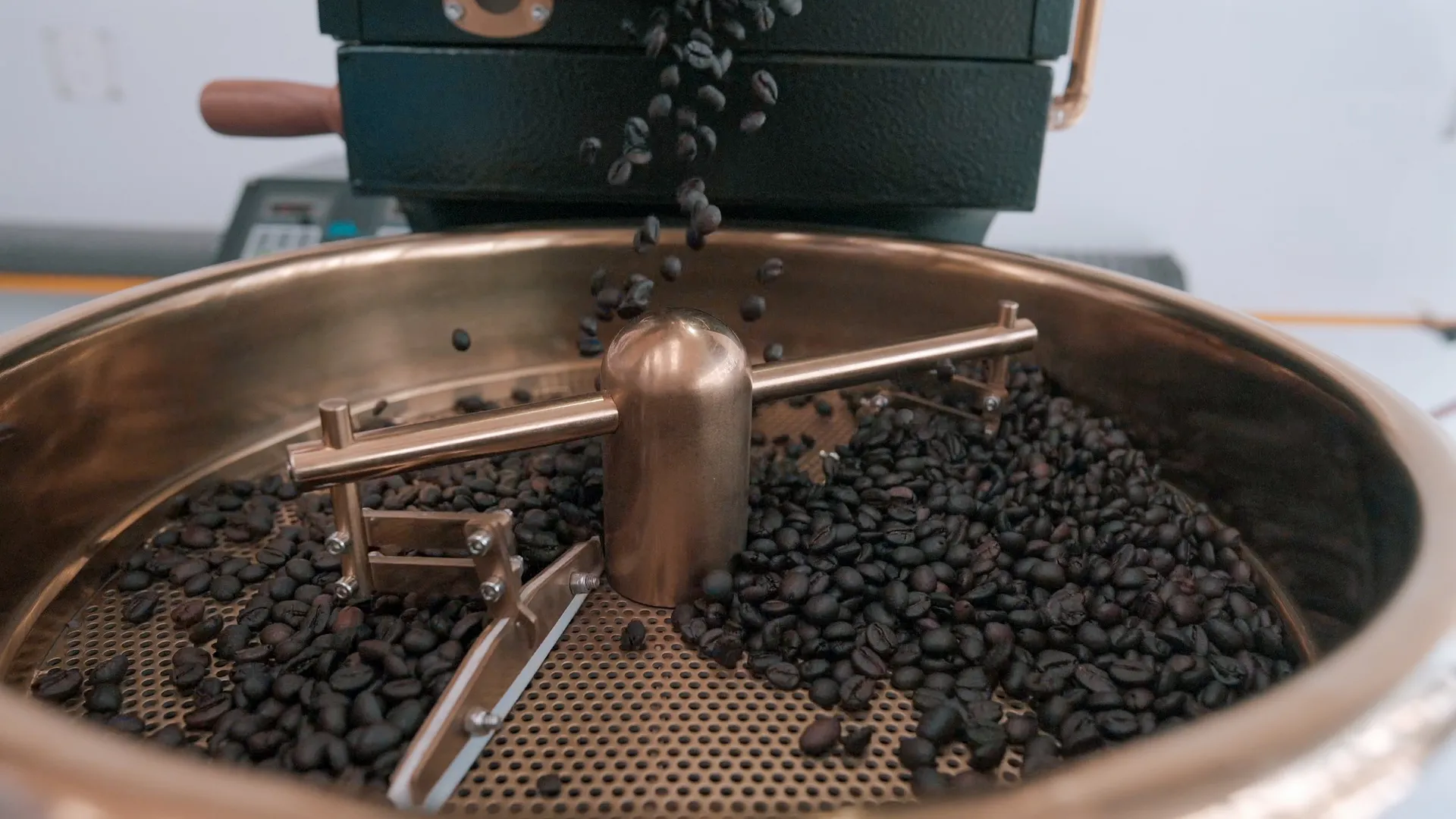
Businesses sourcing roasted coffee wholesale volume specifically from a specialty-positioned roaster should expect the same lot-specific documentation and cupping data that defines specialty coffee at the retail level, not a diluted version applied loosely once volume increases. A genuine specialty roaster maintains this rigor across wholesale relationships just as it does for smaller retail sales, since specialty positioning that only holds up at small scale isn’t really delivering on the specialty promise once a business relationship requires larger, recurring volume.
Roasted Coffee Wholesale From a Genuine Specialty Operation
Specialty Positioning in Ground Coffee
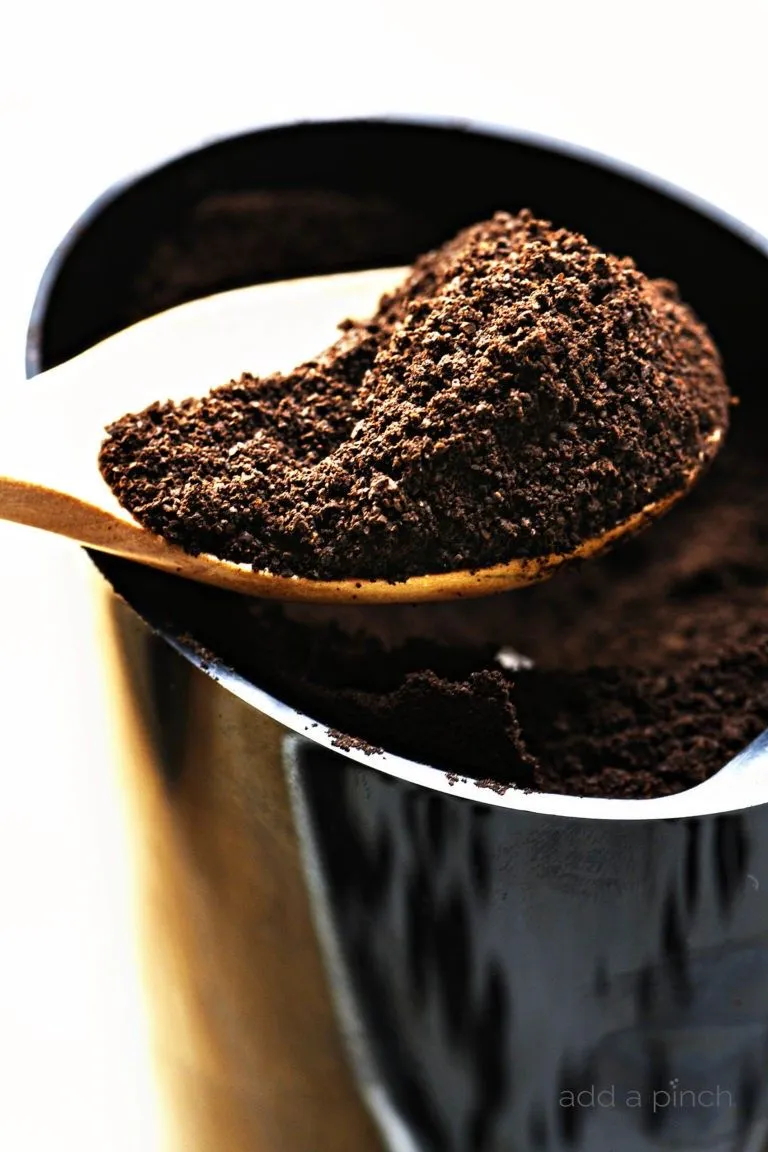
A genuine specialty coffee roaster extending into ground coffee wholesale supply should maintain the same sourcing and quality standards in this format as in whole bean, calibrating grind specifically to intended brewing methods while preserving the lot-specific documentation that defines the specialty category in the first place. This consistency matters because ground coffee’s shorter freshness window makes any quality shortcuts more immediately noticeable to the end consumer than they might be in a whole bean product with a longer usable window.
Specialty Positioning in Drip Bag Format
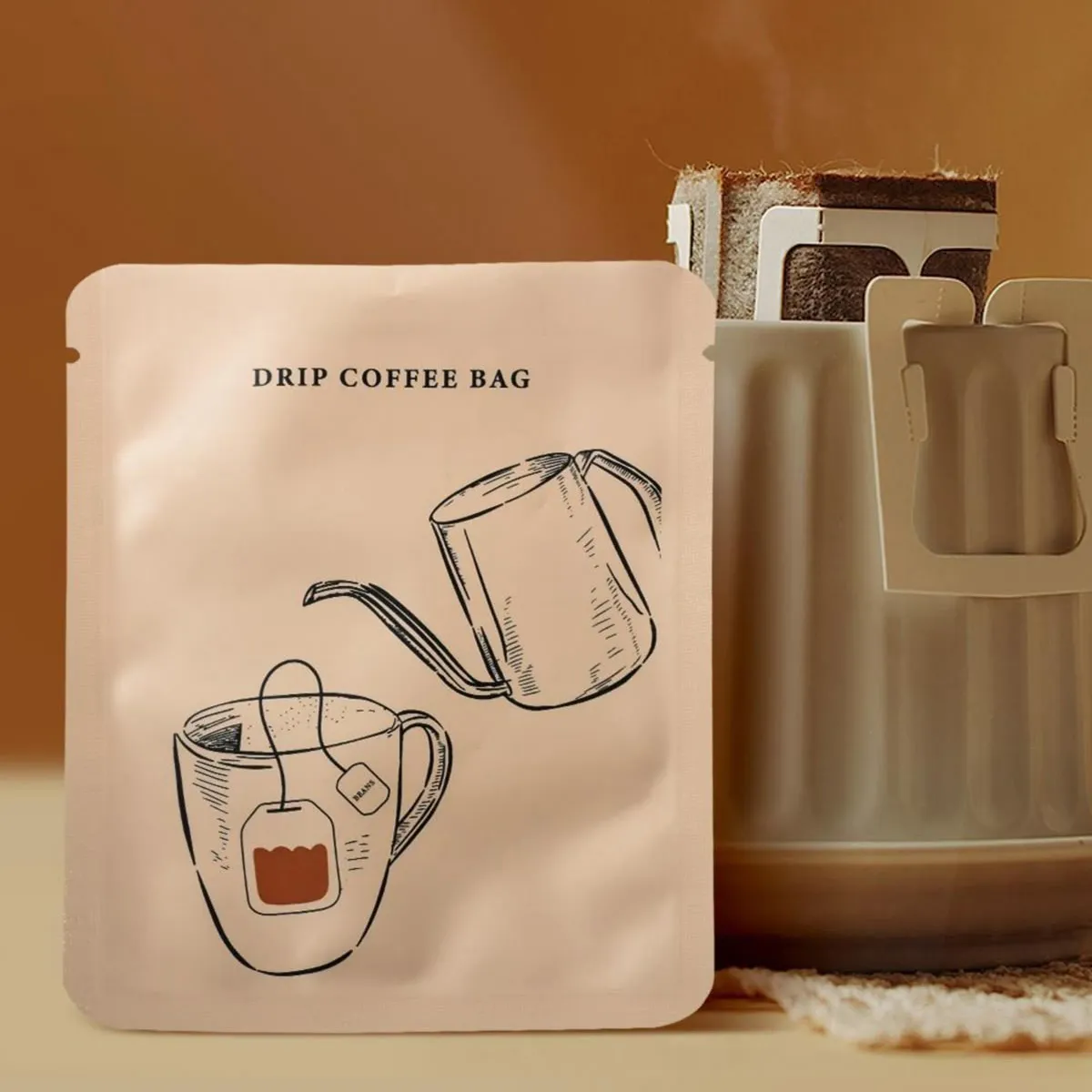
Some specialty-focused operations also extend into drip coffee bags, and a drip coffee supplier maintaining genuine specialty standards applies the same rigorous sourcing and quality verification to this convenient format rather than treating it as a lower-priority product line where standards can reasonably slip. Buyers evaluating a specialty roaster’s drip bag offering specifically should confirm the same cupping and origin documentation applies to this format as to the roaster’s primary whole bean products, since specialty positioning that only shows up in the flagship product line while other formats receive less scrutiny isn’t genuinely consistent specialty practice.
Maintaining Specialty Standards at Wholesale Volume
Businesses building a genuine specialty coffee wholesale relationship with a roaster, rather than a one-off retail purchase, should confirm that specialty rigor holds up as order volume increases, since maintaining lot-specific consistency and documentation becomes genuinely more challenging at larger scale than it is for a single small batch. A roaster capable of sustaining true specialty standards at real wholesale volume, not just in an occasional showcase batch, represents a meaningfully more valuable long-term partner than one whose specialty claims only hold up at small scale.
Specialty Standards in Instant Coffee Production
Even instant coffee, a format often assumed incompatible with specialty positioning, can be produced to genuine specialty standards, though this requires considerably more care than typical commodity grade instant coffee wholesale production. A business planning an instant coffee bulk buy specifically built around specialty grade green coffee and careful freeze-drying to preserve aroma should confirm a manufacturer can genuinely support this combination, since specialty-grade consistency in instant coffee specifically remains a harder operational bar to clear than either specialty whole bean roasting or standard commodity instant coffee production alone. The freeze-drying process itself matters enormously here, since spray-drying’s higher heat exposure destroys more of the delicate aromatic compounds that justify a specialty grade price point in the first place, making freeze-dried production close to a prerequisite for any instant coffee genuinely attempting to carry specialty positioning rather than a commodity product simply marketed with premium language.
Getting Started
Whether you’re a curious coffee drinker trying to understand what is a specialty coffee roaster beyond marketing language, or a business evaluating a potential roasting partner, applying the technical criteria and questions covered throughout this guide gives you a genuinely reliable way to separate authentic specialty positioning from the term used loosely. Looking to verify genuine specialty standards from a coffee sourcing partner? Request cupping data and sourcing documentation from 1300’S Coffee to evaluate specialty credentials firsthand.
Read more: What Is a Coffee Roaster? Definition, Role, and What They Actually Do


1300s BLOG YOU MAY ALSO BE INTERESTED IN
The Complete Guide to Choosing Gourmet Coffee Suppliers for Coffee Brands and Importers
How to Choose a Trusted Coffee Powder Manufacturer for OEM Projects
The Ultimate Guide to Finding Reliable Wholesale Green Coffee Suppliers