


The Complete Guide to Choosing Gourmet Coffee Suppliers for Coffee Brands and Importers
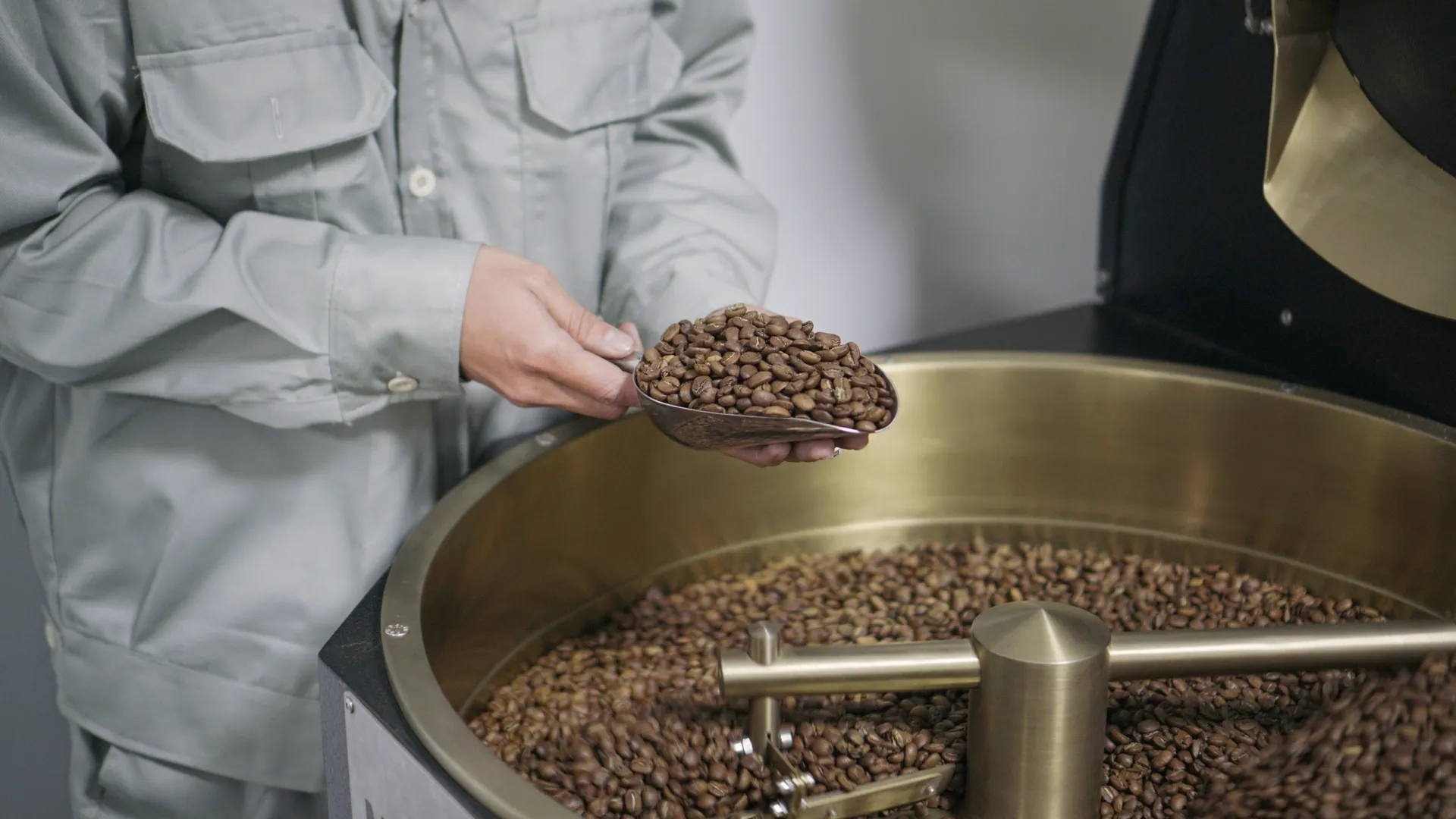
Choosing the right gourmet coffee suppliers is one of the most important decisions for coffee brands, distributors, retailers, and international importers. While product quality remains essential, today’s buyers also expect suppliers to provide stable production, export expertise, OEM capabilities, and long-term business support. The right partner should be able to help your brand grow, not simply deliver coffee.
As consumer demand for premium coffee continues to increase worldwide, businesses are looking beyond traditional coffee wholesalers. Modern buyers seek suppliers capable of delivering premium coffee products, customized solutions, and reliable international logistics. Whether you’re sourcing gourmet coffee beans for sale, launching a private label collection, or expanding your retail portfolio, selecting the right supplier can significantly influence your brand’s competitiveness.
This guide explores the different types of gourmet coffee suppliers, explains which supplier model best suits different business objectives, and outlines the key factors every importer should evaluate before building a long-term partnership.
What Makes a Gourmet Coffee Supplier Different?
Not every coffee supplier can truly be considered a gourmet coffee supplier. Traditional coffee wholesalers often focus on supplying commodity coffee or green beans in large quantities, while gourmet suppliers deliver products designed for premium retail and foodservice markets.
What Makes a Gourmet Coffee Supplier Different?
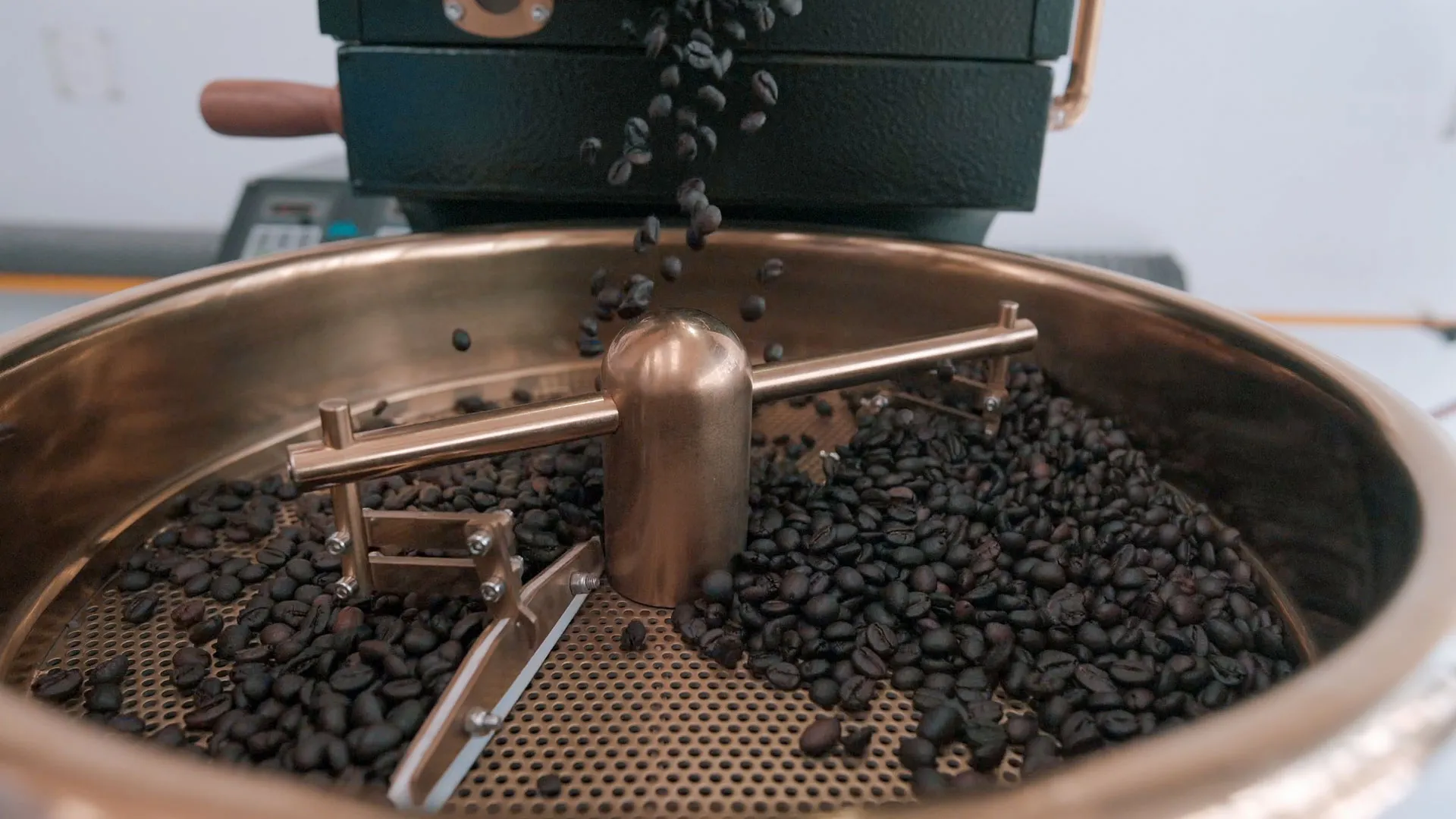
A professional gourmet coffee supplier combines exceptional coffee quality with value-added services. This may include origin selection, roasting expertise, customized blends, retail-ready packaging, and export support. Many also operate as a specialty coffee supplier, offering carefully selected Arabica and Fine Robusta sourced from renowned coffee-growing regions with full traceability and consistent cup quality.
Unlike standard commodity trading, gourmet coffee sourcing is built around creating differentiated products that help retailers and coffee brands compete in higher-value markets.
Different Types of Gourmet Coffee Suppliers
Every business has unique sourcing priorities. Understanding the different supplier models can help buyers choose partners that align with their commercial goals.
Specialty Coffee Origin Suppliers
These suppliers specialize in sourcing exceptional coffee directly from producing regions. Their competitive advantage lies in origin expertise, farm relationships, and strict quality control. Businesses that emphasize traceability and premium flavor profiles often work with this type of specialty coffee supplier to build authentic coffee stories around their products.
They are particularly suitable for specialty cafés, artisan roasters, and coffee brands that require bulk specialty coffee without compromising consistency or origin identity.
Best for
- Specialty coffee brands
- Artisan roasters
- Premium cafés
Wholesale Gourmet Coffee Suppliers
Businesses targeting supermarkets, retail chains, and food distributors usually require more than premium beans. They need suppliers capable of maintaining consistent production, flexible packaging options, and reliable international logistics.
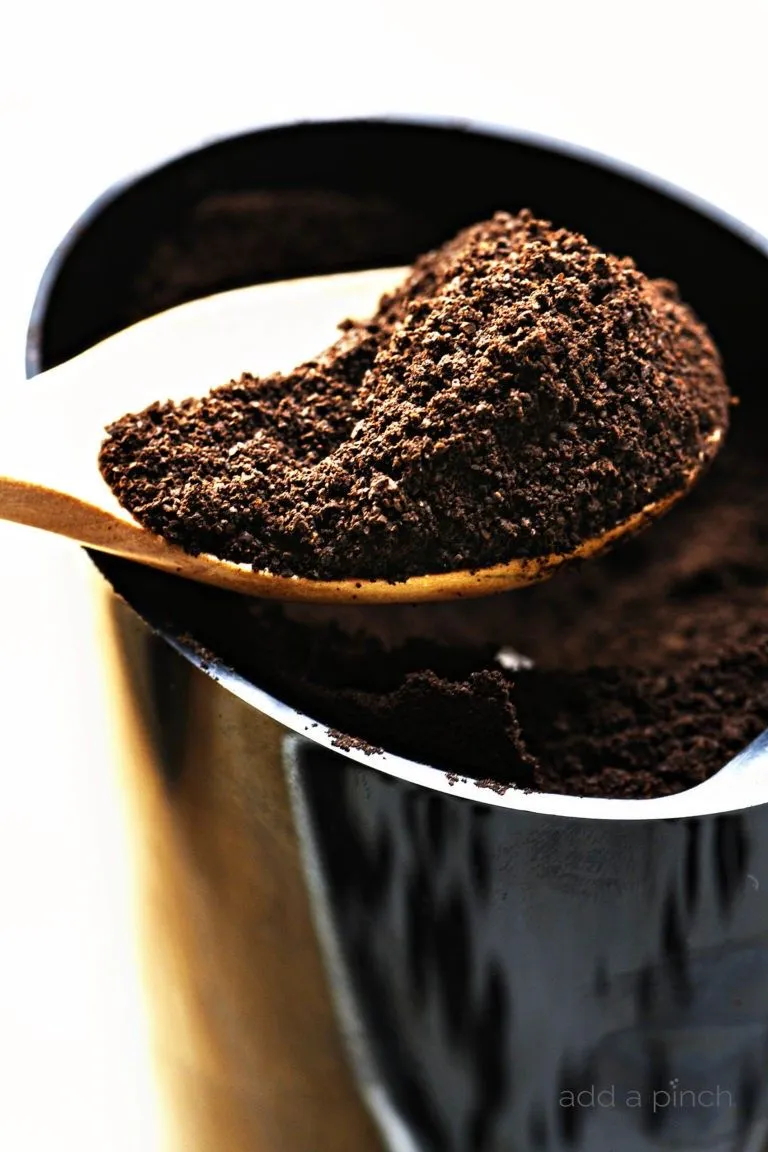
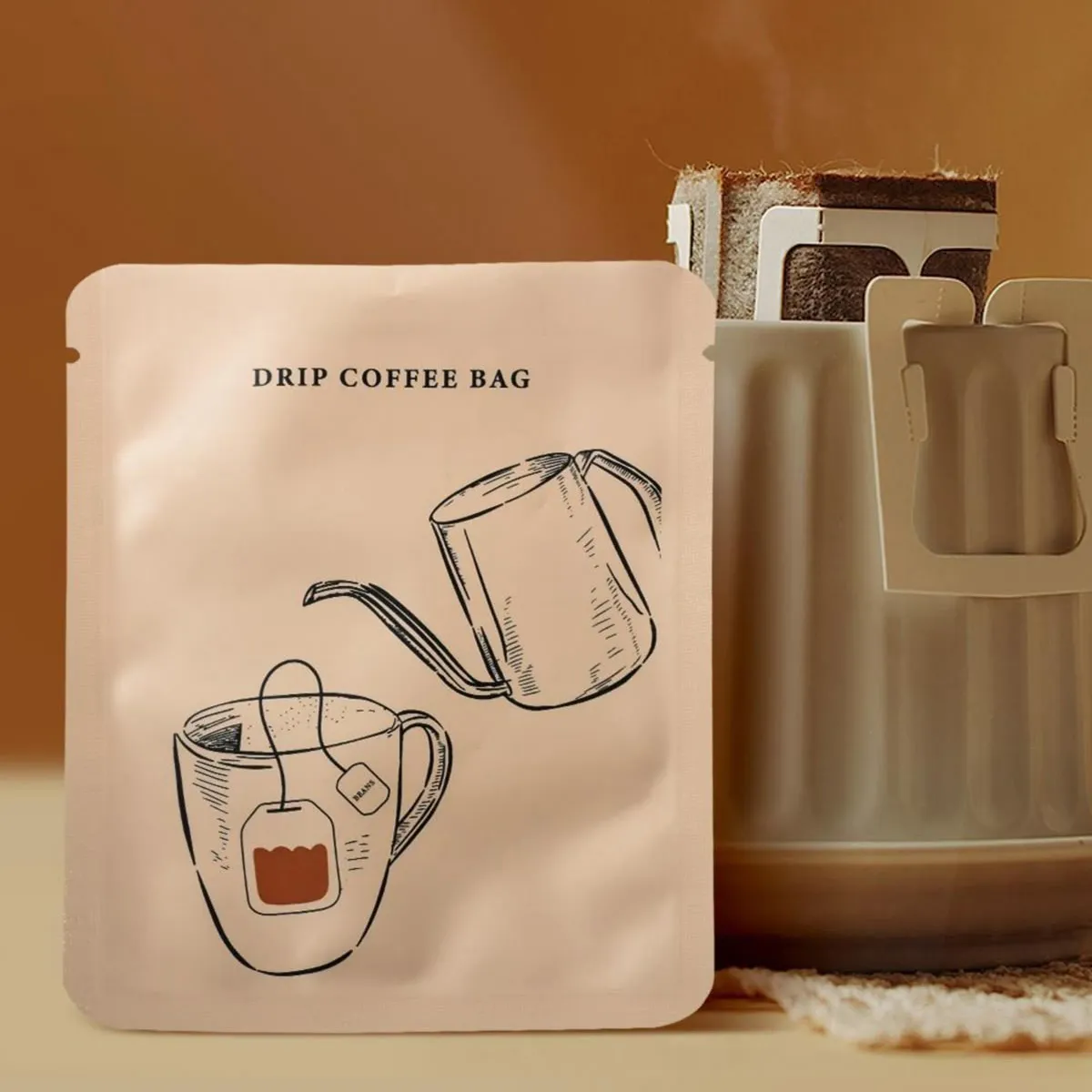
Professional wholesale gourmet coffee suppliers typically provide roasted beans, ground coffee, instant coffee, drip coffee, and customized packaging while supporting recurring orders throughout the year. Their experience in export documentation and production planning helps buyers reduce operational risks while ensuring stable product availability.
This model is ideal for companies planning long-term wholesale gourmet coffee programs across multiple international markets.
Best for
- Supermarkets
- National distributors
- Foodservice companies
- International wholesalers
OEM & Private Label Coffee Manufacturers
Many modern coffee brands choose to outsource manufacturing instead of investing in their own production facilities. OEM and private label manufacturers enable businesses to develop unique coffee products while maintaining complete brand ownership.
These suppliers often manage everything from bean selection and roasting profiles to packaging design, labeling, and export preparation. Working with an experienced OEM manufacturer allows businesses to launch new products faster while maintaining consistent quality standards.
For brands planning to expand internationally, this model offers one of the most efficient ways to develop premium coffee collections without significant capital investment.
Best for
- Private label brands
- Retail chains
- Coffee startups
- International distributors
Suppliers with Comprehensive Product Portfolios
Some suppliers offer far more than roasted coffee beans. Their product portfolios include whole beans, ground coffee, instant coffee, drip coffee, capsules, gift boxes, and seasonal collections.
This integrated approach simplifies purchasing by allowing buyers to source multiple product categories from a single partner. Businesses looking for gourmet coffee beans for sale alongside premium retail products often benefit from suppliers capable of supporting multiple sales channels through one manufacturing relationship.
Consolidating purchasing also improves inventory management and creates greater consistency across product lines.
Best for
- Multi-brand retailers
- Gift companies
- Hospitality groups
- International distributors
Sustainable Gourmet Coffee Suppliers
Sustainability has become an increasingly important purchasing criterion for both businesses and consumers. Leading gourmet suppliers invest in long-term farmer partnerships, environmentally responsible farming practices, and transparent sourcing systems that strengthen both product quality and brand credibility.
Many buyers sourcing wholesale speciality coffee now evaluate suppliers based not only on flavor profiles but also on traceability, sustainability initiatives, and long-term supply chain resilience.
For brands positioning themselves within the premium segment, these factors have become important competitive advantages rather than optional marketing messages.
Best for
- Ethical coffee brands
- Organic retailers
- Premium export markets
How to Choose the Right Gourmet Coffee Supplier
Selecting the right gourmet coffee supplier is about much more than finding a company that offers competitive pricing. A reliable supplier should be able to support your business throughout every stage of the supply chain, from product development and manufacturing to export logistics and long-term growth. Whether you are launching a new coffee brand or expanding an existing product line, choosing the wrong partner can result in inconsistent quality, delayed shipments, and unnecessary costs.
Product Quality & Coffee Origin
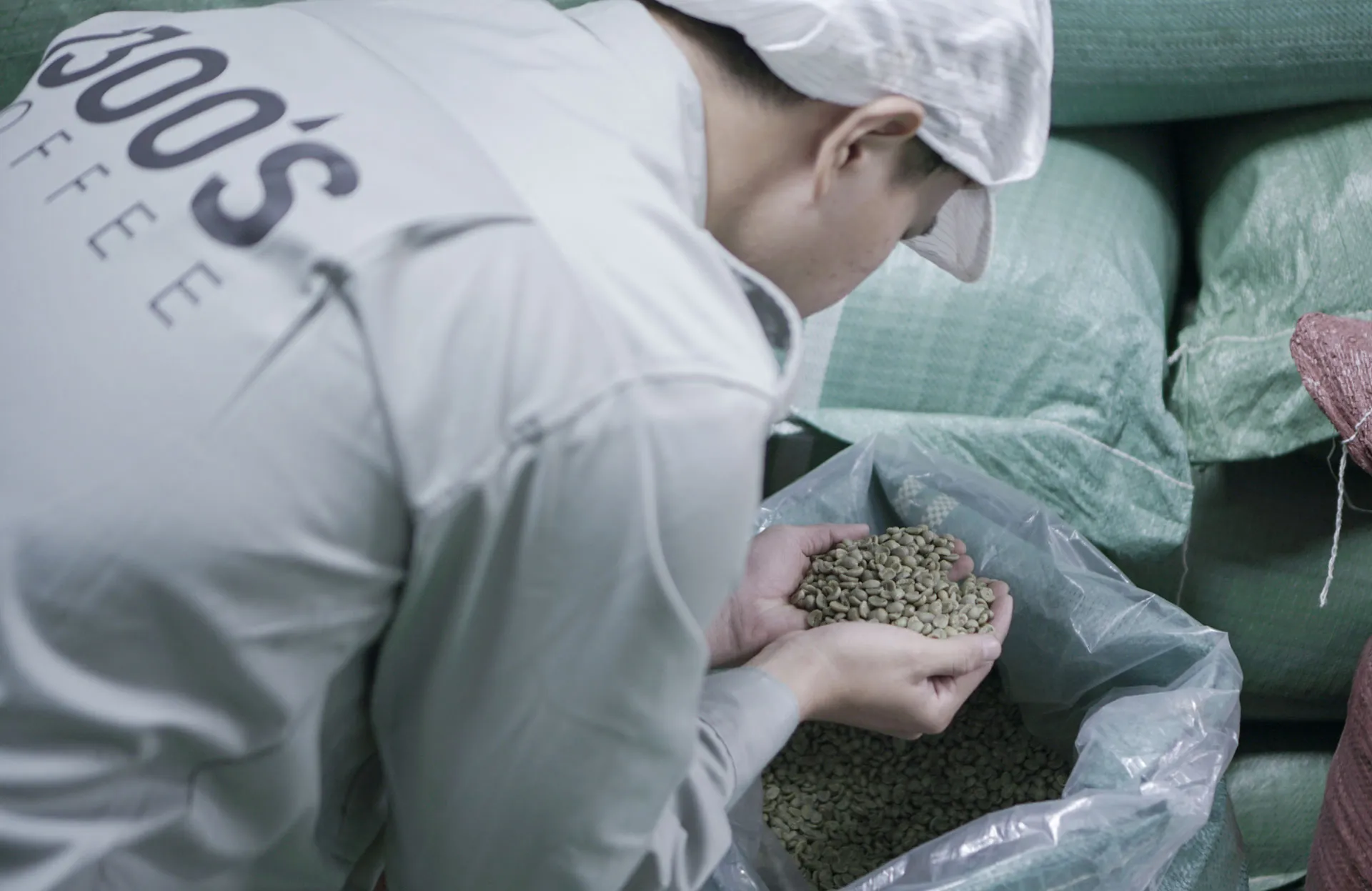
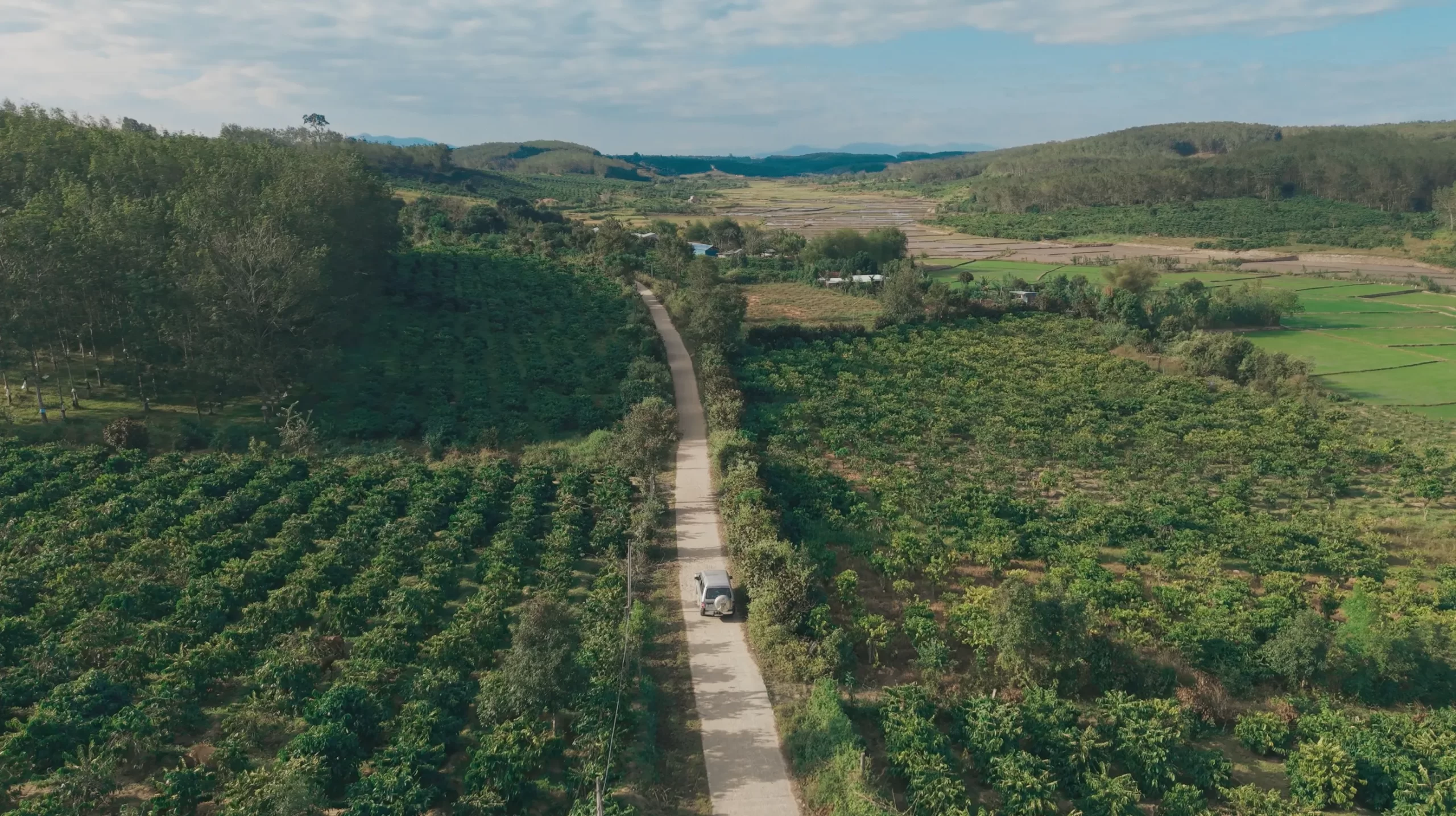
The quality of the coffee itself should always be your first priority. A professional supplier should be transparent about the origin of its coffee beans, processing methods, roast profiles, and quality control procedures. Ask whether they source directly from coffee-growing regions, how they maintain consistency between production batches, and whether they can provide cupping reports or product specifications.
Product Quality & Coffee Origin
If your business focuses on premium products, working with a specialty coffee supplier that offers traceable Arabica or Fine Robusta can help strengthen your brand’s reputation and create a more distinctive product in competitive markets.
Product Portfolio & Business Flexibility
Every coffee business evolves over time. While you may initially import roasted coffee beans, future expansion could include drip coffee, instant coffee, ground coffee, gift sets, or private label products.
Choosing a supplier with a broad product portfolio allows your business to scale without searching for additional manufacturing partners. Suppliers offering wholesale gourmet coffee, customized packaging, and multiple product categories can simplify purchasing while maintaining consistency across your product range.
Manufacturing Capabilities
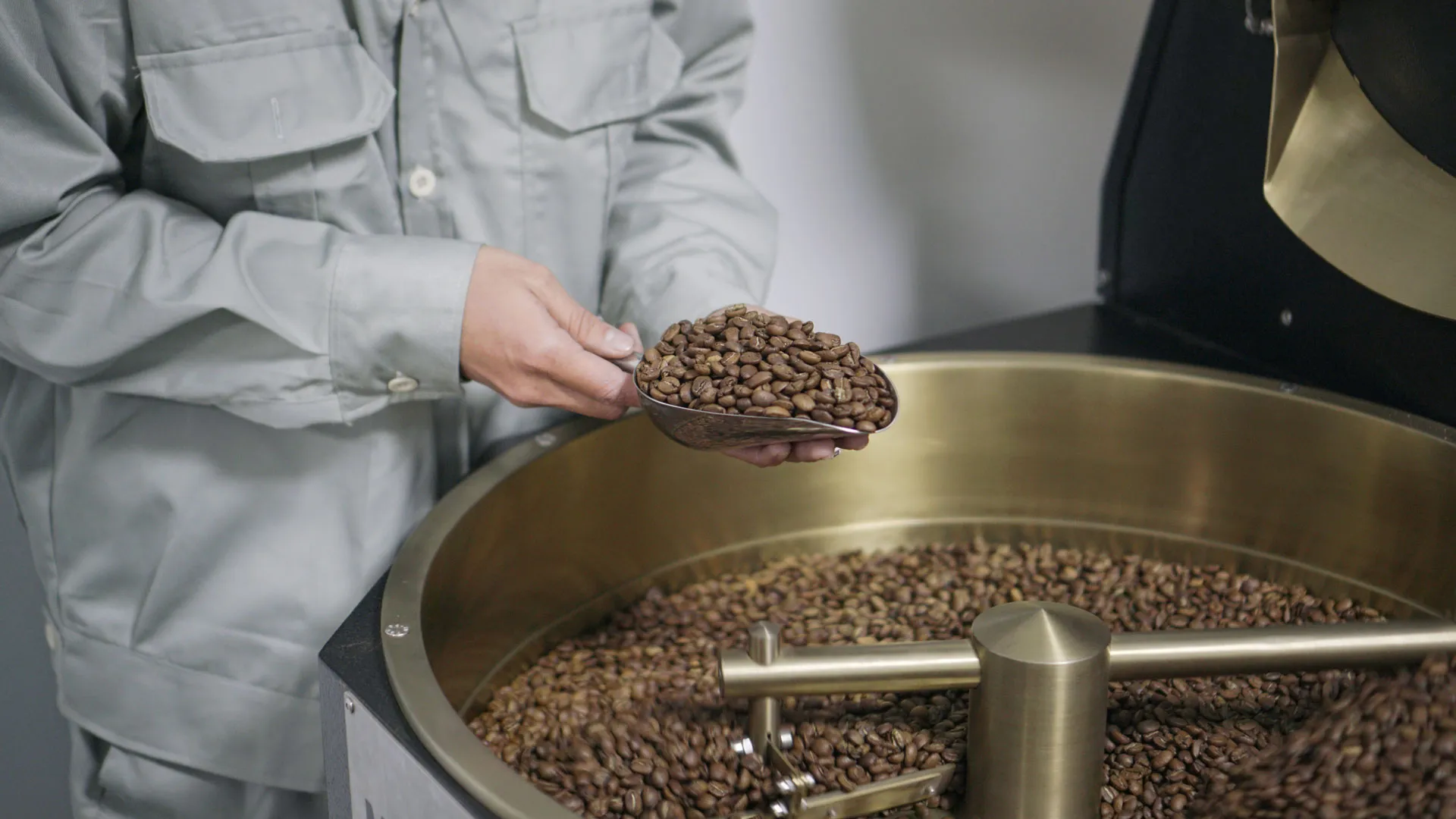
Strong manufacturing capabilities are essential for ensuring product consistency and supply reliability. Evaluate whether the supplier operates modern roasting equipment, quality inspection systems, food-safe production facilities, and efficient packaging lines.
If your business requires customized products, ask whether the supplier supports OEM manufacturing, private label production, customized roasting profiles, and packaging development. These capabilities become increasingly important as your business grows and product differentiation becomes a competitive advantage.
Export Experience & International Compliance
Supplying international markets requires much more than producing excellent coffee. Your supplier should understand export documentation, food safety regulations, labeling requirements, customs procedures, and international shipping practices.
Experienced wholesale gourmet coffee suppliers are generally better equipped to manage complex export projects and reduce potential delays during customs clearance. Their experience also helps ensure your products comply with the regulatory requirements of different markets, including the United States, Europe, Australia, Japan, and the Middle East.
Production Capacity & Supply Stability
Many businesses focus only on the first shipment but overlook long-term supply capacity. A reliable supplier should be capable of supporting recurring orders while maintaining consistent quality throughout every production batch.
For businesses sourcing bulk gourmet coffee, production planning, inventory management, and stable raw material sourcing are just as important as product quality. Ask potential suppliers about their production capacity, lead times, seasonal availability, and contingency plans for maintaining supply during periods of increased demand.
Quality Assurance & Certifications
Consistent quality requires more than skilled roasting—it depends on well-established quality management systems throughout the production process. Before selecting a supplier, review their quality assurance procedures, inspection standards, and food safety certifications.
Depending on your target market, you may also wish to verify whether the supplier can provide certifications such as HACCP, ISO, Organic, Rainforest Alliance, or other documentation required by your customers. A supplier with comprehensive quality management practices is better positioned to deliver consistent products while reducing commercial risks.
Communication & Long-Term Partnership
The strongest supplier relationships are built on communication, transparency, and continuous support rather than price alone. A supplier that responds quickly, provides technical guidance, and actively supports product development will create significantly more value over time than one that simply fulfills purchase orders.
This is particularly important when developing OEM or private label products, where close collaboration is required during product formulation, packaging design, production planning, and market expansion. Choosing a supplier committed to long-term cooperation helps create a more resilient supply chain and allows your business to respond more effectively to changing market demands.
Price Should Never Be the Only Decision Factor
Competitive pricing is important, but it should never outweigh quality, reliability, and long-term value. Lower prices may come at the expense of inconsistent quality, limited production capacity, or inadequate export support—all of which can have a far greater impact on your business than a small difference in product cost.
The best gourmet coffee suppliers deliver value through consistent quality, reliable production, flexible manufacturing services, and the ability to grow alongside your business. When evaluating potential partners, focus on the total value they bring rather than simply comparing quotations.
Why Vietnam Is Becoming a Leading Source of Gourmet Coffee
Vietnam has transformed from a major coffee-producing country into a global manufacturing hub capable of supplying premium coffee products to international markets. Modern Vietnamese manufacturers now produce specialty Arabica, Fine Robusta, roasted coffee, instant coffee, drip coffee, and customized retail solutions for buyers worldwide. Combined with competitive production costs and increasing investments in processing technology, Vietnam has become an attractive destination for businesses sourcing both bulk gourmet coffee and premium specialty products.
For international buyers seeking flexibility, quality, and export expertise, Vietnam offers an excellent balance between product diversity and commercial competitiveness.
Why 1300’S Coffee Is a Trusted Gourmet Coffee Supplier
1300’S Coffee combines the expertise of a specialty coffee supplier with the manufacturing capabilities required by international wholesale buyers. Working directly with coffee-growing regions across Vietnam, the company supplies premium Arabica, Fine Robusta, roasted coffee beans, ground coffee, instant coffee, and drip coffee for global markets.
Beyond supplying premium coffee, 1300’S Coffee provides OEM manufacturing, private label production, customized roasting profiles, flexible packaging solutions, and export-ready services designed to help coffee brands scale efficiently.
Whether businesses require wholesale gourmet coffee, retail-ready packaging, or premium coffee for private label projects, 1300’S Coffee delivers integrated solutions backed by strict quality management, modern production facilities, and long-term partnership support.
Conclusion
Selecting the right gourmet coffee suppliers requires balancing coffee quality with commercial capability. The ideal partner should not only deliver exceptional products but also support your business through reliable production, OEM services, export expertise, and continuous product innovation. By understanding the different supplier models and carefully evaluating your sourcing priorities, businesses can build long-term partnerships that strengthen their position in today’s highly competitive premium coffee market.
Read more: Top 10 Speciality Coffee Suppliers with Export Standard Production


1300s BLOG YOU MAY ALSO BE INTERESTED IN
Coffee Factory Vietnam Guide for International Buyers and Roasters
Why 1300’S Coffee Is a Trusted Drip Coffee Supplier from Vietnam
White Label Coffee Suppliers for Businesses Sourcing Ready Made Branded Products