


How to Source Coffee Beans A Practical Guide for First Time Buyers
Learning how to source coffee beans for the first time can feel more complicated than it actually needs to be, largely because so much available information assumes you’re either building a full import business or you’re simply picking up a bag at the grocery store, with surprisingly little guidance for everything in between. That gap matters, since plenty of people fall somewhere in the middle, a home roaster curious about trying green coffee for the first time, someone opening a small coffee cart or stand, or simply a coffee enthusiast who wants to move meaningfully beyond generic supermarket options without navigating the complexity of formal business importing. This guide covers that practical middle ground directly, sourcing coffee beans thoughtfully as a home roaster, a small cafe owner, or simply someone who wants better coffee, without needing an import license or a customs broker to get there.
How to Source Coffee Beans The Basics for First Time Buyers
At its core, sourcing coffee beans well as a first time buyer comes down to deciding what format you actually need, finding a reputable source for that specific format, and knowing what questions to ask before committing to a purchase. Getting these three things right matters more than any single specific supplier recommendation, since the right source for a home roaster differs considerably from the right source for someone wanting ready-to-brew whole bean coffee, and understanding this distinction from the outset saves considerable trial and error later.
Deciding What Format of Coffee You Actually Need
Before searching for a source at all, get clear on exactly what format of coffee actually fits your situation, since this decision shapes everything that follows.
Green Beans for Home Roasting
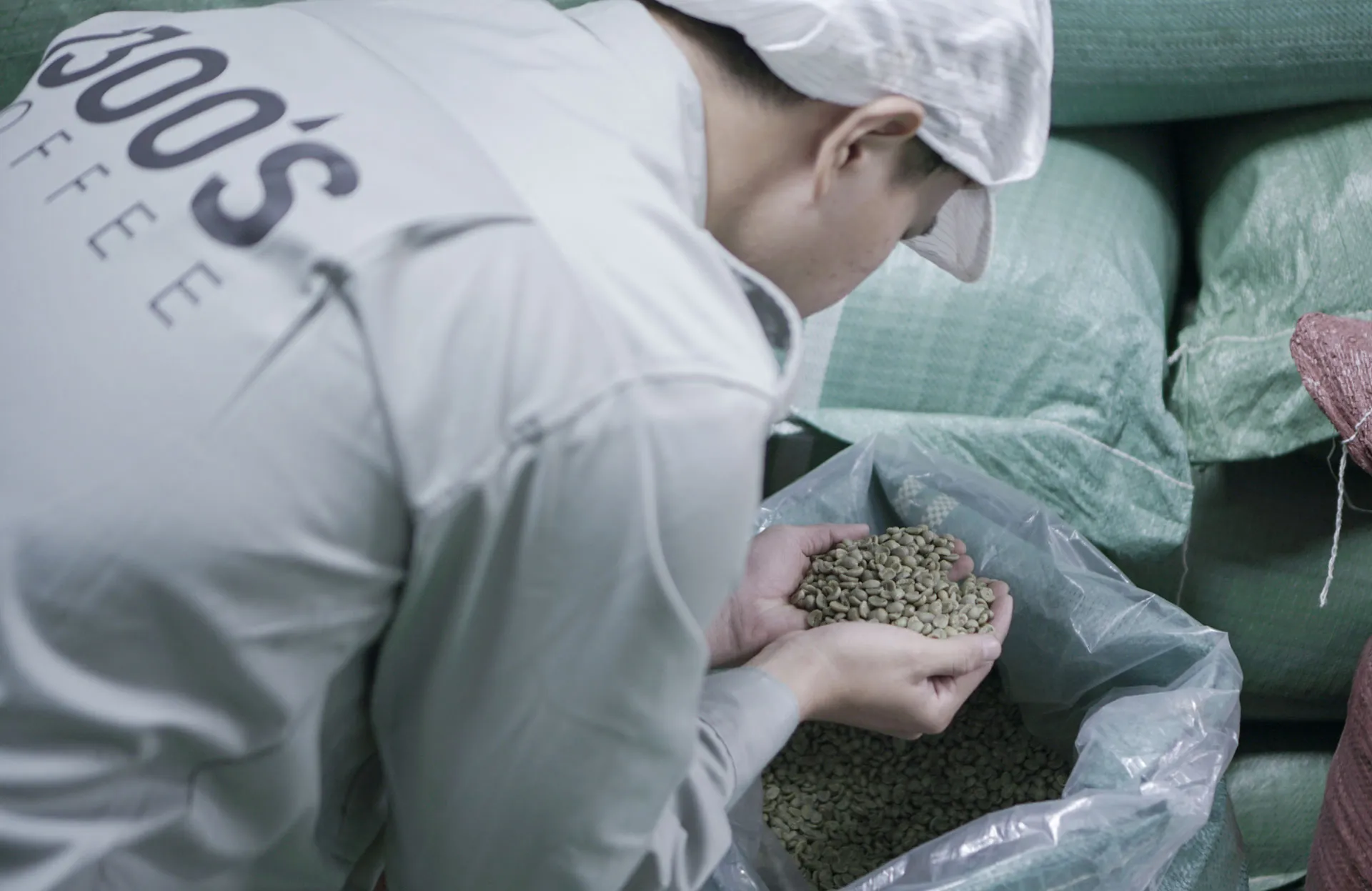
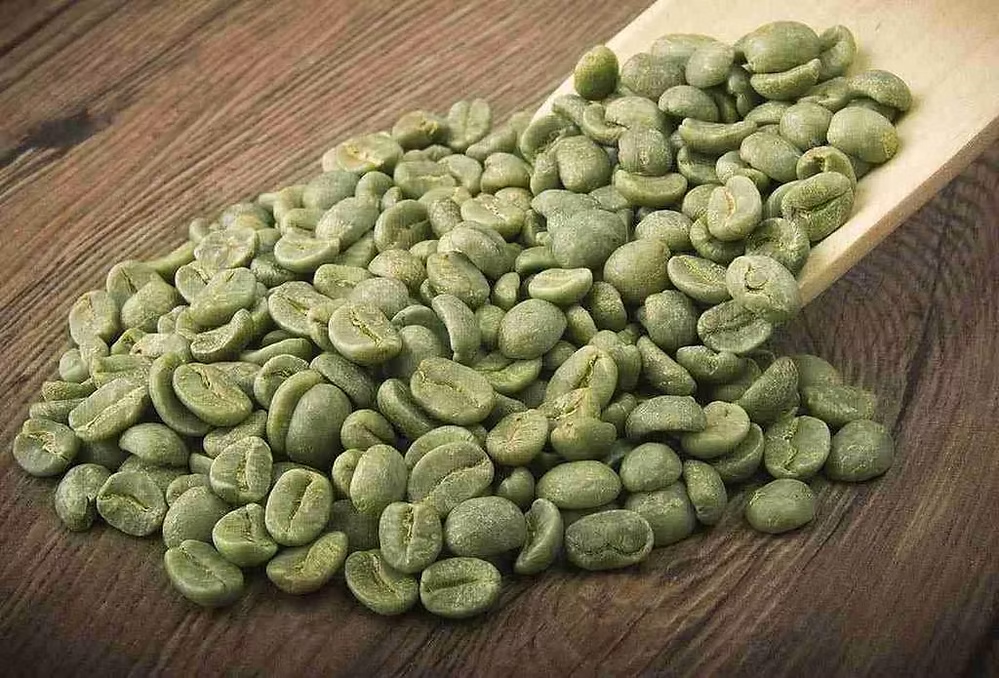
If you’re interested in roasting your own coffee, whether out of genuine curiosity or a desire for fresher results than store-bought roasted coffee typically offers, you’ll need green, unroasted beans specifically. Green coffee has a considerably longer shelf life than roasted coffee, meaning you can buy somewhat further ahead without the same freshness pressure, though quality still varies enormously between sources, making the sourcing decision genuinely important even for this more forgiving format. Home roasting itself requires only modest equipment to get started, a dedicated home roaster, a hot air popcorn popper, or even a cast iron pan on the stovetop can all produce genuinely enjoyable results once you understand the basics of the process, meaning the barrier to trying this route is lower than many first time buyers initially assume.
Green Beans for Home Roasting
Roasted Beans for Direct Brewing
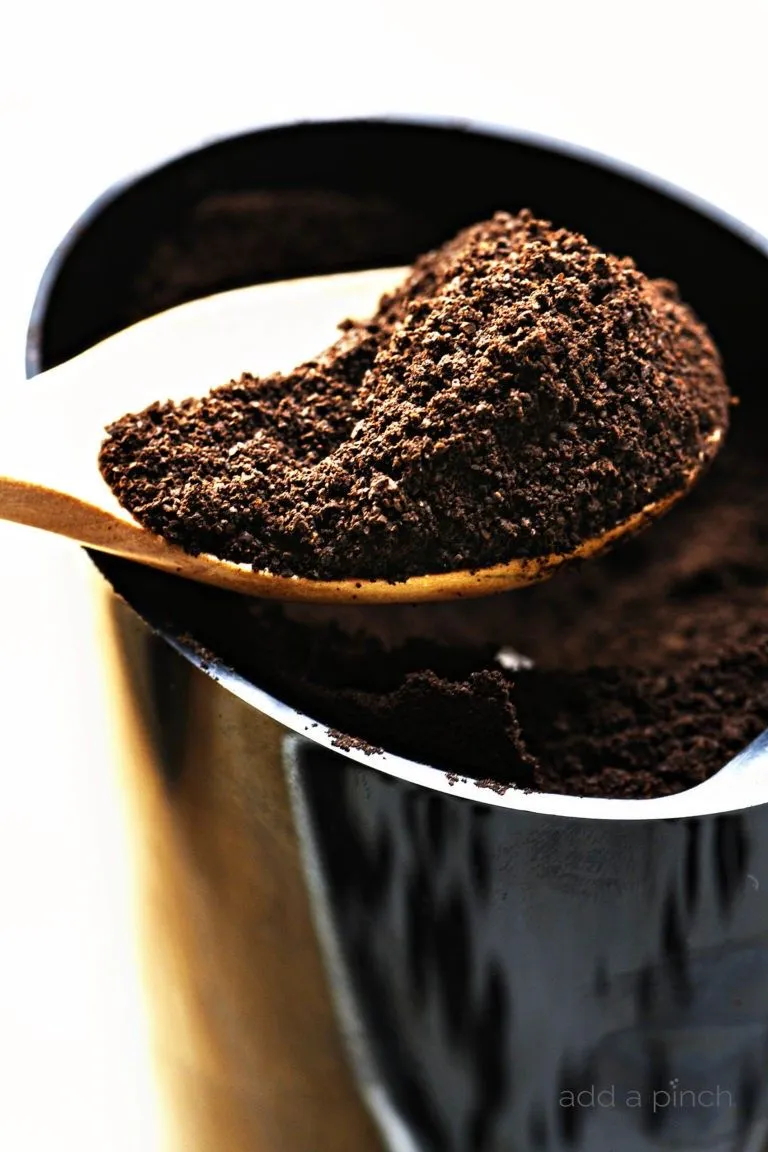
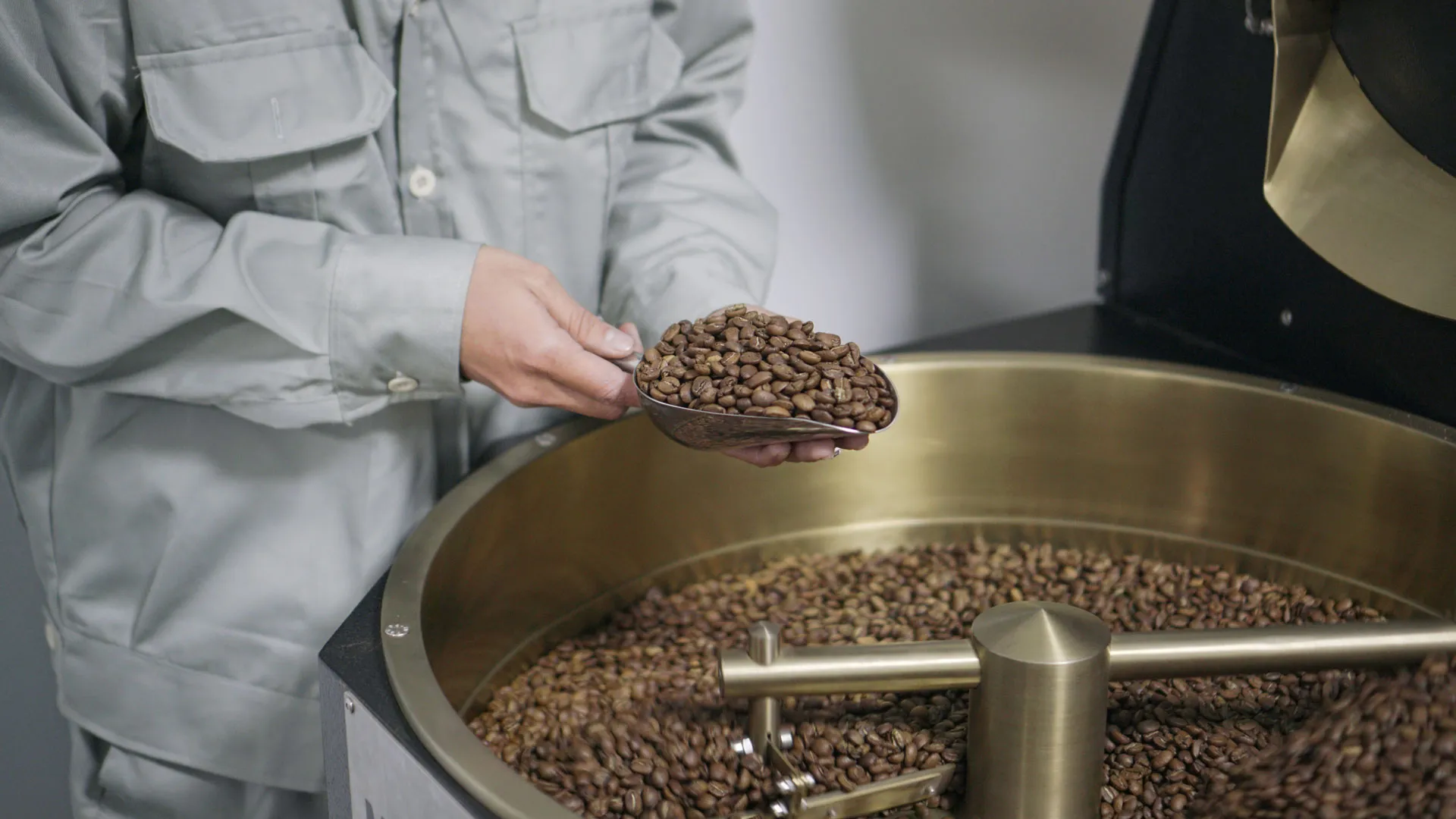
If roasting isn’t something you’re interested in taking on yourself, sourcing already roasted whole bean coffee lets you skip that step entirely and focus purely on finding good flavor ready to grind and brew. This route requires paying closer attention to freshness specifically, since roasted coffee stales considerably faster than green coffee, meaning roast date matters as much as the source itself when evaluating any specific bag you’re considering. Whole bean coffee also holds its freshness noticeably longer than pre-ground coffee once you do bring it home, since grinding dramatically increases the surface area exposed to oxygen, meaning even a well-sourced bag of pre-ground coffee stales faster than the same coffee purchased whole bean and ground just before brewing.
Where First Time Buyers Can Actually Source Coffee
Once you know what format you need, several genuinely different channels exist for actually finding and purchasing it, each with its own tradeoffs worth understanding.
Specialty Retailers and Online Shops
Dedicated specialty coffee retailers, both physical shops and online stores built specifically around coffee rather than general grocery retail, typically offer considerably more detailed information about origin, processing, and roast date than a generic supermarket shelf provides. These sources also tend to rotate inventory more frequently, meaning you’re more likely to find recently roasted coffee or recently harvested green beans compared to a source that moves product more slowly and holds inventory for longer periods before it actually reaches you. Many specialty retailers also publish detailed information online about each specific coffee they carry, cupping notes, processing method, farm or cooperative name, giving first time buyers genuine research material to work from before making a purchase decision, a level of transparency that’s become increasingly common as specialty coffee culture has matured over the past decade.
Direct From a Supplier or Roaster
Buying directly from a coffee supplier or roasting company, rather than through an intermediary retailer, often gives you access to more detailed origin information and sometimes better pricing, particularly once you’re buying in quantities beyond a single small retail bag. Many suppliers happily work with individual buyers even at modest volumes, not just businesses placing large commercial orders, making this route more accessible to a genuine first time buyer than it might initially seem, and a genuine specialty coffee supplier in particular often welcomes smaller trial purchases specifically to build the kind of relationship that could grow into a larger order down the line.
Local Roasters and Farmers Markets
Local roasters selling directly to consumers, whether through their own retail location or at farmers markets and similar events, offer the advantage of being able to ask questions directly and sometimes taste before buying, an option online sourcing simply can’t replicate. This route also supports smaller, local businesses directly, an appealing consideration for buyers who value that kind of local economic connection alongside the coffee itself. Farmers markets specifically offer a genuinely low-pressure environment to start conversations with roasters you might not otherwise encounter, and many local roasters are happy to talk at length about their sourcing and roasting approach to a genuinely curious customer, information that can meaningfully inform your broader understanding of what to look for even when you eventually buy from a different source.
Evaluating Quality Before You Buy
Regardless of which channel you’re sourcing through, a few consistent quality signals help you evaluate a potential purchase before committing. For roasted coffee, check the roast date printed on the bag, coffee within two to three weeks of roasting generally offers noticeably better flavor than older stock, and any bag without a roast date at all is worth treating with some skepticism about how fresh it actually is. For green coffee, ask about harvest date and processing method, since a source willing and able to answer these questions specifically demonstrates a level of sourcing transparency that a vague, generic answer doesn’t provide. Packaging itself offers another useful clue, roasted coffee sold in a bag with a proper one-way degassing valve suggests a seller who understands and prioritizes freshness protection, while coffee sold in a simple, unsealed bag without this feature often indicates less attention to the details that actually preserve quality between roasting and the moment it reaches your cup.
Understanding Quantity and Freshness
How much coffee to actually buy, and how to keep it fresh once you have it, matters just as much as where you source it from in the first place.
How Much to Buy for Personal Use
Buying only what you’ll realistically use within a few weeks, rather than stocking up heavily on a good sale price, generally serves individual buyers better given how much roasted coffee’s flavor declines over time even under good storage conditions. Green coffee offers more flexibility here given its longer shelf life, though even green coffee benefits from being used within a reasonable window rather than treated as an indefinitely stable pantry staple. A useful rule of thumb for most individual buyers is to purchase roughly two to four weeks of roasted coffee at a time based on your actual consumption pace, adjusting that quantity as you get a better sense of how much coffee your household genuinely goes through, rather than guessing at an amount and either running out unexpectedly or accumulating more stale coffee than you can reasonably use before quality declines meaningfully.
Storage and Freshness Once You Have It
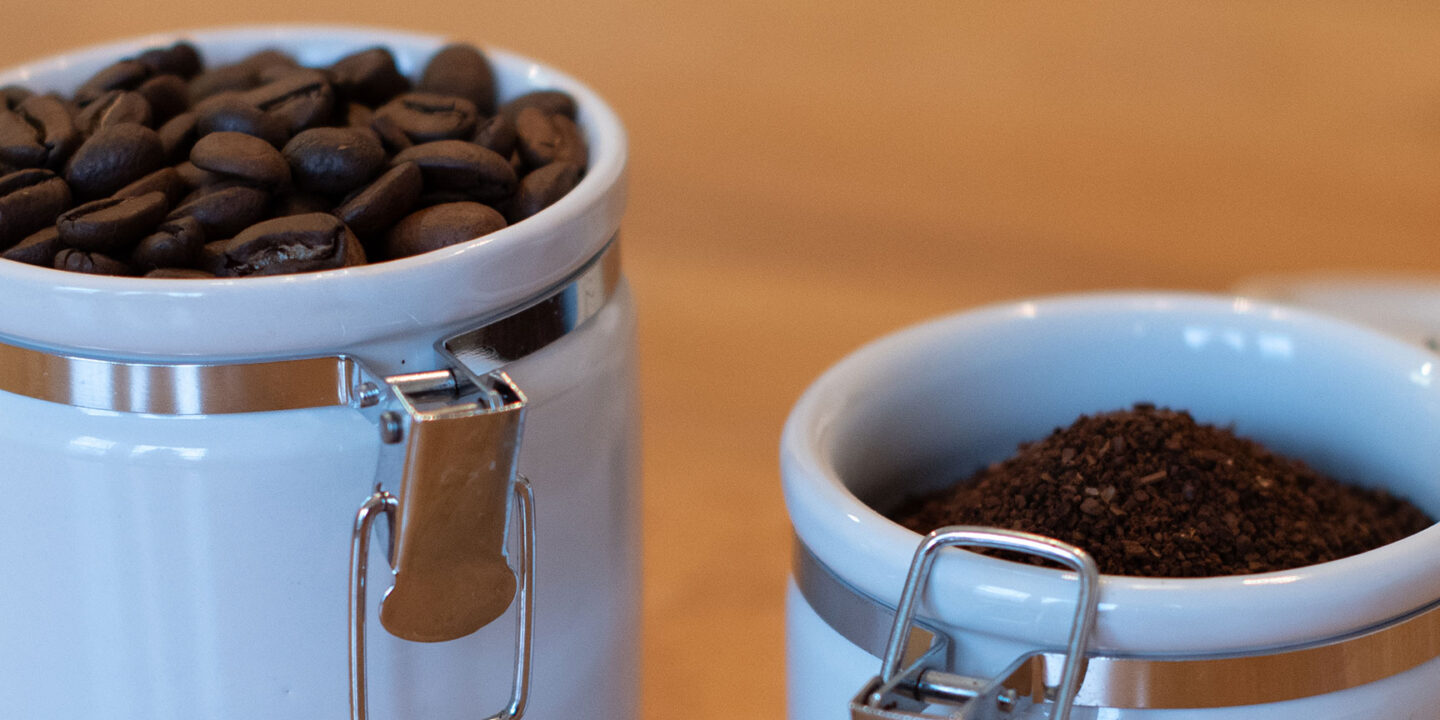
Store coffee, whether green or roasted, in a cool, dark place away from direct sunlight and heat sources, ideally in an airtight container if you’ve moved it out of its original packaging. This basic storage discipline matters more than people initially assume, since even coffee sourced from an excellent supplier can decline meaningfully in quality if stored carelessly once it actually reaches your home.
Storage and Freshness Once You Have It
Questions to Ask Any Potential Source
Before committing to a purchase, particularly from a new source you haven’t bought from before, a few direct questions help confirm you’re actually getting what you expect. Ask specifically about origin, whether the coffee comes from a single farm, a single region, or a blend across multiple sources, since this affects both flavor and how the coffee should genuinely be described and priced. For buyers considering a slightly larger purchase, working with a genuine specialty coffee supplier capable of answering detailed questions about processing method, altitude, and harvest timing signals a source that takes sourcing transparency seriously, rather than one simply reselling generic, undifferentiated coffee without much underlying knowledge of where it actually came from.
When You Are Ready to Source at Larger Volume
As your interest or your small business grows beyond occasional personal purchases, sourcing considerations shift somewhat, though the fundamental principles covered above still apply at larger scale. A home roaster moving toward supplying friends, a small stand, or an early cafe concept might start exploring a roasted coffee wholesale relationship specifically, gaining access to more consistent, larger volume than retail purchasing typically supports.
Similarly, someone considering a ground coffee wholesale relationship for a small retail or foodservice concept benefits from the same quality evaluation principles covered throughout this guide, just applied at a scale requiring more formal supplier communication than a single retail purchase involves.
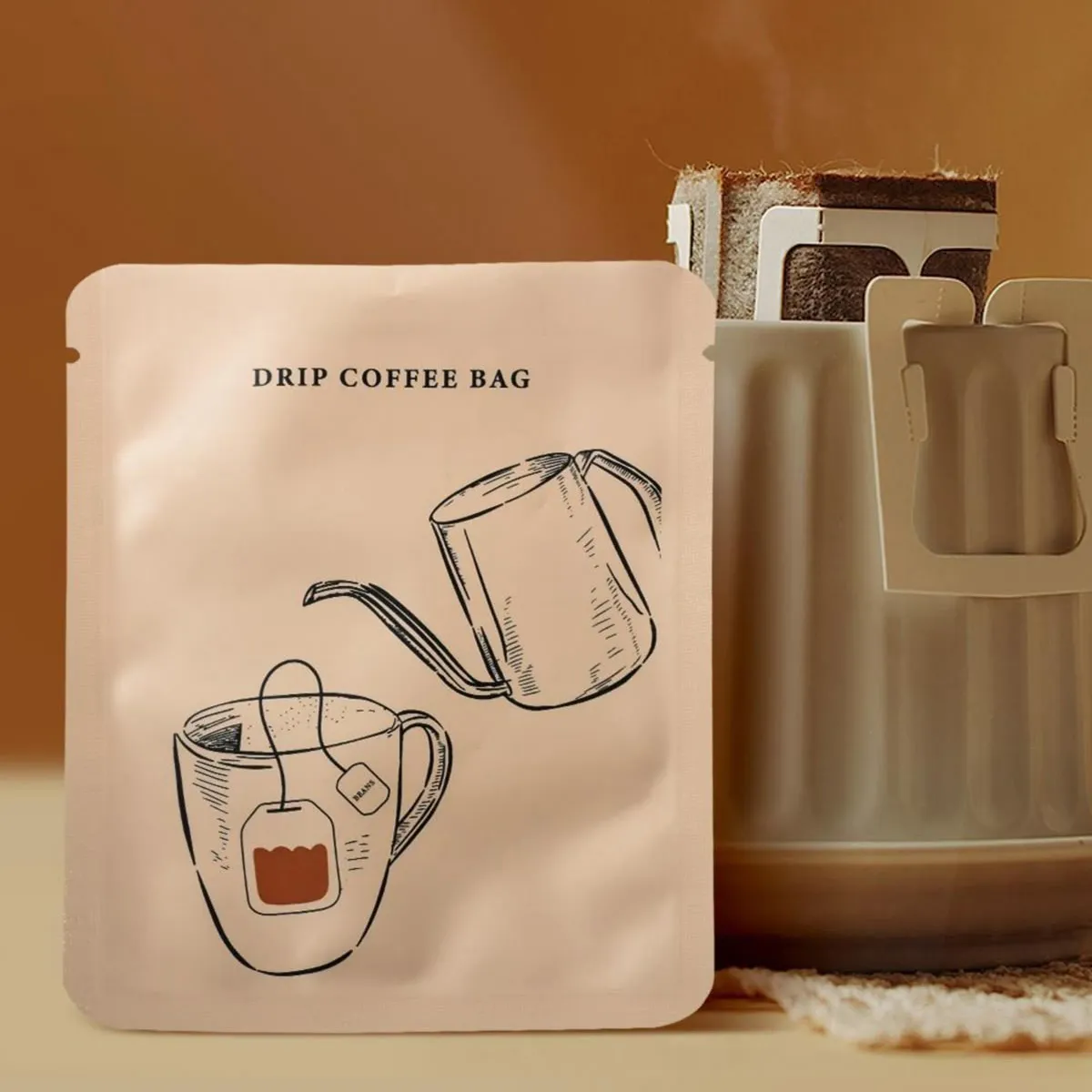
Buyers exploring convenience formats specifically, perhaps for a small office or a concept built around speed, might look toward a drip coffee supplier for single-serve options.
Others might consider instant coffee wholesale sourcing if shelf stability and quick preparation matter more than the ritual of fresh brewing for their specific use case, and anyone planning a more significant instant coffee bulk buy at this stage should apply the same sourcing transparency questions covered earlier, confirming production method and quality documentation rather than assuming any instant coffee source meets the same standard simply because the format itself seems more commoditized than whole bean coffee.
For buyers whose interest has grown into wanting a genuinely differentiated, traceable product line, exploring a specialty coffee wholesale relationship specifically opens up access to lot-level documentation and consistent quality that occasional retail purchasing, however careful, generally can’t match at the volume a growing small business eventually needs.
Getting Started
Learning how to source coffee beans well as a first time buyer really comes down to being clear about what format you need, choosing a channel that offers genuine transparency about origin and freshness, and asking direct questions before committing to any purchase, whether that’s a single retail bag or your first larger order as your interest grows. Ready to source quality coffee beans from a transparent, traceable supplier? Request a sample from 1300’S Coffee to experience Vietnamese origin coffee with full documentation from farm to bag.
Read more: What Is Single Source Coffee Definition and Why It Matters


1300s BLOG YOU MAY ALSO BE INTERESTED IN
Arabica Coffee Beans Supplier Delivering Specialty Grade Quality to Global Roasters
How to Roast Coffee Beans Professionally What Changes at Commercial Scale
Vietnam Coffee Bean Supplier Trusted by International Roasters and Importers