


What Is a Coffee Roaster Definition Role and What They Actually Do
The term coffee roaster gets used in a few genuinely different ways, and understanding which meaning applies in a given context matters before diving into what the role actually involves. What is a coffee roaster, really, when someone uses the term? It depends entirely on whether they’re referring to a piece of equipment or a person and business responsible for transforming green coffee into the roasted product people actually brew. This guide covers both meanings, then focuses in depth on what a coffee roaster as a professional or business actually does, the skills the role requires, and how roasters fit into the broader coffee supply chain.
What Is a Coffee Roaster Two Different Meanings
Before going further, it’s worth clarifying the two distinct things this term commonly refers to, since confusing them leads to real misunderstanding about what’s actually being discussed.
A Coffee Roaster as a Machine
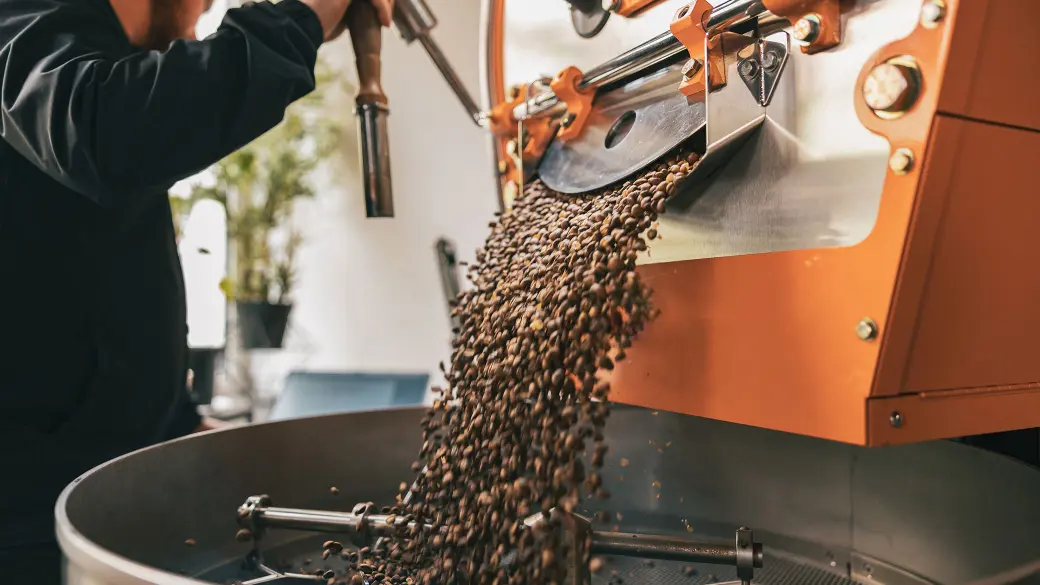
In its most literal sense, a coffee roaster refers to the physical equipment used to apply heat to green coffee beans, transforming them from a hard, grassy-smelling seed into the aromatic, flavorful product recognizable as roasted coffee. These machines range from small home units and modified popcorn poppers through to large industrial drum roasters capable of processing hundreds of kilograms per batch, all built around the same fundamental principle of controlled heat application over a specific time period. Most commercial machines use a rotating drum design specifically to ensure even heat distribution across a batch, paired with programmable controls for temperature and airflow that allow an operator to reproduce a specific roast profile consistently across many separate roasting sessions, a level of precision that basic home equipment typically can’t match.
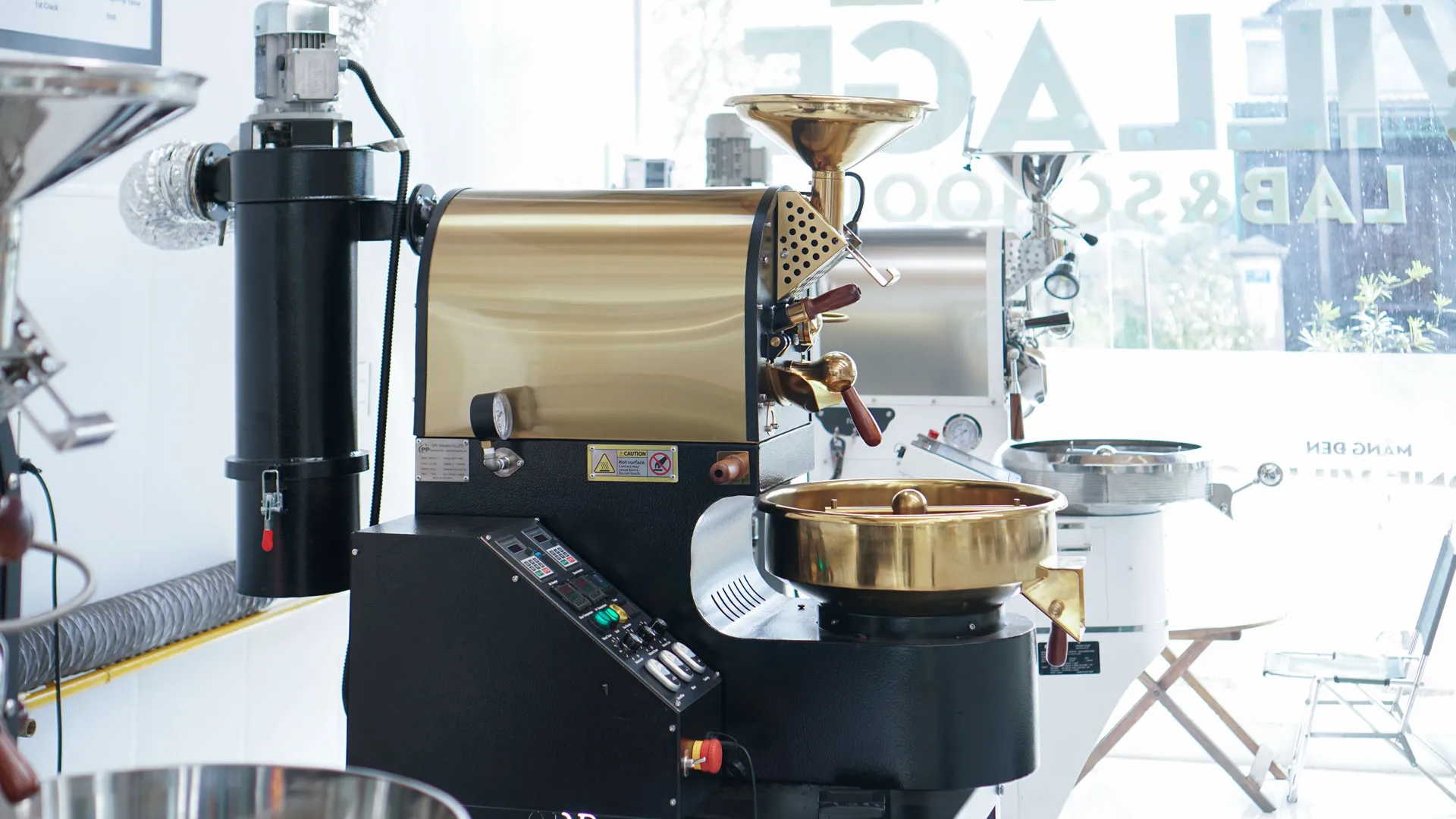
A Coffee Roaster as a Machine
A Coffee Roaster as a Person or Business
Far more commonly in everyday conversation, a coffee roaster refers to the person or company responsible for actually operating that equipment and running the broader business of sourcing, roasting, and selling coffee. When someone asks what is a coffee roaster in the context of, say, looking for a local business to buy coffee from, they’re almost always asking about this second meaning, a company or individual whose profession or business centers on the roasting process and everything connected to it.
What a Coffee Roaster Actually Does Day to Day
Understanding what a coffee roaster actually does beyond the roasting itself reveals a role considerably more involved than simply operating a machine on a schedule.
Sourcing Green Coffee
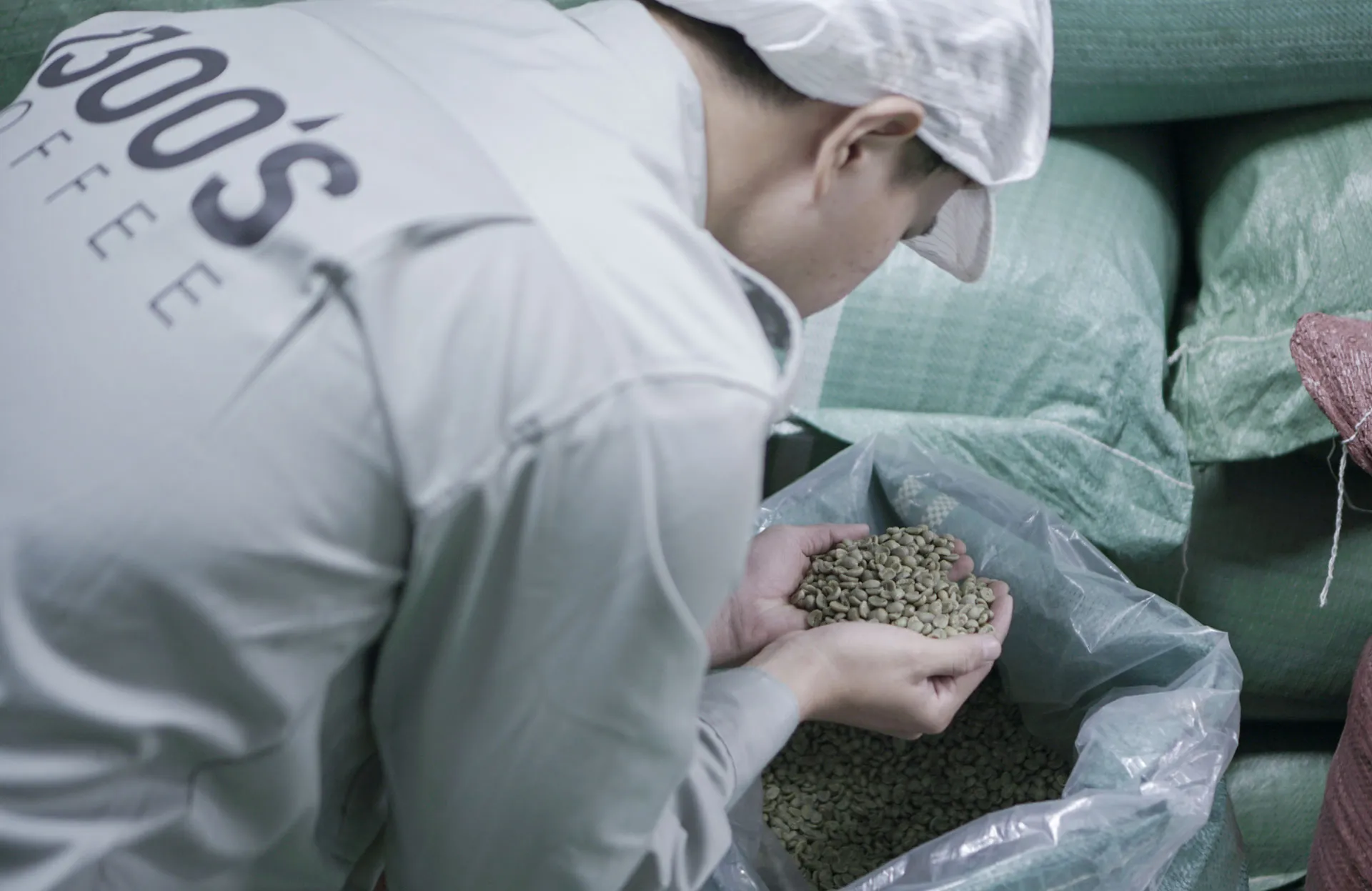
Before any roasting happens, a coffee roaster needs to source quality green coffee, evaluating samples, cupping different lots, and building relationships with growers, exporters, or importers to secure consistent supply. This sourcing decision shapes everything that follows, since no amount of roasting skill can fully compensate for poor quality or improperly stored green coffee, making this arguably the most consequential decision a roaster makes even though it happens before any actual roasting takes place. Experienced roasters typically maintain relationships with multiple sources rather than depending entirely on a single supplier, both to access a broader range of origins and flavor profiles and to reduce the risk of supply disruption if any single relationship encounters a problem, whether a poor harvest, a shipping delay, or a quality issue with a specific lot.
Developing and Executing Roast Profiles
Once green coffee is sourced, a roaster develops a specific roast profile for each product, a documented temperature and timing curve calibrated to bring out the flavor characteristics they’re targeting for that particular coffee. Executing this profile consistently across every batch, not just achieving it once in an ideal test roast, is what separates a professional operation from casual experimentation, and it requires genuine technical skill built up through considerable practice and, increasingly, data logging that tracks roast curves precisely enough to reproduce them reliably. Developing a new profile for a specific green coffee lot typically involves multiple test roasts, adjusting variables like charge temperature, airflow, and development time until the roaster arrives at a result that genuinely showcases what that particular coffee does best, a process that can take anywhere from a few attempts to considerably longer depending on how distinctive or challenging a specific lot turns out to be.
Quality Control and Cupping
A coffee roaster’s responsibilities extend well past the roast itself into ongoing quality verification, cupping finished batches against established standards, tracking defects, and catching inconsistencies before a batch reaches a customer. This quality control function is what actually protects a roaster’s reputation over time, since a single bad batch reaching customers can undo considerable goodwill built up through many previous good ones, making this verification step a genuine business necessity rather than an optional extra step. Many established roasters maintain a reference sample from a particularly well-executed batch specifically to cup future production against, since comparing directly against a known good standard catches subtle drift in quality that might otherwise go unnoticed when evaluating a new batch entirely on its own.
Types of Coffee Roasters
Coffee roasters exist across a wide spectrum of scale, from individual hobbyists roasting occasional small batches at home purely for personal enjoyment, through micro-roasters running a small commercial operation supplying local cafes or a direct retail customer base, up to large industrial operations roasting thousands of kilograms daily for national or international distribution. Each scale involves genuinely different equipment, quality control systems, and business considerations, and what is a coffee roaster in casual conversation could reasonably refer to any point along this entire spectrum depending on the specific context. A micro-roaster, typically defined as an operation roasting relatively small batches with a strong emphasis on quality and often direct customer relationships, occupies a particularly interesting middle position, since these businesses frequently compete on specialty positioning and personalized service rather than the volume and price advantages larger industrial roasters can offer, carving out a distinct market segment that appeals to customers specifically seeking that closer, more curated relationship with their coffee source.
Skills and Knowledge a Good Coffee Roaster Needs
Beyond simply operating equipment, a skilled coffee roaster develops a genuinely specialized knowledge base over time, understanding how different green coffee characteristics, origin, processing method, moisture content, respond to different roast approaches, and developing the sensory skills to evaluate cupping results accurately and consistently. This expertise typically takes years to develop fully, since roasting well requires both technical understanding of the underlying chemistry and the kind of pattern recognition that only comes from roasting many batches and learning from both successes and mistakes along the way. Beyond the purely technical roasting skill, successful roasters, particularly those running their own business rather than working for a larger operation, also need genuine sourcing judgment, basic business management capability, and often marketing sense to communicate what makes their specific coffee worth choosing over the many other options a customer could reasonably consider instead.
How Roasters Fit Into the Broader Coffee Supply Chain
A coffee roaster occupies a specific, pivotal position within the broader journey coffee takes from farm to cup, sitting between green coffee producers and exporters on one side and the cafes, retailers, or direct consumers who actually brew and drink the finished product on the other. This middle position means a roaster’s decisions, which green coffee to source, how to develop and execute roast profiles, directly determine what quality and flavor characteristics ultimately reach the end consumer, regardless of how good the underlying green coffee actually was before it reached the roaster’s hands. A roaster who sources exceptional green coffee but executes a poor roast can produce a genuinely disappointing final product, just as a skilled roaster working with mediocre green coffee faces a ceiling on quality that no amount of roasting expertise can fully overcome, illustrating why both halves of this equation matter equally to the final result. Businesses building a coffee brand without their own roasting operation often work with an established roasted coffee wholesale supplier specifically to access this expertise without needing to develop it entirely in-house, effectively outsourcing the roasting expertise piece of the supply chain to a partner who’s already built the necessary skill and equipment investment, letting the business focus its own resources on branding, distribution, and customer relationships instead.
What Roasters Offer Beyond Whole Bean Coffee
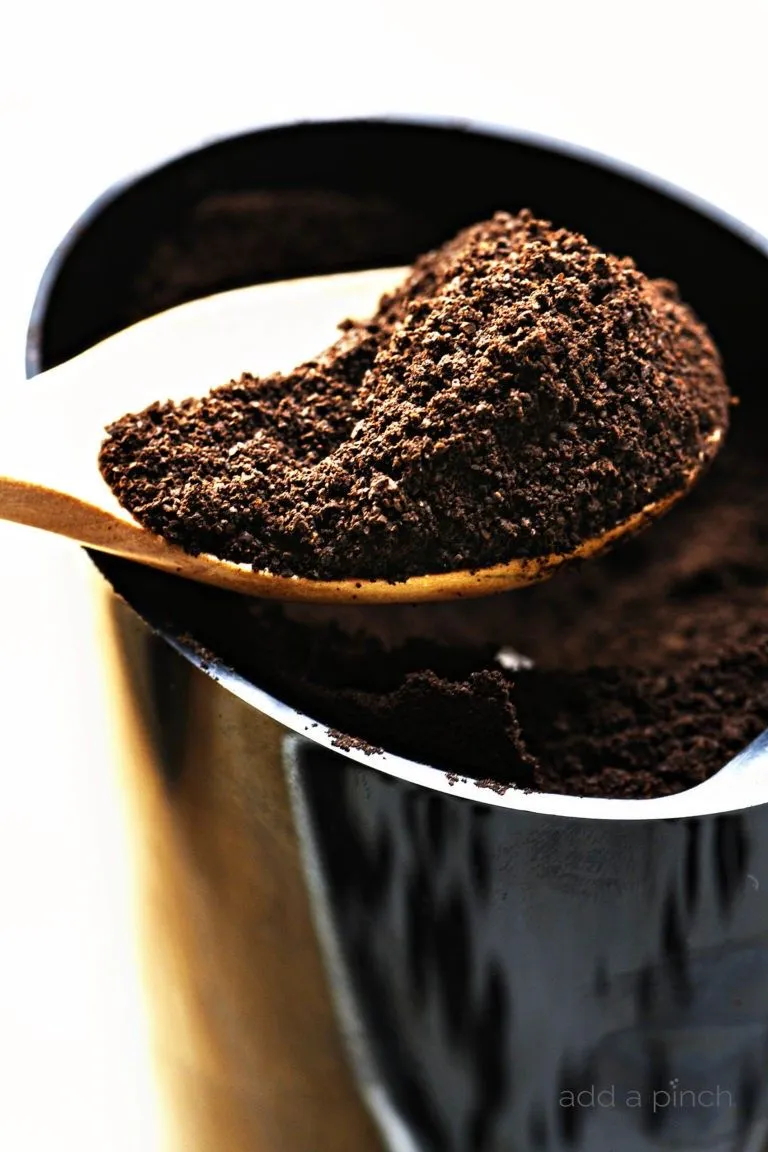
Many coffee roasters extend their operations beyond simply producing whole bean coffee, offering additional formats to serve a broader customer base. A roaster capable of ground coffee wholesale supply calibrates grind size specifically to different brewing methods for customers who want ready-to-brew convenience without managing their own grinder, an extension that requires additional equipment and tighter freshness management given how much faster ground coffee stales compared to whole bean. This expansion typically only makes sense once a roaster has genuine customer demand for the format, since adding ground coffee production purely because the capability exists, without confirming real demand first, adds operational complexity that may not pay off in actual sales.
Roasters Working With Specialty Grade Coffee
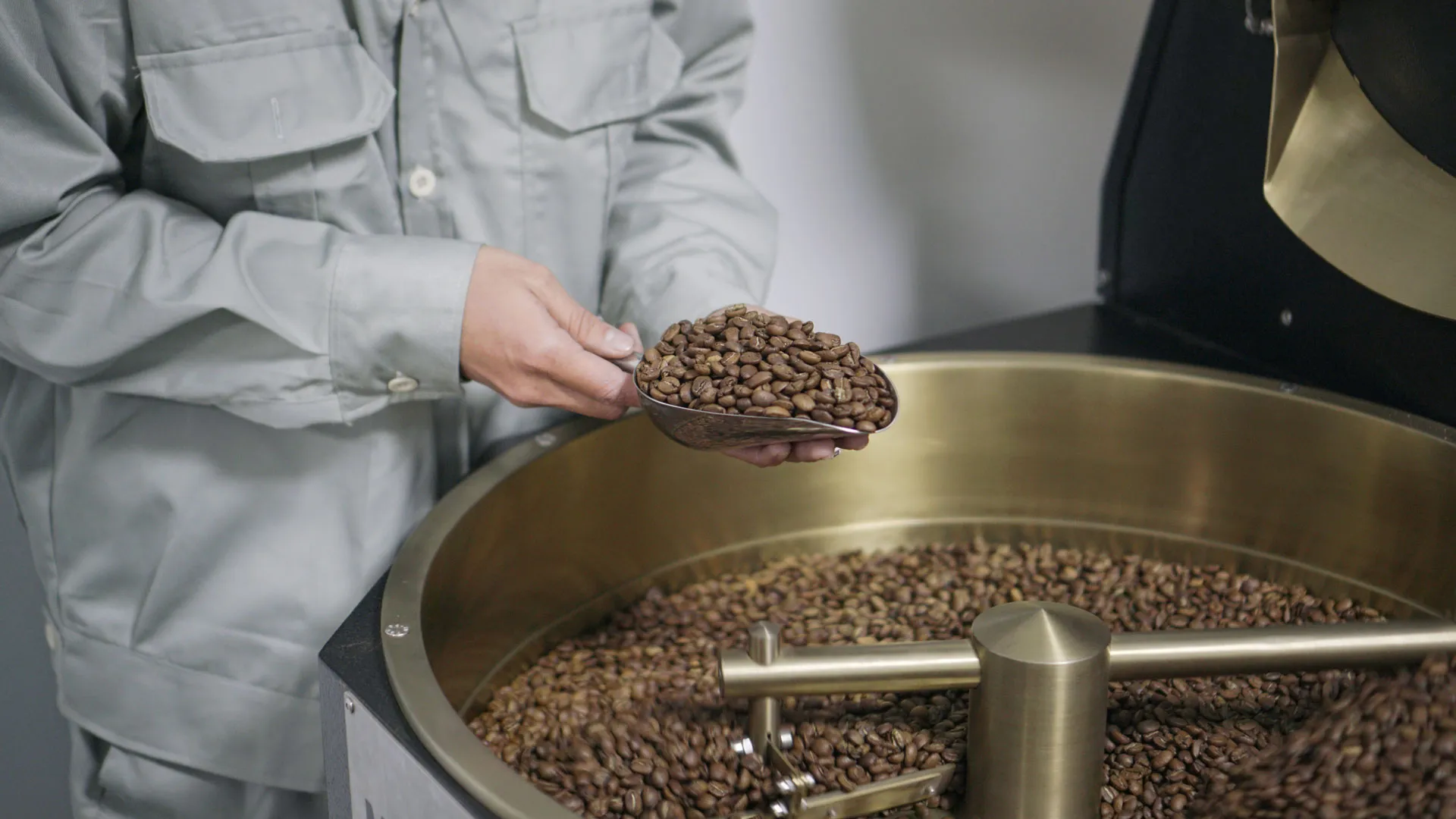
Some roasters specifically position themselves around specialty grade coffee, working closely with a genuine specialty coffee supplier capable of providing lot-specific cupping data and documented processing methods rather than commodity grade volume alone. Building a real specialty coffee wholesale program requires this kind of sourcing rigor combined with the roasting skill to actually bring out what makes a specific origin or processing method distinctive, since specialty positioning depends entirely on delivering genuine, verifiable quality rather than a marketing label applied loosely to standard commercial grade coffee.
Roasters Working With Specialty Grade Coffee
Roasters Expanding Into Convenience Formats
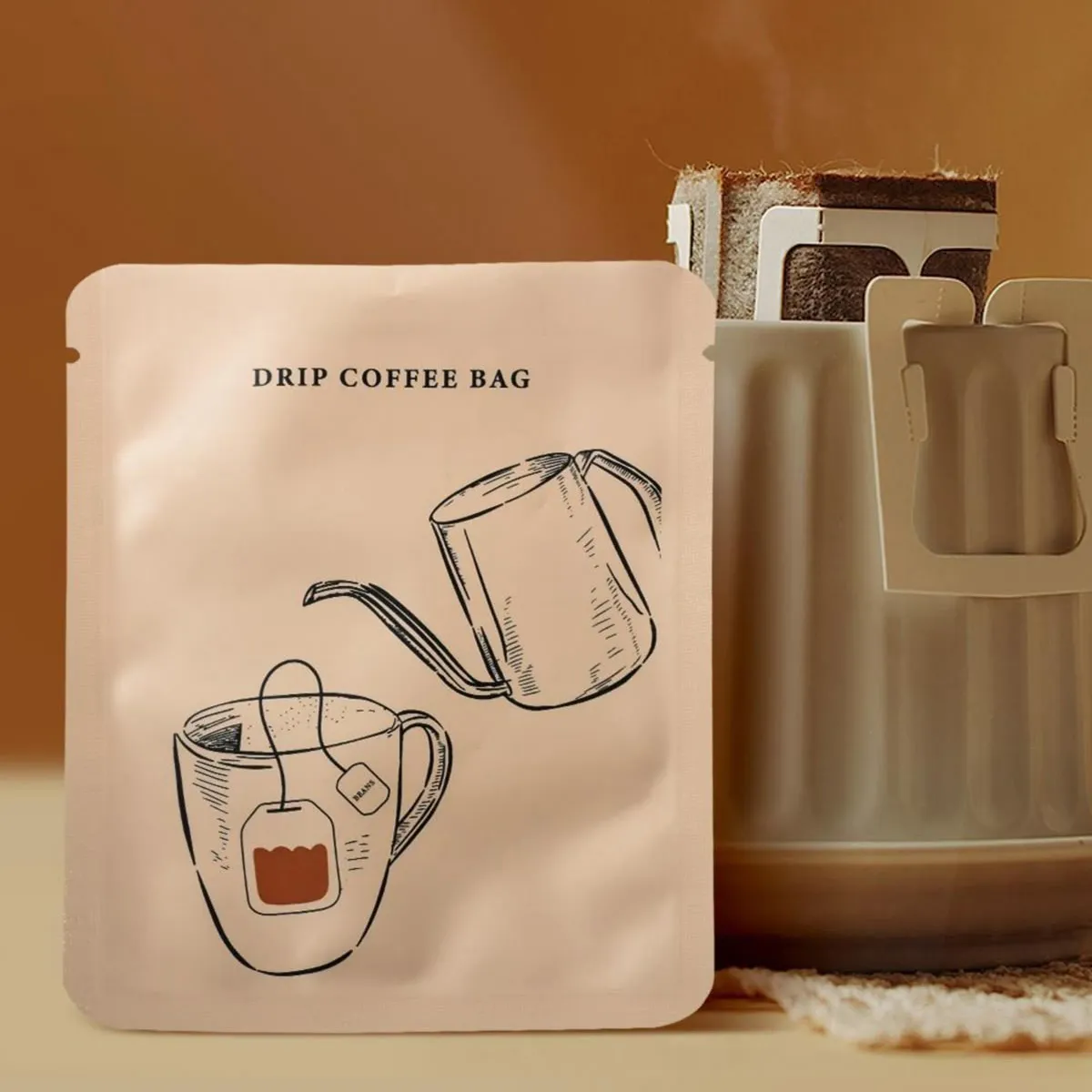
A smaller number of coffee roasters extend into formats built specifically around convenience, working with the kind of specifications a drip coffee supplier follows to package roasted, ground coffee into single-serve filter bags for customers wanting a fresher alternative to instant coffee without a full brewing setup. This represents a genuine format extension requiring its own packaging equipment and grind calibration, distinct from simply repackaging existing whole bean or standard ground coffee into a different bag.
Where Instant Coffee Diverges From What a Roaster Typically Does
It’s worth noting that instant coffee wholesale production, and businesses planning an instant coffee bulk buy relationship for a private label line, represent an entirely different manufacturing process from what a traditional coffee roaster does, involving spray or freeze drying brewed coffee into a soluble format rather than the roasting and packaging of whole bean or ground coffee covered throughout this guide. A business asking what is a coffee roaster in the context of sourcing instant coffee specifically is often actually looking for a different kind of manufacturer entirely, one built around this separate production chain rather than traditional roasting expertise.
Becoming or Hiring a Coffee Roaster for Your Business
Businesses building a coffee brand face a genuine choice between developing in-house roasting capability or partnering with an established roaster who already has the equipment, expertise, and quality systems in place. Developing in-house capability offers more direct control but requires significant investment in equipment, training, and the years of experience needed to roast consistently at a professional standard, while partnering with an existing roaster lets a business focus on branding, sales, and customer relationships while relying on established expertise for the actual production. Neither approach is universally better, and the right choice depends heavily on a business’s specific goals, available capital, and how central roasting expertise itself is meant to be to the brand’s actual value proposition and market positioning. A business whose brand identity is built specifically around a distinctive, hard-to-replicate roast profile may find in-house capability essential to protecting that differentiation, while a business focused primarily on branding, marketing, and distribution might reasonably conclude that partnering with an experienced roaster lets them reach market faster and with less risk than building comparable expertise from scratch.
Getting Started
Whether you were simply curious what is a coffee roaster in a general sense, or the question led you to think more seriously about sourcing roasted coffee for your own business, understanding the full scope of what this role actually involves, sourcing, roasting, quality control, and often extending into additional formats, gives you a genuinely informed foundation for whatever comes next. Looking for an established coffee roaster to partner with for your business? Request a sample and a conversation with 1300’S Coffee to see how sourcing, roasting, and quality control come together in a real operation.
Read more: How to Roast Coffee Beans for Espresso: Roast Level and Profile Guide


1300s BLOG YOU MAY ALSO BE INTERESTED IN
Coffee Factory Vietnam Guide for International Buyers and Roasters
Can You Eat Raw Coffee Beans What Actually Happens If You Do
Are Vietnamese Coffee Beans Good? A Scientific Answer for Roasters