


Are Vietnamese Coffee Beans Good? A Scientific Answer for Roasters
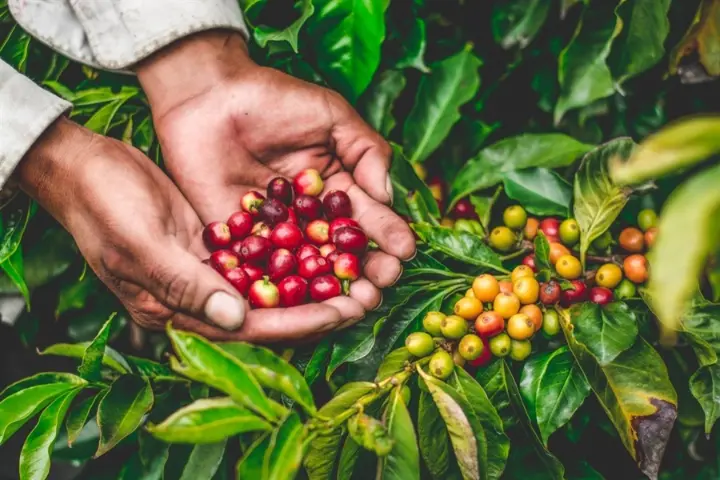
Are Vietnamese coffee beans good enough to anchor a premium private label program? As a vertically integrated Farm-to-Cup manufacturer sourcing from the high-altitude forests of Măng Đen, we are frequently asked this question by roasters, importers, and brand founders evaluating Vietnam as a sourcing origin. The answer requires moving beyond outdated perceptions of Vietnamese coffee as commodity-grade Robusta and examining the terroir, processing science, and quality control systems that now define the country’s specialty segment. Whether you are a specialty coffee supplier building a new product line, an instant coffee supplier expanding into instant coffee wholesale or bulk instant coffee wholesale programs, or a network of private label coffee suppliers searching for a reliable drip coffee supplier, the question deserves a data-driven answer rather than a generalization. In this article, we break down the factors that determine whether Vietnamese beans meet the standards demanded by discerning coffee roasters wholesale and specialty coffee wholesale buyers, and why so many procurement teams are now asking are Vietnamese coffee beans good with renewed seriousness.
The Terroir Argument: Why Altitude and Volcanic Soil Matter
Coffee quality begins in the soil and climate long before it reaches a roaster’s drum. Terroir—the combination of elevation, soil composition, temperature variation, and rainfall—directly shapes the density, sugar development, and aromatic complexity of green coffee.
High-Altitude Sourcing at 1,300 Meters
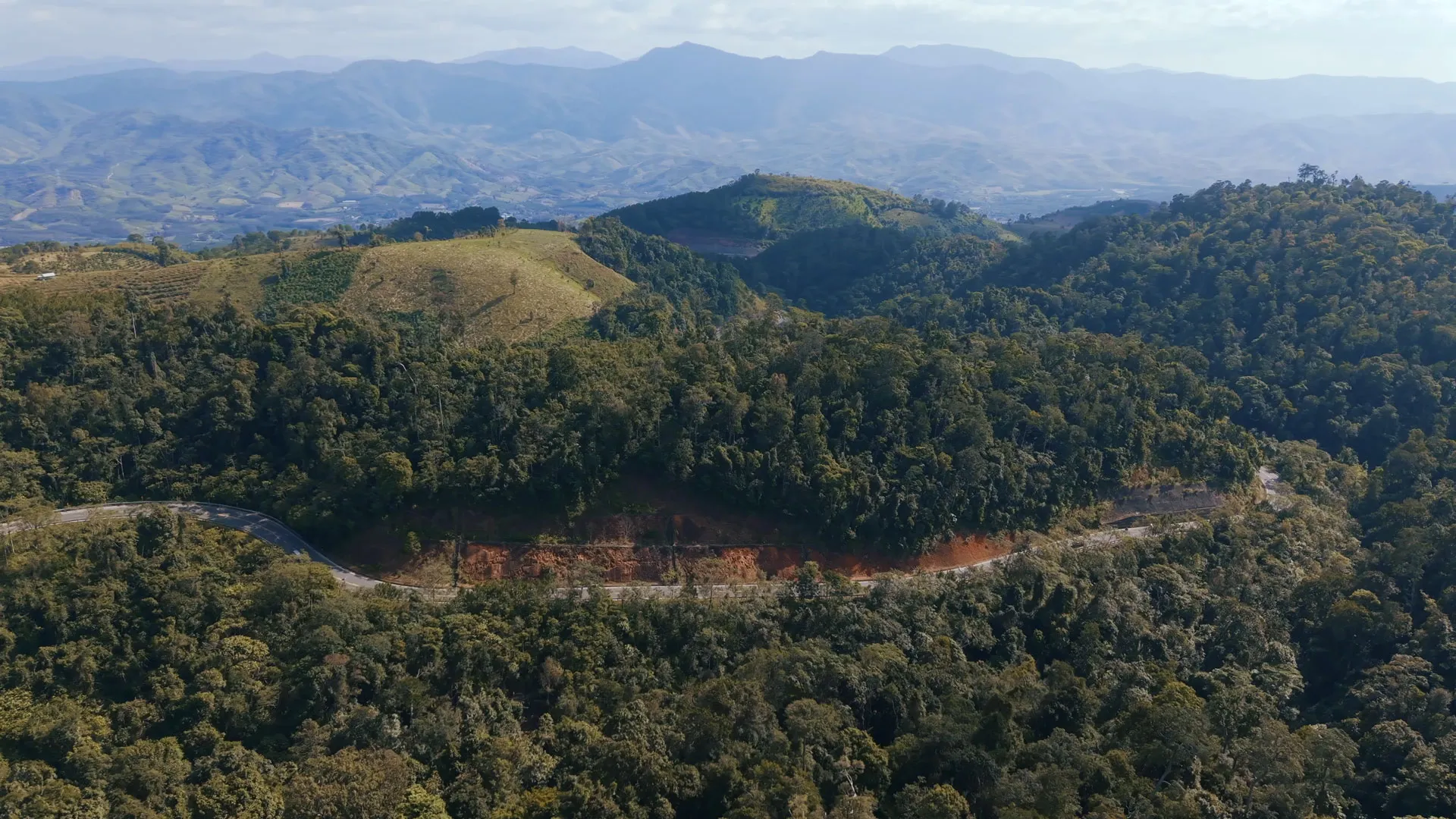
Our sourcing network is centered on Măng Đen, a primeval forest region sitting at 1,300 meters above sea level. At this altitude, cooler nighttime temperatures slow cherry maturation, allowing sugars and organic acids to develop more fully within the fruit. This slower maturation cycle is a primary driver of the more nuanced, layered cup profiles associated with high-grown specialty coffee, distinguishing it from lowland Robusta grown for bulk commodity markets. This altitude-driven cup quality is central to answering whether are Vietnamese coffee beans good enough to compete against established origins on the global specialty stage.
High-Altitude Sourcing at 1,300 Meters
Volcanic Soil and Mineral Density
The volcanic soil composition found across our six-region sourcing network contributes mineral density that supports robust plant health and cherry development. This agricultural foundation, combined with our 40,000m² bio-fertilizer plant and smart farm practices, ensures that the trees producing our beans are cultivated within a controlled, sustainable ecosystem rather than left to unmanaged commodity farming practices. It is this deliberate cultivation strategy, rather than geography alone, that begins to shift the conversation around are Vietnamese coffee beans good from anecdote to evidence.
CQI Scoring: Removing the Guesswork from Green Bean Quality
One of the clearest ways to answer whether Vietnamese coffee beans are good is to examine how they are scored against internationally recognized quality benchmarks rather than relying on origin reputation alone.
What CQI Scoring Verifies
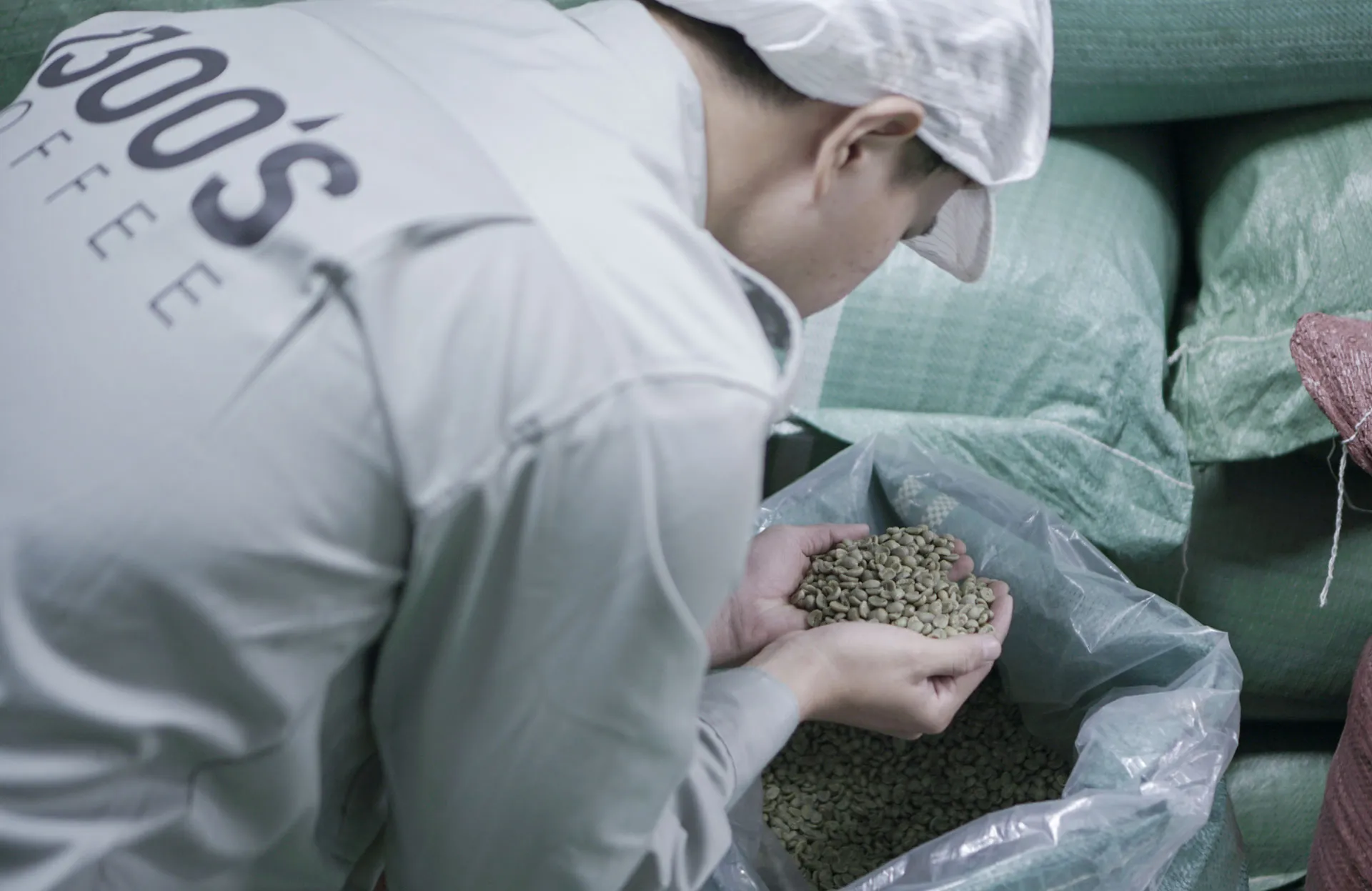
Coffee Quality Institute (CQI) scoring is an internationally recognized protocol for evaluating green coffee against defined defect thresholds, moisture content, and sensory attributes. We apply 100% CQI scoring through Stone Village Lab, meaning every lot entering our supply chain is independently verified rather than assessed through informal or inconsistent grading.
Why This Matters for Private Label Buyers
For private label coffee suppliers and their clients, consistent green bean scoring is the foundation of a repeatable finished product. Without standardized quality verification, brand founders risk inconsistent roast outcomes, unpredictable cup profiles, and compliance issues when exporting to regulated markets. A documented CQI score gives procurement teams objective data rather than subjective assurances, which is precisely the kind of evidence that should inform any serious evaluation of are Vietnamese coffee beans good for a given product line.
Cupping and Sensory Evaluation: Beyond the Numbers
Scoring protocols provide a quantitative baseline, but sensory cupping is where the practical question of are Vietnamese coffee beans good becomes tangible for roasters and blenders. Structured cupping sessions evaluate fragrance, acidity, body, sweetness, and finish under standardized brewing parameters, allowing buyers to compare lots consistently regardless of origin claims.
How Sensory Data Informs Purchasing Decisions
When high-altitude Măng Đen lots are cupped alongside beans from other established origins, the layered acidity and developed sweetness resulting from slower cherry maturation become apparent in the cup itself, not just on a scorecard. This sensory validation, paired with CQI documentation, gives procurement managers two independent forms of evidence when deciding whether a given lot meets their brand’s positioning requirements.
Consistency Across Multiple Harvests
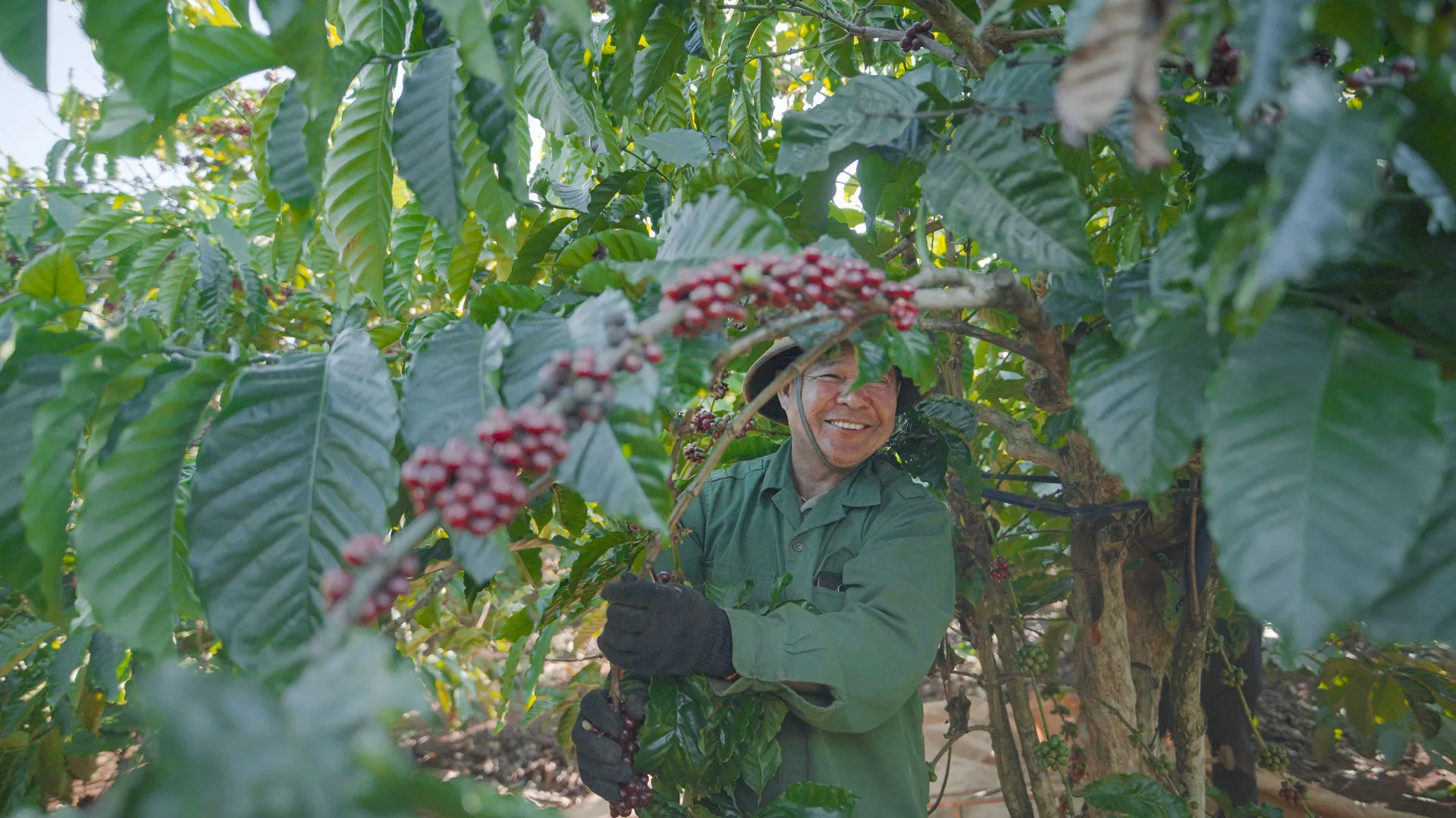
A single excellent cupping score is not sufficient proof of quality; consistency across harvest cycles matters more for a commercial buyer. Our six-region sourcing network and standardized post-harvest handling are designed to reduce lot-to-lot variability, which is essential for any brand attempting to answer are Vietnamese coffee beans good on a scale beyond a single sample shipment.
Consistency Across Multiple Harvests
Roast Profiling: Turning Good Beans Into a Consistent Product
Even exceptional green coffee can be undermined by inconsistent roasting. Roast development determines how the sugars, acids, and volatile aromatic compounds within the bean are expressed in the final cup.
Digitally Logged Roast Curves
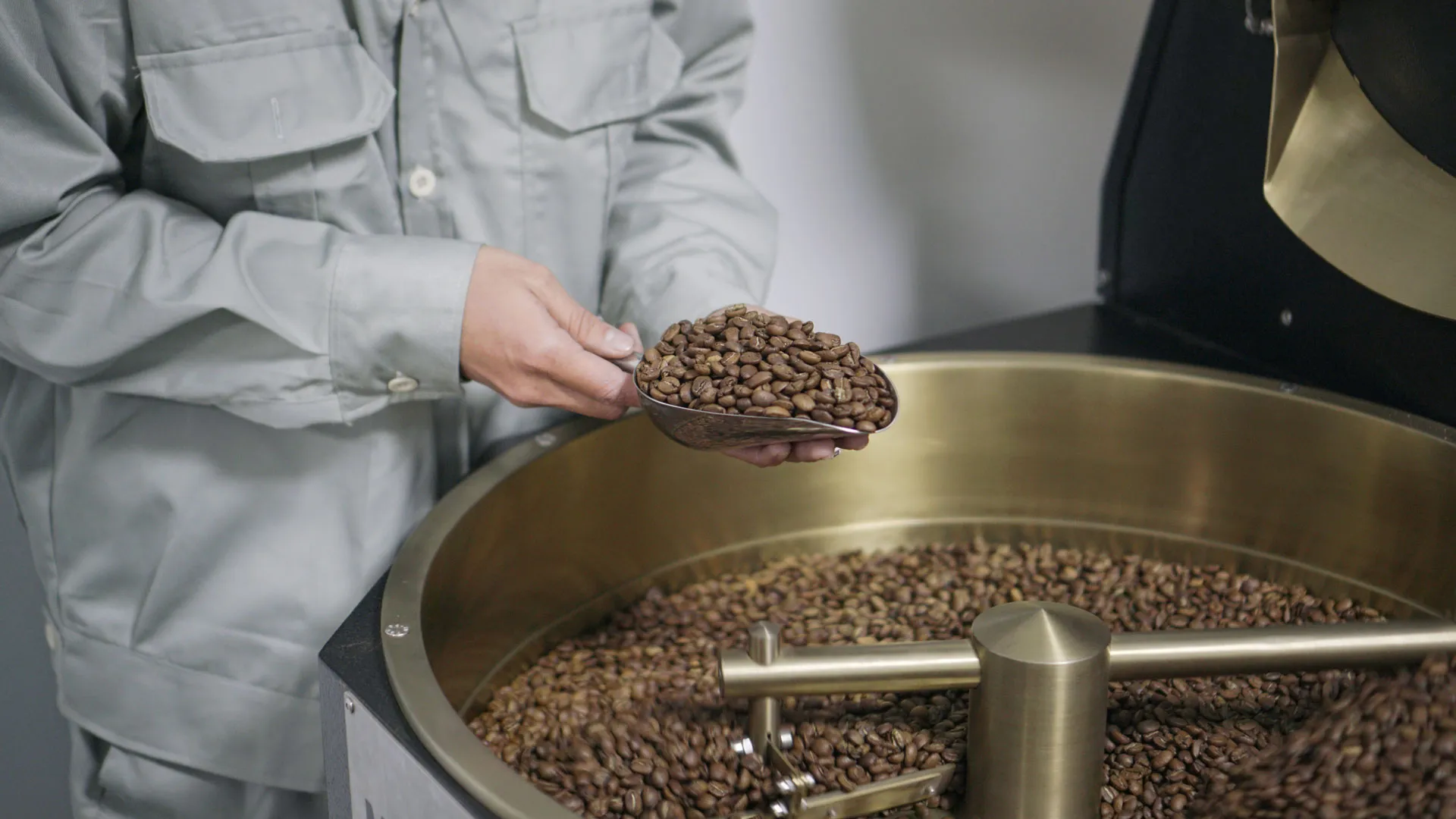
We digitally log roast curves for every batch, tracking temperature progression, development time, and airflow across the entire roast cycle. This scientific approach allows us to replicate successful roast profiles precisely, which is essential for brand founders who require batch-to-batch consistency across large production runs.
Matching Roast Profile to Bean Origin
Because our beans originate from a defined high-altitude terroir, roast profiles can be calibrated specifically to that flavor architecture, rather than applying a generic roast curve across mixed-origin lots. This origin-specific calibration is one of the technical advantages available when working directly with a vertically integrated specialty coffee supplier.
Nitrogen Flushing: The Science of Preserving Aroma
Freshly roasted coffee is chemically unstable. Exposure to oxygen accelerates the degradation of aromatic compounds and promotes staling, which is why packaging science is as critical to quality as cultivation and roasting.
How Nitrogen Flushing Works
Nitrogen flushing displaces oxygen within the packaging environment before sealing, reducing residual oxygen levels to below 1%. This near-total removal of oxygen significantly slows oxidative degradation, preserving the volatile aromatic compounds responsible for a coffee’s fragrance and flavor complexity over its shelf life.
Ultrasonic Sealing Without Glue
We pair nitrogen flushing with glue-free ultrasonic sealing technology, which fuses packaging materials using high-frequency vibration rather than adhesives. This method creates a more secure barrier against oxygen ingress and moisture, which is particularly important for drip bag formats where seal integrity directly affects freshness upon arrival at the point of sale.
Freeze-Drying vs. Spray-Drying: Two Paths to Instant Coffee
Instant coffee quality varies enormously depending on the drying method used to convert brewed coffee into a stable, soluble format. This distinction matters greatly for any brand evaluating an instant coffee supplier or planning an instant coffee wholesale or bulk instant coffee wholesale program.
Freeze-Drying and Crystal Processing
Freeze-drying involves rapidly freezing concentrated coffee extract and then removing moisture through sublimation under vacuum conditions. This low-temperature process better preserves the volatile aromatic compounds that would otherwise be degraded by heat, resulting in the higher aroma retention associated with premium freeze-dried crystal products.
Spray-Drying as an Alternative Method
Spray-drying, by contrast, atomizes liquid coffee extract into fine droplets that are dried using heated air. While this method is efficient for high-volume production, the heat exposure involved generally results in greater aromatic loss compared to freeze-drying. Understanding this trade-off allows brand founders to select the process that aligns with their positioning, whether prioritizing cost efficiency or premium sensory quality.
Drip Bag Coffee: Convenience Without Compromising Freshness
Single-serve drip bag coffee has grown into a significant category for brands seeking convenience-oriented formats that still deliver a fresh-brewed sensory experience.
Packaging Integrity in Single-Serve Formats
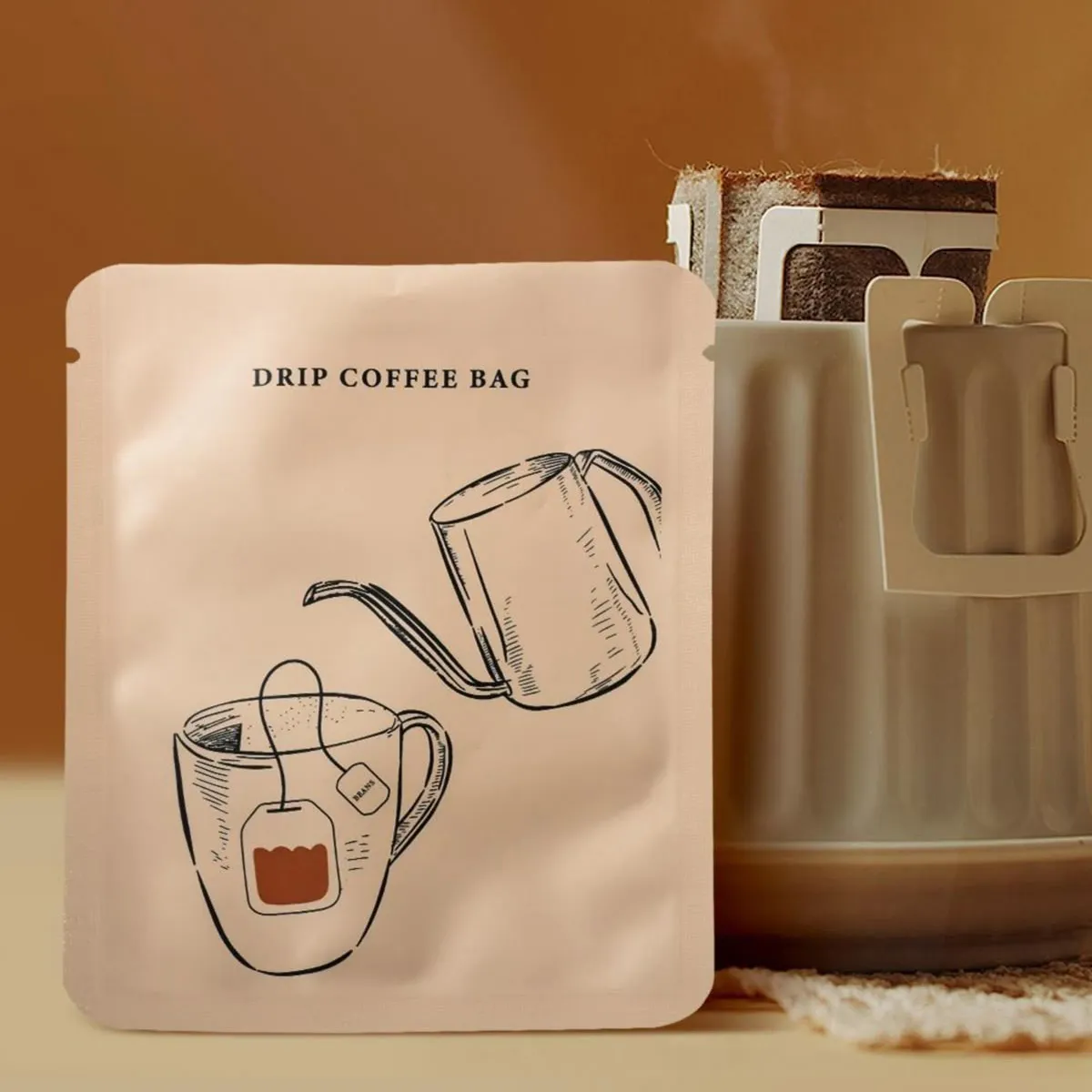
Because drip bags contain a small, exposed portion of ground coffee, they are particularly vulnerable to oxidation and moisture ingress if packaging is not properly sealed. Our combination of nitrogen flushing and ultrasonic sealing addresses this vulnerability directly, helping maintain aromatic integrity from production through final use.
Why Buyers Seek a Specialized Drip Coffee Supplier
Working with a drip coffee supplier that controls both the roasting and packaging stages allows for tighter quality assurance than sourcing these processes separately. This integration reduces the risk of inconsistencies introduced when multiple third parties handle different stages of production.
Export Compliance: The Regulatory Dimension of Quality
Sourcing good beans is only part of the equation. Coffee entering regulated markets such as the European Union or the United States must meet defined food safety and traceability standards.
Certifications That Support Market Access
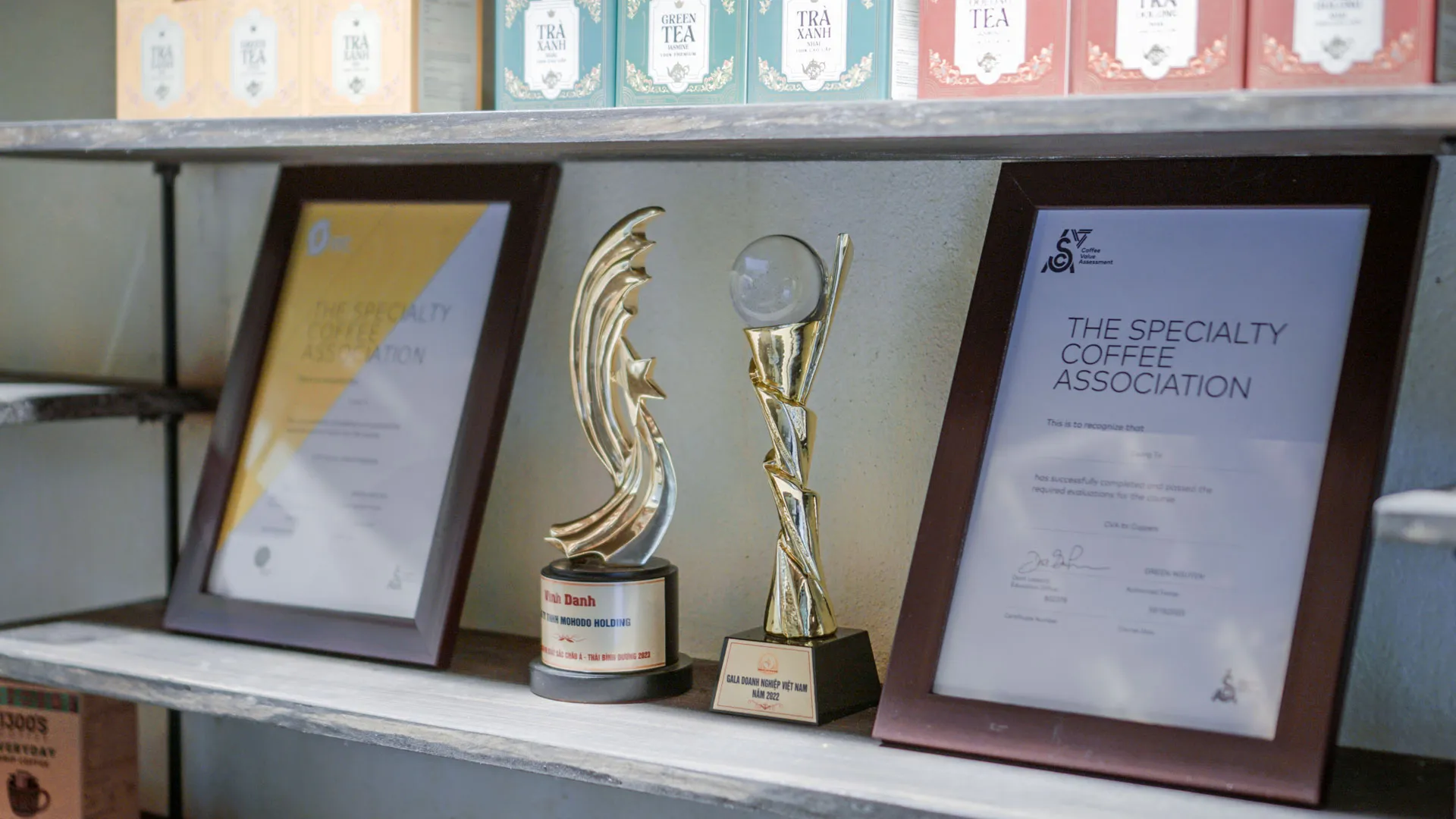
Our operations maintain ISO 22000, HACCP, and FDA compliance, alongside EUDR certification addressing deforestation-related traceability requirements. These certifications are not incidental; they represent the documented systems required for a private label coffee suppliers relationship to function smoothly across international borders.
Certifications That Support Market Access
Why Compliance Signals Manufacturing Maturity
For procurement managers and importers, certification status is often the first filter applied when evaluating a potential partner. A manufacturer with comprehensive compliance documentation demonstrates operational maturity that reduces risk across the entire supply chain, from factory floor to final retail shelf.
Evaluating a Manufacturing Partner: What to Look For
Given the technical considerations outlined above, brand founders should approach the question of are Vietnamese coffee beans good by evaluating the manufacturing partner rather than the origin alone.
Vertical Integration as a Quality Indicator
A manufacturer that controls sourcing, processing, roasting, and packaging within a single vertically integrated system, such as our Farm-to-Cup ecosystem, is better positioned to maintain consistency than one relying on fragmented third-party suppliers at each stage. This is equally true whether the buyer is sourcing roasted whole beans, drip bags, or entering an instant coffee wholesale arrangement.
Capacity and Scalability Considerations
Brand founders scaling toward retail or wholesale distribution should also confirm that a prospective partner has sufficient production capacity. Our 10,000-ton capacity factory is structured to support both emerging private label programs and established coffee roasters wholesale accounts requiring larger, consistent volumes, including bulk instant coffee wholesale orders.
Frequently Asked Questions on Vietnamese Coffee Quality
Is Vietnam Only Known for Robusta?
Vietnam is historically associated with high-volume Robusta production, but the emergence of high-altitude specialty microregions like Măng Đen demonstrates that origin reputation is evolving. Answering are Vietnamese coffee beans good today requires distinguishing between legacy commodity production and the newer, terroir-driven specialty segment now supplying international private label programs.
How Should Buyers Verify Quality Claims?
Buyers should request documented CQI scores, cupping notes, and certification records rather than relying on marketing language alone. Verifiable data from an independent lab, combined with a transparent view into sourcing regions and processing methods, provides the clearest answer to whether are Vietnamese coffee beans good enough for a specific product application.
Conclusion
So, are Vietnamese coffee beans good? Based on terroir science, verified CQI scoring, sensory cupping validation, digitally logged roast profiling, and advanced preservation technologies such as nitrogen flushing and freeze-drying, the answer is unambiguously yes—provided the beans are sourced through a manufacturing partner with the scientific rigor and compliance infrastructure to translate origin potential into a consistent, export-ready product. Whether the priority is a specialty coffee supplier for roasted beans, an instant coffee supplier for freeze-dried crystals, or a dependable drip coffee supplier for single-serve formats, the underlying answer to are Vietnamese coffee beans good rests on verifiable science rather than assumption. At 1300s Coffee, we combine direct-from-origin expertise in Măng Đen with vertically integrated processing capabilities to help brand founders and roasters build shelf-stable, high-aroma coffee products with confidence. We invite coffee procurement teams, retail buyers, and emerging brands to explore how our Farm-to-Cup approach can support your next private label or bulk sourcing initiative.
Read more: How to Say Coffee in Vietnamese: A Founder’s Guide to Origin, Science, and Sourcing


1300s BLOG YOU MAY ALSO BE INTERESTED IN
Top Bulk Instant Coffee Suppliers with OEM & Export Standard Production
How Specialty Coffee Is Exported from Vietnam
Coffee Bean Manufacturer for Private Label and OEM Brands in Vietnam