


How to Roast Coffee Beans for Espresso Roast Level and Profile Guide
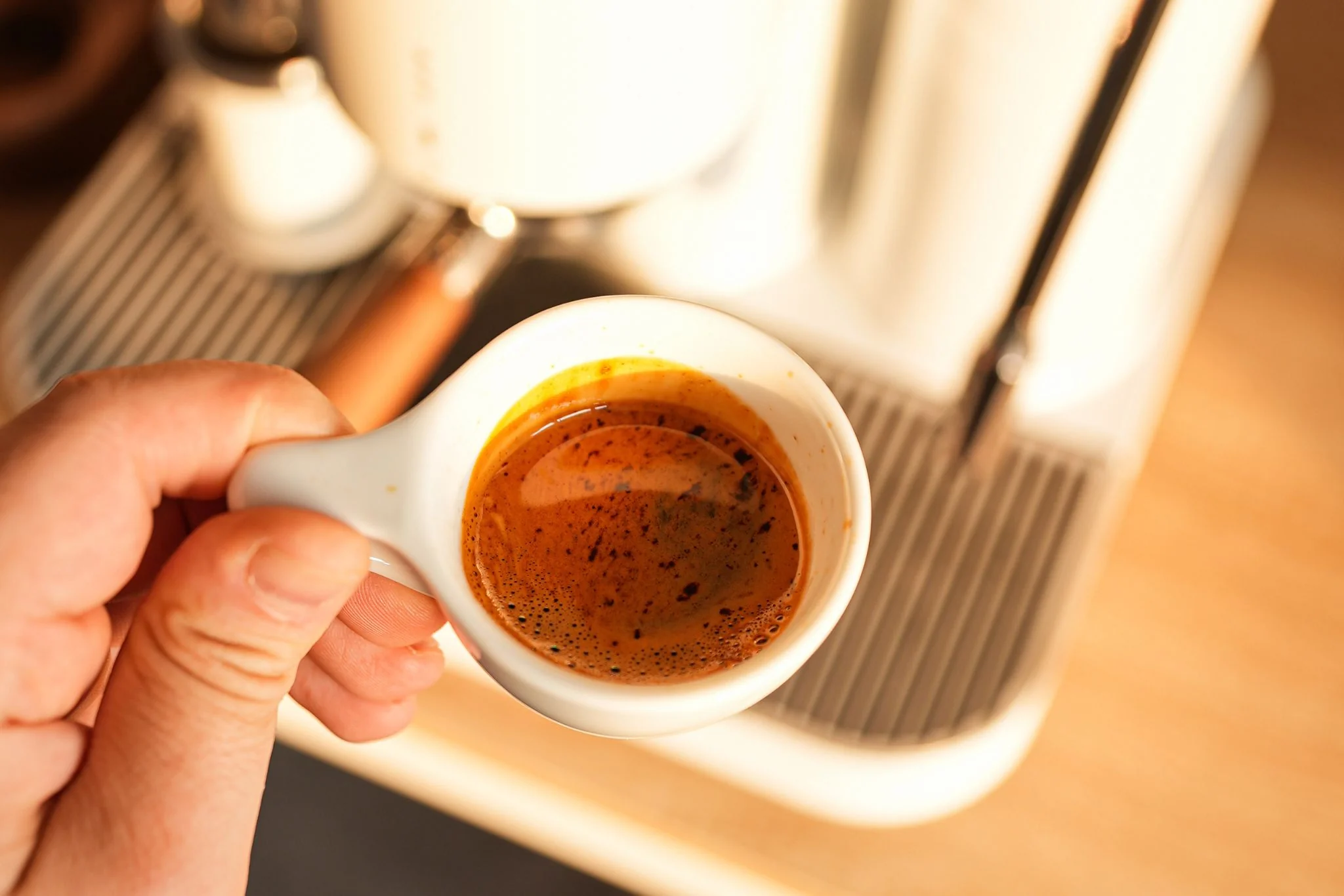
Espresso demands more from a roast than almost any other brewing method, since the intense pressure and short contact time involved expose flaws that slower, more forgiving methods like drip or French press simply mask. Learning how to roast coffee beans for espresso specifically means understanding why this brewing method has different requirements than roasting for general use, and adjusting roast level, development time, and rest period accordingly. This guide walks through what actually makes espresso roasting distinct, how to choose the right roast level and beans, and what changes once you’re sourcing or producing espresso roast coffee at a commercial scale.
Why Espresso Needs a Different Roasting Approach
Espresso’s brewing mechanics create specific demands that don’t apply the same way to other methods, and understanding these demands explains most of the roasting decisions that follow.
Pressure Extraction Changes What You’re Solving For
Espresso forces hot water through finely ground coffee under significant pressure in a very short window, typically 25 to 30 seconds, a dramatically different extraction environment than the several minutes involved in drip or pour over brewing. This compressed timeframe and forceful extraction pulls flavor compounds, including any roast defects or unevenness, far more aggressively than slower methods, meaning problems that would go unnoticed in a drip brew show up clearly and often unpleasantly in an espresso shot. The fine grind espresso requires also compounds this sensitivity, since finer particles have proportionally more surface area exposed to water, extracting faster and more completely than the coarser grinds other brewing methods use, which is part of why even small roast inconsistencies get magnified so dramatically once that same coffee goes through an espresso machine. Learning how to roast coffee beans for espresso means accounting for this heightened sensitivity from the outset rather than simply applying a general purpose roast profile and hoping it performs adequately under pressure extraction.
Crema Body and the Role of Roast Level
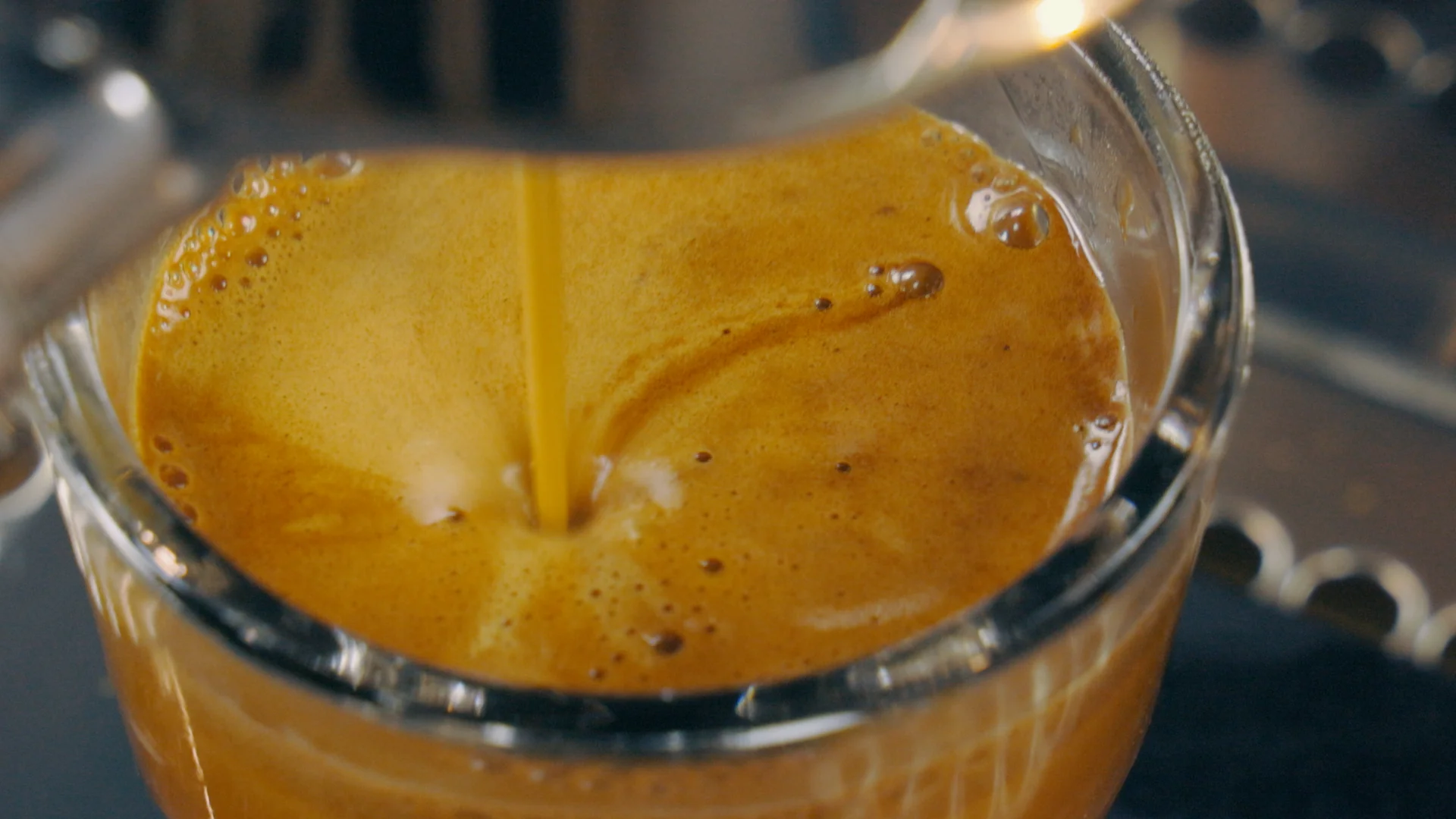
Crema, the reddish-brown foam layer on top of a well-pulled espresso shot, forms from oils and CO2 trapped in the coffee, and roast level directly affects how much of this crema a given coffee produces. Darker roasts generally produce more visible crema due to increased oil migration to the bean’s surface during extended roasting, which is part of why traditional espresso roasting has historically leaned darker than roasting intended for other brewing methods, prioritizing this visual and textural characteristic alongside the bold, low-acid flavor darker roasts typically deliver under pressure extraction.
Crema Body and the Role of Roast Level
Choosing the Right Roast Level for Espresso
Roast level remains the single most consequential decision in learning how to roast coffee beans for espresso, and different traditions and preferences have settled on genuinely different answers.
Medium Roast for Balance
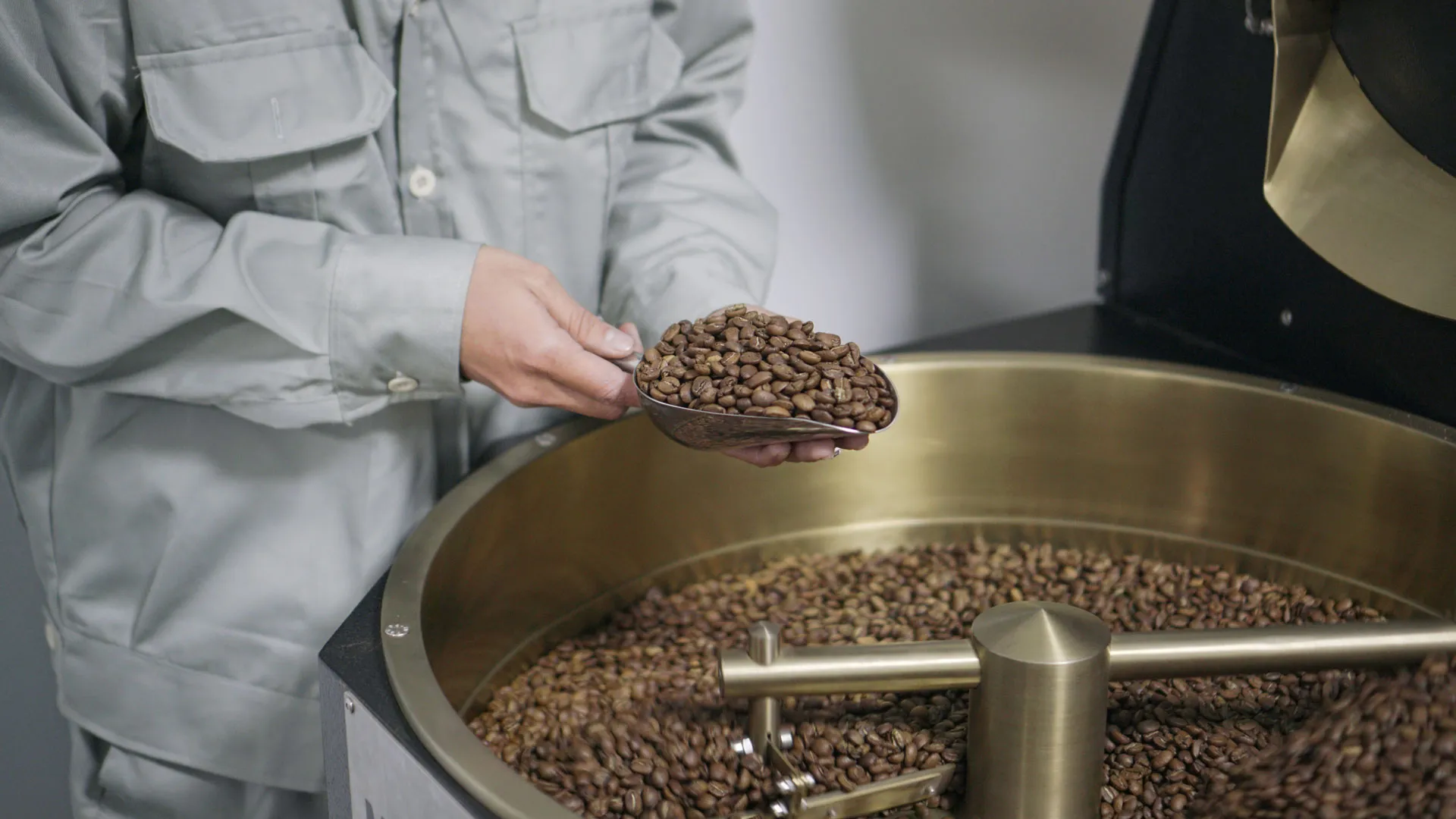
Medium roast espresso, generally developed to a point between first and second crack, balances body and crema production against retaining more of a bean’s inherent flavor characteristics than a fully dark roast allows. This approach has gained popularity as specialty coffee culture has increasingly valued origin character even within espresso preparation, producing shots with more perceptible acidity and complexity than traditional dark roast espresso typically delivers.
Dark Roast for Traditional Bold Espresso
Dark roast espresso, pushed into or past second crack, remains the more traditional and still widely practiced approach, particularly in classic Italian style espresso culture, prioritizing bold, low-acid flavor and maximum crema production over preserving subtle origin characteristics. This roast level also tends to be more forgiving of minor extraction inconsistencies, since the pronounced roast flavor helps mask small variations that would be more noticeable in a lighter roast where origin character is meant to shine through clearly.
Lighter Espresso Roasts and the Third Wave Shift
A newer trend within specialty coffee culture pushes espresso roasting even lighter than traditional medium roast, closer to what might otherwise be used for filter brewing, specifically to showcase origin character and more complex, sometimes fruit-forward flavor notes through espresso extraction. This approach requires considerably more technical precision in both roasting and dialing in the actual shot, since lighter roasts are less forgiving of grind and extraction inconsistencies, making this style more common among specialty-focused roasters and cafes than in general commercial espresso production.
Selecting Beans Robusta Arabica or a Blend
Bean selection matters as much as roast level in how to roast coffee beans for espresso successfully. Pure Arabica espresso, the more common approach in specialty focused programs, offers more nuanced flavor and aromatic complexity but generally produces less crema than a blend including Robusta. Robusta’s higher caffeine content, stronger body, and superior crema production make it a common blending component in traditional espresso, particularly in Italian-style blends where a modest Robusta percentage, often somewhere between 10 and 30 percent, boosts crema and body without overwhelming the blend’s overall flavor. The specific percentage matters considerably to the final result, a blend leaning toward the higher end of that Robusta range produces noticeably more crema and body at some cost to flavor complexity, while a blend closer to the lower end retains more Arabica character while still benefiting from Robusta’s crema-boosting properties. Roasters working with a genuine specialty coffee supplier capable of providing both high quality Arabica and Fine Robusta specifically can build blends calibrated precisely to their target crema, body, and flavor profile rather than being limited to whatever single varietal happens to be available through a less flexible sourcing relationship, giving them meaningfully more control over the final espresso character than a roaster restricted to one varietal alone.
Roast Profile and Development Time for Espresso
Beyond roast level alone, how you manage the actual roast curve, particularly development time, significantly affects how a coffee performs under espresso’s demanding extraction conditions.
Extending Development Time Past First Crack
Espresso roasting generally requires more development time after first crack than roasting intended for filter brewing, since this extended time allows sugars to caramelize more fully and acids to soften, producing the rounder, less bright flavor profile that performs well under pressure extraction. Insufficient development time, even at an otherwise appropriate roast level by color alone, can produce a shot with harsh, underdeveloped acidity that tastes noticeably worse pulled as espresso than the same beans would brewing as drip coffee, where the gentler extraction is more forgiving of this underdevelopment.
Avoiding Roast Defects That Ruin Extraction
Roast defects that might go unnoticed in other brewing methods become glaringly apparent in espresso, uneven roasting, where some beans finish lighter than others in the same batch, produces inconsistent extraction and a shot that tastes muddled rather than clean, regardless of how well the average bean in that batch was roasted. Scorching, caused by applying too much heat too early in the roast, introduces a harsh, burnt flavor that espresso’s concentrated extraction makes considerably more obvious than it would be in a more diluted brewing method. Learning how to roast coffee beans for espresso successfully means paying particularly close attention to roast evenness across an entire batch, not just the average endpoint color or aroma.
Why Espresso Needs Longer Rest Time After Roasting
Espresso specifically benefits from a longer rest period after roasting than other brewing methods typically require, generally seven to fourteen days compared to the shorter one to three days sometimes recommended for drip coffee. This extended rest allows excess carbon dioxide to escape more fully, since freshly roasted coffee still releasing significant gas can cause channeling during espresso extraction, uneven water flow through the coffee puck that produces an inconsistent, often sour or unbalanced shot regardless of how well the roast itself was executed. Channeling specifically occurs when gas escaping from the coffee bed creates small pathways of least resistance, and water preferentially flows through these channels rather than extracting evenly across the entire puck, a problem that’s considerably worse with very fresh coffee still releasing substantial CO2 than with coffee that’s had adequate time to rest and stabilize. Skipping this rest period is one of the more common mistakes among people first learning how to roast coffee beans for espresso, since the instinct to brew immediately after a successful roast runs directly against what actually produces the best extraction results for this specific method, and even experienced home roasters sometimes need to consciously resist the temptation to test a fresh batch immediately given how counterintuitive the waiting period feels after putting in the effort of a careful roast.
Dialing In Your Roast Based on Extraction Results
Actually pulling shots and adjusting based on results closes the loop between roasting theory and real-world performance. A shot that extracts too quickly, running noticeably sour and thin, might indicate either insufficient development time during roasting or a grind adjustment issue rather than a roasting problem specifically, making it worth troubleshooting both variables before concluding the roast itself needs revision. A shot that extracts too slowly, tasting bitter and over-extracted, can similarly stem from either roast level or grind, and experienced roasters typically test a new roast profile across a few different grind settings before drawing firm conclusions about whether the roast itself needs adjustment for espresso use specifically. Keeping detailed notes across these testing sessions, roast date, development time, grind setting, and tasting notes together, helps separate genuine roast-related issues from what’s actually a grind or dose adjustment problem, since conflating these variables is one of the more common sources of confusion for anyone still building their intuition for how roast decisions translate into final shot quality.
Sourcing Beans for Commercial Espresso Programs
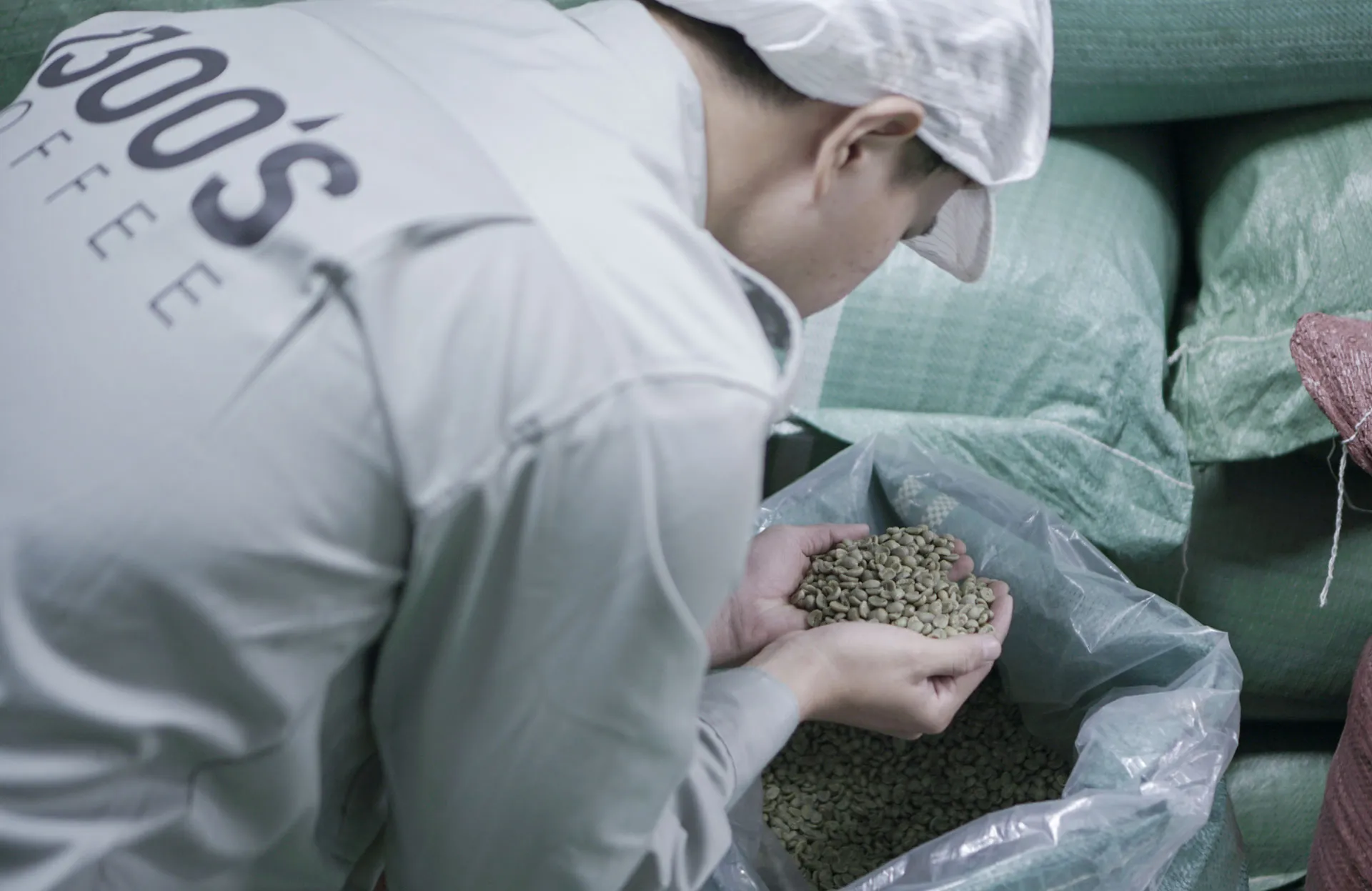
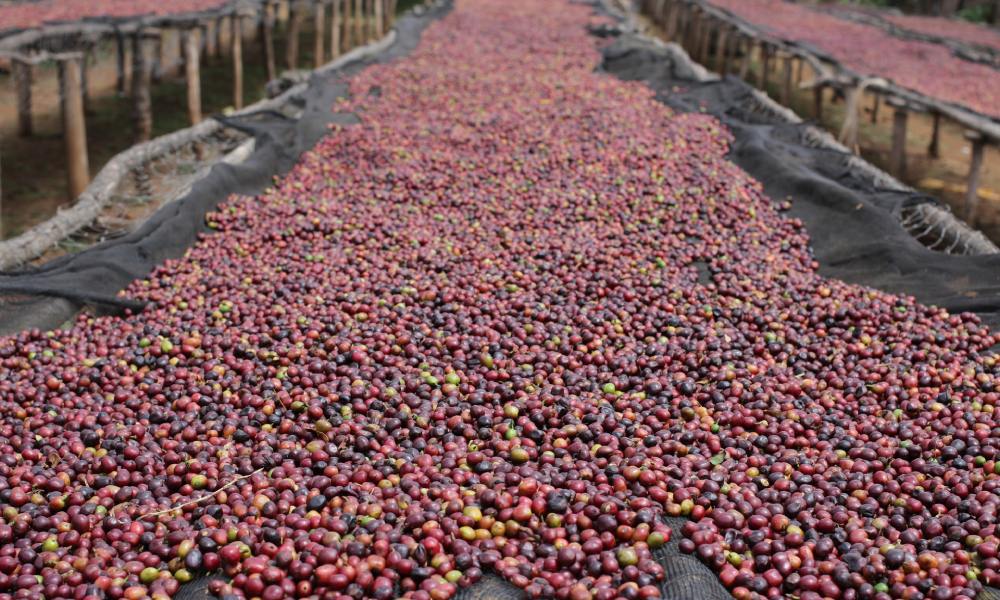
Cafes and businesses building an espresso program around their own roasting need a reliable, consistent green coffee source specifically suited to this application. Working with an established roasted coffee wholesale supplier who already understands espresso-specific roast requirements can shortcut considerable trial and error for businesses not roasting their own coffee in-house, since a supplier experienced in this application will already have solved many of the development time and evenness challenges covered throughout this guide. Businesses that do roast their own espresso blends need reliable access to consistent green coffee lots, since a blend that performs well with one shipment but shifts noticeably with the next undermines the whole point of dialing in a specific espresso profile in the first place.
Sourcing Beans for Commercial Espresso Programs
Extending Into Ground Coffee for Non-Espresso Formats
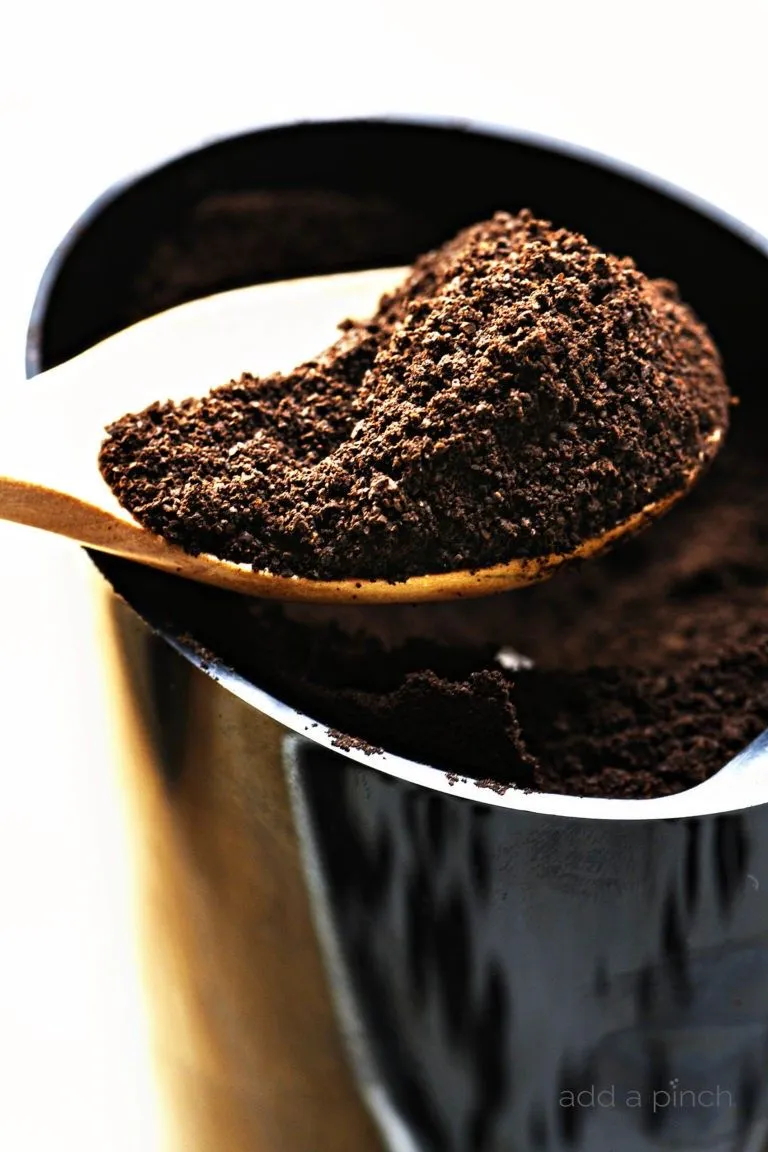
Businesses building a broader coffee program often want to use the same quality green coffee across multiple formats rather than sourcing separately for each one. A ground coffee wholesale supplier calibrating grind specifically for drip or filter brewing represents a completely different specification than espresso grind, and businesses offering both formats need to confirm a supplier can properly differentiate between these grind requirements rather than applying a single generic grind across every product, since a grind calibrated for one method performs poorly in the other regardless of how good the underlying roast actually is.
Considering a Drip Bag Option Alongside Espresso
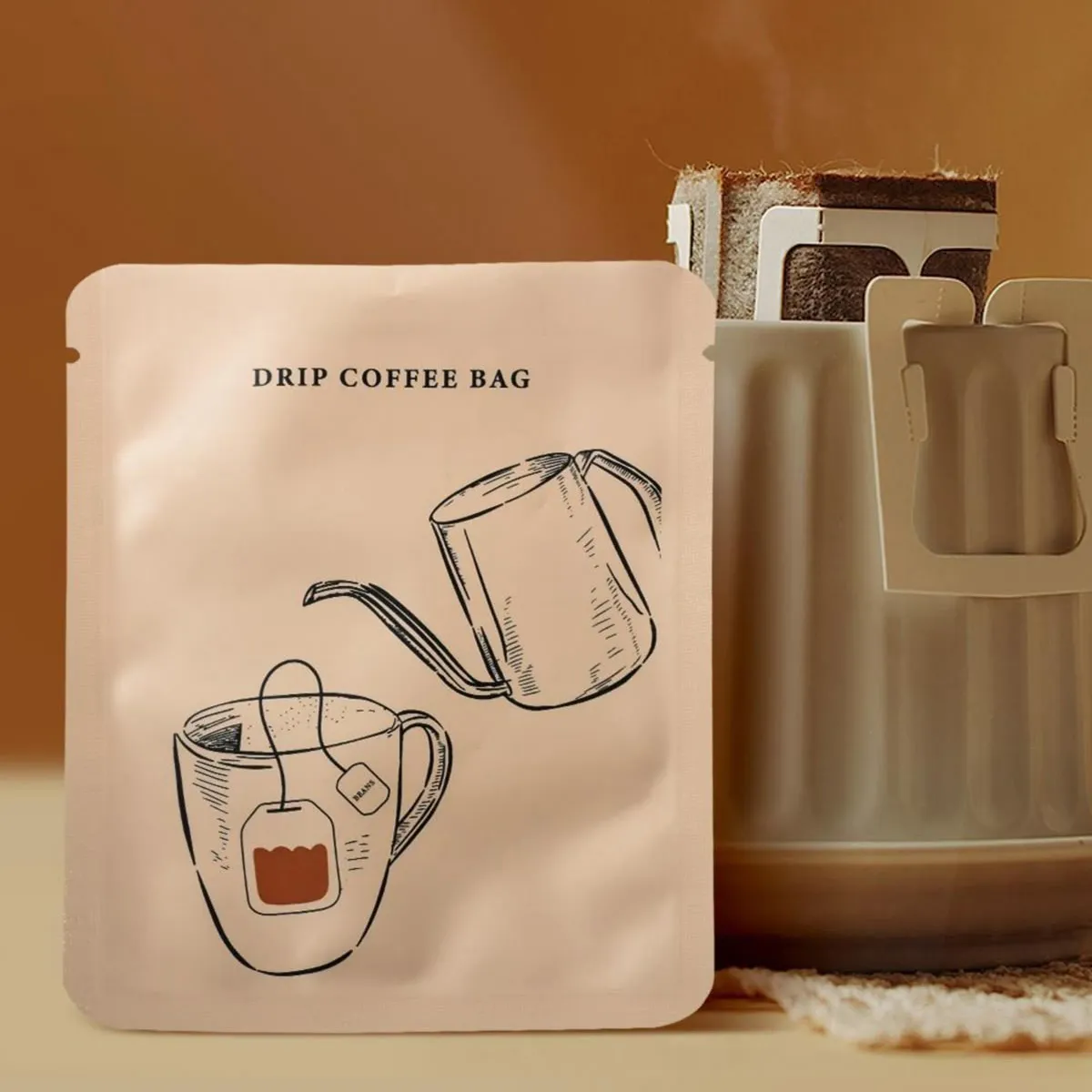
For businesses interested in convenient formats beyond fresh brewing, a drip coffee supplier can extend the same quality green coffee into a single-serve format for customers wanting convenience without a full espresso setup at home or in a smaller office environment. This format uses a considerably lighter roast profile and different grind specification than espresso, so businesses considering both should treat them as genuinely separate product development efforts rather than simply repackaging the same espresso-roasted coffee into a drip bag format.
Instant Coffee as a Separate Production Path
Businesses exploring instant coffee wholesale production or an instant coffee bulk buy relationship for a private label line represent an entirely separate manufacturing path built around spray or freeze drying rather than the roasting techniques covered throughout this guide. None of the espresso-specific roast profile work described earlier transfers directly to this production method, since instant coffee manufacturing involves a fundamentally different process from roasting and grinding whole bean coffee for direct brewing.
Maintaining Quality Across Every Format
Regardless of which additional formats a business eventually pursues, maintaining a genuine specialty coffee wholesale relationship with a consistent, quality-focused green coffee source remains the foundation that makes strong results possible across any of these applications, espresso included. A business that sources inconsistent or poorly documented green coffee will struggle to produce reliable results in any format, making supplier quality the common thread underlying success across an espresso program, a ground coffee line, drip bags, or any other product a business eventually decides to build.
Getting Started
Whether you’re roasting your first espresso batch or refining a program you’ve run for years, understanding why espresso demands different roasting decisions, roast level, development time, and rest period, than other brewing methods gives you a genuinely solid foundation for consistently better shots. Sourcing green coffee suited to a serious espresso roasting program? Request a sample and cupping data from 1300’S Coffee to evaluate beans specifically for your espresso blend or single origin roast.
Read more: How Long Do Roasted Coffee Beans Last? Shelf Life and Freshness Guide


1300s BLOG YOU MAY ALSO BE INTERESTED IN
What Are the Raw Materials for Coffee? From Cherry to Green Bean
Coffee Factory Vietnam Guide for International Buyers and Roasters
How to Roast Coffee Beans for Espresso Roast Level and Profile Guide