



What Are the Raw Materials for Coffee? From Cherry to Green Bean
Ask what are the raw materials for coffee and most people picture the finished bean itself, without realizing that bean is actually just one component extracted from a considerably more complex fruit, layered with several distinct parts that all need to be removed before what we recognize as green coffee ever emerges. This gap in common understanding matters more than it might seem for anyone actually working in the coffee industry, since the specific processing decisions made around removing these layers directly shape the flavor, quality, and even the sustainability profile of whatever finished coffee eventually reaches a consumer. This guide walks through the actual anatomy of the coffee cherry, what happens to each of its component layers during processing, and how understanding these raw materials connects directly to the quality and character of whatever finished coffee product eventually reaches a buyer.
What Are the Raw Materials for Coffee The Cherry Itself
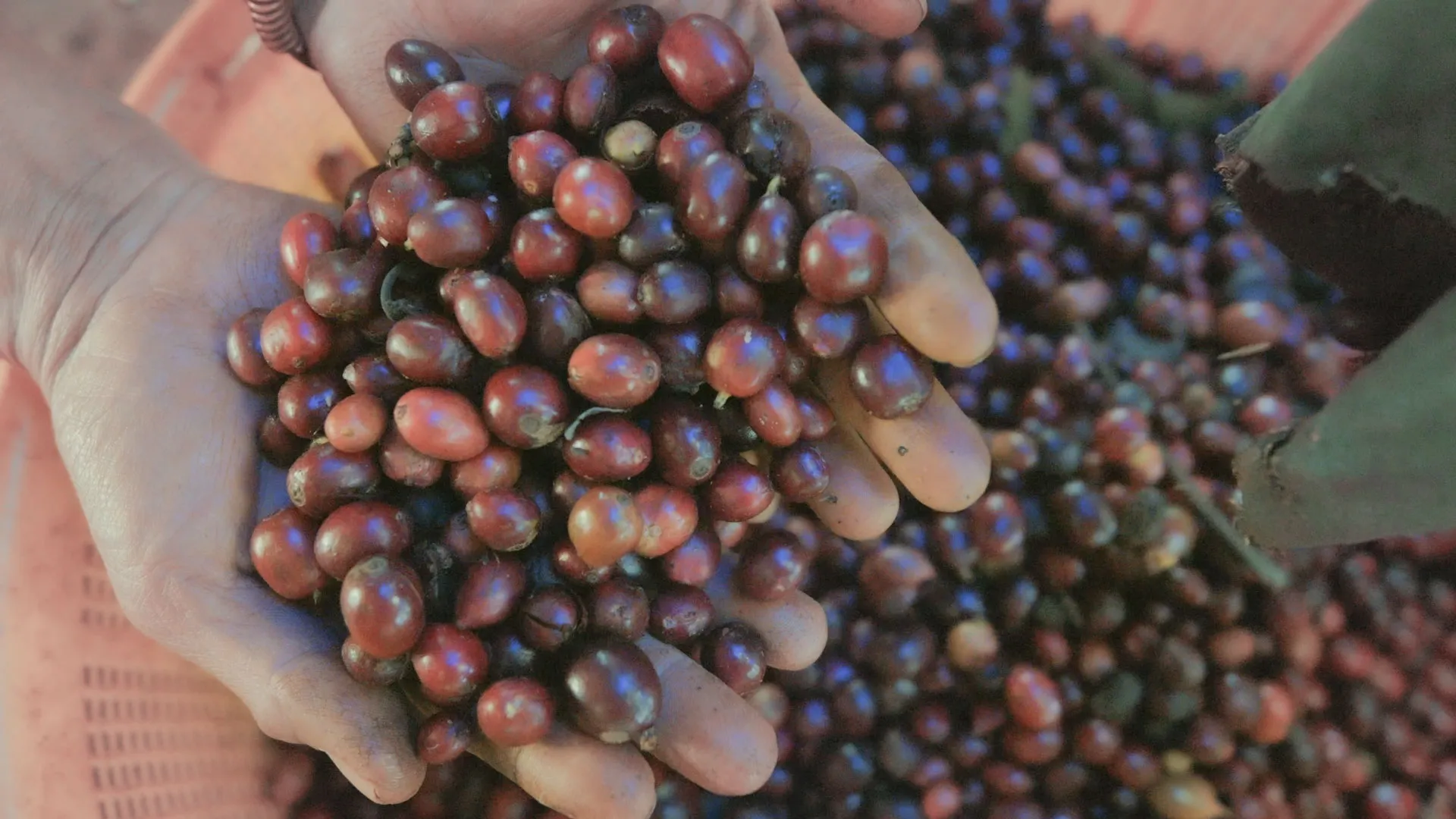
Before coffee becomes the bean recognizable in any bag or brewing device, it starts as a small fruit called a cherry, growing on evergreen shrubs or small trees, and understanding this fruit’s actual layered anatomy answers what are the raw materials for coffee at the most fundamental level.
The Outer Skin and Pulp
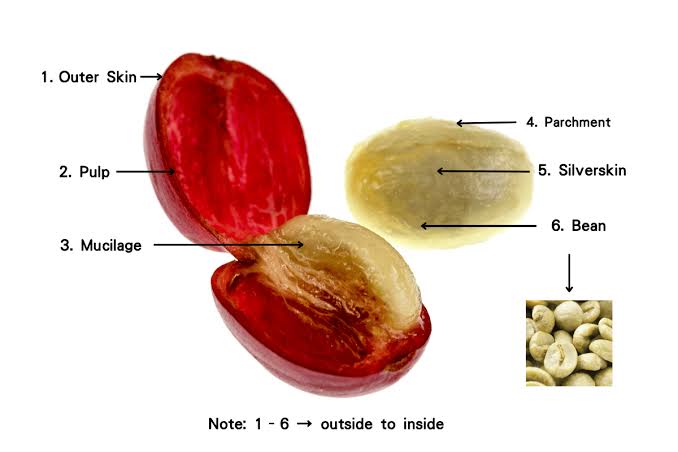
The outermost layer of a coffee cherry consists of skin, called the exocarp, surrounding a layer of sweet, sticky pulp known as the mesocarp. This fruit layer looks and tastes somewhat similar to other soft fruits, and it’s this pulp specifically that gives natural or dry processed coffee some of its characteristic fruit-forward flavor notes, since traces of these sugars can transfer into the bean during drying when the fruit isn’t removed until after the entire cherry has dried. Ripe cherries typically turn a deep red or occasionally yellow depending on the specific varietal, and this color change signals harvest readiness, a visual cue farmers rely on heavily during selective picking to ensure only fully mature cherries, with fully developed skin and pulp sugars, actually get harvested for processing.
The Outer Skin and Pulp
Mucilage the Sticky Middle Layer
Beneath the pulp sits a thin, sticky layer called mucilage, rich in sugars and pectin, which plays a significant role in processing method and final flavor. During wet processing specifically, this mucilage layer gets removed through fermentation before drying, while during honey processing, some or all of this layer intentionally remains on the bean during drying, contributing meaningfully to the sweetness and body honey processed coffees are known for. The amount of mucilage left intact during honey processing is itself a deliberate processing choice, producers sometimes categorize their honey processed lots by how much mucilage remains, commonly described using terms like white, yellow, red, or black honey, each corresponding to progressively more mucilage retained and, generally, a correspondingly longer drying time and more pronounced sweetness in the finished cup.
Parchment and Silverskin
Beneath the mucilage sits a hard, protective parchment layer, called the endocarp, which encases the actual seed and needs to be removed through milling before the bean is ready for roasting. A final, thin layer called silverskin clings directly to the seed itself beneath the parchment, and small remnants of this layer, sometimes called chaff, typically flake off naturally during roasting, often visible as light, papery flecks that separate from the bean and need to be cleared from roasting equipment periodically. Each coffee cherry typically contains two seeds positioned flat side to flat side, though occasionally a cherry develops with only a single, rounder seed instead, known as a peaberry, a natural variation some producers separate out and sell specifically given the slightly different roast behavior this single seed development tends to produce.
From Cherry to Green Bean Removing Each Layer
Understanding what are the raw materials for coffee also means understanding how processing methods handle the removal of these layers differently, with real consequences for final flavor.
Dry Processing Removes Everything at Once
Dry, or natural, processing involves drying the whole cherry in the sun with all its layers still intact, skin, pulp, mucilage, and parchment, before mechanically removing everything at once once the cherry has fully dried. This method allows extended contact between the fruit layers and the developing bean throughout the drying period, generally producing a fuller bodied, often more fruit-forward cup compared to methods that remove these layers earlier in the process, and a genuine specialty coffee supplier working with this method typically monitors drying conditions closely, since uneven drying at this stage risks introducing defects that no amount of careful roasting downstream could later correct.
Wet Processing Removes Layers in Stages
Wet, or washed, processing removes the skin and pulp mechanically shortly after harvest, then ferments the beans briefly in water specifically to break down and remove the sticky mucilage layer before a final drying stage with only parchment remaining intact. This staged removal limits how much fruit contact time the bean actually gets, generally producing a cleaner, brighter cup that highlights the bean’s inherent characteristics more directly than the fuller, fruit-influenced profile natural processing tends to produce. Businesses building a roasted coffee wholesale program often favor washed lots specifically for this cleaner, more predictable flavor baseline, since it gives a roaster a more consistent starting point to work from across different harvests compared to the somewhat more variable character natural processing can introduce.
The Green Bean The Core Raw Material for Every Format
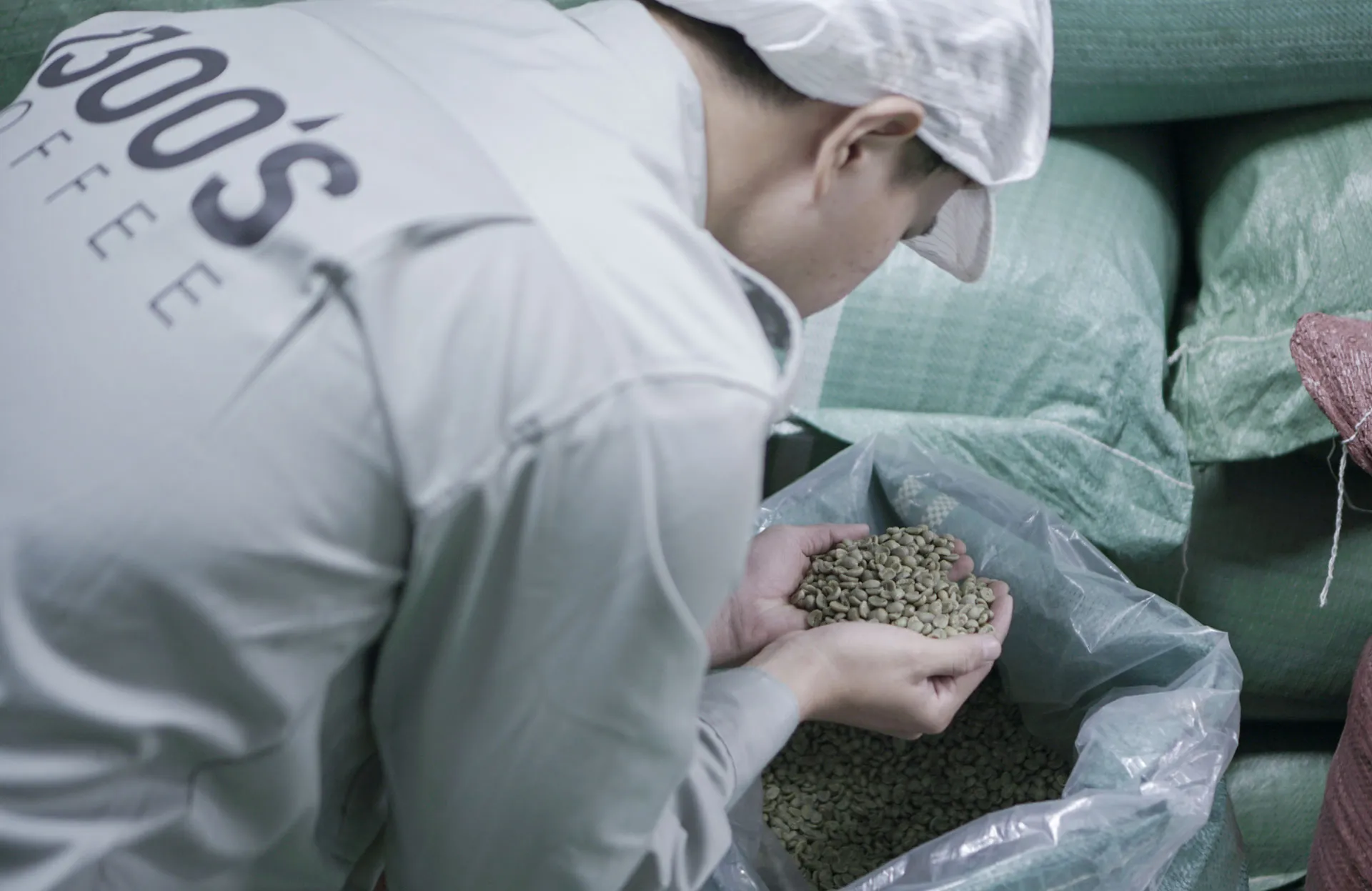
Once every surrounding layer has been removed through processing and milling, what remains is green coffee, the seed itself, and this is the actual raw material that becomes every finished coffee product a consumer or business eventually encounters. Whether coffee ends up as a whole bean product, ground for a ground coffee wholesale line, or transformed into instant coffee through spray or freeze drying, every single one of these paths starts from this same fundamental green bean raw material, meaning the quality of everything downstream depends entirely on how well the earlier stages, harvesting, processing, and drying, actually protected this core raw material before it ever reached the roasting stage. This green bean stage is also where formal grading happens, evaluating screen size, moisture content, and defect count, criteria that determine whether a specific lot gets classified as commercial grade or specialty grade, a classification that then shapes pricing and which buyers a given lot ultimately ends up reaching.
What Happens to the Byproduct Layers
The layers removed during processing don’t simply disappear as waste, and understanding what are the raw materials for coffee more fully means recognizing these byproducts have their own genuine value and uses.
Cascara and Other Cherry Byproducts
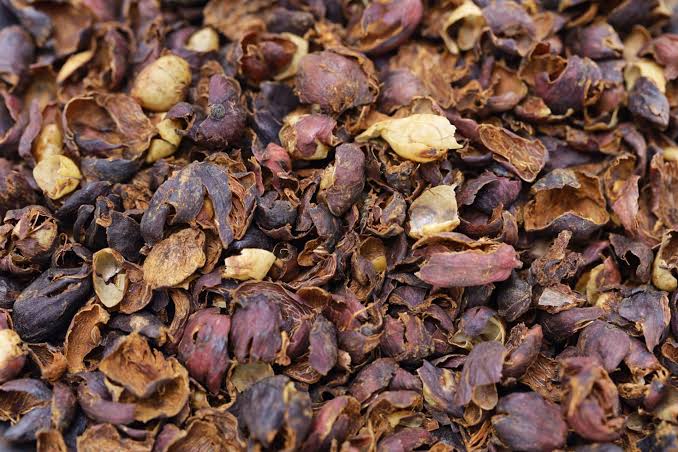
The dried cherry skin and pulp removed during processing, sometimes called cascara, has increasingly found its own market as an ingredient for tea-like beverages, brewed on its own to produce a fruity, tea-like drink entirely separate from coffee itself. This growing cascara market represents a genuine value recovery opportunity for producers, turning what was once simply discarded processing waste into an additional revenue stream from the same harvest, and some producers now process and dry cascara with the same careful attention they’d apply to the coffee bean itself, recognizing this byproduct’s growing commercial value in specialty beverage markets specifically interested in novel, sustainably sourced ingredients.
Parchment and Husk as Fuel or Compost
Parchment and husk removed during milling commonly get used as biomass fuel for drying operations or boiler systems at processing facilities, or composted and returned to coffee farms as organic soil amendment. This kind of byproduct reuse reflects a broader sustainability push within coffee processing generally, reducing both waste and the need for external fuel or fertilizer inputs at many processing operations, a consideration that matters just as much to a business sourcing whole bean coffee as it does to a drip coffee supplier building a single-serve product, since the same underlying green coffee raw material feeds both format decisions further downstream.
Parchment and Husk as Fuel or Compost
Water and Energy as Supporting Raw Materials in Processing
Beyond the cherry itself, water and energy function as essential supporting raw materials throughout coffee processing, particularly for wet processing methods that depend on substantial water volume for both fermentation and washing stages. This water usage has become an increasingly important sustainability consideration for processing facilities, with many operations investing in water recycling systems specifically to reduce the volume of fresh water required per unit of coffee processed, alongside reducing the environmental impact of wastewater discharge from the fermentation process itself. This same water and energy dependency extends further downstream too, an instant coffee wholesale manufacturing line depends on its own substantial water and energy inputs for brewing and drying, meaning raw material considerations for coffee genuinely extend beyond the cherry itself into the utilities and resources required at nearly every stage of turning that cherry into a finished product.
How Raw Material Quality Determines Finished Product Quality
Understanding what are the raw materials for coffee at this level of detail matters directly for how businesses evaluate sourcing decisions across every finished format, since no amount of skill further downstream, roasting, grinding, or drying into a soluble product, can fully compensate for raw material that started from poorly handled cherry or careless processing. Working with a genuine specialty coffee supplier matters specifically because of this dependency, since a supplier who understands and carefully manages cherry selection, processing method, and drying directly controls the quality ceiling for everything that happens downstream, a level of oversight a commodity-focused source generally doesn’t provide with the same rigor.
Businesses building a broader specialty coffee wholesale program, or planning a significant instant coffee bulk buy for a private label line, should apply this same raw material scrutiny consistently, asking suppliers detailed questions about cherry selection and processing practices rather than evaluating a finished sample without understanding how it actually got there.
Getting Started
Whether you were simply curious what are the raw materials for coffee at a botanical level or the question led you to think more carefully about how processing decisions shape the quality of coffee you buy or sell, understanding this full chain from cherry to green bean gives you a genuinely informed foundation for evaluating any coffee sourcing decision going forward. Curious how careful raw material handling shapes the coffee you’re considering sourcing? Request a sample and processing documentation from 1300’S Coffee to see this chain from cherry to green bean firsthand.
Read more: What Is Ethically Sourced Coffee? Certifications and What to Actually Look For


1300s BLOG YOU MAY ALSO BE INTERESTED IN
How Long Can Green Coffee Beans Be Stored: Shelf Life and Best Practices
Trusted Coffee Beans Wholesale Suppliers for Bulk Buyers and Importers Worldwide
1300’S Coffee Hosts Visitors for a Tour of Its Kon Tum Factory