



How to Choose a Reliable Speciality Coffee Company for International Buyers
Choosing a reliable speciality coffee company is one of the most important decisions for coffee importers, distributors, retailers, and private label brands. While premium coffee quality is essential, successful long-term partnerships depend on much more than exceptional beans. A professional supplier should also provide consistent production, strict quality control, flexible manufacturing capabilities, and the expertise to support international trade.
With the growing demand for specialty coffee worldwide, businesses have access to more sourcing options than ever before. However, not every speciality coffee company can meet the production standards, export requirements, or customization needs of international buyers. Selecting the wrong partner can lead to inconsistent quality, delayed shipments, and unnecessary business risks.
In this guide, we’ll explore the key factors that define a reliable speciality coffee company, explain what international buyers should evaluate before making a decision, and provide practical insights to help you build a long-term sourcing partnership that supports sustainable business growth.
Evaluating Sourcing Practices and Transparency
One of the biggest mistakes international buyers make is evaluating suppliers based primarily on price while overlooking sourcing transparency. A lower quotation may seem attractive initially, but inconsistent bean quality, unstable supply, or limited traceability often results in higher long-term costs.
Reliable speciality coffee companies should be able to explain exactly where their coffee comes from, how it is processed, and how quality is maintained throughout the supply chain. The more transparent a supplier is about its sourcing practices, the lower the commercial risk for your business.
Before establishing a long-term partnership, buyers should evaluate the following areas carefully.
Tracking Coffee Origins From Farm to Port
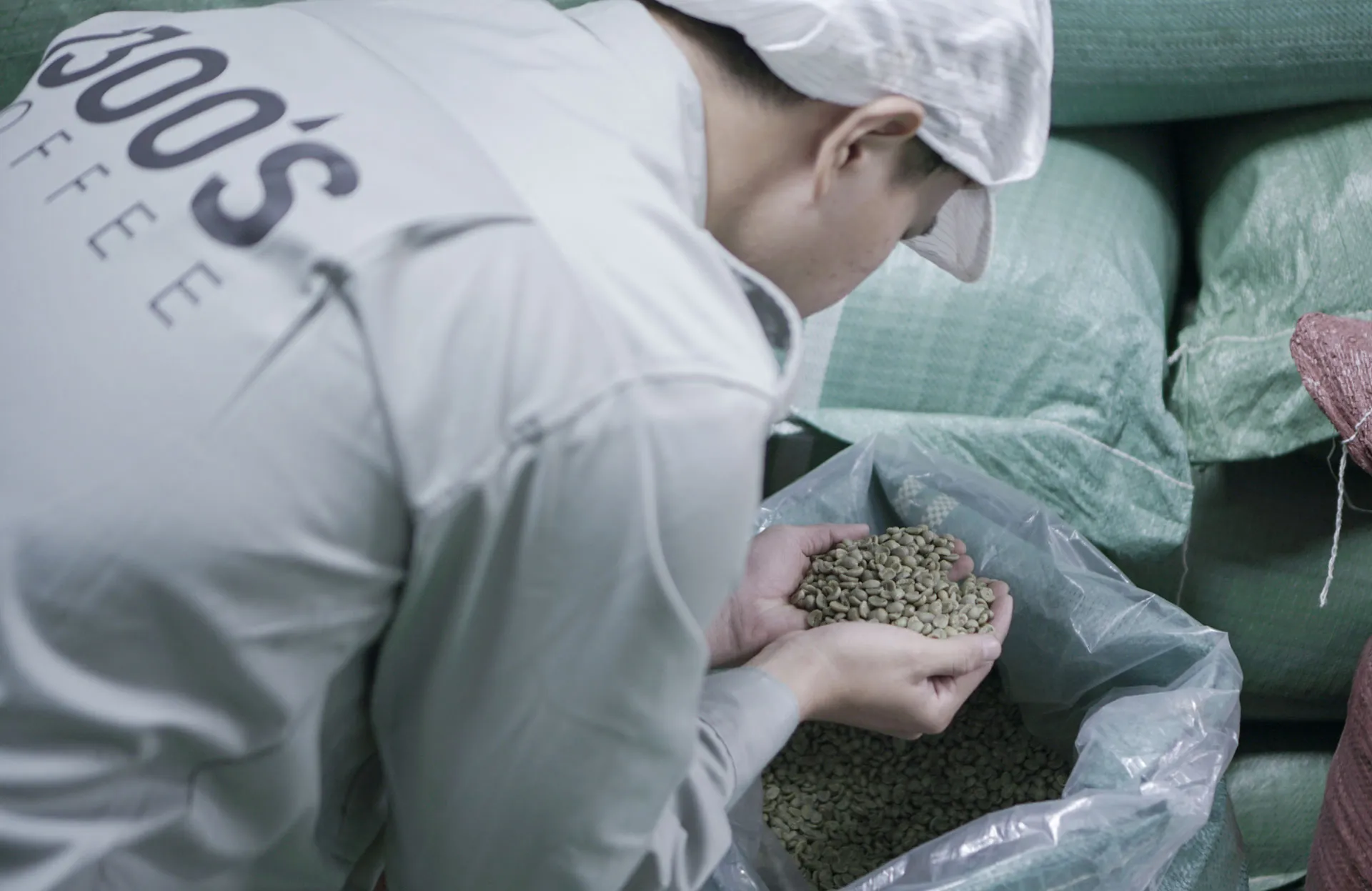
Knowing that coffee comes from Vietnam, Colombia, or Ethiopia is only the starting point. Professional buyers should understand the specific growing region, altitude, processing method, harvest season, and farming practices behind every lot. For example, Vietnamese Arabica grown in Cầu Đất offers a completely different flavor profile from Fine Robusta cultivated in Đắk Lắk. A knowledgeable supplier should be able to explain these regional differences and recommend products that best match your target market.
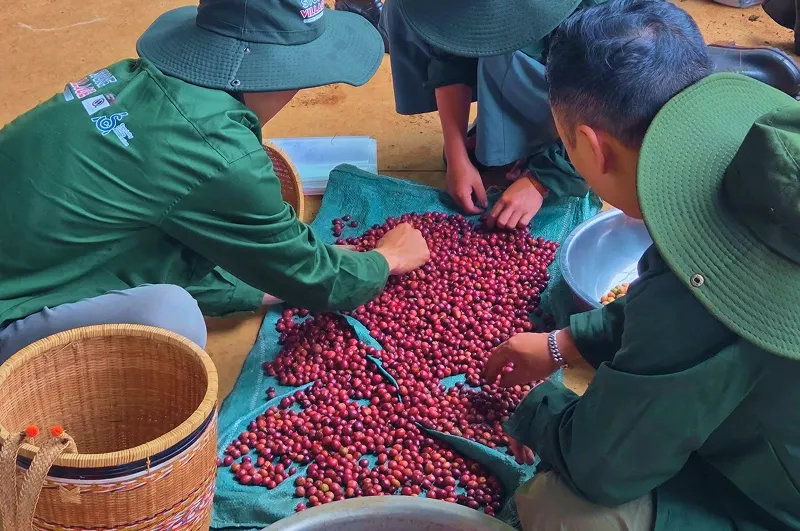
Tracking coffee origins from farm to port
Evaluate Direct Relationships with Coffee Farmers
Strong supplier relationships begin at origin. Companies working directly with farmers or producer groups often have better control over harvesting standards, processing methods, and bean quality than businesses relying entirely on commodity trading.
Direct sourcing also enables suppliers to respond more quickly to seasonal variations and quality improvements while creating more stable pricing for long-term wholesale partnerships.
Instead of simply asking whether a supplier purchases directly from farmers, ask:
- Do you work with long-term farming partners?
- How do you ensure consistent bean quality each harvest?
- Can you provide information about the farms or producing regions?
The answers often reveal far more about a supplier’s capabilities than a product brochure.
Verifying Transparency in Production Costs
Buyers should look for cost structures that are simple and defensible. When sourcing specialty coffee wholesale, understanding how logistics, processing, and green bean costs are calculated helps in long-term financial planning. Consider the breakdown below to benchmark your potential supplier costs:
| Cost Category | Impact Variable | Transparency Metric |
|---|---|---|
| Green Bean Procurement | Origin Altitude | Q-Grader Score |
| Logistics & Freight | Shipping Route | Transit Efficiency |
| Packaging Materials | Barrier Quality | Nitrogen-Flush Status |
After analyzing these costs, it becomes much easier to identify which suppliers are offering genuine value versus those masking inefficiency. Clear accounting allows for a partnership based on mutual commercial benefit.
Understanding Logistics and International Distribution
Moving roasted coffee across borders is a precise discipline that cannot be left to chance. Professional suppliers must demonstrate a high degree of aptitude in navigating international trade to ensure the freshness of their wholesale gourmet coffee is never compromised by extended delays or improper storage.
Export Documentation and Regulatory Compliance
Every destination market has its own import regulations, labeling requirements, and food safety standards. An experienced supplier should understand these requirements and prepare all necessary documentation before shipment, reducing the likelihood of customs delays or unexpected clearance issues.
Beyond basic export documents such as commercial invoices and packing lists, buyers should verify whether additional certificates may be required depending on their target market. Suppliers familiar with exporting to North America, Europe, Australia, Japan, or the Middle East are generally better equipped to anticipate regulatory requirements and provide guidance throughout the import process.
Reliable documentation not only facilitates customs clearance but also demonstrates the supplier’s professionalism and experience in international trade. Businesses planning long-term wholesale gourmet coffee programs should therefore consider export capability as important as coffee quality itself.
Packaging and Freshness Protection
Packaging is often underestimated during supplier evaluation, yet it plays a critical role in preserving coffee quality during international transportation. Depending on the destination, sea freight alone may require four to eight weeks before products reach the importer, during which coffee is exposed to changing temperatures, humidity, and handling conditions.
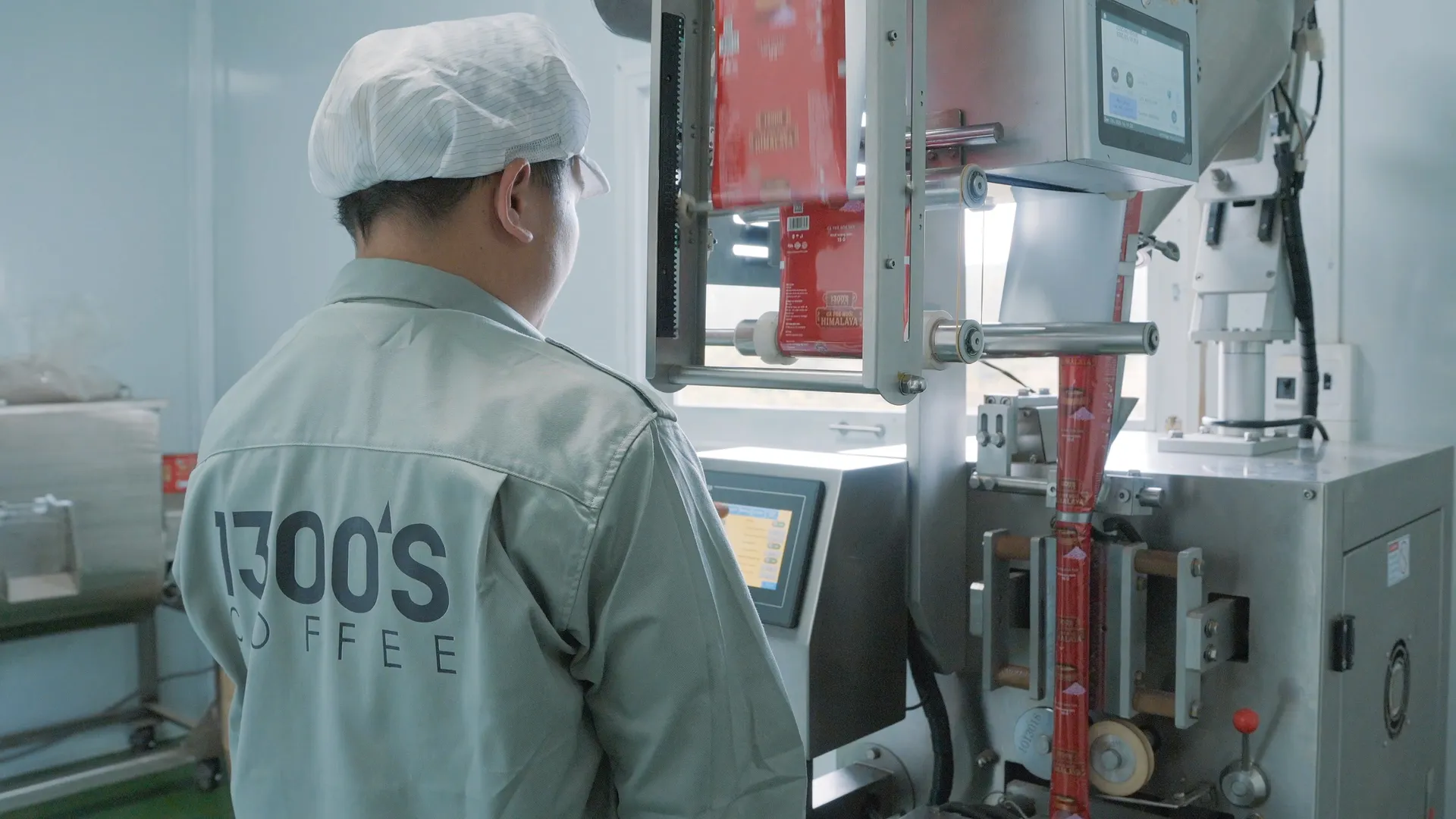
Packaging and Freshness Protection
Professional gourmet coffee suppliers invest in high-barrier packaging materials, nitrogen flushing, moisture protection, and degassing valve technology to minimize quality deterioration throughout shipment. These protective measures help preserve aroma, flavor, and freshness while reducing the risk of oxidation during long-distance transportation.
Importers should discuss packaging specifications with potential suppliers rather than assuming all coffee is packed using the same standards. A supplier capable of recommending packaging solutions based on shipping distance and product type often demonstrates a stronger understanding of international coffee distribution.
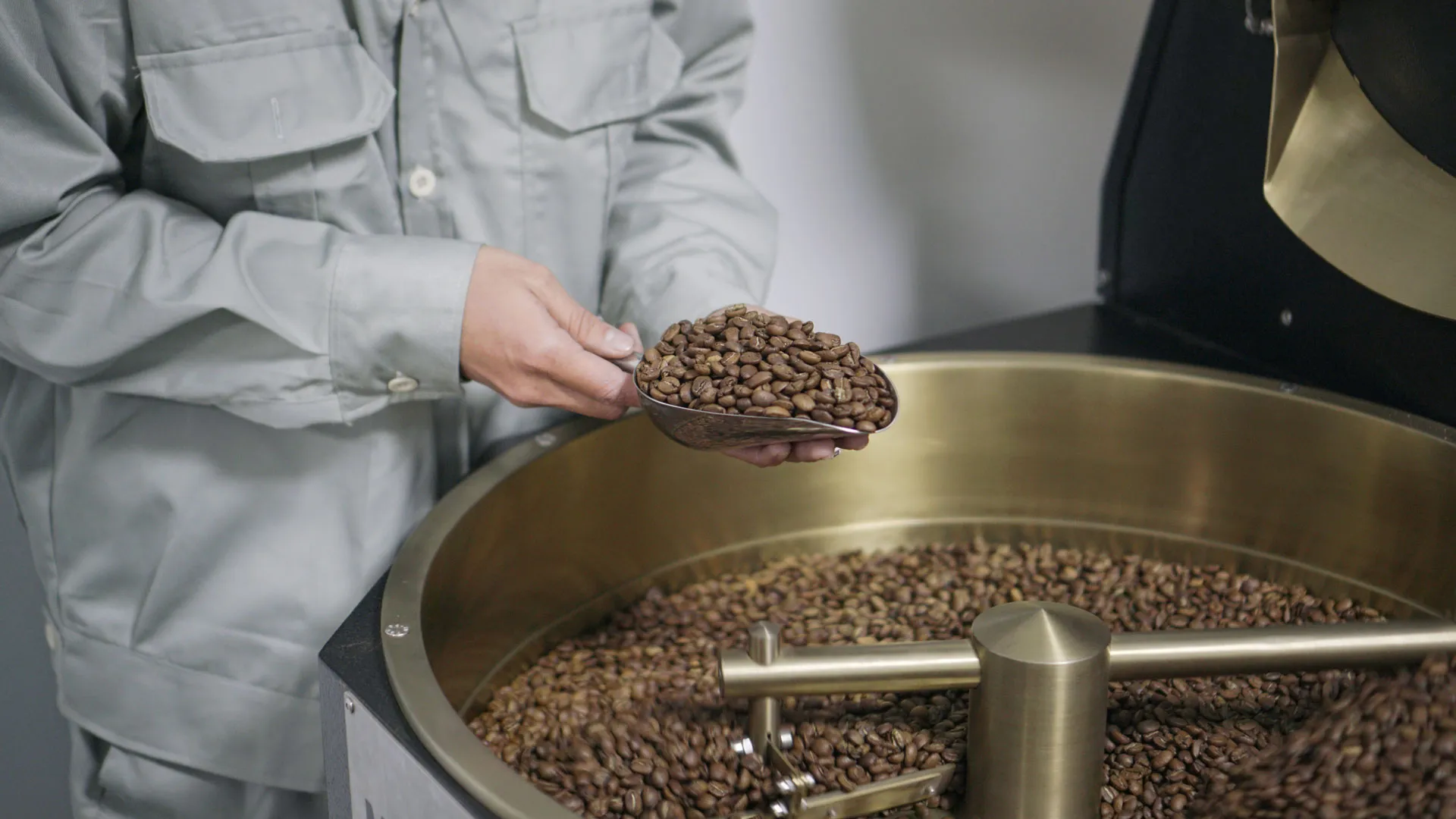
Assessing roast quality and consistency standards
Consistency defines the reputation of a brand, and as an international buyer, you need to know that your future orders will mirror current samples. A data-driven approach allows for precise roast management, which is vital when scaling operations or managing a specialty coffee supplier program.
Reviewing roast profiles and cupping scores
Comparing sensory data with documented profiles helps confirm that a roastery reaches the required mark. Ideally, suppliers should provide, upon request, the analytical data that supports their claims about roast level and acidity.
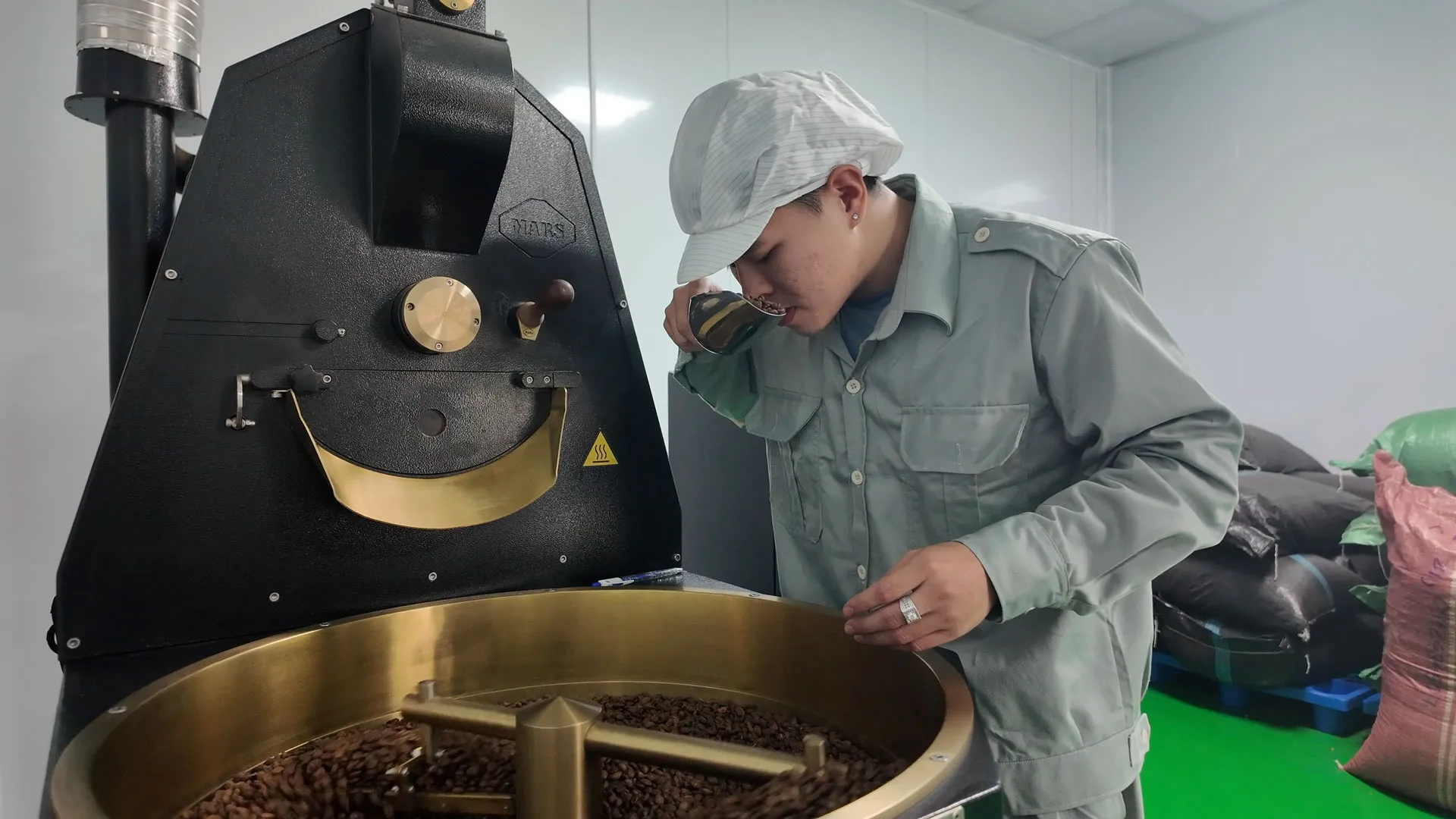
Implementing quality control protocols in the roastery
Robust internal testing creates a safety net for large orders. These protocols should cover everything from colorimetry analysis to density checks, ensuring that no batch goes out that doesn’t meet the established standard for your particular brand.
Requesting samples for independent evaluation
You should always perform your own verification before committing to a long-term supply agreement. When testing samples, consider following these simple evaluation steps:
- Review green bean density and color consistency.
- Execute a standard cupping session using filtered water.
- Verify the product shelf life through seal integrity tests.
By following this rigorous internal verification process, you shield your business from quality variability. Such commitment to vetting ensures that every delivery supports the brand promise you make to your end consumer.
Evaluating batch consistency across large orders
Consistency over time is more difficult to maintain than consistency within a single batch. Data-driven roasting platforms allow for the repeatability required to produce uniform flavor profiles across hundreds of kilos or multiple containers, which is why working with technologically advanced specialty coffee roasters wholesale partners is essential for growth.
Checking Certifications and Ethical Trade Practices
Corporate responsibility has become an increasingly important consideration for coffee buyers, but certifications alone should never be used as the primary measure of a supplier’s capabilities. Many international buyers assume that a supplier with more certifications automatically offers higher-quality products. In reality, the certifications that matter depend largely on your target market, customer requirements, and business objectives. A retailer supplying premium supermarkets in Europe may prioritize Organic or Fairtrade certification, while foodservice distributors often place greater emphasis on food safety systems and consistent production standards.
Rather than requesting every available certification, buyers should first identify which standards are genuinely required within their destination market. This approach allows businesses to evaluate suppliers more effectively while avoiding unnecessary costs or unrealistic expectations.
Validate Certifications Based on Market Requirements
Not every certification carries the same commercial value across different markets. Before selecting a supplier, buyers should verify whether the certifications offered align with local regulations and customer expectations. Food safety certifications such as HACCP or ISO are often considered essential for international trade, while Organic, Fairtrade, Rainforest Alliance, or similar certifications may become more important when targeting environmentally conscious consumers or premium retail channels.
Professional suppliers should be able to provide up-to-date certification documents, explain the scope of each certification, and clarify how these standards are implemented throughout their production process. Transparency at this stage helps buyers avoid compliance issues while strengthening confidence in the supplier’s operational standards.
Look Beyond Certification Logos
Although certifications demonstrate compliance with recognized standards, they should never replace a comprehensive supplier evaluation. A company may hold multiple certifications yet still struggle with inconsistent product quality, weak communication, or unreliable delivery schedules. Conversely, many outstanding speciality coffee companies invest heavily in direct farmer relationships, quality control systems, and production technology without pursuing every available certification.
For this reason, certifications should always be evaluated alongside sourcing transparency, manufacturing capability, export experience, and customer support. Businesses that consider these factors together are far more likely to establish stable long-term partnerships than those relying solely on certification logos during supplier selection.
Evaluate Sustainability Through Real Business Practices
Sustainability extends far beyond marketing claims printed on packaging. Responsible suppliers demonstrate measurable actions that protect coffee-growing regions while improving long-term supply stability. These initiatives may include soil conservation, responsible water management, reduced chemical usage, renewable energy investments, and long-term partnerships with farming communities.
For coffee brands, these efforts create value beyond environmental responsibility. Sustainable farming practices often contribute to improved bean quality, greater harvest consistency, and stronger relationships with producers, all of which directly benefit businesses sourcing premium coffee over the long term.
Consider the Supplier’s Social Impact
Successful coffee sourcing depends on healthy farming communities. Suppliers that actively invest in farmer education, technical training, infrastructure improvements, or fair purchasing practices are more likely to maintain consistent production and higher-quality coffee over time.
Rather than viewing social responsibility as a branding exercise, buyers should consider how these initiatives contribute to supply chain stability. Companies that help farming communities grow are also investing in the future reliability of their own coffee supply, making them stronger long-term business partners.
Reviewing support and collaboration capabilities
Effective collaboration requires more than just high-quality beans; it requires a partner who treats your business goals as their own. Whether you need responsive technical support or flexibility in wholesale speciality coffee volume, clear communication is the primary bridge to success.
Evaluate Communication Throughout the Entire Project
Effective communication is one of the strongest indicators of a supplier’s professionalism. Many supply chain problems originate not from manufacturing errors but from incomplete specifications, delayed responses, or misunderstandings during production planning.
Professional suppliers maintain regular communication throughout every stage of the project, from product development and sample approval to production updates and shipment scheduling. This proactive approach allows potential issues to be identified and resolved before they become costly problems. Buyers should therefore evaluate not only how quickly a supplier responds but also the clarity, accuracy, and consistency of their communication.
Assess Flexibility as Your Business Grows
Business growth rarely follows a straight line. Seasonal demand, new product launches, and changing customer requirements often require adjustments to production schedules and order volumes. Suppliers capable of adapting to these changes provide greater operational flexibility and reduce unnecessary inventory risks.
When evaluating potential partners, discuss how they manage fluctuations in order quantities, customized production requirements, and future expansion plans. Companies experienced in supporting wholesale speciality coffee programs generally understand that long-term partnerships require flexibility rather than rigid production policies.
Review Commercial Terms Carefully
Clear commercial agreements reduce misunderstandings and establish realistic expectations for both parties. Before confirming a partnership, buyers should ensure that production lead times, payment terms, packaging specifications, quality standards, and claim procedures are documented clearly within the commercial agreement.
Well-structured contracts not only protect both businesses but also demonstrate the supplier’s professionalism and commitment to transparent cooperation. Companies that invest time in establishing clear expectations typically experience fewer disputes throughout long-term partnerships.
Consider Technical Support and Product Development
The most valuable suppliers contribute more than manufacturing capacity alone. Many international coffee brands rely on their suppliers for roasting recommendations, product development, packaging improvements, and technical advice that helps strengthen their competitive position.
Whether developing a new coffee blend, refining packaging design, or expanding into new retail channels, suppliers with strong technical expertise become an extension of the buyer’s own product development team. This collaborative approach creates opportunities for continuous innovation while reducing development costs and shortening time to market.
Analyzing International Market Experience
Exporting coffee successfully requires much more than shipping products overseas. Every international market has its own consumer preferences, regulatory requirements, packaging expectations, and purchasing behaviors. Suppliers with genuine international experience understand these differences and can provide valuable recommendations that help buyers reduce risk while entering new markets.
Rather than simply asking how many countries a supplier exports to, buyers should evaluate how well the supplier understands the specific commercial requirements of their target market. This practical experience often becomes one of the most valuable advantages when building long-term international partnerships.
Evaluate Market-Specific Experience
Different regions often require completely different product strategies. European consumers may prefer lighter roast profiles with strong traceability, while markets in the Middle East frequently demand fuller-bodied coffees with premium presentation. Retail chains in North America often emphasize packaging compliance and food safety documentation, whereas Asian markets may focus more heavily on convenience products such as drip coffee or instant coffee.
Suppliers familiar with these regional preferences are better equipped to recommend suitable products rather than offering identical solutions to every customer. Their experience helps buyers adapt more quickly to local market expectations while improving the overall competitiveness of their coffee products.
Review Previous Export Experience
Past export performance provides valuable insight into a supplier’s operational capabilities. Instead of asking only which countries they have supplied, buyers should explore the types of customers they serve, the scale of their export business, and the challenges they have successfully managed in different markets.
Companies with extensive export experience typically possess stronger logistics planning, more efficient documentation processes, and a deeper understanding of international trade regulations. These capabilities significantly reduce operational risks for buyers planning long-term sourcing programs.
Build Long-Term Partnerships Instead of Transactional Relationships
Changing suppliers frequently may appear to reduce purchasing costs, but it often creates additional expenses through repeated product approvals, inconsistent quality, and supply chain disruption. Long-term partnerships enable suppliers to understand customer expectations, optimize production planning, and recommend continuous improvements that strengthen both businesses.
For many successful coffee brands, their supplier eventually becomes a strategic manufacturing and sourcing partner rather than simply a vendor. This collaborative relationship supports innovation, improves operational efficiency, and creates a more resilient supply chain capable of adapting to future market changes.
Partner with 1300’S Coffee for Long-Term Success
Choosing a speciality coffee company is a long-term investment in your brand, product quality, and supply chain. At 1300’S Coffee, we believe successful partnerships are built on transparency, consistent quality, and a deep understanding of our customers’ business goals.
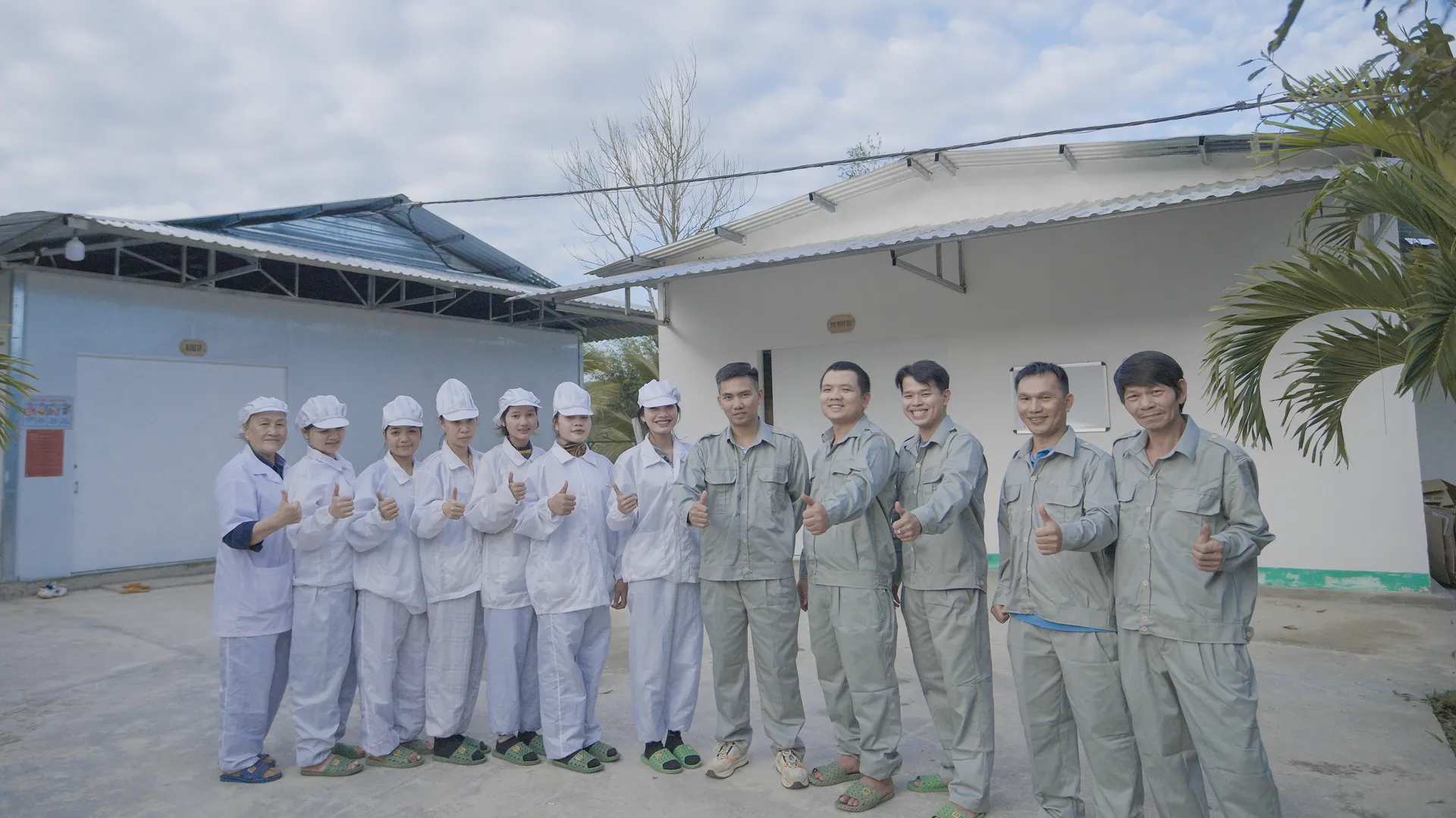
Partner with 1300’S Coffee for Long-Term Success
Whether you are importing bulk specialty coffee, expanding your wholesale gourmet coffee portfolio, or launching a new private label collection, our experienced team can support you with premium Vietnamese coffee, flexible manufacturing, and export-ready solutions tailored to your market. If you’re looking for a supplier that goes beyond manufacturing to become a trusted long-term partner, 1300’S Coffee is ready to help you build sustainable growth in the global coffee industry.
Conclusion
Building a successful coffee program requires moving beyond simple price-per-pound comparisons. By vetting your potential partners on transparency, logistical capacity, and alignment with your quality standards, you place your brand in a position to scale effectively. Maintaining a focus on reliable communication and consistency ensures that you are consistently delivering the quality your customers demand.
Read more: The Complete Guide to Choosing Gourmet Coffee Suppliers for Coffee Brands and Importers


1300s BLOG YOU MAY ALSO BE INTERESTED IN
How to Roast Coffee Beans for Espresso Roast Level and Profile Guide
Where Is Coffee Grown in Vietnam? A Region by Region Guide
What Is Specialty Grade Coffee? The Criteria That Actually Define It