


Why Is Vietnamese Coffee So Good What Makes the Flavor Distinct
Ask someone who’s spent real time drinking coffee across different origins what stands out about Vietnamese coffee, and strength usually comes up first, but strength alone doesn’t explain why so many people who try it properly, beyond a quick instant sachet, come away genuinely impressed by the flavor itself. Understanding why is Vietnamese coffee so good means looking past the caffeine and into terroir, processing craft, and a genuine quality movement that’s reshaped what the country’s coffee industry is actually capable of producing. This guide walks through each of those factors and explains what they mean for how Vietnamese coffee actually tastes.
Why Is Vietnamese Coffee So Good The Short Answer
The flavor quality behind Vietnamese coffee comes from a combination of genuinely favorable growing conditions, processing methods that have matured considerably in recent years, and a new generation of producers treating quality as a genuine priority rather than an afterthought to volume. None of these factors alone fully explains why is Vietnamese coffee so good, but together they account for a meaningful shift in what’s actually available from the country compared to a decade ago, when volume and price dominated the conversation almost entirely. Anyone still asking why is Vietnamese coffee so good based on an outdated impression of the industry is missing a genuine transformation that’s happened largely within the past ten years.
Why Is Vietnamese Coffee So Good The Short Answer
Terroir Gives Vietnamese Coffee Its Distinct Character
The foundation of good coffee starts in the ground, and Vietnam’s growing regions offer more genuine variety than the country’s bulk export reputation suggests, a fact that surprises many people encountering the specialty side of Vietnamese coffee for the first time.
Altitude and Volcanic Soil in the Central Highlands
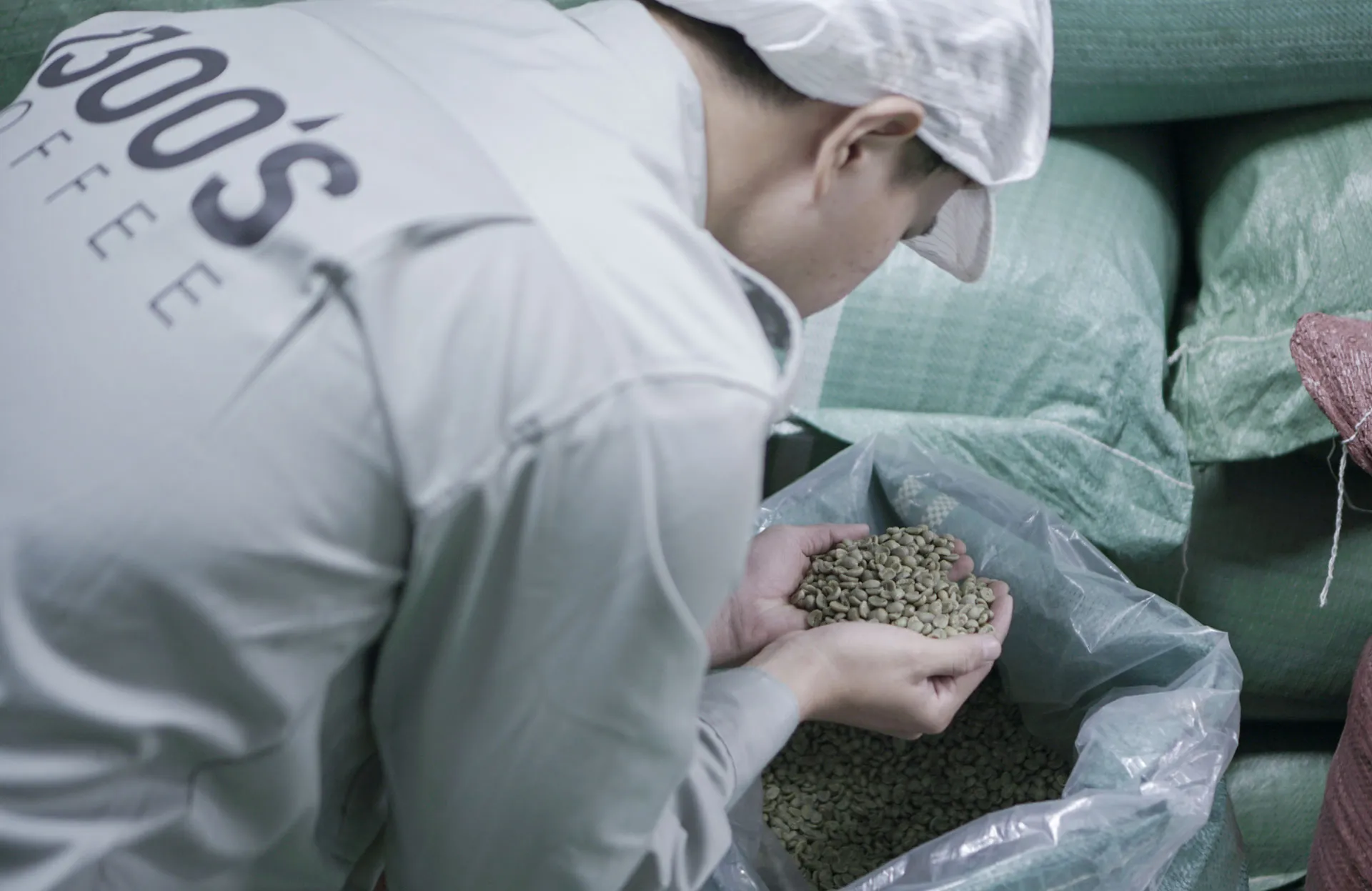
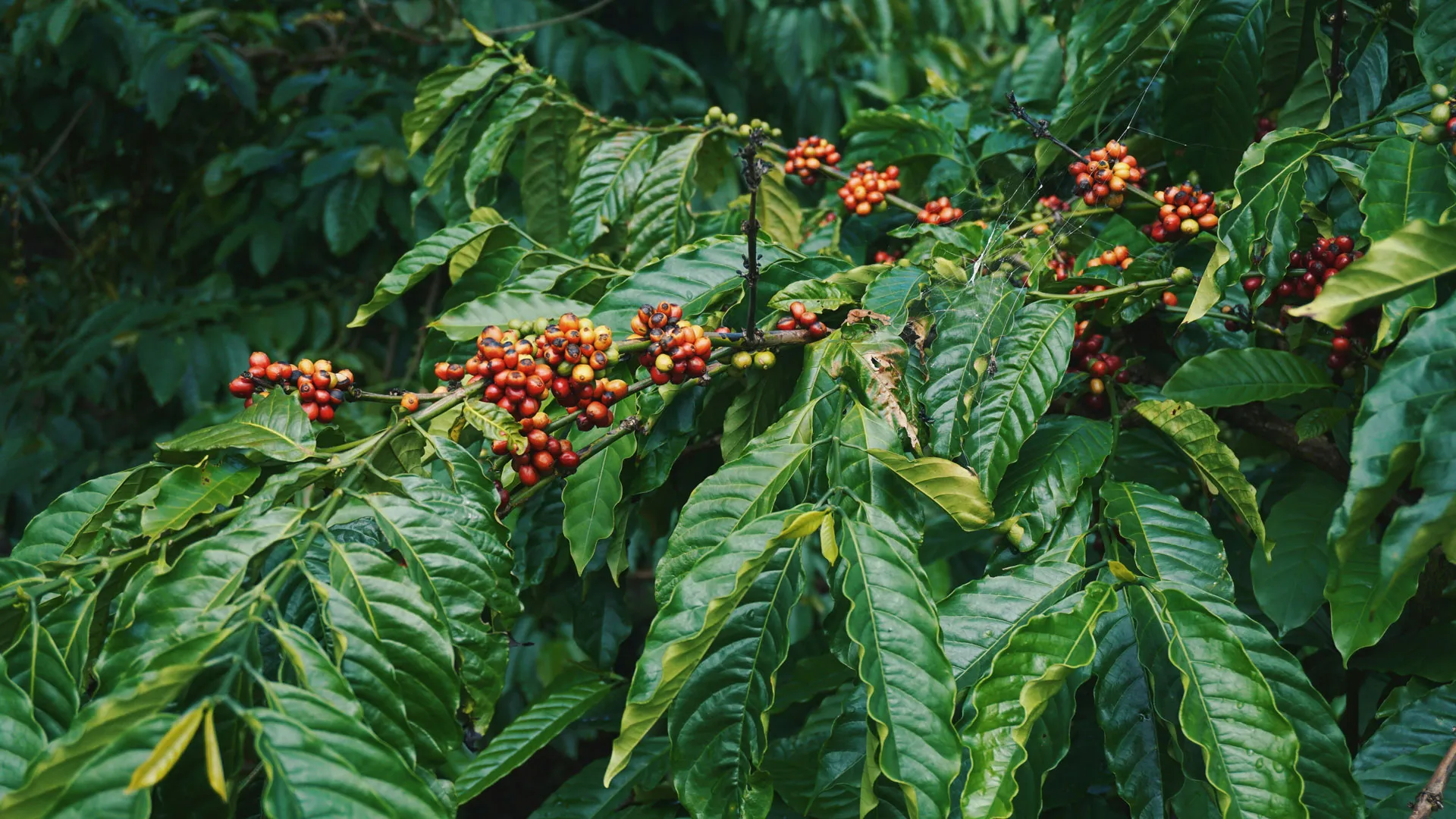
The Central Highlands, spanning Dak Lak, Gia Lai, Dak Nong, Lam Dong, and Kon Tum, sit on volcanic basalt soil rich in minerals including iron and magnesium, conditions widely associated with healthy plant development and distinctive flavor characteristics in the resulting coffee. Altitude variation across this region matters just as much, since higher elevation zones experience a wider swing between daytime and nighttime temperatures, and that diurnal shift slows cherry ripening in ways that generally allow more complex sugar and acid development compared to the faster ripening cycles typical of consistently warm, lowland conditions. This combination of mineral rich soil and meaningful altitude range is part of why the country’s coffee growing potential extends well beyond what its historical reputation as a purely volume driven Robusta exporter would suggest.
The Role of Kon Tum and Măng Đen
Kon Tum province, including the Măng Đen highlands at elevations around 1,300 meters, represents one of the more distinctive terroir zones within Vietnam’s broader coffee landscape. The combination of altitude, volcanic soil, and a cooler microclimate here produces coffee with brighter acidity and more complex body than the country’s lowland commodity crop, a genuine geographic advantage that’s become central to how producers in this specific region position their coffee to buyers looking for something beyond standard commercial grade Robusta. This region’s smaller production scale relative to the more established Central Highlands core has also translated into closer farm level relationships for many producers based here, since a smaller growing area allows more direct oversight of harvesting and initial processing than would be practical across a much larger, more industrial scale operation.
Robusta Quality Has Genuinely Improved
A big part of why is Vietnamese coffee so good today, compared to its reputation even ten years ago, comes down to what’s actually happened with Robusta specifically, the varietal most associated with the country.
Fine Robusta and Controlled Processing
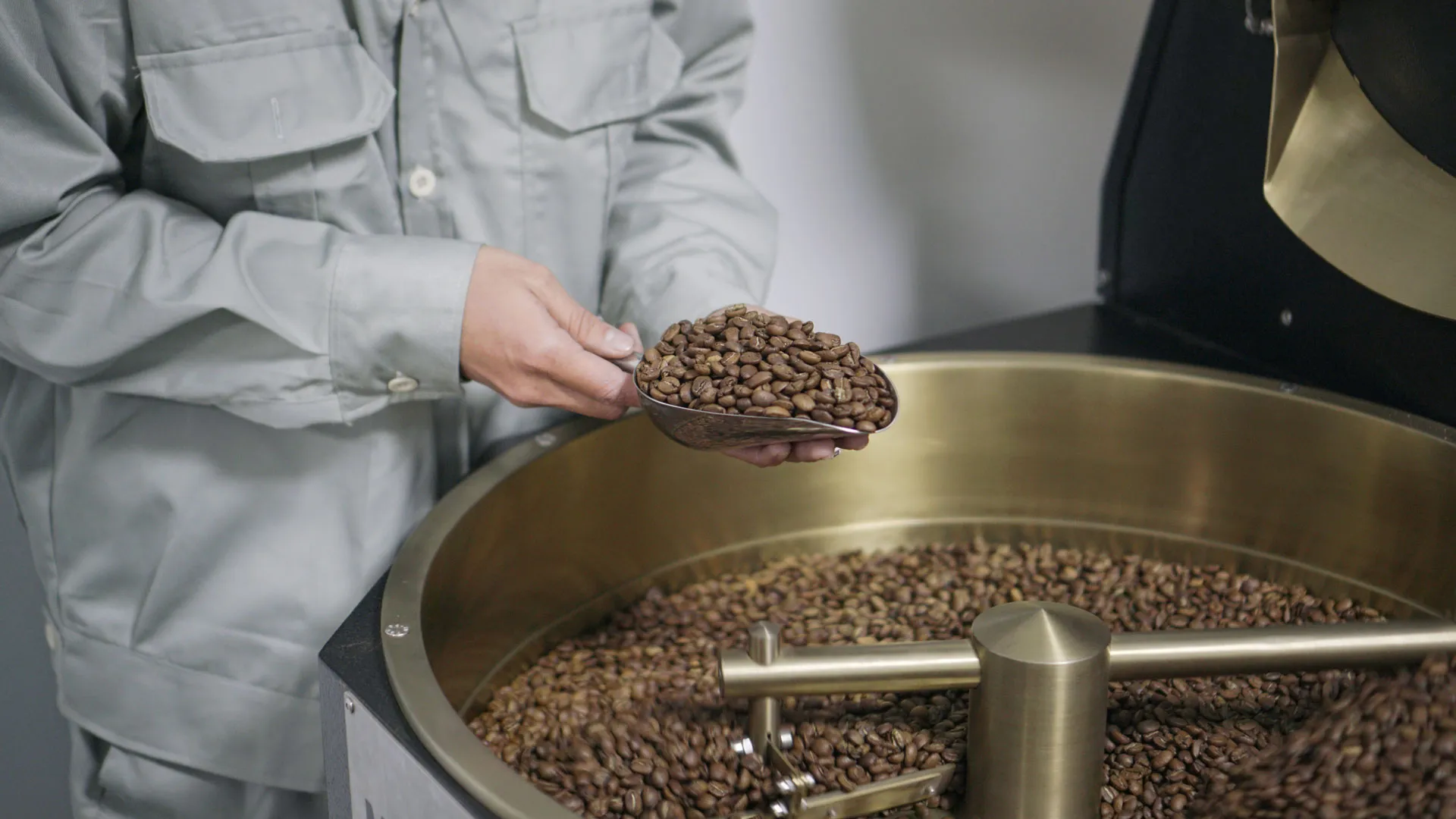
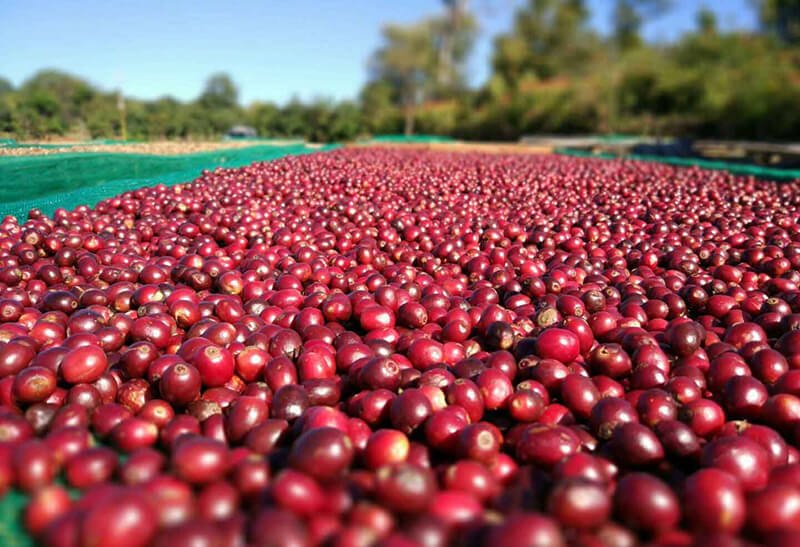
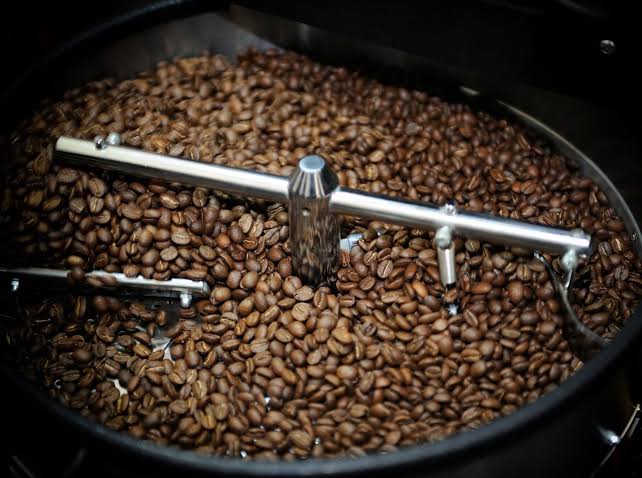
Fine Robusta, produced through more careful harvesting and controlled processing methods rather than the faster, volume focused approach typical of standard commercial production, has genuinely changed how the varietal performs in the cup. This isn’t a marketing repositioning of the same old coffee, it reflects real changes in harvest selectivity and processing control, and the market has responded accordingly, with Vietnamese domestic Robusta prices actually surpassing Arabica for the first time in 2024, a shift that reflects genuine quality driven demand rather than a temporary anomaly.
Fine Robusta and Controlled Processing
How This Changes Roasted Coffee Wholesale Options
For buyers sourcing roasted coffee wholesale, this shift in Robusta quality means genuinely differentiated options are now available that simply didn’t exist at meaningful scale a decade ago. A roaster or brand can now build a product specifically around Fine Robusta’s improved character rather than treating Robusta purely as a cost efficient volume filler, opening up positioning options that would have been difficult to credibly market from Vietnamese Robusta in the past.
Processing Methods Shape Flavor Complexity
Beyond the raw material itself, how cherries get processed after harvest plays a major role in why is Vietnamese coffee so good when it’s handled with care.
Vietnamese producers now work across the same range of processing methods long associated with more traditionally recognized specialty origins. Natural processing, drying the whole cherry before removing the dried fruit layers, produces a fuller bodied, sometimes fruit forward cup and remains the traditional default for much of Vietnamese Robusta. Honey processing, leaving some of the sticky mucilage intact during drying, has grown considerably in popularity for its distinctive sweetness and body. Washed processing, removing the fruit and fermenting briefly before drying, produces a cleaner, brighter result that tends to highlight a lot’s inherent character most directly. The growing availability of all three methods, rather than natural processing as the only real option, is a meaningful part of why the flavor range coming out of Vietnam has expanded so considerably.
A New Generation of Specialty Producers
Terroir and processing only translate into good coffee when producers actually apply the care required to take advantage of them, and Vietnam has seen a genuine shift here over the past decade.
Working With a Genuine Specialty Coffee Supplier
A growing number of Vietnamese producers now operate as legitimate specialty coffee suppliers, capable of providing lot specific cupping scores, documented processing methods, and consistent quality rather than a general quality claim applied loosely across an entire harvest. This distinction matters directly to why is Vietnamese coffee so good in the hands of the right producer, since specialty positioning depends on this kind of rigor, not just favorable growing conditions alone, which any producer in a good region technically has access to regardless of how carefully they actually farm and process.
Specialty Coffee Wholesale Access for Roasters and Brands
For roasters and brands building a product around Vietnamese origin specifically, specialty coffee wholesale access to these more rigorously produced lots opens up positioning that simply wasn’t credible from Vietnam even a decade ago. Buyers pursuing this route should confirm a prospective source can maintain that specialty grade consistency at real wholesale volume, not just in an occasional standout sample lot, since delivering genuine specialty quality reliably at scale remains a meaningfully harder bar to clear than producing one excellent batch under ideal conditions.
Freshness and Craft Across Every Format
Good coffee doesn’t stop mattering once it leaves the farm, and how a producer handles the finished product, whatever format it eventually takes, plays a direct role in whether that underlying quality actually reaches the end user intact.
What Makes a Good Instant Coffee Supplier
Even in instant coffee, a format often assumed to sacrifice flavor entirely for convenience, quality varies considerably between producers. A genuinely capable instant coffee supplier pays attention to production method, freeze drying preserving considerably more aroma than standard spray drying, and sources from quality green coffee rather than treating instant production as a dumping ground for the lowest grade material available. This distinction is part of why some Vietnamese instant coffee genuinely impresses drinkers expecting a flat, generic result, and part of why the answer to why is Vietnamese coffee so good doesn’t stop being relevant once you move past whole bean formats.
Ground Coffee Wholesale Built Around Flavor Not Just Convenience
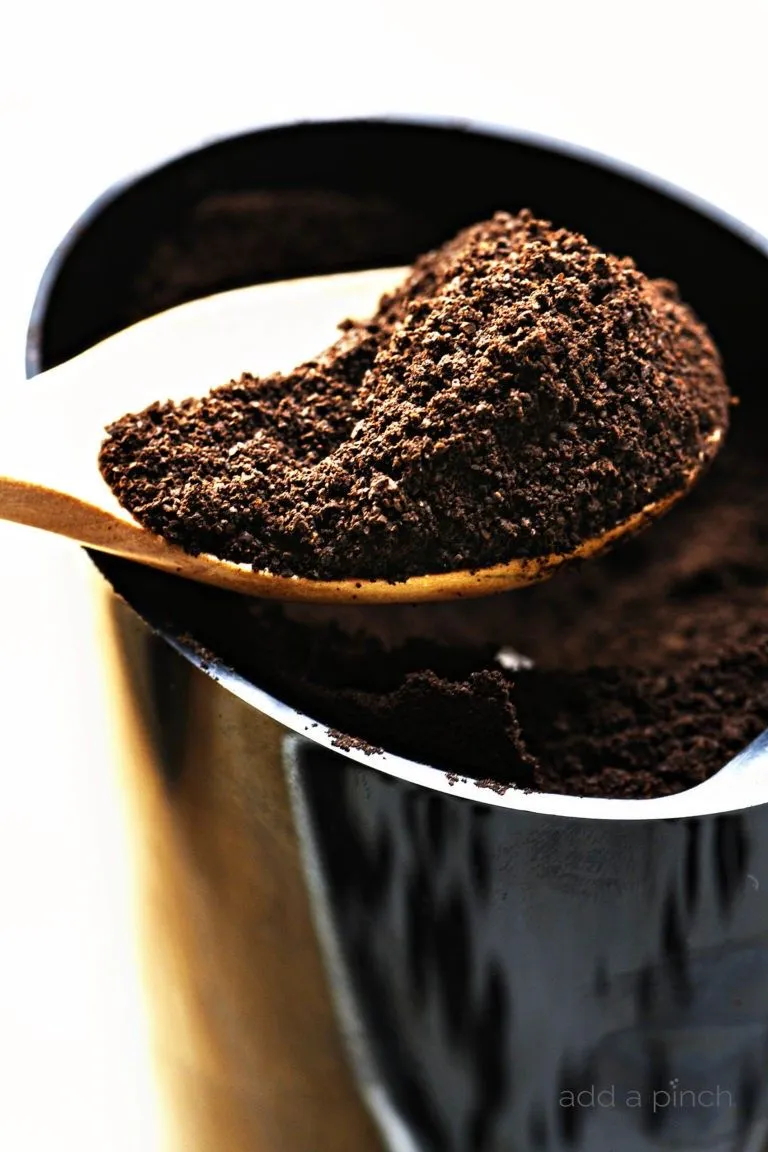
Ground coffee wholesale suppliers who take flavor seriously calibrate grind size specifically to intended brewing methods and maintain tight control over the timing between grinding and packaging, since ground coffee stales considerably faster than whole bean once its surface area increases. A supplier treating ground coffee as simply a convenience format, without this level of attention, undermines even excellent underlying beans, which is why evaluating a ground coffee source on freshness handling matters just as much as evaluating the coffee itself.
Drip Coffee Bags That Preserve Real Flavor
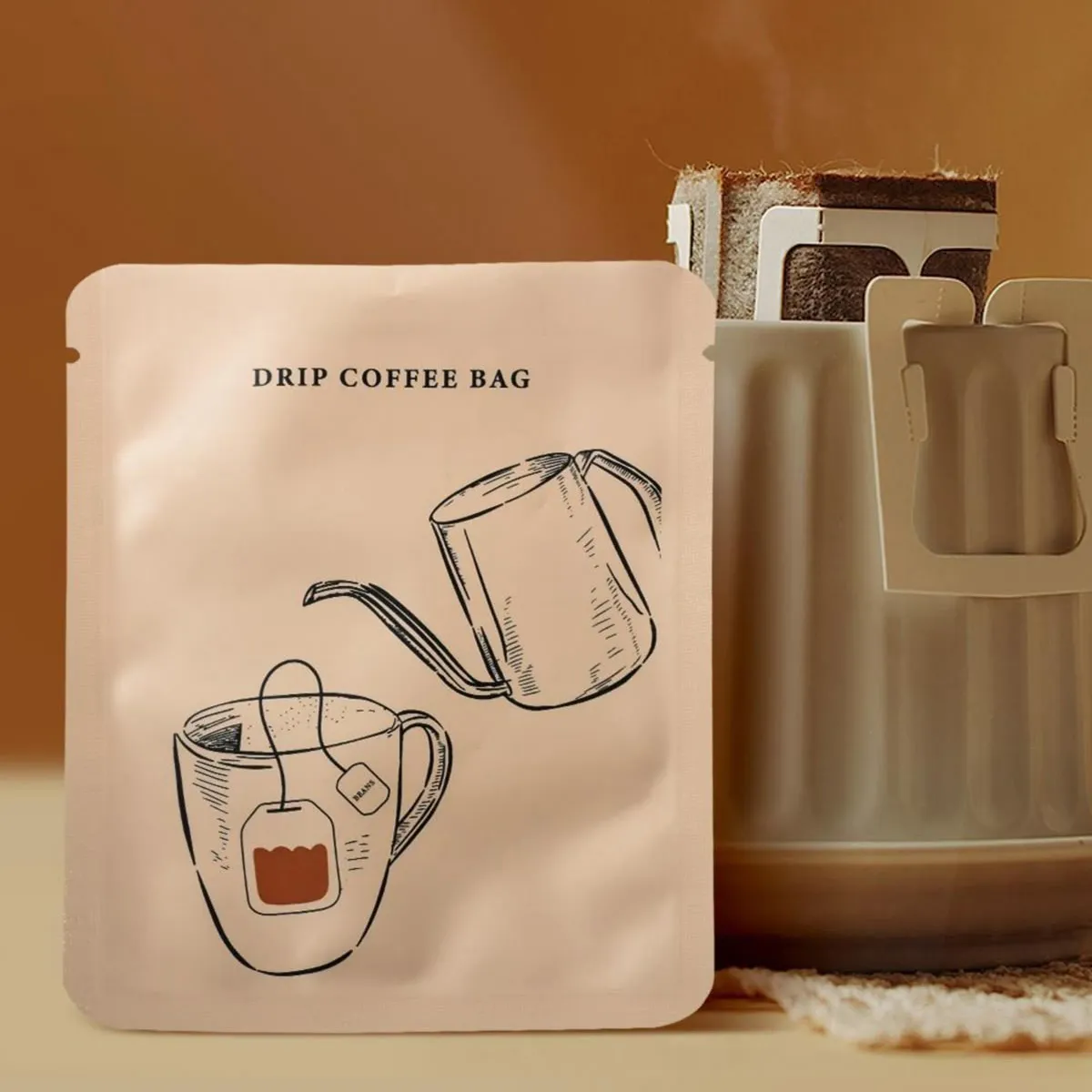
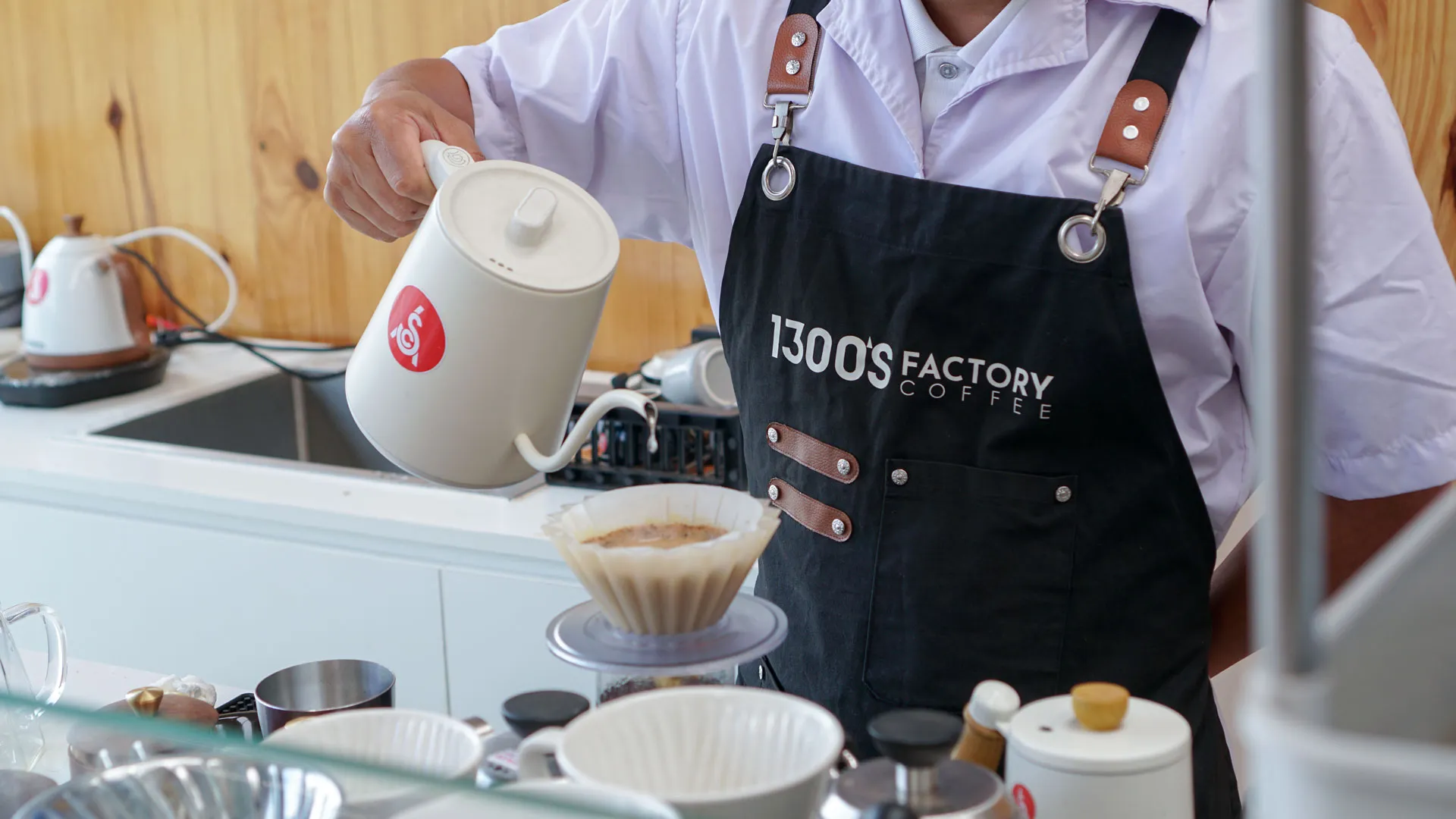
Drip coffee bags occupy a format specifically designed to deliver close to fresh brewed quality with minimal preparation effort, and a capable drip coffee supplier treats this format with the same care given to any other, proper grind calibration and packaging that protects against oxygen and moisture exposure. Done well, this format offers a genuine window into why is Vietnamese coffee so good even for consumers unwilling or unable to manage a full phin brewing setup at home.
How Vietnamese Coffee Compares to Other Well Regarded Origins
Understanding why is Vietnamese coffee so good becomes clearer when placed alongside origins more traditionally associated with quality, since the comparison reveals genuine strengths rather than simply a country trying to catch up to an established standard.
A Distinct Flavor Profile Rather Than an Imitation
Vietnamese specialty coffee, particularly Fine Robusta and high altitude Arabica from regions like Kon Tum, doesn’t attempt to replicate the bright, fruit forward character associated with East African origins or the balanced, nutty profile common to Brazilian coffee. Instead, it offers something genuinely distinct, fuller body, milder acidity, and a depth that comes from Robusta’s naturally different chemical composition combined with increasingly careful processing. This distinctiveness is a real part of why is Vietnamese coffee so good for buyers and roasters looking to build a menu or product line around genuine variety rather than another version of an already familiar flavor profile.
A Distinct Flavor Profile Rather Than an Imitation
Value Positioning Relative to Established Specialty Origins
Vietnamese specialty coffee also tends to enter the market at a more accessible price point than comparably scored lots from origins with longer established specialty reputations, reflecting both the country’s lower production costs and a market recognition that hasn’t yet fully caught up to the quality now genuinely available. For roasters and brands building a specialty program on a tighter margin, or simply looking to introduce a less expected origin story, this combination of genuine quality and relative value is a meaningful practical advantage.
Certifications and Quality Control Behind the Scenes
Flavor quality doesn’t happen by accident, and the producers behind Vietnam’s improved reputation generally back their coffee with real documentation rather than only a taste based claim. Certifications like ISO 22000 and HACCP establish a food safety baseline, but the more meaningful signal for flavor specifically comes from lot level cupping data, defect counts, and transparent processing method disclosure, the kind of documentation a producer genuinely invested in quality provides without hesitation when asked. Buyers evaluating any claim about why a specific Vietnamese coffee is supposedly good should request this documentation directly rather than accepting a general reputation, since the broader country level quality shift covered throughout this guide doesn’t apply uniformly to every producer, some have genuinely embraced the changes described here, and others continue operating on the older, volume first model regardless of what their marketing might suggest.
What This Means for Businesses Sourcing Vietnamese Coffee
Understanding why is Vietnamese coffee so good matters beyond simple curiosity, it directly shapes how a business should approach sourcing if quality, not just price, is part of the brief. A brand building a product around genuine Vietnamese origin quality benefits from working with a supplier capable of supporting that story across formats, whether that means a recurring instant coffee wholesale relationship built around a quality focused formulation, or a larger instant coffee bulk buy sourced specifically from a producer who treats instant production with the same care given to specialty whole bean lots. Businesses evaluating multiple potential sources should apply the same scrutiny throughout this guide consistently, terroir claims, processing transparency, cupping documentation, rather than assuming country of origin alone guarantees the quality level a specific product actually delivers. This distinction between country reputation and individual producer quality is ultimately the most practical takeaway from understanding why is Vietnamese coffee so good in the first place, the country’s overall trajectory has improved dramatically, but that improvement isn’t distributed evenly, and the businesses that source most successfully from Vietnam are the ones that evaluate each specific supplier on its own documented merits rather than assuming the broader national reputation applies automatically to whoever they happen to contact first.
What Drinkers Actually Notice When Tasting Vietnamese Coffee Properly
Beyond the technical explanations of terroir and processing, it’s worth addressing what actually happens on a sensory level when someone tries well made Vietnamese coffee for the first time, since this is often where the real answer to why is Vietnamese coffee so good becomes obvious in a way no amount of technical explanation fully captures.
Body and Mouthfeel That Surprises Arabica Drinkers
Drinkers accustomed primarily to Arabica based coffee often describe well made Vietnamese Robusta as having a noticeably fuller, heavier mouthfeel, a characteristic that reads as a genuine positive once someone adjusts their expectations away from the brighter, lighter bodied profile Arabica typically delivers. This body comes directly from Robusta’s different chemical composition, and it’s a large part of why Vietnamese coffee performs so well specifically in espresso and milk based preparations, where that fuller body holds up against dairy in a way lighter bodied coffee sometimes struggles to.
Sweetness That Comes From the Bean Not Just the Milk
A common assumption holds that Vietnamese coffee’s characteristic sweetness comes entirely from condensed milk, but well processed Robusta, particularly honey processed lots, carries genuine inherent sweetness in the bean itself, something immediately apparent when tasting a quality lot black rather than with milk. This inherent sweetness is one of the clearer, more direct pieces of evidence for why is Vietnamese coffee so good when sourced and processed carefully, since it reflects the coffee’s actual quality rather than something added afterward to compensate for a harsher underlying flavor.
Getting Started
Whether you’re simply curious what actually makes a good cup of Vietnamese coffee taste the way it does, or you’re evaluating Vietnam as a sourcing origin for a quality focused product, the factors covered here, terroir, processing, and genuine producer investment in quality, explain the real story behind the reputation. Curious what genuinely good Vietnamese coffee tastes like? Request a sample from 1300’S Coffee to experience the terroir and craft behind this guide firsthand.
Read more: Where to Buy Vietnamese Coffee Wholesale for Importers and Roasters


1300s BLOG YOU MAY ALSO BE INTERESTED IN
Top 10 Speciality Coffee Suppliers with Export Standard Production
Top 8 Wholesale Green Coffee Suppliers for Commercial and Specialty Brands
How Much Is the Global Coffee Market Worth? Size Value and Key Numbers