




How to Roast Coffee Beans Professionally What Changes at Commercial Scale
Plenty of home roasters develop genuine skill dialing in a great cup from a small batch roaster or even a modified popcorn popper, but learning how to roast coffee beans professionally involves a different set of challenges entirely. Consistency, documentation, food safety, and production capacity all become central concerns in a way they simply aren’t for someone roasting a few hundred grams for personal use. This guide walks through what actually changes when roasting moves from a hobby to a commercial operation, covering equipment, quality systems, sourcing, and the business considerations that come with scaling up, along with what expanding into additional product formats actually involves once a roasting operation has matured.
What Actually Changes When You Roast Professionally
The fundamental chemistry of roasting doesn’t change between a home setup and a commercial one, but nearly everything around that chemistry does.
Scale and Batch Size
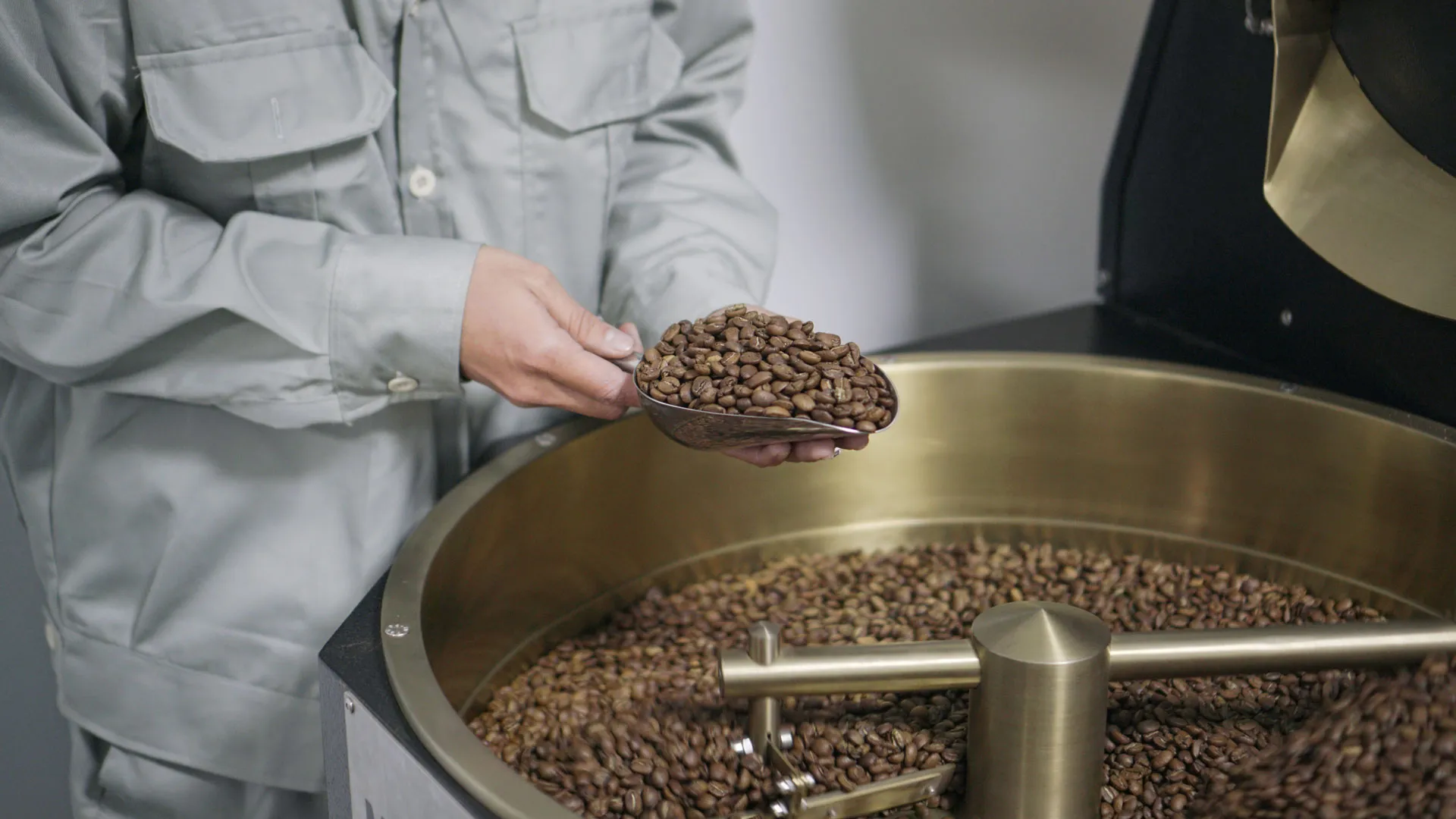
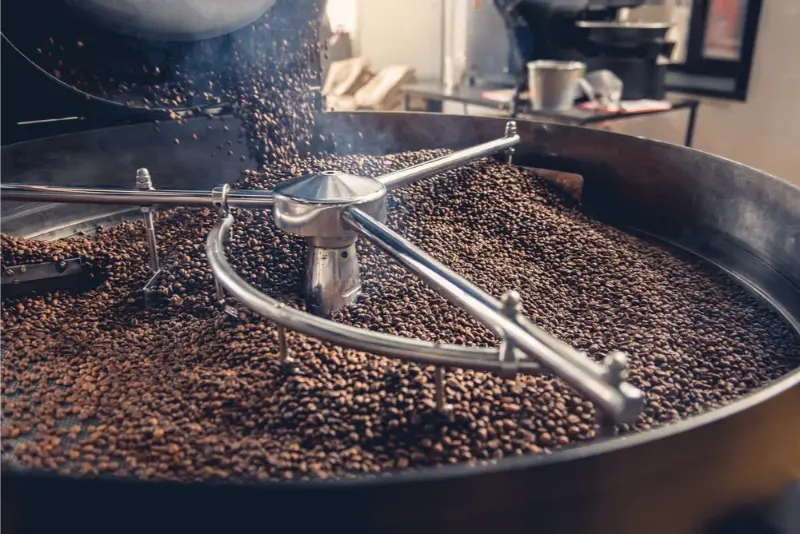
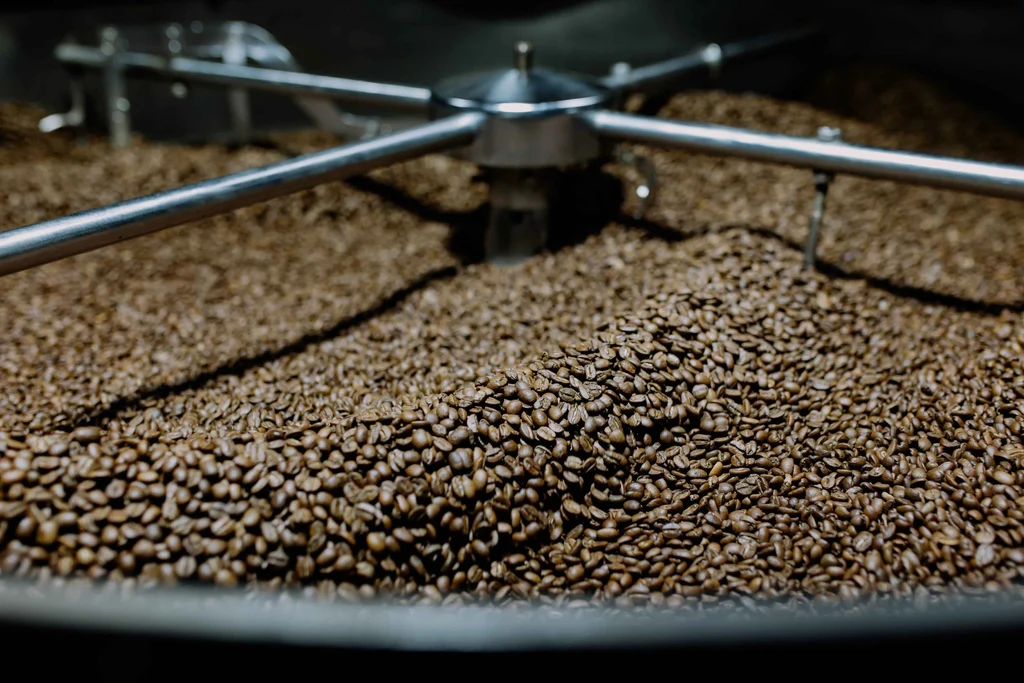
Commercial roasting typically means batch sizes ranging from several kilograms up to hundreds of kilograms per cycle, a scale that introduces heat distribution challenges a small home roaster never has to contend with. Larger batches take longer to heat evenly, and drum design, airflow, and heat application all need to be engineered specifically to avoid scorching the outer layer of beans while the center remains underdeveloped, a problem that barely registers at home batch sizes but becomes a serious quality issue at commercial volume. This scale shift also changes how mistakes cost money, a poorly executed home batch wastes perhaps a few dollars of green coffee, while a botched commercial batch at fifty or a hundred kilograms represents a genuine financial loss that a business needs to plan around and, ideally, prevent through the quality systems covered later in this guide.
Scale and Batch Size
Repeatability Becomes Non-Negotiable
A home roaster who produces a slightly different result from batch to batch is a minor inconvenience. A commercial roaster who can’t repeat the same result reliably has a business problem, since customers expect the same product every time they order, and inconsistency at scale erodes trust considerably faster than it does when the only person affected is the roaster themselves. Learning how to roast coffee beans professionally really means learning to treat repeatability as the primary objective, with flavor exploration happening in a controlled testing process rather than during actual production runs. This mindset shift is often the hardest adjustment for skilled hobbyist roasters moving into commercial work, since the creative experimentation that made home roasting enjoyable needs to be deliberately separated from production, confined to dedicated testing sessions rather than allowed to influence a batch a paying customer is actually going to receive.
Commercial Roasting Equipment
Equipment represents one of the most visible differences between hobbyist and professional roasting, both in scale and in the level of control and data the machines provide.
Drum Roasters at Commercial Scale
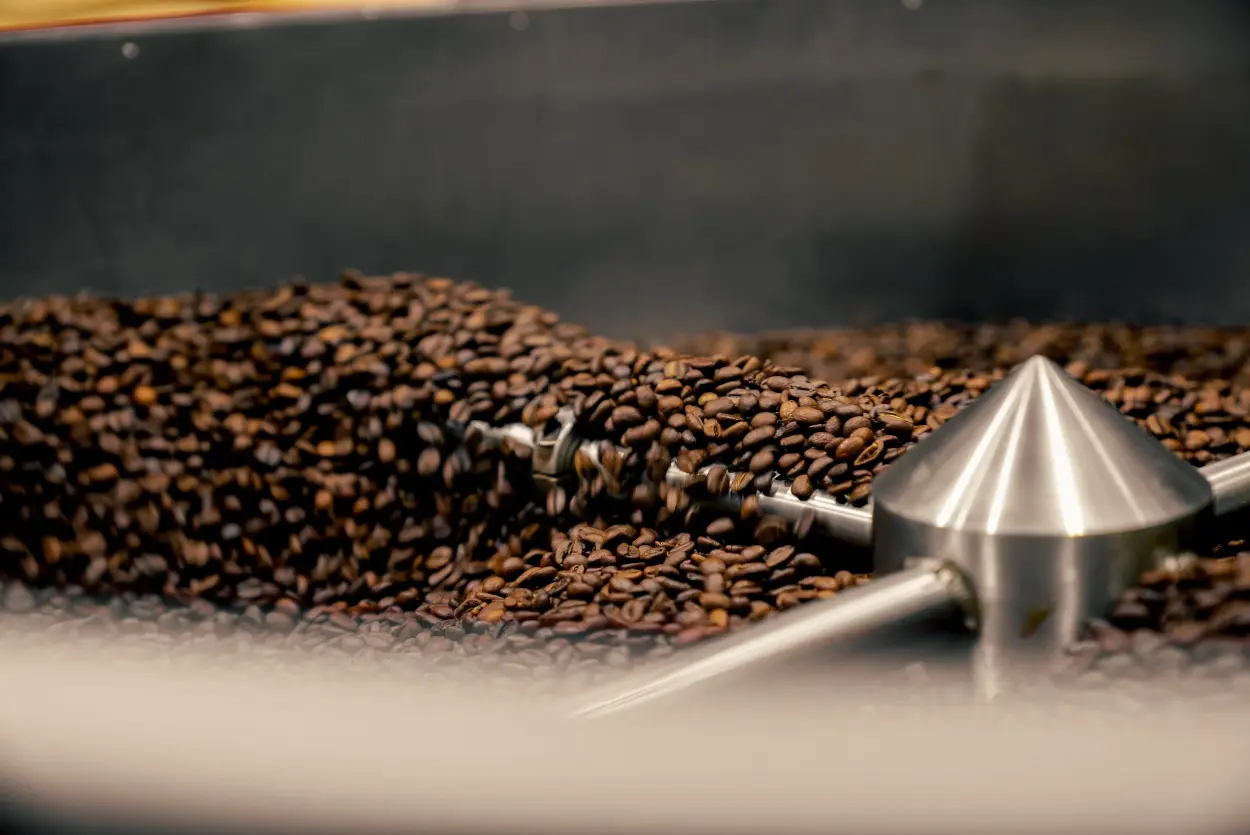
Commercial drum roasters, the dominant equipment type at this scale, use a rotating drum with controlled gas or electric heat application, engineered for even heat distribution across much larger batch sizes than a home unit could manage. These machines typically include separate controls for drum temperature, airflow, and drum rotation speed, giving an experienced operator far more granular control over the roast curve than most home equipment allows, though that additional control also means more variables to master before achieving genuinely consistent results. Commercial machines also typically include afterburners or smoke abatement systems, required in many jurisdictions for any facility roasting at meaningful volume, adding both cost and mechanical complexity that simply isn’t a consideration for a home setup roasting occasional small batches in a garage or kitchen.
Roast Profiling Software and Data Logging
Most commercial roasters now pair their equipment with roast profiling software that logs temperature, time, and rate of rise data throughout every single roast, creating a permanent digital record that can be compared across sessions. This data logging is arguably the single biggest technical shift in how to roast coffee beans professionally compared to hobbyist roasting, since it transforms roasting from an experience based craft into something that can be documented, analyzed, and deliberately reproduced, rather than relying purely on an experienced roaster’s memory and intuition for every batch.
Quality Control Systems Professionals Rely On
Beyond the roasting process itself, professional operations build structured quality control systems around every batch, something that simply doesn’t exist in a home roasting context.
Cupping Protocols
Professional roasters cup every batch, or at minimum a representative sample from each production run, following a structured evaluation protocol scoring aroma, flavor, acidity, body, and aftertaste. This isn’t a casual taste test, it’s a standardized process, often using the same equipment, water, and brewing ratios every time specifically to make results comparable across different roasters and different days, catching inconsistencies before a batch ever reaches a customer. Many professional operations maintain a reference sample from a previous well-executed batch specifically to cup against new production runs side by side, since comparing directly against a known good standard catches subtle drift that might not be obvious when evaluating a new batch in isolation.
Defect Tracking
Alongside cupping, professional operations track defects systematically, both in the incoming green coffee and in the roasted output, documenting patterns over time rather than treating each defect as an isolated incident. This tracking helps identify whether a quality issue traces back to a specific green coffee lot, a particular piece of equipment, or an operator error, information that’s essential for correcting problems at their actual source rather than guessing.
Certifications and Food Safety Standards
Selling roasted coffee commercially, rather than roasting purely for personal use, typically requires food safety certifications appropriate to your market, such as HACCP principles applied to the roasting and packaging process, alongside any local health department permits required to operate a food production facility. These requirements add real operational overhead compared to hobbyist roasting, but they’re non-negotiable for any business actually planning to sell roasted coffee to customers rather than just friends and family.
Sourcing Green Coffee for Commercial Roasting
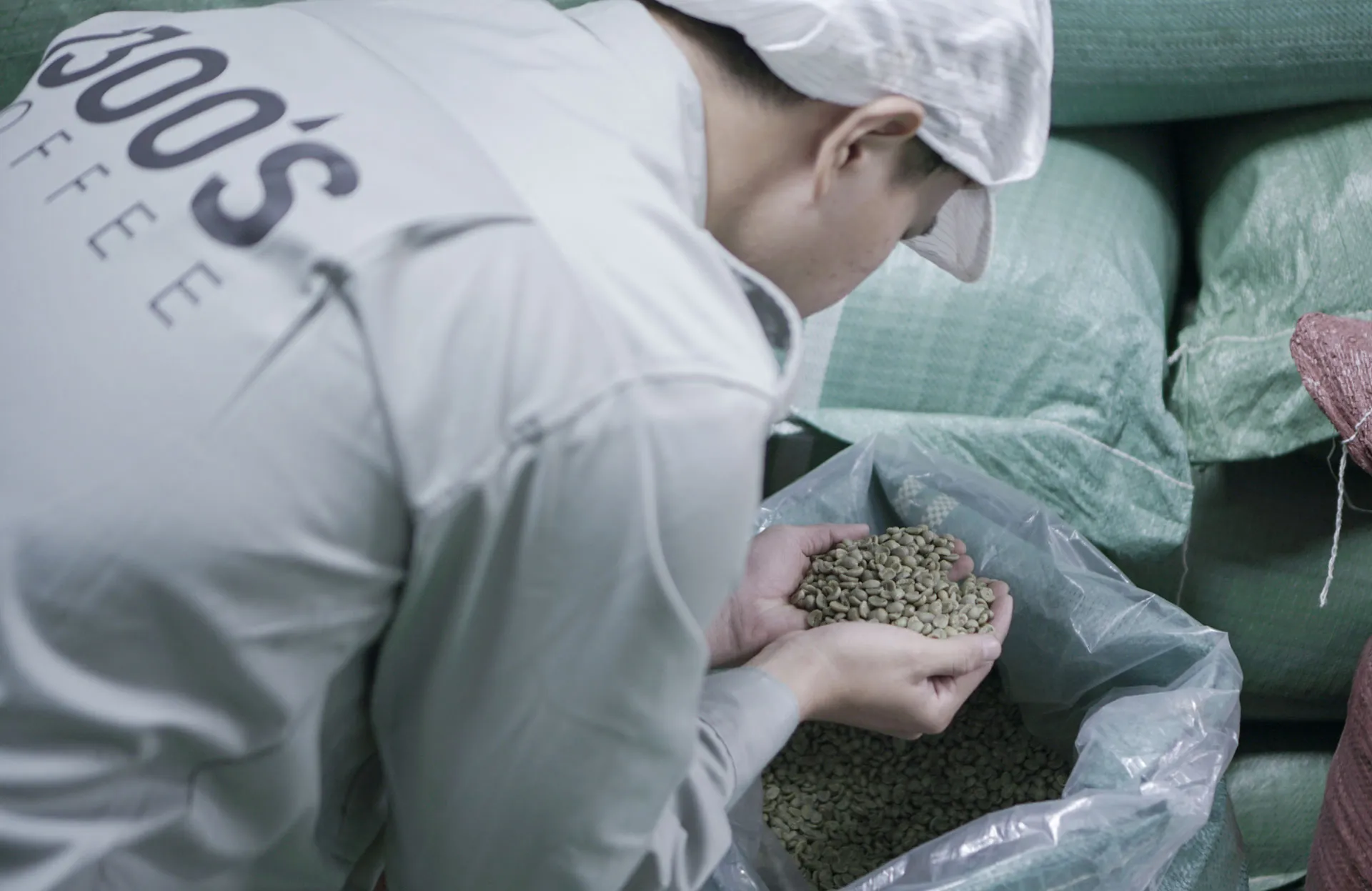
Green coffee sourcing shifts considerably once you’re roasting at commercial volume rather than buying small retail bags for personal experimentation. Working with a genuine specialty coffee supplier capable of providing lot specific cupping data, consistent grading documentation, and reliable volume becomes essential, since a commercial operation can’t afford the quality variability that comes from sourcing through smaller, less consistent retail channels. Professional roasters typically request samples and cupping data before committing to any purchase, then place a smaller trial order to confirm the green coffee performs consistently through their specific roasting equipment before scaling to a full recurring order. This verification step matters more at commercial scale than it might seem, since a green coffee lot that cupped well in a supplier’s own testing doesn’t automatically behave identically once run through a different roaster’s specific equipment and profile, and confirming that translation happens correctly before committing to volume protects against a costly mismatch discovered only after a large order has already arrived.
Building a Production Schedule Around Freshness
Commercial operations need to plan roasting schedules around actual demand rather than roasting whenever convenient, since roasted coffee has a limited freshness window and overproducing ties up capital in inventory that loses quality before it sells. Most professional roasters work backward from expected order volume, roasting close enough to shipping or delivery dates that customers receive coffee within its peak freshness window, typically the first two to three weeks after roasting, rather than batching large quantities far in advance for the sake of production efficiency alone.
Staffing and Training for Consistency
As operations scale beyond what a single person can manage, training additional roasters to execute the same profile consistently becomes a genuine operational challenge. Professional roasting operations typically document detailed profiles for each product, specific temperature and timing targets at each stage, so that any trained operator can execute a roast that matches the established standard rather than depending entirely on one individual’s personal feel for the process. This documentation, closely tied to the roast profiling data covered earlier, is what actually makes it possible to scale a roasting operation beyond a single skilled individual without sacrificing the consistency customers expect. New operators typically shadow an experienced roaster through multiple production cycles before running batches independently, and even then, their early independent batches usually get cupped and compared against the established reference standard more rigorously than an experienced operator’s routine production, a reasonable extra layer of verification during the training period that gets phased out once consistency is demonstrated over enough batches.
Expanding Into Roasted Coffee Wholesale Supply
Once a roasting operation has established consistent quality and production capacity, many businesses look to expand beyond direct retail sales into supplying other businesses. Building a roasted coffee wholesale program means adapting packaging, order minimums, and delivery scheduling specifically for cafe and retailer customers, who need smaller, more frequent shipments than a single large retail customer would, along with proper degassing valve packaging suited to wholesale shipping timelines rather than immediate local sale. This expansion also requires renegotiating production scheduling internally, since wholesale customers often need predictable, recurring delivery dates that have to be planned around alongside a roaster’s existing retail commitments.
Expanding Into Roasted Coffee Wholesale Supply
Adding Ground Coffee to Your Product Line
Some roasters also expand into ground coffee wholesale supply for customers who want ready to brew product rather than whole bean, which requires additional equipment and, critically, tighter control over the timing between grinding and packaging given how much faster ground coffee stales compared to whole bean. This expansion decision should be driven by genuine customer demand rather than added simply because the capability exists, since ground coffee production adds real operational complexity, calibrating grind size to specific brewing methods, managing a shorter freshness window, that only makes sense if there’s a customer base actually asking for it.
Considering Drip Bag Production
A smaller number of professional roasters eventually explore drip coffee bag production as a further format extension, a single serve, filter style product that’s grown in popularity as a convenient alternative to both instant coffee and full pour over setups. Working with the specifications a drip coffee supplier typically follows, specific grind calibration and filter material considerations that differ meaningfully from standard ground coffee production, helps roasters considering this format understand what’s actually involved before investing in the additional packaging equipment it requires, since drip bag production is a genuinely distinct manufacturing process rather than simply repackaging existing ground coffee into a different bag.
Instant Coffee as a Separate Manufacturing Path
On the other end of the spectrum entirely, some larger operations eventually move into instant coffee wholesale production or begin fulfilling an instant coffee bulk buy relationship for a private label client, though this represents a genuinely separate manufacturing process, spray or freeze drying rather than roasting, and typically requires equipment and expertise beyond what a roasting-focused operation already has in place. A roaster considering this expansion should treat it as effectively launching a second, parallel production line rather than a natural extension of existing roasting capability, since almost none of the equipment, training, or quality control systems built around roasting transfer directly to instant coffee manufacturing.
Maintaining Specialty Positioning at Scale
A roaster building a genuine specialty coffee wholesale offering specifically needs the documentation and consistency systems covered throughout this guide operating at full strength, since specialty positioning depends entirely on the kind of rigor, lot specific cupping data, documented roast profiles, consistent grading, that separates professional operations from hobbyist roasting in the first place. This becomes more challenging, not less, as volume grows, since maintaining the close attention specialty positioning requires gets harder to sustain across larger batch sizes and multiple staff members executing the same roast profile, making the documentation and training systems discussed earlier in this guide increasingly important rather than optional as a specialty focused operation scales.
Cost and Capacity Planning
Scaling a roasting operation involves real financial planning beyond simply buying bigger equipment. Commercial roasters represent a significant capital investment, and businesses need to model realistic production capacity against actual demand before committing to equipment sized for volume they may not reach for years. Underbuying capacity forces a business into difficult upgrade decisions sooner than planned, while overbuying ties up capital in idle equipment capacity that could have supported other parts of the business instead. Most successful transitions from hobbyist to professional roasting involve a deliberate, staged capacity plan, matching equipment investment to realistic near term demand rather than the most ambitious possible growth scenario, and revisiting that plan periodically as actual sales data accumulates rather than treating an initial capacity projection as fixed indefinitely. Financing considerations also enter the picture at this scale in ways they simply don’t for a home setup, since commercial roasting equipment often represents a large enough investment that businesses need to weigh outright purchase against leasing or financing options, each carrying different cash flow implications for a growing operation still building toward consistent revenue.
Getting Started
Learning how to roast coffee beans professionally ultimately means treating every aspect of the hobbyist process, equipment, consistency, quality control, and sourcing, with a level of rigor and documentation that simply isn’t necessary when roasting purely for personal enjoyment. Considering the transition from hobbyist to commercial roasting? Request a sample and cupping data from 1300’S Coffee to evaluate a green coffee source capable of supporting your production consistency as you scale.
Read more: How to Roast Coffee Beans: A Complete Guide From Green to Cup


1300s BLOG YOU MAY ALSO BE INTERESTED IN
OEM Specialty Coffee: A Complete Guide for Coffee Brands
Why Vietnam Is Becoming a Global Specialty Coffee Origin
The Rise of Vietnam’s Specialty Coffee Industry